


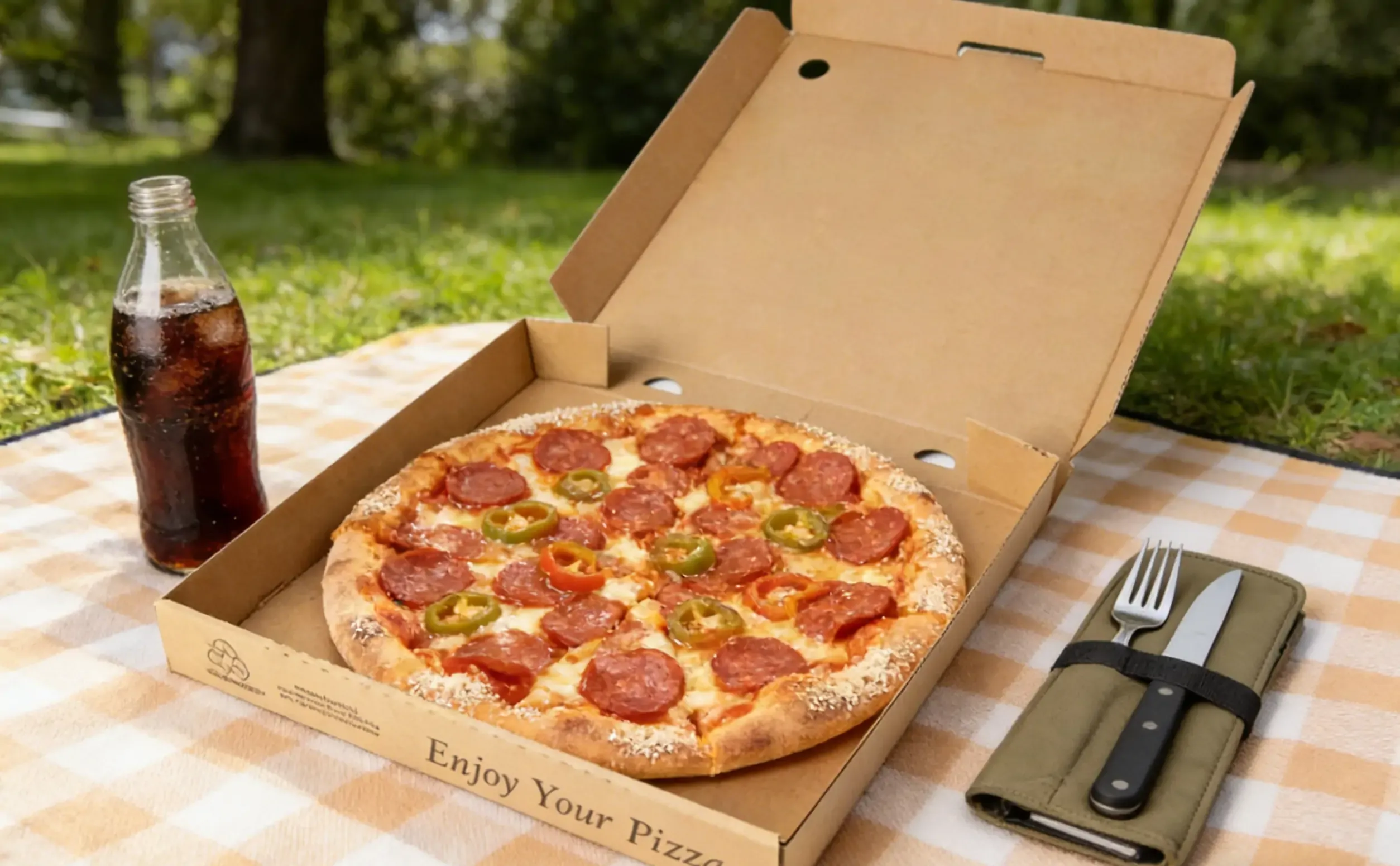
Format as a Function of Occasion
A pizza leaving a shop on a scooter, popcorn handed over at a cinema counter and a catering platter carried into a meeting room are three different logistical problems, and each is solved by a different box. The Paper Box category exists because no single format survives all three: steam, grease, weight and display pull the design in opposite directions.
For a supplier or brand owner building a range, the useful question is not which box is best but which occasion each format is built for. Once that mapping is clear, a Paper Box range stops being a list of products and becomes a set of decisions about board grade, coating, print and stock.
The commercial tension is inventory. Every additional format adds a die, a print run, a pallet position and a forecast to maintain. A portfolio that covers occasions well usually holds fewer formats than one built by adding whatever a customer asked for last.
This article maps four common formats to their occasions, then looks at how to keep board and print choices steady while holding a Paper Box range narrow enough to manage.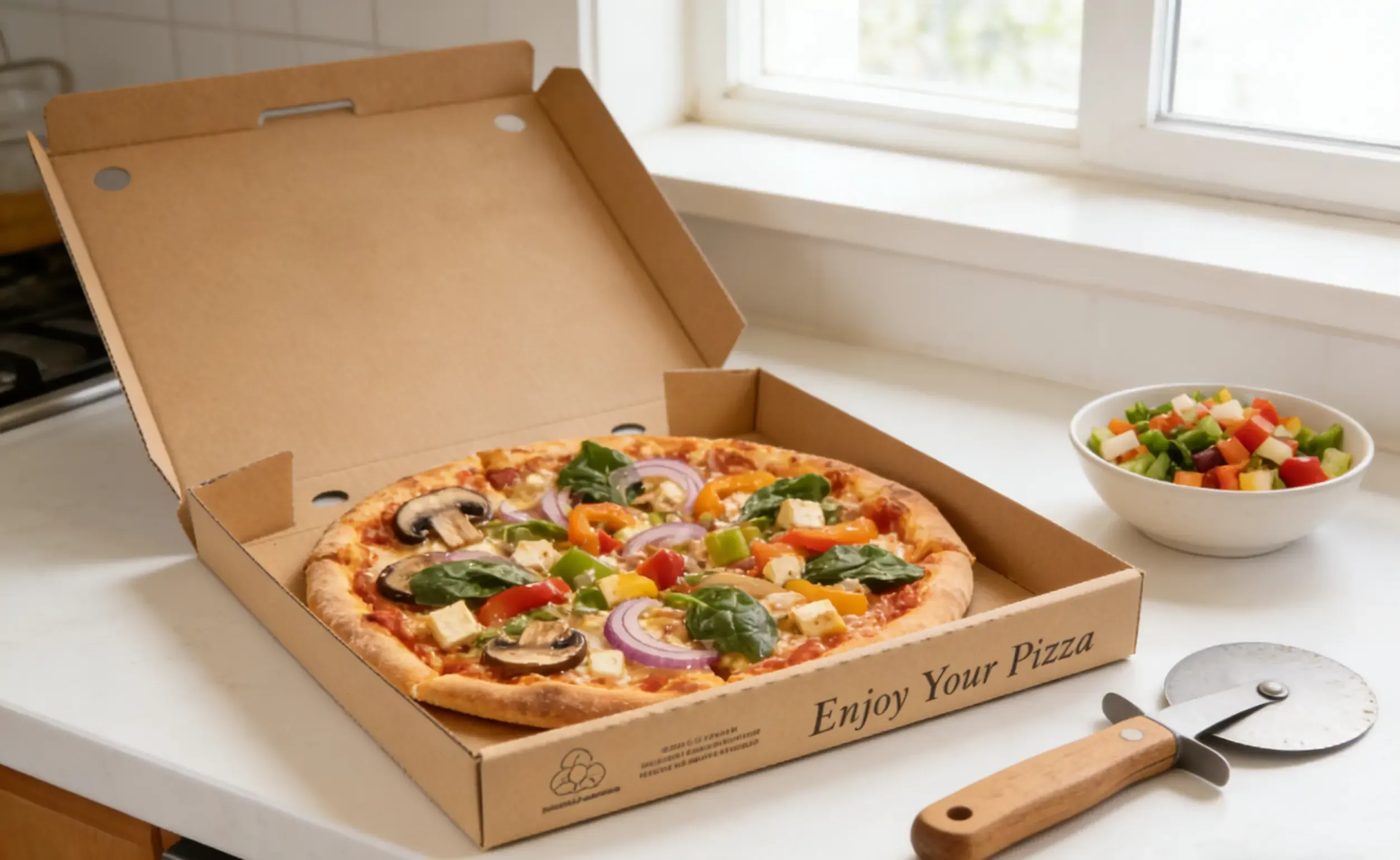
Pizza Formats and Heat Management
A pizza box is a heat-retention device that has to stay rigid while steam tries to soften it, and both jobs share one sheet of board.
Dimension Steps in a Range
Sowin lists its pizza box in steps from 192 x 192 x 49 mm to 328 x 330 x 41 mm, with 232 x 234 x 41 mm and 288 x 291 x 41 mm between them. Footprint grows with pizza diameter while depth stays shallow, so the lid does not rest on the topping and the box stacks without crushing. Shallow depth also limits the volume of trapped air, which is what carries heat away when the box is opened at the door. A Paper Box built to the wrong depth either marks the cheese or loses heat on the way.
Lamination and Steam Release
The pizza box is offered with no coating or with BOPP or BOPPET lamination, and that choice decides how the board behaves under steam. An uncoated box absorbs moisture and softens at the corners, while a laminated box keeps its stiffness but holds vapour inside. Vents and steam-release features are a separate design conversation from the board, so a kitchen that wants a dry crust and a rigid Paper Box has to settle both requirements together. Where a pizza is loaded hot and delivered in minutes, the trade-off is small; where it sits in a bag, it is not.
Popcorn and Concession Formats
Concession service values speed and hand comfort above almost everything else, because the queue does not wait for a careful pack.
Opening Geometry in Concession Service
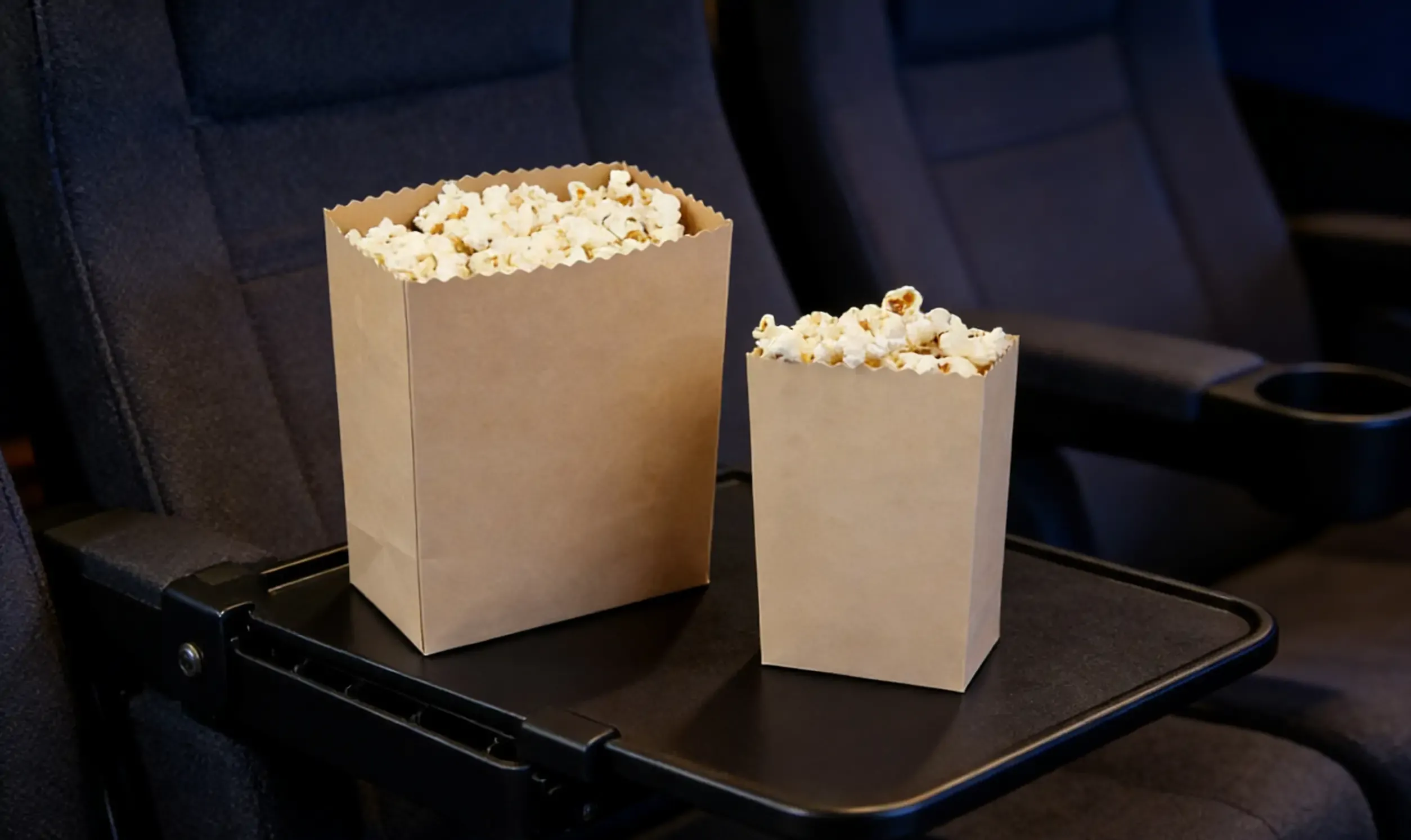
The popcorn box is built around a wide opening, and Sowin lists it in heights from 157 mm to 220 mm with tops of 105 x 75 mm up to 190 x 105 mm. The taper lets boxes nest before filling and hold a generous portion after, and the wide mouth lets a scoop work quickly. Depth matters as much as width, because a tall box keeps popcorn from spilling when it is carried one-handed through a dark auditorium. That combination of taper and depth is why the Paper Box format has survived so long unchanged.
Coating Where Snacks Turn Greasy
A dry snack needs stiffness more than barrier, but the same format often carries chips, churros or fried chicken later in the week. Sowin offers PET, PE, PP, PLA and water-based coatings on the popcorn box, and grease resistance comes from that coating rather than from the board underneath it. A buyer specifying a Paper Box for a concession stand should decide early whether the format will only ever see dry goods, because retrofitting a coating after launch changes print, cost and sealing behaviour. The safe assumption is that it will not stay dry. Uncoated kraft shows an oil mark within minutes, and once the fibre takes it the mark stays.
Platter Formats for Catering and Retail
Catering moves volume in one lift, and the box has to look presentable on arrival after being carried through a service corridor.
Window Options and Display
Sowin's platter box is available with or without a window, in an outer size of 350 x 240 x 82 mm or 450 x 311 x 83 mm, with a matching inner box that sits inside the outer. The window turns the box into a display unit for cakes, fruit or sandwich platters, while the solid version suits journeys where light damages the contents. Because both versions share a footprint, a caterer can print one design and choose the Paper Box lid style by occasion. The window also adds a film patch and interrupts the board direction, so the artwork has to allow for it from the first proof.
Load Bearing Across Large Platters
The large platter spans 450 mm, and a span that wide bends under its own contents unless the board and the corner locks carry the load. A depth of 83 mm keeps the sides stiff and stops contents pressing on the lid. When a Paper Box is specified for catering, the useful questions are how the box will be carried, whether two are stacked in a van, and whether the base will be lifted by one hand at the venue. Corner locks matter more than board thickness here, because a platter box that pops a corner in the van arrives open.
Managing SKU Breadth Against Inventory Cost
Every format costs money before it sells a single unit, and box formats are among the most space-hungry items in a packaging store.
Board Grades and Print Choices per Format
Sowin offers kraft, white and bamboo board across the box range, and the choice carries different print consequences. Kraft takes one or two colours cleanly and hides scuffs in transport, white supports full-colour work and photographs well on a menu, and bamboo gives a warmer surface for premium lines. Print coverage also affects stacking friction and how quickly a box scuffs, so artwork and board should be decided together. A Paper Box printed on kraft and reordered on white is a different product. Coated white board also changes how ink sits, which shifts the minimum line weight that stays legible at arm's length.
Rationalising a Box Range
A workable method is to group formats by occasion, then by footprint, keeping one or two sizes per occasion rather than every size a customer has requested. Shared dimensions between window and solid versions, or between an inner and an outer platter, let one print run serve two listings. The result is a food packaging portfolio that covers pizza, concession and catering without a die for every variation. Review the range once a year against order lines rather than against the catalogue. Two sizes that differ by 20 mm in footprint rarely change what a kitchen can plate, and the smaller of the pair is usually the one that sells.
FAQ
Which Paper Box format suits a mixed takeaway menu?
Most mixed menus are better served by two or three formats than by one. A shallow lidded box covers hot plated meals, a pillow box covers hand-held items, and a larger platter format handles sharing dishes and catering orders. Sowin's range separates these by occasion rather than by size alone, which makes the mapping easier. Start from the five dishes that generate most orders, assign each to a format, and let the rest of the menu follow. Where two dishes fit one Paper Box, keep one.
Can a popcorn box be used for hot, greasy snacks?
The format can, but the specification has to change. Sowin offers PET, PE, PP, PLA and water-based coatings on its popcorn box, and a coated version handles fried snacks better than an uncoated one. Grease resistance depends on that coating and on the board beneath it, so ask for the combination on the Paper Box quotation rather than the format alone. Test with the actual snack, since a warm fried item releases far more oil than popcorn ever will, and check the box an hour after packing, not at the counter.
How many box sizes should a new range launch with?
Fewer than most first drafts suggest. Two or three sizes per occasion cover the great majority of orders, and a fourth size usually serves a single customer. Every extra size adds a die, a minimum print run and a storage position, so it earns its place only when it removes a compromise elsewhere. Launch narrow, record which sizes are asked for and refused, then add deliberately when the volume justifies another Paper Box, and retire the size it replaces rather than running both.