


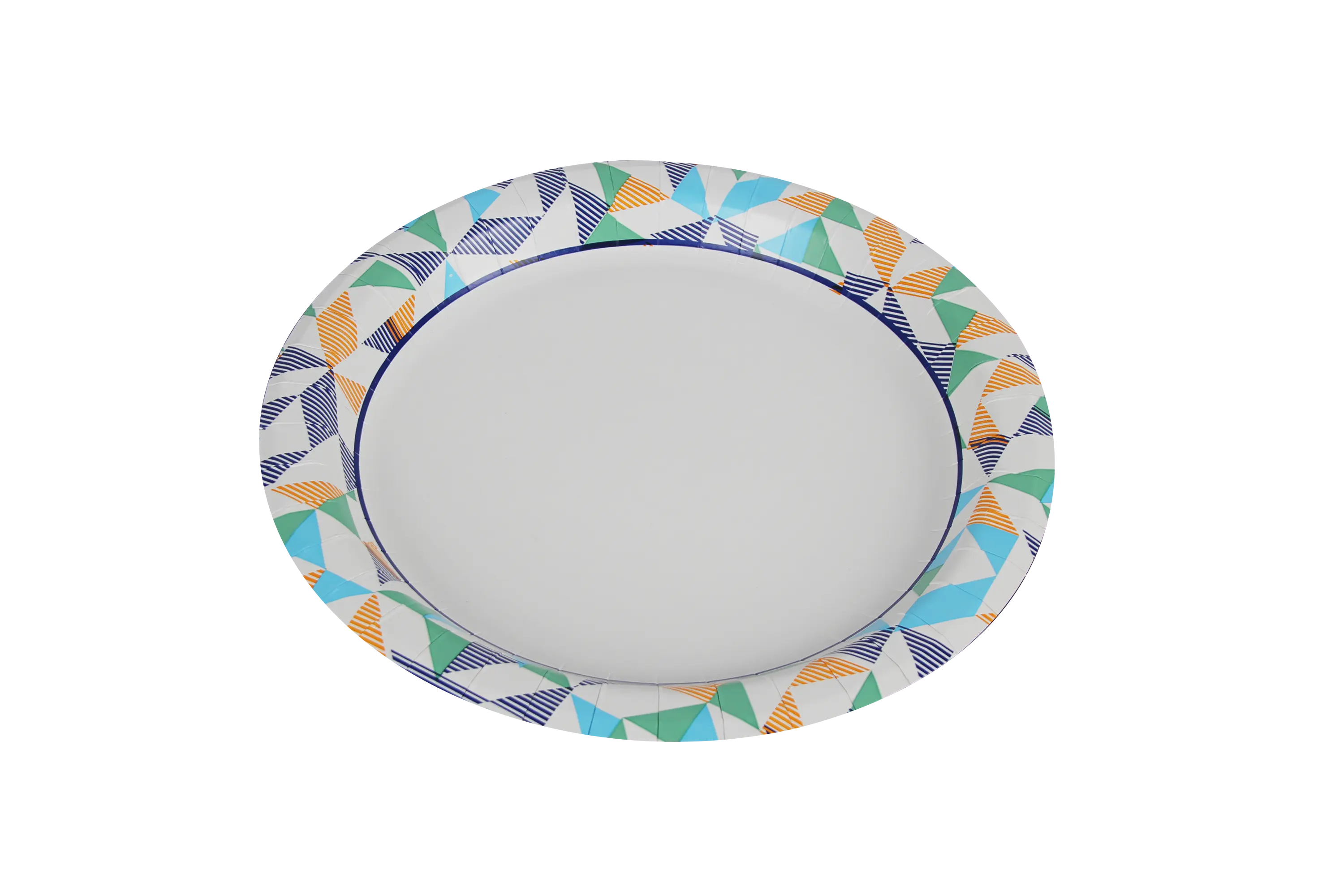
The food service industry faces mounting pressure to balance operational efficiency with environmental responsibility. Disposable tableware has become a cornerstone of modern food packaging, offering solutions that address both practical and sustainability concerns. From quick-service restaurants to catering operations and meal delivery services, disposable tableware serves as more than just a convenience—it represents a strategic choice that affects customer experience, brand perception, and operational costs. Understanding the role of disposable tableware in food packaging reveals why businesses increasingly view it as essential infrastructure rather than an afterthought.
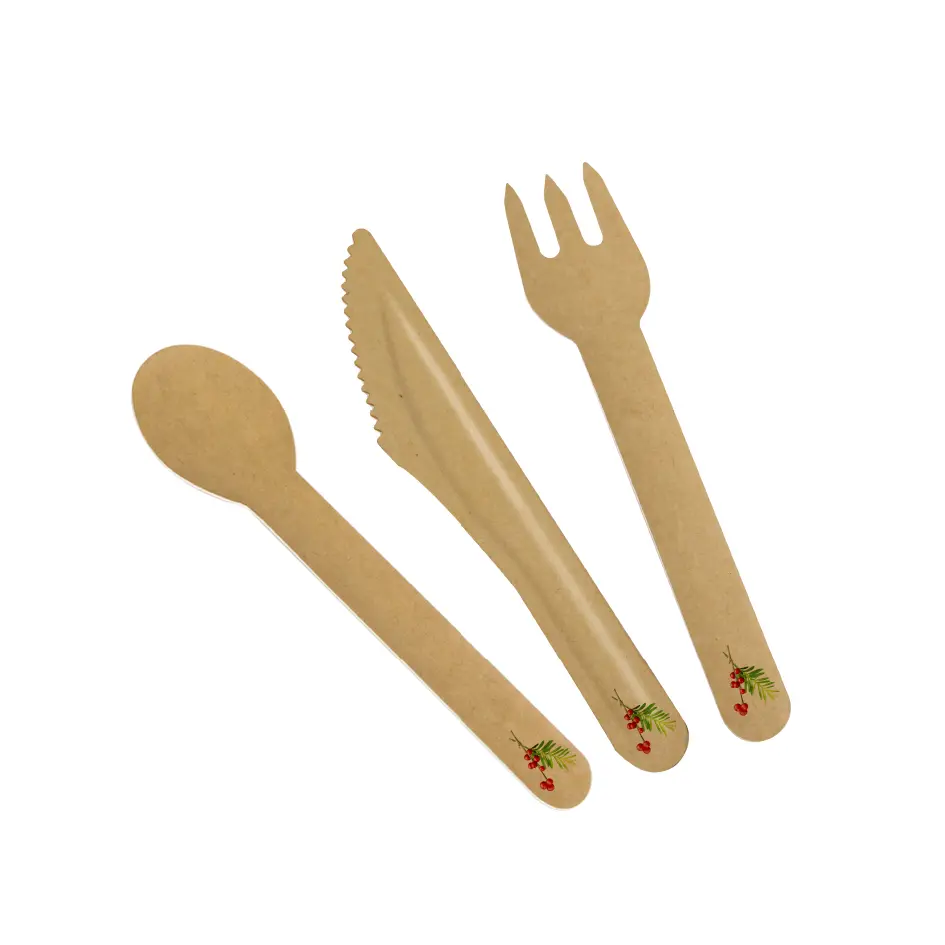
Modern food packaging extends beyond containers to encompass the complete dining experience. Disposable tableware—including plates, cups, utensils, napkins, and serving ware—forms an integral component of this ecosystem. The selection and quality of disposable tableware directly influence customer satisfaction, food presentation, hygiene standards, and overall brand image. As consumer expectations shift toward convenience without guilt, food businesses must carefully evaluate how their disposable tableware choices align with operational needs and environmental commitments.
The Strategic Value of Disposable Tableware in Food Service Operations
Operational Efficiency and Cost Management
Disposable tableware eliminates the labor-intensive cycle of washing, drying, storing, and maintaining reusable serviceware. For high-volume food service operations, this translates to significant cost savings in water consumption, energy usage, and labor hours. Disposable tableware allows staff to focus on food preparation and customer service rather than back-of-house sanitation tasks. The predictable cost structure of disposable tableware also simplifies budgeting and inventory management, as businesses can purchase standardized quantities without worrying about breakage, loss, or replacement cycles that plague reusable systems.
Hygiene and Food Safety Standards
Single-use disposable tableware ensures that every customer receives completely sanitary serviceware, eliminating cross-contamination risks associated with shared or improperly cleaned reusable items. Food safety regulations in many jurisdictions recognize the hygiene advantages of disposable tableware, particularly in high-risk environments like hospitals, schools, and catering services. Disposable tableware provides documented compliance with health codes and reduces the liability exposure that comes with reusable serviceware management. The sterile nature of disposable tableware, especially paper-based and compostable options, gives customers peace of mind and strengthens operational credibility.
Environmental Considerations and Sustainable Disposable Tableware Innovation
Evolution Toward Eco-Conscious Materials
The environmental profile of disposable tableware has shifted dramatically over the past decade. Traditional plastic disposable tableware raised serious concerns about landfill accumulation and ocean pollution, prompting businesses and consumers alike to demand alternatives. Modern disposable tableware now incorporates paper, bamboo, palm leaf, sugarcane bagasse, and other renewable materials that biodegrade more readily than petroleum-based plastics. Manufacturers have invested heavily in developing disposable tableware that maintains functionality and affordability while reducing environmental footprint. Food service businesses that transition to eco-friendly disposable tableware often discover that customers view this choice positively, strengthening brand loyalty and market positioning.
Lifecycle Analysis and Carbon Footprint
Recent lifecycle assessments reveal that the environmental impact of disposable tableware depends on material composition, transportation distance, and end-of-life disposal methods. Compostable disposable tableware, when processed through industrial composting facilities, returns nutrients to soil rather than persisting in landfills for decades. However, the carbon emissions generated during manufacturing and transportation of disposable tableware still require careful consideration. Food service operators must weigh the water and energy saved by eliminating washing cycles against the resources consumed in producing disposable tableware. Strategic sourcing of locally manufactured disposable tableware and participation in composting or recycling programs can significantly improve the environmental equation.
Brand Enhancement and Customer Experience Through Thoughtful Disposable Tableware Selection
Visual Presentation and Brand Differentiation
Disposable tableware has evolved from purely functional commodity items to branded experience tools. Premium disposable tableware options—featuring custom logos, refined colors, and sophisticated finishes—transform the unboxing and dining moment into a brand touchpoint. High-quality disposable tableware signals to customers that a business values their experience and takes pride in every detail. Conversely, cheap or flimsy disposable tableware can undermine even excellent food quality, creating a perception of carelessness or cost-cutting. Food businesses that invest in thoughtfully selected disposable tableware demonstrate confidence in their brand and commitment to customer satisfaction, generating positive word-of-mouth and repeat business.
Flexibility for Diverse Service Models
The versatility of disposable tableware enables food businesses to adapt quickly to different service formats. Whether serving dine-in customers, enabling takeout, facilitating food delivery, or hosting special events, disposable tableware provides consistent, reliable serviceware that works across contexts. This flexibility becomes especially valuable during demand spikes or seasonal fluctuations when maintaining adequate reusable inventory would be impractical. Disposable tableware also supports emerging service models like ghost kitchens and meal kit delivery services that cannot rely on customer-returned serviceware. The adaptability of disposable tableware allows businesses to scale operations and respond to market opportunities without infrastructure constraints.
Implementing Disposable Tableware Solutions That Align With Business Values
Selection Criteria for Effective Disposable Tableware
Choosing appropriate disposable tableware requires evaluating multiple dimensions beyond initial cost. Food type compatibility is critical—soup service demands different disposable tableware than dry snacks, and hot beverages require materials with superior insulation properties. Disposal tableware durability must match expected service duration; a disposable tableware plate should maintain structural integrity throughout the meal without tearing or leaking. Aesthetic considerations matter when disposable tableware appears in customer-facing contexts. Environmental certifications and disposal method compatibility deserve serious consideration if sustainability represents a core business value. A systematic approach to disposable tableware selection ensures that chosen products serve both practical and strategic business objectives.
Integration With Existing Food Packaging Systems
Successful disposable tableware implementation requires coherent integration with broader food packaging and service workflows. Disposable tableware dimensions must fit logically within existing containers and transportation systems. Supply chain reliability for disposable tableware sourcing prevents operational disruptions that could compromise service quality. Staff training ensures that disposable tableware is used correctly and that customers understand disposal or compost protocols. Monitoring customer feedback about disposable tableware performance reveals opportunities for adjustment or upgrade. By treating disposable tableware as part of a holistic food packaging strategy rather than an isolated procurement decision, businesses create more resilient and customer-responsive operations.
FAQ
What makes disposable tableware different from single-use plasticware?
Modern disposable tableware encompasses a wide range of materials beyond plastic, including paper, bamboo, palm leaf, and compostable polymers. These materials offer improved biodegradability and reduced environmental persistence compared to traditional plastic disposable tableware. The quality, durability, and sustainability profile of today's disposable tableware varies significantly by material choice, manufacturing standard, and end-of-life processing capability. Many businesses now prefer plant-based or paper disposable tableware for these environmental advantages, though selection ultimately depends on specific food service requirements and sustainability priorities.
Is disposable tableware cost-effective compared to reusable alternatives?
The total cost analysis of disposable tableware versus reusable serviceware depends on operation scale, labor costs, water and energy prices, and customer volume. High-volume food service operations often achieve cost advantages with disposable tableware when accounting for eliminated washing, drying, breakage replacement, and storage requirements. Smaller operations or those with lower labor costs may find reusable options more economical. When selecting disposable tableware, smart procurement strategies—such as purchasing through disposable tableware suppliers offering competitive bulk pricing—can enhance cost-effectiveness without sacrificing quality or sustainability standards.
How do I ensure my disposable tableware choices align with environmental commitments?
Selecting environmentally responsible disposable tableware involves verifying material certifications, understanding decomposition timelines, and confirming access to appropriate disposal infrastructure. Look for disposable tableware manufactured from certified sustainable sources with compostability certifications from recognized standards bodies. Partner with suppliers who provide transparency about disposable tableware sourcing, manufacturing practices, and end-of-life processing options. Consider whether your local waste management system includes commercial composting facilities that can properly process your chosen disposable tableware. Communicating your disposable tableware sustainability efforts to customers reinforces brand values and builds trust with environmentally conscious consumers.
Table of Contents
- The Strategic Value of Disposable Tableware in Food Service Operations
- Environmental Considerations and Sustainable Disposable Tableware Innovation
- Brand Enhancement and Customer Experience Through Thoughtful Disposable Tableware Selection
- Implementing Disposable Tableware Solutions That Align With Business Values
- FAQ