
Understanding Custom Plastic Cups: Definition, Applications, and Market Value
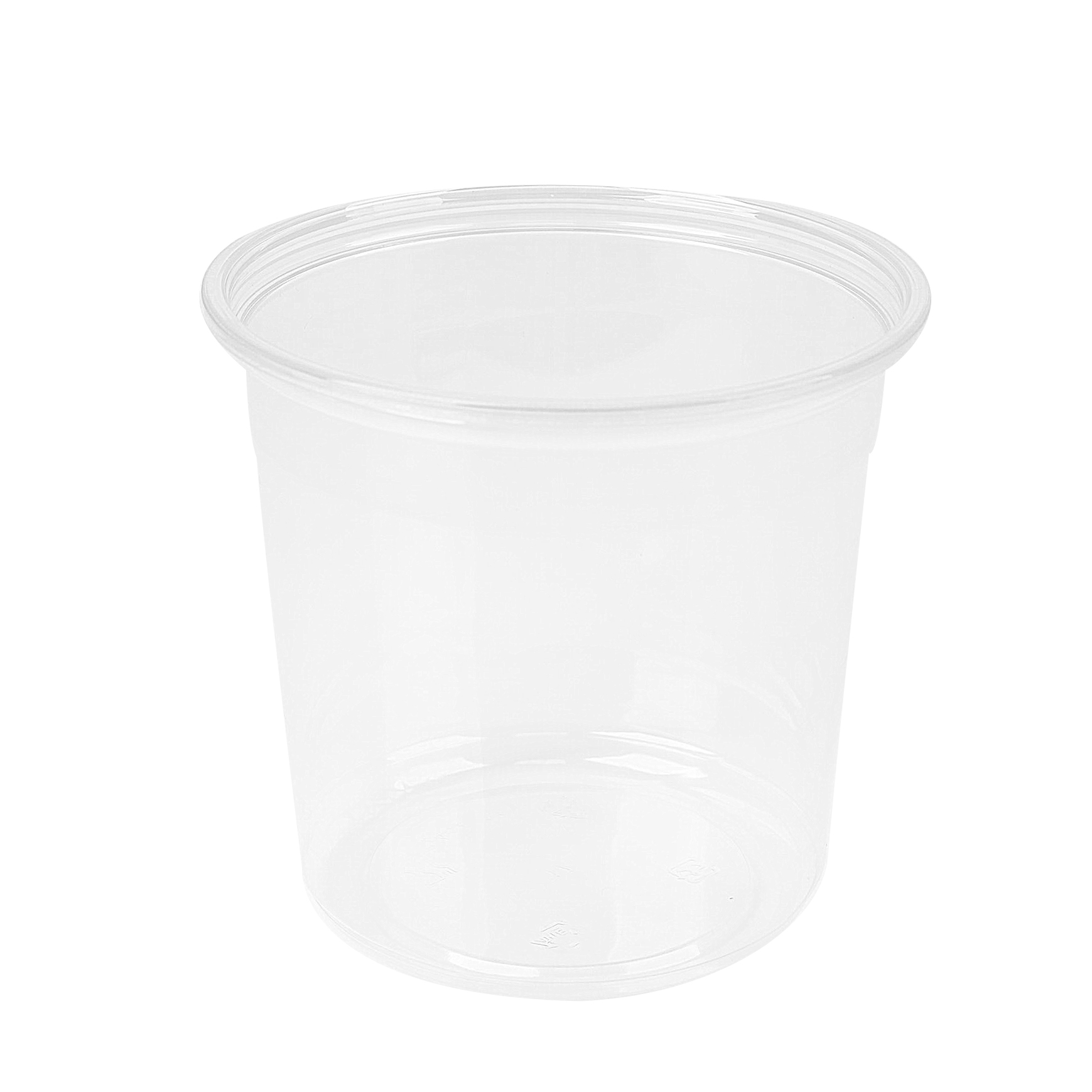
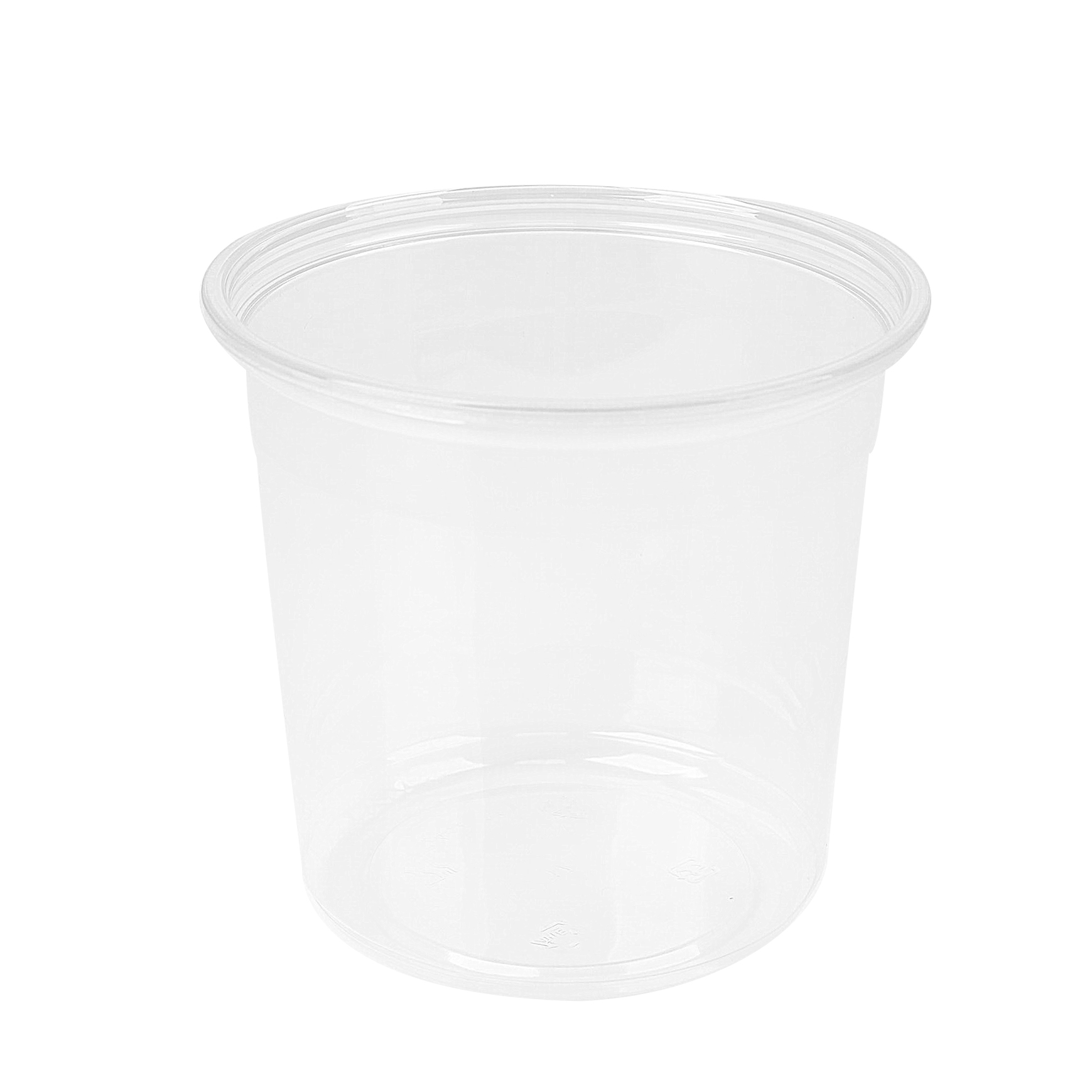
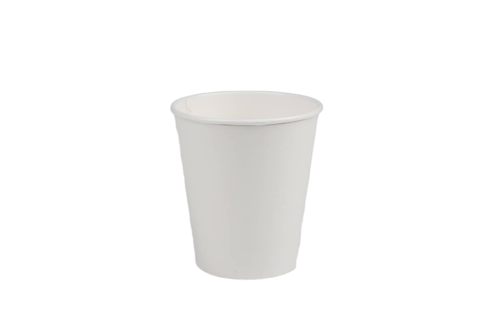
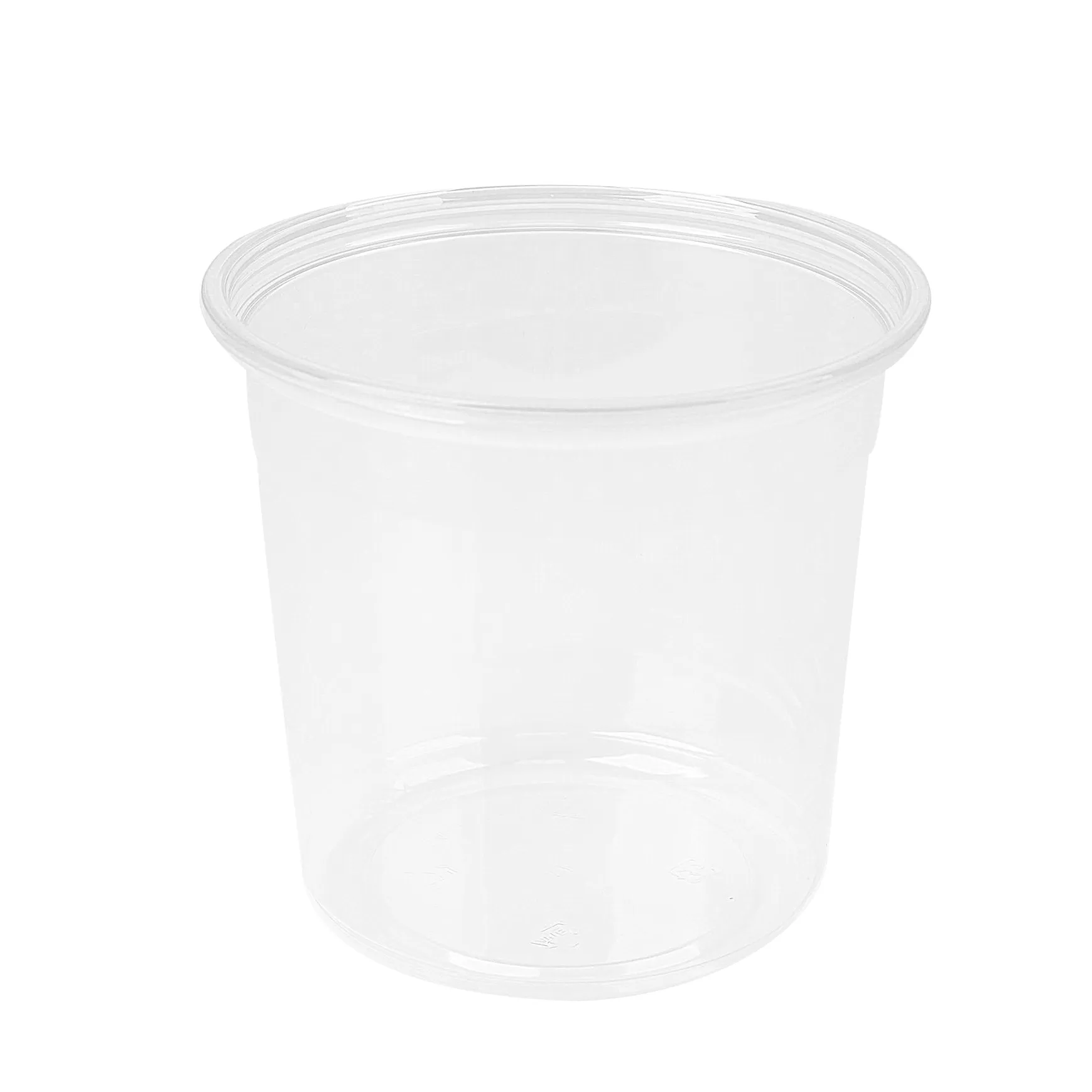
Branded plastic cups come in all shapes and sizes, typically crafted from safe plastics like polypropylene or PET. These cups aren't just for holding drinks anymore though. Companies put their logos, catchy slogans, or eye-catching designs right on them. The real magic happens when these cups do double duty. They keep people hydrated but also act as walking advertisements wherever they go. Think about it: fast food joints hand them out with carryout meals, concert venues sell them as keepsakes at events, and businesses give them away as freebies during trade shows. What makes this so effective? Those cups stick around long after the drink is gone, spreading brand awareness across town, across states, sometimes even internationally as people travel with them.
The global promotional drinkware market was valued at $18.7 billion in 2023 (Grand View Research), with custom plastic cups representing 34% of this segment. Their appeal lies in durability, low per-unit cost ($0.08–$0.15), and alignment with sustainability goals—68% of consumers report greater engagement with brands using eco-friendly packaging (NielsenIQ 2023).
Key Applications
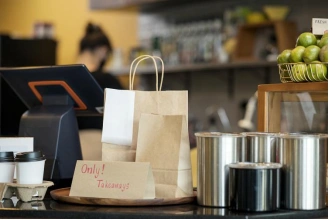
- Food Service: Cafés and restaurants reinforce brand identity with every takeout order
- Live Events: Sports arenas and concert halls create limited-edition souvenir cups
- Corporate Gifting: Trade shows distribute branded cups as practical, high-retention swag
- Special Occasions: Weddings and parties use personalized designs for thematic cohesion
This cross-sector adoption fuels consistent 5.2% annual market growth—proof that custom plastic cups deliver measurable ROI through repeated, high-visibility brand exposure.
Core Materials Behind Custom Plastic Cups: PP vs. PET Properties and Selection Criteria
Selecting the right material hinges on functional priorities: temperature resistance, visual impact, recyclability, and branding fidelity. Polypropylene (PP) and polyethylene terephthalate (PET) each excel in distinct applications—and understanding their trade-offs ensures optimal performance and compliance.
Why Polypropylene (PP) Excels in Heat Resistance and Food Safety
PP withstands temperatures up to 176°F (80°C) without warping—making it ideal for hot coffee, soups, or microwave-safe reheating. Its molecular stability prevents chemical migration, ensuring FDA-compliant food safety with zero BPA leaching. Flexibility also reduces cracking upon impact—critical for high-traffic settings like cafeterias or stadiums.
Why PET Delivers Clarity, Rigidity, and Recyclability for Branded Cups
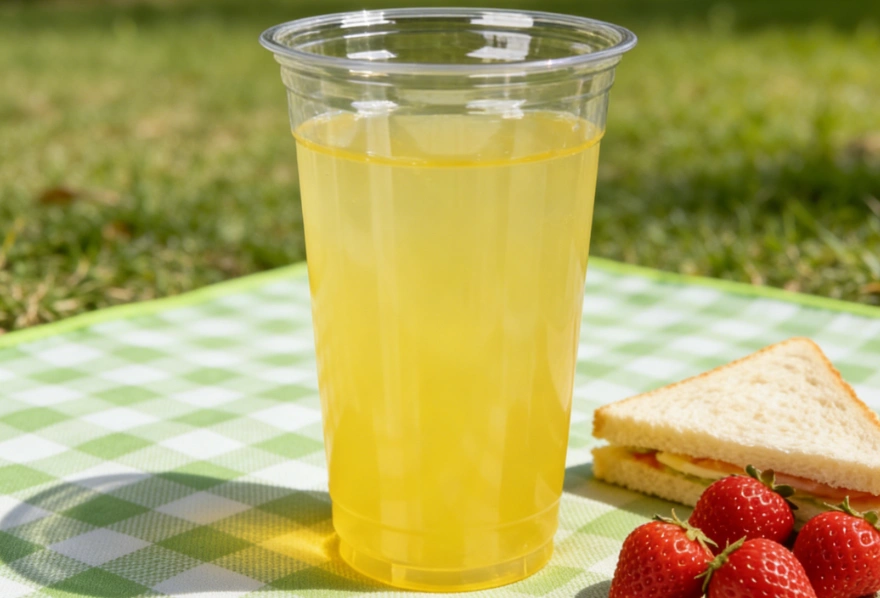
PET has that clear look similar to glass which really makes drinks stand out on shelves and helps logos pop more than other materials. Some research shows people actually engage with these packages about 23 percent more because they can see right through them. The material stays strong even when stacked high or loaded down heavy, so it doesn't get crushed easily. Plus, since it's labeled as resin code number one, most recycling centers take it in their regular programs across the country around 85% of the time. That's why so many companies go for PET bottles when selling cold drinks, fruit smoothies, or anything where looking eco friendly matters to customers.
| Property | PP | PET |
|---|---|---|
| Max Temp | 176°F (80°C) | 160°F (71°C) |
| Clarity | Slightly hazy | Glass-like |
| Recyclability | Limited programs | Widely accepted |
| Best For | Hot liquids | Brand presentation |
Choose PP when thermal resilience and impact durability are paramount; select PET when visual fidelity, rigidity, and end-of-life recyclability drive your decision. Both meet FDA standards for food contact—but their performance profiles dictate fit-for-purpose application.
From Sheet to Shelf: The End-to-End Manufacturing Process for Custom Plastic Cups
Extrusion: Producing Uniform Plastic Sheets for Thermoforming
Extrusion is where it all starts. Plastic pellets made from either PP or PET get heated until they're molten, then pushed through a flat die to create long continuous sheets. These sheets come out at very specific thicknesses usually between 0.5 and 1.2 millimeters. When making cups for hot beverages, manufacturers need those thicker sheets around 0.8 to 1.2 mm because they hold up better under heat. For cold drinks though, something thinner works just fine, typically in the 0.5 to 0.7 mm range. Getting the temperature right during this whole melting process is super important too. If things get too hot or too cold, the melted plastic can become inconsistent, leading to problems later on when forming shapes through thermoforming techniques. Warped edges or weak areas in finished products are definitely not what anyone wants.
Thermoforming: Precision Shaping Using Heat, Vacuum, and Mold Engineering
Heated sheets are fed into forming presses where precision-engineered molds define cup geometry. Vacuum suction pulls the pliable material into cavities—shaping walls, bases, and contours in seconds. Critical parameters include:
- Mold temperature, which governs surface finish and gloss consistency
- Dwell time, calibrated to prevent wall thinning
-
Cooling rate, affecting dimensional stability and stackability
Advanced servo-driven systems achieve tolerances within ±0.15 mm—ensuring batch-to-batch repeatability essential for branded consistency.
Finishing & Quality Assurance: Trimming, Rim Rolling, and Leak/Clarity Testing
Excess material is removed via precision die-cutting, followed by rim rolling—a cold-forming step that strengthens the cup’s top edge and improves grip. Automated inspection then validates:
- Leak-proof integrity, verified via pressurized air testing
- Optical clarity, measured with light transmission sensors (for PET)
-
Wall thickness uniformity, confirmed through laser scanning
Non-conforming units are granulated and reprocessed, enabling 99% yield rates in FDA- and EC-compliant facilities.
Branding Your Custom Plastic Cups: Printing Technologies and Design Best Practices
Effective branding transforms functional drinkware into durable, high-impact marketing tools. Matching printing technology to volume, design complexity, and durability requirements—and preparing artwork correctly—ensures color accuracy, longevity, and professional reproduction.
Screen, Offset, and Digital Printing Compared for Durability and Color Fidelity
| Method | Best For | Durability | Color Vibrancy | Cost Efficiency |
|---|---|---|---|---|
| Screen | Opaque designs, high-volume runs | Excellent | High | Cost-effective ¥5k units |
| Offset | Photographic detail, CMYK blends | Good (laminated) | Exceptional | Viable ¥10k units |
| Digital | Low-volume, variable data | Moderate | High-resolution | No setup fees |
Screen printing delivers superior abrasion resistance by embedding ink into the plastic surface—ideal for long-lived, high-handling applications. Offset excels at photorealistic gradients and fine detail, especially when paired with protective lamination. Digital printing enables rapid prototyping and short-run customization, though industrial coatings may be required for dishwasher-safe performance.
Preparing Artwork: CMYK vs. Pantone, File Formats, and Minimum Line Thickness
Use vector-based files (AI, EPS) to preserve scalability and edge sharpness. For consistent color output:
- CMYK suits photographic or gradient-rich designs
- Pantone (PMS) guarantees exact brand color matching across production runs
- Maintain minimum line thickness at 0.5 pt to prevent ink bleed or breakage
- Extend background elements 3 mm beyond cut lines (bleed area) to avoid white borders
Final files should be high-resolution (300 DPI) PDFs with embedded fonts and outlined text—ensuring seamless translation across all printing platforms.
FAQ
What are custom plastic cups made of?
Custom plastic cups are typically made from polypropylene (PP) or polyethylene terephthalate (PET), both chosen for their functional benefits like temperature resistance and recyclability.
Why do companies use custom plastic cups for branding?
Companies use custom plastic cups for branding because they double as practical drinkware and moveable advertisements that increase brand visibility and customer engagement.
What are the best printing methods for custom plastic cups?
Screen printing is best for durability and high-volume, opaque designs; offset printing is best for photorealistic detail; digital printing suits low-volume runs and rapid prototyping.
Are custom plastic cups eco-friendly?
Yes, especially when made from PET which is widely accepted in recycling programs. Eco-conscious consumers prefer brands that use sustainable packaging solutions.
Table of Contents
- Understanding Custom Plastic Cups: Definition, Applications, and Market Value
- Core Materials Behind Custom Plastic Cups: PP vs. PET Properties and Selection Criteria
- From Sheet to Shelf: The End-to-End Manufacturing Process for Custom Plastic Cups
- Branding Your Custom Plastic Cups: Printing Technologies and Design Best Practices
- FAQ