Paper Shopping Bags: Durable, Reusable, Brand-Ready Packaging for Modern Retail

paper shopping bags

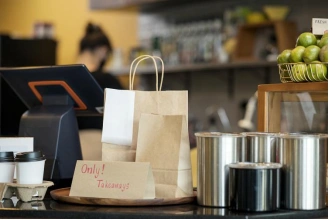
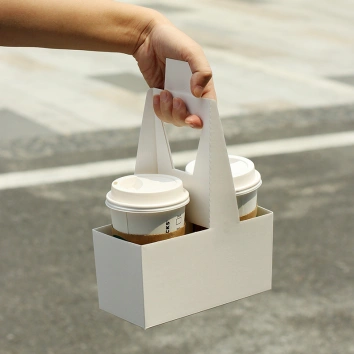
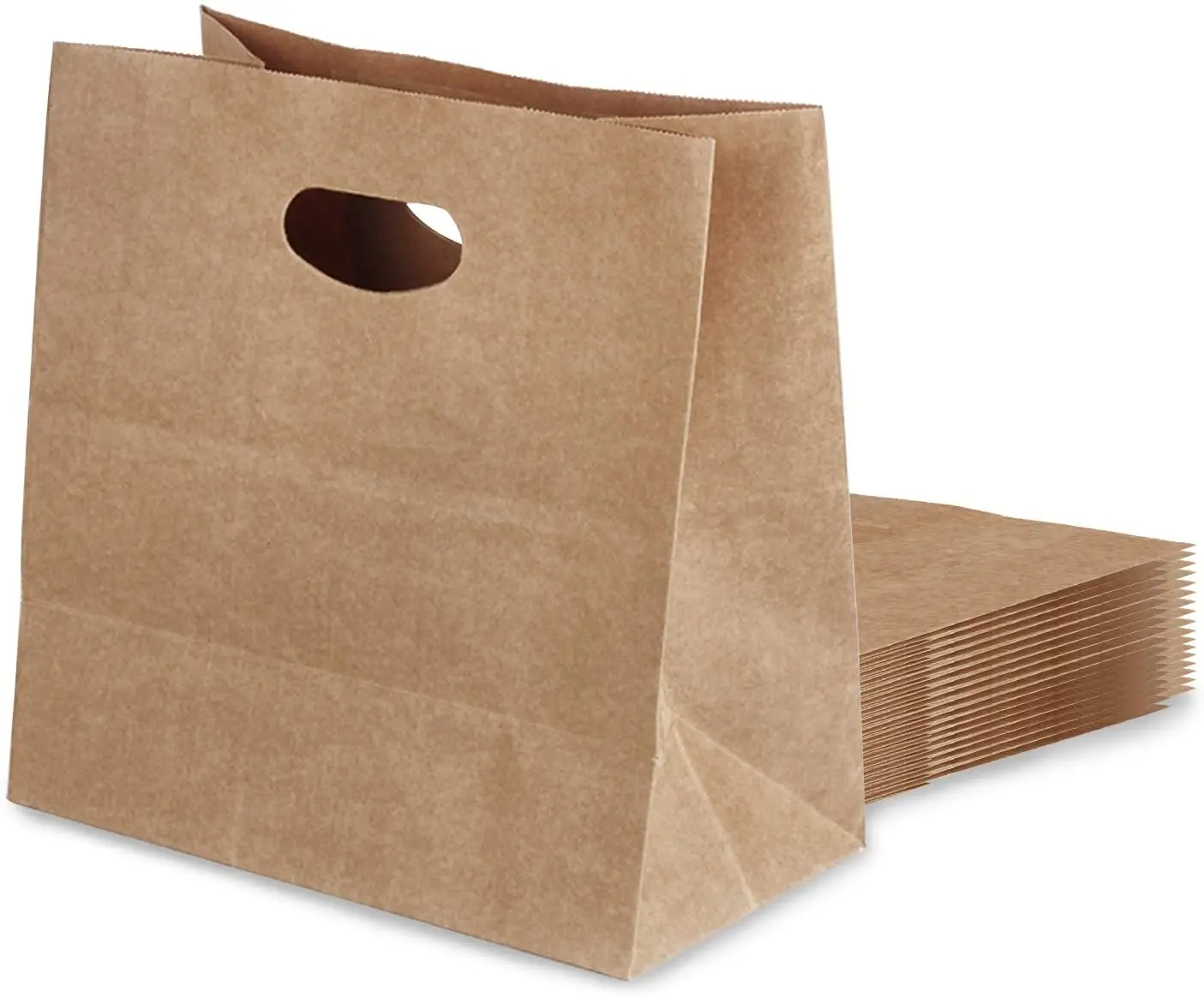
Paper shopping bags are practical carriers designed to move goods safely from a store to a home, office, or event while supporting a cleaner brand image. At the most basic level, they hold products, protect purchases, and give shoppers an easy way to carry items by hand. Good paper shopping bags combine sturdy paper, reinforced handles, and a base structure that stays flat when filled. This lets customers pack quickly at checkout and carry items with less strain. For retail teams, paper shopping bags also work as a visible branding tool because every bag can display a logo, a message, and contact details. In daily use, paper shopping bags help stores manage both function and presentation in one simple product. Modern paper shopping bags use several useful technical features. Many are made from kraft or recycled paper with controlled thickness, measured by paper weight, so stores can match bag strength to product type. Handle systems include twisted paper handles, flat handles, or die-cut grip slots, each chosen for comfort and load needs. Some paper shopping bags use water-based inks, food-safe coatings, or light moisture barriers that reduce damage from brief exposure to humidity. Manufacturers can also add fold lines, gussets, and reinforced bottoms to improve shape retention and carrying capacity. Applications are wide and practical. Grocery shops use paper shopping bags for produce and packaged food, boutiques use them for clothing and gifts, bakeries use them for takeout, pharmacies use them for mixed small items, and event organizers use them as welcome kits. Restaurants, cosmetic stores, bookshops, and craft sellers also use paper shopping bags because they look clean, stack easily, and support quick handoff during busy service periods. For customers, they deliver convenience. For businesses, they support operations, branding, and responsible packaging goals at the same time.

New Product Releases

Paper shopping bags give customers and businesses clear, everyday advantages that are easy to see at checkout, during transport, and after purchase. First, they are simple to carry and easy to load. A well-made bag opens quickly, stands upright, and holds shape while staff pack items. This saves time at the counter and reduces frustration for shoppers who do not want to juggle loose products. Strong handles and a stable bottom help paper shopping bags move from store to car to home with fewer spills and fewer torn packages. For busy people, this reliability matters more than flashy design. Second, paper shopping bags support cleaner and more organized storage at home. Many customers reuse them to sort pantry items, wrap gifts, collect recycling, or store receipts and daily essentials. They fold flat, so they do not take much space in a drawer or cabinet. Unlike bulkier options, paper shopping bags are easy to label and stack, which helps families keep small spaces tidy. This practical second life increases value for buyers because one bag can serve multiple tasks before disposal. Third, paper shopping bags improve how a business is perceived without adding complexity. A neat bag with clear print and strong construction gives customers confidence that a brand pays attention to quality. Stores can choose sizes for specific product ranges, reducing wasted material and improving fit. Clean design on paper shopping bags also turns each customer into a moving brand touchpoint on streets, public transport, and offices. This exposure is useful for local marketing and repeat visits. Fourth, paper shopping bags make operations smoother for staff. They are usually delivered flat, stacked neatly, and counted in easy bundles, so inventory handling is straightforward. Employees can pick the right size fast, pack efficiently, and keep checkout lines moving. When products are packed in paper shopping bags that fit correctly, damage rates can drop because items shift less during transport. Better packing flow means better customer experience. Fifth, paper shopping bags align with customer expectations for responsible choices. Many shoppers now notice packaging materials before they decide where to buy. Offering paper shopping bags can show that a store is taking practical steps toward lower-impact packaging. This can strengthen trust and loyalty, especially among customers who compare brands by everyday actions, not just slogans. Last, cost control can be realistic when businesses choose the right mix of size, paper weight, and print coverage. Standardized paper shopping bags can reduce overpacking, lower replacement rates, and simplify purchasing across branches. For customers, the result is a bag that feels dependable and useful. For businesses, the result is packaging that works hard in service, presentation, and customer satisfaction.

Practical Tips

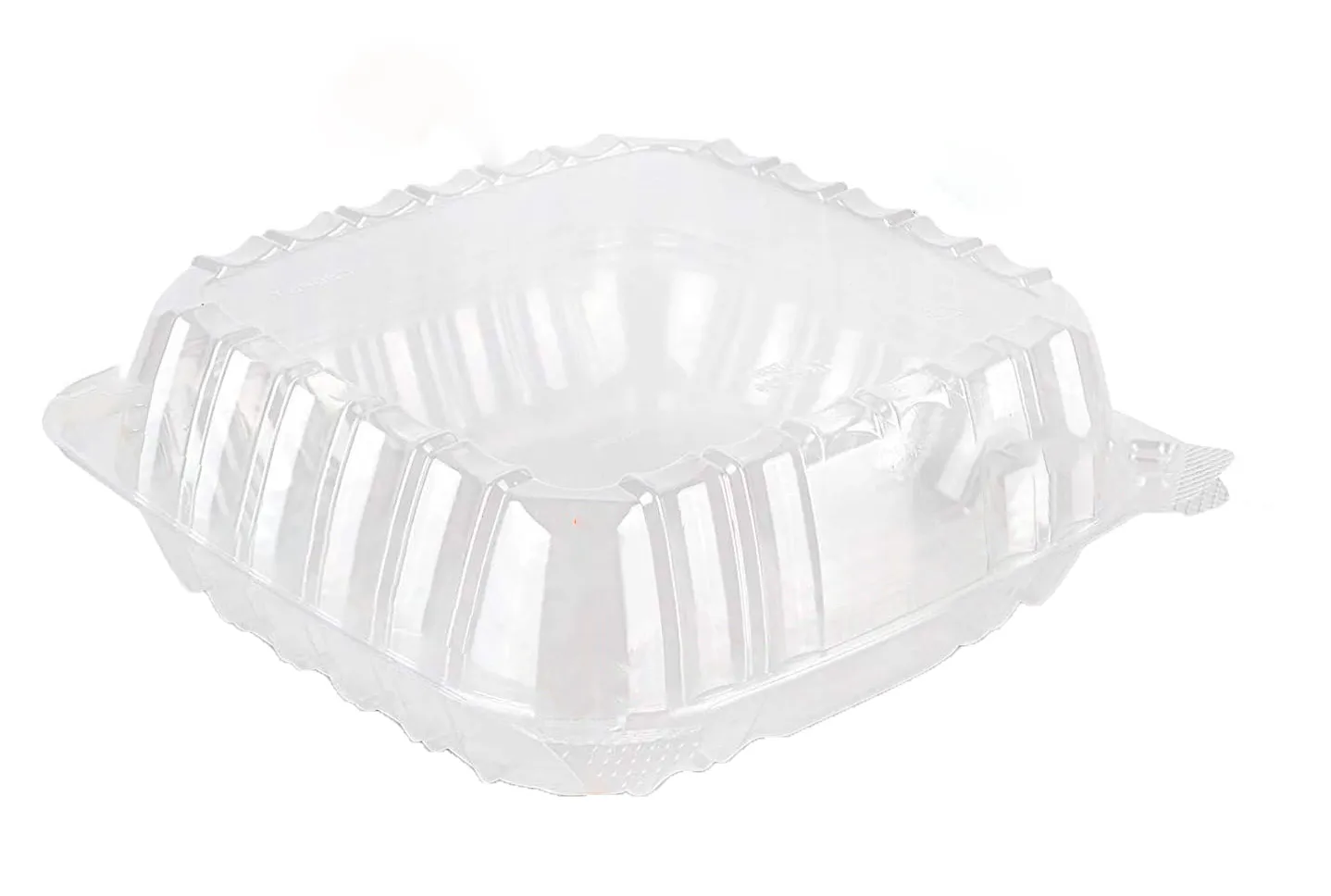
Clamshell Containers for High-Volume Takeaway Operations

15

Jan

Clamshell Containers for High-Volume Takeaway Operations

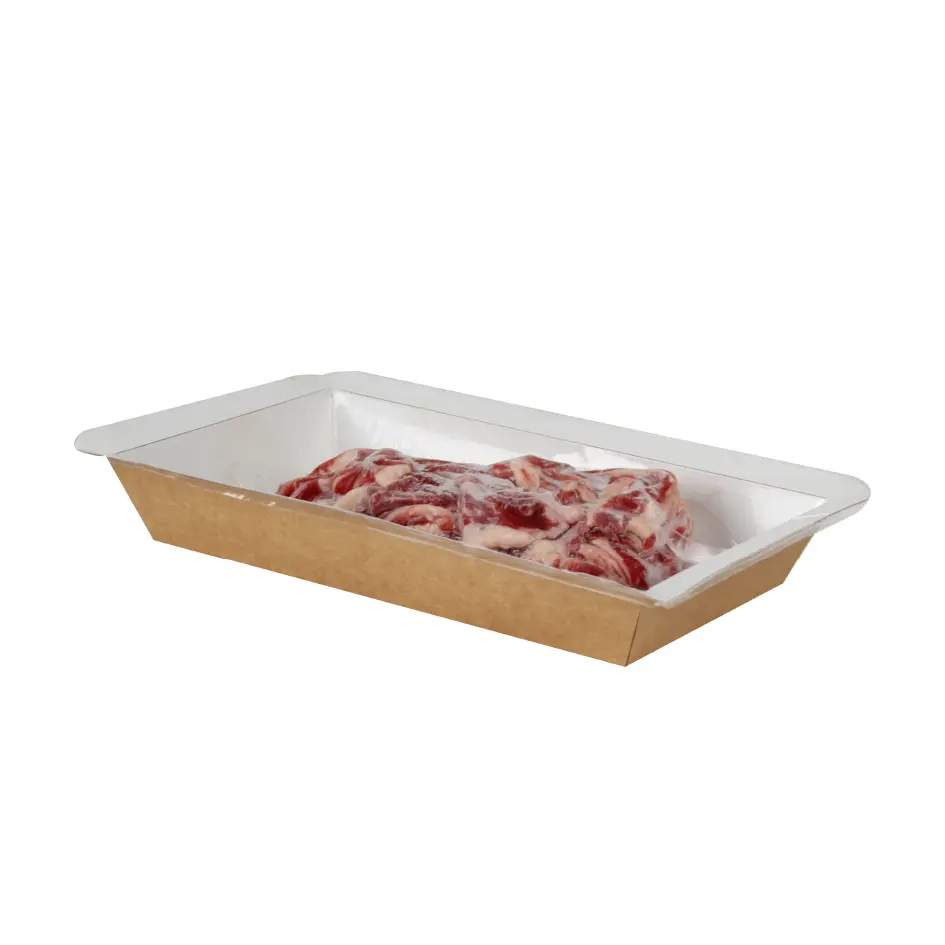
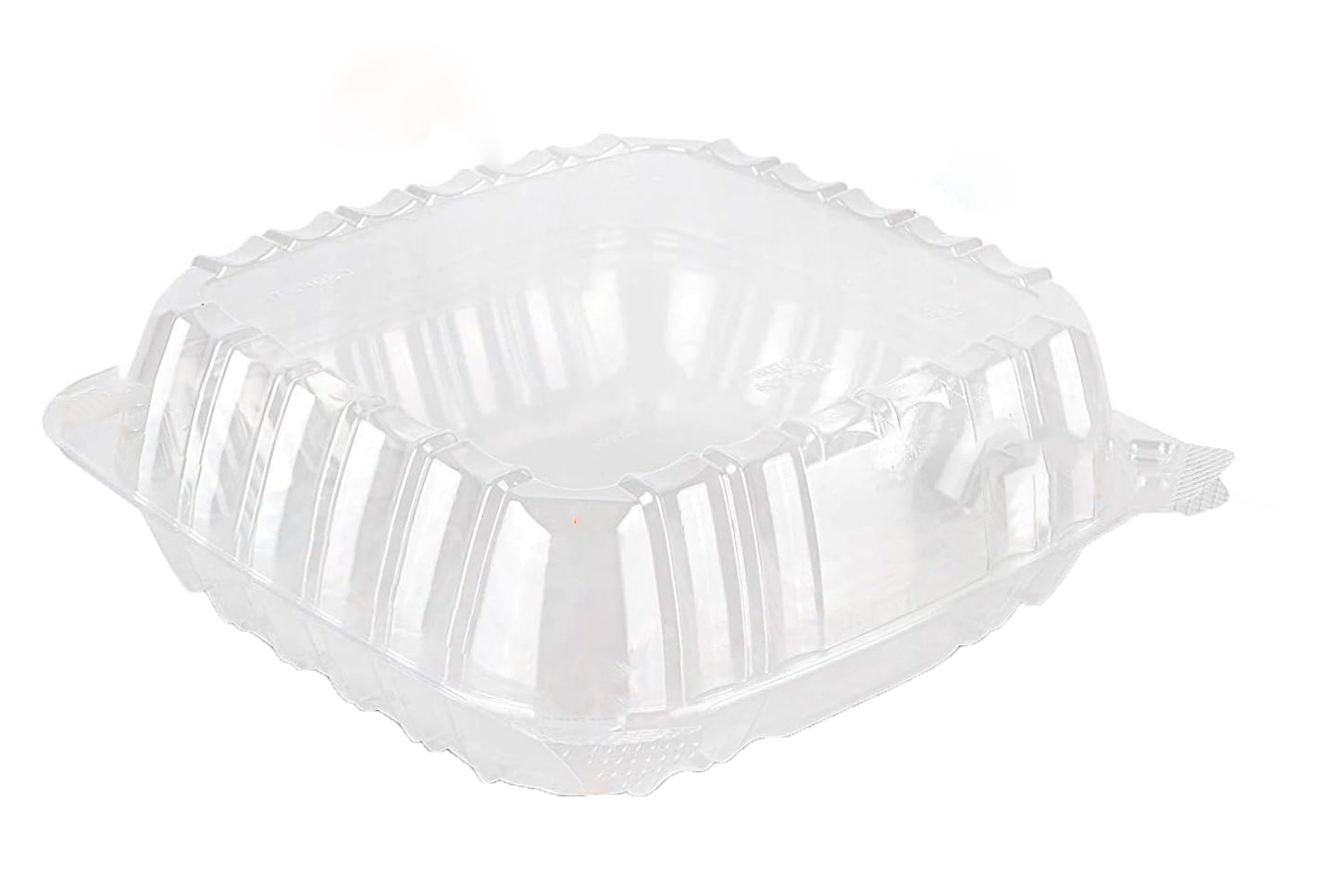
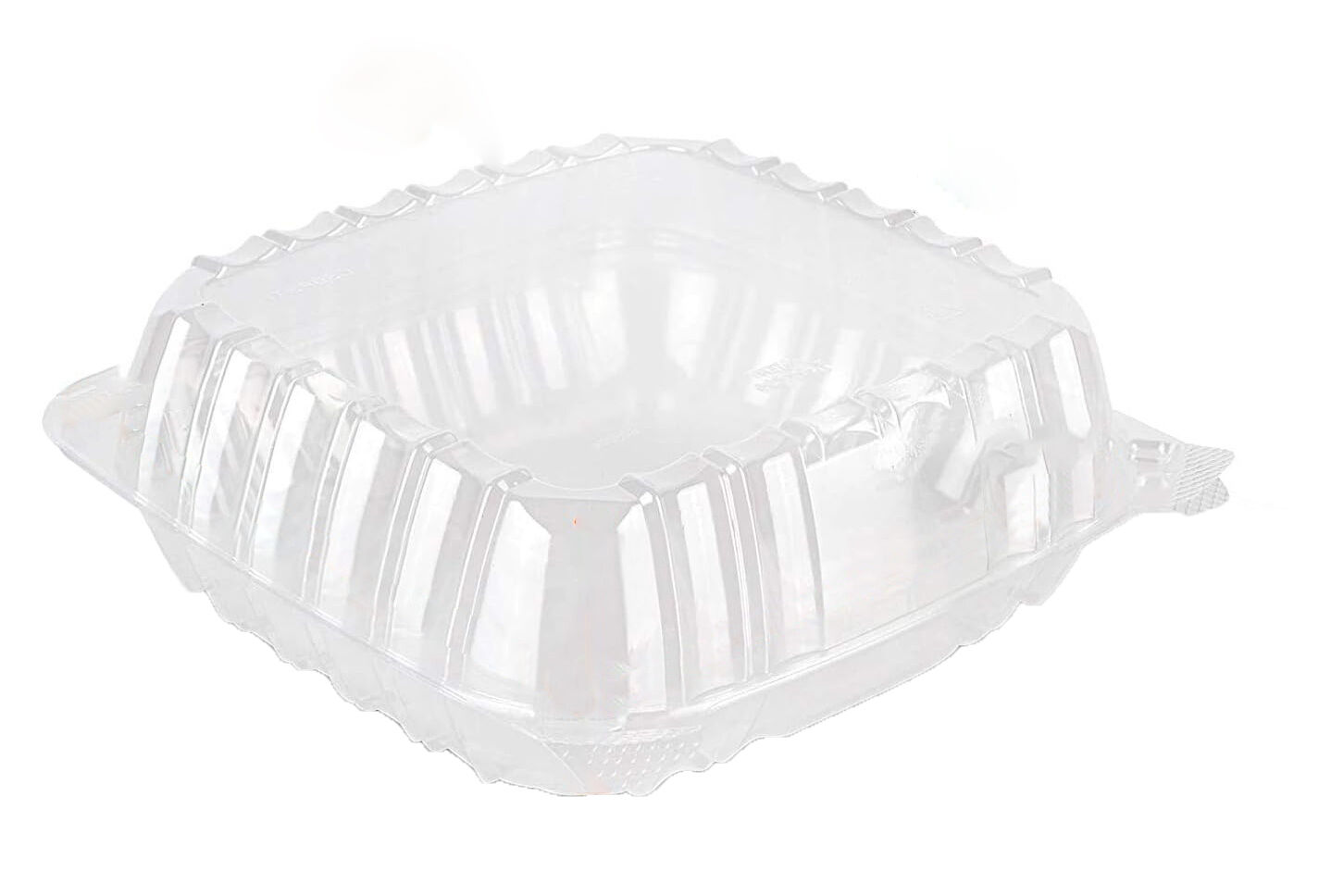
Core Performance Demands of Clamshell Containers in High-Volume Settings Leak and grease resistance under real-world stacking, transit, and temperature stress Clamshell containers used in busy food service operations face some serious challenges da...
View More
Custom Plastic Cups for Seasonal Promotions and Limited-Time Campaigns

07

Feb

Custom Plastic Cups for Seasonal Promotions and Limited-Time Campaigns

Why Custom Plastic Cups Excel in Seasonal Marketing The Psychological Power of Timely, Thematic Brand Touchpoints Putting seasonal designs on custom plastic cups works because people connect emotionally when they see something timely. Brands that ...
View More
How to Choose Small Paper Bowls for Soup, Snacks, and Takeout (Eco-Friendly Options)

03

Mar

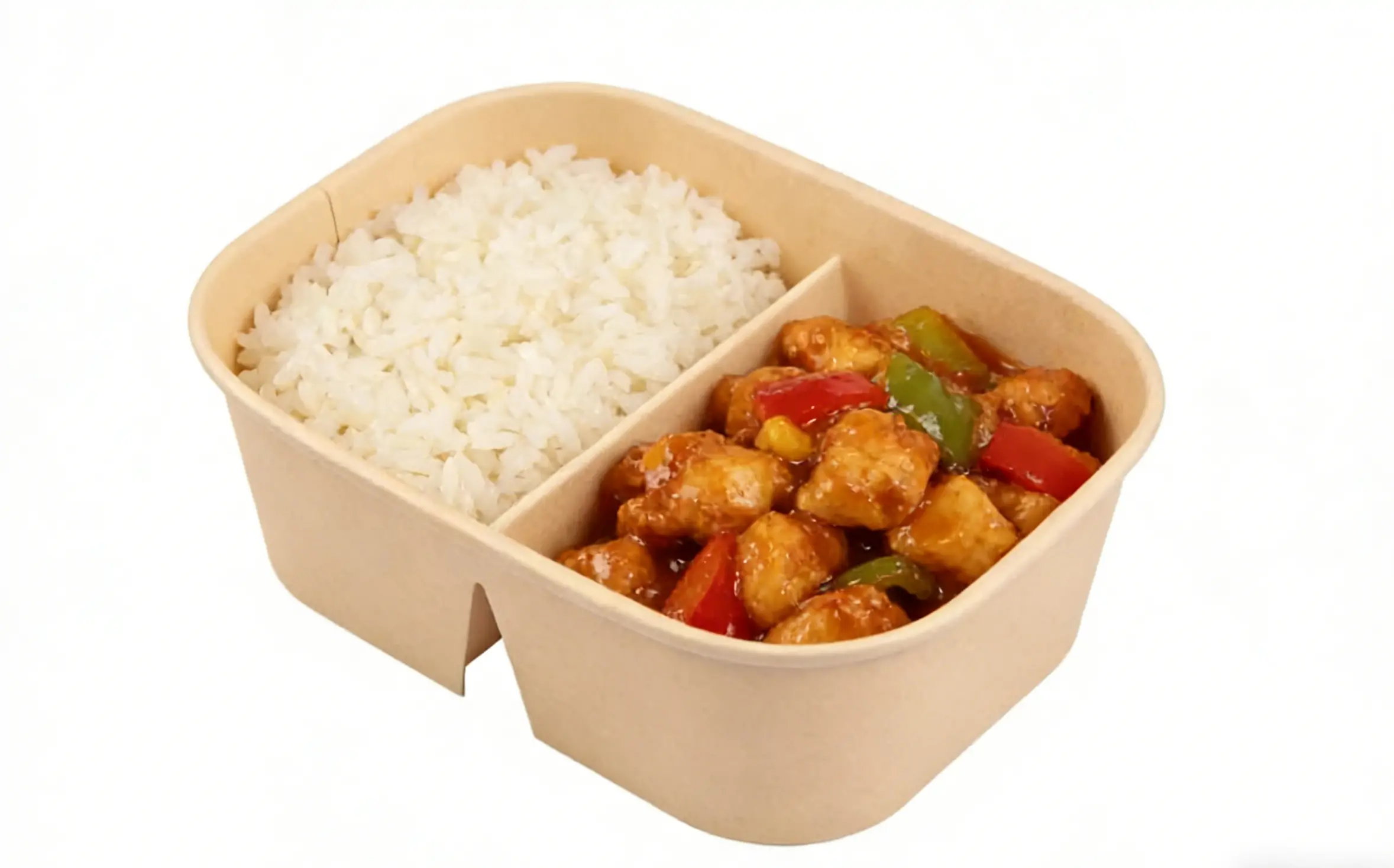
How to Choose Small Paper Bowls for Soup, Snacks, and Takeout (Eco-Friendly Options)

Why Small Paper Bowls Are Ideal for Portion-Controlled Food Service For food service businesses, those little paper bowls are actually pretty amazing when it comes to managing portions just right. They help reduce waste, keep costs down, and genera...
View More
The Role of Paper Coffee Cup Lids in Complete Coffee Packaging Solutions

27

Apr

The Role of Paper Coffee Cup Lids in Complete Coffee Packaging Solutions

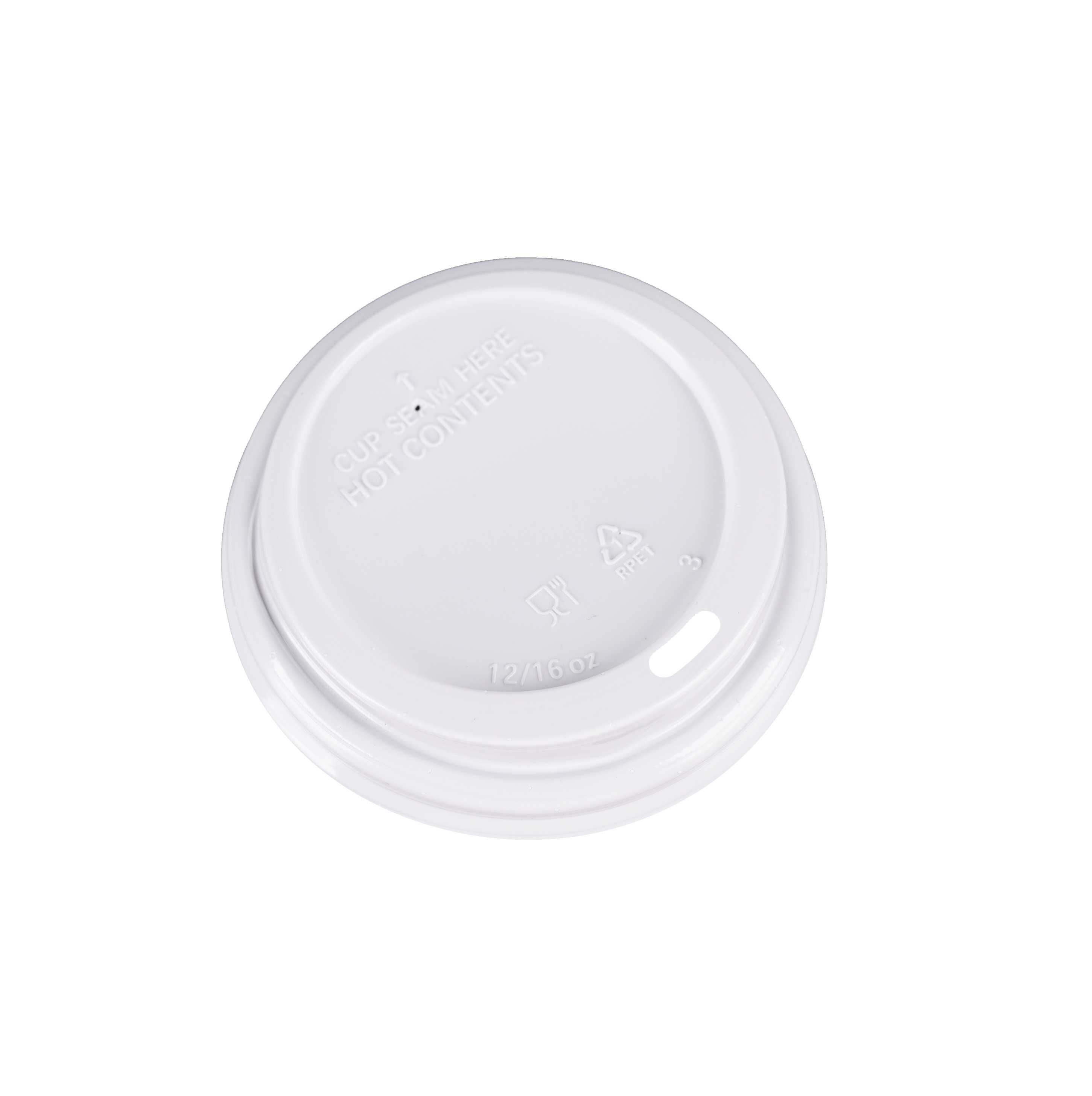
In the rapidly evolving coffee service industry, packaging components must work together as an integrated system to deliver consistent product quality, operational efficiency, and customer satisfaction. While paper cups often receive primary attentio...
View More

Get a Free Quote

Our representative will contact you soon.
Email
Name
Mobile
Country/Region
Message
0/1000

paper shopping bags

Reliable Strength and Carry Comfort for Real Daily Loads

Reliable Strength and Carry Comfort for Real Daily Loads

One of the strongest selling points of paper shopping bags is the balance between load strength and user comfort. Customers do not judge a bag in a lab setting. They judge it while walking from a checkout line to a parking lot, climbing stairs, or transferring items on public transport. This is where design quality matters. Strong paper shopping bags use a thoughtful combination of paper thickness, fiber direction, and base construction so weight is distributed across the full structure, not concentrated at weak points. Reinforced folds at the bottom improve resistance to tearing when carrying boxed items, bottles, or mixed purchases. Handle comfort is equally important. Twisted paper handles can spread pressure across the hand better than thin alternatives, while flat handles can feel secure for short trips with moderate loads. For light retail goods, die-cut grips can also work well when edges are smooth and the paper is strong enough to prevent stretching. High-quality paper shopping bags are engineered so the handle area and top edge stay intact during normal use. That means fewer dropped items and fewer awkward moments for customers. From a business perspective, durability reduces replacement and repacking during service. Staff spend less time double-bagging and more time serving. Stronger paper shopping bags also lower product damage risk, especially for fragile goods that should remain upright. This has direct value because each avoided breakage protects margin and customer trust. Another practical benefit is consistency. When stores choose standardized paper shopping bags with tested load capacity, teams can pack confidently without guesswork. Customers notice this reliability quickly. They remember whether a bag made the trip safely, and that memory influences whether they return. Reliable performance is therefore not just a product feature. It is a brand experience delivered in the customer’s hand. In everyday retail, that kind of trust is hard to win and easy to lose. Paper shopping bags that are built for real carry conditions help businesses keep that trust with every transaction.
Brand Visibility That Works Beyond the Store

Brand Visibility That Works Beyond the Store

A second unique advantage is the marketing value built into paper shopping bags. Every time a customer leaves a store, the bag becomes a mobile display for the brand. Unlike many ads that disappear after a scroll or a click, a physical bag can stay visible for hours in streets, offices, elevators, public transport, and homes. This gives businesses repeated exposure without requiring extra effort from staff or buyers. Effective paper shopping bags support this visibility through clean print quality, balanced layout, and size choices that match the product category. A fashion boutique may choose elegant minimal graphics, while a bakery may use warm, friendly colors and clear contact details. In both cases, the bag acts as a clear extension of the in-store experience. Customers often connect packaging quality with product quality. When paper shopping bags look neat, feel strong, and carry branding clearly, they send a message of care and professionalism. This helps first-time buyers feel they made a smart purchase and increases the chance of repeat visits. It also supports word-of-mouth. People are more likely to remember a store name when they see it on a bag in a real-life context, especially if the design is simple and readable. For local businesses, this kind of visibility can be especially valuable because it reaches nearby audiences naturally. Another key point is adaptability. Paper shopping bags can be produced in multiple sizes and print styles, which allows brands to run seasonal campaigns, event themes, or limited promotions without changing core operations. A holiday message, a QR code, or a short campaign slogan can be added quickly to align packaging with current marketing goals. Because paper shopping bags are useful objects, many customers keep and reuse them. Each reuse extends brand reach at no additional distribution cost. This creates a practical, low-friction marketing channel that supports recognition over time. In short, paper shopping bags do more than carry products. They carry brand identity into daily life, turning ordinary purchases into repeated moments of visibility and trust.
Practical Reuse and Responsible End of Life

Practical Reuse and Responsible End of Life

The third highlight is the long practical life cycle of paper shopping bags from first use to reuse to disposal. Customers value items that continue to be useful after the original purchase, and this is where paper-based carriers perform well. Many people reuse paper shopping bags at home for sorting groceries, organizing shelves, wrapping gifts, packing lunch items, collecting recyclables, or managing small household clutter. Because they are easy to fold and store, people keep them accessible instead of discarding them immediately. This extends value without requiring any special tools or instructions. For businesses, this behavior adds hidden benefits. When customers reuse branded paper shopping bags, the brand remains present in everyday routines. This is subtle but powerful, because repeated exposure builds familiarity and familiarity supports loyalty. At the same time, stores can communicate responsible packaging choices in a visible and practical way. Many modern paper shopping bags are made with recycled content or sourced fiber, and many printing systems now use water-based inks that reduce harsh residues. These details matter to customers who compare brands by actions they can observe, such as packaging material and recyclability. End of life is another important advantage. In many regions, paper shopping bags can enter paper recycling streams when clean and dry. This gives customers a clear disposal path and reduces confusion about what to do after use. Clear messaging printed on the bag can improve correct disposal rates and reduce contamination. Even before recycling, some customers repurpose worn paper shopping bags for donation packing, book covers, school projects, or protective wrapping during moving. These small practical uses reduce waste and improve perceived value. Operationally, businesses can support this cycle by selecting sizes that match common purchase volumes and by training staff to avoid overpacking. Better fit means fewer materials used per transaction and better customer handling. Taken together, these factors make paper shopping bags a smart option for people who want function today and responsible outcomes tomorrow. They are not just containers. They are everyday tools that provide utility, support cleaner habits, and strengthen customer confidence through practical, visible benefits.