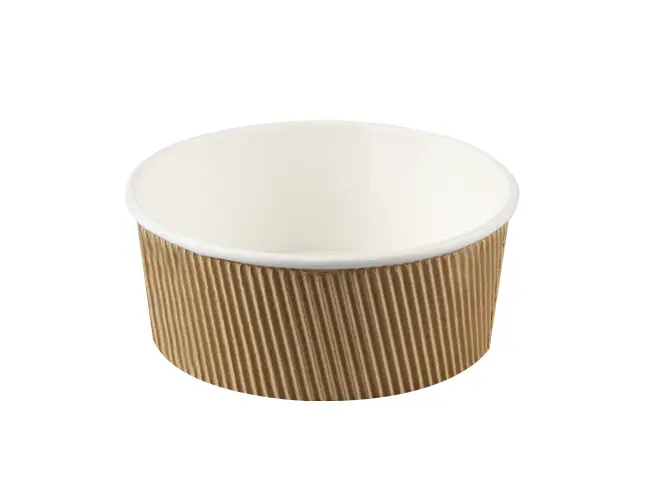
Premium Eco Friendly Dinnerware Disposable - Biodegradable Compostable Plates Bowls and Cutlery for Sustainable Dining

eco friendly dinnerware disposable

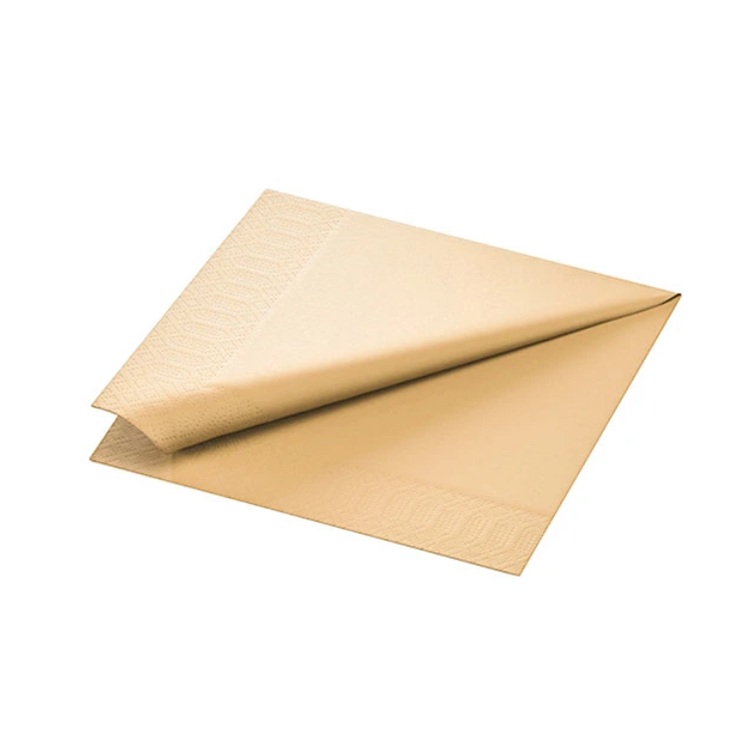
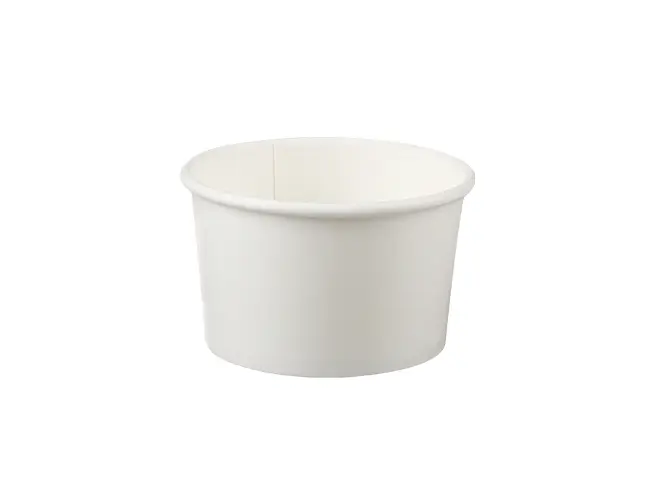
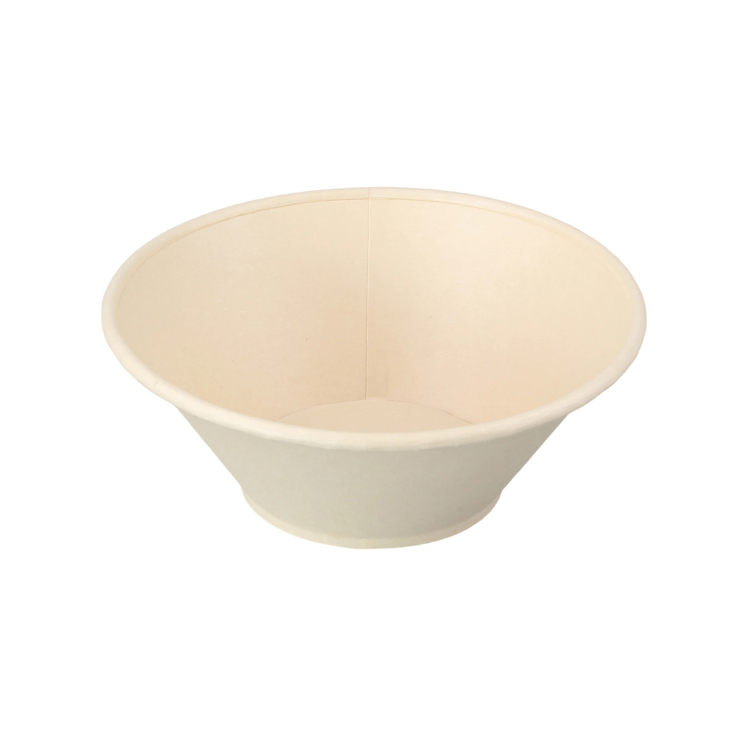
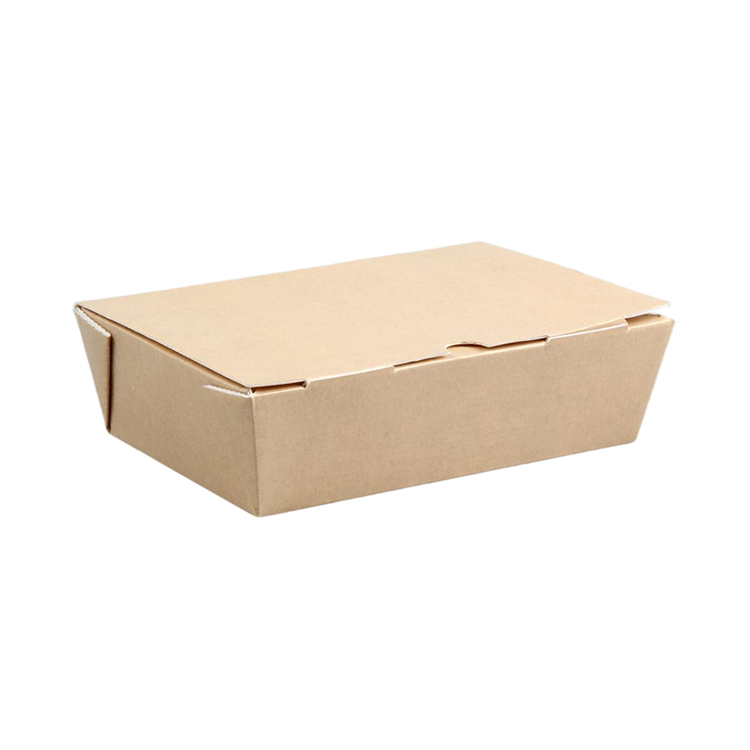
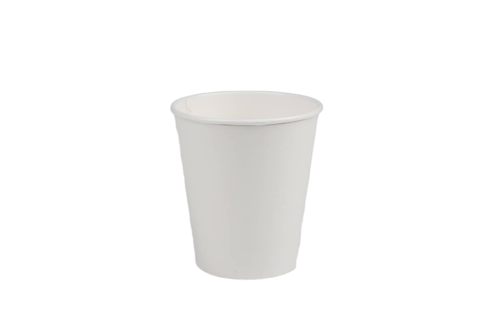
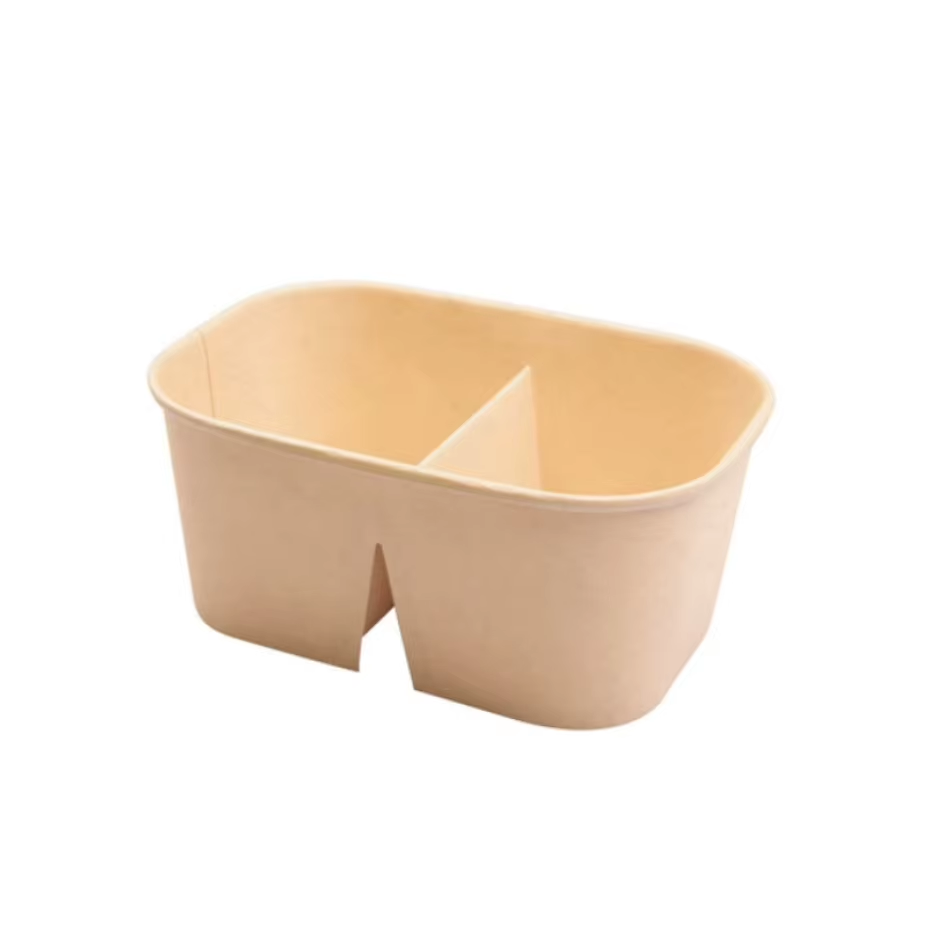
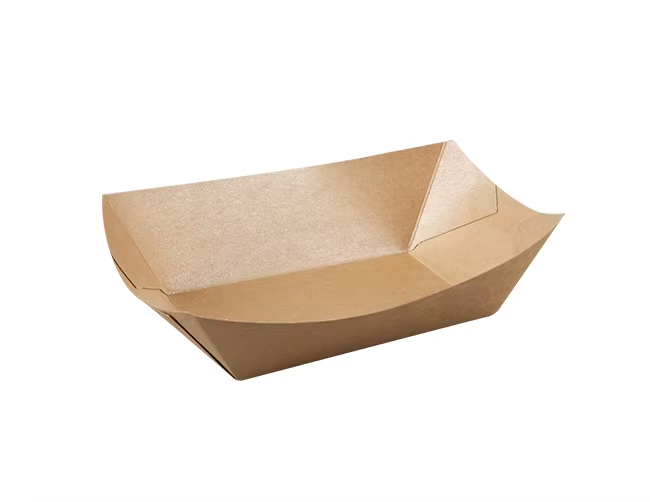
Eco friendly dinnerware disposable represents a revolutionary shift in how we approach single-use dining products, combining convenience with environmental responsibility. These sustainable alternatives to traditional plastic and styrofoam products are manufactured from renewable, biodegradable, or compostable materials such as bamboo fiber, sugarcane bagasse, palm leaves, wheat straw, and cornstarch. The main function of eco friendly dinnerware disposable is to provide practical, sturdy, and reliable dining solutions for various occasions while significantly reducing environmental impact. These products encompass plates, bowls, cups, cutlery, and serving trays that maintain structural integrity during use yet break down naturally after disposal. The technological features behind eco friendly dinnerware disposable include advanced molding processes that transform plant-based materials into durable dining products without toxic chemicals or petroleum-based plastics. Many varieties are microwave-safe, freezer-friendly, and can withstand hot liquids and foods up to 200 degrees Fahrenheit. The manufacturing process often utilizes agricultural waste products, giving new life to materials that would otherwise be discarded. Applications for eco friendly dinnerware disposable span residential settings, commercial food services, catering companies, corporate events, weddings, outdoor festivals, food trucks, schools, hospitals, and anywhere single-use dining products are needed. Restaurants increasingly adopt these sustainable options to align with consumer values and reduce their carbon footprint. Event planners choose eco friendly dinnerware disposable to create memorable experiences without generating mountains of persistent waste. Families use these products for picnics, parties, and everyday convenience without environmental guilt. The versatility of eco friendly dinnerware disposable makes it suitable for both casual gatherings and upscale events, with elegant designs that rival traditional disposable products in appearance while surpassing them in environmental credentials.

New Product Releases

Choosing eco friendly dinnerware disposable delivers numerous practical benefits that extend beyond environmental consciousness. First and foremost, these products decompose naturally within weeks or months rather than persisting in landfills for centuries like conventional plastic alternatives. This rapid biodegradation means your event or meal does not contribute to the growing plastic pollution crisis affecting oceans, wildlife, and ecosystems worldwide. The compostable nature of eco friendly dinnerware disposable allows many varieties to be added to compost bins where they break down into nutrient-rich soil, completing a natural cycle that actually enriches the environment. Another significant advantage is the health safety factor. Eco friendly dinnerware disposable contains no harmful chemicals like BPA, phthalates, or PFAS that can leach into food and beverages, particularly when exposed to heat. This makes them safer for children, pregnant women, and health-conscious consumers who want to minimize exposure to potentially toxic substances. The sturdiness of modern eco friendly dinnerware disposable often surprises first-time users, as these products resist soaking, bending, and breaking even with hot, saucy, or heavy foods. Many options are cut-resistant and hold their shape throughout entire meals, eliminating the frustration of flimsy plates that collapse under normal use. From a business perspective, adopting eco friendly dinnerware disposable enhances brand reputation and appeals to the growing demographic of environmentally conscious consumers who actively support businesses demonstrating sustainability commitments. This can translate into increased customer loyalty, positive reviews, and competitive differentiation in crowded markets. Cost considerations have become more favorable as production scales up and technology improves, with many eco friendly dinnerware disposable options now priced competitively with conventional alternatives when purchased in bulk. The aesthetic appeal of these natural products adds a rustic, organic, or premium feel to presentations, elevating the dining experience whether at casual gatherings or upscale events. Cleanup remains effortless since these items are truly disposable, yet disposal feels responsible rather than wasteful. Many municipalities now accept compostable dinnerware in organic waste collection programs, making proper disposal convenient. The versatility of eco friendly dinnerware disposable means one product line can serve multiple purposes, simplifying inventory management for businesses and reducing storage needs for consumers. Temperature tolerance allows these products to transition from refrigerator to microwave to table without transferring food to different containers, saving time and reducing dish washing. By choosing eco friendly dinnerware disposable, consumers and businesses actively participate in reducing petroleum consumption, lowering carbon emissions associated with plastic production, and supporting agricultural communities that supply raw materials for these sustainable alternatives.

Practical Tips

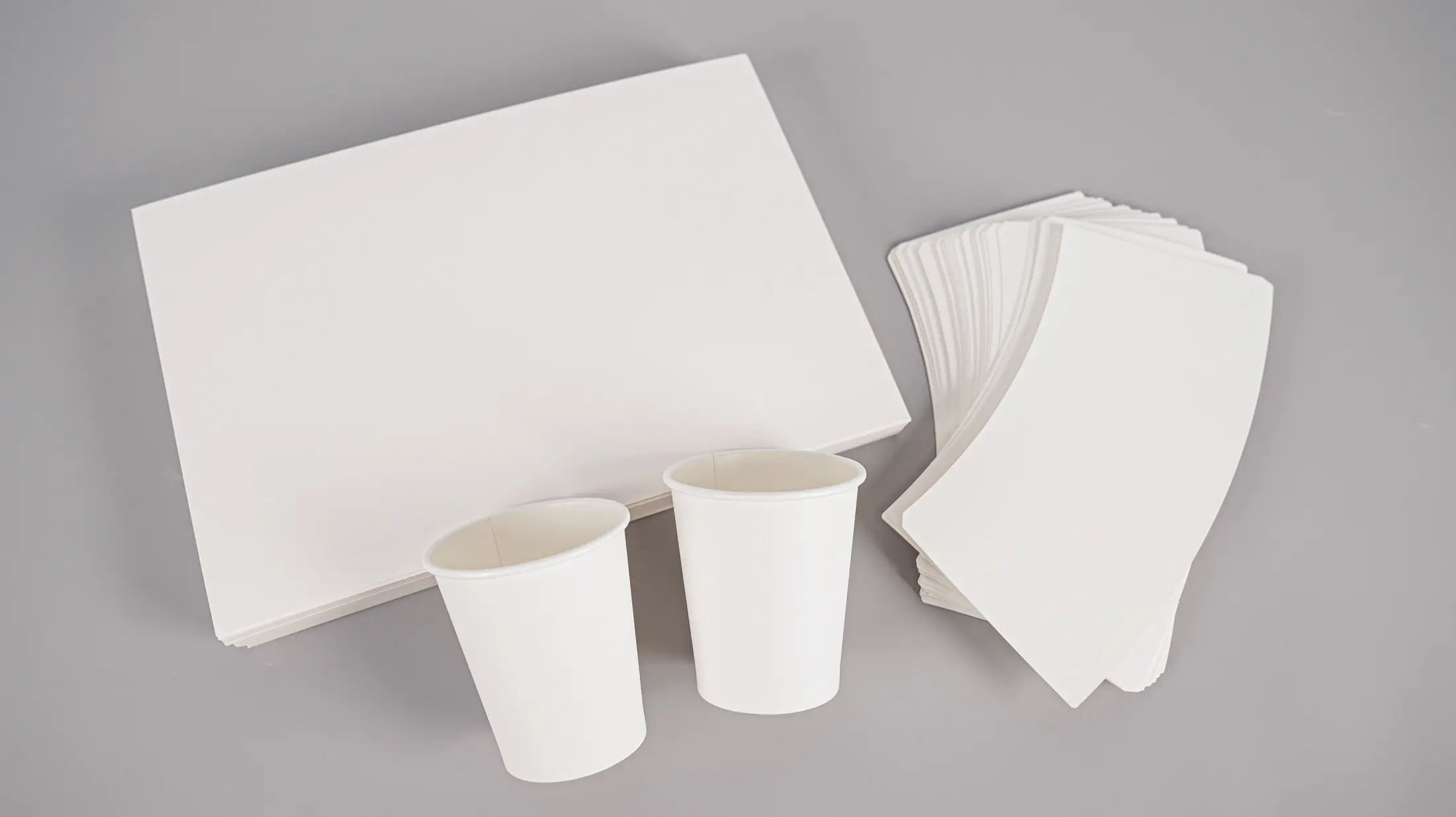
How to Choose Small Paper Bowls for Soup, Snacks, and Takeout (Eco-Friendly Options)

03

Mar

How to Choose Small Paper Bowls for Soup, Snacks, and Takeout (Eco-Friendly Options)

Why Small Paper Bowls Are Ideal for Portion-Controlled Food Service For food service businesses, those little paper bowls are actually pretty amazing when it comes to managing portions just right. They help reduce waste, keep costs down, and genera...
View More
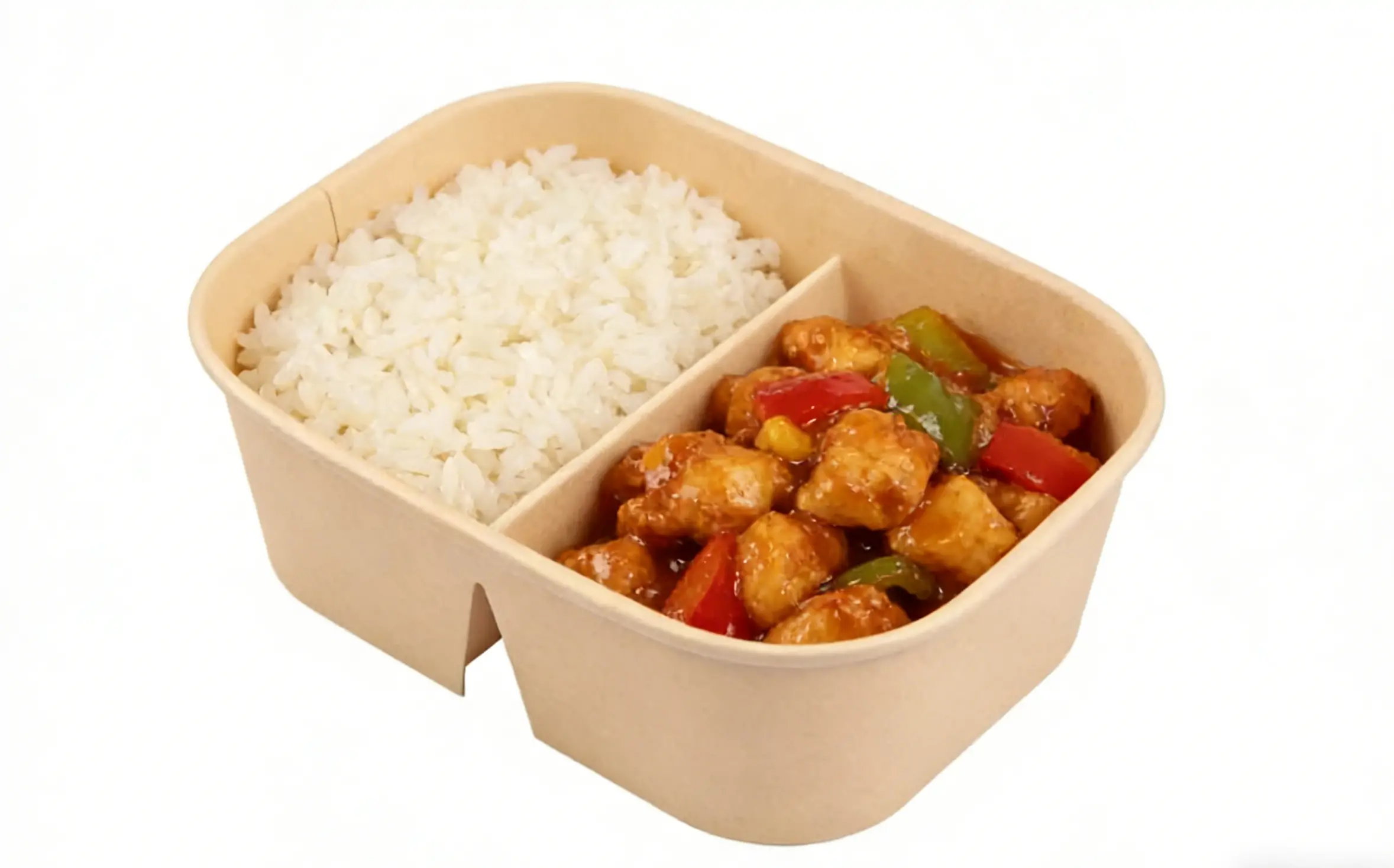
Disposable Tableware: How to Choose Eco‑Friendly, Durable, and Cost‑Effective Options for Modern Food Service

06

Mar

Disposable Tableware: How to Choose Eco‑Friendly, Durable, and Cost‑Effective Options for Modern Food Service

Eco-Friendly Disposable Tableware Materials: Performance, Certifications, and Innovation Comparative Performance of Leading Biobased Materials (Bagasse, PLA, CPLA, Molded Fiber) When it comes to food service applications, different biobased material...
View More
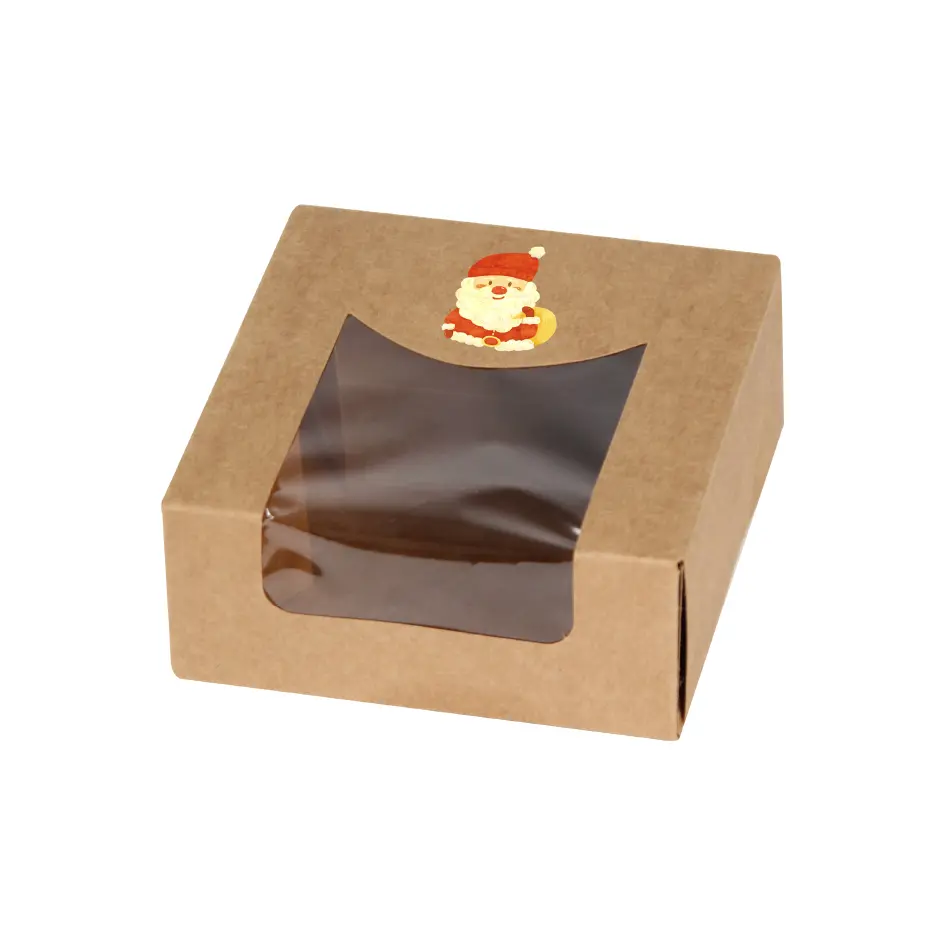
Cake Box Guide: How to Choose the Best Packaging for Freshness, Transport, and Presentation

10

Mar

Cake Box Guide: How to Choose the Best Packaging for Freshness, Transport, and Presentation

Material Selection: Prioritizing Food Safety, Freshness Preservation, and Sustainability FDA-Compliant Liners and Grease-Resistant Coatings for Cake Box Safety When it comes to keeping baked goods safe, the real action happens where cake meets its ...
View More
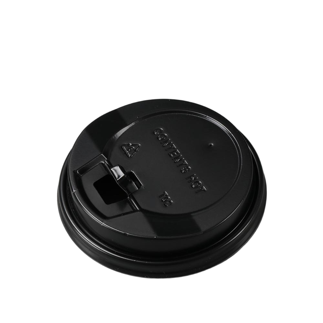
How Paper Coffee Cup Lids Are Used in Takeaway Coffee Packaging

20

Apr

How Paper Coffee Cup Lids Are Used in Takeaway Coffee Packaging

The global shift toward sustainable packaging has transformed how businesses approach takeaway coffee service, with paper coffee cup lids emerging as a critical component in environmentally responsible beverage delivery. Understanding the practical a...
View More

Get a Free Quote

Our representative will contact you soon.
Email
Name
Mobile
Country/Region
Message
0/1000

eco friendly dinnerware disposable

Biodegradable Materials That Return to Earth Naturally

Biodegradable Materials That Return to Earth Naturally

The cornerstone feature of eco friendly dinnerware disposable lies in its fundamental composition from biodegradable materials that complete a natural lifecycle rather than accumulating indefinitely in our environment. Unlike petroleum-based plastics that fragment into persistent microplastics that contaminate soil, water, and food chains for generations, eco friendly dinnerware disposable is manufactured from renewable plant-based resources including sugarcane bagasse, bamboo fiber, palm leaves, wheat straw, cornstarch, and fallen leaves. These materials possess inherent biodegradability, meaning microorganisms in natural environments recognize them as food sources and break them down into basic organic compounds, water, and carbon dioxide. The decomposition timeline for eco friendly dinnerware disposable ranges from 30 to 180 days under proper composting conditions, compared to 500 to 1000 years for conventional plastic products. This dramatic difference represents a fundamental shift in how our consumption patterns impact planetary health. When eco friendly dinnerware disposable enters composting facilities or home compost bins, the breakdown process enriches soil rather than contaminating it, creating a regenerative cycle that supports future plant growth. The agricultural origins of these materials mean production often utilizes waste byproducts from farming operations, giving economic value to materials previously burned or discarded. Sugarcane bagasse, for example, is the fibrous residue remaining after juice extraction, traditionally considered waste but now transformed into valuable eco friendly dinnerware disposable. This dual benefit addresses waste at both ends of the product lifecycle. The certification standards for compostable products ensure eco friendly dinnerware disposable meets strict criteria for biodegradation rates, compost quality, and absence of toxic residues. Look for certifications from organizations like BPI (Biodegradable Products Institute) or compliance with ASTM D6400 standards, which verify products break down completely in commercial composting facilities. For consumers concerned about greenwashing, these certifications provide assurance that eco friendly dinnerware disposable delivers genuine environmental benefits rather than simply marketing claims. The importance of this biodegradability extends beyond individual consumer choices to address systemic environmental challenges including overflowing landfills, ocean plastic pollution, and the persistence of synthetic materials in natural ecosystems where they harm wildlife through ingestion and entanglement.
Durability and Performance That Matches Traditional Disposables

Durability and Performance That Matches Traditional Disposables

A common misconception about eco friendly dinnerware disposable suggests environmental responsibility requires sacrificing functionality, but modern manufacturing innovations have created products that match or exceed the performance characteristics of conventional disposable dinnerware. The structural integrity of eco friendly dinnerware disposable stems from advanced processing techniques that compress and mold plant fibers into dense, resilient forms capable of supporting substantial weight without bending, breaking, or leaking. Quality eco friendly dinnerware disposable resists cutting and piercing from utensils, maintains rigidity when loaded with hot or saucy foods, and remains leak-proof with liquids throughout typical meal durations. Many varieties withstand temperatures ranging from freezing to over 200 degrees Fahrenheit, making them suitable for both cold salads and steaming entrees without warping or releasing any substances into food. This temperature tolerance extends to microwave compatibility, allowing consumers to reheat meals directly in eco friendly dinnerware disposable without transferring contents to separate containers, saving time and reducing cleanup. The moisture resistance of properly manufactured eco friendly dinnerware disposable prevents the sogginess and structural failure that plagued early paper plate designs, maintaining plate integrity even with wet or greasy foods. Oil and liquid barriers are achieved through natural processes or food-safe coatings rather than the toxic PFAS chemicals used in some conventional products, ensuring safety matches sustainability. Thickness variations across product lines allow consumers to select eco friendly dinnerware disposable appropriate for their specific needs, from lightweight options for dry snacks to heavy-duty plates for complete meals with multiple components. The tactile experience of using eco friendly dinnerware disposable often surprises users with its substantial feel and reliable performance that eliminates concerns about embarrassing plate collapses or food spills. For food service operations, this reliability is crucial, as customer satisfaction depends on functional dinnerware that does not distract from the dining experience. Testing standards for eco friendly dinnerware disposable evaluate load-bearing capacity, liquid retention, temperature tolerance, and structural stability under real-world conditions, ensuring products meet professional food service requirements. The aesthetic qualities of eco friendly dinnerware disposable contribute to performance perception, with natural textures and colors conveying quality and thoughtfulness that enhances presentation. Event planners appreciate how the organic appearance of eco friendly dinnerware disposable complements various themes from rustic outdoor gatherings to elegant eco-conscious celebrations, proving sustainability and style coexist beautifully.
Health Safety Without Harmful Chemical Additives

Health Safety Without Harmful Chemical Additives

The health advantages of eco friendly dinnerware disposable represent a critical yet often overlooked benefit that directly impacts consumer wellbeing, particularly when contrasted with conventional plastic disposables that contain numerous chemicals of concern. Traditional plastic and styrofoam products often contain bisphenol A, phthalates, styrene, and per- and polyfluoroalkyl substances, which can migrate from containers into food and beverages, especially when exposed to heat, acidic foods, or fatty substances. These chemicals are endocrine disruptors associated with reproductive issues, developmental problems in children, hormonal imbalances, and increased cancer risks according to extensive toxicological research. Eco friendly dinnerware disposable eliminates these health hazards by utilizing natural plant-based materials that contain no synthetic additives, plasticizers, or chemical treatments that could leach into consumables. The manufacturing process for quality eco friendly dinnerware disposable relies on heat, pressure, and natural binding properties of plant fibers rather than chemical adhesives or toxic stabilizers. This purity makes eco friendly dinnerware disposable particularly appropriate for vulnerable populations including pregnant women, infants, children, and individuals with chemical sensitivities who benefit most from minimizing exposure to synthetic substances. Parents increasingly choose eco friendly dinnerware disposable for children's parties and daily use, recognizing that developing bodies are more susceptible to the harmful effects of chemical exposure and that establishing healthy habits early creates lifelong environmental awareness. The food-contact safety of eco friendly dinnerware disposable is verified through rigorous testing protocols that evaluate migration of substances under various conditions simulating real-world use scenarios including hot liquids, acidic foods, fatty foods, and extended contact times. Certifications from food safety authorities confirm that eco friendly dinnerware disposable meets strict standards for materials intended to contact consumables, providing assurance that products are genuinely safe rather than simply marketed as natural. The absence of artificial dyes and bleaching agents in many eco friendly dinnerware disposable options further reduces chemical exposure, as natural colors from source materials create appealing earth tones without requiring synthetic colorants. For individuals with allergies or sensitivities, the simple ingredient lists of eco friendly dinnerware disposable provide transparency that conventional products lack, allowing informed decisions based on actual composition rather than proprietary chemical formulations. The broader public health implications of widespread eco friendly dinnerware disposable adoption extend beyond individual exposure reduction to decreased environmental contamination that ultimately affects community health through cleaner water systems, reduced airborne pollutants from plastic manufacturing, and diminished accumulation of persistent chemicals in food chains that concentrate in fish and animal products consumed by humans.