


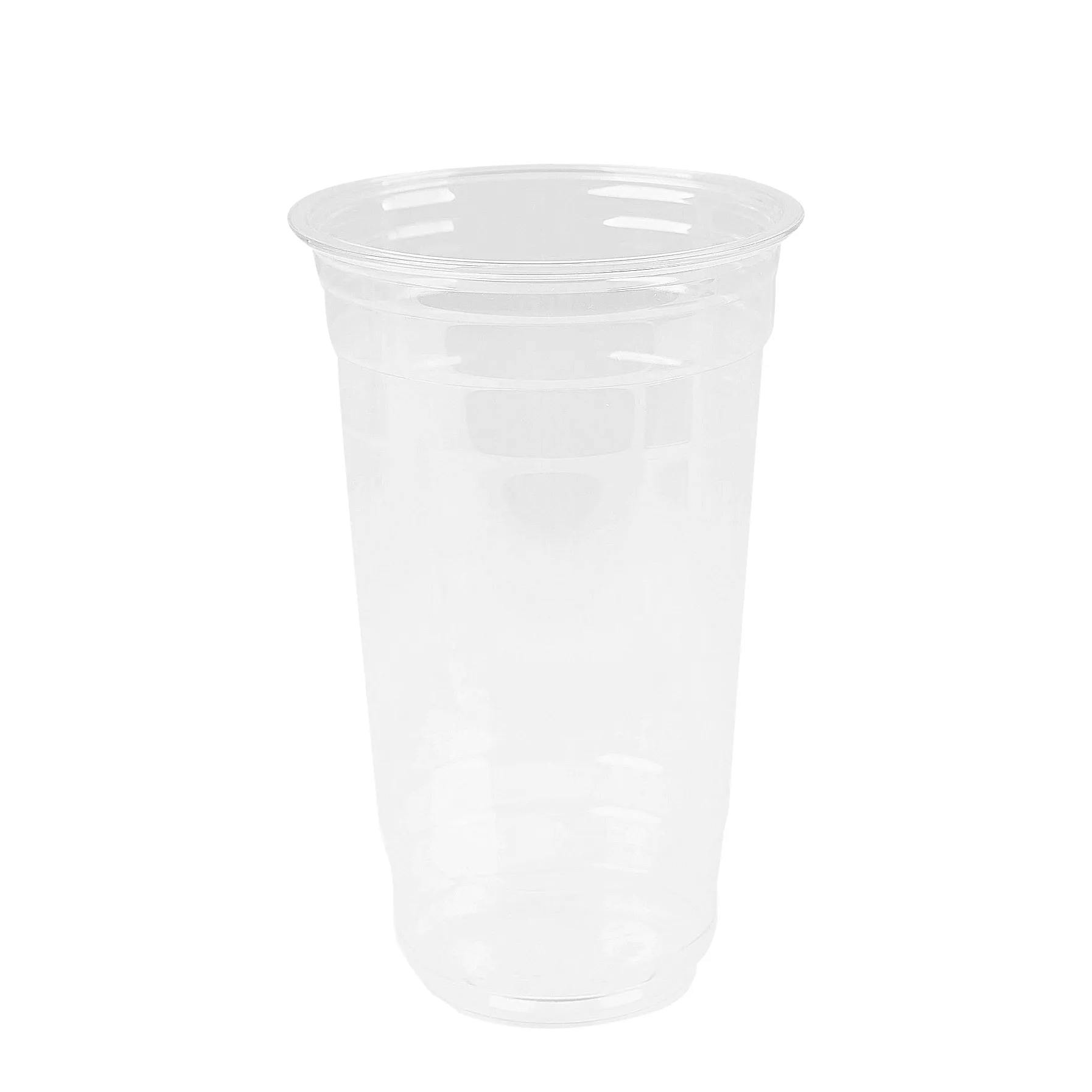
When selecting serving vessels for beverages, the choice between clear plastic cups with flat lids and clear plastic cups with dome lids represents a critical decision for food service operators, retailers, and event planners. Both lid designs offer distinct advantages and limitations that directly impact customer experience, product protection, and operational efficiency. Understanding the functional and practical differences between these two configurations helps you make an informed choice aligned with your specific business requirements and customer expectations.
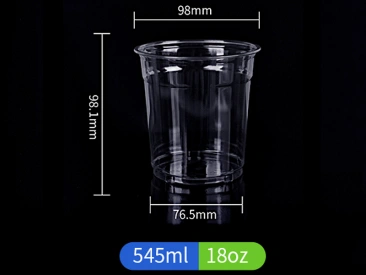
The distinction between flat-lid and dome-lid configurations for clear plastic cups extends beyond simple aesthetics. Each design philosophy addresses specific functional requirements, from product presentation and stacking efficiency to customer convenience and cost considerations. This guide examines the core differences, applications, and selection criteria to help you optimize your beverage packaging strategy and ensure customer satisfaction with every purchase.
Design Differences and Functional Benefits
Flat Lid Architecture and Use Cases
Flat lids for clear plastic cups provide a streamlined, minimalist design that maximizes stackability and storage efficiency. These lids sit flush against the cup rim, creating a compact profile that reduces packaging volume and shipping costs. Clear plastic cups with flat lids perform exceptionally well in high-volume environments where space constraints and operational speed are critical factors. The flat design facilitates easy labeling, branding, and customization across the lid surface, making clear plastic cups with flat lids ideal for corporate events, catering services, and retail environments requiring branded packaging.
The flat lid design also supports secure stacking both before and after filling, allowing clear plastic cups to remain organized during transport and storage. This configuration works particularly well for beverages where liquid level does not reach the lid, such as cold drinks with limited fill heights or products packaged in advance. Many food service operations prefer clear plastic cups with flat lids for water, iced tea, and ready-to-drink beverages where the lid primarily serves as a dust barrier rather than a structural containment element.
Dome Lid Functionality and Applications
Dome lids for clear plastic cups feature a raised, hemispherical or curved design that creates headspace above the liquid level. This elevated structure offers several practical advantages for beverages requiring extra clearance or visual appeal. Clear plastic cups with dome lids accommodate taller drink preparations, including whipped cream, foam layers, fruit garnishes, and ice-based beverages that naturally exceed the cup rim. The dome shape reduces direct contact between liquid and lid, minimizing condensation transfer and maintaining cleaner packaging exteriors.
Beyond functionality, clear plastic cups with dome lids enhance visual presentation by showcasing the beverage contents through the transparent cup and dome combination. This transparent presentation appeals strongly to consumers purchasing premium beverages, specialty coffee drinks, and gourmet smoothie preparations where product visibility drives purchasing decisions. The dome design also provides psychological perception of greater volume, often positively influencing customer value perception even when actual liquid quantities remain consistent.
Operational and Cost Considerations
Stackability, Storage, and Logistics
Clear plastic cups with flat lids excel in logistics efficiency due to their compact stacking profile. Flat-lid configurations reduce dimensional volume by approximately twenty to thirty percent compared to dome-lid alternatives, directly lowering shipping costs and warehouse storage requirements. For high-volume beverage operations processing thousands of clear plastic cups weekly, these spatial efficiencies compound into substantial cost savings across supply chains. Restaurants, cafes, and catering companies operating with limited back-of-house storage consistently favor clear plastic cups with flat lids for their operational practicality.
Dome-lid clear plastic cups sacrifice some stackability efficiency in exchange for functional headspace and presentation advantages. The raised dome profile requires slightly larger packaging dimensions and reduces how many units fit within standard shipping containers. However, many beverage operators accept this trade-off because clear plastic cups with dome lids command premium positioning and support higher-margin drink offerings. The visual appeal and customer perception benefits often justify the incremental logistics costs for specialty beverage segments.
Material Costs and Pricing Strategy
Manufacturing clear plastic cups with flat lids generally requires less material volume and simpler injection molding processes compared to dome lids, resulting in lower per-unit production costs. This cost advantage makes clear plastic cups with flat lids economically attractive for high-volume, price-sensitive segments like water service, basic cold beverages, and promotional giveaways. Businesses prioritizing margin optimization and competitive pricing strategies often select clear plastic cups with flat lids as their primary packaging vehicle.
Clear plastic cups with dome lids involve additional material investment and more complex manufacturing tooling, increasing per-unit costs by ten to twenty percent depending on dome height and material specifications. Premium beverage providers offset these higher material costs by charging appropriate price premiums and positioning clear plastic cups with dome lids as premium packaging for specialty drinks. The cost differential becomes a strategic tool for product segmentation, allowing operators to offer both value-focused and premium beverage options using appropriately selected lid configurations.
Beverage Compatibility and Product Protection
Beverage Type Alignment
Clear plastic cups with flat lids perform optimally for beverages with controlled fill heights, including water, juice, basic iced tea, and fountain drinks where liquid levels remain well below the cup rim. These applications benefit from the flat lid's dust protection and secure closure without requiring additional headspace. Cold beverages designed for quick consumption work seamlessly with flat-lid clear plastic cups, as the minimal gap between liquid and lid prevents excessive condensation accumulation on cup exteriors.
Clear plastic cups with dome lids address specialized beverage categories including specialty coffee drinks topped with whipped cream, blended smoothies with fruit garnishes, frozen beverages with ice peaks, and gourmet milkshakes requiring substantial headspace. These drink preparations physically necessitate the dome profile to contain toppings and prevent lid contact with the beverage. The dome design also maintains better separation between the beverage and lid surface, reducing condensation transfer and improving the overall customer experience for premium drink offerings.
Containment and Spill Prevention
Flat-lid clear plastic cups create a more secure seal due to the flush contact between lid and cup rim, reducing spillage during transport and storage. This advantage particularly benefits operations involving frequent cup movement, delivery services, and customers consuming beverages while walking. The flat lid's direct rim contact provides reliable containment for most standard beverage applications where liquid levels remain controlled. Clear plastic cups with flat lids are the preferred choice for high-traffic environments where spillage prevention directly impacts cleanliness and customer satisfaction.
Dome-lid clear plastic cups introduce a small gap between the liquid surface and lid, which can allow minor liquid movement during handling but generally maintains adequate spill prevention for stationary consumption. The dome headspace actually reduces pressure buildup in sealed clear plastic cups, preventing lid dislodgement during temperature fluctuations or altitude changes. For beverages consumed immediately after preparation, clear plastic cups with dome lids provide sufficient containment while offering the presentation and functional benefits that justify their selection for premium applications.
FAQ
Which lid style is best for high-volume fast-casual beverage operations?
Clear plastic cups with flat lids are typically optimal for high-volume operations prioritizing speed, cost efficiency, and storage space. The streamlined design enables rapid stacking, reduces packaging costs, and minimizes storage footprint in busy food service environments. Most quick-service beverage chains rely on clear plastic cups with flat lids for water, iced tea, and standard cold drinks. However, specialty beverage stations within these operations may use dome-lid clear plastic cups exclusively for premium drink offerings, creating operational dual-sourcing strategies that optimize both efficiency and product positioning.
Can clear plastic cups with dome lids accommodate all beverage types safely?
Dome-lid clear plastic cups work excellently for most beverage applications, but they present practical challenges for certain scenarios. Clear plastic cups with dome lids excel for topped beverages, specialty drinks, and premium applications requiring visual presentation. However, the dome headspace introduces a slight gap that some operators view as less secure than flat lids for high-movement or delivery-based consumption. For stationary consumption in restaurant or cafe settings, clear plastic cups with dome lids provide completely safe containment while offering superior presentation value. The choice depends on consumption context and whether the visual and functional benefits justify the slight containment trade-off.
How does lid selection impact total cost of ownership for beverage businesses?
Total cost analysis for clear plastic cups must extend beyond per-unit material costs to include logistics, storage, labeling, and product positioning value. Clear plastic cups with flat lids typically reduce logistics costs by fifteen to thirty percent due to improved stackability and reduced shipping volume. Storage space savings from compact flat-lid configurations provide additional operational savings in warehouse-constrained environments. Conversely, clear plastic cups with dome lids enable premium positioning that supports higher beverage pricing, potentially delivering superior gross margin dollars despite higher per-unit packaging costs. Strategic businesses often maintain both configurations, using flat-lid clear plastic cups for value-positioned beverages and dome-lid clear plastic cups for specialty offerings commanding appropriate price premiums that fully offset packaging cost differentials.