Premium Plastic Lids - Secure Sealing Solutions for Food, Beverage and Industrial Packaging Applications

plastic lids

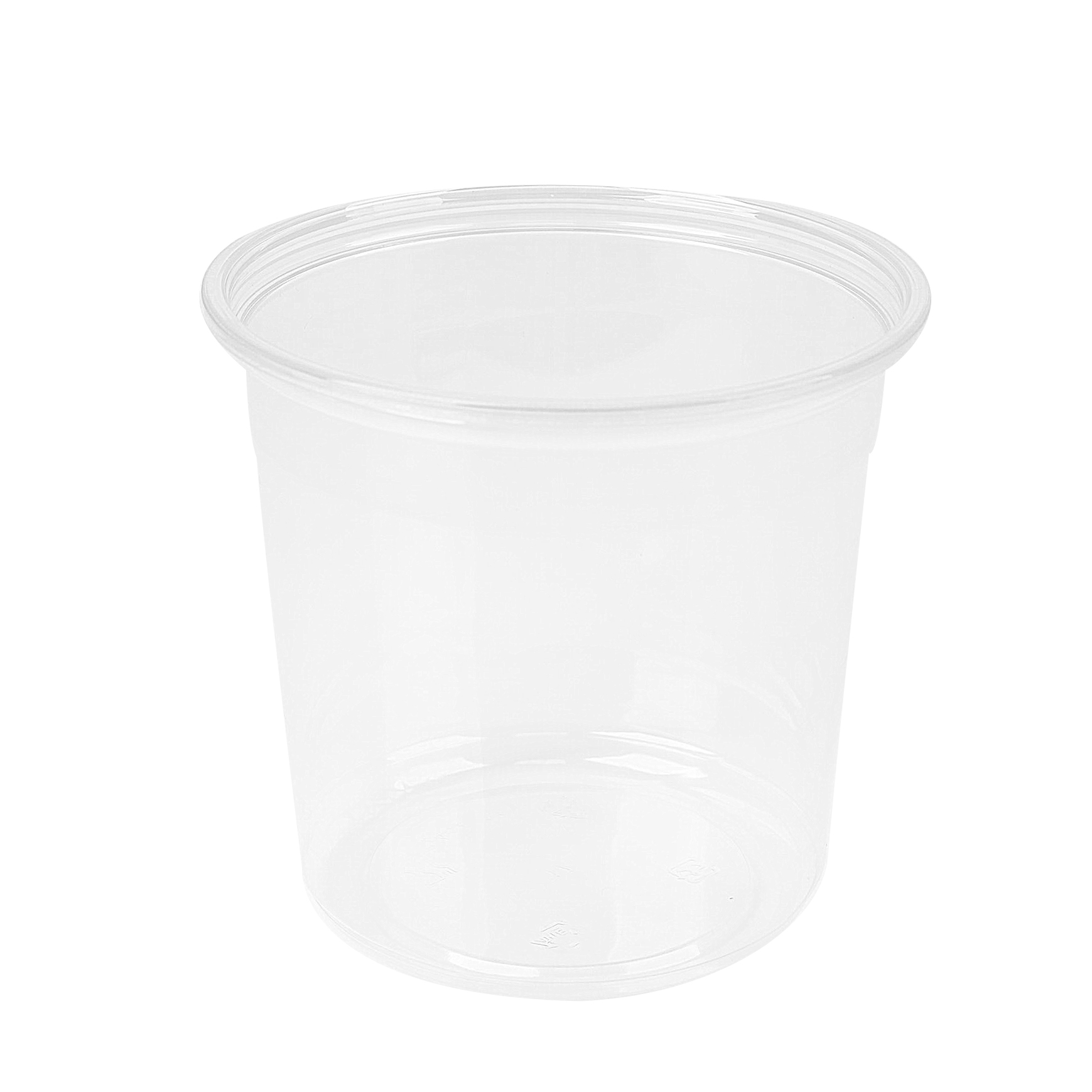
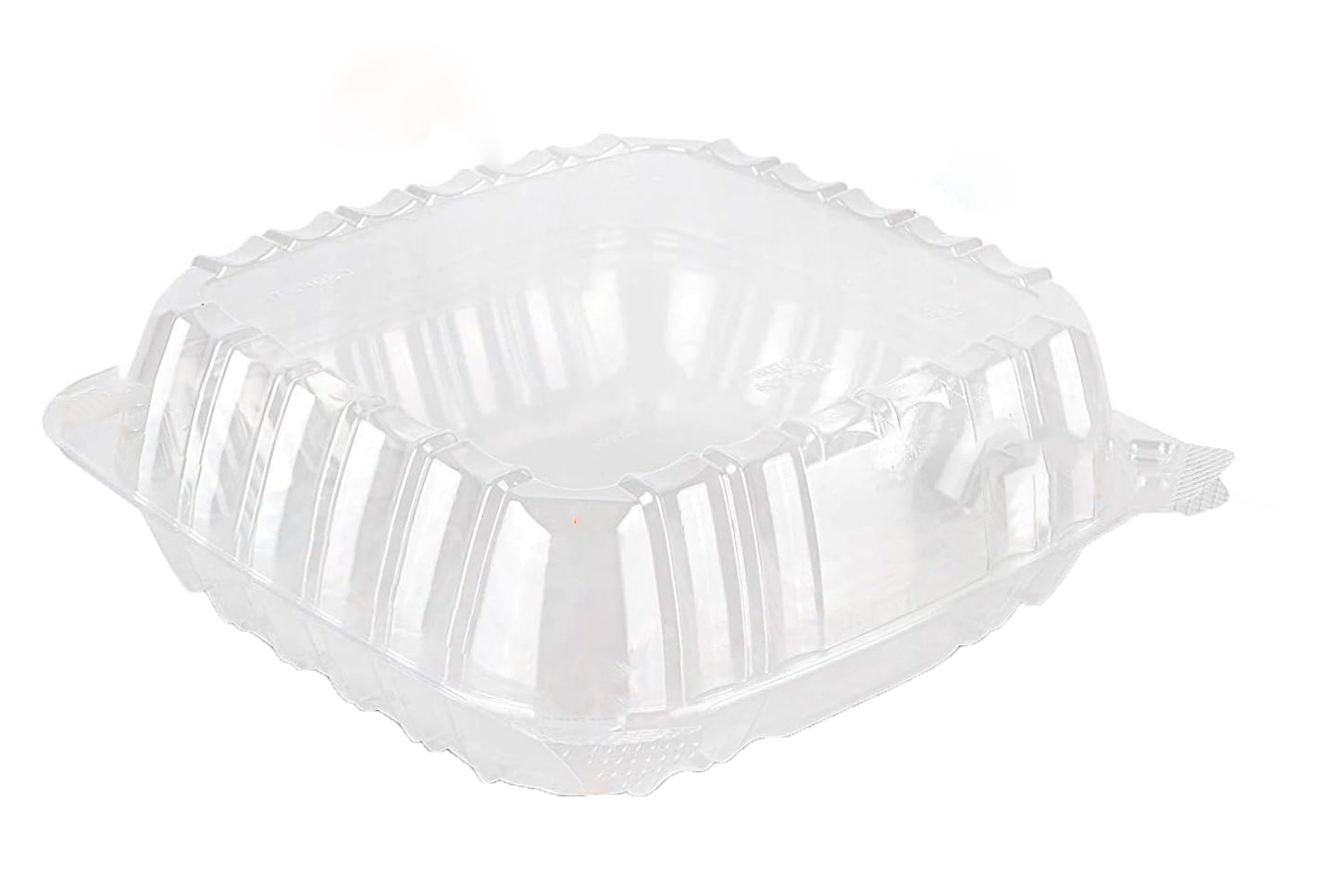
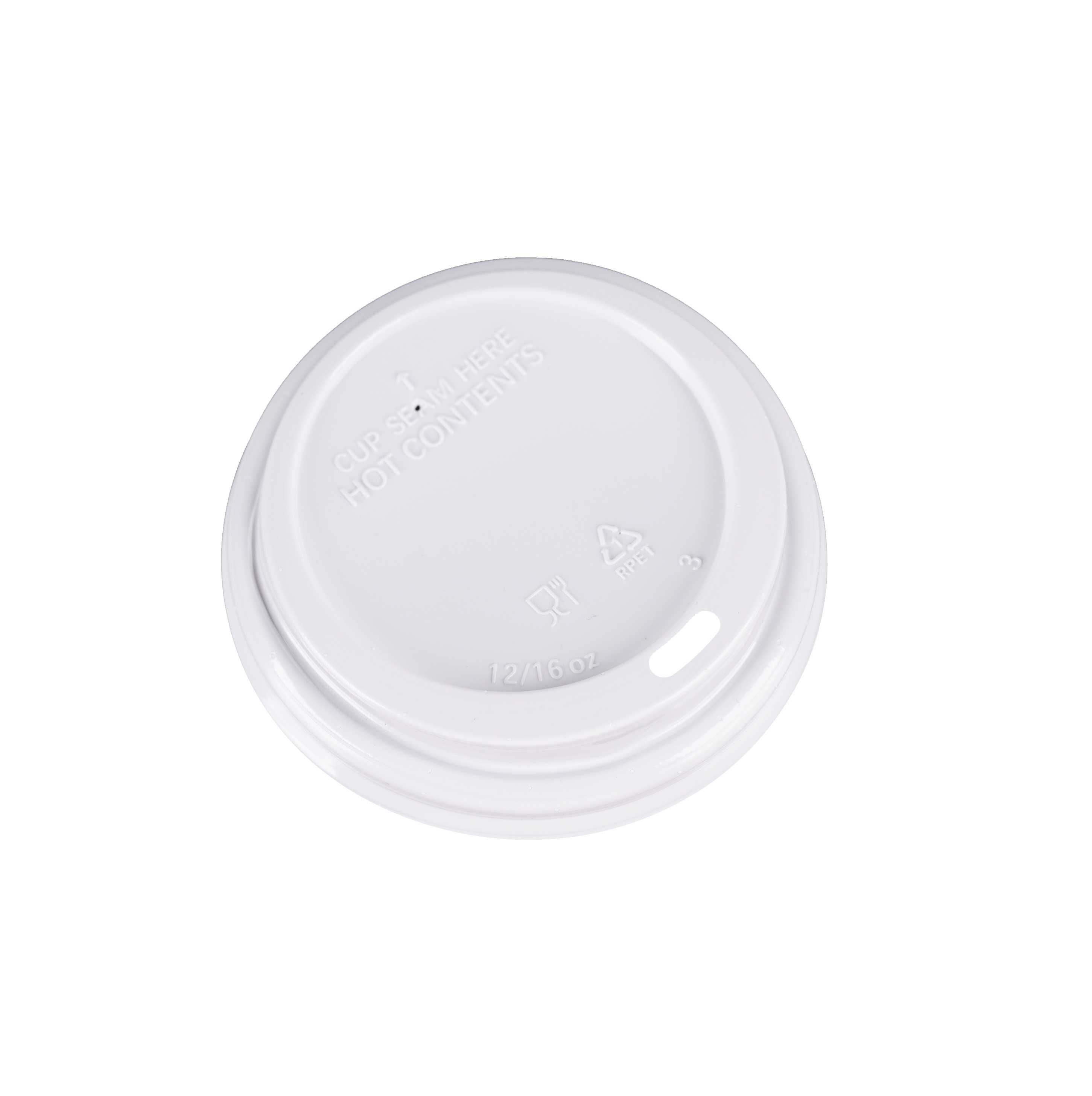
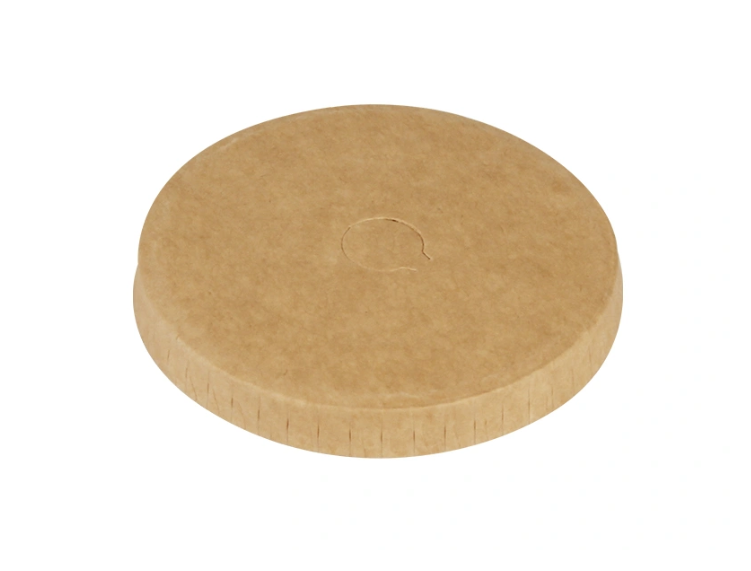
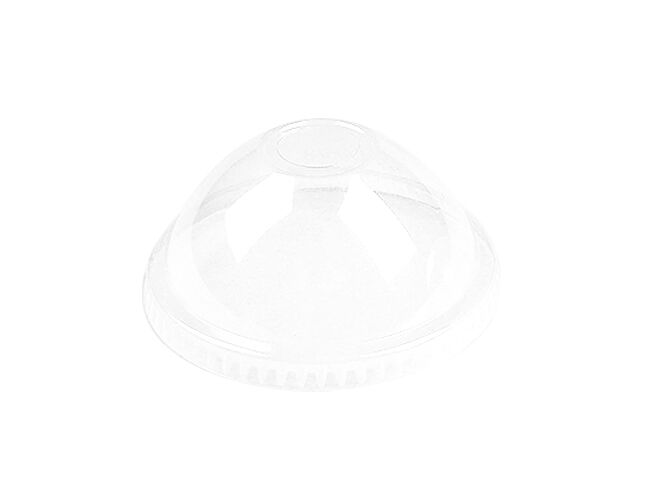
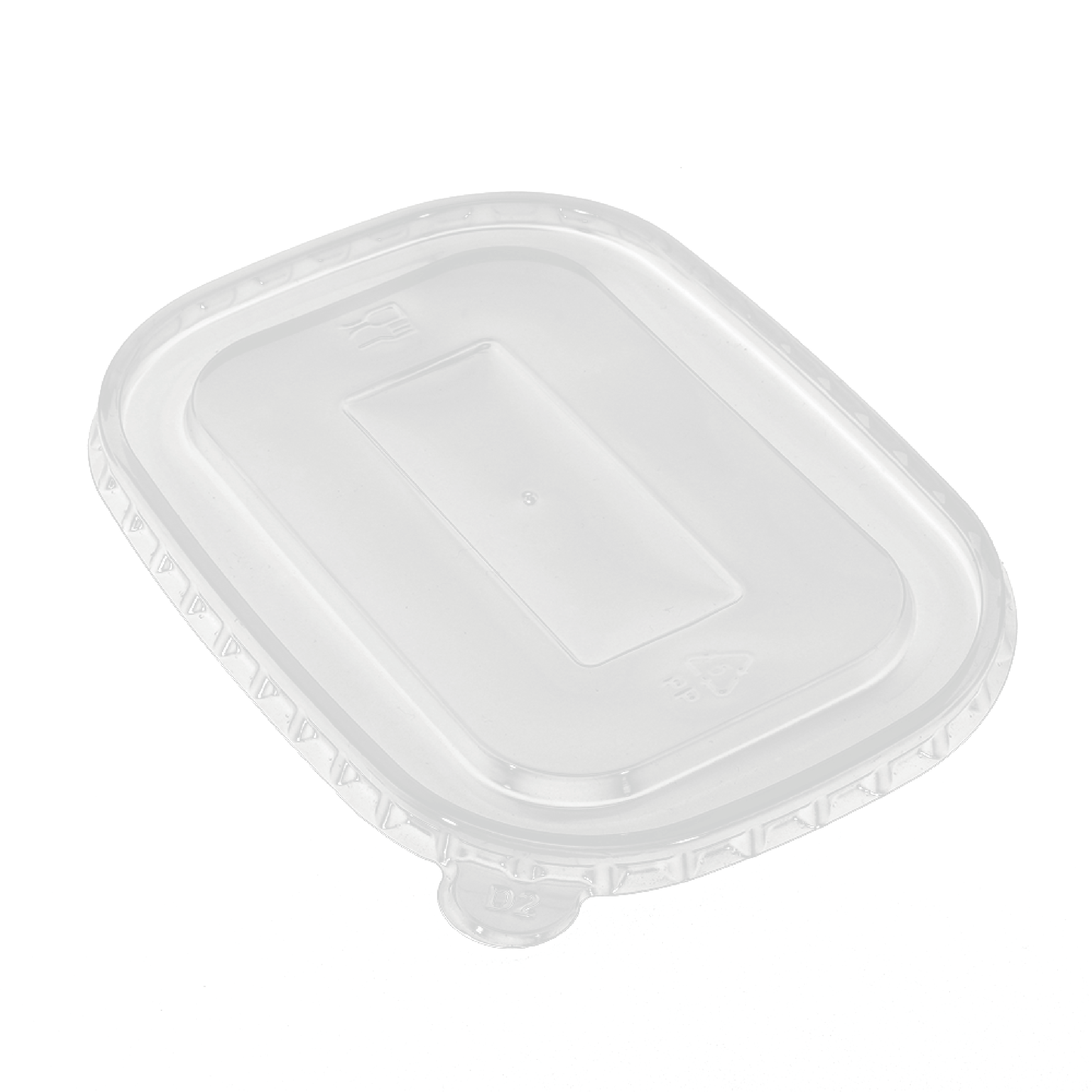
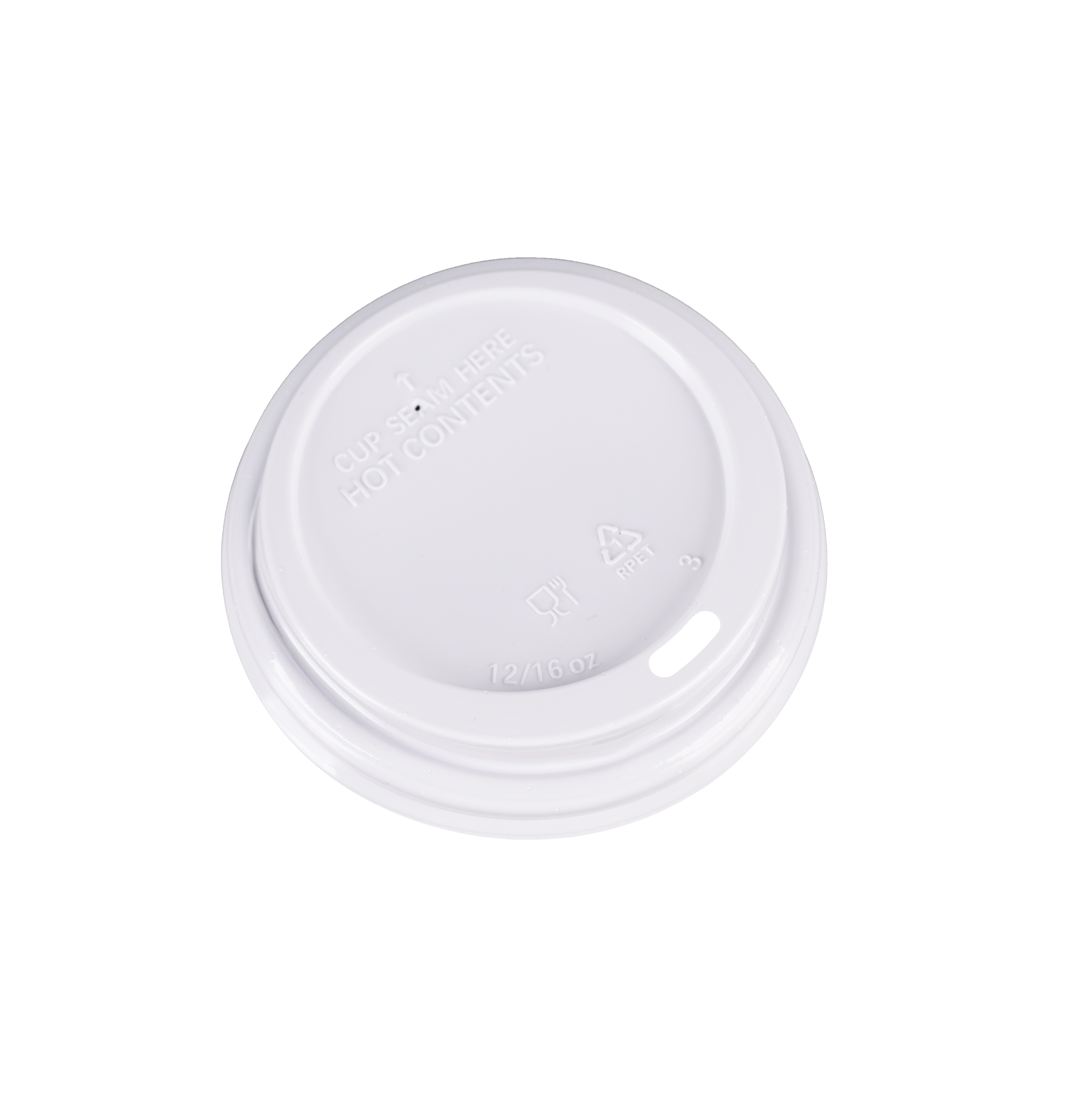
Plastic lids serve as essential closure solutions across countless industries and everyday applications, providing secure sealing, protection, and convenience for containers of all types. These versatile components are engineered to fit bottles, jars, cups, food containers, and industrial packaging, making them indispensable in food service, retail, manufacturing, and household environments. Modern plastic lids combine advanced polymer technology with precision manufacturing to deliver reliable performance that meets diverse sealing requirements. The primary functions of plastic lids include preventing spills, maintaining product freshness, protecting contents from contamination, and facilitating easy opening and closing mechanisms. They act as barriers against moisture, air, dust, and external contaminants, thereby extending shelf life and preserving product quality. Technological features incorporated into contemporary plastic lid designs include snap-fit closures, tamper-evident seals, child-resistant mechanisms, and resealable options that enhance user experience and safety. Many plastic lids feature ergonomic designs with textured grips, easy-peel tabs, or flip-top mechanisms that improve accessibility for users of all ages and abilities. The materials used in plastic lid production typically include polyethylene, polypropylene, polystyrene, and other food-grade polymers selected for their durability, flexibility, and compatibility with various contents. Advanced manufacturing techniques such as injection molding and thermoforming enable precise dimensional control, ensuring consistent fit and seal integrity across production batches. Applications for plastic lids span the food and beverage industry, where they seal coffee cups, takeout containers, yogurt cups, and beverage bottles. In pharmaceutical and healthcare sectors, plastic lids provide secure closures for medicine bottles and specimen containers. Industrial applications include paint cans, chemical containers, and bulk storage solutions. The cosmetics industry relies on plastic lids for creams, lotions, and beauty product packaging. Additionally, household storage benefits from plastic lids on food storage containers, helping families organize and preserve items efficiently while reducing waste and maintaining hygiene standards throughout various storage conditions.

New Products

Plastic lids offer exceptional cost-effectiveness compared to alternative closure systems, making them accessible for businesses of all sizes while maintaining high performance standards. Their lightweight construction reduces shipping costs and carbon footprint during transportation, delivering environmental and economic benefits simultaneously. The durability of quality plastic lids ensures they withstand repeated use without cracking, warping, or losing their sealing capabilities, providing long-term value for consumers and businesses alike. Easy application and removal require no special tools or excessive force, making plastic lids user-friendly for children, elderly individuals, and people with limited hand strength or dexterity. The versatility of plastic lids allows manufacturers to create custom sizes, shapes, and colors that align with brand identity and specific container requirements, enabling product differentiation in competitive markets. Excellent chemical resistance means plastic lids remain stable when exposed to various contents, including acidic foods, oils, cleaning products, and pharmaceutical compounds, preventing degradation and maintaining seal integrity. Temperature tolerance enables plastic lids to function effectively in refrigerated, frozen, and moderately heated conditions, accommodating diverse storage and usage scenarios without compromising performance. Transparency options allow consumers to view contents without removing lids, reducing contamination risks and improving inventory management in commercial settings. Stackability features in many plastic lid designs optimize storage space in warehouses, retail shelves, and home cabinets, maximizing efficiency and organization. Hygienic properties make plastic lids ideal for food contact applications, as they resist bacterial growth and can be easily cleaned or disposed of after single use when necessary. Manufacturing precision ensures consistent quality and reliable sealing across thousands or millions of units, minimizing defect rates and product waste. Customization possibilities extend beyond dimensions to include printing, embossing, and labeling directly onto lid surfaces, creating marketing opportunities and providing essential product information. Quick production cycles enable manufacturers to respond rapidly to market demands and seasonal variations without significant lead times. Recyclability of many plastic lid materials supports sustainability initiatives, allowing businesses to demonstrate environmental responsibility while meeting consumer expectations for eco-conscious packaging. The barrier properties of plastic lids protect against oxygen, moisture, and light exposure, critical factors in maintaining food quality, preventing spoilage, and extending product shelf life. Safety features such as tamper-evident bands and child-resistant designs provide peace of mind for consumers and help manufacturers comply with regulatory requirements across different markets and product categories. Compatibility with automated filling and capping equipment streamlines production processes, reducing labor costs and increasing output efficiency for manufacturers operating at scale.

Latest News

Plastic Containers for Food in Takeaway and Delivery Packaging

26

Jan

Plastic Containers for Food in Takeaway and Delivery Packaging

Plastic Containers for Food for Takeaway: Materials, Standards, and Safety Limits FDA-Approved Plastics for Food Contact: HDPE, LDPE, and PP When it comes to plastics that touch food directly, the FDA has pretty strict rules in place, specifically ...
View More
Clear vs Frosted Custom Plastic Cups: Which Works Better for Branding

01

Apr

Clear vs Frosted Custom Plastic Cups: Which Works Better for Branding

When selecting custom plastic cups for your brand's promotional campaigns, events, or retail offerings, the choice between clear and frosted finishes significantly impacts visual appeal, brand perception, and marketing effectiveness. Both clear and f...
View More
Paper Coffee Cup Lids vs Plastic Lids: Key Differences Explained

13

Apr

Paper Coffee Cup Lids vs Plastic Lids: Key Differences Explained

The choice between paper coffee cup lids and plastic lids represents a critical decision for cafes, restaurants, and beverage service providers navigating the evolving landscape of sustainable packaging. As environmental regulations tighten and consu...
View More
Custom Plastic Cups Ordering Process: From Design to Delivery

06

Apr

Custom Plastic Cups Ordering Process: From Design to Delivery

Ordering custom plastic cups for your business involves a structured process that transforms your brand vision into tangible drinkware products. Whether you're a restaurant chain, event organizer, beverage company, or corporate brand looking to enhan...
View More

Get a Free Quote

Our representative will contact you soon.
Email
Name
Mobile
Country/Region
Message
0/1000

plastic lids

Superior Sealing Technology for Maximum Product Protection

Superior Sealing Technology for Maximum Product Protection

The sealing technology integrated into modern plastic lids represents a sophisticated engineering achievement that balances accessibility with security, ensuring contents remain protected throughout their lifecycle. Advanced sealing mechanisms utilize precision-molded gaskets, compression rings, and interference fits that create airtight or liquid-tight barriers depending on application requirements. These sealing systems prevent leakage during transportation, storage, and handling, eliminating costly product loss and maintaining brand reputation. The geometry of sealing surfaces is carefully calculated to distribute pressure evenly around the container rim, compensating for minor variations in container manufacturing tolerances while maintaining consistent seal integrity. Plastic lids designed for food preservation incorporate oxygen barrier properties that slow oxidation processes, preventing rancidity in fatty foods and maintaining flavor profiles in sensitive products like coffee and spices. Moisture barriers within plastic lid constructions protect dry goods from humidity absorption, preserving texture and preventing clumping in products such as powdered supplements, baking ingredients, and pharmaceutical tablets. Temperature cycling resistance ensures seals remain effective when containers move between refrigeration and ambient conditions, accommodating real-world usage patterns in households and commercial environments. The flexibility of plastic materials allows lids to conform slightly to container variations while maintaining seal pressure, reducing rejection rates during automated capping operations and improving production efficiency. Tamper-evident features integrated into sealing designs provide visible evidence of unauthorized access, protecting consumers and helping manufacturers fulfill regulatory obligations in food, pharmaceutical, and personal care markets. Child-resistant closures incorporate specialized opening mechanisms that require coordinated actions difficult for young children but manageable for adults, balancing safety with accessibility. Resealable designs extend product usability by allowing multiple access cycles without compromising seal effectiveness, reducing waste and improving consumer satisfaction with products requiring gradual consumption. The longevity of plastic lid seals under various storage conditions has been validated through extensive testing protocols that simulate months or years of shelf life, ensuring performance claims accurately reflect real-world expectations. Innovation in sealing technology continues to address emerging needs such as easy-open features for aging populations, one-handed operation for convenience, and venting capabilities for microwave applications that release pressure while preventing splatter.
Sustainable Manufacturing and Material Innovation

Sustainable Manufacturing and Material Innovation

Contemporary plastic lid production increasingly embraces sustainable practices and innovative materials that reduce environmental impact while maintaining the performance characteristics consumers and businesses require. Manufacturers now offer plastic lids produced from post-consumer recycled content, diverting waste from landfills and reducing dependence on virgin petroleum-based polymers without sacrificing functionality or safety standards. Bio-based plastics derived from renewable resources such as corn starch, sugarcane, and cellulose provide alternatives that maintain comparable performance to traditional materials while offering improved end-of-life options including industrial composting under appropriate conditions. Lightweighting initiatives have reduced material usage in plastic lid designs through advanced engineering and computer modeling that optimize wall thickness distribution, maintaining structural integrity while minimizing resource consumption and transportation emissions. Mono-material construction strategies simplify recycling processes by eliminating multi-layer composites that complicate separation and reprocessing, improving recyclability rates and supporting circular economy principles. Manufacturing efficiency improvements including optimized cooling cycles, reduced scrap rates, and energy-efficient molding equipment decrease the carbon footprint of plastic lid production while improving cost competitiveness. Design for recyclability principles guide product development, ensuring plastic lids can be easily identified, sorted, and processed by existing recycling infrastructure through standardized resin identification codes and compatible material selections. Extended producer responsibility programs encourage manufacturers to consider full lifecycle impacts, leading to innovations in collection systems, recycling partnerships, and material recovery initiatives that close loops in packaging systems. Consumer education initiatives accompanying sustainable plastic lid products help users understand proper disposal methods, improving recovery rates and supporting the development of robust recycling markets for plastic packaging materials. Certification programs and third-party verification provide transparency regarding sustainability claims, helping businesses differentiate their products and consumers make informed purchasing decisions aligned with environmental values. Investment in research and development continues to yield breakthrough materials with enhanced properties such as improved barrier performance at reduced thickness, expanded temperature ranges, and compatibility with emerging recycling technologies. Collaboration across supply chains brings together resin producers, lid manufacturers, brand owners, and recycling operators to identify systemic improvements that benefit entire industries rather than isolated components. Carbon footprint assessments quantify environmental impacts across production, transportation, use, and end-of-life phases, enabling data-driven decisions that prioritize meaningful improvements over superficial green marketing claims.
Versatile Applications Across Multiple Industries

Versatile Applications Across Multiple Industries

Plastic lids demonstrate remarkable adaptability across diverse industry sectors, each leveraging specific design features and material properties to address unique operational requirements and consumer expectations. The food service industry relies extensively on plastic lids for hot and cold beverage containers, with specialized designs incorporating sip-through openings, straw slots, and splash-resistant features that enhance portability while preventing spills during transportation and consumption. Quick-service restaurants utilize plastic lids on takeout containers that maintain food temperature, prevent cross-contamination between menu items, and facilitate stacking for efficient delivery operations. Retail food packaging employs plastic lids on deli containers, prepared meal trays, and grab-and-go salad bowls, providing visibility of contents while protecting freshness and enabling microwave reheating when ventilation features are incorporated. The dairy industry depends on plastic lids for yogurt cups, cottage cheese containers, and cream cheese tubs, where hermetic seals prevent spoilage and tamper-evident features assure consumers of product integrity from production through purchase. Beverage manufacturers apply plastic lids to juice bottles, sports drinks, and flavored water containers, integrating flip-top caps and dispensing mechanisms that improve user convenience and encourage product consumption. Pharmaceutical applications require plastic lids meeting stringent regulatory standards for child resistance, tamper evidence, and material compatibility with active ingredients, protecting public health while enabling compliant packaging solutions. Personal care and cosmetics industries utilize plastic lids on creams, lotions, hair products, and makeup containers, where aesthetic appeal combines with functional performance to create premium brand experiences. Industrial sectors employ heavy-duty plastic lids on paint cans, adhesive containers, and chemical drums, where robust construction withstands harsh contents and rough handling during professional use. Household storage benefits from plastic lid systems on food storage containers, enabling modular organization, microwave and dishwasher compatibility, and long-term reuse that reduces disposable packaging consumption. Laboratory and medical facilities use plastic lids on specimen containers, ensuring secure closure during transport and handling of biological samples while maintaining sterility and preventing contamination. Agricultural applications include plastic lids on bulk ingredient containers, seed storage bins, and fertilizer packages, where moisture barriers and pest resistance protect valuable contents during extended storage periods. The pet food industry applies plastic lids to kibble containers and treat jars, providing resealable convenience that maintains freshness and prevents odor escape between feeding times. Automotive and hardware retailers use plastic lids on small parts containers, organizing inventory while enabling quick identification and access during customer service interactions.