





Kuagiza vikombe maalum vya plastiki kwa ajili ya biashara yako kunahusisha mchakato uliopangwa ambao hubadilisha maono ya chapa yako kuwa bidhaa za vinywaji vinavyoonekana. Iwe wewe ni mnyororo wa migahawa, mratibu wa matukio, kampuni ya vinywaji, au chapa ya kampuni inayotafuta kuboresha uzoefu wa wateja, kuelewa mtiririko kamili wa kuagiza—kuanzia dhana ya awali ya usanifu hadi uwasilishaji wa mwisho—huhakikisha ushirikiano mzuri na watengenezaji na matokeo bora ya mwisho. Mwongozo huu kamili unakuongoza katika kila hatua muhimu ya safari ya ununuzi wa vikombe maalum vya plastiki, ukitoa maarifa yanayoweza kutekelezeka kuhusu utayarishaji wa muundo, uteuzi wa nyenzo, uratibu wa uzalishaji, itifaki za uhakikisho wa ubora, na usimamizi wa vifaa ambavyo huathiri moja kwa moja ratiba ya mradi wako na ubora wa bidhaa.
Mchakato wa kusafirisha kwa njia ya kisasa kwa vyakula vya plastiki vya kipekee umebadilika sana kwa kutumia zana za mawasiliano ya kidijitali, teknolojia za kuchapisha za juu, na mifumo ya usimamizi wa mnyororo wa usambazaji. Hata hivyo, wachangiaji wengi bado wanakabiliana na changamoto zinazohusiana na maelezo yasiyo wazi, mapenzi ya mawasiliano na watoa huduma, muda wa kuzidisha wa kutengeneza ambao haupatikani mapema, au tofauti katika ubora. Kwa kufuata mchakato wa mfumo na kuelewa kilichotokea kila hatua—kuanzia uandishi wa kazi ya kuvutia na uainishaji wa vitu vya kujenga hadi kujenga vifaa, kujaribu, utengenezaji wa wingi, ukaguzi, na usafirishaji—unaweza kupunguza hatari, kuepuka marekebisho yanayotajika gharama, na kuhakikisha kwamba makofi ya plastiki iliyopimbwa kwa upatikanaji hufikia kwa wakati na kujitokeza kwa kipengele cha brand yako kwa usahihi. Makala hii inaonyesha mchakato wote wa kununua kwa maelekezo ya kutekelezwa kwa wachangiaji wa B2B wanaopitia mahusiano ya watoa huduma na ufanisi wa utengenezaji.
Uundaji wa Kiundombili na Uandishi wa Kazi ya Kuvutia
Kuweka Dhana ya Kiundombili na Mahitaji ya Brand Yako
Utaratibu wa kuagiza vyakula vya plastiki vya kipekee huanza kwa kufafanua wazi malengo yako ya ubunifu na mahitaji ya utambulisho wa brand yako. Hatua hii ya msingi hutamka jinsi ya ufanisi wa bidhaa zilizopangwa kwa kirefu zitawakilisha brand yako na kufanya kazi zilizoendelea. Anza kwa kutambua lengo kuu la vyakula vya plastiki vya kipekee—kama ni kwa mauzo ya kibiashara, kwa kutoa kwa ajili ya kutangaza, kwa kuchapisha tukio, kwa huduma ya mchuzi, au kwa kufunga bidhaa. Matumizi kila moja huathiri maamuzi ya ubunifu kuhusu ukubwa wa vyakula, umbo lake, ugharibuzi wa kuchapisha, na uwezo wa kudumu wa kitu. Andika rangi za brand yako kwa kutumia mfumo wa kufafanua rangi kwa usahihi kama vile nambari za Pantone badala ya thamani za RGB au CMYK peke zao, kwa sababu taratibu za kuchapisha kwenye plastiki zinahitaji muundo maalum ya rangi. Pata picha za mrefferensi, faili za logo katika fomati ya vector, na taarifa zozote za kufuata sheria ambazo ni lazima kama ishara za kurudisha tena, alama za uwezo wa kujaa, au sertifikati za usalama wa chakula ambazo lazima ziweze kuonekana kwenye vyakula.
Fikiria athari ya kuvumbua ya muundo wako kwenye uso wa kivuli cha vyakula vya plastiki vya kipekee, ambayo inatofautiana sana na vyombo vya kuchapisha vya rafu. Uso wa kivuli cha vyakula unazalisha athari za kubadilishwa ambazo zinahitaji ubadilisho wa muundo, hasa kwa uwezekano wa kusoma maneno na vipimo vya logotipi. Shirikiana na timu yako ya muundo wa grafiki ili kuunda takwimu ambayo inachukua kwa makini umbo la kivuli cha vyakula, kuhakikisha kwamba vipengele muhimu vya bradi vinabaki vikubwa na vinaweza kusomwa kutoka kwa pembe mbalimbali za kuangalia. Tambua kama unahitaji kuchapisha kote ambacho kinafichua mzunguko wote wa vyakula au uwekaji wa kina ya logotipi na ujumbe kwenye paneli maalum. Uamuzi huu unasababisha athari kwa gharama za uzalishaji na athari ya kuvumbua, kwa sababu muundo wa kuchapisha kote unahitaji mpangilio wa kuchapisha unaohitaji kazi nyingi zaidi lakini unatoa ukubwa wa kufichua bradi.
Kuwasha Takwimu za Teknolojia kwa Ajili ya Uzalishaji
Wakati mawazo yako ya ubunifu imekamilika, uandishi wa kazi za kifahamu ni muhimu sana kwa uzalishaji wa kina wa vyakula vya plastiki vinavyotarajiwa. Wakuzajiri wanahitaji maumbile ya faili na maelezo ya kipekee ili kubadilisha ubunifu wako wa kimaoni kuwa vifichuo vya kuprintia au faili za kuprintia ya kidijitali. Kazi za ubunifu zilizoundwa kwa kutumia programu kama vile Adobe Illustrator zinazopatikana kwa mfumo wa vector zinatoa uwezekano wa kusawazisha na usahihi unaohitajika kwa kuprintia bora juu ya uso la plastiki. Toa mafaili yako ya mwisho katika fomati ya AI, PDF, au EPS na hakikisha kwamba fonti zote zimebadilishwa kuwa miongo (outlines) na rangi zimeelezwa katika mfumo wa rangi ya kipekee (spot color) badala ya rangi za kusindikiza (process colors) ikiwa inawezekana. Jumuisha kipimo cha kawaida cha kipande (flat dieline template) kinachoonesha kiholela mahali ambapo ubunifu wako utaonekana kwenye uso uliofungwa wa kipande, pamoja na eneo la usalama, eneo la kushuka (bleed areas), na alama za kufungua (trim marks) zilizoelezwa wazi.
Fanya kazi karibu na mwanahuduma wako wa vyakula vya plastiki vya kipekee wakati wa kumalizia takwimu za kuchora ili kusaidia mahitaji ya kifani kwa ajili ya vifaa vyao vya uzalishaji na njia zao za kuprinti. Njia mbalimbali za kuchora—kama vile kuprinti kwa njia ya offset, kuprinti kwa njia ya flexographic, kuprinti kwa njia ya kuchora kwenye kisanduku (screen printing), au kuprinti kwa njia ya digital—zina mahitaji tofauti ya uangalizi, kikomo cha rangi, na vizingiti vya muundo. Omba orodha ya maelezo ya takwimu ya kuchora kutoka kwa mfanyabiashara wako ambayo inaonyesha uzito mdogo wa mistari, ukubwa mdogo wa herufi zinazoruhusiwa, mahitaji ya kugawanya rangi, na matukio yoyote maalum yanayohitajika kwa ajili ya mizizi (gradients), mafanikio ya kina, au athari za kuvutia (metallic effects). Wasilisha faili yako ya takwimu mapema kabla ya muda wa kuzalisha ili kupata muda wa kuchunguza na kuthibitisha na mfanyabiashara, mzunguko wa kuthibitisha, na ubadilisho wowote unachohitajika kabla ya kupanga vifaa vya kuprinti au faili za digital kuzalishwa.
Uchaguzi wa Mbinu ya Kujenga na Maelezo ya Bidhaa
Kuchagua Mbinu ya Plastiki Ya Sahihii Kwa Matumizi Yako
Kuchagua vitu vya plastiki vinavyofaa ni hatua muhimu sana katika mchakato wa kuagiza vyakula vya plastiki vya kipekee, na inaathiri moja kwa moja utendaji wa bidhaa, gharama, na mambo ya mazingira. Vitu vya plastiki vinavyotumika mara nyingi kwa vyakula vya plastiki vya kipekee ni polypropylene, polystyrene, polyethylene terephthalate, na chaguo mpya zaidi za asili ya kibiolojia au zinazoweza kusambaa. Polypropylene inatoa uwezo mzuri wa kubaki, uwezo wa kujitabiria joto linazostahimili zaidi ya kujitoa kwa matumizi ya mashariki na maji ya baridi, pamoja na wazi nzuri na hisia ya uongozi mdogo ambayo inalinda dhidi ya kupasuka. Polystyrene inatoa wazi kamili kwa bei nafuu zaidi lakini na tabia za kukatika zaidi na kikomo cha joto kinachomfanya kuwa bora zaidi kwa matumizi ya maji ya baridi tu. Tathmini mahitaji yako maalum ya matumizi—kama vile kikoa cha joto, uwezekano wa kufanana na likidu, wazi unachohitajika, na muda wa maisha wa bidhaa unayotarajia—wakati unaelezea chaguo la vitu na watoa huduma.
Fikiria mambo ya ustawi wa mazingira kama yanayotaka zaidi kwa ajili ya kufuata sheria na mapendeleo ya wateja wakati wa kuchagua vitu vya kujenga vyombo vya plastiki vya kipekee. Wateja wengi sasa wanatafuta vitu vilivyotumika tena, muundo wa polimeri moja tu ili kufacilitia upatikanaji wa vitu vilivyotumika tena, au plastiki zenye uthibitisho wa kuburudika kwa kina kulingana na viwango vya ASTM D6400 au EN 13432. Uchaguzi huu wa vitu vya kujenga wenye ufahamu wa mazingira unaweza kuathiri gharama za uzalishaji, muda wa kusafirisha, na njia zinazopatikana za kuchapisha, kwa hivyo zakumbuka kuzungumzia malengo ya ustawi wa mazingira mapema katika mchakato wa kuagiza. Omba waraka wa taarifa ya vitu vya kujenga ambavyo yana uthibitisho wa uwezekano wa kutumika kwa chakula, utambulisho wa uwezekano wa kurekodi, na uthibitisho wowote wa mazingira unaohusiana. Kuelewa sifa za vitu vya kujenga kunakusaidia kufanya maamuzi ya kisasa kati ya gharama, utendaji, na athari kwa mazingira, pamoja na kuhakikisha kwamba vyombo vya plastiki vya kipekee vimekifaa mahitaji ya kazi na wajibu wa ustawi wa mazingira wa shirika lako.
Kuainisha Vipimo vya Vyombo na Viwango vya Muundo
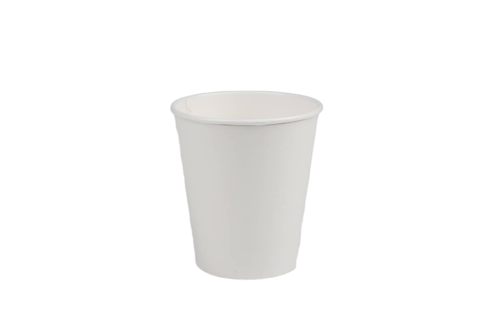
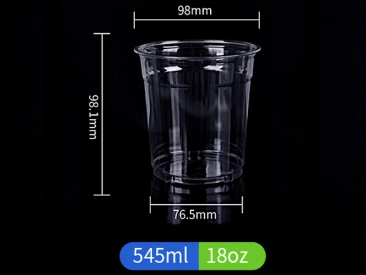
Uelewe wa kina ya vituo vya uendelezaji na mali za muundo unahakikisha kwamba vyakula vya plastiki vilivyofanywa kwa ajili ya mtu binafsi vinatumika vizuri kwa matumizi yao yanayotarajwa na huvichukua ubora sawa katika mikoa yote ya uzalishaji. Vituo vya kawaida viwemo urefu wa kikombe, kipenyo cha juu, kipenyo cha chini, upana wa ukuta, na uwezo wa kawaida pamoja na uvujuzi wa kubadilishwa uliothibitishwa. Vyakula vya plastiki vilivyofanywa kwa ajili ya mtu binafsi kwa huduma ya mashariki huwa kati ya kikombe kidogo cha kujaribu kuhusu 2-4 unsi hadi kikombe cha kawaida cha kutumika kuhusu 8-20 unsi na kikombe kikubwa zaidi kinachozidi 32 unsi. Taja kama vipimo vya uwezo vinaelezea kiasi cha kikombe kilichojaa kabisa au mstari wa kujaza kinachosalia nafasi ya hewa juu, kwa sababu tofauti hii inaathiri wakati wa uzalishaji na matarajio ya wateja.
Mazoezi ya ziada ya muundo kwa vyakula vya plastiki vya kipekee vinajumuisha ubunifu wa kipande cha juu kwa kunywa kwa urahisi na uwekaji salama wa lid, mifupa ya upande au vipengele vya kushikilia kwa usalama wa kushikilia, na ubunifu wa msingi kwa ustahili kwenye uso la mlalo. Ikiwa vyakula vyako vya plastiki vina hitaji vifungo vya kufanana, vinywaji, au vingine vyenye kuhusiana, hakikisha kwamba vipimo vya ukubwa vinaendelea kuwa ya kawaida ya sekta au panga uzalishaji wa vifungo vya kipekee pamoja na hilo. Omba michoro ya teknolojia ya kina kutoka kwa mfanyabiashara wako inayotumia sehemu za kina, vipimo muhimu vya ukubwa, na vipimo vya uvumilivu kabla ya kuthibitisha agizo lako. Dokumenti hizi za uhandisi huwa muhimu kama marejeo katika majaribio ya ubora wa uzalishaji na husaidia kuzuia tofauti za ukubwa ambazo zinaweza kuathiri utendaji au mchakato wa kushamiri kwa kifaa cha kuzalisha kiotomatiki katika vifaa vyako.
Kuchukua Sampuli, Uundaji wa Vifaa, na Mwelekeo wa Uzalishaji
Mchakato wa Kujenga na Kuthibitisha Sampuli
Faza ya kuchukua sampuli inatoa uhakiki wa ubora muhimu kabla ya kuanza uzalishaji wa kutosha wa vyakula vya plastiki vilivyofanyiwa kwa ajili yako. Utaratibu huu unaopitia mara kwa mara huanza kwa kawaida na sampuli ya mapinduzi au ushahidi wa awali ambao unazoonyesha jinsi ya kazi yako ya kisani inavyotafsiriwa kwenye nyenzo halisi na umbo la kikombe. Wakuzajiri wanaweza kutoa mifano ya digital kwanza, iyo inazoonyesha jinsi ya kazi yako ya msalaba inavyozunguka umbo la silindri la kikombe, lakini sampuli za hisia zinabaki muhimu kwa kuhakiki ubora halisi wa chapisho, uhitaji wa rangi, hisia ya nyenzo, na uimara wa muundo. Omba sampuli zilizotengenezwa kwa kutumia nyenzo sawa, njia za kupiga chapisho, na vifaa vya uzalishaji vilivyopangwa kwa agizo lako la mwisho badala ya kukubali mifano iliyotengenezwa kwa njia mbadala ambayo inaweza haikutafakari ubora wa uzalishaji.
Weka mpango wa kusoma na kuthibitisha sampuli kwa njia ya mfumo ambao unahusisha wachangiaji wote wenye uhusiano—kupitia timu za usambazaji kwa ajili ya kufuata kanuni za jina la biashara, wafanyikazi wa uendeshaji kwa ajili ya majaribio ya kazi, na watafiti wa ubora kwa ajili ya uthibitisho wa vitendo. Tathmini sampuli za vyakula vya plastiki kulingana na vivinjari vilivyopangwa awali kama vile kufanana kwa rangi na viwadi vilivyothibitishwa, usahihi wa kufanana kwa mchoro, ubora wa uso wa kitu, kufanana kwa vipimo, na ubora wa jumla wa maonekano. Andikia kwa wazi mabadiliko yoyote yanayohitajika pamoja na picha zilizochapishwa kwa maelezo au maelezo ya andani ya kuandika, na hudumu ya rekodi za uthibitisho pamoja na alama za mikono na tarehe kwa ajili ya kufuatilia ubora. Baadhi ya wauzaji hujaribu mzunguko wa sampuli kadhaa ili kuboresha mchoro, kujaribu chaguo mbalimbali za vitu, au kuthibitisha ubora wa uzalishaji kabla ya kutoa uthibitisho wa mwisho. Panga muda unaofaa kwa hatua hii ya kusampulia katika mpangilio wako wa mradi, kwa sababu kufanya kazi haraka kupita kusampulia mara nyingi husababisha matokeo ya kushangaza katika uzalishaji wa wingi.
Uchaguzi wa Vifaa na Maoni ya Kufanya Mafumbo ya Uzalishaji
Kwa miradi mingi ya vyakula vya plastiki vinavyotengenezwa kwa ajili ya mtu binafsi, hasa yale yanayohusisha vipimo tofauti au maumbo ya kibinafsi, uchaguzi wa vifaa unarejeleza gharama kubwa ya awali na hatua muhimu sana katika mchakato wa kuagiza. Uzalishaji wa vyakula vya plastiki vinavyotengenezwa kwa ajili ya mtu binafsi huweza kutahitaji vifaa vya kufunga kwa njia ya kuingiza au kufunga kwa joto ambavyo hufanya muundo wa plastiki ya msingi kuwa muundo uliotaka wa vyakula. Mafumbo haya yenye usahihi wa juu yanaweza gharama kutoka kwa elfu kadhaa hadi elfu za mia kadhaa kulingana na ugharibu wa vyakula, idadi ya mapango, na aina ya uzoefu unaohitajika kwa uzalishaji. Zungumzia wazi kuhusu ubinafsi wa vifaa na mtoaji wako—je, utaumiliki mafumbo haya kabisa, utashiriki gharama na mfanyabiashara, au utafanya mkataba ambapo mtoaji atakuwa na ubinafsi lakini atakupa dhamana ya upatikanaji wa mafumbo haya kwa agizo lako la baadaye.
Muda wa kujenga vifaa vya utengenezaji (tooling) huathiri sana mizani ya wakati ya jumla ya miradi ya vitambaa vya plastiki vinavyotengenezwa kwa maombi ya watumiaji, mara nyingi huitafuta wiki 4-8 kwa ajili ya ubunifu wa vifaa, uundaji na uthibitisho kabla ya utengenezaji wa kawaida kuanza. Katika hatua hii, watoa hudumu wanajenga ubunifu wa vifaa kwa kuzingatia maelezo yaliyoidhinishwa ya vitambaa vyenu vya plastiki, kufanya kazi ya vifaa kwa kutumia kipimo cha usahihi wa kina, na kufanya majaribio ya awali ili kuthibitisha usahihi wa vipimo na ufanisi wa utengenezaji. Omba taarifa za mafanikio kila wakati katika kujenga vifaa na taka ripoti ya uthibitisho wa sampuli ya kwanza ambayo inaonyesha jinsi sampuli za utengenezaji za awali zinavyokidhi maelezo yenu kabla ya kuendelea na utengenezaji wa kawaida. Kuelewa kujenga vifaa kama hatua tofauti husaidia kupangwa kwa mizani ya wakati ya kurejelea na kuepuka mafuriko kuhusu mauzo ya awali au mizani ya kulemwa wakati wa kuagiza vitambaa vya plastiki vinavyotengenezwa kwa maombi ya kipekee.
Utengenezaji wa Wingi na Uhamisho wa Ubora
Ufafanuzi wa Mpango wa Utengenezaji na Ushirikiano wa Utengenezaji
Wakati sampuli zimeidhinishwa na vifaa vya utengenezaji vimechaguliwa, utengenezaji wa kiasi kikubwa wa vyakula vya plastiki vyenu vinabegwa kwa mpango wa utengenezaji wenye maelezo ya kina ambao unashirikiana na kununua vitu, kupangia matumizi ya vifaa, na kugawanya wafanyakazi. Watoa huduma wanapanga muda wa utengenezaji kulingana na idadi unayoyatafuta, muda uliopewa kwa kutuma bidhaa, na uwezo wa sasa wa kituo chao. Kwa orodha kubwa, utengenezaji unaweza kufanyika katika mazungumzo mengi au katika mabadiliko mbalimbali ili kujifunga na mahitaji ya kiasi huku ukijihusisha na viwango vya ubora vilivyowekwa. Wasilisheni mafanikio muhimu ya kutuma bidhaa mapema katika mchakato wa kuagiza, kwa sababu muda mfupi unaweza kuleta ada za haraka au kuhitaji mipango ya kushawishi utengenezaji ambayo inaweza kubadilisha bei na uwezo wa kubadilisha mpango wa muda.
Wakati wa uzalishaji wa kawaida, endelea kuwa na mawasiliano ya mara kwa mara na msuppli wako wa vyakula vya plastiki vya kipekee ili kufuatilia maendeleo na kutatua masuala yoyote yanayotokana haraka. Omba maelezo ya hali ya uzalishaji kwa muda uliothaminiwa—kama vile ripoti za maendeleo kila wiki kwa orodha kubwa—ambazo zinataja idadi ya vyakula vilivyozalishwa, vipimo vya ubora, na kufuata muda uliothaminiwa wa kufikia hatua muhimu. Wekeza taratibu wazi za kuchukua hatua ya kushawishi kwa kutatua matatizo ya uzalishaji kama vile ukosefu wa vitu vya kuzalisha, matatizo ya vifaa, au masuala ya ubora ambayo yanaweza kuhatarisha muda wa usafirishaji. Mawasiliano ya mapema wakati wa hatua ya uzalishaji huzuia matatizo madogo kusababisha mchezo mkubwa na hukuhakikisha kwamba unajua hali ya oda yako kote katika mzunguko wa uzalishaji. Baadhi ya wauzaji wanatoa mikutano ya kipindi cha kujenga au uchunguzi wa kuvideo kwa mbali wakati wa uzalishaji ili kuona mchakato kwa mstari wa moja kwa moja na kuthibitisha hali ya uzalishaji ya vyakula vya plastiki vya kipekee vyao.
Kuweka Mikakati ya Hakikisho la Ubora Kote Katika Uzalishaji
Protokoli za udhibiti wa ubora wenye nguvu wakati wa uzalishaji wa wingi hulinda uweke wako na kuhakikisha ubora wa bidhaa kwa kila kopa ya plastiki iliyoundwa kwa ajili yako. Udhibiti wa ubora unaofanya kazi huanza na kufafanua wazi vitendo vya kukubali na taratibu za ukaguzi zilizowekwa katika hatua ya kuchuja sampuli na kurekodiwa katika mkataba rasmi wa ubora pamoja na mfanyabiashara wako. Vitendo vya kawaida vya ukaguzi vinajumuisha uthibitisho wa vitu vilivyopokelewa, ukaguzi wa kati wa mchakato wa uzalishaji, na ukaguzi wa mwisho kabla ya kufunga kwa mbao. Taja viwango vya ubora vinavyoweza kujazwa kwa vipengele muhimu kama vile mipaka ya ukubwa, usawa wa upana wa kuta, usawa wa rangi, usahihi wa kusimamia kuchapishwa, na vipimo vya kiwango cha makosa ambavyo huhamisha uzalishaji au vitendo vya kurekebisha.
Wanunuzi wengi wanatumia mbinu za udhibiti wa kiasi cha mchakato ambazo zinahusisha kuchuja na kufanya vipimo kwa njia ya mfumo katika mchakato wa uzalishaji badala ya kujiweka tu kwenye uchunguzi wa mwisho. Kwa agizo la vyakula vya plastiki vinavyotengenezwa kwa ajili ya mtu binafsi, hii inaweza kujumuisha kuchuja kila saa vitu vilivyotengenezwa na vipimo vilivyotajwa vya vipimo muhimu vya ukubwa, uchunguzi wa macho kwa ajili ya makosa ya chapa au ubora wa kitu, na majaribio ya kazi kama vile upinzani wa kutoka kwa maji au ustahimilivu wa kufupishwa. Omba ripoti za uchunguzi zilizotengenezwa kwa undani ambazo zinatoa data ya ubora ya kisasa badala ya tathmini za kibinafsi, ikiwemo matokeo ya vipimo, utambulisho wa makosa, na hatua za kurekebisha zilizochukuliwa kwa ajili ya kutoelewi kwa mahitaji yoyote. Fikiria huduma za uchunguzi wa pili kwa agizo muhimu au unapofanya kazi na watoa huduma wapya, kwa sababu uthibitisho wa ubora unaofanywa na mtu anayetokana nje unatoa uhakika zaidi kwamba vyakula vya plastiki vyenu vya kipekee vimekifaa mahitaji kabla ya kutumwa.
Ufafanuzi wa Mifupa, Uhamisho, na Usimamizi wa Kutuma
Ufafanuzi wa Kilichohifadhi na Muhudumu wa Kutuma
Ufupishaji wa kutosha wa vyakula vya plastiki vilivyofanyiwa kwa mtindo maalum unahakikisha ulinzi wa uwekezaji wako katika bidhaa wakati wa usafirishaji na kufanya kuwapeleka na kuudhibiti kwenye mahali pa kufika. Mifumo ya ufupishaji ya kawaida inajumuisha ufupishaji wa wingi katika mifupa ya kadi ya kuvuruga yenye vikomo vya ndani au vifupisho vinavyozuia kujumuika na kuchomwa, vifupisho vya kushuka vinavyohakikisha utunzaji wa safi na kuleta uwezo wa kuchunguza kwa macho, au ufupishaji unaotumika moja kwa moja katika maduka pale ambapo vyakula vinatuma moja kwa moja kwa vyanzo vya watumiaji. Taja mahitaji ya ufupishaji wako kwa wazi katika agizo lako la kununua, ikiwemo idadi ya vyakula kwa kifupisho cha ndani, idadi ya mifupa ya kuu, taarifa za lebo, na maelekezo yoyote ya kipekee ya kushughulikia inayohitajika kwa operesheni zako za uhamisho au hali za uhifadhi.
Pangilia maelekezo ya upakiaji na mchakato wa kupokea bidhaa katika ghala yako na mahitaji ya usambazaji wa kushoto ili kuboresha ufanisi wa kushughulikia bidhaa. Kwa vyakula vya plastiki vilivyotengenezwa kwa ajili ya mistari ya kujaza kiotomatiki au shughuli za huduma ya chakula, upakiaji uliofaa kwa kufanya kazi haraka katika vifaa vya kutoa au uliohakikisha kuondoa uwezekano wa uchafuzi wa vyakula hivi huwa muhimu sana. Omba kwamba vikapu vikubwa viwe na lebo za nje zilizowekwa wazi zenye kitambulisho cha bidhaa, idadi ya vitu, tarehe za uzalisho au nambari za kikundi, na alama za kushughulikia kama inavyofaa. Baadhi ya wauzaji wanatoa maelekezo ya kuchapisha vikapu kwa namna maalum au vitu vya upakiaji vilivyopandwa kwa jina la kampuni yao ili kusimamia utambulisho wa kampuni yao katika mchakato wote wa usambazaji. Jadili chaguo za upakiaji mapema katika mchakato wa kuagiza, kwa sababu mahitaji ya upakiaji wa kipekee yanaweza kuhusu gharama kwa kila kitu, muda wa kusubiri, au idadi ya chini ya agizo la vyakula vyako vya plastiki vilivyotengenezwa kwa ajili maalum.
Usambazaji wa Kimataifa na Ushirikiano wa Mipaka
Kwa wanunuzi wanaopata vikombe maalum vya plastiki kutoka kwa wazalishaji wa kimataifa, uratibu wa vifaa unahusisha ugumu zaidi unaohusiana na mbinu za usafirishaji, mahitaji ya nyaraka, uondoaji wa forodha, na hesabu za gharama za kutua. Fanya kazi na muuzaji wako ili kubaini muda unaofaa zaidi wa usafirishaji—kama vile FOB, CIF, au DDP Incoterms—ambao hufafanua wazi jukumu la gharama za usafirishaji, bima, na taratibu za forodha. Usafirishaji wa baharini unawakilisha chaguo la kiuchumi zaidi kwa oda kubwa lakini unahitaji muda mrefu zaidi wa usafiri kwa kawaida kuanzia wiki 2-6 kulingana na asili na bandari za unakoenda. Usafirishaji wa anga hupunguza kwa kiasi kikubwa muda wa usafirishaji lakini huongeza kwa kiasi kikubwa gharama za kila kitengo, na kuifanya iweze kufaa hasa kwa oda za kujaza tena haraka au vikombe maalum vya plastiki vyenye thamani kubwa ambapo kasi inahalalisha gharama za usafirishaji za malipo ya juu.
Hakikisha kwamba vitabu vyote vya usafirishaji vinaeleza kwa usahihi mizigo yako ya vyakula vya plastiki, ikiwemo faturi za biashara zenye uainishaji wa bidhaa sahihi na msimbo wa tarifa ya kujitegemea, orodha za uvunaji zinazoelezea zawadi za kila kibao na uzito wake, na yoyote ya sertifikati za asili, taarifa za utii, au dokumenti za usalama wa mawasiliano na chakula inayohitajwa. Vitabu visivyosahihi au visivyotimilika vinasababisha mchezo wa rasimu ya kisasa, ada za ziada za ukaguzi, au hata kufunga mizigo ambayo huathiri mnyororo wako wa usambazaji. Fikiria kushirikiana na wafanyabiashara wa usafirishaji au wabarakishi wa rasimu wenye uzoefu katika uingilio wa bidhaa za plastiki, kwa sababu wanatoa ujuzi muhimu katika kuvuka mahitaji ya udhibiti na kuboresha matumizi ya ada. Tafuta gharama zote za kufikia nchini ikiwemo ada ya usafirishaji kwa bahari, bima, ada za rasimu, ada za kushughulikia bandari, na usafirishaji ndani ya nchi ili kupima kwa usahihi bei kutoka kwa watoa tovuti tofauti na kuepuka mabadiliko ya bajeti unapofikia vyakula vyako vya plastiki vya kipekee.
Uthibitisho wa Uwasilishaji na Msaada Baada ya Uwasilishaji
Utaratibu wa kuagiza vyakula vya plastiki vya kipekee huishia na uhakikisho wa uwasilishaji kwa makini na kuweka taratibu za msaada kwa kutatua tatizo lolote la baada ya uwasilishaji. Fanya uhakikisho wa kuvuta kwa ukubwa mara moja baada ya uwasilishaji, kuchunguza idadi ya vitabu katika kifedha kulingana na vituo vya usafirishaji, kuchunguza upanuzi wa nje wa kifedha kwa madhara ya usafirishaji, na kuchunguza vitu vya sampuli kutoka kwa vitabu vingi ili kuhakikisha ubora wa bidhaa na kufuata vipengele. Andikia tofauti zozote, uvunjivu au mahusiano ya ubora kwa picha na ripoti za maandishi zinazotolewa haraka kwa muuzaji wako kulingana na taratibu za kushindwa na muda ulioelezwa katika mkataba wa kununua. Mikataba mingi ya kununua inaelezea muda mfupi wa kurekodi uvunjivu uliofichwa au matatizo ya ubora, kwa hivyo uhakikisho wa kuvuta kwa utaratibu unahakikisha chaguo lako la kurekodi ikiwa matatizo yoyote yatokea.
Wapatia mawasiliano wazi kwa mtoa huduma ya vyakula vya plastiki vya kipekee kuhusu msaada baada ya kutumwa, ikiwemo mawasiliano ya kuagiza tena, msaada wa teknolojia, au maombi ya dhamana ikiwa yamepatikana. Hifadhi rekodi zilizowekwa kwa mtaratibu ya maelezo ya agizo lako, sampuli zilizoidhinishwa, ripoti za inspeksheni, na mawasiliano yote kwa marejeleo katika mzunguko wa kuagiza ujao au ikiwa tofauti za ubora zinahitaji utafutaji. Kwa mahusiano ya usambazaji unaosimama muda mrefu, weka mkutano wa kisiasa kwa mchanga wako kila wakati ili kuzungumzia vipengele vya utendaji, mwenendo wa ubora, fursa za kupunguza gharama, na miradi ya kujenga bidhaa. Kujenga mahusiano ya kushirikiana ya muda mrefu na watoa huduma wa vyakula vya plastiki vya kipekee wenye uaminifu hufanya thamani kwa pamoja kupitia mawasiliano bora zaidi, mchakato wa kuagiza tena ulioshindwa, na miradi ya uboreshaji wa kudumu ambayo inufanya faida kwa pande zote katika mzunguko wa agizo mbalimbali.
Maswali Yanayoulizwa Mara kwa Mara
Muda wa kawaida kutoka kwa uthibitisho wa muundo hadi kutumwa kwa vyakula vya plastiki vya kipekee ni gani?
Muda wa kuleta vikombe vya plastiki vya kipekee vina tofauti kubwa kulingana na sababu nyingi kama vile mahitaji ya vifaa vya ubunifu, ugharibisho wa agizo, kiasi cha uzalishaji, na njia za usafirishaji. Kwa agizo linalotumia vifaa vilivyopo tayari kwa vikombe vya ukubwa wa kawaida, uzalishaji na usafirishaji huahitaji kawaida muda wa wiki 3-5 ikiwemo utajuzi, uzalishaji, na usafirishaji kwa bahari kutoka kwa wazalishaji wa nje ya nchi. Miradi inayohitaji ubunifu wa vifaa vipya hupanua muda kwa wiki 4-8 zaidi kwa ajili ya ubunifu wa mfano, ufanyaji, na uthibitisho kabla ya kuanza uzalishaji. Wazalishaji wa ndani ya nchi wanaweza kutoa muda mfupi zaidi ya jumla lakini mara nyingi kwa gharama kubwa zaidi kwa kila kitu. Pengine kuna chaguo la uzalishaji wa haraka kwa mahitaji ya haraka lakini kwa kawaida huwatumia bei ya juu na inaweza kuzungumzia chaguo zinazopatikana za kuboresha. Daima zakalia muda unaofaa mapema katika mchakato wako wa mpango na weka muda wa kuvunja katika mpangilio wako wa mradi ili kusaidia kukabiliana na mazingira ya kuchelewa kwa muda wa kuhakikisha utajuzi, uzalishaji, au usafirishaji.
Namna gani idadi ya chini ya orodha (MOQ) inathibitisha mchakato wa kuagiza vyakula vya plastiki vinavyotengenezwa kwa mtindo maalum?
Kiasi cha chini cha utaratibu (MOQ) kinaathiri sana uchumi na uwezekano wa miradi ya vyakula vya plastiki vilivyotengenezwa kwa ajili ya mtu binafsi, na wazalishaji wengi hawajenga MOQ kulingana na ufanisi wa uzalishaji na gharama za mwelekeo. MOQ ya kawaida inaanza kutoka kwa 10,000 hadi 50,000 vitu kulingana na ukubwa wa kikombe, ugharibuzi wa kipekee, na uwezo wa wazalishaji. MOQ hii iko kwa sababu shughuli za mwelekeo kama vile kujenga vifaa vya kuprintia, kufafanua vifaa vya uzalishaji, na uthibitisho wa ubora ni gharama za kudumu ambazo lazima zigawanywe kwenye kiasi kikubwa cha uzalishaji ili kudumisha bei ya kila kitu iyo inayofaa. Utaratibu chini ya MOQ ya kawaida unaweza bado kuwa na uwezekano kupitia mazungumzo, lakini kwa kawaida huwachukua gharama za kila kitu zinazozidi au gharama za mwelekeo. Kwa wateja wenye mahitaji ya kiasi kidogo, fikiria kuanza na vikombe vya kumbukumbu vinavyotolewa tayari ambavyo hutahitaji kuprintia kwa kipekee tu badala ya vifaa vya kipekee, au utafutie mikataba ya kununua pamoja ambayo inaunganisha utaratibu kutoka kwa brand mbalimbali au mahali mbalimbali ili kufikia MOQ, wakati huo huo wakidumisha ugharibuzi wa kila mtu.
Sababu zipi zinazoweza kusababisha muda mrefu zaidi katika uzalishaji wa vyakula vya plastiki vinavyotengenezwa kwa ajili ya mtumiaji binafsi na usafirishaji?
Sababu nyingi zinaweza kusababisha muda mrefu katika mchakato wa kuagiza vyakula vya plastiki vya kipekee, na matatizo yanayohusiana na takwimu za kufanya kazi ni moja ya sababu za kawaida zaidi. Takwimu za kufanya kazi zisizokamilika, maelezo ya rangi yasiyo sahihi, au takwimu ambazo hahitaji mzunguko wa ubadilisho zaidi hupanua muda wakati wa awamu ya kabla ya uzalishaji. Changamoto za kupata vitu vya kuanzisha—hasa kwa plastiki maalum, rangi maalum za kuvunja, au chaguo la vitu vya kuanzisha vinavyotumika kwa ajili ya mazingira—zinaweza kusababisha uchelewesho wa kuanzisha uzalishaji ikiwa vitu vya kuanzisha vina changamoto za usambazaji. Wakati wa uzalishaji, matatizo ya ubora yanayosababisha kuzimishwa kwa uzalishaji, matatizo ya vifaa, au kukokwa kwa muda wa uzalishaji unao hitajika inaweza kusababisha kuchelewa kwa tarehe ya kumalizia. Uhamisho wa kimataifa unahamisha hatari za uchelewesho zaidi ikiwa ni pamoja na ukomavu wa bandari, matatizo ya kuhakikisha kwenye ofisi ya kigeni, makosa ya taarifa, au uwezekano wa uhaba wa uwezo wakati wa muda wa juu wa uhamisho. Punguza hatari hizi kwa kufanya mapema takwimu za kufanya kazi kwa ukamilifu, kuthibitisha mapema vitu vya kuanzisha, kumpanga muda kwa ukubwa wa kutosha pamoja na muda wa kujipatia kwa ajili ya matatizo, na mawasiliano ya kushirikiana kote katika mchakato wa kuagiza ili kupata na kutatua matatizo ya uchelewesho kabla hayingekuharibu tarehe zenu za kufikia.
Je, mabadiliko ya muundo yanaweza kufanywa baada ya uzalishaji kuanza kwenye agizo la vyakula vya plastiki vilivyofanyiwa kwa ajili ya mtu binafsi?
Mabadiliko ya muundo baada ya kuanza uzalishaji wa vyakula vya plastiki vya kipekee vinawakabili changamoto kubwa na gharama ambazo zinategemea hatua ya uzalishaji na aina ya mabadiliko yaliyoombwa. Baada ya kujengwa kipande cha kuchapisha na kuanza kuzalisha, mabadiliko ya muundo mara nyingi yanahitaji kusimamisha uzalishaji, kujenga vipande vya kuchapisha vipya, na kuvunja bidhaa zilizopo katika mchakato wa uzalishaji—yote haya huleta gharama za ziada kubwa ambazo zinachukuliwa kwa mteja. Mabadiliko madogo ya vipengele visivyohitaji sana yanaweza kufanywa kati ya mzunguko wa uzalishaji ikiwa vimegunduliwa mapema, lakini mabadiliko yanayohusiana na rangi, alama, maandishi yanayohitajika, au vipengele vya muundo kawaida hawawezi kutumika katika muda wa uzalishaji bila kuanza upya agano wote. Ukisemekana hii inaonyesha umuhimu mkubwa wa kuchunguza sampuli kwa makini na mchakato wa kuidhinisha rasmi kabla ya kuruhusu uzalishaji mkubwa. Daima chukua kuidhinisha sampuli kama fursa yako ya mwisho ya kuboresha muundo, na hakikisha kwamba wote wanaohusika wanafanya tathmini kamili kabla ya kuipa ruhusa ya uzalishaji. Ikiwa uboreshaji wa muundo bado unahitajika kwa sababu ya mahitaji hayajajulikani vizuri, zungumzieni juu ya mbinu za uzalishaji zenye vitengo au utaratibu wa kuagiza ambao unaruhusu uboreshaji wa muundo katika mzunguko mingi ya uzalishaji mdogo badala ya agano moja la kuzalisha kubwa.
Orodha ya Maudhui
- Uundaji wa Kiundombili na Uandishi wa Kazi ya Kuvutia
- Uchaguzi wa Mbinu ya Kujenga na Maelezo ya Bidhaa
- Kuchukua Sampuli, Uundaji wa Vifaa, na Mwelekeo wa Uzalishaji
- Utengenezaji wa Wingi na Uhamisho wa Ubora
- Ufafanuzi wa Mifupa, Uhamisho, na Usimamizi wa Kutuma
-
Maswali Yanayoulizwa Mara kwa Mara
- Muda wa kawaida kutoka kwa uthibitisho wa muundo hadi kutumwa kwa vyakula vya plastiki vya kipekee ni gani?
- Namna gani idadi ya chini ya orodha (MOQ) inathibitisha mchakato wa kuagiza vyakula vya plastiki vinavyotengenezwa kwa mtindo maalum?
- Sababu zipi zinazoweza kusababisha muda mrefu zaidi katika uzalishaji wa vyakula vya plastiki vinavyotengenezwa kwa ajili ya mtumiaji binafsi na usafirishaji?
- Je, mabadiliko ya muundo yanaweza kufanywa baada ya uzalishaji kuanza kwenye agizo la vyakula vya plastiki vilivyofanyiwa kwa ajili ya mtu binafsi?