Bowl of Paper Guide: Functions, Benefits, Features, and Top Value for Food Service and Home Use

bowl of paper

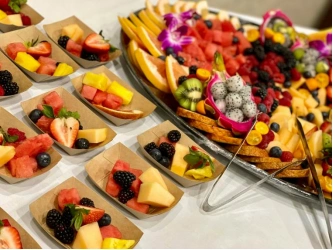
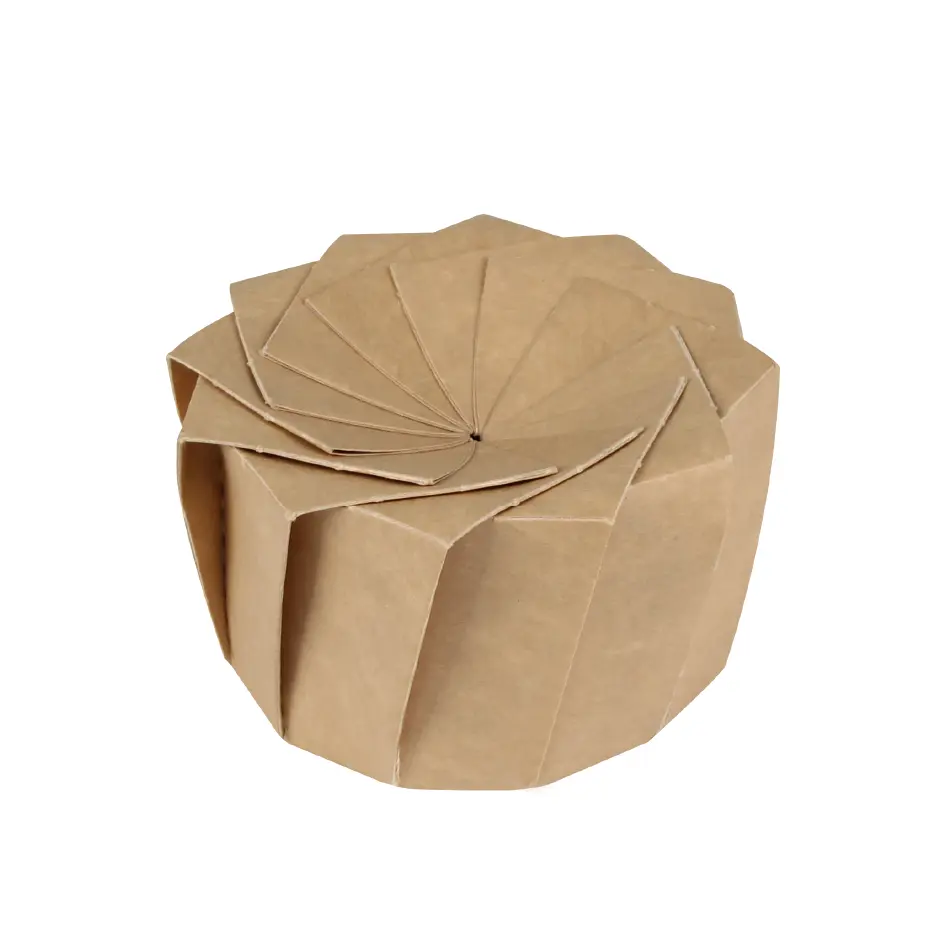
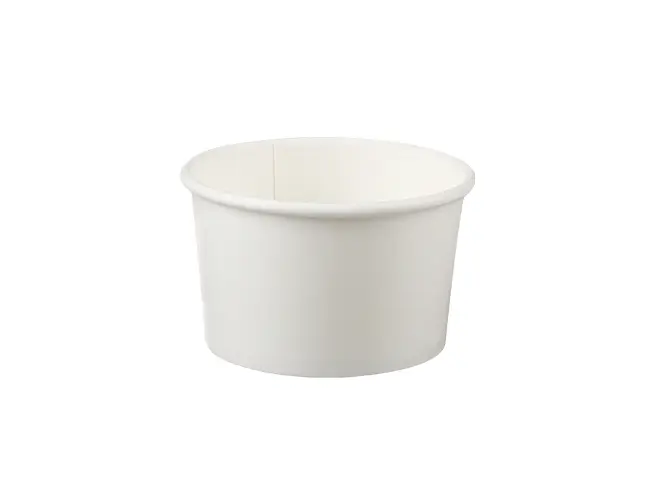
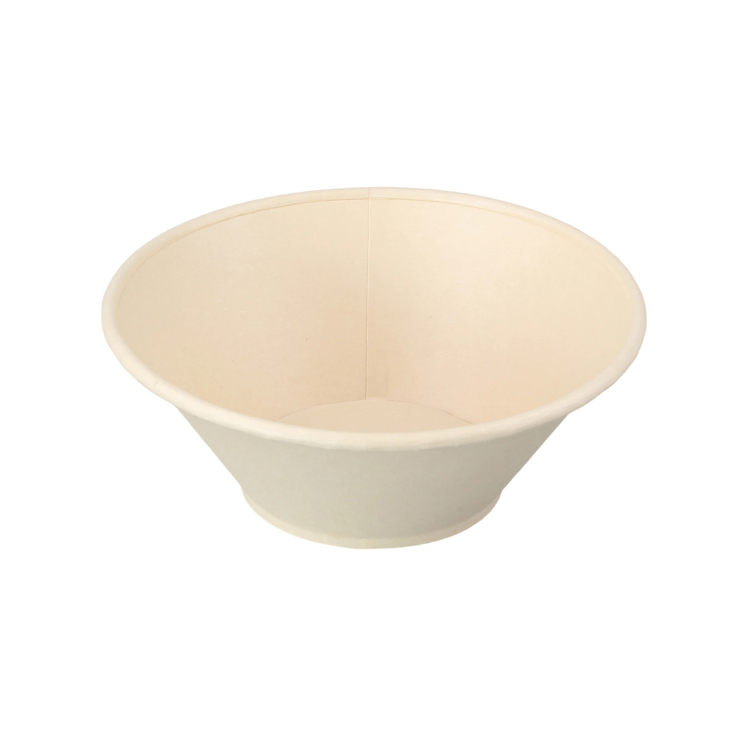
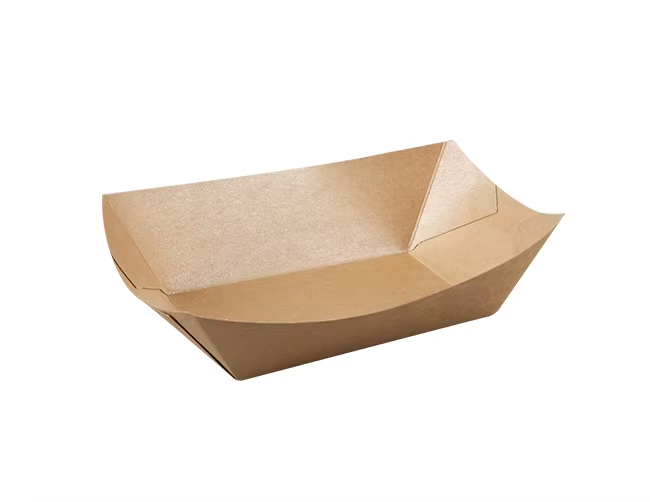
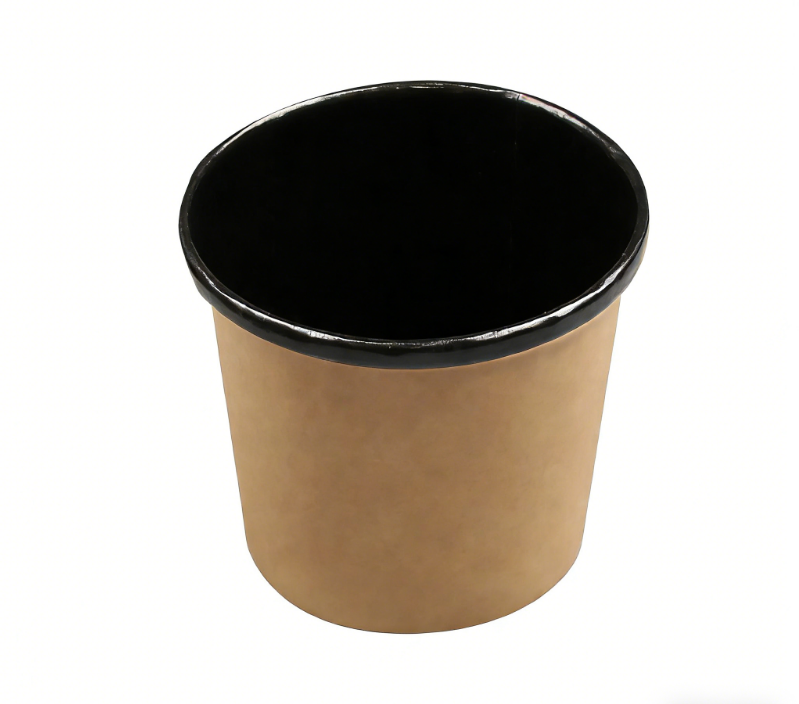
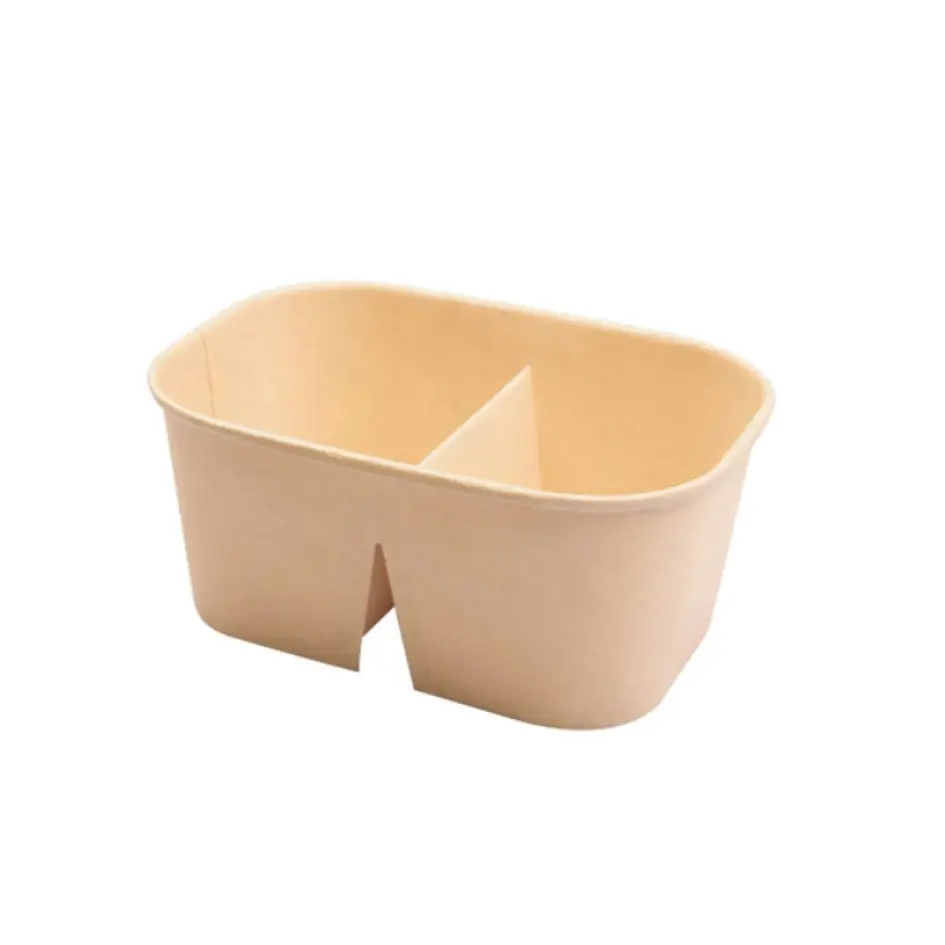
A bowl of paper is a simple but highly useful food container made from strong paper fibers that hold shape under daily use. People often see a bowl of paper at cafes, food trucks, office events, school lunches, and home parties because it solves a clear need: serve food quickly, cleanly, and with less cleanup. A bowl of paper works well for salads, rice meals, noodle dishes, soups, fruit, snacks, desserts, and tasting portions. Many designs include a thin inner lining that helps a bowl of paper resist leaks from broth, oil, or dressing for the time needed to eat. This practical structure lets customers carry meals with confidence and lets staff serve faster during busy hours. The main function of a bowl of paper is to deliver convenience without sacrificing comfort. A bowl of paper feels light in the hand, stacks neatly to save storage space, and reduces washing time after service. For businesses, each bowl of paper supports smooth operations because teams can prep, pack, and hand off orders quickly. For families, a bowl of paper cuts down post-meal chores and makes outdoor eating easier. The shape also matters. A well-designed bowl of paper has stable walls, a balanced base, and a rim that supports lids, so users can take meals to work or school with fewer spills. Modern production adds useful features to a bowl of paper. Many options now use food-safe materials, heat-tolerant paper layers, and secure lid matching for delivery. Some versions focus on compostable or recyclable content, giving buyers a cleaner disposal path. Branding is also easier, since a bowl of paper can carry printed logos, colors, and product notes. In daily life and in commercial service, a bowl of paper offers a direct mix of hygiene, speed, portability, and visual appeal, making it a practical choice for customers who want reliable performance at a fair cost.
New Product Releases

The biggest advantage of a bowl of paper is practical ease. A bowl of paper arrives ready to use, so staff and families skip setup steps and move straight to serving food. This saves time in lunch rushes, weekend gatherings, and takeaway operations. When meals end, users can clear tables quickly because a bowl of paper does not require scrubbing or machine washing. That single benefit can free hours each week for small teams and busy households. A bowl of paper also improves service speed. In a restaurant or stall, workers can pre-portion ingredients into each bowl of paper and finish orders with toppings in seconds. Faster assembly means shorter lines and better customer flow. During delivery, a bowl of paper with a secure lid helps keep portions intact from kitchen to doorstep. Customers notice this consistency, and repeat purchases often follow when food arrives neat and presentable. Cost control is another clear gain. A bowl of paper usually needs less storage space than rigid containers, and stacked packs simplify inventory management. Businesses can buy sizes that match menu portions, which lowers food waste and supports predictable pricing. At events, hosts can serve many guests with a bowl of paper while avoiding rental fees, breakage risk, and return logistics tied to reusable tableware. Comfort and cleanliness matter too. A bowl of paper is light, so children, older adults, and commuters can hold it with less effort. Users can carry a bowl of paper between rooms, desks, or picnic spots without the weight of ceramic bowls. Because each bowl of paper is single use, guests get a fresh surface every time, which supports hygiene expectations in offices, clinics, schools, and public gatherings. A bowl of paper adapts to many food types. Dry snacks, hot rice dishes, chilled fruit, and saucy meals all fit common formats. This flexibility lets one bowl of paper line cover multiple menu items, reducing complexity for buyers. Appearance adds value as well. A clean, printed bowl of paper can strengthen brand identity, help products look organized in display counters, and improve photo appeal for social sharing. Environmental options continue to improve. Many suppliers now offer a bowl of paper made with responsible fiber sources and disposal-friendly construction. Customers who care about waste can choose versions aligned with local recycling or composting systems. In straightforward terms, a bowl of paper gives users speed, lower cleanup burden, portable convenience, portion control, and better presentation while keeping purchasing decisions simple and budget aware.

Tips And Tricks

Plastic Containers for Food in Takeaway and Delivery Packaging

26

Jan

Plastic Containers for Food in Takeaway and Delivery Packaging

Plastic Containers for Food for Takeaway: Materials, Standards, and Safety Limits FDA-Approved Plastics for Food Contact: HDPE, LDPE, and PP When it comes to plastics that touch food directly, the FDA has pretty strict rules in place, specifically ...
View More
Plastic Coffee Cups Buying Guide: How to Choose the Right Size for Your Business

26

Feb

Plastic Coffee Cups Buying Guide: How to Choose the Right Size for Your Business

Choosing the right plastic coffee cups is an essential decision for cafés, distributors, takeaway brands, and wholesalers. The correct plastic cup sizes influence customer satisfaction, cost control, packaging efficiency, and brand consistency...
View More
Clear vs Frosted Custom Plastic Cups: Which Works Better for Branding

01

Apr

Clear vs Frosted Custom Plastic Cups: Which Works Better for Branding

When selecting custom plastic cups for your brand's promotional campaigns, events, or retail offerings, the choice between clear and frosted finishes significantly impacts visual appeal, brand perception, and marketing effectiveness. Both clear and f...
View More
How Paper Coffee Cup Lids Are Used in Takeaway Coffee Packaging

20

Apr

How Paper Coffee Cup Lids Are Used in Takeaway Coffee Packaging

The global shift toward sustainable packaging has transformed how businesses approach takeaway coffee service, with paper coffee cup lids emerging as a critical component in environmentally responsible beverage delivery. Understanding the practical a...
View More

Get a Free Quote

Our representative will contact you soon.
Email
Name
Mobile
Country/Region
Message
0/1000

bowl of paper

Reliable Meal Protection and Everyday Usability

Reliable Meal Protection and Everyday Usability

A strong selling point of a bowl of paper is how reliably it protects food during real daily use. People do not just need a container that looks good on a shelf, they need one that performs from serving line to final bite. A quality bowl of paper keeps shape when filled, supports one-hand carrying, and handles common meal temperatures without becoming unstable. This matters in offices, schools, outdoor events, and delivery routes where customers often eat away from full table settings. The structure of a bowl of paper creates this reliability through balanced wall strength and practical depth. A deeper bowl of paper helps sauces and toppings stay contained, while a steady base reduces tipping on desks, benches, and car cup areas. The rim design on a bowl of paper also improves user control. People can grip the edge while walking, pass it to another person, or attach a matching lid for transport. These details sound small, but they reduce spill incidents and protect meal presentation. A bowl of paper also serves diverse menus without demanding many container types. One kitchen can use a bowl of paper for grain bowls at lunch, soup at dinner, and fruit packs all day. This cuts purchasing complexity and keeps storage simple. Staff can train faster because the same bowl of paper workflow applies across many products. For customers, this consistency builds trust because every order arrives in a familiar format. Usability extends to cleanup and post-service handling. After meals, a bowl of paper allows fast table reset at events and food courts. Teams spend less time collecting heavy dishware and more time serving guests. At home, families can finish dinner and move on quickly, which is a major practical win on busy weekdays. Since a bowl of paper is lightweight and stackable, carrying supplies to picnics, pop-ups, or company meetings becomes easier. The value here is direct: a bowl of paper reduces mess risk, protects portion quality, supports many food styles, and simplifies handling from start to finish. Customers pay for dependable function, and a bowl of paper delivers that function in a format that fits modern fast-moving routines.
Smart Cost Efficiency for Businesses and Large Events

Smart Cost Efficiency for Businesses and Large Events

Another unique selling point of a bowl of paper is its strong cost efficiency across purchasing, storage, labor, and service speed. When buyers compare total operating impact, a bowl of paper often lowers hidden expenses that appear with heavier reusable setups. A bowl of paper reduces water use, detergent use, dishwashing labor, and machine maintenance tied to traditional bowls. For cafés, catering teams, and institutional kitchens, those savings add up month after month. A bowl of paper supports precise portion management, which protects food margins. Teams can choose size ranges and fill each bowl of paper with consistent quantities, helping control ingredient spend. Consistent portions also improve customer expectations because each order looks complete and balanced. During peak hours, staff can pre-stage ingredients in a bowl of paper and finish quickly at point of sale. Faster handoff increases throughput without extra floor space. Inventory control becomes easier as well. A bowl of paper stacks compactly, so operators store more units in smaller areas. This allows efficient back-room planning and reduces emergency restocking pressure. Since a bowl of paper often fits multiple menu categories, businesses can reduce the number of container SKUs they manage. Fewer SKUs mean simpler ordering, fewer mistakes, and cleaner forecasting. Event organizers gain similar advantages. For conferences, sports days, festivals, and community gatherings, a bowl of paper removes the burden of collecting and washing large volumes of tableware. Volunteers can distribute meals faster, and cleanup crews finish sooner. This operational simplicity can lower staffing needs and reduce overtime risk. A bowl of paper also lowers breakage concerns because it is not fragile like ceramic alternatives. Brand and revenue value also matter. A printed bowl of paper can display logos, flavor labels, and short promotions. That turns each serving into a small marketing surface at low incremental cost. When customers share meal photos, the branded bowl of paper can appear in the image and extend visibility. In practical terms, a bowl of paper gives decision makers a better balance of unit price and total-use value. It saves time, reduces utility and labor demands, supports portion discipline, and improves service capacity. For operations focused on predictable results, a bowl of paper stands out as a financially smart choice.
Customer-Friendly Design, Brand Appeal, and Responsible Disposal Options

Customer-Friendly Design, Brand Appeal, and Responsible Disposal Options

The third major highlight is the way a bowl of paper combines customer comfort, visual appeal, and disposal flexibility in one accessible product. Many food buyers want packaging that feels clean, looks attractive, and fits modern expectations around waste handling. A bowl of paper answers all three needs with a straightforward design that people understand immediately. From the customer perspective, a bowl of paper feels approachable and easy to use. It is light enough for commuters, students, and parents carrying multiple items. The shape of a bowl of paper supports mixed meals with grains, proteins, vegetables, and sauces in separated layers that remain easy to eat. For cold foods, a bowl of paper presents fresh ingredients clearly. For warm foods, a bowl of paper can maintain comfortable handling while still containing steam and moisture during normal eating time. Visual presentation is a strong value driver. A clean, well-printed bowl of paper makes food look organized and premium without raising complexity for staff. Color choices and print zones on a bowl of paper allow brands to communicate identity, seasonal campaigns, and menu information directly on the package. This helps new or small businesses look polished from day one. In retail displays or social media photos, a bowl of paper can increase perceived quality by framing food neatly. Disposal options add practical reassurance. Depending on local systems, buyers can select a bowl of paper that aligns with recycling or composting pathways. This gives customers a clearer end-of-use routine than mixed-material containers that confuse sorting. Clear disposal communication printed on a bowl of paper can reduce bin contamination and improve user confidence. Operationally, this customer-friendly design supports repeat purchase behavior. When people enjoy the full experience, from carrying to eating to disposal, they are more likely to return. Staff benefit too, since a bowl of paper requires minimal explanation at handoff and works with common lid formats for takeout. The importance of this highlight is simple: a bowl of paper is not only a container, it is part of the product experience. It helps food look better, travel better, and fit daily life better. That combination delivers concrete value for both end users and sellers.