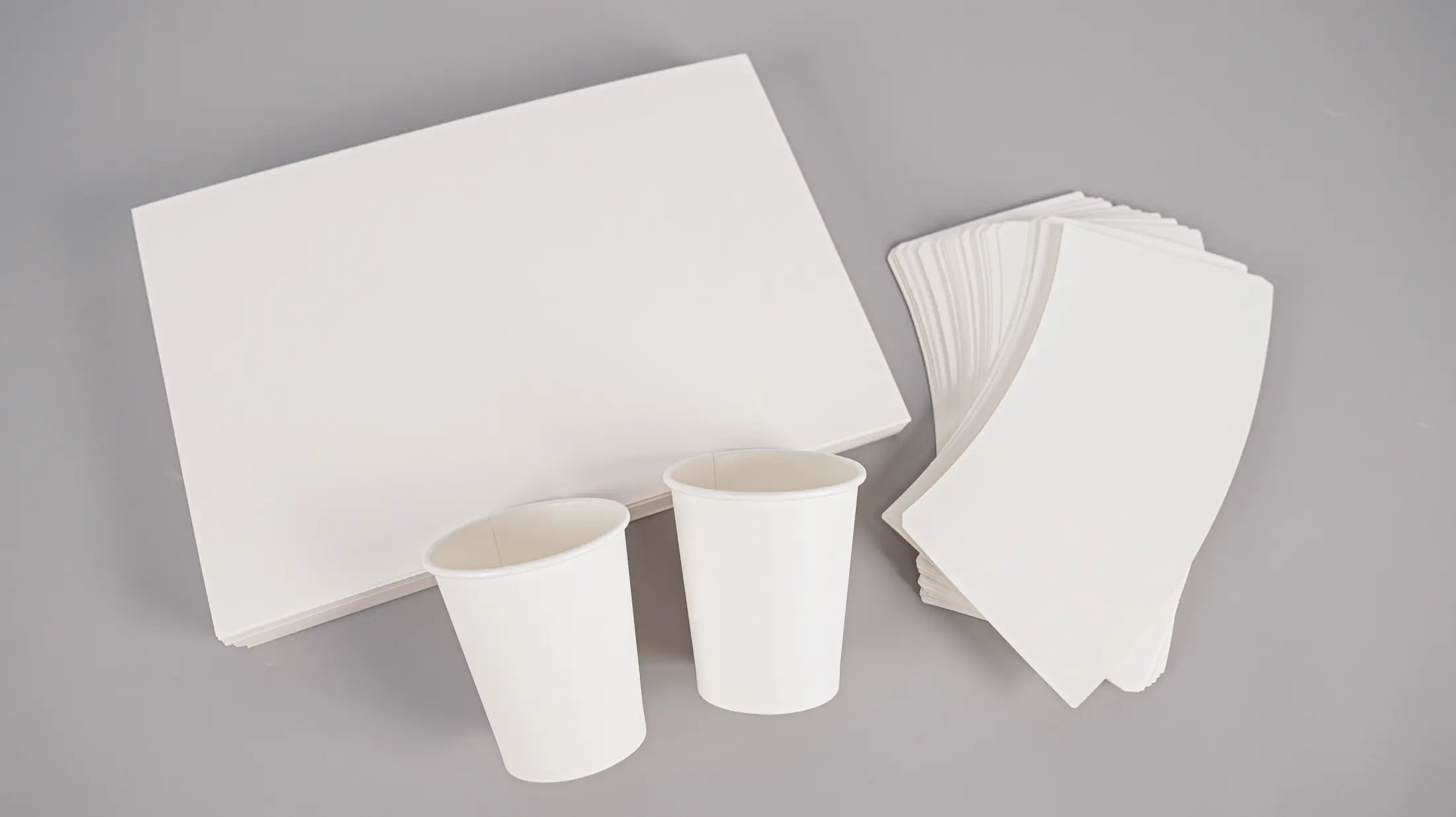
Cupstock for Paper Cups, Beverage Packaging, and Food Service Use

cupstock

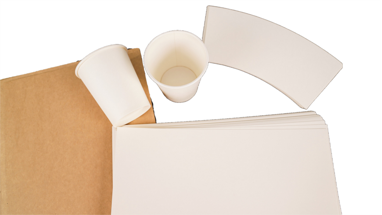
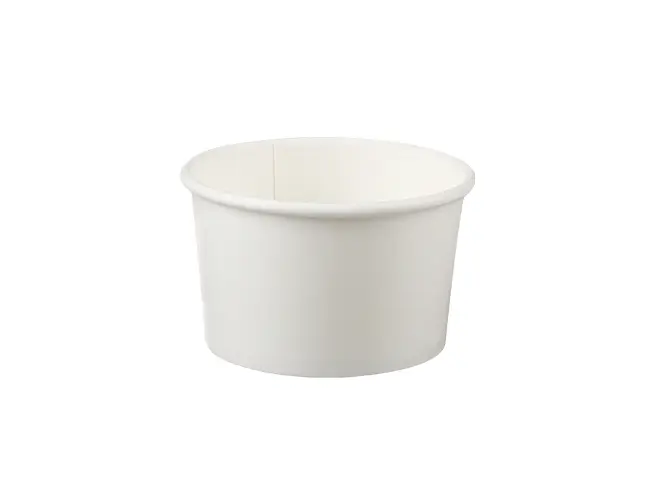
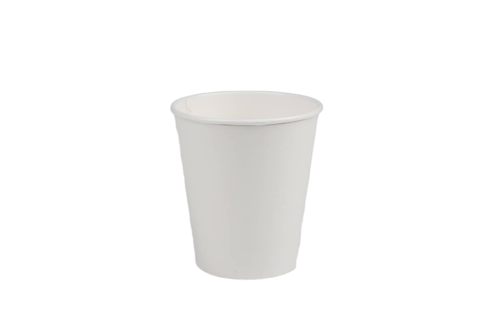
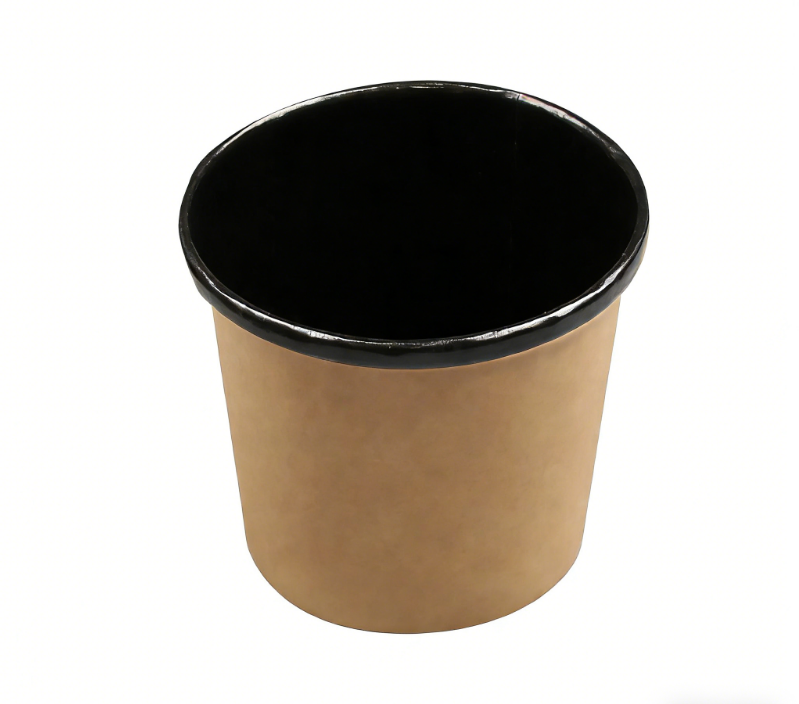
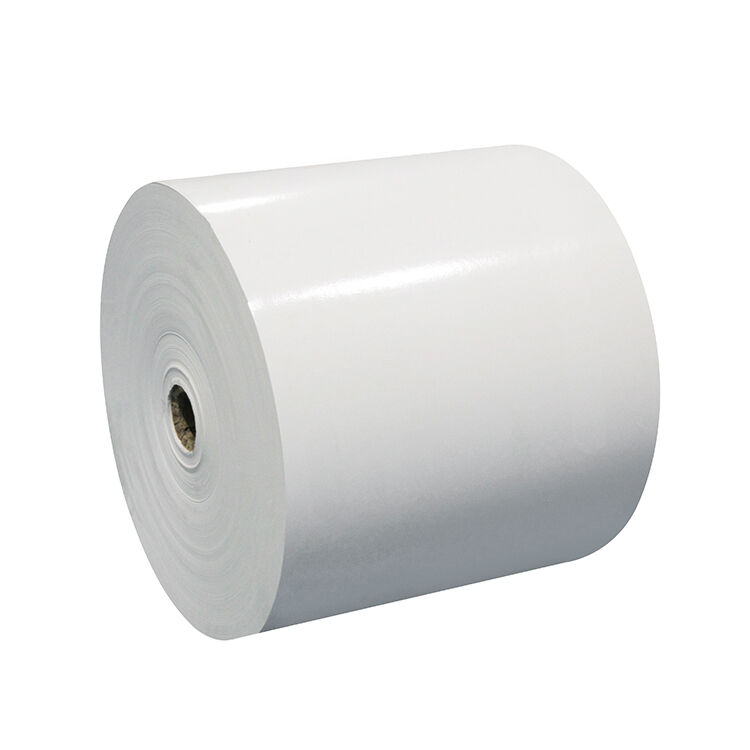
Cupstock is a paper-based material made for forming cups that need strength, a clean look, and dependable resistance to liquid. It gives cup makers a base that bends well during production, keeps its shape after forming, and supports clear printing for logos and product details. In daily use, cupstock helps create paper cups for coffee, tea, water, juice, milkshakes, and other drinks. It also works for dessert cups and light food containers when the design needs a sturdy but easy-to-handle pack. One reason cupstock matters is that it balances everyday strength with a smooth surface that looks good in the hand and on the shelf. Another is that it supports different inside layer choices, so brands can match the cup to hot drinks, cold drinks, or short-term food contact. Good cupstock also helps production teams keep the forming process steady, which reduces waste and gives each finished cup a more reliable feel. Modern cupstock is made with careful control over thickness, stiffness, and surface finish. That consistency helps converters run machines more smoothly and helps customers get cups that look and perform the same from batch to batch. Cupstock also supports fast filling, stacking, transport, and disposal, which makes it useful for cafes, restaurants, caterers, event teams, and retailers that need practical packaging with a clean presentation. Cupstock works as a practical bridge between packaging needs and brand goals. When cupstock is chosen well, the finished cup feels more reliable to the customer and easier to manage for the business. For many buyers, the main value of cupstock is simple: it helps them deliver a better drinking experience while keeping production, branding, and everyday use under control.


New Product Recommendations

Cupstock gives businesses a practical way to package drinks without adding extra complexity. It helps cups keep their shape during forming, filling, carrying, and disposal. That means fewer failures on the line and fewer customer complaints after sale. Cupstock also gives brands a clean surface for printing, so a logo, slogan, or product message stands out clearly. This helps the cup do more than hold a drink. It becomes a visible part of the brand experience. Another benefit is flexibility. Cupstock can support hot drinks, cold drinks, and short-use food items when the right finish or inside layer is chosen. That lets buyers use one material family across more than one product line, which can simplify purchasing and planning. Cupstock also supports busy food service settings because staff can stack it, store it, and use it quickly without much fuss. It works well in cafes, office pantries, delivery kitchens, and events where speed matters. Customers appreciate cups that feel solid in the hand and do not soften too quickly. Cupstock helps deliver that feel. It also gives a neat, professional look that raises the value of the drink without forcing the brand to spend on heavy packaging. In many cases, cupstock can help reduce waste by matching the cup to the real job instead of using more material than needed. That makes it a practical choice for businesses that want sensible packaging decisions. Because cupstock comes in consistent sheets and rolls, production teams can plan with less guesswork. That consistency helps reduce downtime and keeps output steady. It also supports better inventory control, since buyers can match cupstock to a range of cup sizes without changing the whole process each time. For the customer, the benefit is simple. The cup looks clean, feels reliable, and arrives ready for daily use. For the business, cupstock supports a better balance of appearance, performance, and cost. It can also help smaller teams run with less training because cupstock behaves predictably on the line. When cupstock fits the job, buyers can avoid overbuying heavier materials and keep the whole pack easier to manage. That matters in high-volume settings where every cup counts. In short, cupstock helps turn a basic serving item into a useful business tool.

Tips And Tricks

Clamshell Containers for High-Volume Takeaway Operations

15

Jan

Clamshell Containers for High-Volume Takeaway Operations

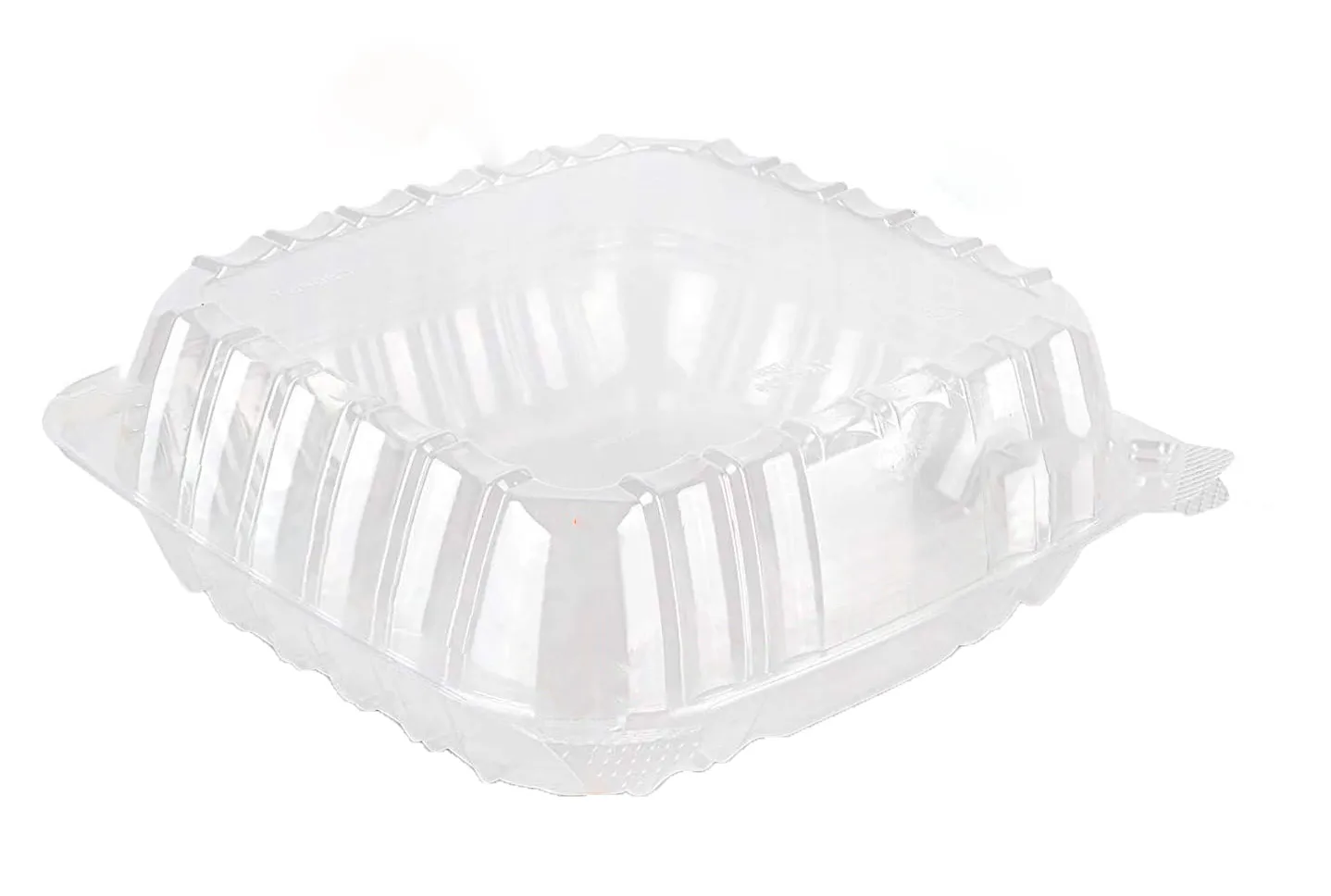
Core Performance Demands of Clamshell Containers in High-Volume Settings Leak and grease resistance under real-world stacking, transit, and temperature stress Clamshell containers used in busy food service operations face some serious challenges da...
View More
Custom Plastic Cups for Seasonal Promotions and Limited-Time Campaigns

07

Feb

Custom Plastic Cups for Seasonal Promotions and Limited-Time Campaigns

Why Custom Plastic Cups Excel in Seasonal Marketing The Psychological Power of Timely, Thematic Brand Touchpoints Putting seasonal designs on custom plastic cups works because people connect emotionally when they see something timely. Brands that ...
View More
Plastic Coffee Cups Buying Guide: How to Choose the Right Size for Your Business

26

Feb

Plastic Coffee Cups Buying Guide: How to Choose the Right Size for Your Business

Choosing the right plastic coffee cups is an essential decision for cafés, distributors, takeaway brands, and wholesalers. The correct plastic cup sizes influence customer satisfaction, cost control, packaging efficiency, and brand consistency...
View More
Clear vs Frosted Custom Plastic Cups: Which Works Better for Branding

01

Apr

Clear vs Frosted Custom Plastic Cups: Which Works Better for Branding

When selecting custom plastic cups for your brand's promotional campaigns, events, or retail offerings, the choice between clear and frosted finishes significantly impacts visual appeal, brand perception, and marketing effectiveness. Both clear and f...
View More

Get a Free Quote

Our representative will contact you soon.
Email
Name
Mobile
Country/Region
Message
0/1000

cupstock

Shape Stability That Protects Every Serve

Shape Stability That Protects Every Serve

Cupstock gives cups the firmness they need to move through production and still look neat in the customer hand. When a converter uses good cupstock, the sheet folds cleanly, the sidewall forms evenly, and the finished cup keeps its shape after filling. That matters because a cup that stays round and steady feels safer and more trustworthy. Cupstock also helps reduce weak spots near the rim and base, which are the places that matter most during daily use. For coffee shops, event caterers, and delivery teams, that kind of stability has a real value. It lowers the chance of leaks, dents, and crushed stacks. It also makes life easier for staff who need to prepare drinks quickly without checking every cup. Cupstock supports a smoother line because the material behaves in a predictable way. That predictability helps teams keep output moving and cut down on rejects. It also supports transport, since a steady cup is easier to stack, store, and move from one point to another. Customers feel the difference too. A cup made from cupstock feels firm instead of flimsy, and that simple detail can improve the whole drinking experience. The right cupstock also helps a business avoid extra material use, because it delivers strength without making the cup bulky. That is practical for brands that want a balanced solution, not an overbuilt one. In many cases, cupstock gives the best mix of light weight and dependable support, which makes it a smart choice for daily service. Cupstock also helps maintain a tidy look after condensation or heat changes, so the cup stays presentable from the counter to the customer. For businesses, that means fewer replacements and a more consistent service standard. When businesses choose cupstock for shape stability, they choose fewer problems, cleaner presentation, and a better result at the point of use.
A Clean Surface That Turns Cups Into Brand Space

A Clean Surface That Turns Cups Into Brand Space

Cupstock does more than carry a drink. It gives brands a clear place to speak to customers. A smooth cupstock surface supports sharp printing, solid color, and clean detail, so logos, product names, and simple messages stand out well. That matters in busy settings where the cup may be the only thing a customer sees up close. A strong design on cupstock can help a cafe look more polished, help a seasonal campaign feel fresh, and help a retailer keep its packaging consistent across locations. It also gives small businesses a chance to look professional without adding much complexity. Cupstock accepts graphics in a way that makes colors look bright and easy to read. That helps the cup do a second job beyond serving a drink. It carries the brand name through the day. In takeaway service, this has real value. A customer walks away with a cupstock cup that keeps promoting the business on the street, in the office, or on social media photos. The material also supports practical details like menu labels, cup size marks, and short care instructions. That can improve service speed and reduce confusion. Cupstock works well for brands that want a neat appearance without a heavy or fancy package. It gives them a clean look that feels modern and easy to trust. For promotions, the same cupstock base can support different artwork for holidays, limited runs, or event use, which makes planning easier and keeps the brand lively. When the cup looks good, the drink can feel more valuable. That is a simple but important result, and cupstock helps make it happen every day. Cupstock also gives design teams room to keep a clear visual style across many orders, which helps customers remember the brand and recognize it faster.
One Material for Many Serving Scenarios

One Material for Many Serving Scenarios

Cupstock gives buyers useful range. It can support hot coffee in the morning, iced drinks in the afternoon, and dessert cups or tasting cups when the menu needs a small serving option. That flexibility matters because many businesses do not want to manage several different materials when one well-chosen cupstock option can cover a wide set of uses. With the right inside layer or surface finish, cupstock can match different serving needs while keeping the base material familiar to the production team. That helps cafes, quick service counters, caterers, and food stalls keep their inventory simpler and their ordering easier. Cupstock also works well in busy settings where storage space is tight. The cups stack neatly, move easily, and fit routine service without extra handling. That can save time every day. It also helps buyers respond to changing demand. A business can use cupstock for seasonal drinks, outdoor events, office delivery, and grab-and-go service without having to redesign the entire packaging setup. Customers benefit from that flexibility because they get a cup that suits the drink and feels ready for use. Cupstock also supports practical planning. Teams can use the same material family for several cup sizes, which makes staff training easier and reduces mistakes. It can help a brand keep a steady look across many menu items while still serving different products. For decision makers, cupstock brings a useful balance of choice and control. It gives them options for more than one use case, but it still stays simple enough to manage well. Cupstock also helps teams keep service moving during busy hours because they can reach for one trusted cup format instead of sorting through many options. When cupstock matches the real serving job, it supports smoother service and a cleaner customer experience. That is why cupstock remains a strong fit for everyday food service, temporary events, and takeout programs that need dependable packaging without extra fuss.