


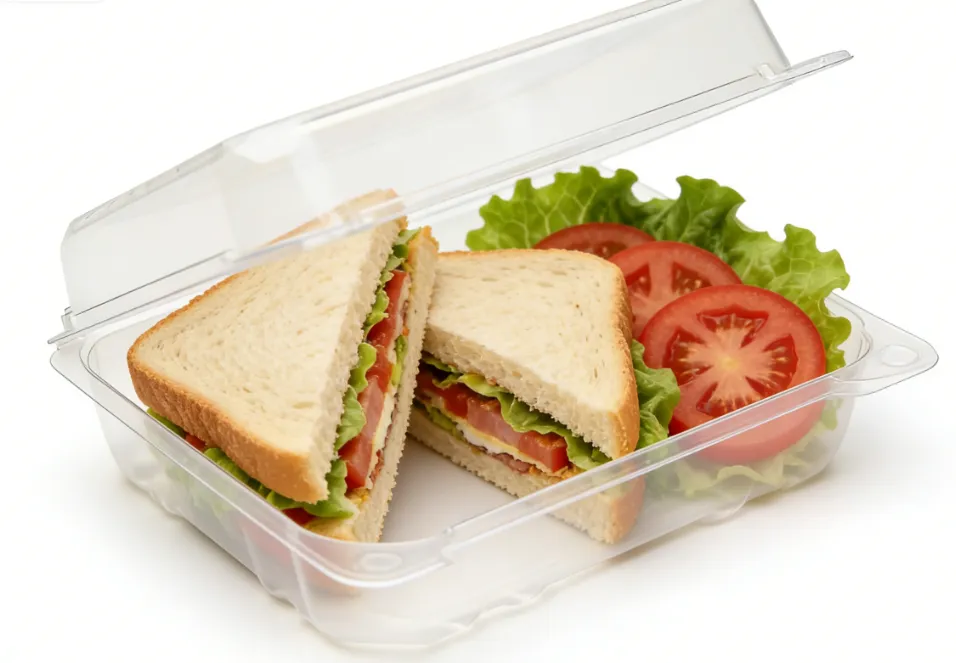
The sustainability of food packaging has become a critical concern for foodservice operators, retailers, and environmentally conscious consumers. As single-use plastics face increasing scrutiny and regulatory pressure, businesses are evaluating whether their packaging choices align with environmental goals and consumer expectations. Clamshell containers have emerged as a popular option for takeout meals, bakery items, and fresh produce, but questions about their environmental impact remain central to purchasing decisions. Understanding whether clamshell containers can truly be considered sustainable requires examining material composition, end-of-life options, and the broader context of food packaging waste management systems.
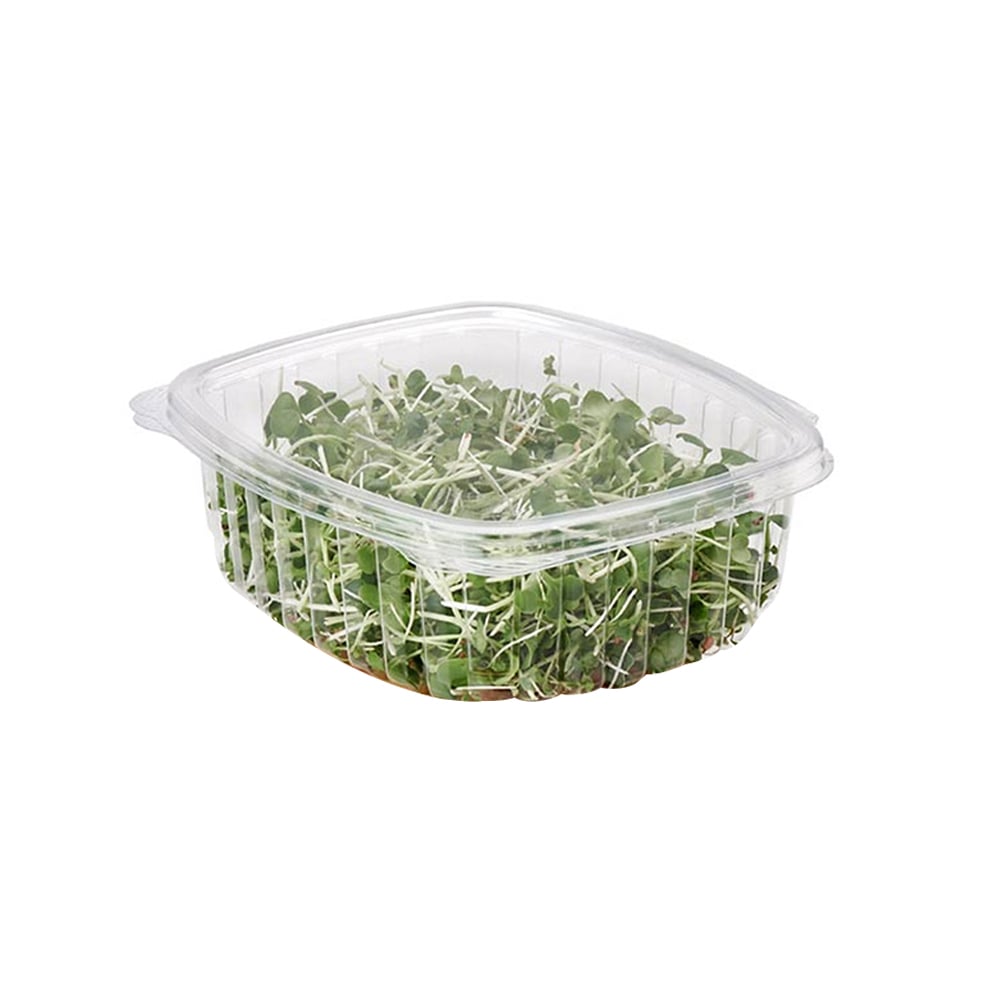
The answer to whether clamshell containers are sustainable is not a simple yes or no, but rather depends on several interconnected factors including material type, manufacturing processes, local waste infrastructure, and proper disposal practices. Modern clamshell containers are manufactured from diverse materials ranging from petroleum-based plastics to plant-based biopolymers and recycled fiber composites. Each material category presents distinct environmental profiles across production, use, and disposal phases. For businesses seeking to minimize environmental impact while maintaining functional packaging performance, evaluating clamshell containers requires understanding these material differences, assessing local recycling and composting capabilities, and recognizing that sustainability extends beyond the container itself to encompass the entire food packaging system.
Material Composition and Environmental Impact of Clamshell Containers
Petroleum-Based Plastic Clamshell Containers
Traditional clamshell containers manufactured from polystyrene, polyethylene terephthalate, or polypropylene represent the most common category in foodservice applications. These petroleum-derived plastics offer excellent clarity, durability, and moisture resistance at relatively low production costs. However, their sustainability credentials are complicated by fossil fuel dependency during manufacturing and persistence in natural environments when improperly disposed. Polystyrene clamshell containers, once ubiquitous in fast-food applications, have faced particular criticism due to limited recycling infrastructure and their tendency to fragment into microplastics. Many municipalities have implemented bans or restrictions specifically targeting expanded polystyrene foam containers, driving foodservice operators toward alternative materials.
Polyethylene terephthalate clamshell containers present a more nuanced sustainability profile compared to polystyrene options. PET plastic is widely recyclable through established municipal collection programs, and recycled PET can be reprocessed into new food-contact packaging or textile fibers. When properly collected and sorted, PET clamshell containers can achieve meaningful circularity within existing waste management systems. The environmental impact depends heavily on regional recycling rates and contamination levels, with clean, sorted PET commanding value in secondary material markets. Polypropylene clamshell containers similarly offer recyclability advantages, though acceptance varies by municipality and contamination from food residue remains a persistent challenge affecting actual recycling rates.
Plant-Based and Compostable Clamshell Container Materials
Bioplastic clamshell containers manufactured from polylactic acid derived from corn starch or sugarcane have gained market share as businesses seek alternatives to petroleum-based packaging. PLA clamshell containers offer the visual clarity and structural performance of conventional plastics while deriving from renewable agricultural feedstocks. However, their sustainability advantages are contingent upon proper end-of-life management through industrial composting facilities. PLA requires specific temperature, moisture, and microbial conditions found in commercial composting operations to break down effectively. When disposed in landfills or contaminating conventional plastic recycling streams, PLA clamshell containers may not deliver the environmental benefits their renewable origins suggest.
Molded fiber clamshell containers manufactured from bagasse, bamboo, or recycled paperboard represent another category positioned as sustainable alternatives. These materials are derived from agricultural waste streams or rapidly renewable resources, offering fossil-fuel-free production pathways. Molded fiber clamshell containers typically meet standards for industrial composability and may break down in home composting environments under favorable conditions. Their breathability makes them particularly suitable for applications where moisture management is important, though this same characteristic limits their effectiveness for liquid-containing foods or extended holding times. The sustainability case for molded fiber depends on responsible forestry or agricultural practices in feedstock sourcing and the availability of composting infrastructure to capture their end-of-life value.
Recycled Content and Circular Economy Approaches
Clamshell containers manufactured with post-consumer recycled content represent an important strategy for improving sustainability profiles within existing material categories. Using recycled PET or polypropylene reduces demand for virgin petroleum-based resins and provides markets for collected recyclables, strengthening the economic viability of recycling programs. Food-contact regulations in many jurisdictions have evolved to permit recycled content in direct food-contact applications when proper processing and safety protocols are followed. Clamshell containers with high recycled content percentages can significantly reduce embodied energy and greenhouse gas emissions compared to virgin plastic equivalents while maintaining functional performance characteristics.
The circular economy potential of clamshell containers depends not only on material recyclability but also on collection systems, sorting technology, and reprocessing infrastructure. Effective circularity requires design considerations that facilitate recycling, including minimizing material complexity, avoiding problematic additives, and ensuring compatibility with existing sorting equipment. Single-material clamshell containers without mixed-material labels or incompatible closures are more likely to be successfully recovered and reprocessed. Regional variations in waste management infrastructure mean that a clamshell container design optimized for sustainability in one market may face disposal challenges in another, requiring businesses to consider local conditions when evaluating packaging options.
Lifecycle Assessment and Comparative Environmental Performance
Production Phase Environmental Footprint
Evaluating whether clamshell containers are sustainable requires examining environmental impacts across their entire lifecycle, beginning with raw material extraction and manufacturing processes. Petroleum-based plastic production involves fossil fuel extraction, refining, and polymerization processes that generate greenhouse gas emissions and consume significant energy. However, the relatively lightweight nature and efficient manufacturing of plastic clamshell containers result in lower transportation energy and material usage compared to heavier alternatives. Lifecycle assessment studies consistently show that production phase impacts must be balanced against use-phase performance and end-of-life considerations to determine overall environmental preferability.
Bioplastic and molded fiber clamshell containers present different production-phase environmental profiles. Agricultural feedstock cultivation for PLA or bagasse-based containers involves land use, water consumption, fertilizer application, and potential impacts on food systems when crops are diverted to industrial uses. Manufacturing energy requirements vary by material, with some bioplastics requiring substantial processing energy despite renewable feedstocks. Molded fiber production typically consumes more water than plastic manufacturing but may have lower overall energy intensity. Comprehensive lifecycle assessments reveal that no single material category universally outperforms others across all environmental impact categories, requiring businesses to prioritize factors most relevant to their sustainability goals.
Use Phase and Food Protection Performance
The sustainability equation for clamshell containers must account for their primary function of protecting food products and preventing waste. Food waste represents a significant environmental burden, with production, transportation, and decomposition of wasted food generating substantial greenhouse gas emissions. Effective packaging that extends shelf life, maintains food quality, and prevents damage during distribution can deliver environmental benefits that outweigh packaging material impacts. Clamshell containers excel at physical protection, visibility for consumers, and stackability during transport, contributing to reduced food loss throughout supply chains.
Different clamshell container materials offer varying performance characteristics that affect food protection efficacy and resulting waste prevention. Plastic clamshell containers typically provide superior moisture barriers and mechanical strength, making them appropriate for delicate produce, prepared meals, and bakery items requiring extended shelf life. Molded fiber alternatives may offer adequate protection for many applications but have limitations with high-moisture foods or extended holding periods. When evaluating sustainability, the potential for increased food waste due to inadequate packaging performance must be factored against the environmental profile of the packaging material itself. In many scenarios, the environmental cost of wasted food significantly exceeds the impact of the packaging used to protect it.
End-of-Life Pathways and Infrastructure Realities
The theoretical recyclability or compostability of clamshell containers matters less for sustainability outcomes than the practical availability and utilization of appropriate waste management infrastructure. A technically recyclable plastic clamshell container delivers no environmental benefit if local recycling programs reject food-contaminated packaging or lack markets for collected materials. Similarly, compostable clamshell containers sent to landfills because commercial composting facilities are unavailable in the region fail to realize their intended sustainability advantages. Infrastructure gaps represent a critical limitation in achieving sustainable outcomes for all categories of clamshell containers.
Regional variations in waste management capabilities create different sustainability contexts for clamshell container selection. Municipalities with robust recycling programs, effective contamination education, and strong secondary material markets enable better environmental outcomes for recyclable plastic clamshell containers. Areas with accessible commercial composting facilities and organic waste collection programs provide infrastructure to capture value from compostable alternatives. Businesses evaluating clamshell container sustainability must assess local waste management realities rather than relying solely on material certifications or theoretical end-of-life scenarios. The most environmentally preferable option varies by location, requiring localized decision-making informed by actual infrastructure capabilities.
Regulatory Landscape and Market Drivers Affecting Sustainability
Extended Producer Responsibility and Packaging Mandates
Government regulations increasingly shape the sustainability profile and market availability of clamshell containers through extended producer responsibility schemes, recycled content mandates, and single-use plastic restrictions. Extended producer responsibility programs shift end-of-life management costs to packaging manufacturers and brand owners, creating financial incentives for designing recyclable or compostable clamshell containers and supporting collection infrastructure. Jurisdictions implementing EPR for packaging often establish performance targets for collection rates and recycled content percentages, driving material innovation and waste management system improvements that affect real-world sustainability outcomes for clamshell containers.
Recycled content mandates require minimum percentages of post-consumer material in packaging applications, directly influencing the sustainability characteristics of clamshell containers in affected markets. California's regulations requiring increasing recycled content in plastic beverage containers and food packaging establish precedents being considered in other jurisdictions. These mandates strengthen markets for recyclable clamshell containers by guaranteeing demand for post-consumer material, improving the economic viability of recycling infrastructure. Material suppliers respond by developing clamshell container formulations that meet regulatory requirements while maintaining food safety and performance standards, accelerating the transition toward circular material flows.
Certification Standards and Environmental Claims
Third-party certifications and standardized testing protocols provide frameworks for evaluating and communicating the sustainability attributes of clamshell containers. Standards such as ASTM D6400 for compostable plastics and ASTM D6868 for compostable coatings establish technical requirements that materials must meet to carry compostability claims. Certification programs like the Biodegradable Products Institute or TÜV Austria provide verification that clamshell containers meet these standards under defined conditions. However, certification alone does not guarantee environmental benefits without appropriate disposal infrastructure and consumer understanding of proper disposal methods.
Environmental claims on clamshell containers face increasing scrutiny from regulatory agencies and consumer protection organizations concerned about greenwashing. Terms like biodegradable, eco-friendly, or sustainable lack standardized definitions and may mislead consumers about actual environmental performance or proper disposal methods. The Federal Trade Commission's Green Guides in the United States and similar frameworks in other jurisdictions establish principles for substantiated environmental marketing claims. Businesses selecting clamshell containers must ensure that any sustainability communications are specific, verifiable, and not likely to deceive consumers about material composition, required disposal methods, or comparative environmental performance.
Practical Considerations for Businesses Selecting Sustainable Clamshell Containers
Aligning Packaging Selection with Corporate Sustainability Goals
Businesses evaluating whether clamshell containers fit within sustainability strategies must define clear priorities among competing environmental objectives. Organizations focused on carbon footprint reduction may prioritize lightweight materials with low production emissions, even if end-of-life options are limited. Companies emphasizing circular economy principles may favor recyclable plastic clamshell containers in markets with strong collection infrastructure. Businesses in jurisdictions with accessible commercial composting may opt for certified compostable alternatives despite potentially higher material costs. Clear articulation of sustainability priorities enables more consistent decision-making and avoids paralysis when no option excels across all environmental dimensions.
Material selection for clamshell containers should reflect honest assessment of disposal infrastructure available to end users rather than aspirational scenarios. Foodservice operators serving customers in areas without commercial composting access gain little sustainability benefit from compostable clamshell containers likely destined for landfills. Retailers in municipalities rejecting food-contaminated recyclables from curbside programs may achieve better outcomes with compostable options paired with organics collection or with reusable container programs. Matching packaging material properties to realistic end-of-life pathways represents practical sustainability thinking that acknowledges infrastructure limitations while working toward systemic improvements.
Balancing Sustainability with Functional Requirements and Economics
Sustainable clamshell container selection must balance environmental goals with functional performance requirements and economic constraints. Applications requiring superior moisture barriers, structural strength, or extended shelf life may necessitate materials with more limited end-of-life options but better food protection performance. The environmental cost of food waste from inadequate packaging can exceed the impact of less recyclable but more protective clamshell containers. Businesses must evaluate tradeoffs honestly rather than defaulting to materials with favorable sustainability marketing regardless of functional suitability.
Economic considerations affect sustainability outcomes by influencing purchasing decisions and material availability. Clamshell containers manufactured from recycled content or alternative materials often carry higher unit costs than conventional plastic options, particularly for smaller purchasers without volume leverage. However, total cost of ownership calculations should include potential regulatory compliance costs, reputational value of sustainability leadership, and consumer preference trends favoring environmental responsibility. Some businesses find that premium pricing for sustainable clamshell containers is acceptable to environmentally conscious customer segments, while others face price-sensitive markets requiring lower-cost conventional options. Economic sustainability and environmental sustainability must both be viable for packaging transitions to succeed at scale.
Engaging Consumers in Proper Disposal and Circularity
The sustainability potential of clamshell containers is only realized when consumers dispose of them properly according to material type and local infrastructure capabilities. Consumer confusion about which materials belong in recycling versus composting versus trash streams leads to contamination that undermines waste management system effectiveness. Clear labeling with disposal instructions specific to material composition helps, but businesses must recognize limitations in consumer attention and knowledge. Overly optimistic assumptions about consumer disposal behavior lead to environmental outcomes disconnected from theoretical material properties.
Businesses can enhance the sustainability outcomes of clamshell containers through consumer education, disposal infrastructure provision, and design choices that simplify proper disposal. QR codes linking to disposal instructions, color-coded packaging indicating appropriate waste streams, and point-of-disposal signage all support better consumer behavior. Some operators provide dedicated collection streams for compostable clamshell containers in controlled environments like corporate cafeterias or institutional settings where disposal can be managed directly. Deposit return schemes and take-back programs, though less common for clamshell containers than beverage containers, represent additional strategies for ensuring materials reach appropriate processing facilities rather than contaminating waste streams or escaping to natural environments.
FAQ
Can clamshell containers be recycled in standard curbside programs?
The recyclability of clamshell containers through curbside programs depends on material composition and local municipality acceptance policies. PET and polypropylene clamshell containers are technically recyclable and accepted in many municipal programs, though food contamination may lead to rejection at sorting facilities. Polystyrene clamshell containers have very limited recycling acceptance due to processing challenges and lack of end markets. Compostable clamshell containers should not be placed in recycling streams as they contaminate plastic recycling processes. Consumers should check local guidelines specific to their service provider and material type, as acceptance varies significantly by region.
Are compostable clamshell containers better for the environment than recyclable plastic ones?
Whether compostable clamshell containers are environmentally preferable to recyclable plastic alternatives depends on available waste management infrastructure and specific environmental priorities. Compostable options offer advantages in areas with accessible commercial composting facilities and organic waste collection programs, allowing nutrients to return to soil rather than persisting as plastic waste. However, in regions lacking composting infrastructure, compostable clamshell containers sent to landfills may generate methane emissions without delivering environmental benefits. Recyclable plastic clamshell containers can achieve superior environmental outcomes in markets with effective recycling systems and strong secondary material markets. The most sustainable choice is location-specific rather than universally determined by material category.
How long do different types of clamshell containers take to break down in the environment?
Conventional plastic clamshell containers manufactured from polystyrene, PET, or polypropylene persist in natural environments for decades to centuries, fragmenting into microplastics but not truly biodegrading under typical environmental conditions. Certified compostable clamshell containers made from PLA or molded fiber break down within 90 to 180 days under industrial composting conditions with controlled temperature, moisture, and microbial activity, but may persist much longer in landfills, marine environments, or home composting systems lacking these conditions. Molded fiber clamshell containers generally degrade faster than bioplastic options in natural environments due to cellulose-based composition, though actual breakdown rates vary significantly based on environmental factors including temperature, moisture, oxygen availability, and microbial communities present.
What should businesses consider when switching from conventional to sustainable clamshell containers?
Businesses transitioning to more sustainable clamshell containers should evaluate functional performance requirements, cost implications, disposal infrastructure availability, and customer expectations. Material alternatives must adequately protect products and maintain quality throughout distribution and use to avoid increased food waste that could negate environmental benefits. Understanding local waste management capabilities ensures selected materials can actually be processed appropriately rather than simply carrying sustainability certifications without practical disposal pathways. Cost differences between conventional and alternative clamshell containers affect economic viability, requiring assessment of customer willingness to accept potential price increases or operational adjustments to absorb higher material costs. Clear communication with customers about proper disposal methods and material benefits supports behavior change necessary to realize sustainability improvements.
Table of Contents
- Material Composition and Environmental Impact of Clamshell Containers
- Lifecycle Assessment and Comparative Environmental Performance
- Regulatory Landscape and Market Drivers Affecting Sustainability
- Practical Considerations for Businesses Selecting Sustainable Clamshell Containers
-
FAQ
- Can clamshell containers be recycled in standard curbside programs?
- Are compostable clamshell containers better for the environment than recyclable plastic ones?
- How long do different types of clamshell containers take to break down in the environment?
- What should businesses consider when switching from conventional to sustainable clamshell containers?