Paper Bag Factory Guide: Functions, Technology, Benefits, and Business Value

paper bag factory

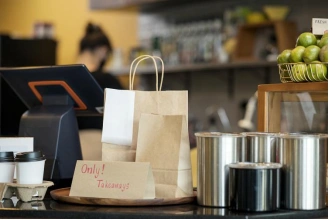
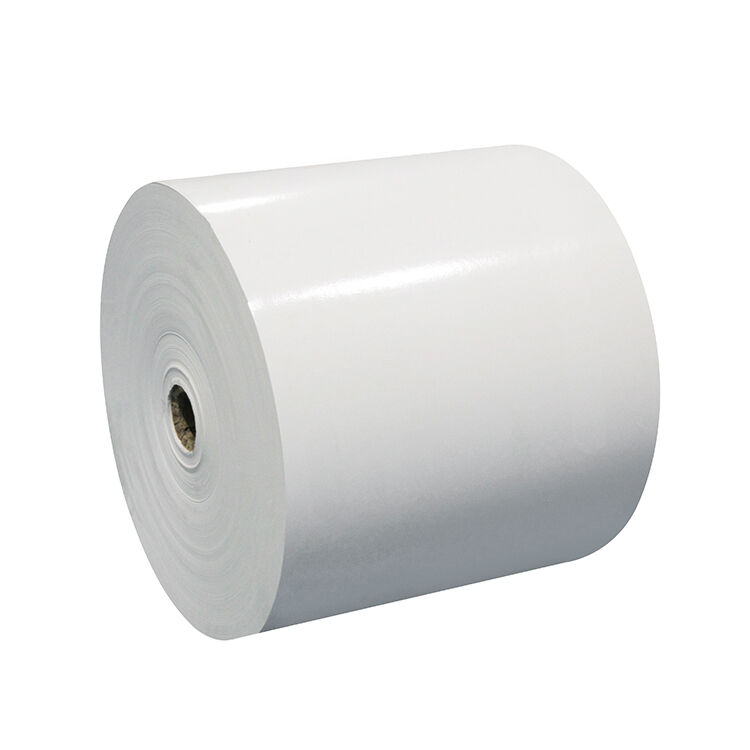
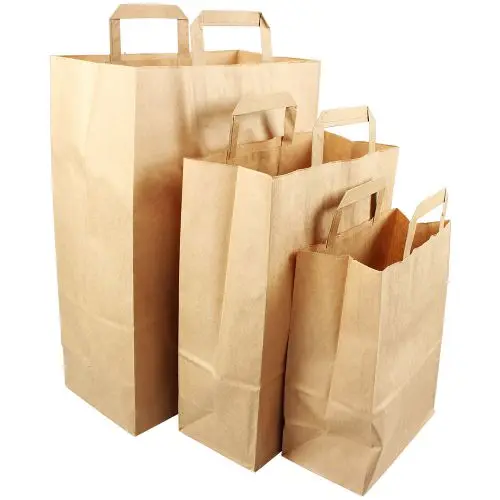
A modern paper bag factory turns simple raw paper into ready-to-use bags for shopping, food service, delivery, and brand packaging. At its core, a paper bag factory receives paper rolls, cuts them to size, forms tube shapes, seals bottoms, adds handles when needed, prints logos, checks quality, and prepares cartons for shipping. This full process happens in one connected flow, so a customer can move from idea to finished stock without managing many separate vendors. A well-run paper bag factory supports multiple bag styles, including flat bags, satchel bags, square-bottom bags, and twisted-handle carrier bags. It can also produce different sizes in short or long runs, which helps both small retailers and high-volume chains. The technology inside a paper bag factory focuses on speed, consistency, and clear quality control. Servo-driven machines keep cut length and fold position accurate. Automatic glue systems place adhesive evenly to reduce weak seams. Inline printing units apply clean graphics and keep color alignment stable. Camera inspection systems detect missing prints, poor seals, and handle defects before products leave the line. Many paper bag factory operations now include digital order tracking, so customers can check production status, shipment progress, and batch information. In practical use, a paper bag factory serves supermarkets, bakeries, pharmacies, fashion stores, takeaway restaurants, and e-commerce brands. It helps businesses replace plastic while keeping packaging practical and attractive. A reliable paper bag factory also supports seasonal campaigns by offering custom prints for holidays, promotions, and new product launches. Because it controls material sourcing, printing, and finishing under one roof, a paper bag factory gives buyers stable quality, faster lead times, and better control over packaging costs across the year.


New Products

Choosing the right paper bag factory gives customers direct, practical gains that show up in daily operations. First, a paper bag factory reduces purchasing complexity. Instead of sourcing raw bags from one supplier, printing from another, and handles from a third, a single paper bag factory can manage the complete order. This saves coordination time, lowers communication errors, and makes reorder cycles easier to manage. Second, a paper bag factory helps protect brand image. Clean folds, strong bottoms, and clear printing create a professional look at the point of sale. When every shipment from the same paper bag factory follows the same standard, stores present a consistent identity across branches. That consistency builds trust with shoppers and supports repeat purchases. Third, a paper bag factory can support cost control without cutting quality. Efficient machine setup, reduced waste in cutting, and stable glue use lower unit cost over large runs. A skilled paper bag factory also plans production batches carefully, which shortens changeover time between bag sizes. Customers benefit through stable pricing and fewer unexpected charges. Fourth, a paper bag factory improves delivery reliability. Because production steps happen in one site, teams can adjust schedules quickly when a customer needs urgent replenishment. A responsive paper bag factory can prioritize critical orders, prepare partial shipments, and keep stores stocked during peak seasons. This helps avoid lost sales caused by packaging shortages. Fifth, a paper bag factory supports environmental goals in a real and measurable way. Many operations use recyclable paper, water-based inks, and tighter waste sorting. A responsible paper bag factory can provide material documentation that helps buyers report sustainability progress to clients, investors, or internal teams. Sixth, a paper bag factory makes customization practical. Customers can choose dimensions, handle types, paper weight, and print area based on actual use cases. A flexible paper bag factory can produce smaller trial runs for new product launches, then scale up once demand grows. Finally, a paper bag factory offers long-term service value. Good suppliers keep spare capacity, train operators well, and maintain equipment to avoid delays. They provide clear updates and fast after-sales responses when adjustments are needed. For potential customers, this means fewer surprises, smoother planning, and stronger confidence in every packaging cycle. In short, a dependable paper bag factory supports branding, cost, speed, and sustainability at the same time, which makes it a practical business asset rather than just a packaging vendor.

Tips And Tricks

How Heat Resistance Affects the Performance of Custom Plastic Cups

01

Feb

How Heat Resistance Affects the Performance of Custom Plastic Cups

Key Thermal Performance Metrics for Custom Plastic Cups HDT, VST, and Service Temperature Explained: What They Mean for Cup Integrity When it comes to how well custom plastic cups handle heat, there are three main factors to consider: Heat Deflect...
View More
Reasons to Choose Disposable Cups for Hot Drinks

02

Mar

Reasons to Choose Disposable Cups for Hot Drinks

Unmatched Convenience and Portability for Modern Hot Drink Consumption Disposable cups deliver indispensable convenience for today's fast-paced lifestyles—eliminating cleaning time and enabling immediate beverage service. Their ultra-lightwei...
View More
Paper Coffee Cup Lids vs Plastic Lids: Key Differences Explained

13

Apr

Paper Coffee Cup Lids vs Plastic Lids: Key Differences Explained

The choice between paper coffee cup lids and plastic lids represents a critical decision for cafes, restaurants, and beverage service providers navigating the evolving landscape of sustainable packaging. As environmental regulations tighten and consu...
View More
The Role of Paper Coffee Cup Lids in Complete Coffee Packaging Solutions

27

Apr

The Role of Paper Coffee Cup Lids in Complete Coffee Packaging Solutions

In the rapidly evolving coffee service industry, packaging components must work together as an integrated system to deliver consistent product quality, operational efficiency, and customer satisfaction. While paper cups often receive primary attentio...
View More

Get a Free Quote

Our representative will contact you soon.
Email
Name
Mobile
Country/Region
Message
0/1000

paper bag factory

Highlight 1: Integrated Production From Raw Roll to Finished Delivery

Highlight 1: Integrated Production From Raw Roll to Finished Delivery

One major strength of a paper bag factory is integrated production. In an integrated setup, each step connects in a controlled sequence: material intake, cutting, forming, bottom sealing, handle fixing, printing, inspection, counting, and packing. This structure matters because it removes gaps between departments and lowers the risk of handoff mistakes. When a paper bag factory controls the full chain, customers receive products that match specifications more closely, batch after batch. For buyers, the value is immediate. They no longer need to coordinate multiple partners for separate tasks. The paper bag factory handles technical details internally, so communication becomes simpler and faster. One contact point can confirm artwork files, bag dimensions, quantity targets, and shipping windows. This reduces back-and-forth messages and cuts approval time. Integrated production in a paper bag factory also improves traceability. If a customer asks about a specific shipment, the factory can check material lot records, machine settings, print data, and inspection results. That transparency helps solve problems quickly and prevents repeat issues. It also supports better internal reporting for customers that need dependable records. Another benefit is speed under pressure. During seasonal spikes, a paper bag factory with linked processes can rebalance labor and machine time quickly. Teams can shift schedules, prioritize urgent SKUs, and release partial orders without waiting on outside vendors. This keeps stores supplied and reduces the chance of stockouts. Quality stability is the final key gain. Since the same paper bag factory manages each stage, it can set clear control limits and enforce them consistently. If one parameter drifts, operators can correct it before defects spread across large volumes. For potential customers, integrated production means lower risk, easier management, faster turnaround, and predictable quality in every order cycle.
Highlight 2: Custom Branding That Supports Sales and Customer Experience

Highlight 2: Custom Branding That Supports Sales and Customer Experience

A strong paper bag factory does more than make containers. It helps brands convert packaging into a visible sales tool. Every bag a shopper carries becomes moving brand exposure in streets, malls, offices, and public transport. A capable paper bag factory supports this goal by delivering sharp printing, balanced color, and layout accuracy that keeps logos and messages readable from a distance. Customers gain flexibility in design choices. The paper bag factory can adapt print placement, ink coverage, finish style, and handle options for different campaigns. A bakery may want warm, simple graphics for daily use, while a fashion retailer may need bold seasonal designs. With the right paper bag factory, both projects can run under the same quality framework, reducing risk when marketing teams test new concepts. Branding quality also affects perceived product value. A sturdy, well-printed bag feels intentional and premium, even before the customer opens it. This perception can increase satisfaction and encourage social sharing. A paper bag factory that maintains print consistency across locations helps multi-store brands keep one recognizable identity, which strengthens recall and trust. Practical service features add more value. An experienced paper bag factory can review artwork early, flag low-resolution files, and suggest layout fixes that reduce print errors. This prevents costly reruns and launch delays. Some teams also provide sample proofs before mass production, allowing quick adjustments. The long-term benefit is measurable. When branding appears clearly and consistently on every shipment, marketing spend works harder. Stores gain better visual impact without changing core products. For potential customers, a paper bag factory with strong customization capability delivers more than packaging supply. It supports promotion goals, improves customer impression, and helps each bag contribute to daily brand growth.
Highlight 3: Reliable Supply, Practical Sustainability, and Lower Operational Risk

Highlight 3: Reliable Supply, Practical Sustainability, and Lower Operational Risk

Reliability is a deciding factor for any packaging buyer, and a high-performing paper bag factory addresses it directly. Late packaging deliveries can interrupt store operations, delay product launches, and create emergency purchasing at higher prices. A dependable paper bag factory reduces these risks with clear planning, buffer stock options, preventive maintenance, and disciplined production scheduling. From an operations view, consistency saves money. When a paper bag factory maintains stable dimensions, seal strength, and handle attachment quality, frontline teams spend less time sorting defective units. Fewer defects mean smoother packing, cleaner presentation, and less waste in daily store use. This is a practical advantage that impacts labor efficiency immediately. Sustainability is another area where the right paper bag factory creates real value. Many customers now need packaging choices that align with public commitments and buyer expectations. A responsible paper bag factory can offer recyclable materials, lower-odor inks, and waste reduction practices that are easy to explain to end users. This supports compliance goals while keeping packaging functional. A paper bag factory with strong planning also improves forecast management. It can align production with expected campaign demand and reserve capacity for peak periods. That reduces panic reorders and supports steadier inventory levels. Buyers can plan promotions with greater confidence because supply timing is more predictable. Communication closes the loop. Professional teams in a paper bag factory provide status updates, shipment timelines, and quick responses when changes occur. This helps procurement, marketing, and store operations stay aligned. For potential customers, the combined value is clear: dependable deliveries, lower defect exposure, and practical environmental progress without sacrificing day-to-day usability. A reliable paper bag factory becomes a long-term operational partner that protects sales continuity and supports steady business growth over time.