
Unmatched Convenience and Portability for Modern Hot Drink Consumption
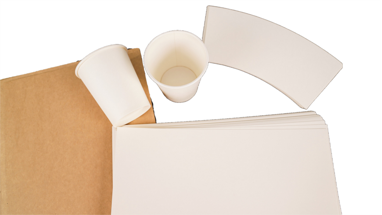
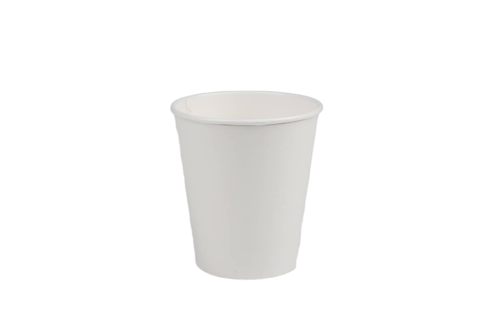
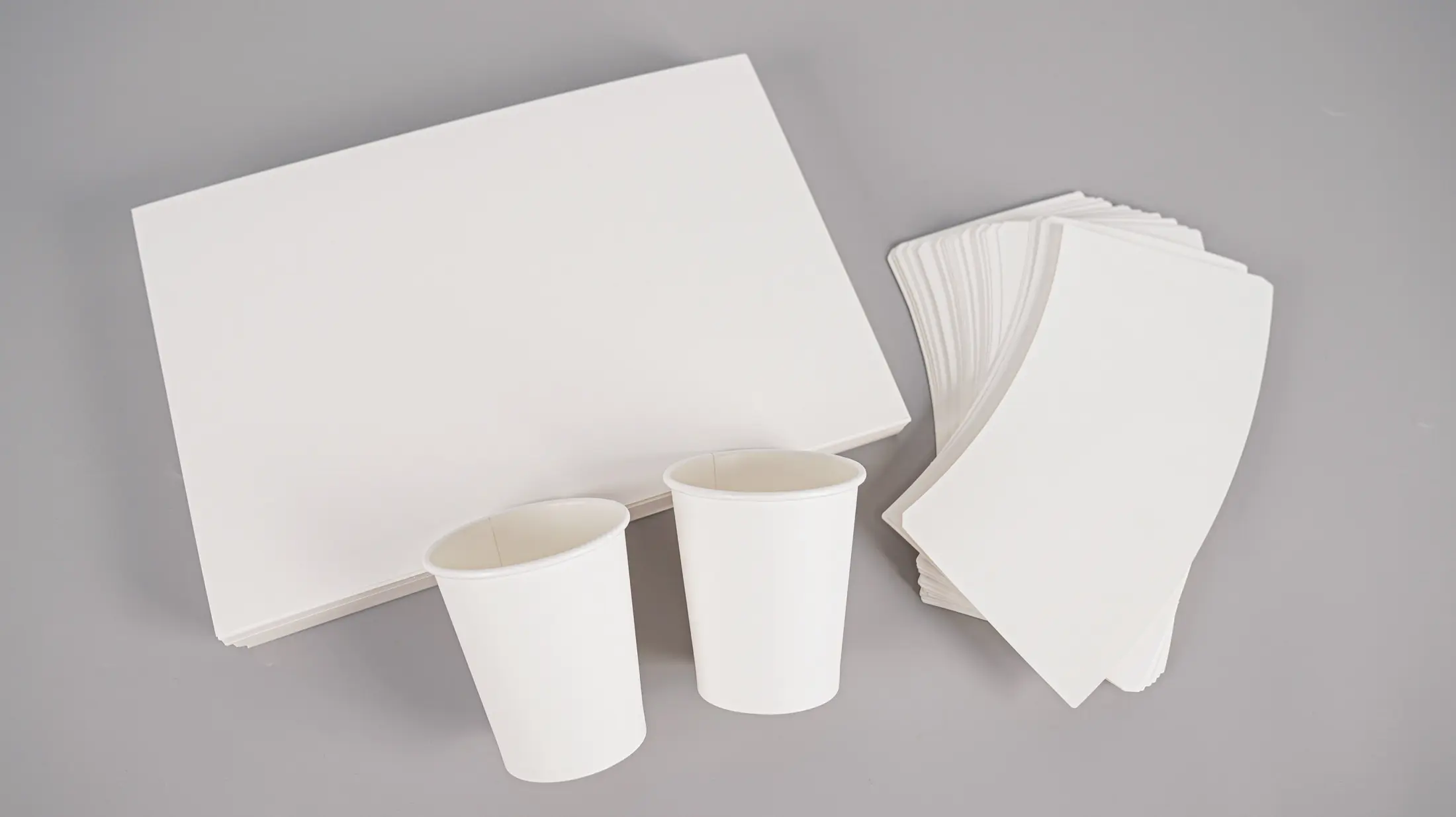
Disposable cups deliver indispensable convenience for today's fast-paced lifestyles—eliminating cleaning time and enabling immediate beverage service. Their ultra-lightweight construction—whether paper, plastic, or innovative biodegradable options—allows effortless transport without spills, thanks to secure lids and ergonomic designs. Key advantages include:
-
Zero maintenance: No washing or storage constraints
-
On-the-go reliability: Leak-resistant features for commutes and travel
- Space efficiency: Stackable designs optimize storage in homes and venues
According to research from the Food Service Institute in 2022, restaurants that switched to disposable drinkware actually saved about 2 minutes on each transaction. That adds up to around 47 extra hours every year for each staff member. People who are always rushing appreciate compostable cups because they make grabbing coffee so much easier in the morning rush or when taking a quick break at work. Businesses save money too since there's less need for cleaning and maintenance. These days, most folks just want something they can take with them wherever they go. Whether commuting to work, running errands, or waiting in line somewhere, having a portable cup means no hassle with spills or finding somewhere to put it down.
Superior Hygiene and Safety Through Single-Use Disposable Cups
Disposable cups cut down on hygiene issues because they're meant to be used just once, which tackles contamination problems in places where lots of people gather. Reusable options need cleaning after each use, but even then germs might stick around. Each disposable cup acts like a fresh shield between what someone drinks and their mouth. Research shows that things people touch repeatedly in coffee shops or workplaces can collect bacteria for hours on end while paper cups stop germs from spreading between users completely. Hospitals really care about this since some patients have weak immune systems and any microbes could make them sick. Same goes for big events where lines form fast service matters most. Companies make these cups safer by adding special coatings that won't break down when hot drinks are poured in, so nothing bad gets into the beverage itself. When folks grab a cup, they know it hasn't been touched before and was made just for them to drink from.
Engineered Performance: Heat Retention, Structural Integrity, and Leak Resistance in Disposable Cups
Double-Walled Insulation and Barrier Coatings for Sustained Heat Retention
Double wall construction with an air gap in disposable cups cuts down heat transfer by around 40%. This keeps drinks at their ideal temperature while making sure the outside stays cool enough to handle comfortably. Instead of regular plastic linings, manufacturers now use plant based PLA or water based coatings. These create thin protective layers just 18 microns thick but still keep liquids from leaking through. The biggest benefit? No need for those extra paper sleeves anymore since the cup itself handles both hot and cold beverages without collapsing when moved around. Tests show these double walled cups stay warm about twice as long as regular single layer versions. For anyone who's ever burned their fingers on a coffee cup or struggled with condensation dripping everywhere, this kind of improvement makes all the difference in daily use.
Material-Specific Heat Limits and Real-World Compatibility with Hot Beverages
Paper-based cups withstand temperatures up to 90°C (194°F) without deformation, while PLA-lined variants tolerate 60–70°C (140–158°F)—aligning with standard serving temperatures for coffee and tea. Three critical safeguards ensure real-world reliability:
- Precision rim-curling techniques preventing splash incidents during movement
- Thermally resistant adhesives maintaining seal integrity above 85°C
- Bottom-sealing protocols tested under 15 psi pressure simulations
Quality assurance includes tilt tests with 95°C liquids, with leading manufacturers achieving 99.8% leak-proof reliability. Material selection balances thermal thresholds with environmental requirements, ensuring safe, consistent performance across diverse serving scenarios.
Sustainable Innovation: Compostable and Certified Eco-Friendly Disposable Cups
Plant-Based Materials and Industry Certifications (e.g., BPI, TÜV OK Compost)
Modern compostable disposable cups primarily use renewable resources like sugarcane bagasse (fibrous residue from sugar processing) or plant-based plastics (PLA) derived from corn starch. These materials decompose within months under industrial composting conditions—unlike traditional plastic cups, which persist for centuries. Credible third-party certifications validate genuine sustainability:
- BPI (Biodegradable Products Institute): Verifies compostability to ASTM D6400 standards in North American facilities
-
TÜV OK Compost: Confirms compliance with European EN 13432 norms for industrial biodegradation
These seals ensure cups fully break down into water, CO₂, and organic matter without microplastic residues.
Bridging the Gap: Disposal Infrastructure vs. LCA Reality for Disposable Cups
Studies show that compostable cups actually create less carbon emissions compared to those made from oil products. The catch though? These eco-friendly cups need the right conditions to break down properly. Most places still don't have enough industrial composting sites to handle them effectively. What can be done about this? Cities should work together to expand compost collection services. Labels that clearly state "certified compostable" would help people know what they're dealing with instead of tossing everything into regular trash bins. The industry itself needs to push harder for better waste management systems too. While we wait for our garbage systems to keep pace with green innovations, reusable containers are still best whenever possible. But let's face it, sometimes folks just want something quick and easy. For those situations, certified compostables represent the best bet for reducing environmental harm without completely changing how we live.
FAQ Section
-
What are the main advantages of using disposable cups?
Disposable cups offer convenience, hygiene, and portability while eliminating cleaning needs and enabling immediate beverage service. -
How do disposable cups help maintain hygiene?
Since they are intended for single use, disposable cups minimize cross-contamination and the spread of germs in shared environments.
-
What materials are used in eco-friendly disposable cups?
Eco-friendly cups are made from renewable resources like sugarcane bagasse and plant-based plastics that decompose under industrial conditions.
-
Are compostable cups truly sustainable?
Yes, but they require industrial composting sites for proper disposal, which are not yet widely available.
Table of Contents
- Unmatched Convenience and Portability for Modern Hot Drink Consumption
- Superior Hygiene and Safety Through Single-Use Disposable Cups
- Engineered Performance: Heat Retention, Structural Integrity, and Leak Resistance in Disposable Cups
- Sustainable Innovation: Compostable and Certified Eco-Friendly Disposable Cups