
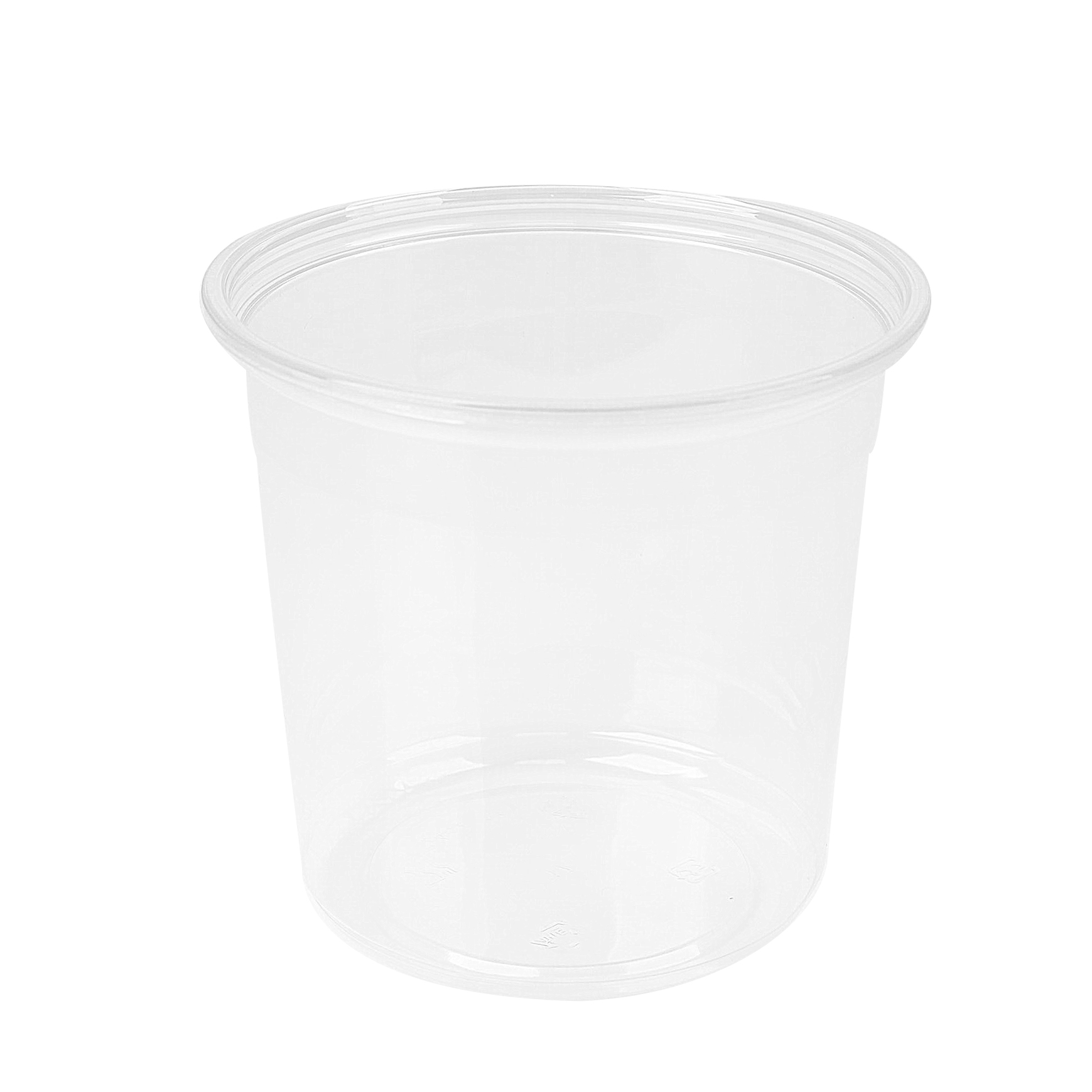
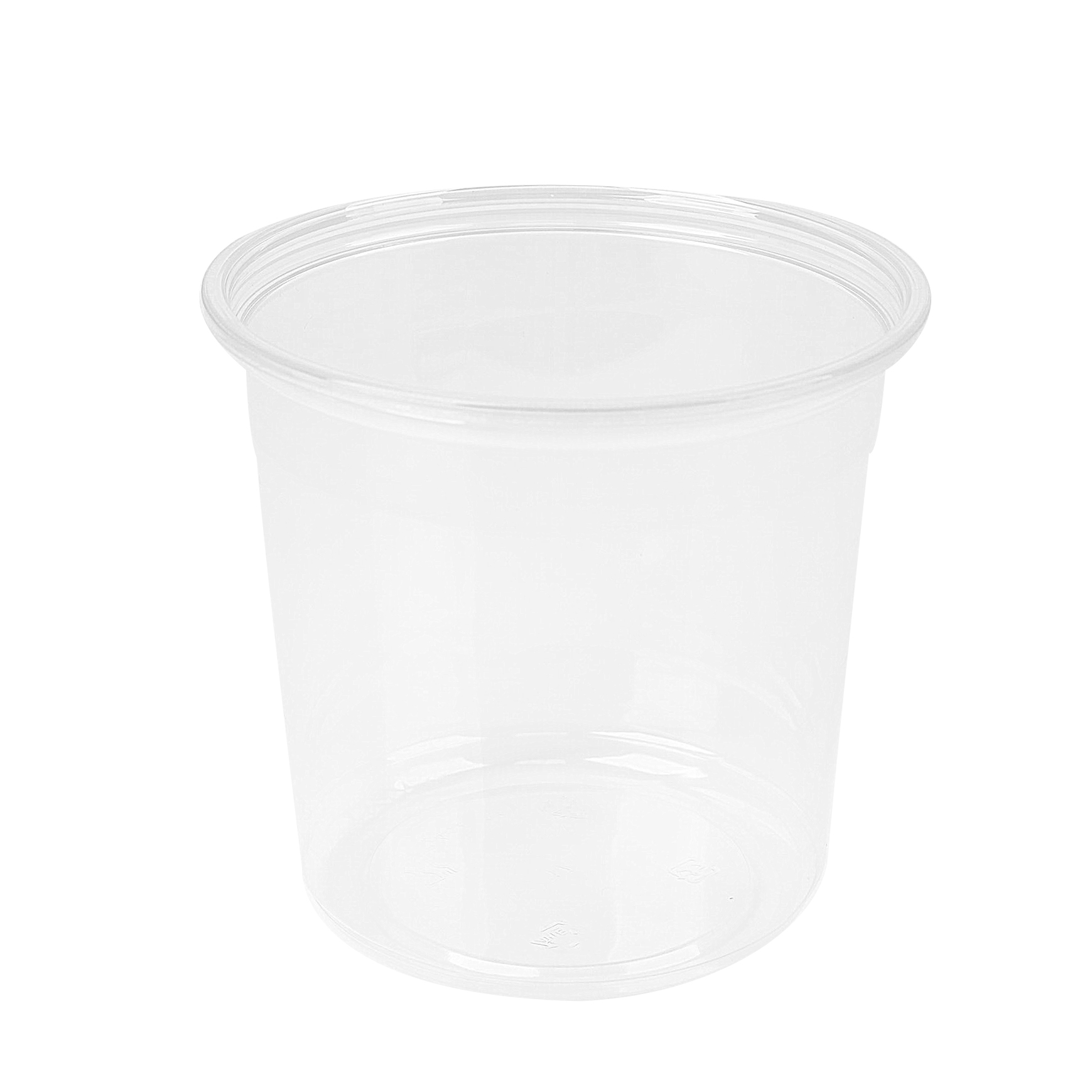
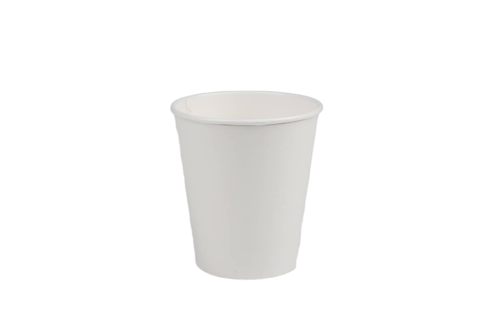
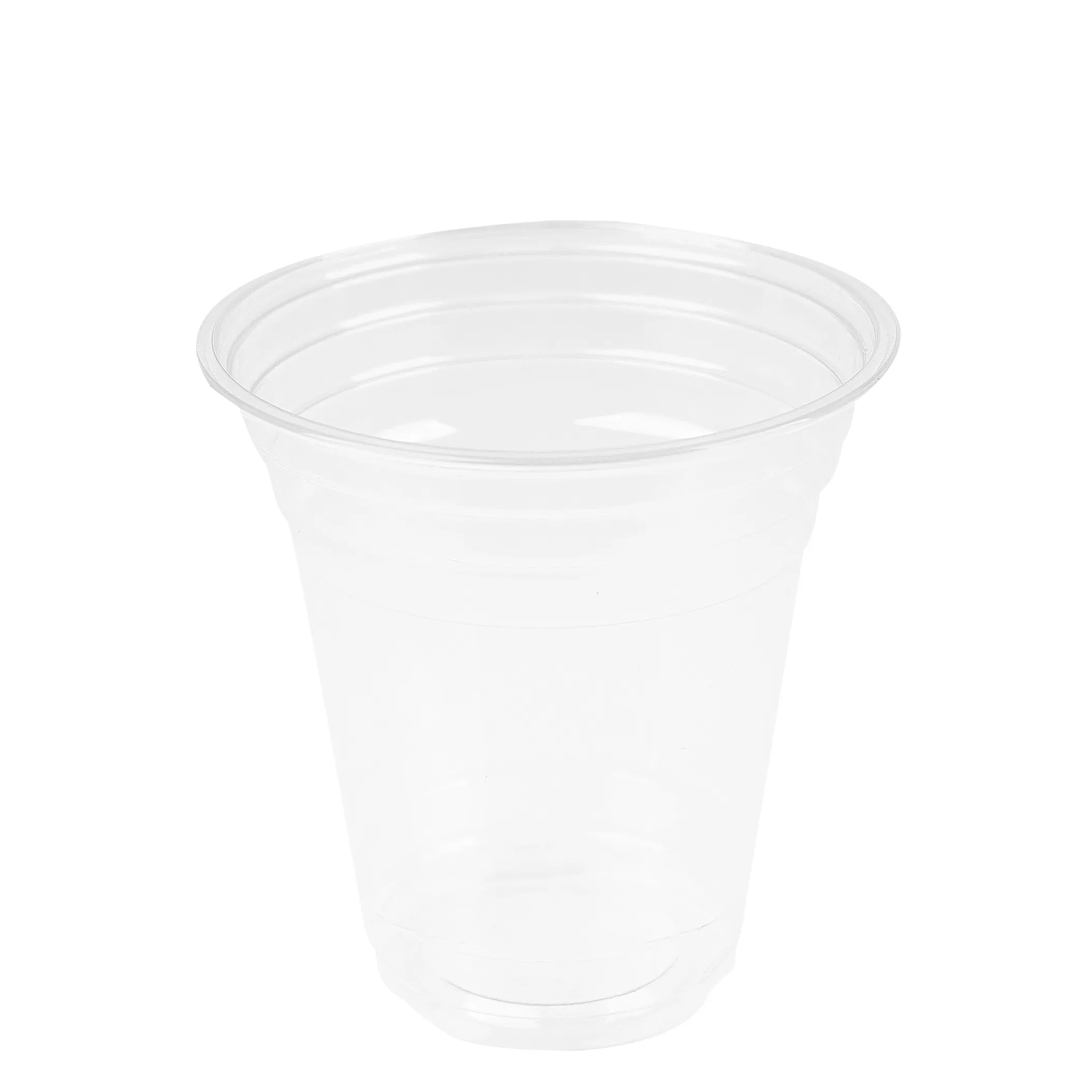
When selecting custom plastic cups for your brand's promotional campaigns, events, or retail offerings, the choice between clear and frosted finishes significantly impacts visual appeal, brand perception, and marketing effectiveness. Both clear and frosted custom plastic cups offer distinct advantages depending on your branding objectives, target audience, and usage context. Clear cups showcase beverage contents with transparency that appeals to visual appetites, while frosted cups deliver a sophisticated matte finish that elevates perceived quality. Understanding which option aligns better with your branding strategy requires examining print visibility, aesthetic impact, functional performance, and customer perception across different application scenarios.
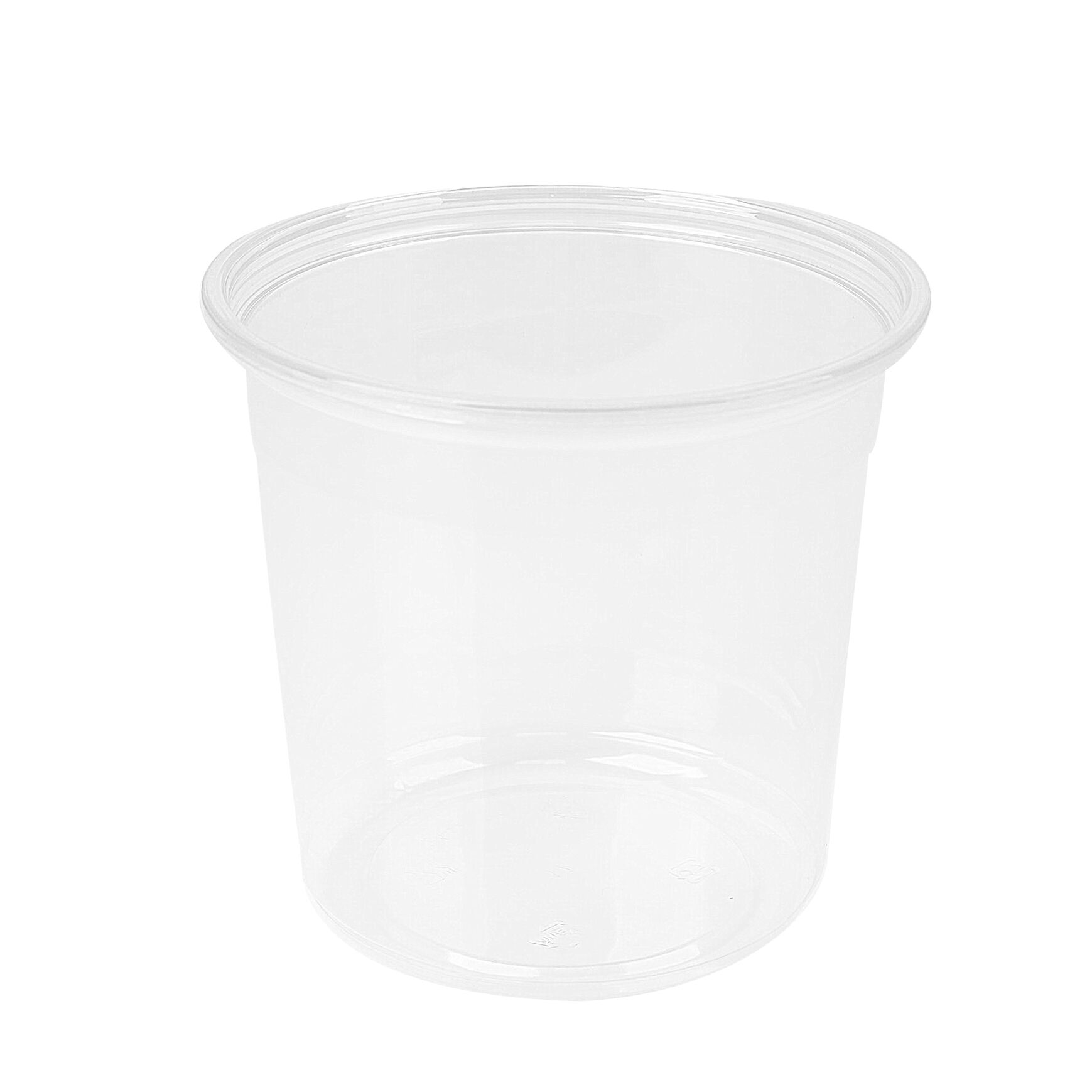
The decision between clear and frosted custom plastic cups extends beyond mere aesthetic preference—it fundamentally influences how customers interact with your brand identity at the point of consumption. Clear cups traditionally dominate beverage service environments where product visibility drives purchasing decisions, particularly for colorful drinks, layered beverages, or items with visual ingredients. Conversely, frosted custom plastic cups have gained substantial traction in premium branding contexts where a refined, upscale presentation matters more than beverage transparency. This comprehensive analysis examines the branding effectiveness of both options across critical dimensions including logo visibility, color rendering, tactile experience, perceived value, and situational appropriateness to help you determine which finish delivers superior branding results for your specific marketing objectives.
Visual Branding Impact and Logo Visibility Considerations
Print Quality and Color Vibrancy on Clear Surfaces
Clear custom plastic cups provide a transparent canvas that creates unique branding opportunities through their see-through properties. When brands apply screen printing or digital printing to clear surfaces, the ink sits visibly on the cup exterior, creating bold, vibrant graphics that stand out prominently against whatever beverage fills the container. This transparency allows for creative design approaches where the drink color becomes part of the visual composition, potentially enhancing brand messaging when beverage hues complement logo colors. However, clear custom plastic cups present certain printing challenges—light-colored inks may appear washed out against pale beverages, while dark drinks can obscure lighter design elements entirely. Brands must carefully consider their typical beverage offerings when designing graphics for clear cups to ensure consistent logo visibility across different drink colors and opacity levels.
The reflective quality of clear custom plastic cups can amplify color intensity under proper lighting conditions, making branded graphics appear particularly vivid in well-lit retail environments, outdoor events, or hospitality settings with strategic illumination. Premium printing techniques such as multicolor screen printing deliver exceptional results on clear surfaces, allowing complex logo designs with gradients, fine details, and multiple hues to reproduce with impressive fidelity. Additionally, clear cups enable creative placement strategies where branding appears on both interior and exterior surfaces, creating layered visual effects that engage customers from multiple viewing angles. For brands prioritizing maximum color impact and design flexibility, clear custom plastic cups offer substantial advantages in environments where lighting conditions remain favorable and beverage appearance complements rather than competes with printed branding elements.
Frosted Finish Advantages for Subtle Brand Sophistication
Frosted custom plastic cups feature a translucent, matte surface texture that diffuses light and creates a soft, elegant appearance fundamentally different from glossy clear alternatives. This frosted finish provides a premium substrate for branding that enhances perceived product quality and positions your brand in a more upscale market segment. When printing on frosted surfaces, ink colors appear slightly muted compared to clear cups, but this subdued presentation often conveys sophistication, refinement, and restraint—qualities particularly valued in premium beverage categories, corporate events, and high-end hospitality contexts. The matte texture of frosted custom plastic cups reduces glare and reflections, ensuring logo visibility remains consistent across varied lighting conditions without the visual interference that can affect clear cups under bright or directional lighting.
The translucent quality of frosted custom plastic cups strikes an effective balance between complete opacity and full transparency, allowing beverage colors to show through in a diffused, softened manner that maintains visual interest without overwhelming printed branding. This characteristic makes frosted cups particularly effective for brands serving beverages with less visually appealing natural colors or those containing ingredients that may appear unattractive in full transparency. Furthermore, the textured surface of frosted custom plastic cups provides superior ink adhesion in many printing processes, potentially resulting in more durable graphics that resist scratching, fading, or wear during handling and transportation. Brands targeting demographics that associate matte finishes with premium quality—particularly in cosmetics, technology, and luxury goods sectors—may find frosted cups better aligned with broader brand positioning strategies that emphasize understated elegance over flashy visibility.
Comparative Analysis of Brand Recognition Speed
Brand recognition speed—how quickly consumers identify your brand upon encountering your custom plastic cups—differs significantly between clear and frosted finishes based on contrast, readability, and visual distinctiveness. Clear cups with bold, high-contrast graphics typically achieve faster initial recognition in crowded environments where numerous branded items compete for attention. The sharp definition of colors against transparent backgrounds helps logos stand out immediately, particularly when using complementary color schemes that create strong visual separation between branding elements and cup material. This immediate recognizability makes clear custom plastic cups particularly effective in high-traffic retail environments, festivals, sporting events, and any context where rapid brand impression formation matters more than prolonged engagement.
Conversely, frosted custom plastic cups may require slightly longer initial recognition time but often create more memorable brand impressions through their distinctive tactile and visual qualities. The unique matte appearance differentiates branded cups from the predominantly clear alternatives flooding most beverage service contexts, helping your brand stand out through finish differentiation rather than purely graphic boldness. Additionally, the premium associations triggered by frosted surfaces can enhance brand recall quality even if recognition speed lags marginally behind clear alternatives. For brands prioritizing lasting impression formation over immediate visibility, frosted custom plastic cups deliver superior performance by creating multisensory brand experiences that engage touch alongside sight, potentially strengthening memory encoding and subsequent brand recall when customers encounter your products in future purchasing situations.
Functional Performance Factors Affecting Brand Experience
Condensation Management and User Comfort
The surface characteristics of clear versus frosted custom plastic cups significantly impact condensation behavior, which directly affects user comfort and, consequently, brand perception during product consumption. Clear cups with smooth, glossy surfaces tend to develop more noticeable exterior condensation when containing cold beverages, creating slippery surfaces that may require napkins or sleeves for comfortable handling. This functional limitation can diminish brand experience quality if customers associate your branded cups with inconvenience or discomfort. However, condensation on clear cups also signals beverage freshness and coldness—visual cues that enhance perceived product quality in certain beverage categories where temperature communication adds value to the consumption experience.
Frosted custom plastic cups typically manage condensation more effectively due to their textured surface, which provides better grip even when exterior moisture develops. The matte finish disperses condensation droplets across a larger surface area, reducing the formation of large water beads that compromise handling comfort. This functional advantage translates into improved brand experience, as customers can comfortably hold frosted cups longer without additional accessories, maintaining direct contact with your branded surface throughout the consumption period. For brands serving beverages in outdoor settings, warm climates, or extended-duration events where condensation management significantly impacts customer satisfaction, frosted custom plastic cups deliver superior functional performance that protects positive brand associations from degradation due to handling frustrations.
Durability and Graphic Longevity Comparison
The longevity of printed graphics on custom plastic cups directly impacts branding effectiveness, particularly for reusable applications or extended-use scenarios where cups remain in customer hands beyond initial consumption. Clear cups with smooth surfaces may experience faster graphic degradation in high-contact areas, as repeated handling, stacking, and washing can cause printed elements to scratch, fade, or peel depending on ink type and application method. However, advanced printing techniques such as UV-cured inks or ceramic-based processes can significantly enhance graphic durability on clear surfaces, making them suitable even for applications requiring multiple uses or extensive handling before disposal.
Frosted custom plastic cups generally provide better graphic protection due to their textured surface structure, which allows printed inks to mechanically interlock with surface irregularities rather than sitting purely on a smooth substrate. This enhanced adhesion typically results in superior resistance to scratching, abrasion, and environmental exposure compared to equivalent printing on clear cups. For brands distributing custom plastic cups as promotional items intended for extended use, or those serving beverages in rugged environments where cup handling may be less gentle, frosted finishes offer functional advantages that preserve brand visibility throughout the product lifecycle. The durability advantage becomes particularly significant when customers reuse branded cups, extending brand exposure duration and maximizing return on promotional investment through prolonged graphic integrity.
Temperature Perception and Beverage Appeal
The visual properties of clear versus frosted custom plastic cups influence customer perception of beverage temperature and freshness, which indirectly affects overall brand experience quality. Clear cups provide unobstructed views of ice cubes, condensation formation, and beverage clarity—visual indicators that communicate coldness, freshness, and quality in categories where these attributes drive purchasing decisions. This transparency advantage makes clear custom plastic cups particularly effective for iced coffee, smoothies, bubble tea, and other beverages where ingredient visibility and temperature communication enhance perceived value. Brands in these categories benefit from the appetizing visual presentation that clear cups enable, leveraging product appearance as a complementary branding element that reinforces quality positioning.
Frosted custom plastic cups create a diffused visual effect that softens beverage appearance while maintaining sufficient translucency to suggest contents without full revelation. This partial transparency can enhance appeal for beverages that benefit from mystery or anticipation, or those with less visually striking natural appearances. The matte surface of frosted cups also creates tactile temperature cues that feel cooler to the touch than smooth clear surfaces at equivalent temperatures, potentially enhancing perceived beverage coldness through multisensory signaling. For brands emphasizing premium positioning over ingredient transparency, frosted custom plastic cups deliver aesthetic and functional advantages that align with upscale brand messaging while maintaining sufficient beverage visibility to inform purchasing decisions without complete product exposure.
Market Positioning and Target Audience Alignment
Premium Brand Positioning with Frosted Aesthetics
Frosted custom plastic cups have become strongly associated with premium brand positioning across multiple beverage and hospitality sectors, largely due to their visual similarity to ground glass and higher-end packaging materials. This association creates immediate quality perception advantages for brands seeking to differentiate themselves in competitive markets where packaging aesthetics significantly influence purchasing decisions. The matte finish conveys sophistication, refinement, and attention to detail—brand attributes particularly valued by affluent consumer segments and corporate clients seeking elevated beverage service experiences. Brands targeting premium market positions can leverage frosted cups as tangible brand touchpoints that reinforce quality messaging through physical product interaction, creating consistency between brand promises and customer experience reality.
The subtle elegance of frosted custom plastic cups aligns particularly well with brands in specialty coffee, craft beverages, boutique catering, and upscale event services where perceived quality justifies premium pricing structures. When customers encounter frosted cups in these contexts, the packaging itself validates higher price points by signaling investment in quality presentation that extends beyond beverage content to encompass total experience design. This positioning advantage becomes especially valuable in Instagram-driven marketing environments where product photography plays central roles in brand promotion—frosted cups photograph exceptionally well, creating sophisticated visual content that enhances brand image across social media platforms. For brands building identity around craftsmanship, artisanal quality, or premium service, frosted custom plastic cups provide packaging solutions that actively contribute to brand story communication through material choices that demonstrate commitment to excellence in every customer touchpoint.
Mass Market Appeal of Clear Cup Transparency
Clear custom plastic cups dominate mass market beverage service due to their universal appeal, functional transparency, and cost-effectiveness in standard manufacturing processes. The see-through quality resonates with broad consumer segments who value product visibility as a purchasing confidence factor, particularly in quick-service restaurants, convenience stores, and high-volume event settings where beverage appearance drives impulse purchasing decisions. Clear cups satisfy consumer desire to visually verify product quality, portion size, and ingredient composition before purchase—transparency that builds trust and reduces purchasing hesitation in transaction-focused retail environments. Brands targeting mainstream markets benefit from clear cups' ability to showcase product attributes without requiring extensive point-of-sale explanation or promotional support.
The familiarity and ubiquity of clear custom plastic cups also create branding advantages through consumer comfort with established packaging formats. In markets where innovation risk may deter trial, clear cups provide safe, proven packaging solutions that focus attention on brand graphics rather than container novelty. This approach allows brands to invest creative resources in logo design, color psychology, and messaging rather than packaging format experimentation, potentially delivering stronger branding ROI through concentrated graphic excellence on familiar substrates. Additionally, clear custom plastic cups often achieve better cost efficiency in large-volume orders, making them particularly suitable for brands operating on tight margins or those requiring extensive cup quantities for widespread distribution campaigns where per-unit cost significantly impacts overall marketing budget feasibility.
Industry-Specific Preferences and Category Norms
Different beverage industry segments have developed distinct preferences for clear versus frosted custom plastic cups based on category-specific functional requirements and established aesthetic norms. The bubble tea industry, for example, overwhelmingly favors clear cups because the visual appeal of colorful beverages, floating ingredients, and layered presentations constitutes a core part of product attraction and brand differentiation. In this category, frosted cups would obscure primary product attributes that drive purchasing decisions, making clear alternatives the logical branding choice despite any premium positioning advantages frosted finishes might offer in other contexts. Similarly, smoothie brands, juice bars, and iced coffee retailers typically select clear custom plastic cups to showcase ingredient quality, color vibrancy, and freshness indicators that communicate value propositions central to their brand identities.
Conversely, certain beverage categories and service contexts favor frosted custom plastic cups due to alignment with category expectations and brand positioning norms. Specialty coffee shops emphasizing craft preparation and artisanal quality often choose frosted cups to signal premium positioning and differentiate from mass-market competitors using standard clear cups. Corporate event services, wedding caterers, and upscale hospitality providers frequently specify frosted custom plastic cups to match the elevated aesthetic standards expected in premium service contexts. Understanding these industry-specific preferences helps brands make finish selections that align with category norms while identifying strategic opportunities for differentiation through counter-trend packaging choices that create memorable brand experiences. Brands should evaluate whether conforming to category standards or deliberately contrasting against them better serves their specific differentiation strategies and target audience expectations.
Cost-Benefit Analysis for Branding ROI Optimization
Manufacturing Cost Differences and Volume Considerations
The manufacturing processes for clear and frosted custom plastic cups involve different production techniques that influence unit costs, minimum order quantities, and overall branding investment requirements. Clear cups typically represent the most cost-effective option in standard manufacturing because they require fewer processing steps—the natural transparent quality of materials like PET, polypropylene, or polystyrene requires no additional surface treatment beyond molding and printing. This production simplicity often translates to lower per-unit costs, particularly in high-volume orders where economies of scale significantly reduce marginal production expenses. For brands requiring large quantities of custom plastic cups for widespread distribution, promotional campaigns, or regular operational use, clear cups frequently deliver better cost efficiency that maximizes branding reach within constrained marketing budgets.
Frosted custom plastic cups may incur additional manufacturing costs due to the surface treatment processes required to create the characteristic matte finish. These processes—which may include chemical etching, sandblasting simulation, or specialized molding techniques—add production steps that increase per-unit costs compared to clear alternatives. However, the cost premium for frosted cups has narrowed considerably as manufacturing technologies have advanced and market demand has increased, making frosted options increasingly accessible even for mid-volume orders. Brands should request detailed pricing comparisons across volume tiers when evaluating clear versus frosted custom plastic cups, as cost differences may prove negligible at certain order quantities or when factoring in the branding value premium that frosted finishes deliver through enhanced perceived quality. The total branding ROI calculation should balance direct manufacturing costs against intangible value factors including brand perception enhancement, competitive differentiation, and customer experience improvement that frosted cups may provide.
Printing Cost Implications and Design Complexity
The choice between clear and frosted custom plastic cups affects printing costs and design execution complexity in ways that impact overall branding investment. Clear cups generally accommodate more complex printing techniques including full-color digital printing, photographic reproduction, and intricate gradient effects that may prove challenging on frosted surfaces. However, these advanced printing capabilities often command premium pricing, potentially offsetting the base material cost advantages that clear cups provide. Brands pursuing highly detailed logo designs with numerous colors, fine text elements, or photographic components may find clear custom plastic cups better suited to their graphic requirements, despite potentially higher printing costs associated with complex color reproduction.
Frosted custom plastic cups typically perform best with simplified printing approaches featuring bold graphics, limited color palettes, and substantial design elements that maintain visibility against the matte background texture. This design constraint can actually benefit brands by enforcing visual simplicity that enhances logo recognition and recall—overly complex graphics often suffer reduced effectiveness in quick-view applications where immediate brand identification matters most. The printing cost structure for frosted cups may favor brands with straightforward logo designs requiring fewer colors and simpler application techniques, potentially delivering cost advantages despite higher base material prices. Additionally, the superior ink adhesion characteristics of frosted surfaces mentioned earlier may reduce long-term costs associated with graphic replacement or cup disposal due to print degradation, improving total cost of ownership across the full product lifecycle for brands prioritizing durability alongside initial acquisition costs.
Strategic Investment Framework for Finish Selection
Determining which finish option delivers superior branding ROI requires a comprehensive evaluation framework that extends beyond simple per-unit cost comparison to encompass strategic branding objectives, target market characteristics, and usage context requirements. Brands should begin by clearly defining primary branding goals—whether prioritizing maximum reach through cost-efficient volume distribution, premium positioning through elevated packaging aesthetics, functional performance in specific usage environments, or competitive differentiation through distinctive visual presentation. Clear custom plastic cups typically optimize for reach and transparency-dependent categories, while frosted cups excel in premium positioning and sophisticated brand image cultivation.
The strategic investment analysis should also consider the competitive landscape within your specific market segment and identify opportunities where packaging finish selection creates meaningful differentiation. In markets saturated with clear cups, strategic adoption of frosted custom plastic cups may generate disproportionate attention and memorability that justifies premium investment through enhanced brand recall and preference formation. Conversely, in contexts where frosted cups have become category standard, clear alternatives might offer differentiation advantages through counter-positioning. Brands should conduct competitive packaging audits to understand prevailing finish preferences within their category, then make informed decisions about whether conformity or contrast better serves their positioning objectives. The optimal finish selection balances manufacturing economics, branding strategy alignment, functional performance requirements, and competitive differentiation opportunities to maximize overall marketing effectiveness per dollar invested in custom plastic cups as brand communication tools.
FAQ
Which finish is better for photography and social media marketing with custom plastic cups?
Frosted custom plastic cups generally photograph more effectively for social media marketing due to their matte finish that reduces glare, creates sophisticated visual appeal, and maintains consistent appearance across varied lighting conditions. The diffused light reflection of frosted surfaces produces more flattering images with better color balance and reduced hotspots compared to glossy clear cups that can create harsh reflections or transparency challenges in photography. However, clear cups excel when beverage appearance itself serves as primary visual content, particularly for colorful or layered drinks where transparency showcases product attributes. Brands prioritizing packaging aesthetics in social content typically favor frosted cups, while those marketing beverage visual appeal often choose clear alternatives that make drinks the photography focal point.
Can frosted custom plastic cups work effectively for brands selling visually appealing beverages?
Frosted custom plastic cups can effectively serve brands with visually appealing beverages when the translucent quality provides sufficient product visibility without complete transparency. The frosted finish softens and diffuses beverage appearance while maintaining enough visual transmission to communicate color, approximate contents, and general product characteristics. This approach works particularly well for brands seeking to balance ingredient visibility with premium packaging aesthetics, or those serving beverages that benefit from suggestive rather than complete revelation. However, categories where precise visual detail drives purchasing decisions—such as bubble tea with visible toppings or smoothies showcasing fresh ingredient pieces—typically require clear cups to fully leverage product appearance as a marketing asset. The effectiveness depends on whether your brand strategy emphasizes beverage transparency or packaging sophistication as the primary purchase driver.
How does finish selection affect sustainability perception for custom plastic cups?
Neither clear nor frosted finishes inherently convey superior sustainability credentials for custom plastic cups, as environmental impact depends primarily on material composition, recyclability, and disposal infrastructure rather than surface appearance. However, frosted cups may slightly enhance sustainability perception through association with premium, quality-conscious brands that consumers often assume maintain higher environmental standards. Clear cups provide transparency that allows consumers to verify material type through recycling codes and visual inspection, potentially supporting proper disposal behavior. Brands genuinely prioritizing sustainability should focus on material selection—such as recyclable PET or compostable bioplastics—and clear recycling communication rather than relying on finish choice to convey environmental responsibility. Effective sustainability messaging requires explicit communication through printed information and material certification rather than implicit signals from surface aesthetics alone.
Should established brands switch cup finishes or maintain consistency in custom plastic cups?
Established brands should carefully weigh consistency benefits against potential gains from finish changes when evaluating custom plastic cups alternatives. Brand recognition relies partly on consistent visual cues across customer touchpoints, and switching from familiar clear to frosted cups—or vice versa—risks disrupting established brand associations that customers use for rapid identification. However, strategic finish changes can signal brand evolution, quality improvements, or repositioning initiatives when accompanied by clear communication explaining the change rationale. Brands considering finish switches should conduct limited testing in controlled markets to evaluate customer response before full-scale implementation, measuring impacts on recognition speed, purchase intent, and brand perception. Alternatively, some brands successfully deploy different finishes across product lines or usage occasions, using clear cups for standard offerings and frosted versions for premium products, creating tiered presentation that communicates quality differentiation while maintaining overall brand coherence through consistent graphic design across both finish options.
Table of Contents
- Visual Branding Impact and Logo Visibility Considerations
- Functional Performance Factors Affecting Brand Experience
- Market Positioning and Target Audience Alignment
- Cost-Benefit Analysis for Branding ROI Optimization
-
FAQ
- Which finish is better for photography and social media marketing with custom plastic cups?
- Can frosted custom plastic cups work effectively for brands selling visually appealing beverages?
- How does finish selection affect sustainability perception for custom plastic cups?
- Should established brands switch cup finishes or maintain consistency in custom plastic cups?