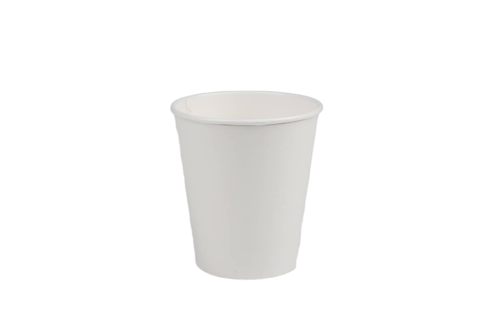
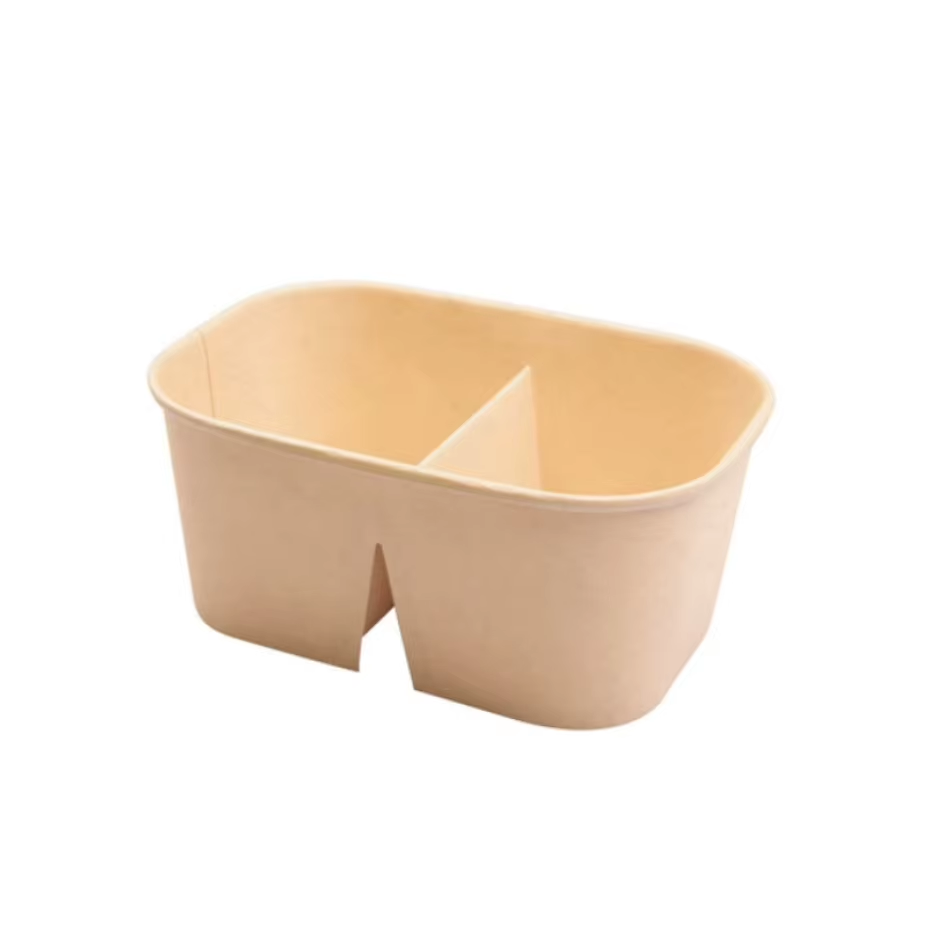
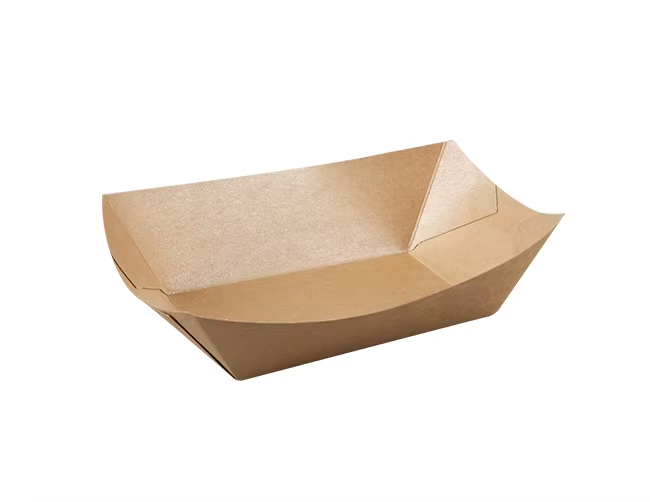
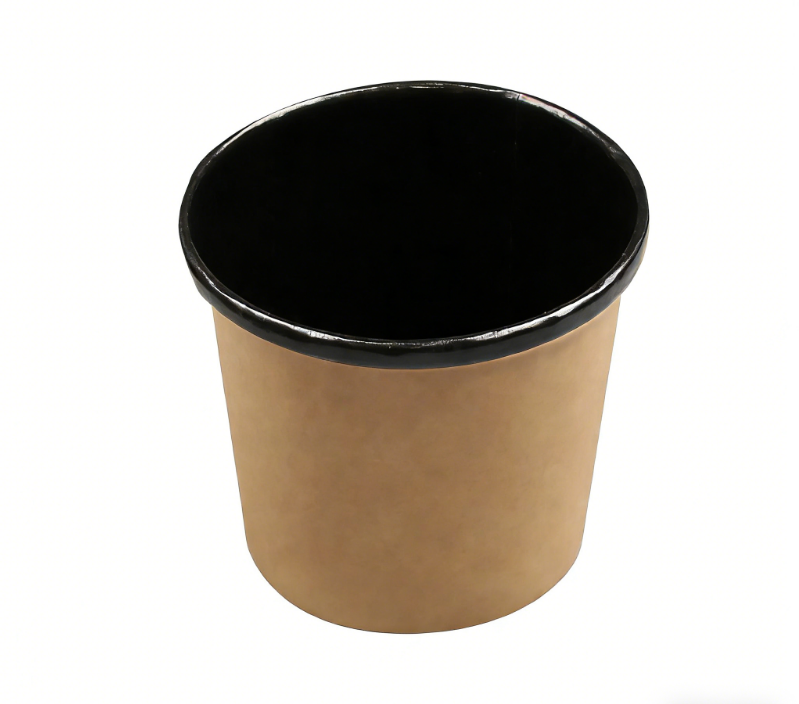
Material Selection: Prioritizing Food Safety, Freshness Preservation, and Sustainability
FDA-Compliant Liners and Grease-Resistant Coatings for Cake Box Safety
When it comes to keeping baked goods safe, the real action happens where cake meets its wrapping. Special FDA approved liners act as protective shields made from materials that won't let chemicals sneak through from whatever they're wrapped around into the delicate layers of frosting or cake crumbs. This matters a lot when dealing with rich buttercreams, silky ganaches, or those elaborate fondant creations people love so much these days. On top of that, grease resistant coatings do their part too by pushing away oily substances which helps maintain the cake's shape and stops unwanted flavors from mixing in. Together, these two defenses cut down on possible contamination problems while also making sure everything stays within those tricky FDA guidelines listed under 21 CFR Part 176.170 about what can legally touch food indirectly.
Cardboard vs. Paperboard vs. Recycled Composites: Moisture Barrier Efficacy for Cake Box Performance
Moisture management is non-negotiable in cake transport—excess humidity softens crumb and promotes microbial growth, while desiccation dries out delicate layers. Standard cardboard permits up to 15% moisture transfer within four hours, making it unsuitable for extended or humid-condition transit. Better-performing alternatives include:
| Material | Moisture Resistance | Best Use Cases |
|---|---|---|
| Paperboard | Medium (wax- or polymer-coated) | Short-distance cupcake transport, low-humidity settings |
| Recycled Composites | High (polymer-laminated, food-safe) | Humid climates, multi-tier cakes, 24–48-hour delivery windows |
| Corrugated Cardboard | Low | Dry environments only; best reserved for dry goods or outer shipping shells |
Modern recycled composites now match virgin fiber materials in barrier performance—thanks to advanced lamination techniques—without compromising FSC-certified sourcing or compostability pathways.
Eco-Conscious Choices: FSC Certification, Biodegradability, and Their Impact on Cake Box Shelf Life
Green materials can work just as well as traditional ones without compromising performance. Paperboard certified by FSC standards actually performs the same regarding moisture and grease resistance as regular paperboard when we apply the right coatings. Testing done according to ASTM D3220 and TAPPI T441 confirms this match in functionality. Looking at biodegradable PLA liners, recent studies from 2024 show they give products an extra 18 hours on store shelves compared to regular plastic. This happens because these liners keep internal humidity stable without releasing any harmful gases. But there's a catch with compostable materials. The thickness matters a lot. If the liner is thinner than 25 microns, it might let moisture through during those long 48 hour shipping periods. Before locking in any eco-friendly material specs, make sure to check independent test results. Look specifically for BPI certification showing true compostability and also verify migration tests meet EU 10/2011 requirements.
Structural Design: Optimizing Cake Box Dimensions, Closure Integrity, and Transit Protection
Precision Sizing by Cake Type—Tiered, Sheet, Cupcake, and Wedding Cakes in Standard Cake Box Formats
Getting the right box size matters a lot when it comes to protecting baked goods during transport. Boxes that are too big let things shift around inside, which can actually raise the chance of damage by about 30 percent according to recent packing studies. On the flip side, boxes that are too small just squish everything together and ruin those delicate piping details. For tiered cakes, there needs to be enough space between each level and some extra support at the corners so they don't topple over. Sheet cakes work best in wider boxes with shorter sides since this spreads out the weight more evenly across the surface. Cupcakes generally do better with special inserts that hold them securely without squeezing their paper liners flat. Wedding cakes are especially tricky because they tend to be both delicate and fancy looking. These need boxes that match exactly what was used in the kitchen, measured down to the last centimeter based on how tall they were assembled. While using standard box sizes makes life easier for storing and shipping, bakers should always check against actual measurements from their own shop rather than relying on generic average numbers from somewhere else.
Shock-Absorbing Inserts, Non-Slip Bases, and Secure Locking Mechanisms for Reliable Cake Box Transport
Transit resilience hinges on three integrated features:
- Shock-absorbing inserts, such as fluted corrugated cardboard or certified biodegradable foam, reduce peak impact forces by up to 45% during loading, unloading, or vehicle braking;
- Non-slip rubberized or textured bases eliminate lateral sliding—especially critical in ride-share or courier deliveries where boxes are frequently stacked or repositioned;
- Interlocking flaps with magnetic closures or food-safe pressure-sensitive adhesives achieve 98% exclusion of dust, ambient moisture, and airborne contaminants.
Double-wall construction and edge-reinforced corners maintain stack strength under warehouse or delivery van conditions, while custom-fit inserts immobilize cakes without direct contact—preserving surface integrity and minimizing temperature fluctuation caused by air gaps.
Presentation & Branding: Elevating the Cake Box Unboxing Experience
Custom Printing, Minimalist and Occasion-Themed Designs, and Transparent Windows for Visual Appeal
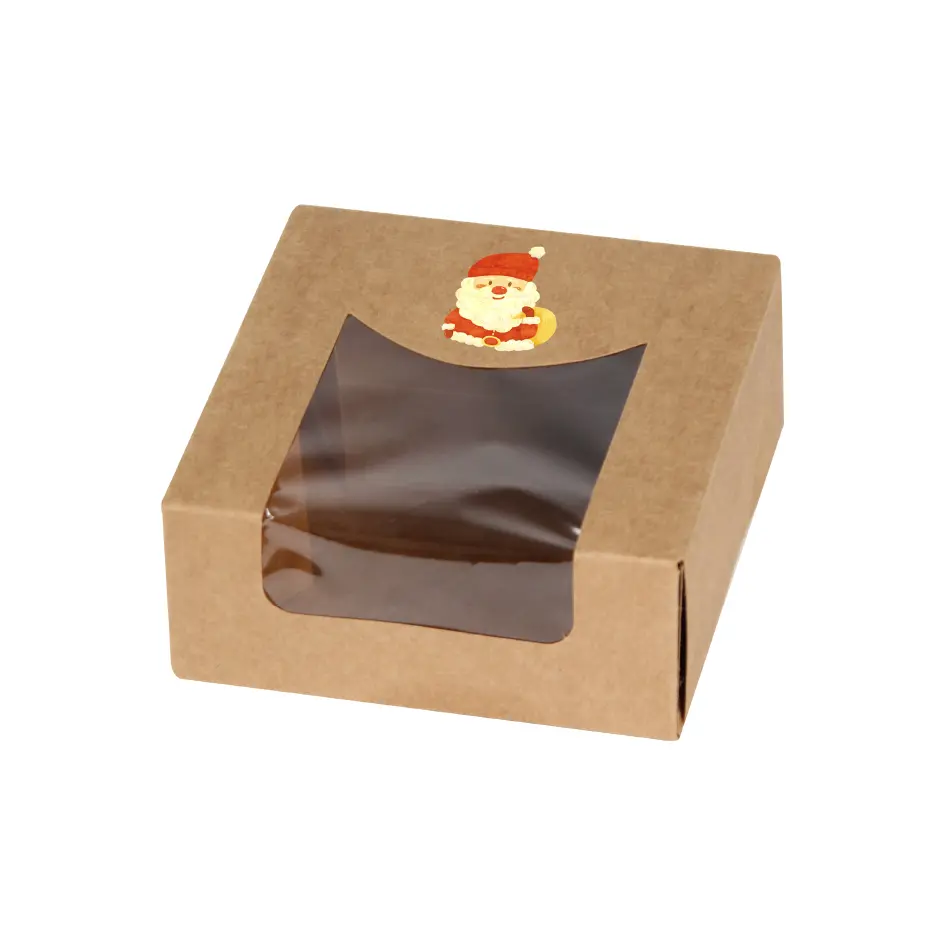
The package is usually what people see first when they encounter a brand—and often what they remember last right before taking a bite. Custom printed boxes help products stand out instantly. Think about those fancy logos, shiny foil touches, or special holiday designs that make a brand recognizable even without looking at a screen. Simple, clean designs actually scream quality craftsmanship these days. Most shoppers today appreciate straightforward packaging that doesn't try too hard. For special events, themed patterns really hit home emotionally. Who hasn't seen wedding cakes decorated with pretty flowers or birthday treats featuring colorful confetti prints? These designs get shared online too! Transparent windows made from materials approved by the FDA like cellulose acetate or compostable PETG aren't just there for looks. They actually solve a real problem: customers can check if their cake looks good without opening the box repeatedly, which helps keep moisture inside and prevents the cake from getting warm too quickly. Studies show that when packaging looks put together and has clear intent, people tend to value it around 20% higher. And guess what? That increased perception translates directly into folks coming back for more later on.
Surface Finish, Rigidity, and UV-Resistant Coatings: Balancing Aesthetics with Cake Box Freshness
Matte, soft-touch, or glossy UV coatings definitely boost how something feels when touched, though picking the right finish depends on what it needs to do. Stronger materials like thick paperboard at least 350 grams per square meter or similar composites help keep products from getting crushed when stacked or shipped around. Coatings that resist UV light actually stop damage caused by sunlight exposure. They slow down things like frost melting, colors fading from natural dyes, and nuts inside packaging going rancid. Brands concerned about sustainability can now use plant-based acrylics or soy coatings that perform just as well as traditional oil-based options. These eco-friendly choices still provide good light protection, resist scratches, and meet FDA standards. According to NielsenIQ data from last year, nearly seven out of ten shoppers are deliberately selecting brands because they care about being environmentally responsible. So combining looks, product quality, and ethical considerations isn't some future dream anymore. It's pretty much what everyone expects these days.
FAQ
What are FDA-compliant liners?
FDA-compliant liners are protective shields made from approved materials that prevent chemical leaching and ensure food safety within packaging.
How do grease-resistant coatings benefit cake packaging?
Grease-resistant coatings maintain the cake's shape, prevent flavor mixing, and reduce contamination risks, adhering to FDA guidelines.
Which material provides the highest moisture resistance for cake boxes?
Recycled composites with polymer laminations offer the highest moisture resistance, ideal for humid climates and multi-tier cakes.
What should be considered when choosing eco-friendly cake box materials?
Consider thickness for compostability, verify BPI certification, and ensure migration tests meet EU standards to guarantee effective protection.
Why is precision sizing important for cake boxes?
Precision sizing minimizes transport damage and ensures structural support, protecting intricate details from squishing and shifting.
What features enhance cake box transport reliability?
Integrated shock-absorbing inserts, non-slip bases, and secure locking mechanisms collectively ensure safe and reliable cake box transport.
How does custom printing contribute to branding?
Custom printing differentiates products with unique logo designs and themes, creating memorable brand presence and enhancing visual appeal.
How do coatings affect cake box shelf life?
UV-resistant coatings protect against sunlight damage, maintaining color integrity and freshness, while eco-friendly coatings offer sustainable options.
Table of Contents
- Material Selection: Prioritizing Food Safety, Freshness Preservation, and Sustainability
- Structural Design: Optimizing Cake Box Dimensions, Closure Integrity, and Transit Protection
- Presentation & Branding: Elevating the Cake Box Unboxing Experience
-
FAQ
- What are FDA-compliant liners?
- How do grease-resistant coatings benefit cake packaging?
- Which material provides the highest moisture resistance for cake boxes?
- What should be considered when choosing eco-friendly cake box materials?
- Why is precision sizing important for cake boxes?
- What features enhance cake box transport reliability?
- How does custom printing contribute to branding?
- How do coatings affect cake box shelf life?