


Barrier Properties: When Moisture, Grease, or Breathability Dictate Your Kraft Paper Roll Choice
PE-Coated Kraft Paper Rolls: Quantifying Barrier Efficacy for Food and Liquid Packaging
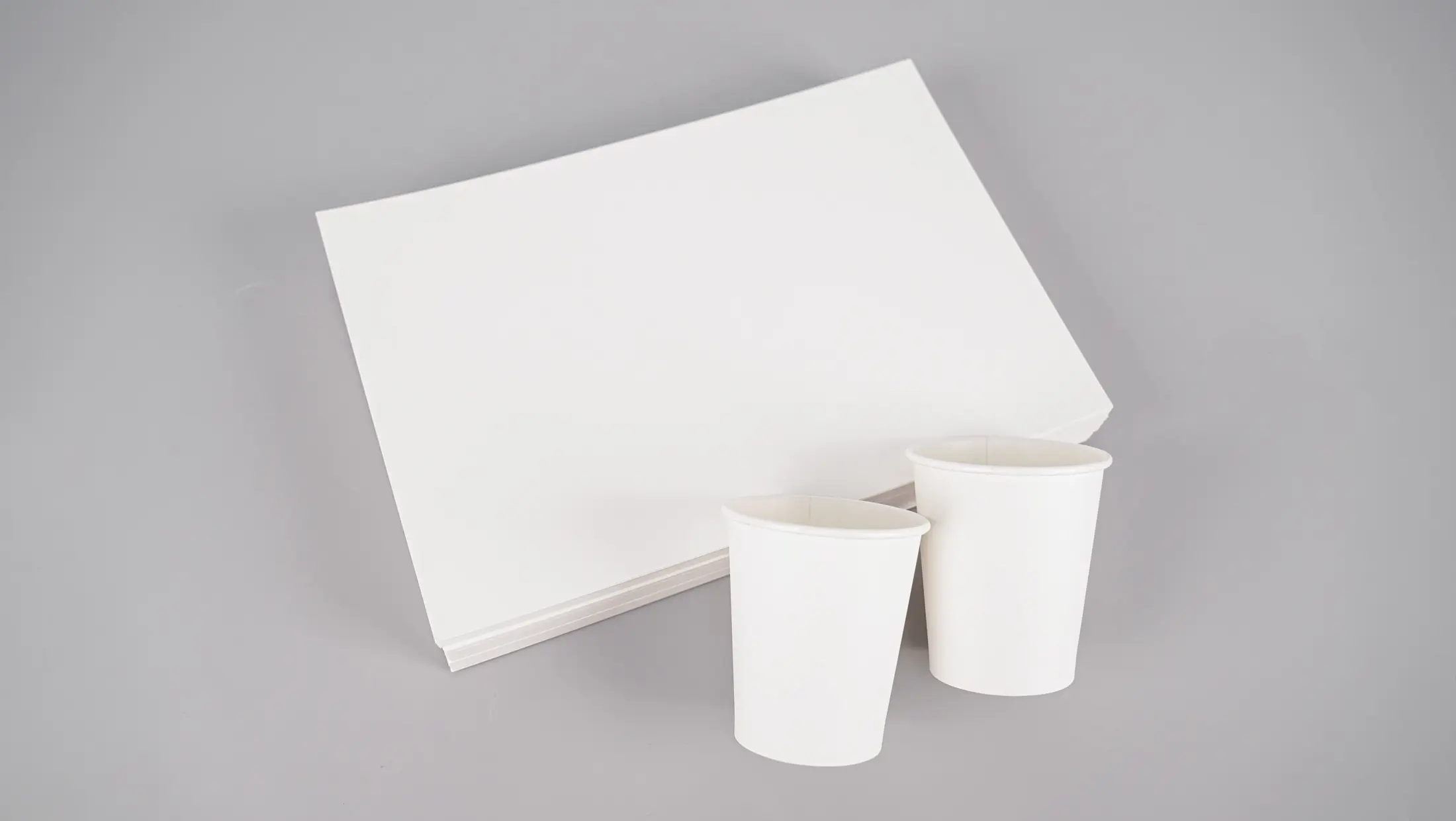
Selecting a kraft paper roll for barrier-critical packaging begins with exposure conditions—not paper color or finish. Polyethylene-coated kraft paper rolls combine a tear-resistant fiber substrate with a moisture-impermeable PE layer, delivering reliable waterproofing, grease resistance, and protection against dust and contaminants. Because the PE layer is heat-sealable, converters can close packages quickly without additional adhesives. These properties make PE-coated kraft ideal for food and liquid packaging, chilled-product wraps, and industrial parts exposed to condensation or damp handling. In direct oil contact, uncoated recycled kraft weakens rapidly; PE-coated material maintains structural integrity throughout transport and storage. That said, barrier performance hinges on seam design and closure quality—even a highly resistant sheet can leak through poorly formed joints. For food applications, always request documentation verifying compliance with intended contact conditions, as surface appearance alone cannot confirm safety or regulatory adherence.
Uncoated Kraft Paper Rolls: Leveraging Natural Porosity and Fiber Strength for Ventilated or Compostable Uses
Uncoated kraft paper rolls retain an open fiber structure that permits air and moisture vapor transmission—making them well-suited for ventilated produce bags, compostable mailers, and interleaving layers where trapped condensation would damage sensitive components or accelerate spoilage. Virgin kraft fiber delivers higher tensile and tear strength than recycled furnish; for heavy-duty uses, verify performance via ISO 2758 burst testing and ISO 1924 tensile strength measurements. Recycled uncoated kraft performs adequately for lighter items but loses wet strength rapidly when exposed to liquids or oils. Without a synthetic barrier, it breaks down reliably in industrial composting environments—supporting circular end-of-life goals. However, this same porosity means it offers no meaningful resistance to grease or liquid penetration. Oil migration will compromise package integrity in greasy bakery applications or direct food contact. Choose uncoated grades only when breathability, recyclability, or compostability are primary objectives—and barrier performance is secondary.
Printability & Surface Behavior: How Coating Affects Ink Adhesion, Color Fidelity, and Finishing on Kraft Paper Rolls
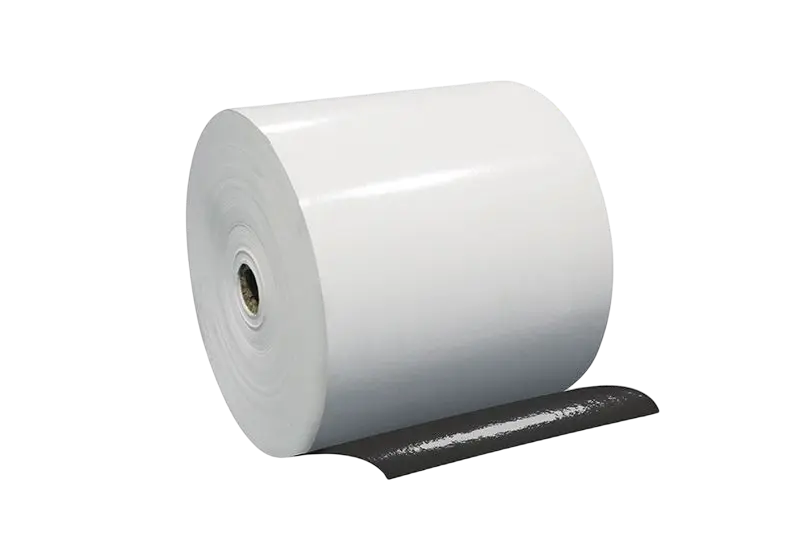
Surface treatment fundamentally shapes how a kraft paper roll accepts ink, holds color, and moves through finishing equipment. As of 2024, the key distinction remains between sealed coated surfaces and open uncoated fibers.
| Property | Coated Kraft Paper Roll | Uncoated Kraft Paper Roll |
|---|---|---|
| Ink holdout | High; pigment stays near the surface | Low; ink wicks into fibers |
| Dot gain | Lower and more predictable | Higher and more irregular |
| Drying | Faster; solvents stay on the sheet | Slower; solvents absorb |
| Best print methods | Flexo, offset, digital toner | Flexo, screen, thermal transfer |
| Typical finish | Gloss, satin, or matte seal | Natural matte, fibrous |
Coated Kraft Paper Rolls: Enhanced Gloss, Faster Drying, and Consistent Ink Holdout
Coated kraft paper rolls feature a mineral or polymer seal applied over the fiber base, filling surface pores and leveling fiber peaks. This allows ink pigments to remain at the surface rather than absorbing into the substrate—resulting in higher color saturation, reduced dryback, and improved consistency across large print runs. Flexographic and offset presses achieve finer halftone screens with less dot gain, while faster solvent and water evaporation enables lower-temperature drying. Gloss levels range from soft satin to high shine, and all coated grades reflect light more evenly than raw kraft. The smoother surface also supports precision decorative processes like foil stamping, spot varnish, and fine reverse text—each requiring stable ink films and minimal fiber strike-through. Digital toner adhesion improves due to reduced electrical and dimensional variation across the sealed surface. Coated kraft excels where brand-critical graphics, accurate color matching, or fine typography must coexist with functional strength.
Uncoated Kraft Paper Rolls: Matte Texture, High Absorbency, and Limitations in Halftone Reproduction
Uncoated kraft retains its naturally porous, lightly textured surface—delivering a matte, tactile aesthetic aligned with eco-conscious branding. Its high absorbency draws ink rapidly into the fiber network, minimizing wet smearing during printing. Yet because pigment and binder sink below the surface, printed colors often appear muted or uneven. Halftone reproduction suffers from irregular dot gain as fine dots spread along fibers. Bold linework, solid logos, and simple type reproduce well using flexographic or screen methods—especially with thicker ink films that compensate for surface roughness. Small text or high-resolution imagery may lose definition unless paired with a primer or overprint varnish. Thermal transfer, pen, and marker compatibility remain strong thanks to the open, non-tacky surface. Designers working with uncoated kraft should prioritize clarity and simplicity to ensure legibility—particularly for labels, tags, or informational packaging.
Application-Driven Selection: Matching Kraft Paper Roll Types to Real-World Industrial Needs
Packaging: From Grease-Resistant Bakery Bags to Compostable Mailers
In packaging, selection hinges on whether the application demands barrier protection—or intentional biodegradability. PE- or clay-coated kraft rolls are standard for bakery bags, fast-food wraps, and oily liners, where preventing oil and moisture penetration is critical. Uncoated kraft roll stock suits compostable mailers, void fill, and dry-goods wrapping: its porosity supports breathability and industrial compostability. Heavy-duty uncoated rolls (60#–90# basis weight) also serve effectively as tier sheets and scratch-protection layers for fabricated metal parts. For wet or greasy products, coated kraft preserves tensile strength and prevents staining—while uncoated options align with paper-first packaging mandates wherever product conditions allow.
Office & Industrial Forms: Carbonless Sets, Labels, and Documents Requiring Pen/Ink Compatibility
Uncoated kraft roll formats dominate carbonless sets, labels, and document forms—thanks to their absorbent surface, which reliably accepts ballpoint pen ink, laser toner, and impact printing without smearing. Coated variants often repel water-based inks or require specialty primers for consistent adhesion. In logistics and healthcare, carbonless rolls generate duplicate or triplicate records without separate carbon sheets. For shipping labels and routed documents, uncoated or lightly sized kraft provides sufficient fiber strength to resist tearing during handling while ensuring crisp signatures and scannable barcodes. Selecting a smooth, low-lint surface further reduces printhead wear in high-volume office and industrial printers.
Finishing & Converting Performance: Folding, Scoring, and Decorative Processes on Coated vs Uncoated Kraft Paper Rolls
Converting behavior differs markedly between coated and uncoated kraft paper rolls. Coated versions resist ink and adhesive penetration—but the coating layer can crack along fold lines if scoring pressure or angle isn’t precisely calibrated. Uncoated rolls fold and score more cleanly, as exposed fibers flex readily; however, they may generate more paper dust during high-speed die-cutting.
| Converting step | Coated kraft paper roll | Uncoated kraft paper roll |
|---|---|---|
| Folding | Risk of coating cracks; requires wider scores and lower dwell time | Clean folds; fibers tolerate repeated flexing without surface fracture |
| Scoring | Needs precise channel depth to avoid cutting through coating | More forgiving; score depth must still avoid weakening fiber network |
| Die-cutting | Sharper dies reduce coating chipping; more frequent die cleaning | Lower dust and less die wear in many production runs |
| Gluing / laminating | Requires surface priming or hot-melt with high initial tack | Open fiber structure absorbs water-based and starch adhesives quickly |
| Decorative finishing | Excellent for UV varnish, film lamination, and foil stamping holdout | Strong for embossing and debossing; foil stamping may need a primer |
When selecting between coated and uncoated kraft for converting, begin with the most demanding downstream process. If the line relies on glossy varnish, high-speed foil application, or precise film lamination, coated stock typically delivers superior results. Where deep scoring, repeated folding, or water-based adhesive bonding is essential, uncoated kraft reduces cracking risk and enhances glue penetration—improving both yield and durability.
FAQ Section
What is the difference between PE-coated kraft paper and uncoated kraft paper?
PE-coated kraft paper has a polyethylene layer that makes it moisture-proof, grease-resistant, and ideal for food packaging or liquid-related applications. Uncoated kraft paper, on the other hand, has an open fiber structure that supports breathability and is suitable for compostable and ventilated uses.
Is coated kraft paper printable?
Yes, coated kraft paper offers enhanced ink adhesion, consistent ink holdout, and faster drying, making it suitable for printing high-quality graphics, fine typography, or consistent color reproduction.
Can uncoated kraft paper be used for oily or greasy products?
Uncoated kraft paper is not ideal for oily or greasy products as it lacks the barrier properties to resist oil and moisture penetration effectively.
Which kraft paper type is better for industrial composting?
Uncoated kraft paper is better for industrial composting as it has no synthetic barriers and breaks down reliably to support circular end-of-life goals.
What applications benefit from coated kraft paper rolls?
Applications that demand gloss, moisture resistance, grease protection, rapid drying, and high-quality printing, such as food packaging, promotional materials, bakery bags, and decorative prints, benefit from using coated kraft paper.
Table of Contents
- Barrier Properties: When Moisture, Grease, or Breathability Dictate Your Kraft Paper Roll Choice
- Printability & Surface Behavior: How Coating Affects Ink Adhesion, Color Fidelity, and Finishing on Kraft Paper Rolls
- Application-Driven Selection: Matching Kraft Paper Roll Types to Real-World Industrial Needs
- Finishing & Converting Performance: Folding, Scoring, and Decorative Processes on Coated vs Uncoated Kraft Paper Rolls
- FAQ Section