


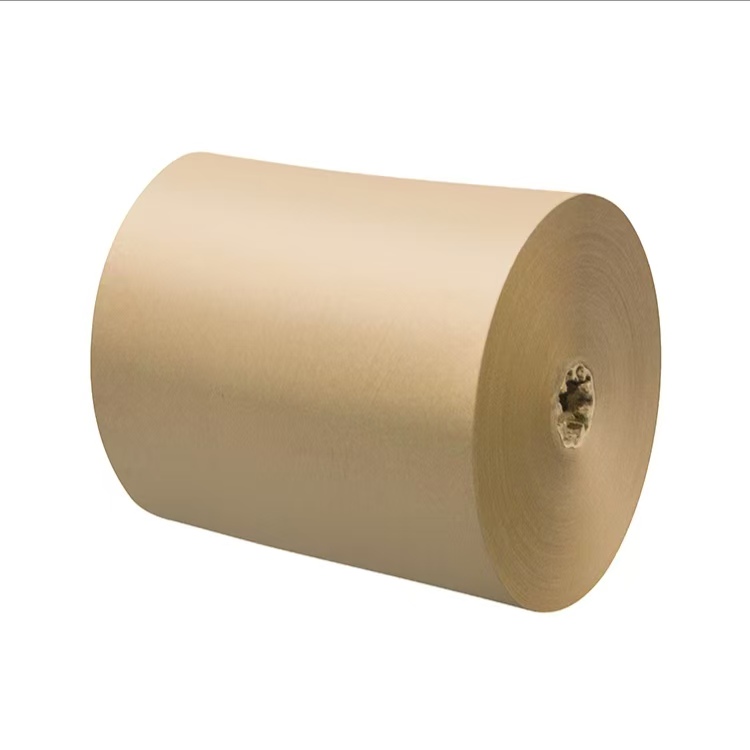
Why Kraft Paper Rolls Are the Cornerstone of Sustainable Packaging
Recyclability, Biodegradability, and Compostability of Kraft Paper Rolls
Kraft paper rolls combine renewable wood fiber with end-of-life pathways that plastic films cannot match. Uncoated kraft paper is fully recyclable in standard paper streams—Europe achieved an 82.5% paper and board recycling rate in 2022 (European Paper Recycling Council, 2023). The kraft pulping process removes lignin while preserving long cellulose fibers, enabling multiple repulping cycles without significant strength loss. When not recycled, uncoated kraft paper degrades via microbial action in industrial or home composting—typically within 2 to 6 weeks, depending on thickness and moisture conditions. This biodegradability eliminates persistent microplastic risk associated with polyethylene liners, which fragment over decades. Compostability is optimal in uncoated, unbleached grades; water-based barrier coatings can retain compostability while adding functional grease resistance. Leading converters deploy these rolls as drop-in replacements for plastic void fill, interleaving, and wrapping—requiring no equipment modification. This triple-end-of-life flexibility—recycling, composting, or safe ambient biodegradation—makes kraft paper a practical backbone for circular packaging programs, not a niche alternative.
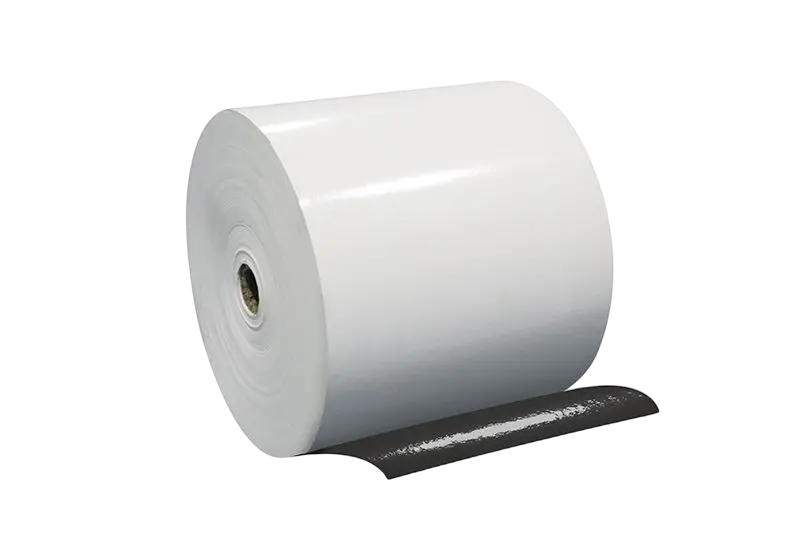
Unbleached Kraft Paper Rolls: Lower Carbon Footprint and Chemical-Free Processing
Unbleached kraft paper rolls eliminate chlorine-based bleaching, reducing chemical inputs and lowering process energy demand. While the kraft pulping process uses cooking chemicals, it recovers most in a closed loop; bleaching adds separate oxidation or extraction stages that increase water use, energy consumption, and effluent complexity. Choosing natural brown kraft paper avoids bleaching-related CO₂ emissions and chlorinated organic compounds. Life-cycle assessments consistently show unbleached kraft paper has a lower carbon footprint than bleached equivalents due to fewer unit operations. Its raw material—wood from sustainably managed forests—is renewable, and mill residuals often fuel bioenergy systems. Modern kraft mills increasingly operate near fossil-free through combined heat and power (CHP) integration. For brands prioritizing clean-label authenticity, unbleached kraft delivers functional strength, high tear resistance, and reliable converting performance—without compromising environmental integrity.
High-Performance Applications of Kraft Paper Rolls Across Key Industries
Kraft paper rolls deliver tensile strength, puncture resistance, and lightweight flexibility—enabling packaging lines to replace plastic films without sacrificing protection. Their ability to hold folds and creases supports stable, high-speed roll handling with minimal web breaks.
Food & Beverage Packaging: Strength, Safety, and Regulatory Compliance
In food and beverage packaging, kraft paper rolls serve dry goods bags, sandwich wraps, takeout containers, and bakery liners. Converters select unbleached or low-linting grades compliant with U.S. FDA and European EFSA food-contact migration limits. Dense fiber formation provides inherent grease resistance and wet strength—critical for chilled, frozen, and shelf-stable products—without delamination. Brands can specify virgin food-grade or recycled-content kraft for secondary packaging, aligning clean-label goals with mechanical performance. Typical food-contact grades range from 40 to 70 g/m², balancing stiffness and flexibility for bag forming, tray lining, and wrapping. When paired with approved water-based barrier coatings, these rolls support reliable heat sealing—reducing leakage in prepared meals and snack applications. As a result, kraft paper rolls function effectively across both primary and secondary food packaging roles.
E-commerce and Retail: Protective, Lightweight, and Brand-Ready Kraft Paper Rolls
E-commerce fulfillment centers rely on kraft paper rolls for void fill, cushioning wraps, and interleaving sheets. Unlike plastic air pillows or foam peanuts, kraft paper tears cleanly by hand and conforms instantly around fragile items—accelerating packing and eliminating single-use plastic from outbound parcels. Its natural brown surface offers a consistent, premium canvas for stamps, labels, or water-based printing—enhancing unboxing without added layers. Most operations select 50–70 g/m² rolls for their optimal balance: compressibility around products, elastic rebound, and tear resistance under tension. Because kraft paper is lightweight, it contributes less dimensional weight than corrugated inserts—supporting freight cost optimization. Industry benchmarks confirm that replacing plastic void fill with kraft paper maintains damage rates comparable to plastic alternatives while reducing per-parcel material weight. This combination of protection, brand expression, and sustainability makes kraft paper rolls a strategic choice for direct-to-consumer packaging.
Innovations Advancing Kraft Paper Roll Performance and Sustainability
Recycled Fiber Integration and Energy-Efficient Production for Kraft Paper Rolls
Recycled fiber integration is transforming kraft paper roll manufacturing. Modern mills blend post-consumer and post-industrial recovered fiber with virgin pulp to sustain tear strength while lowering raw material demand. Process innovations—including closed-loop water systems, high-efficiency pulping, and waste heat recovery—are cutting energy use per ton and reducing greenhouse gas emissions. Machine-glazed kraft grades now integrate recycled content while maintaining smooth surfaces suitable for food-contact and luxury packaging. Real-time automation enables dynamic adjustments to fiber ratios and drying parameters—improving batch consistency and reducing variability. This convergence of circular inputs and cleaner production makes kraft paper rolls a technically viable, scalable substitute for less sustainable substrates.
Water-Based Coatings and Barrier Technologies for Enhanced Functionality
Water-based coatings are expanding kraft paper’s functionality in moisture- and oil-sensitive applications. Barrier layers derived from starches, bio-polymers, or mineral dispersions deliver targeted grease and water resistance—while preserving recyclability and repulpability. These single-material solutions replace multi-layer plastic films in foodservice trays, frozen food wraps, and protective mailers—where moisture or oil resistance is critical. Because coated kraft remains compatible with existing paper recycling infrastructure, it helps converters meet brand sustainability targets and recyclability standards without retooling downstream processes.
Market Momentum: Drivers Accelerating Global Demand for Kraft Paper Rolls
The global kraft paper roll market is expanding as brands shift from plastic films and foams to recyclable, paper-based alternatives. The kraft paper segment is projected to reach USD 18.7 billion in 2025 and grow at a compound annual growth rate (CAGR) of 4.2% through 2032. Broader paper packaging demand is expected to surpass USD 500 billion by 2032—creating strong, sustained pull for kraft paper rolls across converting lines.
Regulatory pressure is a primary catalyst: single-use plastic bans and extended producer responsibility (EPR) laws are shifting disposal costs to producers, making recyclable kraft paper rolls economically compelling. Consumer preference for compostable and recyclable packaging further accelerates adoption—particularly in food delivery, quick-service restaurants, and catering.
Regional momentum reflects localized drivers:
| Region | Projected CAGR | Main Driver |
|---|---|---|
| China | 5.4% | Booming e-commerce and shipping demand |
| India | 5.9% | Expanding consumer goods and packaging sector |
| Thailand | 4.8% | Growth in food and retail exports |
Specialty kraft paper—including sack kraft grades—accounted for 82.5% of the market in 2024, underscoring demand for high-strength kraft paper rolls in logistics, food, and heavy-duty packaging. Together, these forces position kraft paper rolls as a foundational material in the global transition to circular packaging.
FAQ Section
What are the environmental benefits of kraft paper rolls compared to plastic films?
Unlike plastic films, kraft paper rolls are recyclable, biodegradable, and compostable, making them ideal for sustainable packaging programs.
What industries commonly use kraft paper rolls?
Kraft paper rolls are widely used in food and beverage packaging, e-commerce, logistics, and direct-to-consumer retail, focusing on protection and environmental sustainability.
Do kraft paper rolls perform well in food-contact applications?
Yes, kraft paper rolls—especially grades compliant with FDA and EFSA—offer strength, grease resistance, and wet durability essential for food-contact use.
Are kraft paper rolls cost-effective in logistics and retail applications?
Yes, kraft paper rolls reduce dimensional weight, minimize plastic dependency, and optimize freight costs, making them highly efficient for logistics and retail industries.
How do water-based coatings improve kraft paper rolls?
Water-based barrier coatings enhance functionality by providing moisture and oil resistance while maintaining recyclability and compatibility with existing recycling infrastructures.
Table of Contents
- Why Kraft Paper Rolls Are the Cornerstone of Sustainable Packaging
- High-Performance Applications of Kraft Paper Rolls Across Key Industries
- Innovations Advancing Kraft Paper Roll Performance and Sustainability
-
Market Momentum: Drivers Accelerating Global Demand for Kraft Paper Rolls
- FAQ Section
- What are the environmental benefits of kraft paper rolls compared to plastic films?
- What industries commonly use kraft paper rolls?
- Do kraft paper rolls perform well in food-contact applications?
- Are kraft paper rolls cost-effective in logistics and retail applications?
- How do water-based coatings improve kraft paper rolls?