
Material and Structural Design of Custom Plastic Cups
PET, PP, and PLA: Matching Material Properties to Beverage Temperature and Sustainability Goals
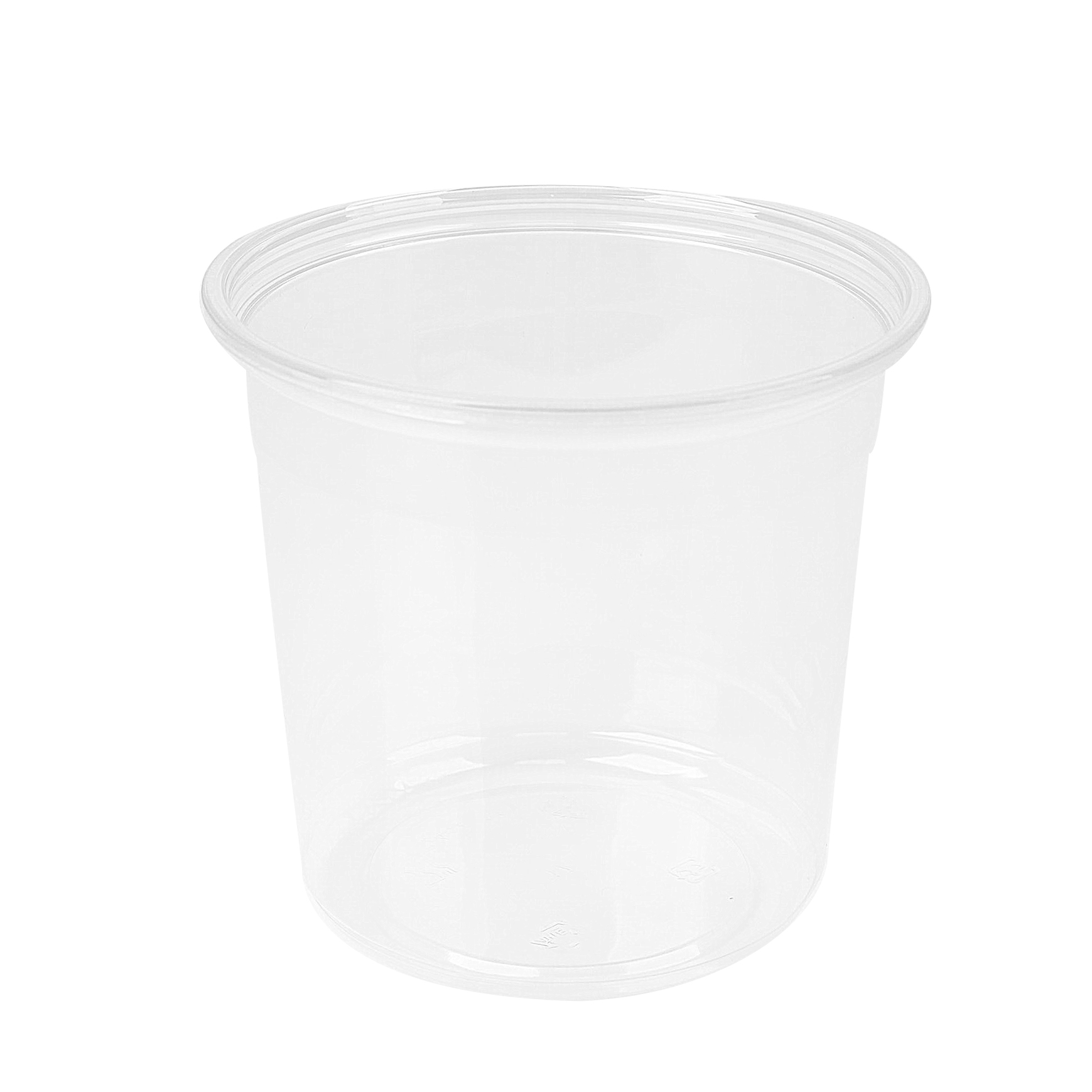
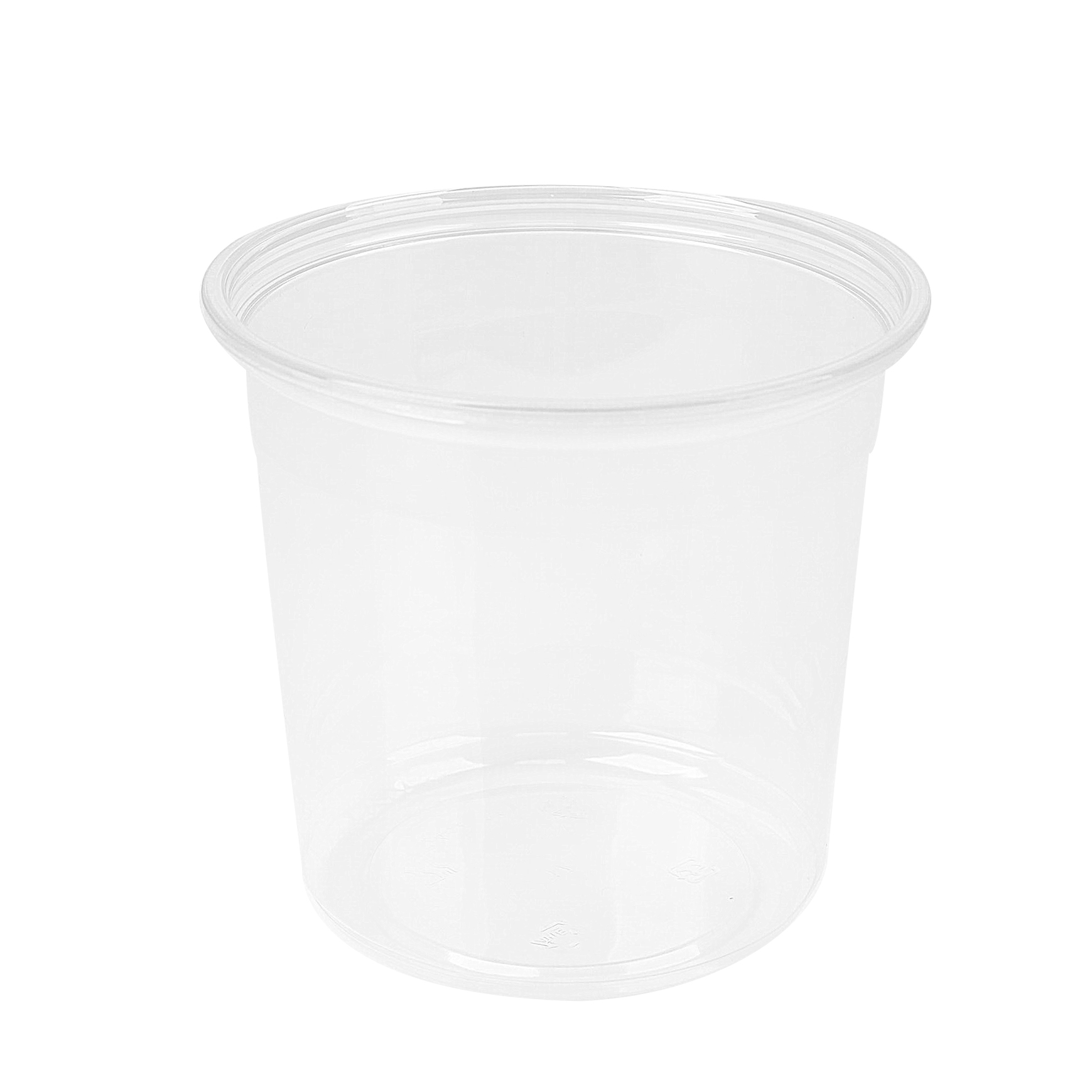
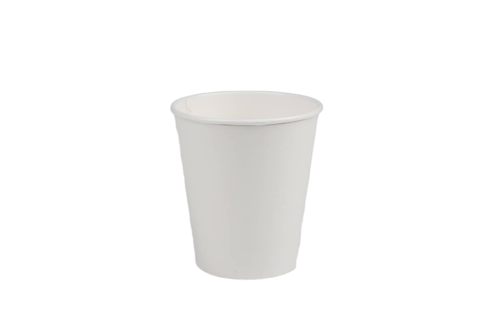
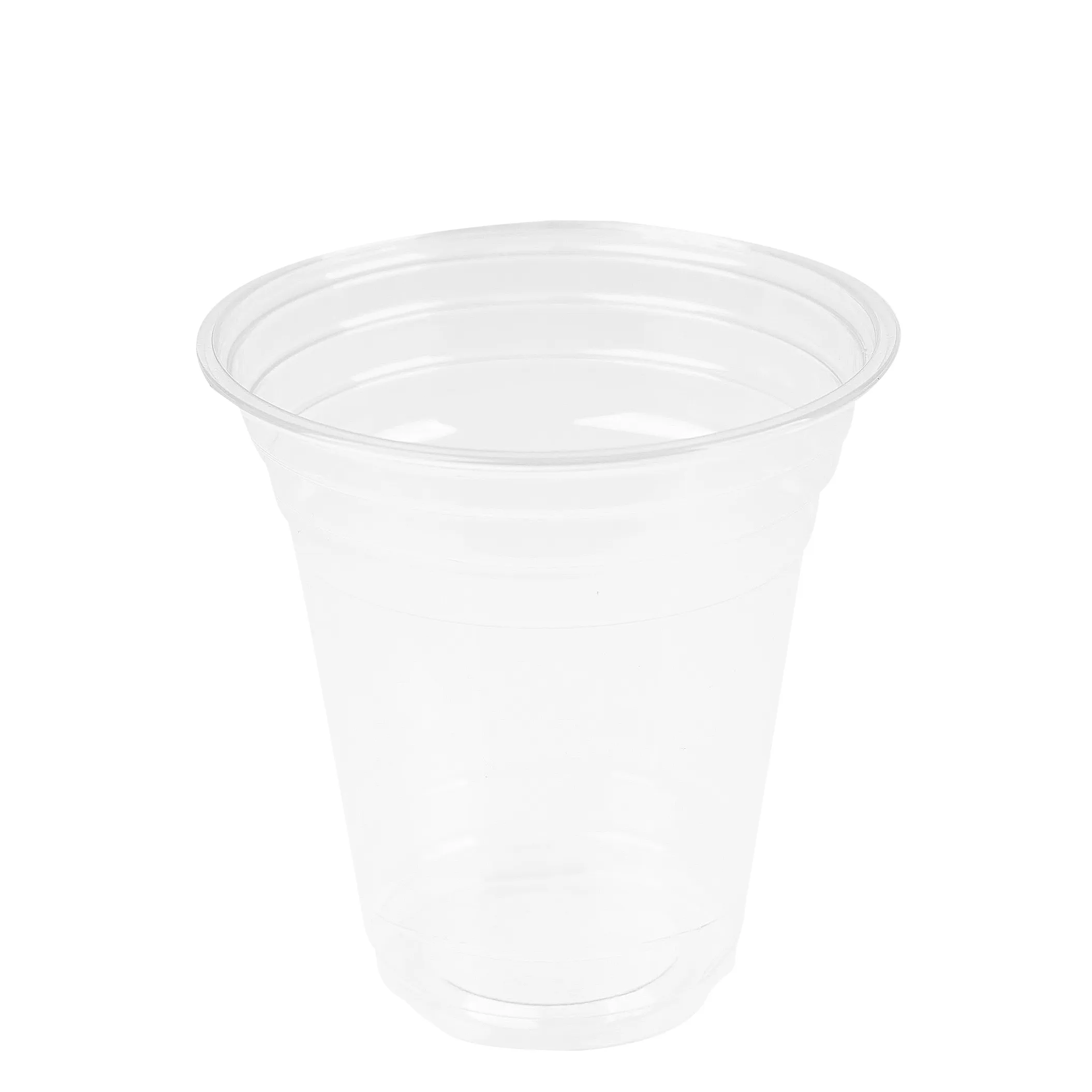
When picking out materials for those custom plastic cups, manufacturers need to find that sweet spot between how well they handle temperature changes and what kind of mark they leave on the environment. Take polyethylene terephthalate or PET for instance. This stuff is great at keeping drinks looking clear and fresh, especially when serving something like iced coffee. The material holds up pretty well until temperatures hit around 120 degrees Fahrenheit. Then there's polypropylene (PP), which can take much hotter temps all the way up to boiling point at 212 degrees. That makes PP perfect for things like hot coffee or tea, plus it doesn't wear down so easily when lids get opened and closed repeatedly. Eco friendly options include polylactic acid (PLA) made from corn or sugarcane. While PLA containers can be composted in industrial settings, their heat resistance tops out at about 110 degrees, meaning they work best for cold drinks rather than anything steaming hot.
What materials we pick makes a real difference when it comes to carbon footprints. Production of polypropylene (PP) actually releases about 30 percent less CO2 compared to polyethylene terephthalate (PET). And if we look at polylactic acid (PLA), studies show that when it breaks down in controlled settings, it puts out around 70% fewer greenhouse gases than regular plastics do. The latest report from the Sustainable Packaging Coalition in 2023 points out something interesting too: companies have been jumping on the PLA bandwagon, with adoption rates going up roughly 40% since 2021 as they chase those net-zero targets. Still, PET and PP continue to hold most of the market share mainly because their recycling systems are already well established and these materials work better for a wider range of packaging needs.
Lid-Cup Integration Engineering: Ensuring Compatibility Across Sizes (8 oz–24 oz) and Closure Types
Precision engineering ensures leak-proof performance across cup dimensions and lid configurations. Key design considerations include:
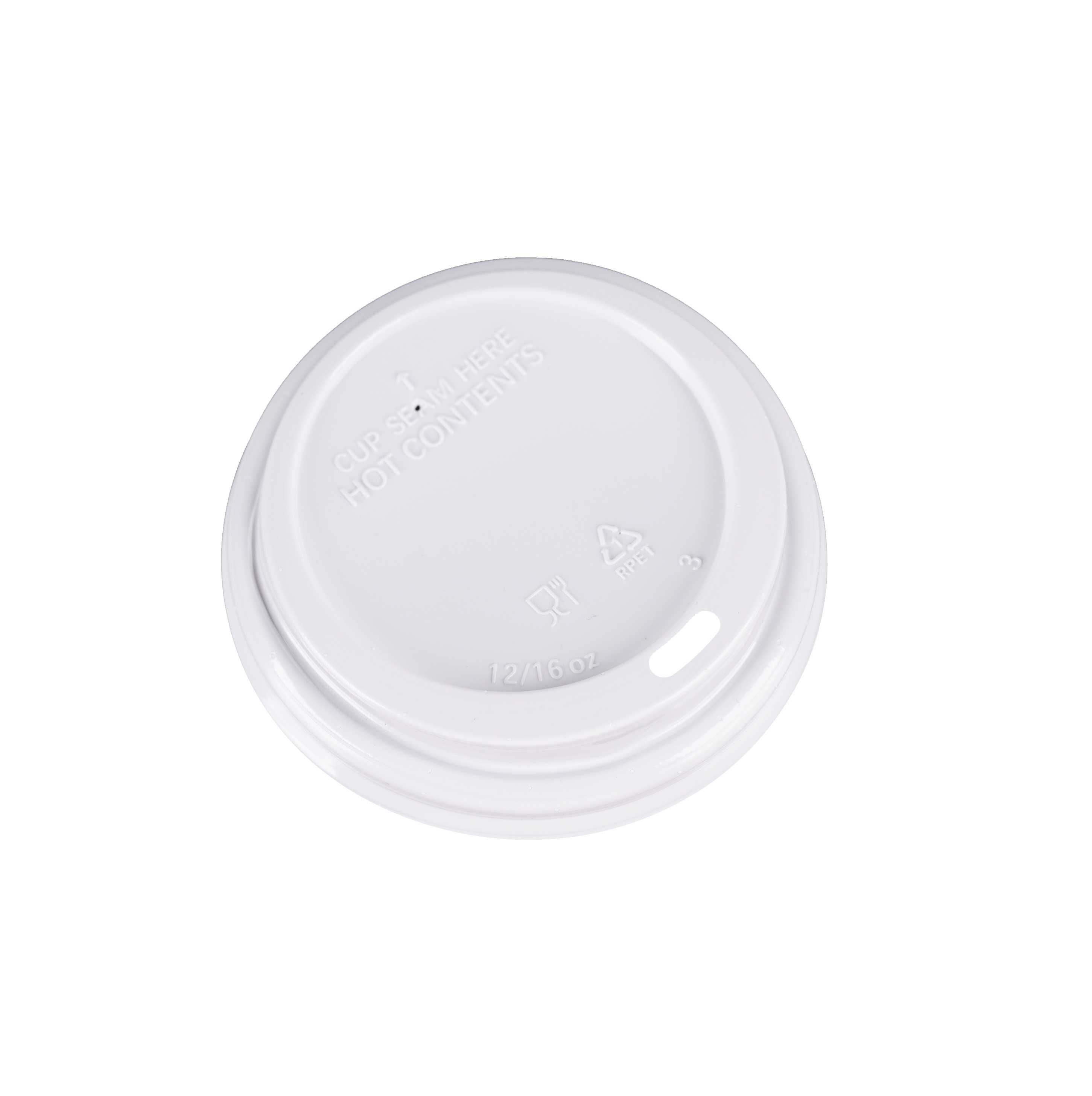
- Sealing Mechanisms: Dual-cavity silicone gaskets in snap-fit lids create vacuum seals for 16–24 oz tumblers; shorter 8–12 oz cups use single-gasket friction seals
- Structural Reinforcement: Ribbed sidewalls prevent deformation during stacking, with wall thickness calibrated to ounce capacity (1.2mm for 8 oz vs. 2.1mm for 24 oz)
- Closure Versatility: Patented hinge designs support sip-and-slide, press-to-close, and straw-penetration options without compromising tensile strength
Thermoforming tolerance thresholds below ±0.3mm ensure uniform rim geometry—critical for maintaining FDA-compliant seal integrity across 98% of production batches. Drop tests conducted by the International Foodservice Manufacturers Association (2024) found PP-based cups with contour-matched lids sustained zero leaks after 50+ impacts at 1.5m heights.
Brand-Centric Customization for Custom Plastic Cups
Logo Placement, Color Strategy, and Print Techniques That Maximize Brand Visibility
Where we put logos makes all the difference for remembering brands later on. Putting them right in the middle, close to the edge, or wrapping around containers affects how well people remember what they see. When logos sit vertically above where hands typically grab items, folks notice them about 30 percent more than when placed at the bottom. Colors matter too because our brains react differently to various hues. Bright contrasts like navy blue against ivory backgrounds can make logos pop out even when there's lots going on around them, studies show this improves recognition rates by roughly 40% at busy places such as coffee shops during rush hour. Talking about lasting power, digitally printed logos hold up through over 500 dishwashing sessions without fading much, which is great news for restaurants needing long term solutions. Screen printing still wins hands down for simple one color designs when budgets are tight. And finish choices? Matte surfaces cut down reflections so logos stay visible under harsh sunlight outdoors, whereas glossy coatings really make colors stand out inside buildings with artificial lighting.
Minimalist vs. Bold Aesthetics: Aligning Visual Design with Target Audience Expectations
When it comes to premium brands aimed at professionals, studies show they get around 23 percent better engagement when going for clean, minimalist looks with just hints of metal or sticking to single color palettes. For younger audiences, think sports events and festival culture, brands that go all out with sharp geometric shapes and those eye-popping neon touches tend to see about 35% more sharing on social media platforms. Adding textures really makes a difference too. Think embossed branding or glass bottles with frosted effects, these details give products something extra that stands out in hand, particularly important for high-end drinks. Getting the look right matters a lot though. Healthcare companies often stick with gentle pastel colors because people associate them with safety and reliability. Meanwhile, tech startups are all over those wild digital patterns that scream cutting edge innovation. Brands that mix their visual style with what their customers expect? That can drop repeat purchases by nearly a quarter according to recent market analysis.
Functional Performance: Leak Resistance, Ergonomics, and User Experience
How Lid Design Enables Spill-Proof Portability for On-the-Go Consumers
Custom plastic cups that don't leak depend heavily on how well their lids are designed for people who are always on the move. The secure snap on tops come with silicone rings that form tight seals against spills even when someone bumps into them while walking or running. Many designs now include better handles shaped to fit comfortably in hands and openings that let people drink easily without taking off the lid at all. Some models feature special straw holes that lock closed and rounded lids that just won't let anything escape. These improvements really make a difference. According to field tests, when manufacturers get the connection between cup and lid right, they cut down on leaks by more than 80 percent. That means fewer soaked backpacks and happier users everywhere.
Industry-Specific Use Cases for Custom Plastic Cups
Foodservice & Hospitality: Optimizing Cup–Lid Systems for Iced Coffee, Smoothies, and Craft Cocktails
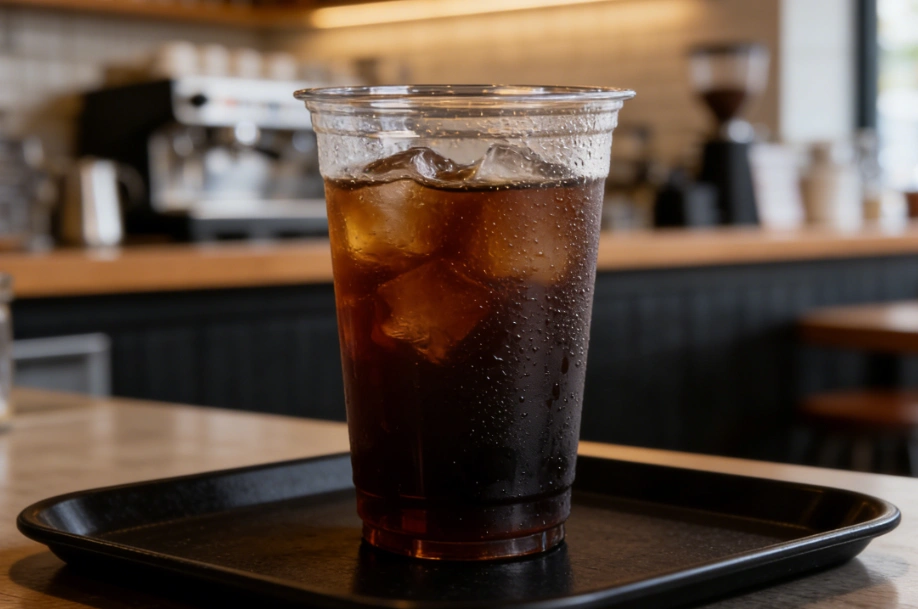
Plastic cups made for the hospitality industry come with special seals that stop drinks from leaking even when they're constantly moved around. When making iced coffee, we need cups made from rigid PET material combined with those friction fit sip lids that keep the drink cold as it travels from counter to table. Smoothies are another story entirely. These thicker beverages require cups with stronger sides and larger straw holes so they don't squish or deform under pressure. Craft cocktail lovers will appreciate the dome shaped lids that have built in spots for olives or citrus slices, keeping everything looking presentable while preventing spills. Most places stick to standard sizes ranging from 8 ounces up to 24 ounces because these work with almost all commercial dispensers out there. This consistency makes life easier for staff and creates a familiar drinking experience whether someone grabs a latte at a cafe, orders something from a food truck, or stops by a fast food restaurant.
Corporate Gifting, Events, and Promotional Campaigns: Driving Engagement Through Branded Custom Plastic Cups
Custom cups act like walking billboards for companies at various points where people interact with their brand. At trade shows, those cups with logos printed on them actually create around three times more daily impressions compared to regular flyers because people carry them around and become walking advertisements themselves. When it comes to gift giving, items with seasonal designs stick in memory better than boring old t-shirts or pens. People remember these special looking gifts and form stronger connections with the brand behind them. Limited edition runs really get people talking online too. According to recent marketing reports from last year, collectible cup series boost user generated content by almost half. For businesses wanting to show they care about the environment, there are now thermoformed PLA cups available that fit right into green initiatives. These eco friendly options let companies maintain high profile presence at events without compromising their environmental values during conferences, new product unveilings, or when showing appreciation to staff members.
FAQ Section
What materials are commonly used in custom plastic cups?
Common materials for custom plastic cups include polyethylene terephthalate (PET), polypropylene (PP), and polylactic acid (PLA). Each material has unique properties suitable for different beverage temperatures and environmental goals.
How do plastic cup materials impact sustainability?
Material choice significantly affects sustainability. PP production emits 30% less CO2 than PET, and PLA, which is compostable, emits 70% fewer greenhouse gases than conventional plastics when decomposed in controlled settings.
How are lids designed to prevent leaks?
Lid designs often include secure snap-on tops with silicone rings and precision engineering to ensure tight seals, reducing leaks by over 80%, which is crucial for on-the-go consumers.
Why is logo placement important on custom plastic cups?
Logo placement is crucial for brand recognition. Logos placed in prominent spots like vertically above where hands grab the cup enhance visibility and memory recall.