
Material Profiles: PET, PP, and PLA for Custom Plastic Cups
PET Cups: Crystal Clarity and Optimal Performance for Cold Beverages
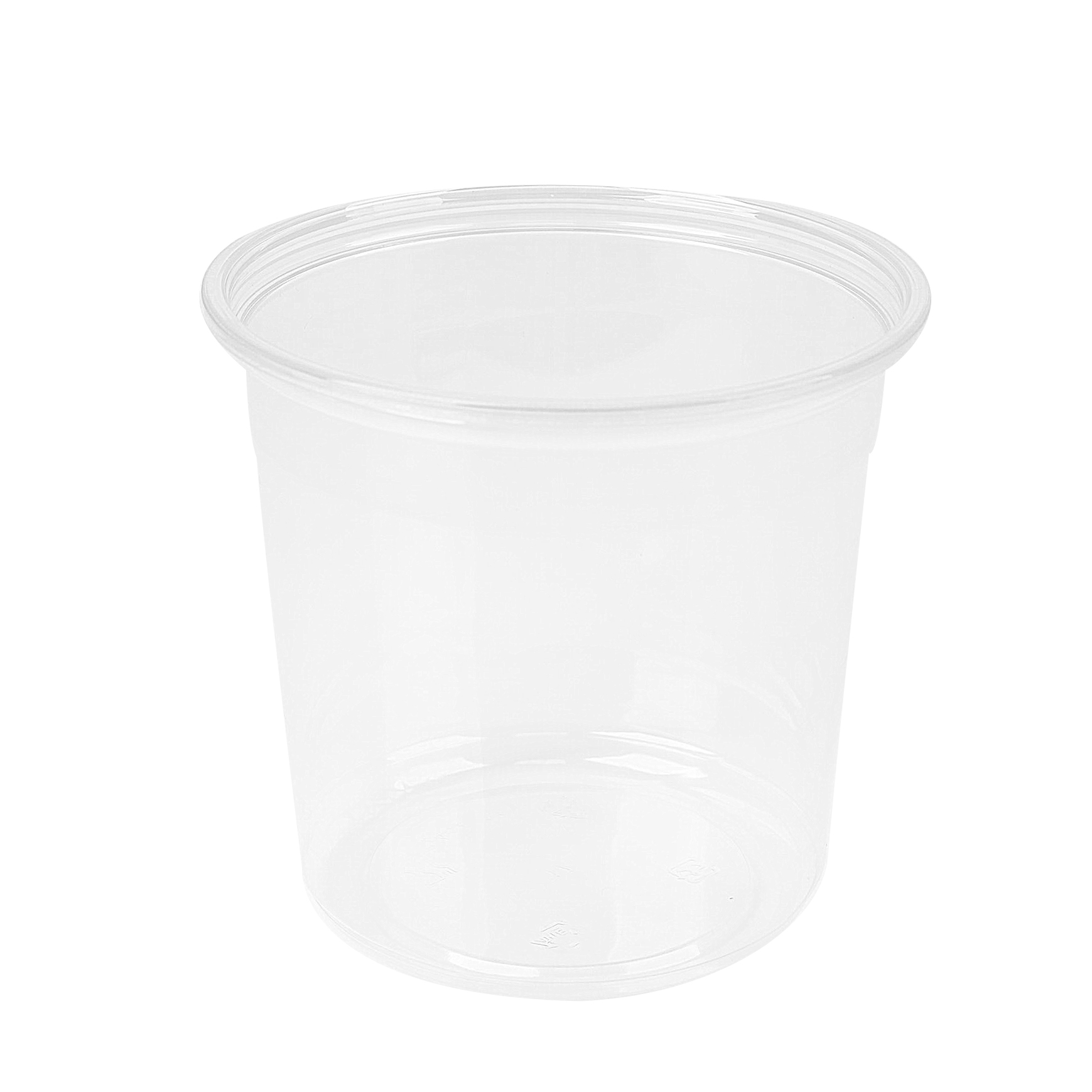
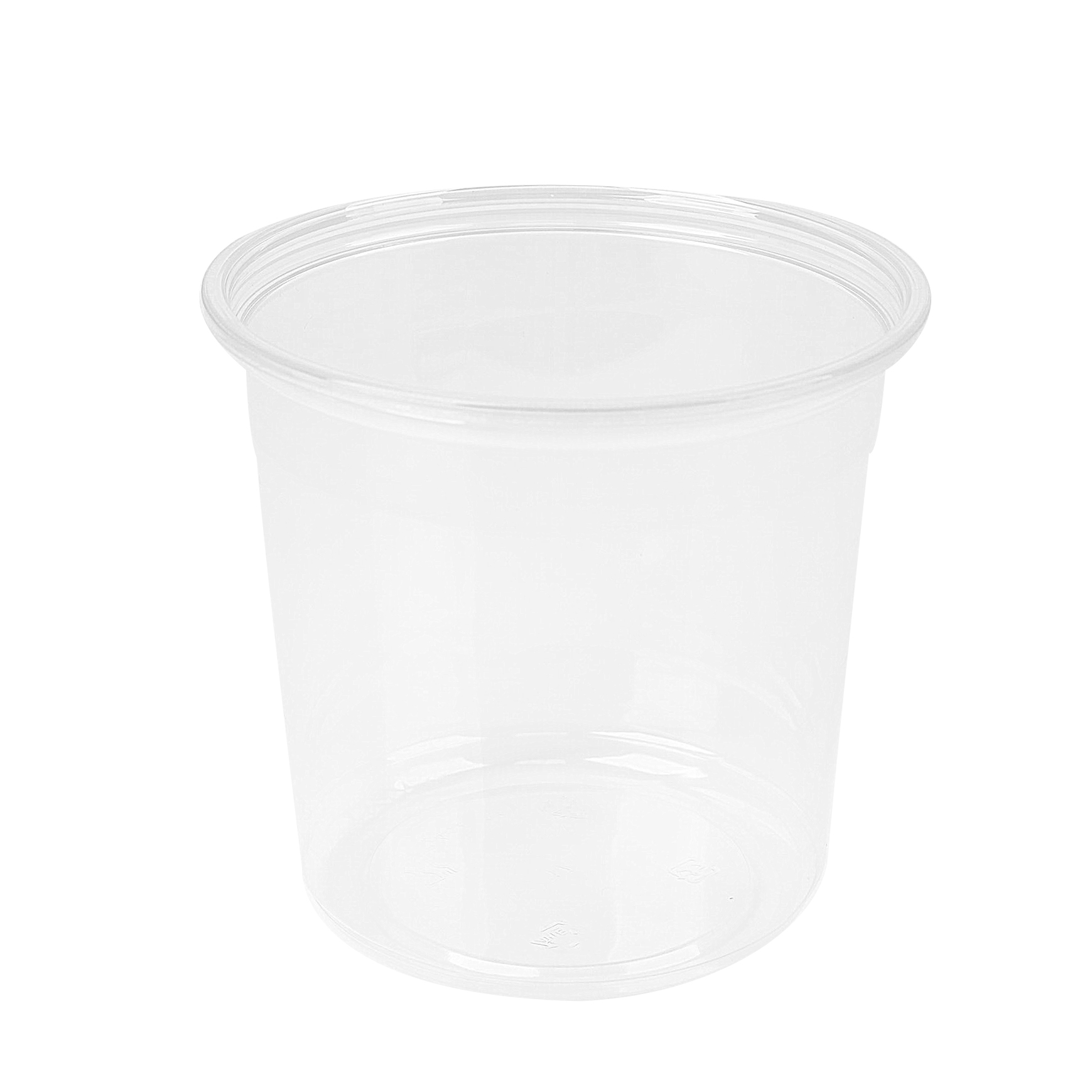
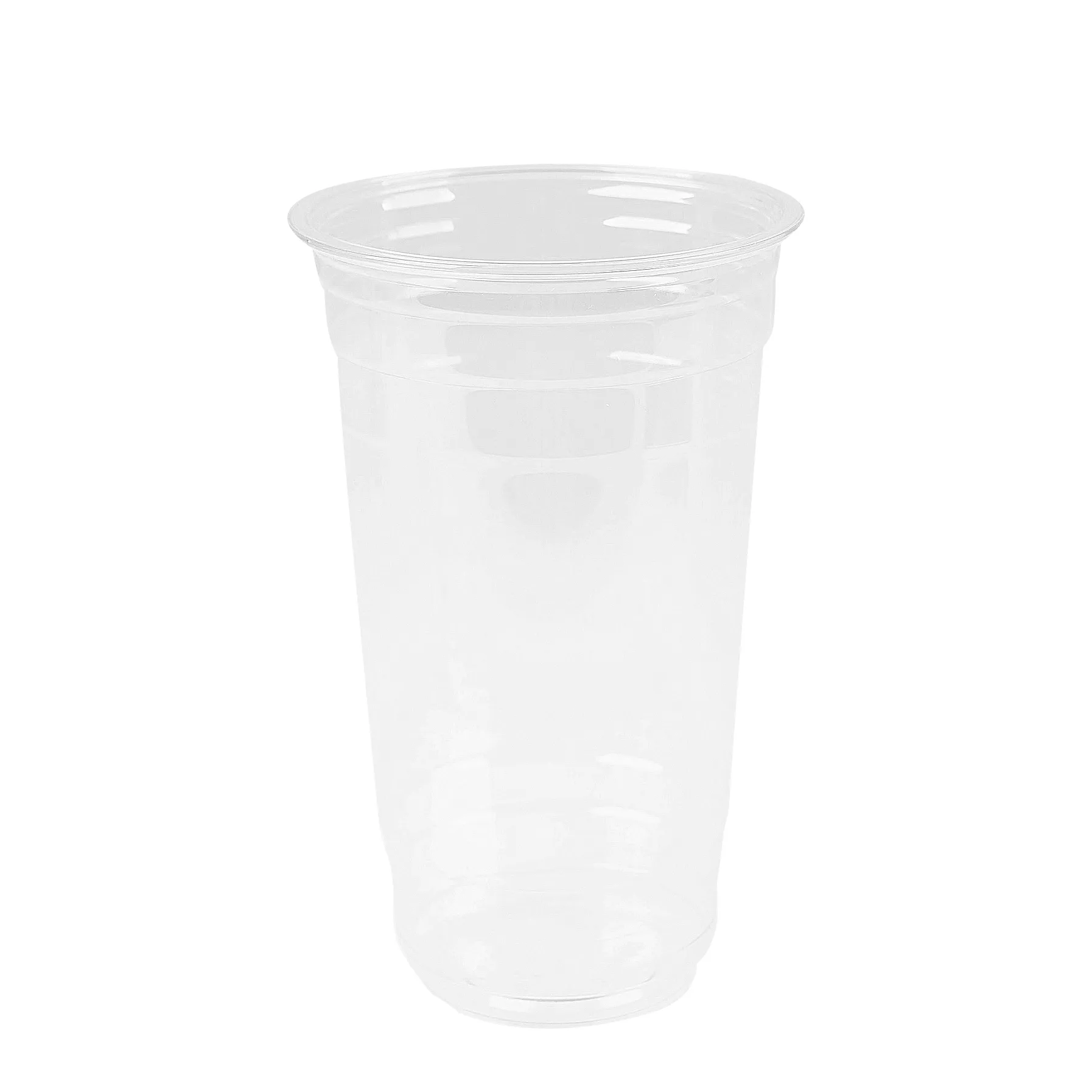
PET plastic offers great clarity and can take quite a beating without breaking, which makes it perfect for displaying those refreshing drinks we all love so much, whether its a green smoothie or that morning cup of iced coffee. The material stays firm even when chilled, so bottles don't get all squishy in the fridge, plus they feel nice and solid in hand when customers pick them up. Most people know PET is recyclable, marked with number 1 on the bottom, but important to remember these containers aren't good for hot liquids over about 140 degrees Fahrenheit. Heat actually starts to break down the plastic over time and might let chemicals escape into whatever's inside. Another big plus? PET creates a really effective moisture barrier that stops condensation from forming on the outside of containers. This matters a lot in places like supermarkets or outdoor events where humidity levels tend to run high.
PP Cups: Heat Resistance and FDA-Compliant Versatility for Hot Drinks and Food
Polypropylene or PP can handle heat all the way up to 212 degrees Fahrenheit (that's 100 Celsius) without warping, which is why it stands out as the only widely used thermoformed plastic that works safely in microwaves when heating things like soup, hot cocoa, or even steamed meals. What makes this material special is its semi crystalline makeup that actually resists oils, acids, and steam exposure while still passing those strict FDA tests for food contact safety. When compared to PET plastics, PP keeps its flexibility even when really cold, so there's less chance of cracking when serving frozen desserts from containers made with this stuff. Even though PP is technically recyclable under resin code number 5, most places aren't doing much about it yet since nationwide recycling rates hover around only 3 percent according to the U.S. Environmental Protection Agency data from 2023. Before switching to PP products, businesses should check what facilities exist locally for proper disposal options.
PLA Cups: Renewable, Compostable Custom Plastic Cups for Sustainable Cold Service
PLA comes from fermented plant starches like corn or sugarcane and serves as a carbon neutral option for serving cold drinks. The compostable cups will completely decompose in around 90 days if placed in proper industrial composting facilities, which helps keep plastic out of landfills. There are some downsides though. PLA starts to soften when temperatures exceed 110 degrees Fahrenheit and doesn't block oxygen or carbon dioxide as effectively as PET does. This can actually reduce how long acidic beverages or sodas stay fresh on store shelves. With only about 15 percent of U.S. counties having access to commercial composting according to BioCycle data from 2024, companies need to check what their local area can handle before going with PLA products. Putting these cups in the wrong bin can mess up both recycling and composting systems, creating problems for everyone involved.
Key Selection Criteria: Heat Tolerance, Clarity, and End-of-Life Options
Matching Thermal Requirements: Why PP Outperforms PET for Hot Applications
Polypropylene (PP) holds up much better against heat than polyethylene terephthalate (PET). PET starts to warp around 70 degrees Celsius or 158 Fahrenheit, whereas PP stays solid all the way up to 100 degrees Celsius which is when water boils. For things like coffee, soup, or food heated with steam right in the container, PP is pretty much the only option that works safely among these materials. PET does have benefits for cold drinks thanks to its clear appearance and sturdy build, but those same qualities turn against it when exposed to warmth. The material can actually pose safety risks, damage how customers view the brand, and erode consumer confidence over time. Anyone handling items warmer than room temperature would be wise to go with PP containers instead of PET, unless there's some other kind of protection system already in place like insulated sleeves or separate outer packaging.
Recyclability vs. Commercial Composting: Navigating Resin Codes and Facility Access
End-of-life outcomes depend less on material labels than on local infrastructure. Here's how each resin performs in practice:
| Material | Resin Code | Primary Disposal Route | Critical Consideration |
|---|---|---|---|
| PET | 1 | Curbside Recycling | Widely accepted, but mechanical recycling degrades quality after 2–3 cycles; best suited for closed-loop programs |
| PP | 5 | Specialized Recycling | Limited municipal acceptance; requires proactive vetting of regional MRF capabilities |
| PLA | 7 | Industrial Composting | Not home-compostable; contaminates recycling streams if misrouted; verify facility certification (e.g., BPI or TÜV Austria) before procurement |
Strategic selection means matching material to infrastructure—not just sustainability claims. For example, PP cups make sense in cities with emerging polypropylene recovery programs, while PET fits regions with mature PET recycling. PLA belongs exclusively where certified composting is contractually guaranteed.
Application Alignment: Matching Custom Plastic Cups to Real-World Use Cases
Choosing the correct plastic cup for custom orders really comes down to matching what materials can do with how they'll actually be used rather than just focusing on marketing stuff. Places like smoothie bars, juice stands, and sports events often go for PET because it stays clear, doesn't break easily, and keeps carbon dioxide locked in so fizzy drinks stay bubbly while also looking good on display. For coffee shops, mobile food vendors, and those meal delivery kits that everyone loves these days, polypropylene (PP) makes sense since it handles heat well, seals properly when lids are applied, and meets all the FDA requirements needed for serving hot soup, lattes, or even quick bite meals. And lately we've seen more outdoor events, business conferences, and college campuses switching to PLA plastic cups whenever they have arrangements with proper composting facilities nearby. This approach turns single use items into actual environmental achievements instead of just regular trash.
Three alignment factors drive optimal decisions:
- Volume vs. Sustainability Trade-offs: High-turnover venues (theme parks, stadiums) often prioritize PET's cost efficiency and recycling readiness; eco-focused cafés may absorb PLA's 15–25% price premium for measurable landfill diversion.
- Branding Leverage: Full-color printing adheres exceptionally well to PET and PP surfaces, turning cups into high-impact mobile advertisements—studies indicate 68% brand recall for vividly branded drinkware in food court settings.
- Functional Demands: Carbonated beverages require PET's superior gas barrier; oily or acidic foods (e.g., dressings, citrus-based drinks) demand PP's chemical resistance; cold, non-acidic service (e.g., water stations, yoga studios) suits PLA when composting is assured.
Ultimately, food service operators should conduct a workflow audit—assessing storage conditions, peak serving temperatures, lid compatibility needs, and existing waste vendor contracts—before finalizing cup specifications. That disciplined approach ensures performance, economics, and environmental responsibility reinforce—not undermine—each other.
FAQ
What are the differences between PET, PP, and PLA cups?
PET cups offer clarity and are suitable for cold beverages, PP cups provide heat resistance and versatility in microwaves, and PLA cups are compostable within industrial composting facilities but are not suitable for hot liquids.
Can PET and PP cups be recycled?
PET is widely recyclable through curbside programs, while PP requires specialized recycling facilities which are limited.
Are PLA cups environmentally sustainable?
PLA cups are sustainable if they are processed in industrial composting facilities, which are limited in availability. They should not be placed in regular recycling or composting bins improperly.
Is the custom plastic cups safe for cold and hot beverages?
The cup is primarily designed for cold or room-temperature drinks. For hot beverages, heat-resistant versions should be used.