



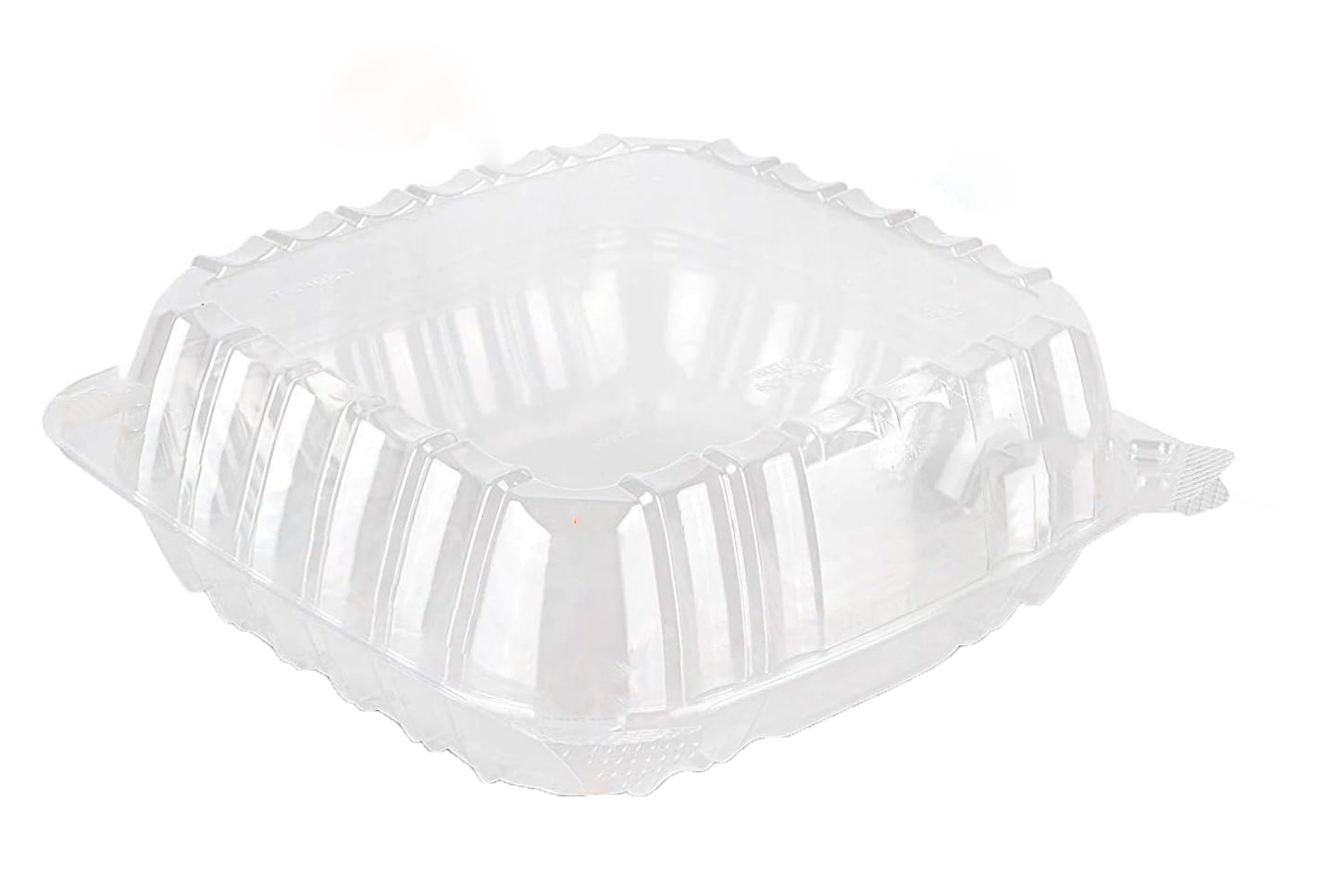
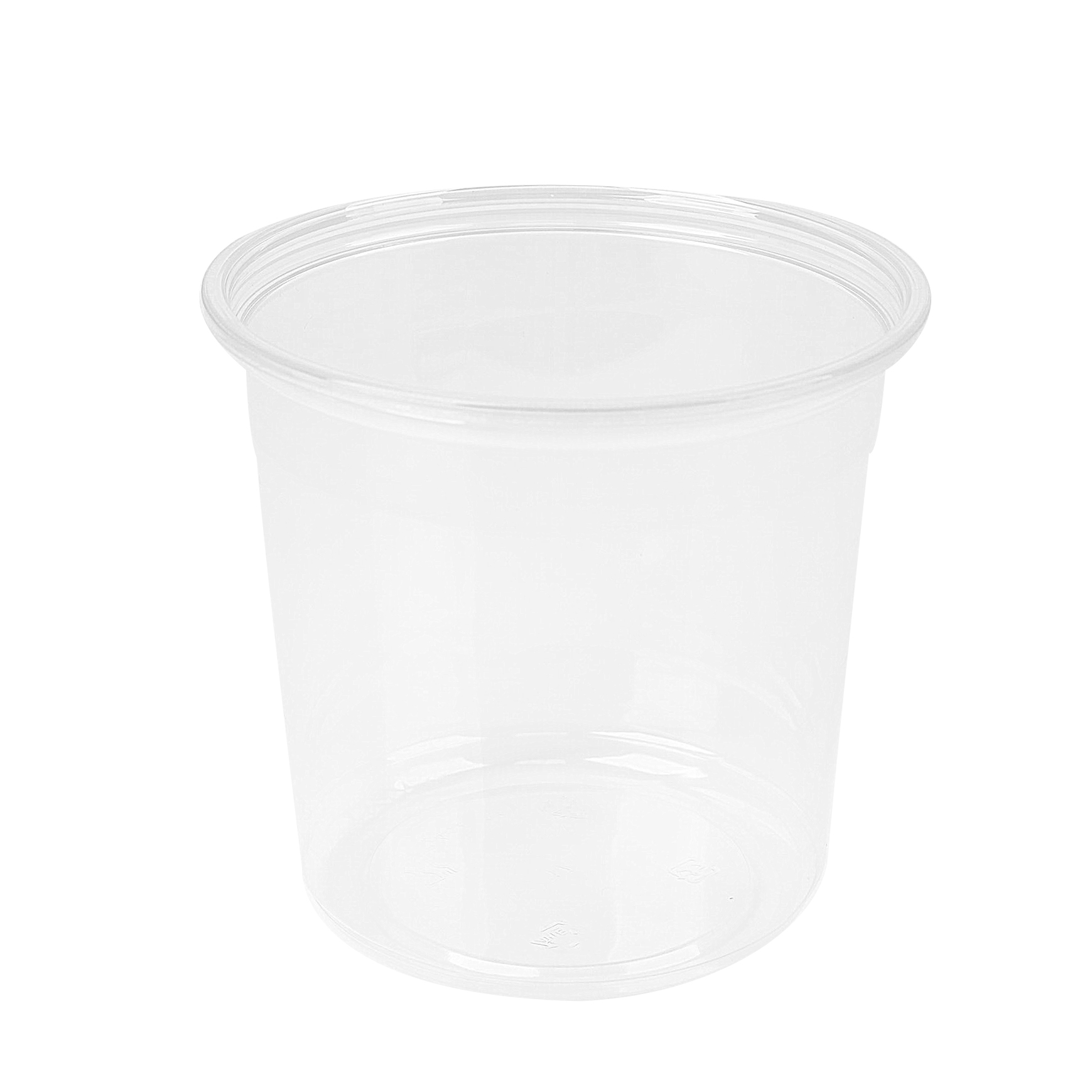
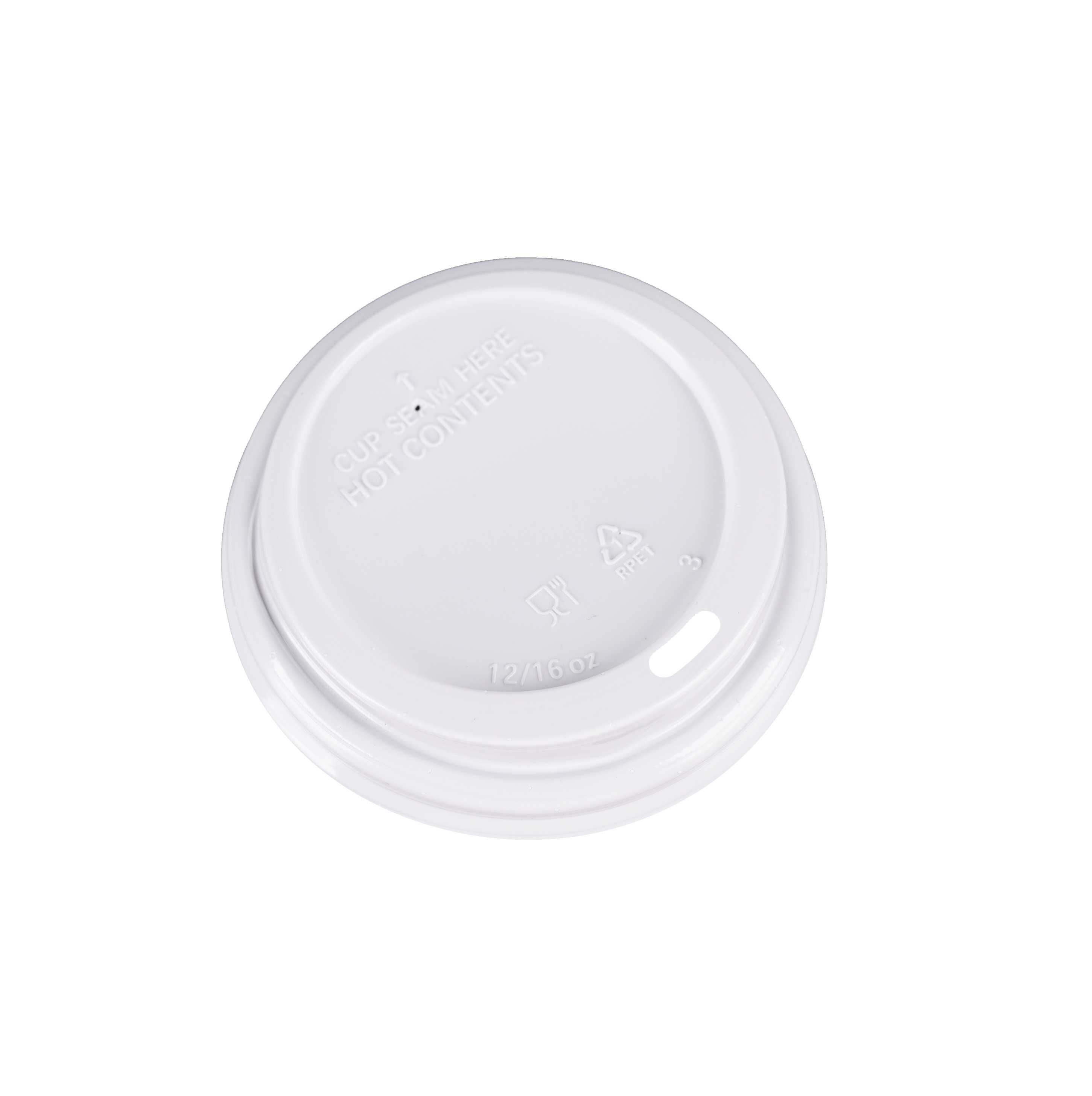
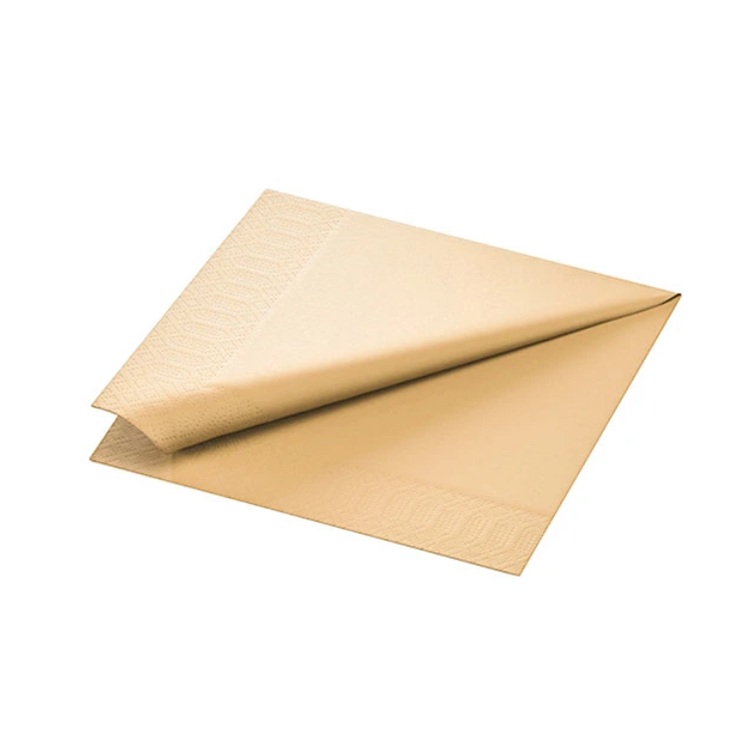
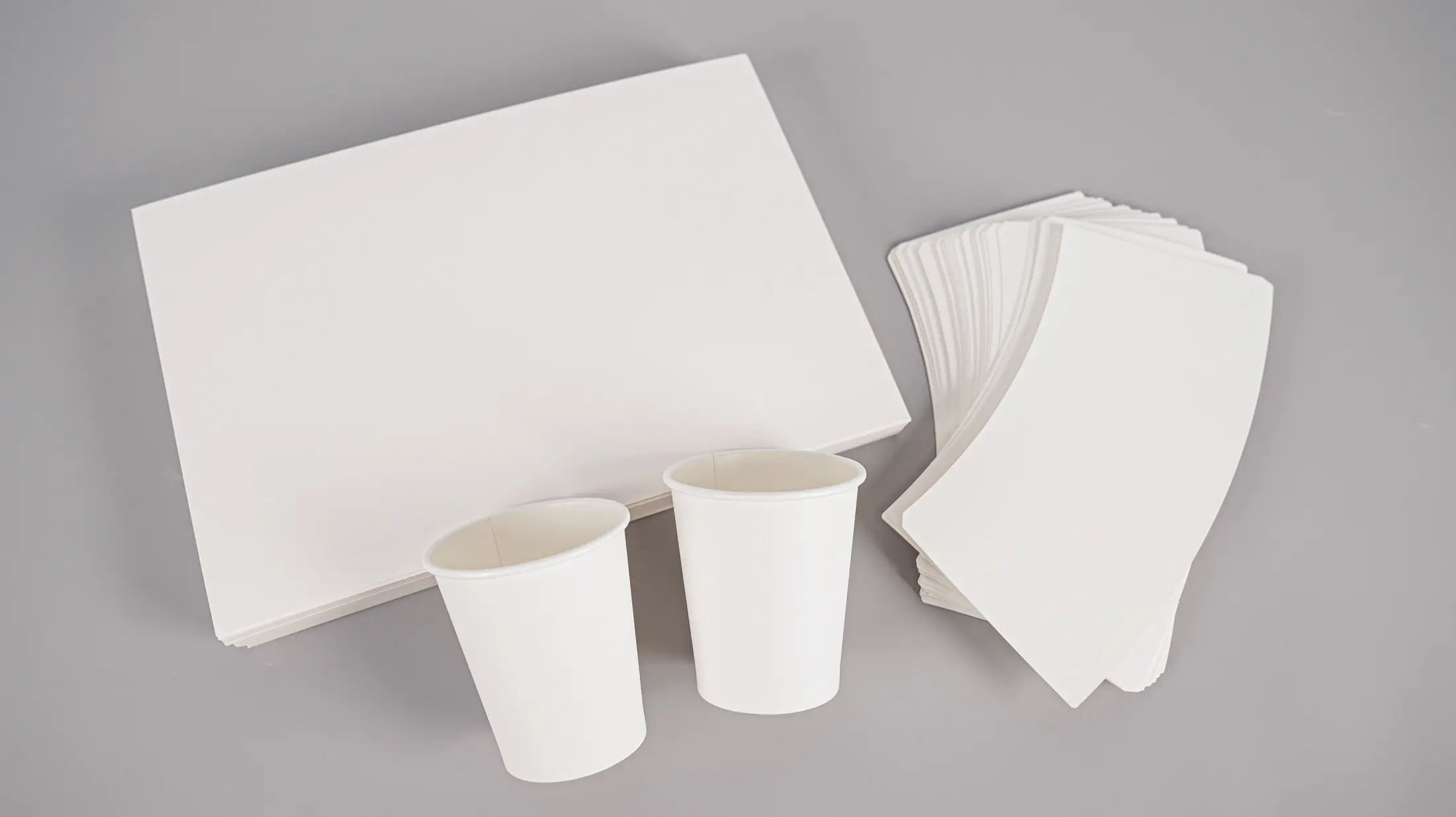
The global shift toward sustainable packaging has transformed how businesses approach takeaway coffee service, with paper coffee cup lids emerging as a critical component in environmentally responsible beverage delivery. Understanding the practical application of these lids within takeaway coffee packaging systems enables food service operators, café chains, and packaging distributors to optimize their operations while meeting both consumer expectations and regulatory requirements. The transition from traditional plastic lids to paper-based alternatives represents more than a material substitution—it involves systematic integration across supply chains, operational workflows, and customer experience touchpoints that directly impact service quality and brand perception.
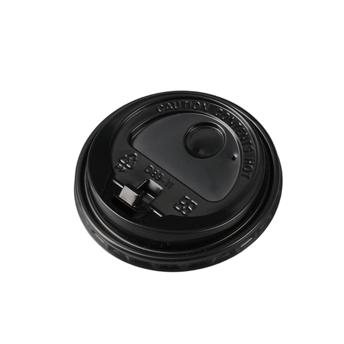
Effective utilization of paper coffee cup lids in takeaway packaging requires coordinated alignment between lid design specifications, cup compatibility parameters, operational handling procedures, and end-user functionality requirements. This integration process determines whether the packaging solution delivers reliable leak prevention, maintains beverage temperature, supports safe transportation, and provides convenient drinking access throughout the consumption journey. For procurement managers and operations directors in the food service industry, comprehending these application dynamics proves essential for vendor selection, staff training protocols, and quality assurance frameworks that protect both product integrity and customer satisfaction across high-volume service environments.
Functional Integration of Paper Coffee Cup Lids in Packaging Systems
Lid-to-Cup Compatibility and Sealing Mechanisms
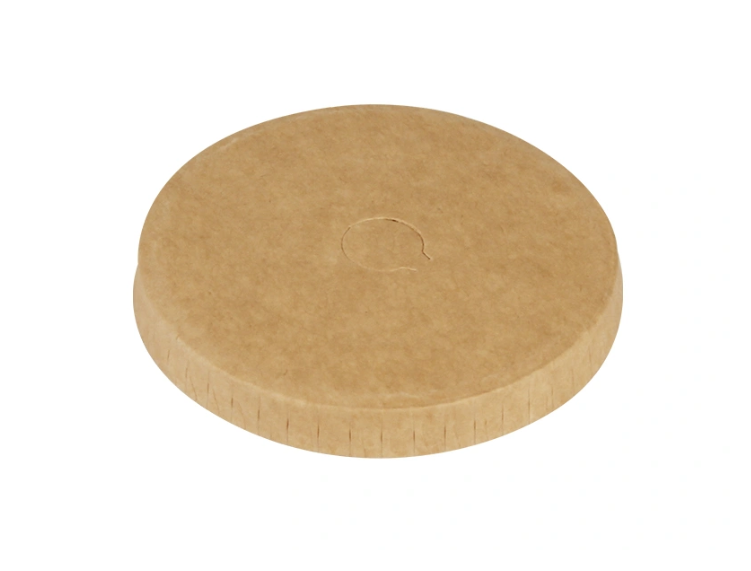
The primary application challenge for paper coffee cup lids centers on achieving secure attachment to cup rim structures while maintaining consistent seal integrity across varying environmental conditions. Unlike rigid plastic lids that rely on snap-fit tolerances, paper coffee cup lids typically employ compression fit designs that depend on precise dimensional matching between lid flange geometry and cup rim profiles. This compatibility requirement necessitates coordinated specification management between lid suppliers and cup manufacturers to ensure standardized sizing conventions that prevent fit failures during high-speed service operations.
Modern paper coffee cup lids incorporate engineered crease patterns and folding geometries that generate adequate compression force when applied to properly sized cups, creating mechanical seals that resist displacement during normal handling and transportation. The effectiveness of these sealing mechanisms depends heavily on material stiffness properties, fold depth accuracy, and rim surface conditions that directly influence friction coefficients at contact interfaces. Food service operations must implement quality control protocols that verify both incoming lid batches and cup inventories maintain dimensional tolerances within acceptable ranges, as deviations of even one millimeter can compromise seal performance and increase spillage incidents during customer handoff or transit scenarios.
Temperature Management and Beverage Protection
The application of paper coffee cup lids extends beyond containment to encompass thermal performance characteristics that preserve beverage quality during the critical consumption window following preparation. Paper-based lid materials demonstrate lower thermal conductivity compared to uncoated paperboard, yet still require strategic design features to minimize heat loss through the top closure assembly. Effective deployment involves selecting lid configurations with appropriate air gap geometries, raised dome profiles, or integrated insulation features that reduce convective heat transfer while maintaining structural stability under filled conditions.
Operational protocols for paper coffee cup lids must account for condensation management, as temperature differentials between hot beverage contents and ambient environments generate moisture accumulation on interior lid surfaces. This phenomenon affects both customer experience through potential drip issues and structural performance through localized material softening in vulnerable zones. Food service establishments successfully utilizing these lids implement positioning strategies that orient drinking apertures away from direct steam paths and establish service timing guidelines that align with material performance characteristics, ensuring customers receive products during optimal functionality windows before condensation effects become problematic.
Drinking Interface Design and Consumer Interaction
Practical application of paper coffee cup lids requires careful consideration of aperture configurations that balance convenient beverage access with splash prevention and temperature retention capabilities. Unlike removable plastic lids that offer full-opening access, most paper coffee cup lids feature fixed drinking holes or tear-tab designs that remain permanently attached during use. This design approach influences consumer behavior patterns and necessitates intuitive interface layouts that communicate proper usage methods without requiring verbal instruction during high-throughput service periods.
The positioning and sizing of drinking apertures on paper coffee cup lids directly impacts flow rate characteristics, which must align with beverage viscosity properties and typical consumption preferences within target market segments. Operations serving espresso-based drinks with milk foam require different aperture geometries compared to those dispensing filtered coffee, as texture retention and sipping comfort depend on opening dimensions that accommodate specific product characteristics. Successful implementation involves matching lid specifications to menu offerings and conducting customer feedback analysis to identify interface designs that minimize complaints related to drinking difficulty, spillage during consumption, or inadequate flow control for temperature-sensitive beverages.
Operational Deployment Across Food Service Workflows
Staff Training and Application Technique Standardization
Effective utilization of paper coffee cup lids within takeaway operations demands standardized application techniques that ensure consistent seal quality across all service transactions regardless of staff experience levels or rush period pressures. Unlike plastic lids that provide tactile feedback through audible snap mechanisms, paper coffee cup lids require proper alignment verification and uniform compression application to achieve reliable attachment. Training protocols must address hand positioning methods, downward pressure distribution techniques, and visual confirmation procedures that enable rapid quality assessment before customer handoff.
High-volume food service environments benefit from incorporating lid application into timed workflow studies that identify optimal placement within beverage preparation sequences. Positioning lid attachment immediately after filling, while cups remain stationary on work surfaces, produces superior results compared to attempting application during handoff transitions or while simultaneously managing other service tasks. Operations that implement dedicated lid stations with visual alignment guides and pressure application templates demonstrate measurably lower failure rates and reduced beverage loss incidents, translating to both cost savings and enhanced customer satisfaction metrics across sustained operational periods.
Inventory Management and Storage Considerations
The successful deployment of paper coffee cup lids extends into supply chain management practices that protect material properties throughout storage duration and environmental exposure cycles. Paper-based packaging components exhibit sensitivity to humidity fluctuations that can alter dimensional stability, reduce structural rigidity, and compromise coating integrity when storage conditions fall outside recommended parameters. Food service operations must establish climate-controlled storage zones that maintain relative humidity levels below sixty-five percent and protect lid inventories from direct moisture exposure, steam infiltration from preparation areas, and temperature cycling that accelerates material degradation.
Inventory rotation protocols specific to paper coffee cup lids require attention to production date codes and recommended use windows, as extended storage periods can affect fold memory characteristics and sealing performance even under optimal environmental conditions. Distribution systems that implement first-in-first-out tracking mechanisms and establish maximum holding durations of ninety days for paper lid stocks demonstrate superior quality consistency compared to operations lacking formal inventory management frameworks. This systematic approach becomes particularly critical for businesses maintaining multiple location networks where centralized purchasing must coordinate with decentralized storage facilities to prevent stock aging issues that manifest as increased customer complaint rates related to lid performance failures.
Quality Assurance and Performance Monitoring
Ongoing application success with paper coffee cup lids necessitates implementation of quality verification systems that detect material defects, dimensional variations, and performance anomalies before they generate customer-facing failures. Practical quality assurance protocols include random sampling procedures that test seal integrity through controlled pressure application, leak resistance verification using filled test scenarios, and structural assessment under simulated transportation stress conditions. These evaluation methods enable operations to identify substandard batches promptly and implement corrective actions with suppliers before inventory depletion forces continued use of compromised materials.
Performance monitoring extends beyond incoming material inspection to encompass in-service tracking of failure rates, customer feedback patterns, and comparative analysis across different lid configurations or supplier sources. Food service operations that maintain detailed records of spillage incidents, customer returns, and staff-reported application difficulties can identify systematic issues requiring specification adjustments, training reinforcement, or supplier performance discussions. This data-driven approach to paper coffee cup lids management transforms reactive problem-solving into proactive quality optimization, supporting continuous improvement initiatives that enhance both operational efficiency and customer experience outcomes across evolving market conditions.
Strategic Application in Specialized Service Environments
High-Volume Quick Service Integration
The deployment of paper coffee cup lids within quick service restaurant environments presents unique challenges related to speed requirements, consistency demands, and operational complexity during peak traffic periods. These high-throughput settings require lid solutions that support rapid application cycles without sacrificing seal reliability, necessitating careful selection of designs that balance ease of handling with performance robustness. Quick service operators successfully utilizing paper coffee cup lids implement staging systems that pre-position lids in orientation-specific dispensers, enabling single-motion retrieval and application sequences that minimize transaction time while maintaining quality standards.
Integration within automated or semi-automated beverage dispensing systems demands paper coffee cup lids with dimensional consistency tolerances exceeding those acceptable in manual service contexts. Mechanical application mechanisms rely on predictable material behavior and uniform geometric properties to achieve reliable attachment without requiring human judgment or corrective intervention. Operations pursuing automation compatibility must establish rigorous supplier qualification processes that verify statistical process control capabilities, conduct accelerated life testing on application equipment, and maintain contingency protocols for manual fallback during equipment maintenance periods or supply chain disruptions that force temporary specification changes.
Premium Café and Specialty Beverage Applications
Specialty coffee establishments and premium café concepts utilize paper coffee cup lids as brand differentiation elements that communicate sustainability values while supporting elevated customer experience expectations. These applications often involve custom lid designs featuring embossed branding, distinctive color treatments, or enhanced functionality features that justify premium pricing strategies and reinforce positioning within competitive markets. The practical deployment challenge involves balancing aesthetic sophistication with functional performance requirements, ensuring that visual enhancements do not compromise seal integrity, temperature management, or drinking comfort that customers associate with premium beverage quality.
Premium service environments frequently implement paper coffee cup lids alongside complementary packaging elements including branded cup sleeves, custom carriers, and coordinated visual systems that create cohesive takeaway presentations. This holistic packaging approach requires careful specification coordination to ensure all components function compatibly, with lid dimensions accommodating sleeve placement, carrier configurations supporting stable transport, and material finishes maintaining consistent brand expression across the complete package assembly. Operations that successfully execute these integrated systems demonstrate stronger brand recall, enhanced perceived value, and improved customer loyalty metrics compared to competitors utilizing generic or mismatched packaging component combinations.
Institutional and Corporate Service Programs
The application of paper coffee cup lids within corporate cafeterias, hospital food services, and educational institution dining programs involves distinct requirements related to sustainability reporting, waste management integration, and compliance documentation that extend beyond consumer-facing retail contexts. These institutional environments often operate under formal environmental commitments requiring verified recyclability, compostability certifications, or waste diversion metrics that directly influence packaging material selection criteria. Procurement decisions regarding paper coffee cup lids must align with broader institutional sustainability frameworks while satisfying operational performance standards and budget constraints that characterize large-scale food service contracts.
Institutional deployments benefit from standardized product specifications across multiple service points, enabling centralized training programs, simplified inventory management, and consolidated purchasing power that generates cost efficiencies unavailable to smaller independent operators. However, this standardization requirement places additional emphasis on thorough vetting processes during initial lid selection, as specification decisions affect multiple locations simultaneously and change management involves complex coordination across distributed operations. Successful institutional programs implement pilot testing protocols that evaluate paper coffee cup lids under real-world service conditions at representative locations before system-wide rollout, identifying potential issues related to equipment compatibility, staff acceptance, or customer adaptation that require resolution prior to full-scale implementation.
Supply Chain Coordination and Vendor Management
Specification Development and Technical Communication
Effective procurement of paper coffee cup lids requires precise technical specification documentation that communicates dimensional requirements, material performance criteria, and quality acceptance standards without ambiguity between purchasing organizations and manufacturing suppliers. This specification process extends beyond simple size designation to encompass detailed parameters including rim diameter tolerances, flange compression characteristics, material basis weight ranges, coating application methods, and structural performance benchmarks under defined test conditions. Operations lacking formal specification frameworks frequently encounter quality inconsistencies, compatibility issues, and dispute resolution challenges that disrupt service continuity and generate unnecessary procurement costs.
Technical communication protocols should establish clear procedures for sample approval, production run verification, and ongoing quality monitoring that create accountability mechanisms throughout the supply relationship. Successful vendor partnerships incorporate periodic specification reviews that address changing operational needs, material availability shifts, or performance optimization opportunities identified through field experience data. This collaborative approach to paper coffee cup lids procurement transforms transactional supplier relationships into strategic partnerships that support continuous improvement initiatives and enable rapid response to market disruptions or regulatory changes affecting packaging material requirements within specific operating jurisdictions.
Cost Management and Value Engineering
The financial dimensions of paper coffee cup lids deployment require sophisticated analysis that accounts for total cost of ownership rather than focusing exclusively on per-unit pricing metrics. While paper-based lids typically command higher material costs compared to conventional plastic alternatives, comprehensive cost evaluation must incorporate waste reduction benefits, regulatory compliance advantages, brand equity enhancement, and customer retention impacts that influence long-term profitability. Operations that implement value engineering approaches examine design optimization opportunities, material specification alternatives, and application technique improvements that reduce overall packaging costs while maintaining or enhancing functional performance and sustainability attributes.
Strategic cost management extends to demand forecasting accuracy that minimizes inventory carrying costs, reduces obsolescence risks, and enables volume purchase commitments that generate supplier pricing concessions. Food service organizations successfully managing paper coffee cup lids costs implement integrated planning systems that align packaging procurement with sales projections, promotional calendars, and seasonal demand patterns. This planning discipline becomes particularly valuable when managing custom or branded lid specifications that involve minimum order quantities, extended lead times, and limited supplier flexibility compared to commodity packaging products available through broad distribution networks.
Risk Mitigation and Supply Continuity Planning
The increasing market transition toward paper coffee cup lids creates supply chain vulnerability considerations that prudent operations address through multi-sourcing strategies, safety stock policies, and contingency specification development. As global demand for fiber-based packaging materials expands while raw material availability faces constraints from competing end uses and forestry capacity limitations, procurement professionals must anticipate potential supply disruptions that could compromise operational continuity. Risk mitigation approaches include qualifying secondary suppliers for critical lid specifications, maintaining elevated inventory buffers during volatile market periods, and developing alternative lid designs that utilize different material sources or manufacturing processes as fallback options.
Supply continuity planning for paper coffee cup lids should incorporate scenario analysis that examines potential disruption triggers including raw material shortages, manufacturing capacity constraints, logistics infrastructure failures, or regulatory changes that suddenly render existing specifications non-compliant. Organizations operating across multiple geographic markets face additional complexity from regional regulatory variations, localized supply networks, and diverse customer preference patterns that preclude fully standardized global packaging solutions. These multi-market operators benefit from establishing regional specification frameworks that balance standardization benefits with local adaptation requirements, creating supply chain architectures that provide both efficiency and resilience across varied operating environments.
FAQ
What are the main compatibility factors when selecting paper coffee cup lids for existing cup inventory?
Compatibility between paper coffee cup lids and existing cup inventory depends primarily on rim diameter matching, with typical sizes ranging from eighty to ninety-two millimeters for standard takeaway cups. Beyond diameter, compatibility requires alignment of rim profile geometry, including lip thickness and flange angle, which affects seal formation. Cup material composition also influences compatibility, as the interaction between lid compression forces and rim structural rigidity determines seal reliability. Operations should conduct physical fit testing with representative samples under filled conditions before committing to large inventory purchases, verifying that selected lids maintain secure attachment during normal handling, transportation simulation, and temperature cycling that replicates actual service conditions.
How do environmental conditions affect paper coffee cup lids performance during storage and use?
Environmental humidity represents the primary condition affecting paper coffee cup lids performance, with relative humidity levels above sixty-five percent causing dimensional changes, reduced structural stiffness, and compromised coating integrity that degrades sealing effectiveness. Storage facilities should maintain climate control within fifty to sixty percent relative humidity ranges and protect inventory from direct moisture exposure, including steam from adjacent preparation equipment. Temperature fluctuations create additional stress through expansion-contraction cycles that can affect fold memory and crease performance. During use, paper coffee cup lids demonstrate optimal performance when applied to beverages between seventy and eighty-five degrees Celsius, as excessive temperatures can soften coating materials while insufficient temperatures reduce the urgency for immediate lid application that sometimes leads to improper attachment technique.
What training elements are most critical for staff applying paper coffee cup lids consistently?
Critical training elements for paper coffee cup lids application include proper lid orientation recognition, which ensures drinking apertures align correctly with cup seams or branding elements for consistent customer experience. Staff must learn appropriate downward pressure application technique that distributes force evenly around the lid perimeter rather than concentrating pressure at single points, which can cause deformation without achieving complete seal engagement. Visual confirmation procedures represent the third essential element, training staff to verify complete rim contact through quick inspection before releasing cups to customers. Effective training programs incorporate hands-on practice with immediate feedback, using deliberately misapplied examples to develop recognition skills for incomplete seals, and establishing quality standards that prioritize seal integrity over speed during initial skill development phases before gradually introducing time efficiency expectations.
How can operations measure and improve paper coffee cup lids performance over time?
Operations can establish quantitative performance measurement through systematic tracking of customer complaint rates specifically related to lid failures, categorizing incidents by failure mode including seal detachment, leakage during transport, drinking aperture issues, or structural collapse. Internal quality metrics should include random seal integrity testing using standardized pressure application or tilt tests on prepared beverages before customer handoff, documenting failure rates by shift, location, or individual staff member to identify training opportunities. Comparative analysis across different lid suppliers or design variations provides data-driven insights for specification optimization decisions. Improvement initiatives should incorporate staff feedback mechanisms that capture frontline observations about application challenges, material consistency variations, or customer reactions, creating continuous improvement loops that translate operational experience into procurement decisions, training refinements, and supplier performance discussions that systematically enhance paper coffee cup lids effectiveness across sustained operational periods.
Table of Contents
- Functional Integration of Paper Coffee Cup Lids in Packaging Systems
- Operational Deployment Across Food Service Workflows
- Strategic Application in Specialized Service Environments
- Supply Chain Coordination and Vendor Management
-
FAQ
- What are the main compatibility factors when selecting paper coffee cup lids for existing cup inventory?
- How do environmental conditions affect paper coffee cup lids performance during storage and use?
- What training elements are most critical for staff applying paper coffee cup lids consistently?
- How can operations measure and improve paper coffee cup lids performance over time?