


Packaging Format as the First Development Decision
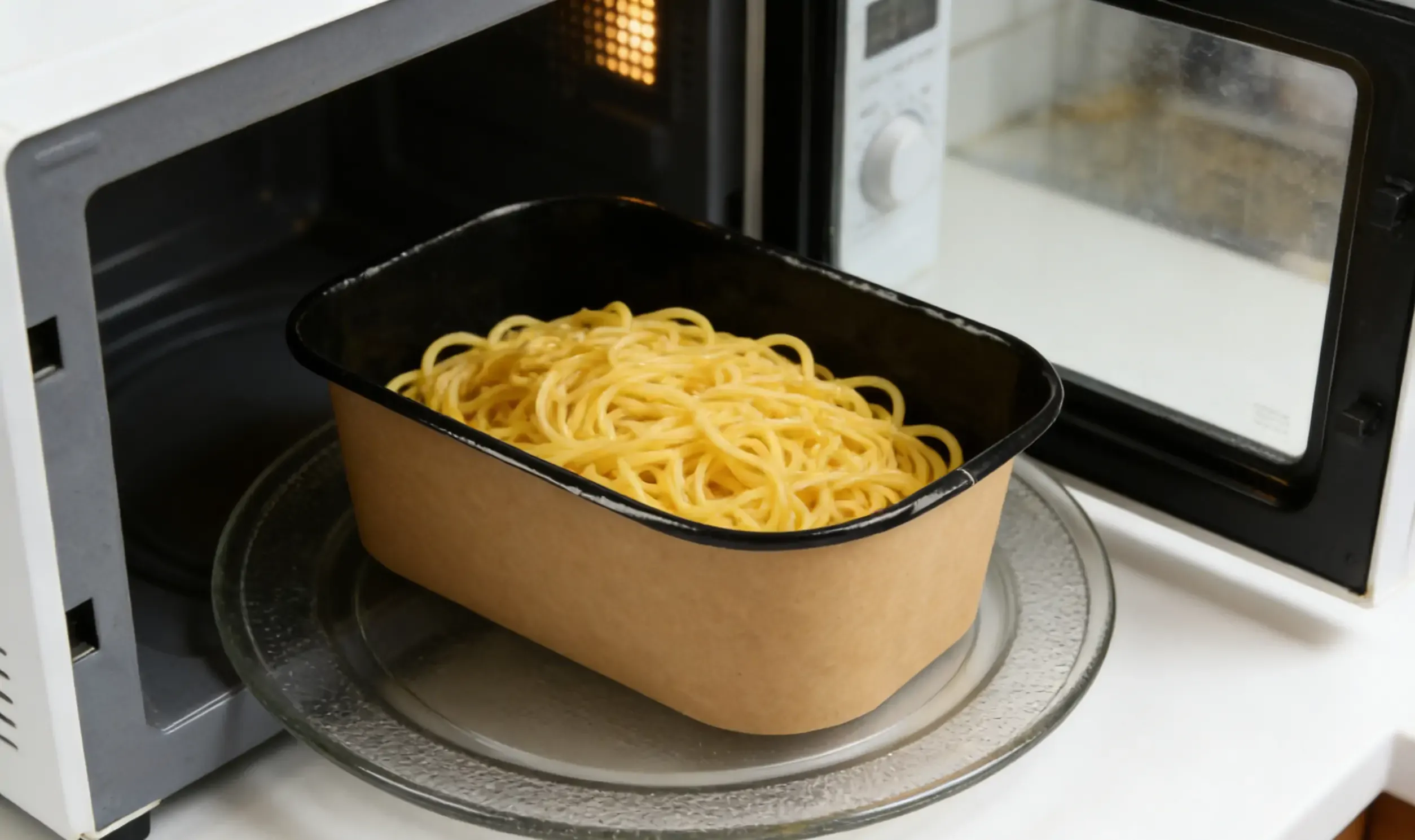
A ready-meal concept rarely fails at the recipe stage. It fails when the format cannot carry the recipe through chilling, transport, display and reheating without loss. The PET Series gives a development team a defined set of clear, food-grade PET formats to design around, and each one sets limits on what the meal can be.
Ready meal packaging is settled by geometry before it is settled by taste. Depth controls headspace, headspace controls how much the contents move in transit, and movement controls leakage risk. A developer who selects a bowl by volume alone meets these relationships for the first time during a production trial,
The PET Series is built on transparent material that keeps the food visible, and visibility changes how a product is merchandised. A clear wall lets a retailer show layers, sauce and garnish without printed photography, but it removes the hiding place an opaque pack offers, so the fill must look consistent from unit to unit.
Retail food packaging and foodservice packaging judge the same container by different tests, and prepared food packaging buyers increasingly want one pack that passes both. The sections below follow that sequence.
Where Retail Requirements Pull the Format
A supermarket listing is granted on a different basis than a restaurant order. Retail food packaging specifications are judged in the chilled fixture, on the shelf and in the waste report, and each test pushes the format in a particular direction.
Clarity in the Chilled Display Case
The strongest argument for clear material is that it removes doubt. A shopper decides in seconds whether the meal resembles the photograph on the sleeve, and a transparent wall settles that question without any printed claim. In the PET Series, transparency is the default rather than an upgrade, so a developer can plan the visual layering of protein, sauce and starch from the first sketch. The trade-off is discipline in filling, because a smear on the inside wall reads as carelessness and no artwork can cover it once the film is sealed.
Shelf Presence and Label Space
Retail also imposes structural demands that have nothing at all to do with the food. The pack must stack in the PET Series formats without the lid collapsing under the weight above it, and it must survive a full pallet build without scuffing the print. A PET rectangular bowl uses shelf depth efficiently and gives the label a flat face for a complete statutory panel. Developers who design artwork before confirming the available flat area end up shrinking type until the ingredient list is hard to read, which is a compliance risk rather than a design preference.
Where Foodservice Requirements Turn the Other Way
A chain kitchen buys on speed and consistency, and its tolerances are tighter than a retailer's in some respects and looser in others. The PET Series is judged there by different people with different failure costs.
Reheating Paths in Commercial Kitchens
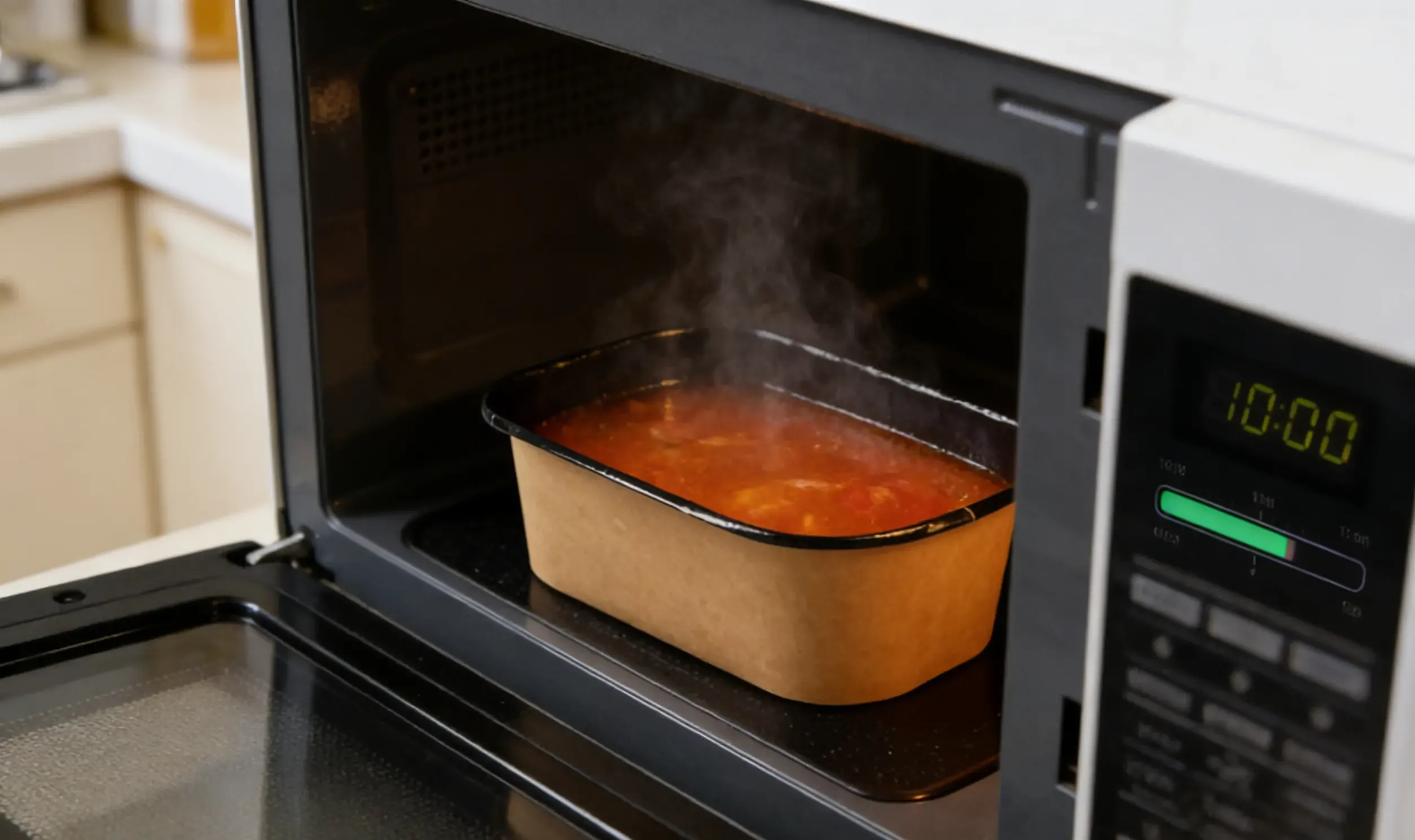
A foodservice operator rarely reheats one meal at a time. The pack goes into a microwave, a combi oven or a water bath in batches, and the material has to hold shape while the contents reach serving temperature. The PET Series covers formats rated for oven and microwave use up to 220°C, which lets a kitchen standardise on one container across several stations. The instruction printed on the pack becomes an operating instruction rather than a suggestion, so it has to describe the worst case a busy brigade will produce.
Handling Speed and Portion Discipline
In the PET Series, speed at the pass depends on how quickly a lid seats and how confidently a hand can move a full container. A wide, shallow format fills faster and cools faster, while a deep format carries more sauce per unit. Portion control follows the same geometry in every case, because a fill line below the rim leaves room for expansion and keeps the whole seal area clean. For prepared food packaging projects these are the numbers the kitchen will live with, and the developer has to fix them before tooling is cut.
Sealing, Leakage and the Cold Chain
Between the kitchen and the customer sits the least forgiving part of the journey. A pack that leaks in a chilled vehicle will not be rescued by a good recipe or a good brief, and leakage is almost always decided at the sealing station rather than on the road.
Lid Selection Across the Available Materials
Closure choice drives the rest of the specification. The PET Series accepts lids in PET, rPET, PP and paper, and each pairing behaves differently against a chilled cabinet, a hot hold and a customer who lifts the pack by the lid. A paper lid supports a fibre-forward look, while a plastic lid gives a more predictable interference fit. The developer should choose the lid together with the body, because the rim geometry that lets one lid seal cleanly may not suit another when a full PET Series pack is run at speed on the line.
Temperature Range and Structural Stability
A chilled meal moves from a blast chiller to a display cabinet to a domestic microwave. Clear PET holds its shape in refrigeration and freezing, and the higher-temperature formats are rated to 220°C, which covers reheating without a transfer to another dish. What matters for the buyer is the gap between the rated limit of the PET Series format and the actual process, which belongs in the technical agreement. A kitchen that reheats beyond that ceiling, or a retailer that freezes a pack specified for chill only, turns a compliant container into a complaint.
What a Developer Must Settle Before Launch
Most expensive mistakes in ready meal packaging launches are commitments made too early rather than decisions made too late. A short list of items deserves to be closed before any tooling is ordered.
Fixing Format, Fill and Headspace Together
Volume is the least useful number on a specification sheet when it is used alone. A 500ml format and a 1000ml format differ in depth as well as capacity, and depth decides whether a sauce pools without touching the lid. The developer should fill the intended recipe to the intended weight in the intended PET rectangular bowl, then check the headspace that remains and how the contents behave when the pack is tilted. That trial costs a day, prevents a mould change later and is the cheapest test in the PET Series project.
Documenting the Reheat Instruction Against the Pack
The reheat instruction is a packaging decision that reads like a cooking instruction. It has to match the material's rated range, the portion weight and the equipment the customer actually owns. Writing it from the recipe alone produces instructions that overheat the edges while leaving the centre cold. Test the wording with the final pack and the final fill, record what worked, and refuse any change to either without repeating the test. That record is also what a technical auditor will ask to see, and the wording is part of the specification rather than a note added at the end.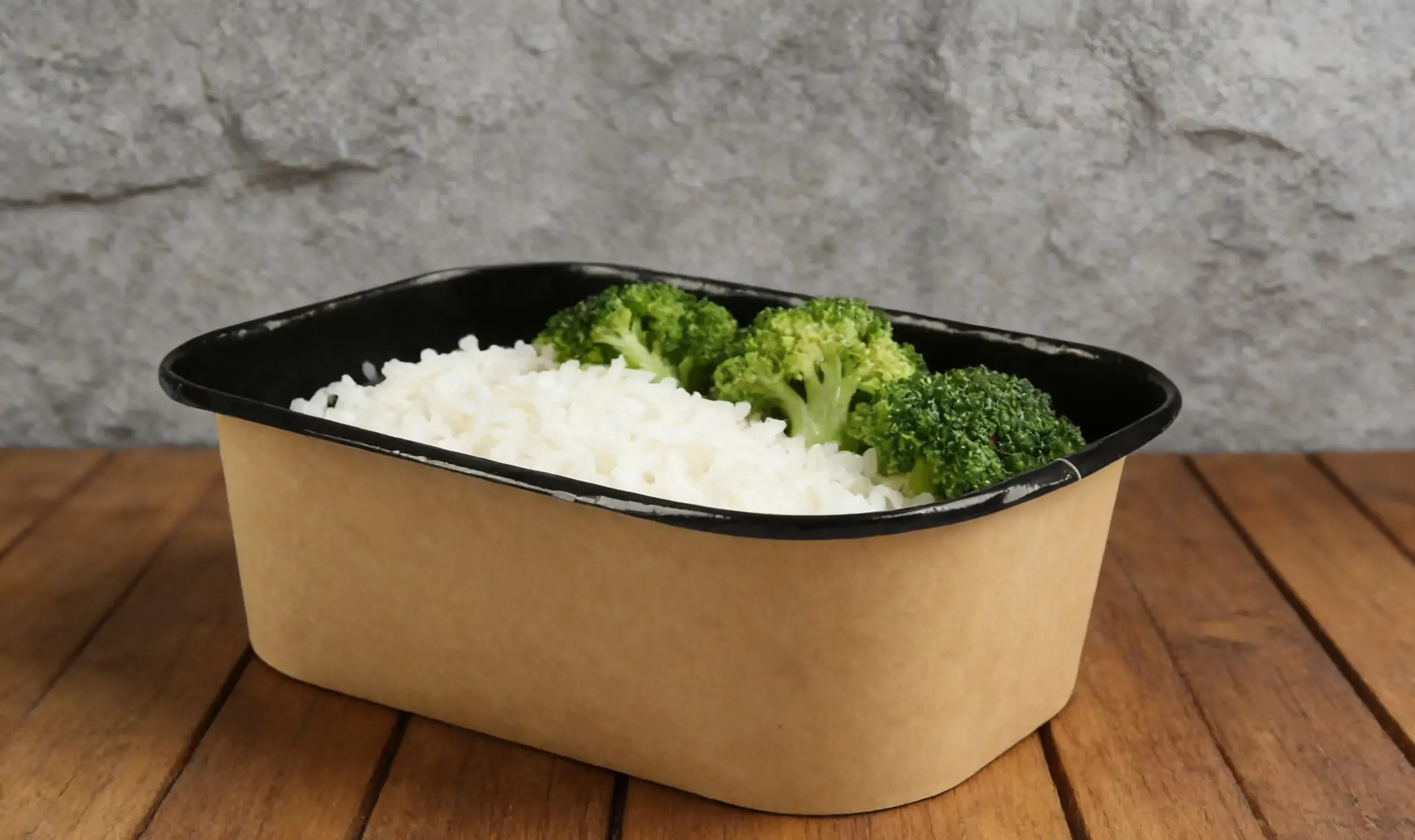
FAQ
Which PET Series format suits a chilled ready meal sold through supermarkets?
A rectangular bowl is usually the better fit, because a flat face carries a complete label panel and the shape uses shelf depth efficiently. The PET rectangular bowl is offered from 500ml to 1000ml with lids in PET, rPET, PP and paper, so a retailer can align the closure with its own material policy. Depth matters more than volume at this stage, since a shallow 1000ml format and a deep one hold the same amount yet behave very differently in a chilled cabinet.
Can the same container move from cold storage to a microwave or oven?
Within limits, yes. The PET Series is described as safe for refrigeration and freezing and rated for microwave and oven use up to 220°C, so a meal can be assembled cold, displayed chilled and reheated in the pack. The limit is the process rather than the material. A kitchen that routinely exceeds the rated temperature, or a retailer that freezes a pack specified for chill only, will produce failures that look like material faults but are not.
What should a developer confirm before approving a ready-meal pack?
Confirm the fill weight and headspace in the actual PET Series format, the lid material and its fit, the stacking load the pack will carry, and the reheat instruction the customer will follow. Each is a decision with a cost attached, cheap to change before tooling and expensive afterwards. A short trial using the real recipe, the real sealing equipment and the real chilling regime answers more than a specification sheet, and it leaves the technical file with evidence rather than assumptions.