
Why Small Paper Bowls Are Ideal for Portion-Controlled Food Service
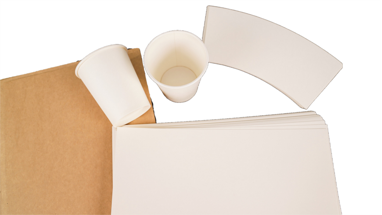
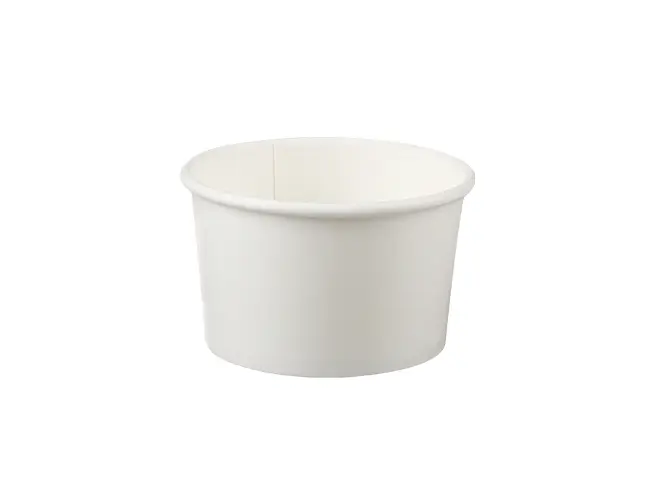
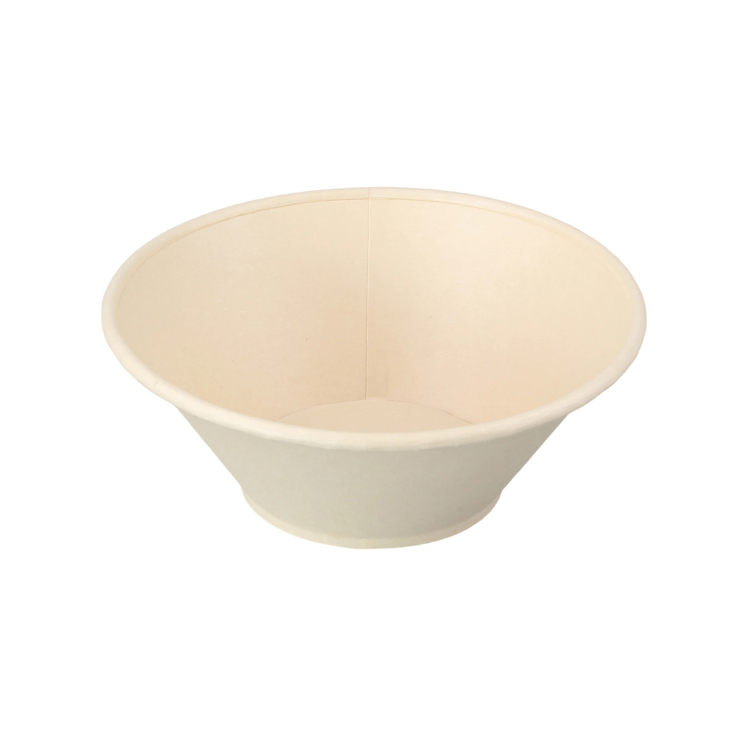
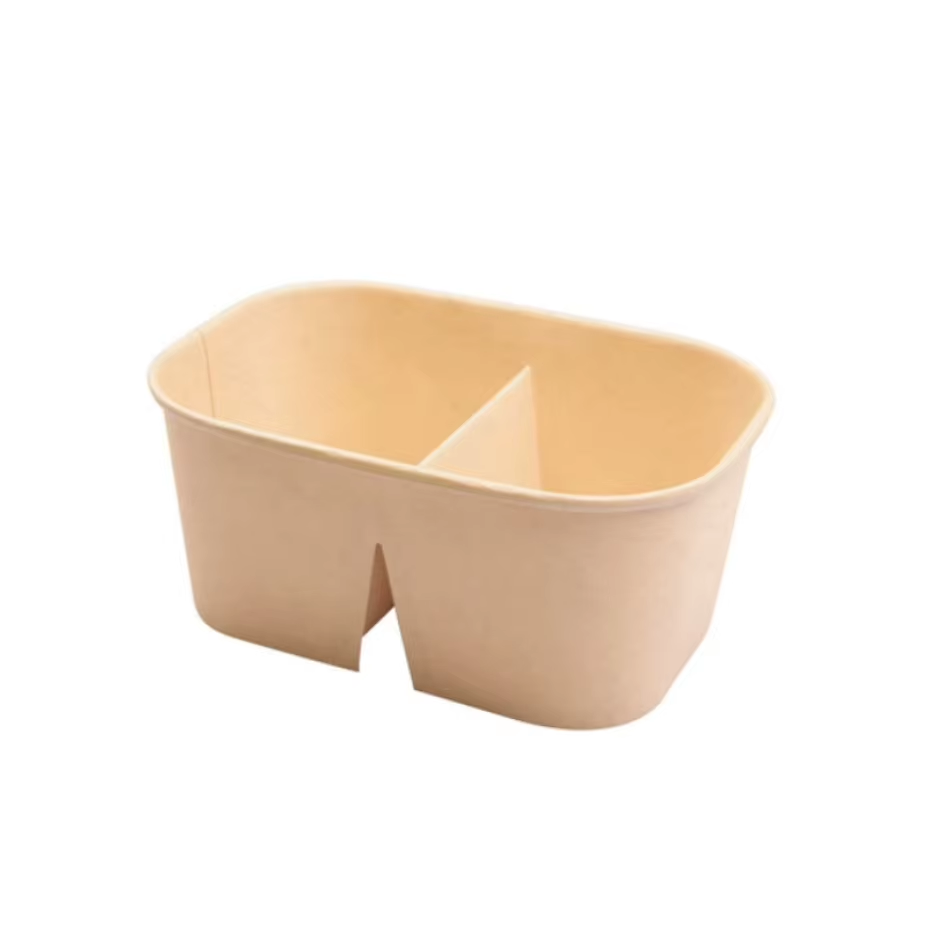
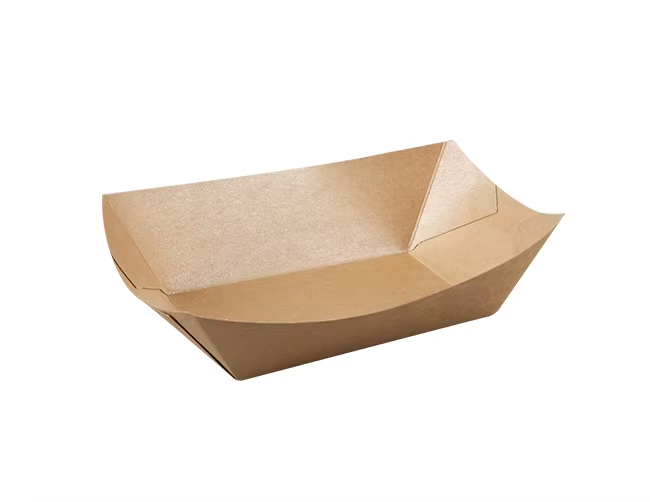
For food service businesses, those little paper bowls are actually pretty amazing when it comes to managing portions just right. They help reduce waste, keep costs down, and generally make customers happier with what they get. Most places stick to standard sizes these days, like 8 oz bowls for snacks and 12 oz ones for soup. This consistency means staff don't accidentally give out too much food, which cuts down on leftovers piling up in the kitchen. Some studies suggest this kind of portion control can slash food waste by around 20%, which is great news for the bottom line without hurting profits. People seem to appreciate getting exactly what they expect too. Nobody wants a bowl so big they can't finish it, nor do they want something that feels like an appetizer when they ordered a main course. At busy places handling lots of orders, say during events or takeout rushes, these small disposable bowls fit right into the workflow. They save precious counter space and require less manpower to manage. Plus, since they take up less room overall, restaurants actually use fewer materials and less energy making them, yet still perform reliably day after day.
Critical Performance Features of High-Quality Small Paper Bowls
Leak and heat resistance for hot soups and broths
High-performing small paper bowls must withstand temperatures up to 212°F (100°C) without warping, leaking, or losing structural integrity. This is achieved through dual engineering:
- A dense base material (±300 GSM kraft paper or sugarcane bagasse) provides inherent thermal stability
- Heat-activated proprietary seals eliminate seam failures common in low-tier alternatives
Independent testing confirms that properly coated bowls maintain liquid integrity for 45+ minutes—reducing spills by 91% compared to standard paperboard (Sustainable Packaging Coalition, 2023).
Grease barrier technology: PFAS-free coatings explained
Leading manufacturers now use FDA-compliant, PFAS-free alternatives—including aqueous coatings and plant-based polylactic acid (PLA) laminates—to create effective grease barriers without environmental or health trade-offs. These solutions function through distinct molecular mechanisms:
| Technology | Function | Food Safety Rating |
|---|---|---|
| Plant-derived PLA | Crystallizes into a moisture-proof layer | GRAS (Generally Recognized As Safe) |
| Water-based polymers | Form a cross-linked hydrophobic network | FDA 21 CFR 176.170 compliant |
| Natural wax emulsions | Penetrate the fiber matrix for durable grease resistance | BPI-certified compostable |
Third-party validation confirms these PFAS-free coatings reduce chemical migration by 99.8% while delivering performance on par with legacy fluorinated alternatives (Journal of Food Science, 2024).
Verifying True Eco-Friendliness in Small Paper Bowls
BPI Certification, TUV OK Compost HOME, and what 'compostable' really means
Many so-called eco-friendly paper bowls don't actually live up to real sustainability standards. True compostability needs independent verification from outside organizations, not just what companies say on their packaging. The BPI certification from the Biodegradable Products Institute checks whether products meet ASTM D6400 requirements for industrial composting plants. When looking at home composting options, watch for the OK Compost HOME label from TÜV Austria. This certification confirms that items will break down properly in typical backyard conditions where temperatures stay below 60 degrees Celsius, moisture levels vary, and regular microbes are present instead of specialized ones found in commercial facilities.
True compostability means full breakdown into non-toxic, nutrient-rich humus within a defined timeframe—without microplastic residues or persistent chemicals. Many bowls labeled "compostable" only degrade in high-heat industrial systems; others contain PFAS, which inhibit microbial activity and contaminate soil. To avoid greenwashing:
- Prioritize BPI-certified small paper bowls
- For home composting, require TÜV OK Compost HOME validation
- Specify FSC-certified fiber or rapidly renewable materials like bamboo or sugarcane bagasse
PFAS-based grease barriers compromise both safety and compostability. Opt instead for aqueous coatings or corn-starch-derived PLA liners—backed by independent certification.
Matching Small Paper Bowls to Your Menu and Operations
Soup vs. dry snacks vs. saucy takeout: selecting the right size and coating
Match bowl specifications precisely to food type, temperature, and service model to prevent leaks, reduce waste, and simplify operations.
-
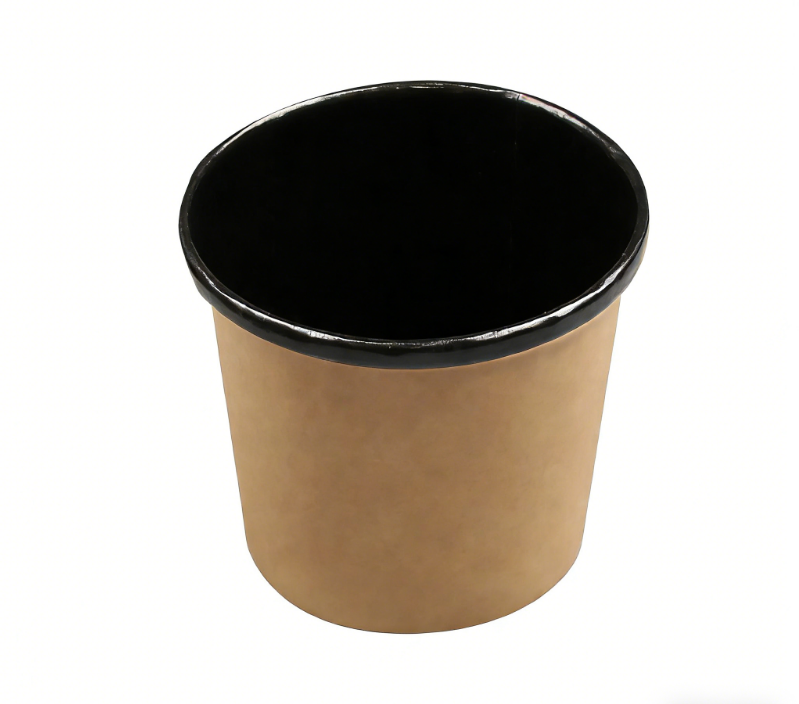
Hot soups and broths: Use 500ml leak-proof bowls with heat-resistant linings—engineered for sustained exposure to liquids up to 90°C.
-
Dry snacks (nuts, chips, granola): Choose 150ml uncoated bowls—eliminating unnecessary barrier coatings and material use.
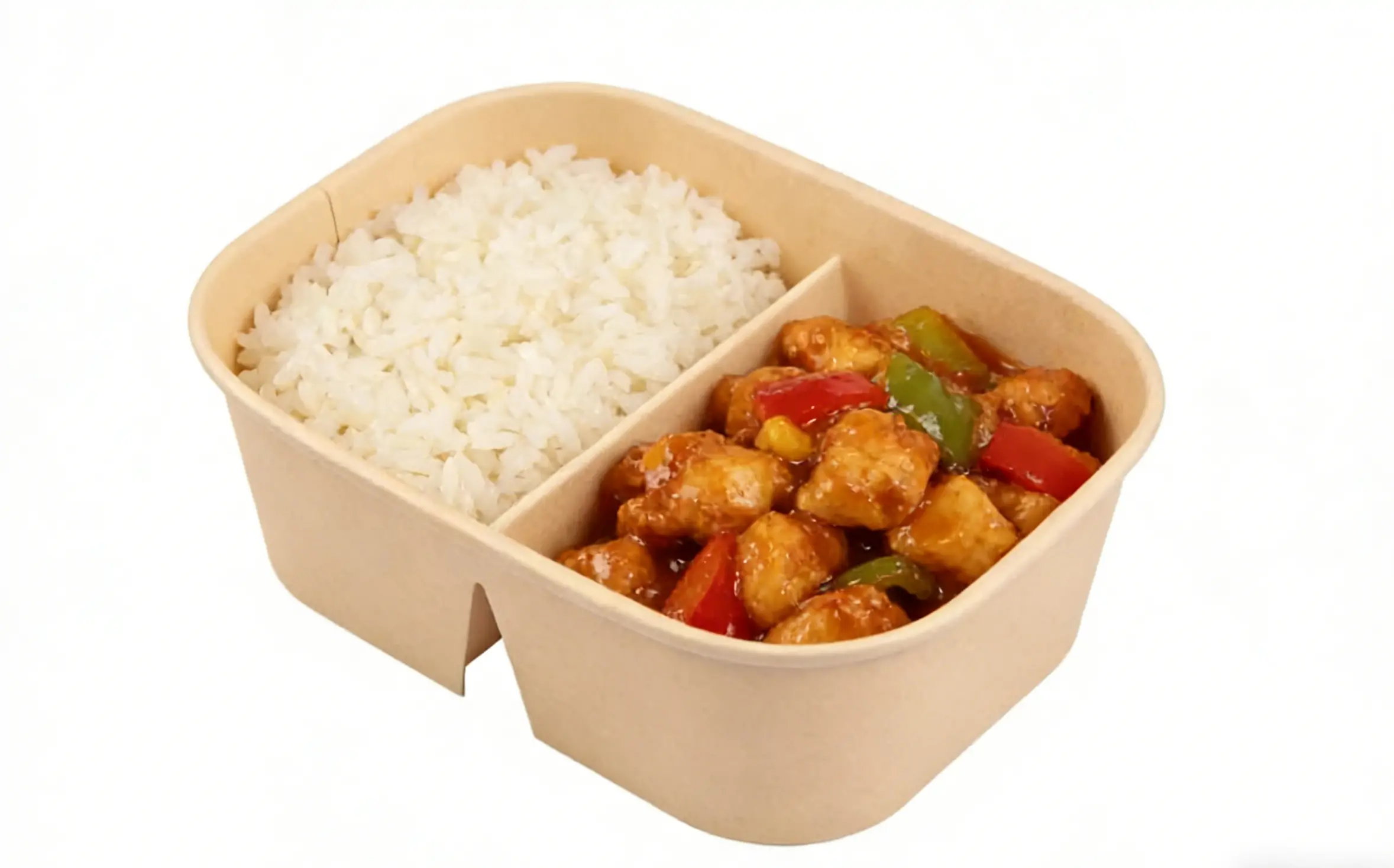
- Saucy or oily items (curries, dressings, grain bowls): Select 300ml bowls with PFAS-free grease barriers to contain oils safely and sustainably.
Getting everything on the menu to follow similar standards makes managing inventory and training staff much easier. Restaurants should match their portion sizes to actual bowl capacities. Sides generally fit into 200ml containers while main dishes need around 400ml bowls according to research from last year's packaging efficiency report which found this approach cuts down on spilled food by nearly a third. For suppliers, look out for products that carry the BPI certification if they'll be going into commercial composting systems. And when customers take leftovers home, make sure the bowls have that TUV OK Compost HOME label so they know it's safe to toss into backyard bins.
FAQ Section
What are the benefits of using small paper bowls for portion control?
Small paper bowls help reduce food waste, cut costs, and meet customer expectations by providing consistent portion sizes.
Why is leak and heat resistance important for paper bowls?
Leak and heat resistance ensure structural integrity even when serving hot soups and broths, preventing spills and maintaining the quality of the food.
Are PFAS-free coatings better for the environment?
Yes, PFAS-free coatings avoid harmful chemicals, making them safer for both health and the environment. They also match performance standards of traditional coatings.
How can I verify the eco-friendliness of paper bowls?
Look for certifications like BPI for compostability and TUV OK Compost HOME for home composting to ensure true sustainability.
What size paper bowl should I choose for different menu items?
Hot soups require 500ml bowls with heat-resistant linings, dry snacks need 150ml uncoated bowls, and saucy items should have 300ml bowls with grease barriers.