
Clarity, Rigidity, and Sensory Performance for PET Custom Plastic Cups
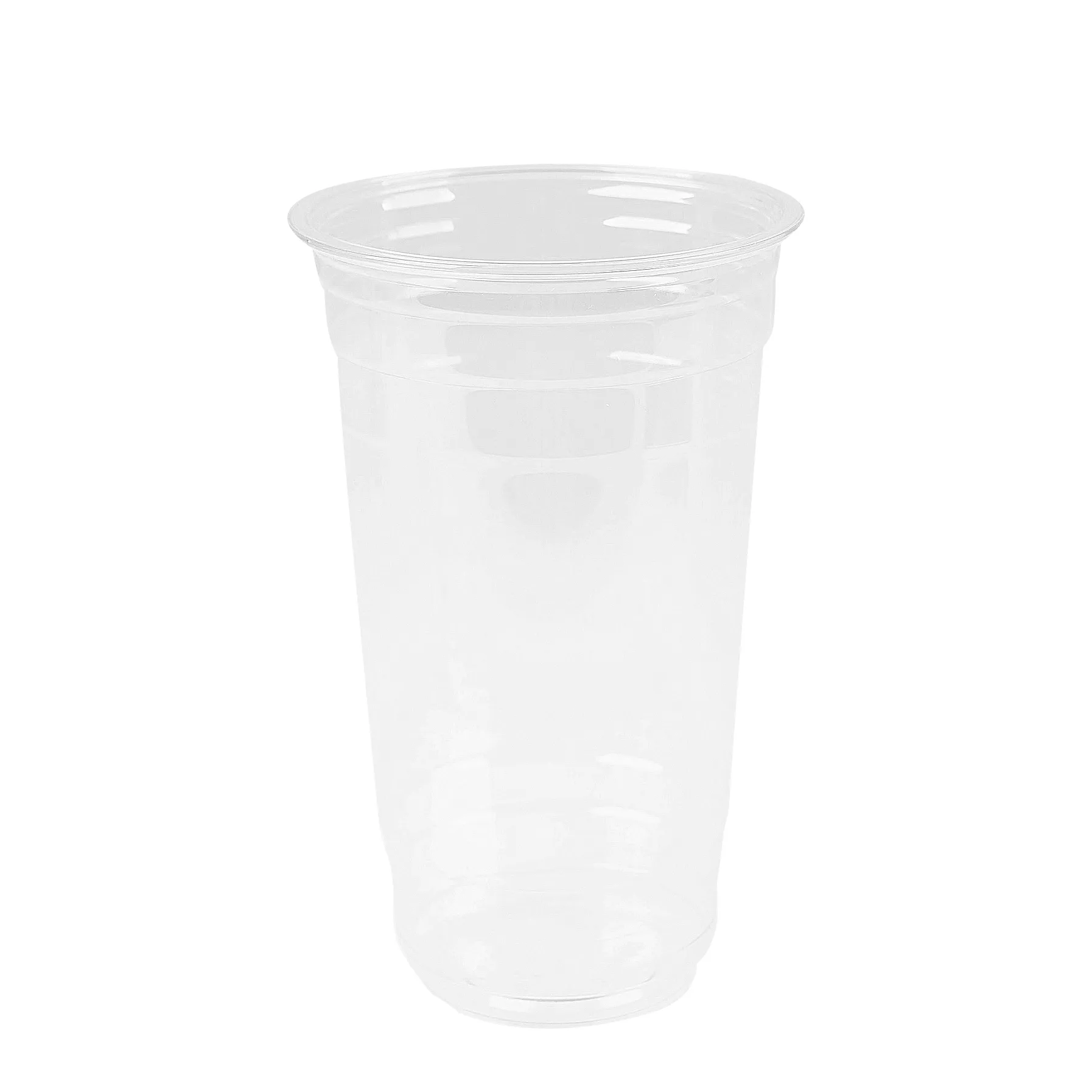
Why PET Delivers Superior Optical Clarity for Premium Beverage Presentation
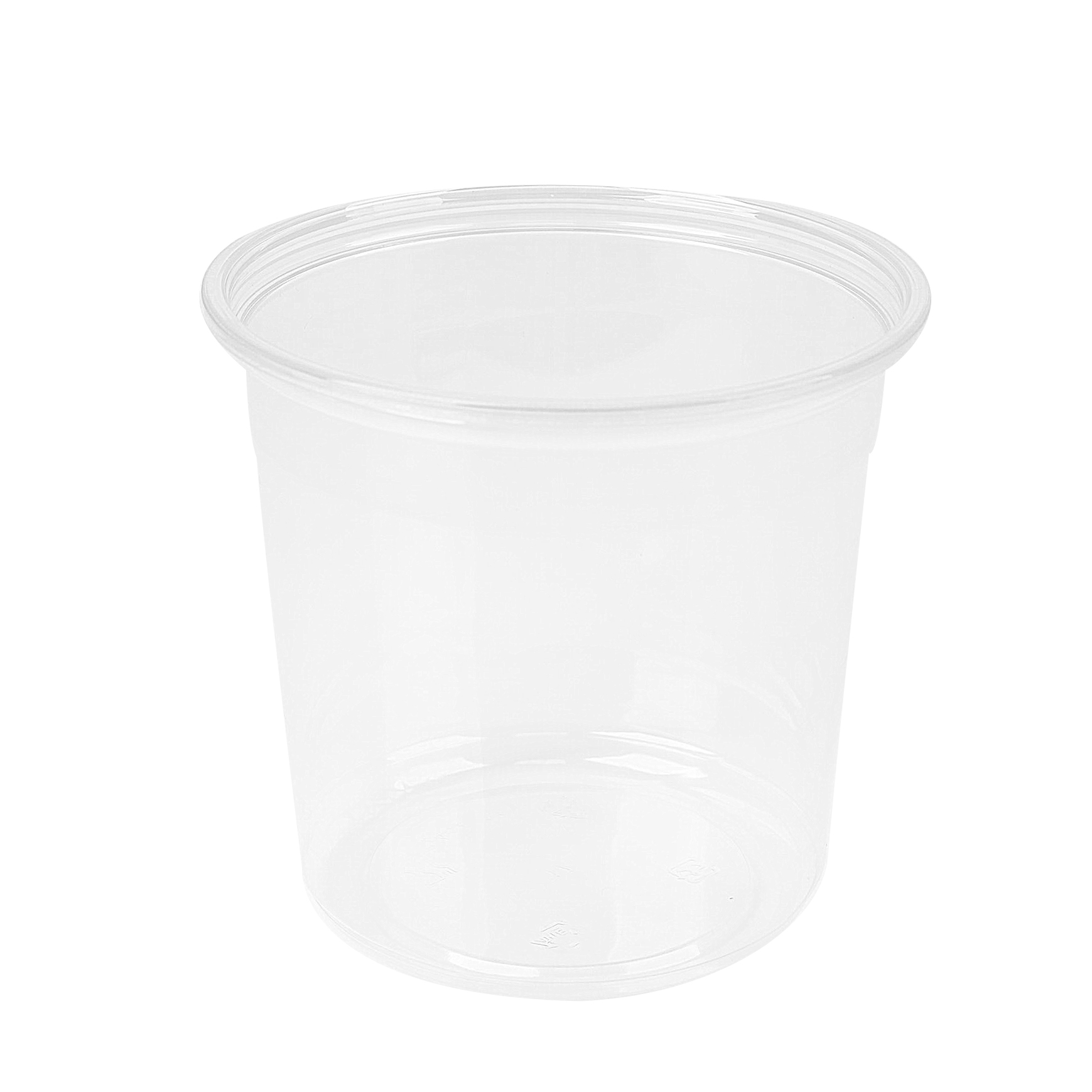
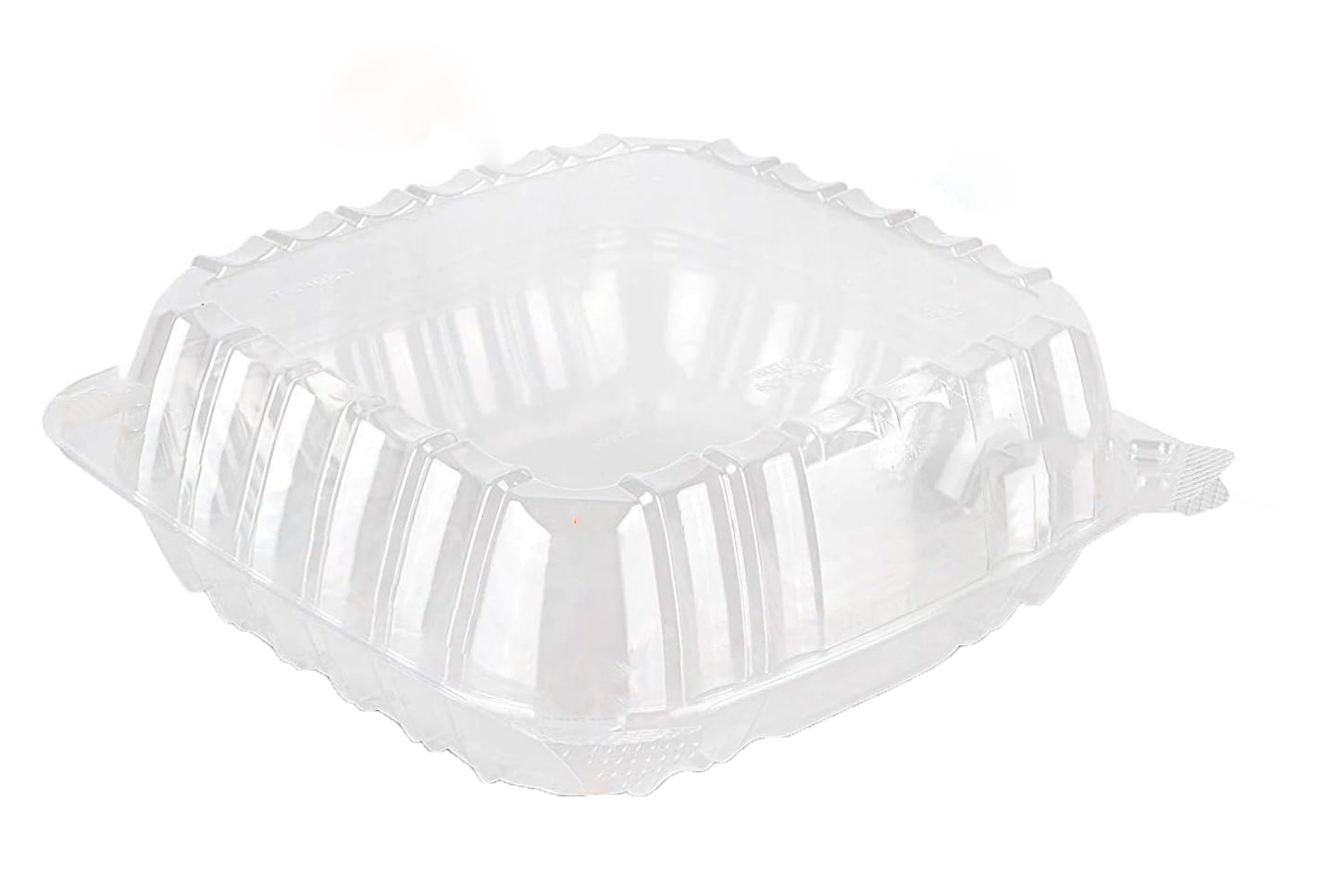
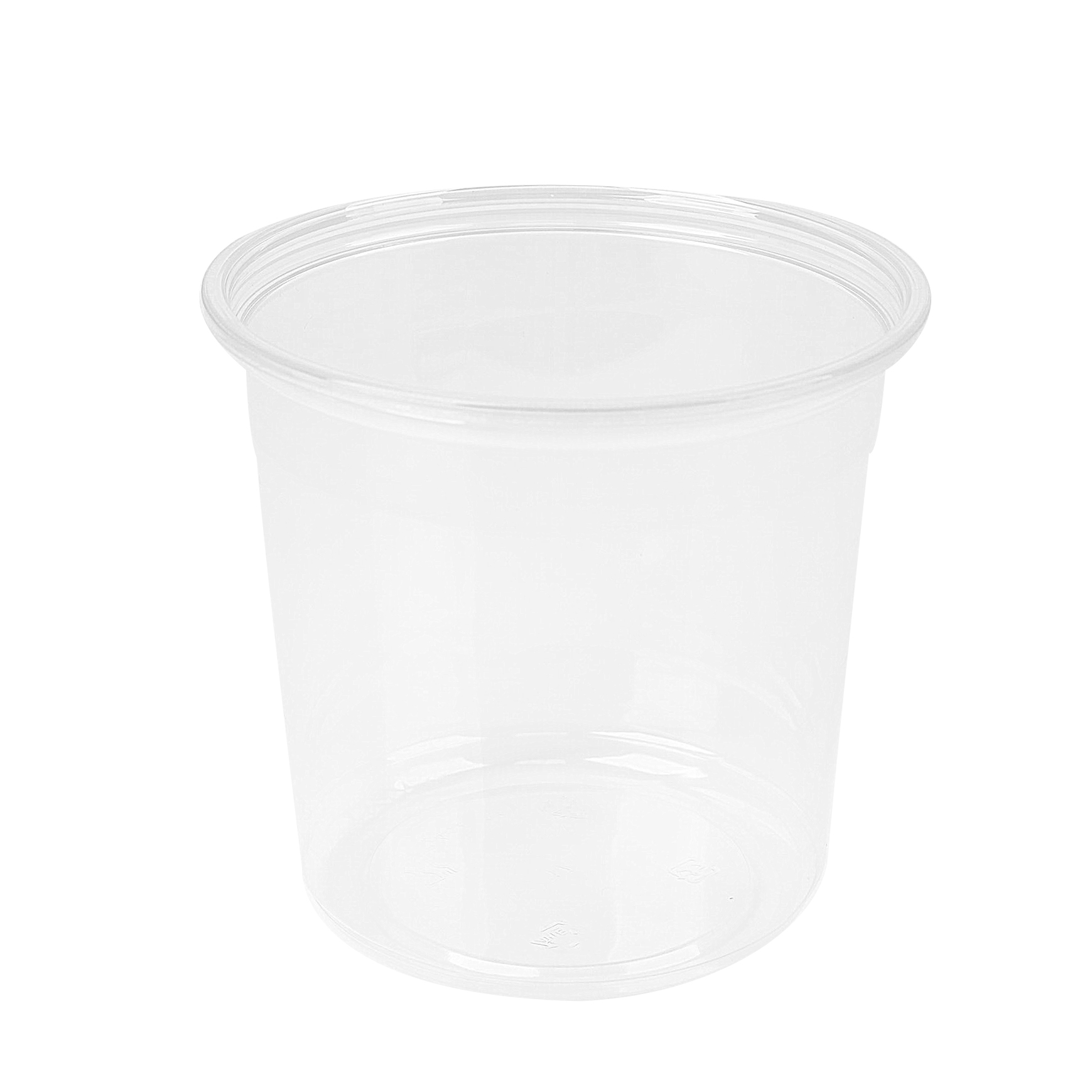
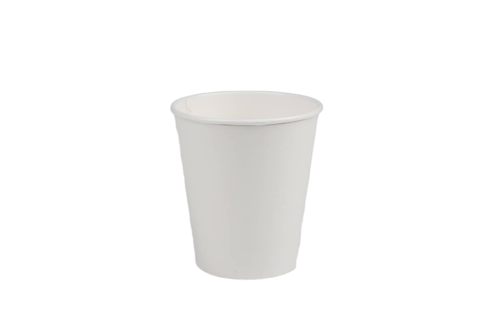
The way PET is structured at a molecular level gives it that glass-like transparency we all know and love, transmitting around 92% of available light. This makes those fancy layered drinks such as smoothies and colorful cocktails look absolutely stunning when served in PET containers. Most other plastics like polypropylene or polystyrene just don't compare because they tend to be cloudy or hazy no matter what. What's really interesting is how PET keeps looking clear even when temperatures change. According to various polymer research findings, PET cups still maintain about 98% clarity after sitting in the fridge for an entire day. For upscale drink services where presentation matters so much, this visual quality makes a big difference in customer decisions and ultimately affects how people perceive brands.
Rigidity and Wall Thickness Optimization: Balancing Structural Integrity with Lightweight Design
The tensile strength of PET ranges between 55 and 75 MPa which means manufacturers can get away with really thin walls around 0.3 to 0.5 mm thick while still keeping the cups from collapsing under pressure. This actually cuts down on material usage by roughly 15 to 20 percent compared to polystyrene. Because of this efficiency advantage, designers are able to create taller cups without needing ribs that might interfere with how clear they look through. Most engineers rely on something called finite element analysis when figuring out the best shape for these cups to handle about 120 Newtons of vertical force. And let's not forget about PET's flexural modulus sitting somewhere between 2,000 and 3,000 MPa. This property helps maintain structural integrity even in those slimmer, tapered designs we see so often. Plus, despite all this performance, PET is still about 30 percent lighter than similar glass containers making it a real winner in many applications.
Tactile Feedback and Acoustic Response: How PET Enhances Consumer Perception of Quality
PET has this nice ringing sound when someone taps it, around 4 to 6 kHz frequency range. Researchers have found that people subconsciously connect this sound with better quality packaging. The material also feels just right in the hand because of its surface friction between 0.4 and 0.6 micro units. Not too slippery, not too sticky. Plus, PET doesn't conduct heat well at all (only 0.24 W per meter Kelvin), so it stays cool to the touch right away. All these little things work together to make products feel more valuable. A recent study from the Journal of Sensory Evaluation showed that almost seven out of ten shoppers think PET sounds and feels better than PP, which gives off this boring thud instead.
Thermal Performance and Food-Safety Compliance Across Materials
Glass Transition Temperatures and Hot-Fill Limits: PET vs PP vs PS in Real-Use Scenarios
Polyethylene terephthalate (PET) has what's called a glass transition temperature around 70 to 80 degrees Celsius. That makes it lower than polypropylene (PP) which can handle up to about 100 degrees, but still higher than polystyrene (PS) that starts to deform when temperatures go over 70 degrees. When serving hot coffee at roughly 85 degrees Celsius, PET containers need something extra like double wall insulation to stay functional. Polypropylene on the other hand holds its shape just fine without any special treatment needed. The way these materials expand when heated matters too for their performance. PET tends to grow by about 0.6 to 0.7 percent for every ten degree increase in temperature. Compare that to PP expanding somewhere between 1.5 to 2.0 percent under similar conditions. These differences actually impact how well seals hold up after multiple heating cycles, making material choice pretty important for certain applications.
Microwave Safety and BPA-Free Certification: Validated Claims for Each Resin
Polypropylene or PP plastic is basically safe for use in microwaves and doesn't contain BPA either, so there's no need for extra certifications when using it in food service operations. Polyethylene terephthalate (PET) plastic is also free from BPA but gets soft at around 65 degrees Celsius, making it a poor choice for microwave use. Polystyrene (PS) requires special testing to confirm it's BPA-free and absolutely shouldn't go near a microwave since harmful chemicals called styrene monomers can start leaking into food once temperatures hit about 70 degrees. Recent research on packaging safety from last year indicates that PP maintains about 98% chemical stability even after multiple heating cycles, which beats PET's performance of just 89%. This makes PP the clear winner when looking for materials that work well for reheating food.
Recyclability, Environmental Impact, and Sustainable Alternatives
Resin Identification, Collection Infrastructure, and Recovery Rates: PET's Recycling Advantage
PET plastic gets marked with the #1 resin code everywhere, making it simple for recycling centers to spot and sort properly. Curbside pickup programs across more than 3,000 cities in America help boost PET's recovery rate to around 29%, way ahead of materials like polypropylene and polystyrene that struggle with inconsistent recycling options. The market wants recycled PET badly these days, so companies can cut down on new plastic by as much as 70% when they remake products from old ones. With both mechanical and chemical recycling methods getting better all the time, PET stands out as probably the best choice for creating packaging that actually works within our current recycling systems and supports greener alternatives at scale.
Manufacturing & Customization Feasibility for PET Custom Plastic Cups
Thermoforming Efficiency, Printing Adhesion, and Surface Treatment for High-Fidelity Branding
The relatively low thermoforming temperature of PET, around 90 to 110 degrees Celsius, means production cycles can be completed 15 to 20 percent faster compared to polypropylene. This speed advantage cuts down on energy consumption while still maintaining accurate dimensions during manufacturing. When it comes to branding applications where detail matters, applying corona treatment increases the surface energy past 38 dynes per centimeter. This makes sure that solvent based inks stick well enough to retain over 95% of their adhesion even after being washed repeatedly. The result? Prints that look almost photographic quality with registration tolerances as tight as 0.1 millimeters. Such precision is especially important for complex logo designs. PET material also naturally enhances colors because of its transparent nature, which actually improves brand recognition rates by approximately 23% when compared to frosted materials. And let's not forget durability factors either. Cups made from properly treated PET can survive more than fifty dishwasher cycles without any peeling or flaking issues, keeping their appearance intact throughout multiple uses.
FAQ
What makes PET a superior choice for clarity in beverage packaging?
PET has a glass-like transparency, allowing around 92% of light transmission, making drinks look visually appealing. Its clarity is maintained even with temperature changes, which is ideal for premium beverage presentation.
How does PET balance structural integrity without sacrificing lightness?
PET's tensile strength allows for thin walls that reduce material usage by up to 20% compared to polystyrene. It combines high structural integrity with being 30% lighter than glass, thanks to its flexural modulus.
Is PET safe for microwave use?
No, PET is not recommended for microwave use as it gets soft at around 65 degrees Celsius, which can compromise its structure, making polypropene a safer option.
How is PET better for recycling compared to other plastics?
PET is easily identified with the #1 resin code and is supported by vast curbside programs, achieving a 29% recovery rate. Its recyclability renders it a preferred choice over other plastics like polypropylene and polystyrene, which face recycling challenges.