Visual Quality: Resolution, Color, and Adhesion on Custom Plastic Cups
Resolution and Color Fidelity Across Pad, Screen, and Digital Printing
Getting good visuals on those custom plastic cups really comes down to picking the right printing technique for the job. Digital printing is great for intricate designs since it can hit around 1440 dpi resolution, which means pictures look almost photographic with nice smooth transitions between colors. Screen printing gives strong spot colors at about 45 to 65 lines per inch resolution, though it doesn't handle tiny details very well. Pad printing sits somewhere in the middle with roughly 100 to 200 dpi resolution, so it works okay for basic logos. But watch out for color consistency differences when printing on PET versus PP materials. According to industry standards like ISO 12647-2, digital printing keeps about 95% color accuracy overall, whereas screen printing typically lands between 85% and 90% because of how thick the ink tends to be.
Surface Adhesion Challenges on Polypropylene and PET Custom Plastic Cups
The chemical makeup of materials plays a big role in how well ink sticks around, which affects how long printed images last visually. For polypropylene (PP) cups, we need to treat them with either flame or corona methods to get their surface energy up past 38 dynes per centimeter before ink will bond properly. Polyethylene terephthalate (PET) has a different story though. Its molecular structure naturally allows better adhesion, so it typically scores between 4B and 5B on cross hatch tests according to ASTM D3359 standards. Untreated PP usually only gets 2B to 3B ratings. When looking at durability, UV cured inks perform really well on both types of material. They maintain about 90% of their original stickiness even after going through 50 dishwashing cycles as tested by NSF/ANSI 51 guidelines. On the flip side, those same tests show that PP without any treatment loses over 40% of its ink coverage under similar conditions. This kind of difference makes clear why proper surface preparation matters so much for products that see heavy usage day after day.
Durability: Abrasion, Dishwasher, and UV Resistance of Printed Custom Plastic Cups
Abrasion Resistance Testing (ISO 1519–2) for Screen, Pad, and Laser-Engraved Cups
When it comes to how long prints last, abrasion resistance is pretty much the starting point. The industry measures this using something called ISO 1519-2 standards which basically mimic what happens when people handle items over and over again. Screen printing works really well on those plastic cups made from polypropylene. The thick ink layers stick around pretty good too, holding onto about 90 percent of their original quality even after being rubbed 500 times. Pad printing isn't so great on curved surfaces though. We've seen PET cups lose their printed designs about 30 percent quicker at the seams where the layers aren't as consistent. Laser engraving beats these methods hands down because it actually changes the surface of the cup itself instead of just putting ink on top. Tests done fast forward through time show that laser etched designs can take over 2,000 rubbing cycles without any damage whatsoever. That makes them perfect for places where lots of people will be touching things constantly, stadiums come to mind immediately.
Real-World Performance in Dishwashers and Sunlight Exposure
Real world testing matters way more than what happens inside labs. When subjected to high heat from dishwashers, solvent based screen prints break down about twice as quickly compared to those cured with UV light. The colors tend to lose their vibrancy at around 40% faster rate after going through fifty wash cycles. Cups made from polypropylene hold onto printed graphics much better than PET materials when run through dishwashers because they handle heat better overall. Looking at how things fare under sunlight shows similar trends. Digital prints that contain UV resistance keep roughly 95% of their original color intensity even after sitting outside for half a year, whereas regular pad prints start showing signs of fading pretty quickly within just a few weeks. Anyone planning on putting designs outside needs to consider adding UV inhibitors into their ink mixtures. Without protection, artwork tends to turn completely white after only about 200 hours exposed directly to sunlight.
Practical Limitations: Geometry, Material, and Production Scalability for Custom Plastic Cups
Curvature, Seam Lines, and Consistent Print Area Coverage
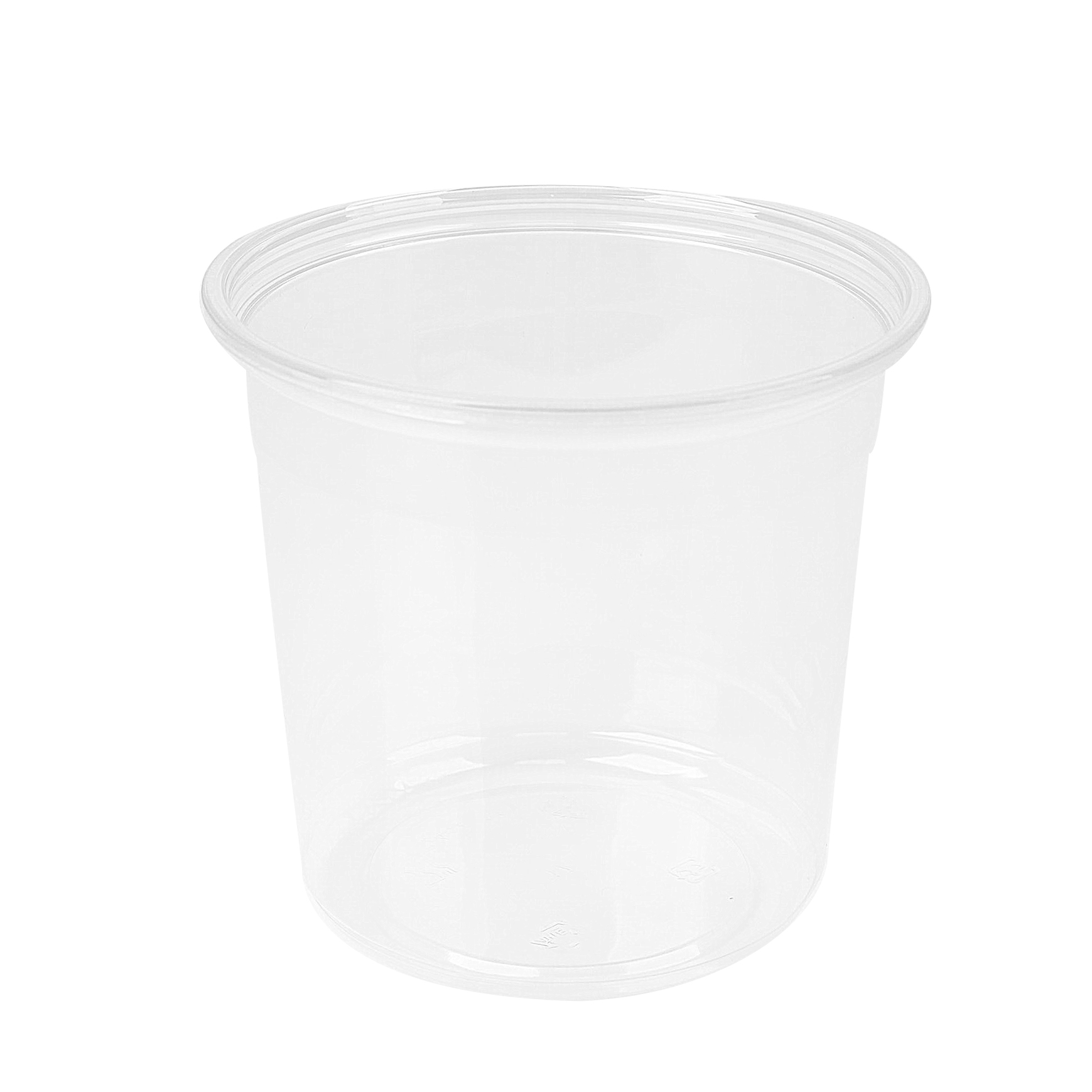
How custom plastic cups are shaped physically really affects how well they can be printed on and whether they work for mass production. When there are sharp curves close to the top or bottom edge, this often causes problems for pad printing and screen printing methods, particularly when trying to get fine details right in complex logos where lines are thinner than half a millimeter. Injection molded PP cups typically have those visible seam lines running across them which messes up continuous printing areas. This forces designers to break up their artwork into pieces that don't always line up properly. Studies from actual manufacturing floors show misalignment issues go up somewhere between 15% to maybe around 30% when these cups move through fast production lines. PET cups do have smoother surfaces overall, but printers still struggle getting ink to stick consistently along those little structural ridges that form part of the cup's construction.
When scaling up production, there are some real headaches to deal with. Digital printing handles complex shapes better than most methods but struggles when trying to hit anything over 500 pieces per hour. Screen printing can crank out much larger quantities though it needs flat areas wider than 25mm to work properly. Trying to wrap prints around objects with tapers steeper than 12 degrees is basically asking for trouble. We've all seen what happens when ink pools up or leaves gaps at those tricky transition spots. Manufacturers end up walking a tightrope between what looks good and what actually works physically. Sometimes they simplify designs on curved surfaces, other times they bite the bullet and accept more waste for those fancy detailed prints. The material choice makes a big difference too. Polypropylene (PP) has this low surface energy thing going on that means special treatments before printing to stop everything from peeling off later. That adds about 8 to 12 percent extra time compared to working with PET materials instead.
FAQ Section
What printing method offers the highest resolution for custom plastic cups?
Digital printing provides the highest resolution, reaching around 1440 dpi, making it ideal for intricate designs with smooth color transitions.
How do polypropylene and PET differ in terms of ink adhesion?
Polypropylene needs flame or corona treatment to ensure proper ink adhesion, while PET naturally offers better adhesion due to its molecular structure.
Which material is more durable in dishwasher tests?
Polypropylene cups retain printed graphics better than PET in dishwashers due to their superior heat resistance.
Is laser engraving more durable than traditional printing methods?
Yes, laser engraving alters the surface itself and withstands over 2,000 rubbing cycles without damage, making it more durable than traditional methods.
What are the challenges of printing on curved surfaces of custom plastic cups?
Curved surfaces can cause misalignment and ink pooling issues, especially with pad and screen printing methods when tackling intricate designs.
Table of Contents
- Visual Quality: Resolution, Color, and Adhesion on Custom Plastic Cups
- Durability: Abrasion, Dishwasher, and UV Resistance of Printed Custom Plastic Cups
- Practical Limitations: Geometry, Material, and Production Scalability for Custom Plastic Cups
-
FAQ Section
- What printing method offers the highest resolution for custom plastic cups?
- How do polypropylene and PET differ in terms of ink adhesion?
- Which material is more durable in dishwasher tests?
- Is laser engraving more durable than traditional printing methods?
- What are the challenges of printing on curved surfaces of custom plastic cups?