



What the Coating Decides Before the Marketing Does
A coating decides what a paper pack can hold, how it seals and what happens to it after use. PLA coated paper and PE coated paper are the options most often compared, and the comparison is usually framed as sustainability rather than performance. Buyers who reverse that order end up with a pack that meets a claim and fails a fill line.
PE has been the default for decades because it is tough, heat-sealable and forgiving on high-speed converting lines. PLA offers a compostable route, but it behaves differently at temperature, in sealing and in the waste stream. Neither is universally better, and the right answer changes with the food, the fill temperature and the market.
The Paper Materials catalogue shows the split clearly. Window paper cups are made from food-grade paperboard with PE or PLA lining, vending cups use PE coating, and pressed trays list PET, PE, PP, PLA and water-based coatings according to the food.
Trouble usually starts when a coating is chosen for its end-of-life label and cannot survive the fill, or when compostability is claimed where no collection route exists.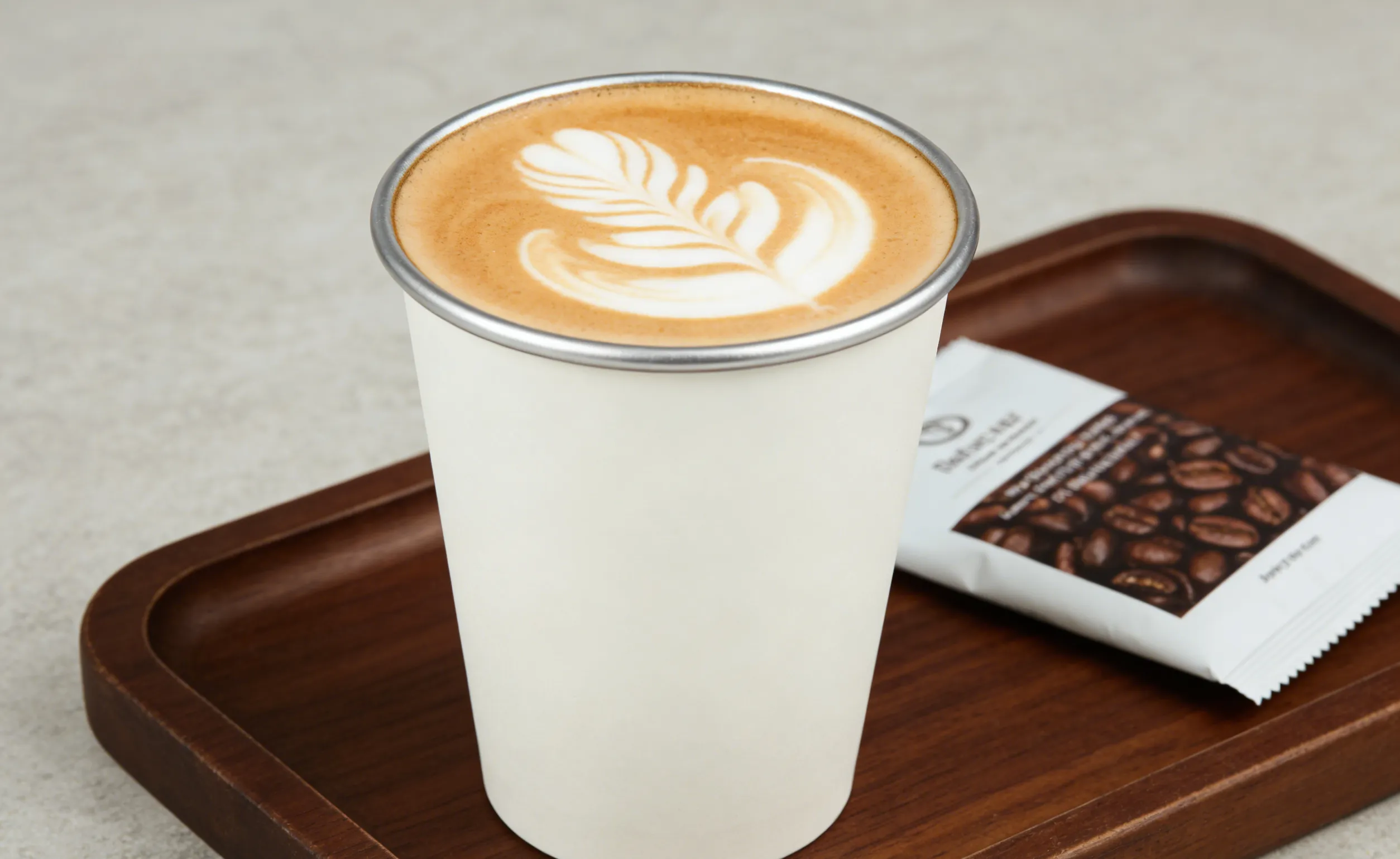
Two Coatings, Two Different Jobs
Both materials are polymers applied to board, yet they fail differently, seal differently and are treated differently by a paper mill. The Paper Materials catalogue keeps them as separate families for that reason, and the specification table is where the difference becomes visible.
What PE Coating Provides
PE coating is a polyolefin layer extruded onto board. It gives a continuous water barrier, high heat-seal strength and tolerance of hot fills, which is why paper cupstock for vending and takeaway drinks is commonly PE coated across the Paper Materials range. It resists greasy food and does not turn brittle in chilled display. Its weakness sits at end of life, because the plastic layer has to be separated from the fibre before repulping, and in many markets PE coated paper is collected with general waste rather than with paper.
What PLA Coating Changes
PLA coating is a polyester derived from renewable feedstock, applied as a thin layer. In the Paper Materials specification it appears as a compostable option for cold and warm service rather than for ovenable formats. It gives a good water barrier and a clean printing surface. Its limits appear at heat, since PLA softens at lower temperatures than PE. Seal strength also develops over a narrower window, and the coating is more sensitive to storage humidity before converting. Nothing in the chemistry prevents good print, and that is often the deciding factor.
Heat, Cold and Sealability
Temperature separates the two coatings most clearly in daily operation, and sealing is where that difference turns into a production problem rather than a design debate. Both tests belong in the Paper Materials qualification, not in the brochure.
Temperature Envelope in Service
PE holds its properties across a broad band from chilled display to hot fill, which is why paper cupstock for beverage cups is mostly PE coated. PLA performs well in chilled and ambient service and tolerates warm food, but it is not the coating for ovenable formats. Chilled and frozen service is comfortable for both, provided the board stays dry. The pressed tray specification in the Paper Materials range illustrates the logic, stating a working range of -20°C to 220°C depending on material and coating selection. No single coating covers that whole band, so the food, not the label, should set the requirement.
Sealing and Converting Behaviour
PE seals across a broad temperature and pressure window, which keeps line speeds high and scrap low. PLA needs tighter control, and a seal that looks closed may be weaker than it appears, so seal strength has to be measured rather than assumed. Board flatness and coating weight affect the result as well. Anyone moving an existing format from PE coated paper to PLA coated paper should expect to re-qualify the seal settings, the fill temperature and the drop performance, and should book Paper Materials support for that work in advance.
Repulpability and Industrial Composting
End-of-life language is where packaging claims usually become unhelpful. Repulpability and compostability are different properties, tested differently, and neither follows automatically from the other. Paper Materials grades should be compared on both, in the market where they will be sold.
How Each Coating Behaves in a Repulping Line
A paper mill repulps fibre in water and screens out what will not disperse. PE does not disperse, so it leaves the process as a residue stream that the mill must handle and dispose of. Aqueous coatings disperse more readily, and the aqueous coated paper listed under Paper Materials is described as offering good recyclability depending on local collection and regulation. PLA must also be separated, and its behaviour depends on coating weight and mill screening. None of this makes a coated cup recyclable on its own; a mill has to accept the bale.
What Industrial Composting Actually Requires
Industrial composting is a controlled process with maintained temperature, moisture and aeration, run at a facility that accepts packaging. A compostable food container has to be certified against a recognised standard for that environment and must not leave problematic residue behind. Home compost conditions differ and are not covered by an industrial certificate. The practical test for a Paper Materials buyer is simple: is there a facility that will take this pack from this store, and does the certificate cover the whole article, including the lid and any window film.
Matching the End-of-Life Claim to the Collection System
A claim that outruns the local waste infrastructure is a liability, not a marketing asset. The collection route should be agreed before the coating is chosen, and the Paper Materials documentation should be read with that route in mind.
Reading a Certificate's Scope
Certificates are written around a defined test environment, a defined item and a set of pass criteria. Ask which standard applies, which item is covered, at what thickness, and whether the certificate covers the printed and coated article as supplied. The MAP Series pages note that the manufacturer holds FSC, BPI and OK COMPOST certification alongside BRC and ISO quality systems, which confirms that schemes exist in-house but does not define the scope for a given SKU. Scope has to be confirmed per product for each Paper Materials item, in writing, before it appears on a pack. Every food packaging material claim starts with that check.
Writing a Defensible Claim
Choose wording that matches what actually happens to the pack. Compostable in industrial facilities is defensible when collection exists and the certificate covers the item. Biodegradable on its own says nothing about time or environment and should stay out of consumer copy. Wording should also match the advertising rules of the market, which vary. Recyclable needs a mill willing to accept the stream. For any food packaging material decision, the safe sequence is to fix the service requirement, then choose between Paper Materials grades, then agree the claim with the waste contractor before print is approved.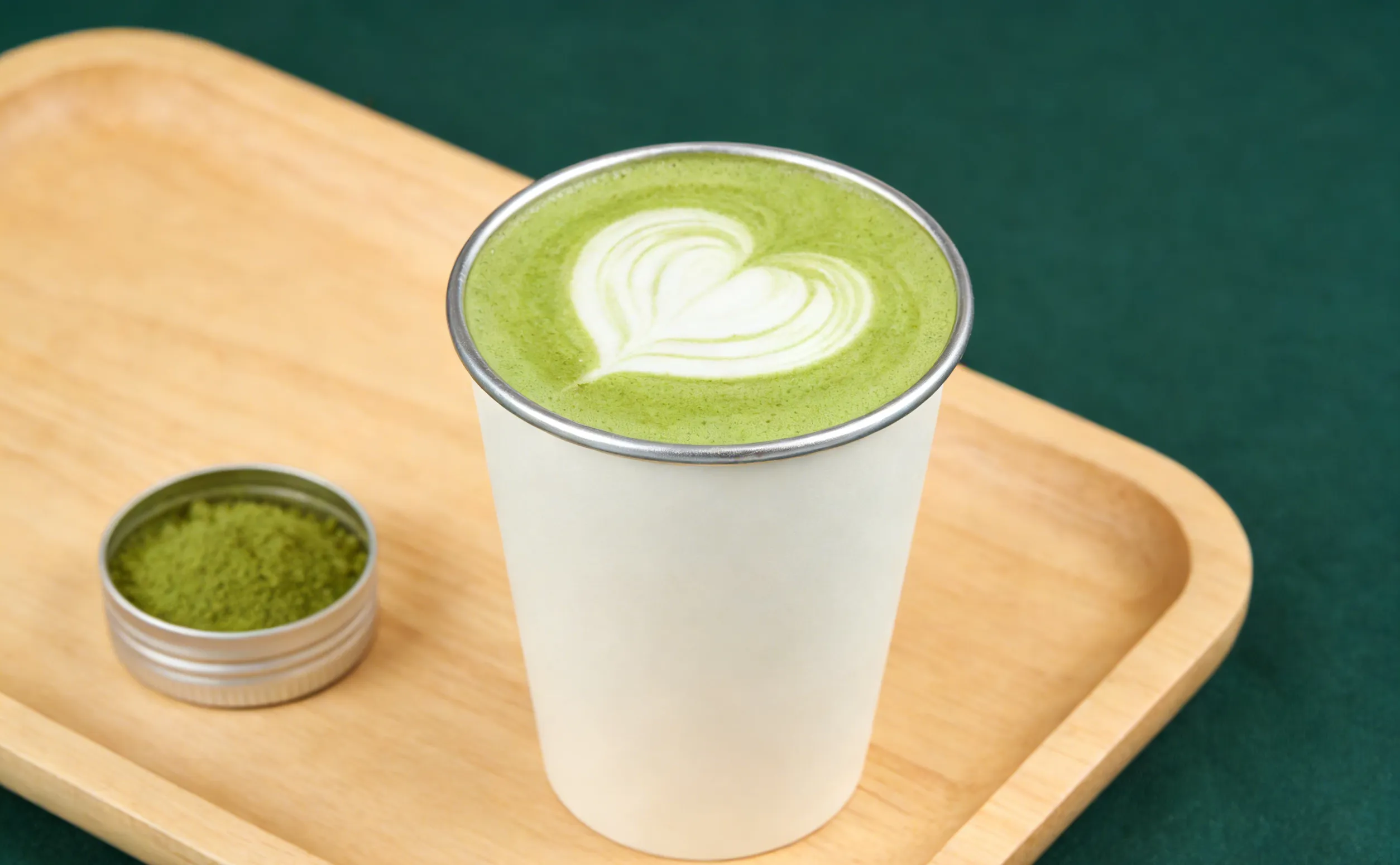
FAQ
Can PLA coated paper be used for hot drinks?
It can, within limits. A PLA lining suits warm and moderately hot service, but it softens at lower temperatures than PE and is a poor choice for boiling fill or packs held hot for a long time. Many formats in the Paper Materials range offer both linings on the same cup, so the decision comes down to fill temperature, holding time and whether a composting route exists locally, and the fill temperature the lining was qualified at.
Is PE coated paper recyclable?
Not by default. The fibre can be recovered where a mill has the equipment to separate and screen the plastic layer, and some regions collect PE coated cups separately for that purpose. In many markets the pack goes to general waste or energy recovery. The honest position for a Paper Materials buyer is to name the mill or scheme that will take the pack, say which market the statement applies to, and avoid describing the material as recyclable in the abstract.
Does a compostable coating make the whole cup compostable?
No. Certification applies to a complete article, not to one component. A PLA lined cup with a PE lid, a plastic window or a conventional varnish may fail as a whole even though the lining passes on its own. Ask for the certificate that covers the assembled pack as supplied, check the item description and thickness on it, and confirm that the lid and any film sit inside that scope. Trust the assembled article, not the component data sheet.