


How Stackability Enhances Storage Efficiency in Clear Plastic Cups
Vertical Space Compression Through Precision Nesting Design
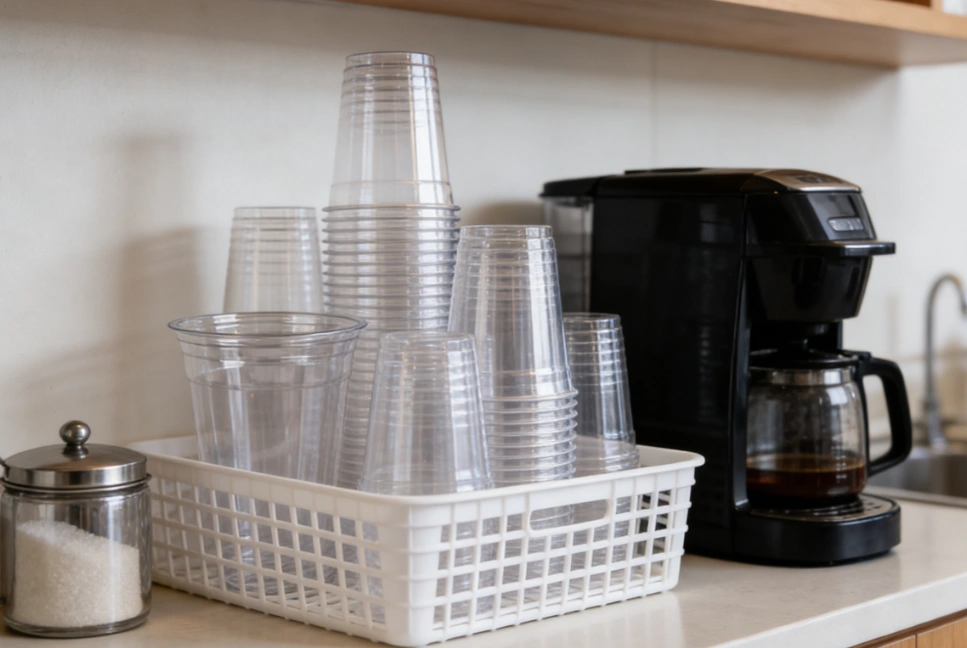
Precision nesting is the primary mechanism that lets clear plastic cups occupy far less vertical space than non-stackable alternatives. Each cup tapers slightly so the base of one fits snugly into the open rim of the next—creating a tight, stable column rather than a loose pile. According to 2024 food service logistics reviews, this design allows 50–70% more cups per storage unit compared to non-stackable options. Operators report up to a 40% reduction in overall storage footprint, enabling a single square foot of retail shelf space to hold over 200 cups. That density shortens restocking cycles, reduces backroom trips, and simplifies inventory counts—since aligned stacks allow for at-a-glance visual audits. Workers can move multiple sleeves without extra boxes or dividers, streamlining handling across warehouse racks, delivery carts, and point-of-sale displays. With less floor space devoted to cup storage, tight kitchens and stockrooms operate more efficiently—supporting faster setup, fewer fixtures, and lower handling costs in high-volume environments.
Geometric Taper and Wall Thickness: Key Drivers of Stack Stability
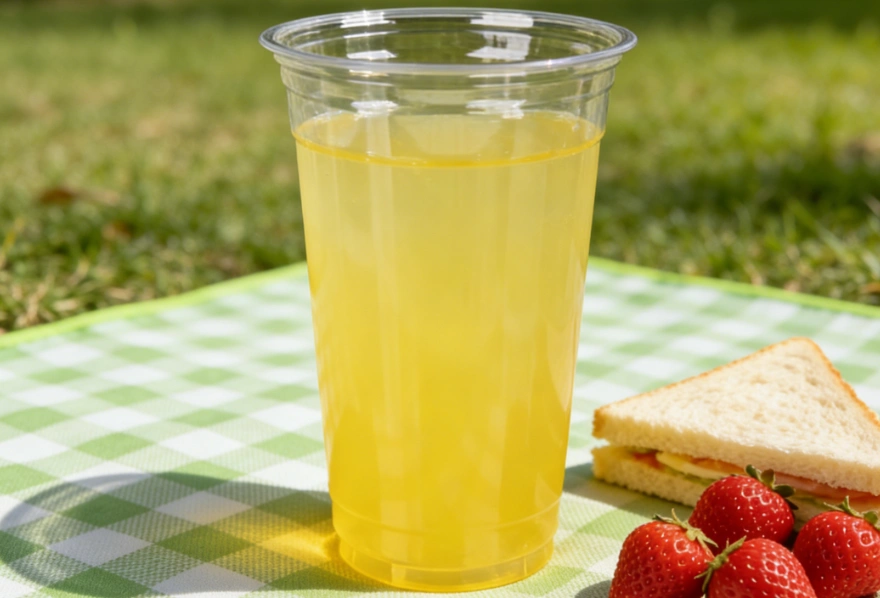
Reliable stacking depends not on chance—but on precise engineering. A controlled, consistent taper creates a narrow gap between nested cups, preventing vacuum locking and allowing air to escape smoothly during compression or separation. Uniform wall thickness ensures alignment of rims and bases under load, while ribbed bases and textured grips add friction—even when wet. Angled rims and wider mouths reduce spills by 25–40% compared to traditional stadium cups, per the Food Service Equipment Journal (2023). These features matter most in crowded, fast-paced settings where collisions are common. Consistent material distribution also eliminates weak points that could collapse under stacked weight. Even minor dimensional variation—without that engineered taper—can cause leaning, sticking, or sudden toppling. Overly thin walls flex and deform; overly thick ones add unnecessary mass and hinder smooth release. By balancing taper and wall thickness, manufacturers deliver cups that nest predictably, separate cleanly, and retain rim integrity from warehouse to service—reducing waste and maintaining presentation quality.
Why PET Is the Preferred Material for Clarity and Consistent Stackability
PET (polyethylene terephthalate) is the industry standard for clear stackable cups—not just for its glass-like transparency, but for its molecular stability under repeated nesting stress. Unlike polypropylene (PP), which carries a slight haze, PET delivers high optical clarity that showcases drink color and texture—critical for premium beverage presentation. Its impact resistance prevents rim deformation during rapid de-nesting, while low surface friction enables smooth, reliable separation in high-speed cafés and catering operations. PET’s inherent moisture barrier also minimizes condensation-related softening, preserving stack uniformity in humid back-of-house environments. As a #1 recyclable resin, it supports sustainability goals without compromising performance. For cold beverage service—where most stackable cups are deployed—PET maintains dimensional consistency across thousands of units, ensuring stable stack height and long-term clarity. This combination of visual fidelity, mechanical reliability, and operational efficiency makes PET the trusted choice for professionals who prioritize both performance and presentation.
Optimizing Thickness, Thermal Resistance, and Handling for High-Volume Stacking
Wall thickness must strike a precise balance: too thin, and cups buckle under stack load; too thick, and they resist nesting or add excess weight. Sidewalls between 0.30 mm and 0.45 mm typically provide optimal flex for easy release while resisting crush during storage and transport. Thermal limits are equally critical—PET cups should not hold liquids above 113–140°F (45–60°C), as heat softens sidewalls and shifts alignment, risking instability. For cold drinks, PET holds shape reliably. Handling practices reinforce this engineering: staff should grip cups by the rim or base—not the sidewall—to avoid ovalizing openings and weakening nesting consistency. Storage in cool, dry conditions preserves surface friction and prevents humidity-induced sticking. Automated dispensing systems rely on these same tolerances—precise taper and consistent thickness reduce misfeeds, jams, and material waste. When material science and operational discipline align, large inventories remain ready for fast, safe, and cost-efficient service.
Operational Benefits: Warehouse, Logistics, and Retail Efficiency from Stackable Clear Plastic Cups
Stackable clear plastic cups transform vertical storage into a measurable logistics advantage. Properly nested designs reduce required storage volume by up to 40% versus rigid, non-nesting formats—per 2024 warehouse handling data—freeing square footage, cutting clutter, and increasing throughput in receiving and staging areas. Logistics teams benefit from standardized tapers and wall profiles that ensure sleeve uniformity and pallet-load stability. Consistent sizing across production batches prevents jamming in automated equipment and slashes repacking labor caused by crushed or misaligned cups—lowering shipping costs per unit and reducing freight damage. At retail and food-service locations, the same engineering translates to speed: many shelf layouts accommodate over 200 nested cups per square foot. Staff restock dispensers faster during peak hours, improving service flow and reducing front-of-house labor tied to replenishment. In sum, stackability isn’t just about space—it’s a system-level efficiency multiplier across the entire supply chain.
FAQ Section
Q: What is the main advantage of stackable clear plastic cups compared to non-stackable ones?
A: They save vertical space by up to 40%, reduce storage footprint, and simplify logistics across warehouses, retail shelves, and food-service setups.
Q: Why is PET preferred for these cups?
A: PET ensures high optical clarity, mechanical stability, and reliable stackability under repeated use, as well as compatibility with sustainability goals.
Q: How does cup taper affect stacking performance?
A: Controlled taper design avoids vacuum locking, ensures stable nesting, and eliminates weak points under stacked loads.
Q: Are these cups suitable for hot beverages?
A: PET cups perform best with cold drinks and should not be used for liquids above 113–140°F, as heat can compromise structural integrity.
Q: How does stackability benefit logistics teams?
A: Standardized tapers and sizes minimize jamming, reduce freight damage, and speed up restocking, boosting overall efficiency for supply chains.
Table of Contents
-
How Stackability Enhances Storage Efficiency in Clear Plastic Cups
- Vertical Space Compression Through Precision Nesting Design
- Geometric Taper and Wall Thickness: Key Drivers of Stack Stability
- Why PET Is the Preferred Material for Clarity and Consistent Stackability
- Optimizing Thickness, Thermal Resistance, and Handling for High-Volume Stacking
- Operational Benefits: Warehouse, Logistics, and Retail Efficiency from Stackable Clear Plastic Cups
- FAQ Section