


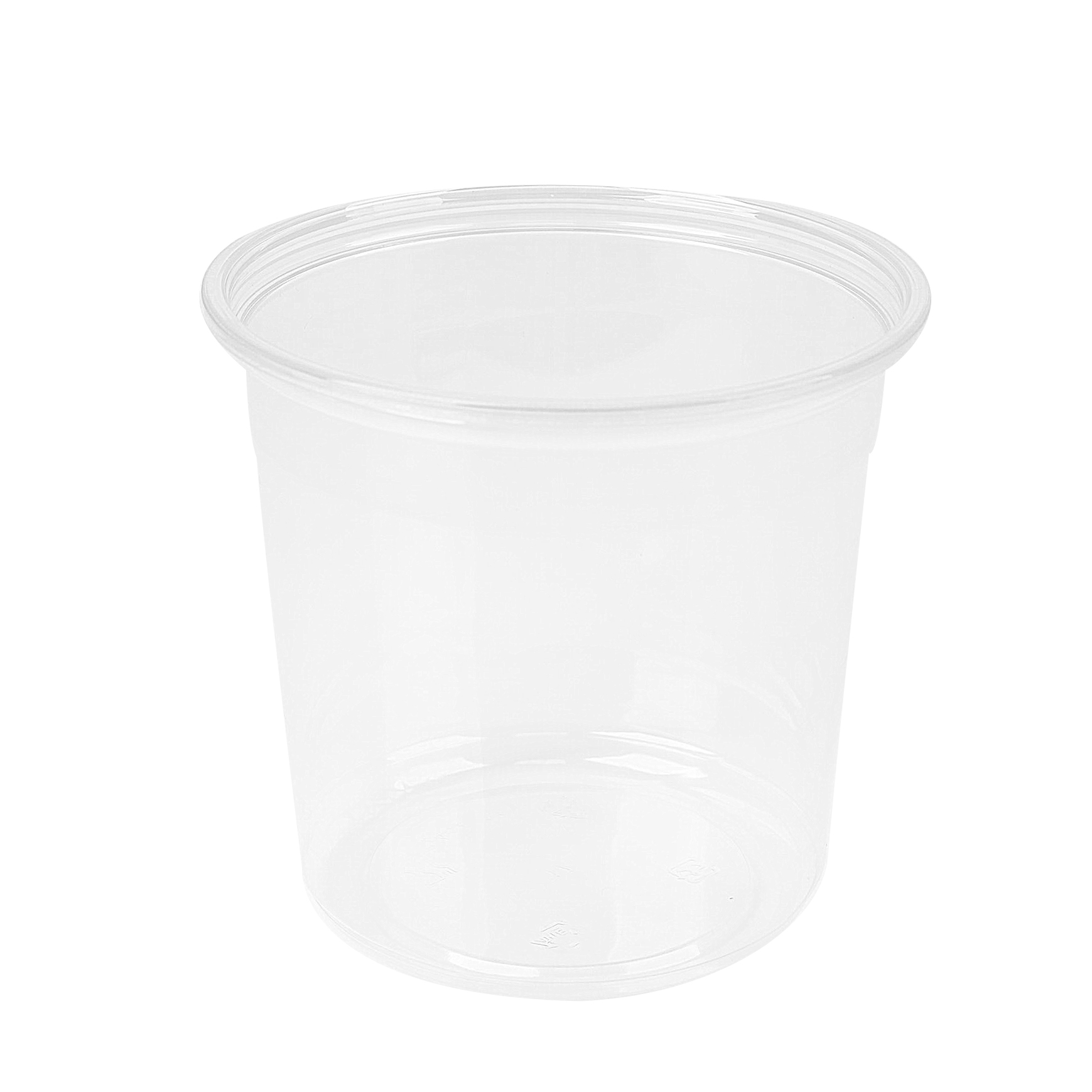
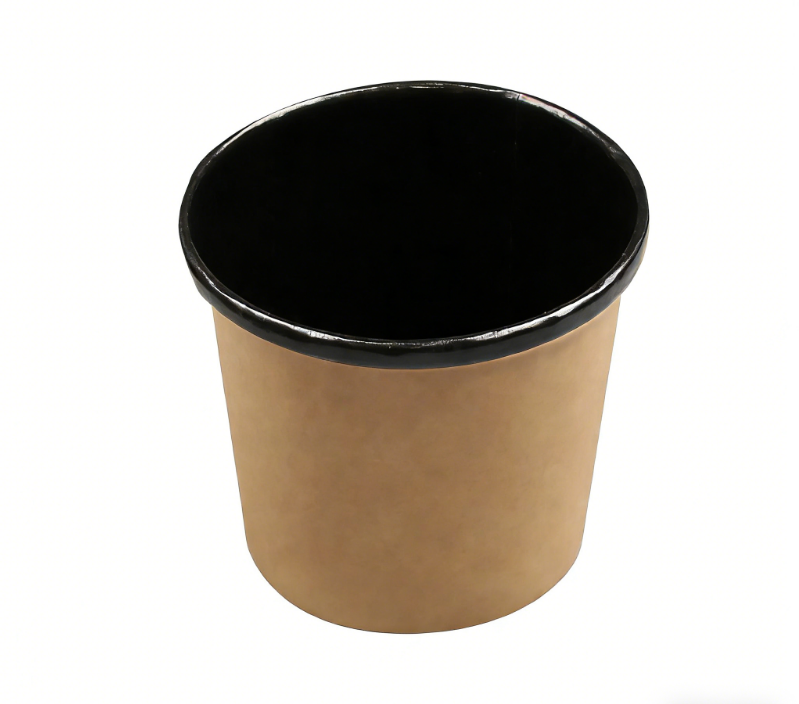
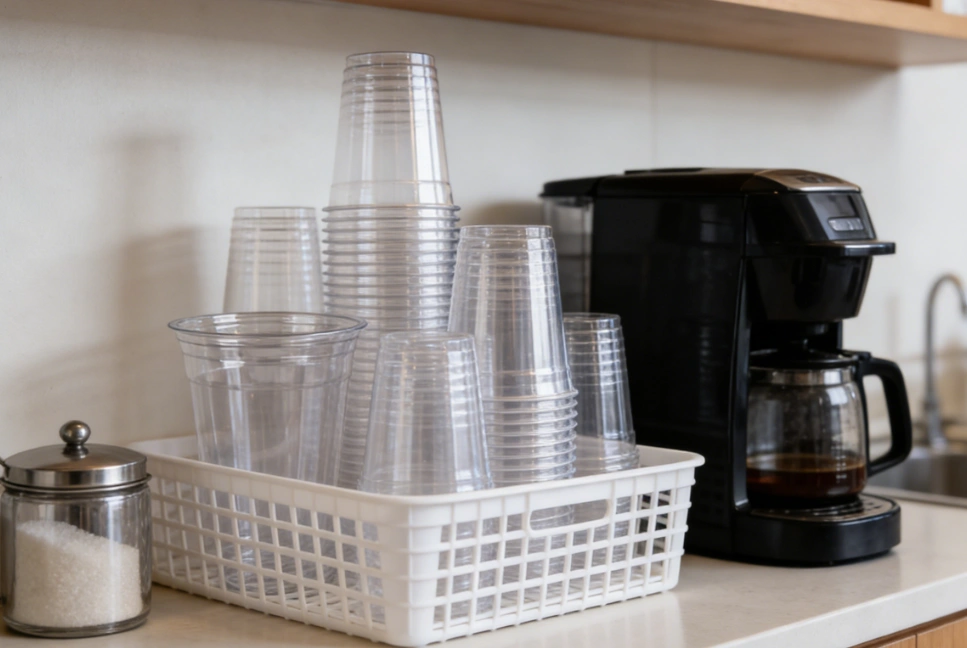
The global shift toward sustainable packaging has fundamentally transformed how manufacturers approach disposable drinkware, particularly in the development of recyclable clear plastic cups. As environmental regulations tighten and consumer awareness grows, material innovations have emerged as critical differentiators in the food service and beverage industries. Modern clear plastic cups now incorporate advanced polymer technologies that balance clarity, durability, and end-of-life recyclability, addressing the urgent need for circular economy solutions in single-use packaging applications.
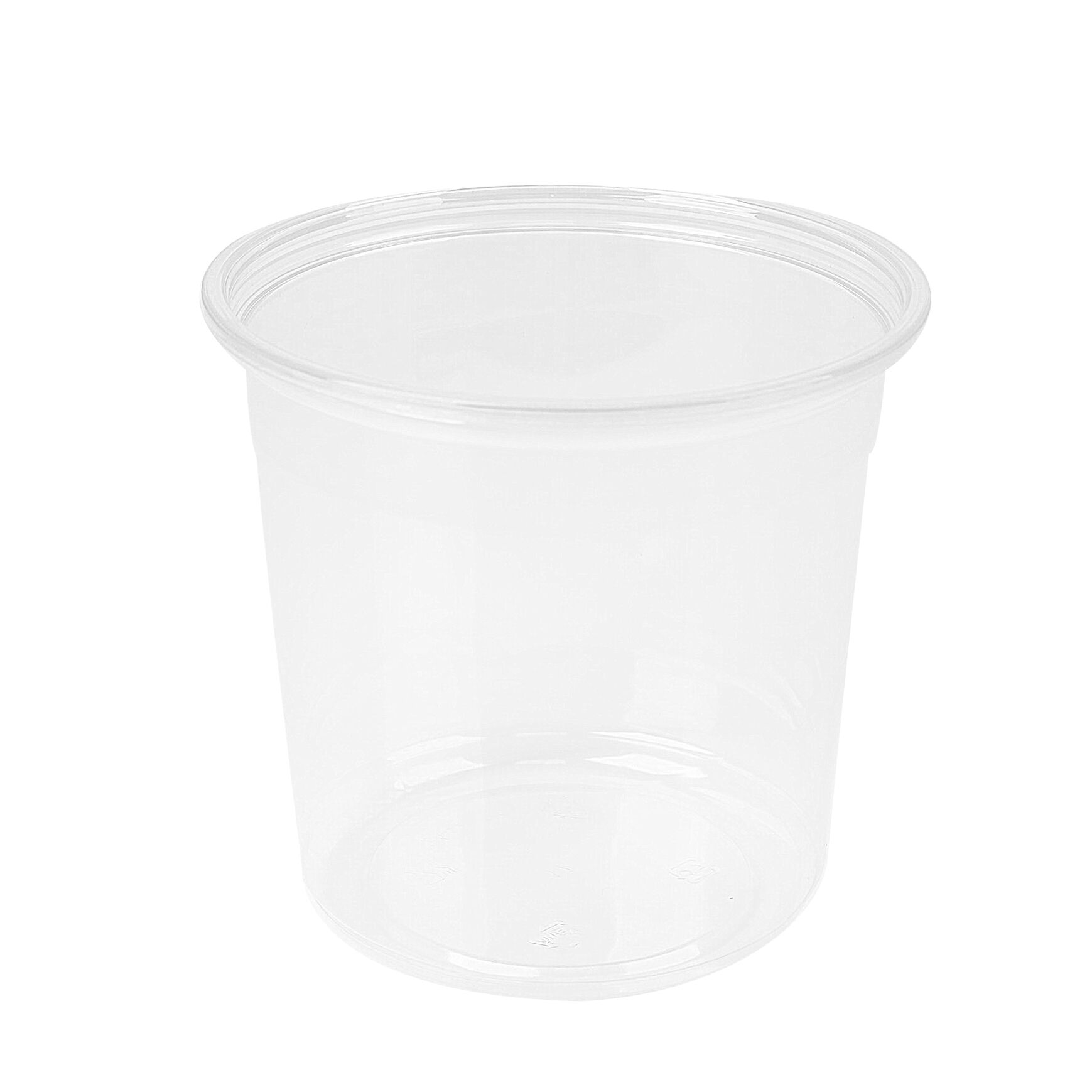
Material science breakthroughs have enabled manufacturers to produce clear plastic cups that maintain exceptional optical properties while ensuring compatibility with existing recycling infrastructure. These innovations extend beyond simple polymer substitution, encompassing molecular engineering, additive optimization, and processing techniques that reduce environmental impact throughout the product lifecycle. Understanding these material advancements is essential for procurement professionals, sustainability managers, and business operators seeking to align their packaging choices with both regulatory requirements and corporate environmental commitments.
Polymer Chemistry Advances Driving Recyclability
Polyethylene Terephthalate Glycol Modifications
The development of modified PET-G formulations represents a significant advancement in recyclable clear plastic cups manufacturing. Traditional PET-G offers superior clarity and impact resistance but historically presented challenges in mechanical recycling streams due to glycol content variability. Recent molecular engineering has produced PET-G variants with controlled crystallization behavior that separate cleanly during recycling processes. These modified polymers maintain the optical brilliance and crack resistance required for premium beverage applications while achieving contamination-free recycling yields exceeding 92% in industrial settings.
Chemical recycling compatibility has become another focal point for PET-G innovation in clear plastic cups. Advanced depolymerization-ready formulations incorporate stabilizer packages that prevent degradation during chemical breakdown processes, allowing recovered monomers to achieve virgin-equivalent purity. This dual-path recyclability addresses both mechanical and chemical recovery infrastructure, providing flexibility as recycling technologies continue to evolve globally. Manufacturers implementing these materials report improved sustainability metrics without compromising the visual appeal and structural performance that consumers expect from transparent drinkware.
Polypropylene Clarification Technologies
Polypropylene has emerged as a competitive material platform for recyclable clear plastic cups through the application of nucleating agents and clarifying technologies. Traditional polypropylene exhibits hazy appearance due to its semi-crystalline structure, limiting its use in transparent applications. Modern clarifying systems based on sorbitol derivatives and phosphate esters reduce crystal size to below visible light wavelengths, producing clarity levels approaching 90% while maintaining polypropylene's excellent chemical resistance and temperature tolerance.
The recyclability advantage of clarified polypropylene stems from its monomaterial composition and compatibility with established PP recycling streams. Unlike multi-layer or blended systems, these clear plastic cups can be processed through standard polypropylene recycling without special sorting requirements. The material's inherent density characteristics facilitate efficient float-sink separation in recycling facilities, and its thermal stability allows multiple reprocessing cycles with minimal property degradation. Food service operators adopting clarified PP cups report seamless integration into municipal recycling programs, particularly in regions with robust polypropylene collection infrastructure.
Bio-Based Polymer Integration
Bio-attributed PET formulations represent an innovative approach to sustainable clear plastic cups that maintains full recyclability while reducing fossil carbon dependence. These materials substitute petroleum-based ethylene glycol with bio-derived alternatives sourced from sugarcane or corn, achieving up to 30% renewable content without altering molecular structure or recycling compatibility. The resulting bio-PET clear plastic cups are chemically identical to conventional PET, ensuring they process seamlessly in existing recycling infrastructure without creating contamination issues or requiring separate collection streams.
Polylactic acid blends with optical modifiers have also gained traction for applications where composability complements recyclability goals. Advanced PLA formulations incorporate chain extenders and impact modifiers that improve melt strength and thermal resistance, addressing traditional limitations in hot-fill applications. While not universally recyclable through conventional plastics streams, these materials offer industrial composting pathways that close the loop in controlled waste management environments. Organizations with access to commercial composting facilities can leverage these clear plastic cups to achieve genuine biodegradation while maintaining transparency and food-contact safety.
Processing Innovations Enhancing Recyclability
Mono-Material Construction Techniques
Injection stretch blow molding advances have enabled the production of clear plastic cups with uniform wall thickness and optimized material distribution, critical factors for both performance and recyclability. This manufacturing technique produces seamless, single-polymer containers that eliminate the adhesives and barrier layers common in traditional cup construction. The absence of multi-material components simplifies recycling processes significantly, as facilities can process these cups without delamination or contamination concerns that plague laminated structures.
Precision tooling and process control technologies allow manufacturers to reduce material gauge while maintaining structural integrity, decreasing the overall polymer footprint per unit. These lightweight clear plastic cups require less energy to produce and transport, and their reduced material volume translates directly to lower recycling processing loads. Advanced quality control systems using inline spectroscopy and dimensional scanning ensure consistent wall thickness, preventing weak points that could compromise recyclability through contamination from residual contents or structural failure during collection and sorting.
Additive Systems for Enhanced Performance
Modern additive packages for clear plastic cups now prioritize recycling compatibility alongside functional performance. Slip agents, anti-static compounds, and UV stabilizers are formulated to remain molecularly dispersed within the polymer matrix rather than migrating to surfaces or volatilizing during reprocessing. This stability ensures that recycled material maintains consistent flow properties and optical clarity through multiple lifecycle iterations, supporting closed-loop recycling models where post-consumer cups return as feedstock for new cup production.
Oxygen barrier technologies have evolved from multi-layer structures to single-phase solutions that preserve recyclability. Nanocomposite additives and active barrier systems can be incorporated directly into clear plastic cups at concentrations below 5%, providing extended shelf life for oxygen-sensitive beverages without compromising material homogeneity. These innovations eliminate the need for EVOH or other incompatible barrier layers that contaminate recycling streams, allowing premium product protection and sustainability to coexist in transparent packaging applications.
Surface Treatment and Decoration Compatibility
Corona and plasma treatment methods enable high-quality printing on clear plastic cups using inks and coatings designed for easy removal during recycling wash stages. These surface activation techniques create temporary bonding sites that accept inks without chemical primers or tie layers, which can interfere with polymer reprocessing. Water-based and easily deinkable printing systems ensure that decorative elements do not compromise the purity of recycled material, maintaining the value chain for recovered polymers.
In-mold labeling technologies adapted for recyclability represent another processing innovation benefiting clear plastic cups. By using label materials chemically compatible with the base polymer—such as PP labels on PP cups—manufacturers create decorated products that behave as single-material streams in recycling facilities. The label and cup fuse during processing, eliminating separation challenges and ensuring consistent material quality in recycled output. This approach maintains branding flexibility while supporting circular economy objectives through design-for-recycling principles.
Design Optimization for Circular Economy Integration
Standardized Geometry for Sorting Efficiency
Dimensional standardization initiatives in clear plastic cups manufacturing address critical challenges in automated recycling facility operations. Cups designed within specific height-to-diameter ratio parameters pass efficiently through optical sorters and mechanical separators, reducing rejection rates and improving recovery yields. Industry collaborations have established dimensional guidelines that balance consumer convenience, stacking efficiency, and sortation compatibility, ensuring that more cups successfully navigate recycling infrastructure to reach reprocessing facilities.
Base design features such as flat bottoms and consistent rim profiles further enhance sortation accuracy. Clear plastic cups with complex base geometries or irregular rim contours can trigger misidentification in optical sorting systems, leading to valuable material being diverted to residual waste streams. Simplified designs that maintain functional performance while presenting consistent optical signatures to infrared scanners maximize capture rates, directly increasing the volume of material available for recycling and strengthening the economic viability of collection programs.
Additive-Free Color Systems
The maintenance of natural polymer clarity in clear plastic cups supports superior recyclability compared to pigmented alternatives. Colorants, even at low concentrations, can limit the applications for recycled material by constraining color options in subsequent products. Clear unpigmented cups recycle into a broader range of applications, commanding higher material value and encouraging investment in collection infrastructure. This economic advantage creates positive feedback loops that improve overall recycling rates and system sustainability.
When color differentiation is required for product segmentation or branding, manufacturers increasingly employ removable sleeves or bands rather than integral pigmentation. These secondary components can be designed from compatible materials or easily separated during initial recycling processing, preserving the clarity and value of the primary cup material. This modular approach to color application demonstrates how design innovation can reconcile marketing requirements with recycling optimization in clear plastic cups.
Nesting and Transportation Efficiency
Optimized nesting ratios in clear plastic cups reduce transportation emissions and material waste throughout the supply chain. Advanced cup profiles achieve compression ratios exceeding 8:1, allowing significant volume reduction during shipping and storage while maintaining rim integrity and preventing cup fusion. This efficiency decreases the carbon footprint per unit delivered and reduces packaging waste associated with distribution, contributing to overall environmental performance beyond end-of-life recyclability.
The nesting characteristics also influence post-consumer collection efficiency, as compactly stacked cups occupy less volume in recycling bins and collection vehicles. This volumetric efficiency improves the economics of reverse logistics systems, making clear plastic cups more attractive for inclusion in municipal recycling programs. Design features that facilitate consumer nesting behavior—such as consistent taper angles and smooth interior surfaces—enhance collection system performance and support higher diversion rates from landfill disposal.
Quality Standards and Certification Frameworks
Recycled Content Verification
Third-party certification programs for recycled content in clear plastic cups provide transparent verification of environmental claims. Organizations such as SCS Global Services and UL Environment employ chain-of-custody auditing and material testing protocols to confirm post-consumer recycled content percentages, preventing greenwashing and establishing credibility with sustainability-focused purchasers. These certifications typically verify both the quantity and quality of recycled material, ensuring that clear plastic cups maintain food-contact safety and performance standards while incorporating recovered polymers.
Advanced analytical techniques including carbon-14 dating and molecular fingerprinting enable precise differentiation between virgin, post-industrial, and post-consumer content in clear plastic cups. These testing methods support mass balance and attribution claims for bio-based content while detecting contamination or adulteration that could compromise recycling quality. As regulatory frameworks increasingly mandate minimum recycled content thresholds, robust verification systems become essential for demonstrating compliance and maintaining market access across diverse jurisdictions.
Food Contact Safety in Recycled Materials
Regulatory approval pathways for food-contact applications of recycled polymers in clear plastic cups involve rigorous safety assessments and process validations. The FDA's letter of non-objection process in the United States and EFSA evaluations in Europe require demonstration that recycling processes achieve sufficient decontamination to prevent migration of potential contaminants. Super-clean recycling technologies employing solvent-based purification, solid-state polycondensation, and advanced filtration can restore recycled PET and PP to virgin-equivalent purity, enabling closed-loop food-contact applications.
Traceability systems integrated into recycling supply chains provide additional safety assurance for clear plastic cups incorporating post-consumer content. Blockchain and digital watermarking technologies allow verification of source material provenance, processing history, and quality testing results throughout the recycling value chain. This transparency supports risk management in food service applications while enabling premium positioning for products demonstrating verified circular economy integration.
Performance Testing Protocols
Standardized testing methodologies for recyclable clear plastic cups assess both primary use performance and end-of-life recyclability characteristics. Drop impact testing, thermal stress analysis, and chemical resistance evaluations ensure that cups meet functional requirements across intended applications, from cold beverages to hot-fill products. Simultaneously, recyclability testing protocols measure contamination resistance, washing efficiency, and polymer quality after simulated recycling cycles, providing comprehensive performance profiles that support informed material selection.
Accelerated lifecycle testing simulates multiple use-recycling cycles to predict long-term material performance in circular systems. These protocols subject clear plastic cups to repeated reprocessing under controlled conditions, measuring property retention and identifying degradation mechanisms that might limit recyclability after multiple iterations. Data from these assessments inform material development priorities and establish realistic expectations for closed-loop system performance, supporting credible sustainability claims and circular economy business models.
Market Dynamics and Regulatory Drivers
Extended Producer Responsibility Implementation
Extended producer responsibility legislation fundamentally reshapes economic incentives for recyclable clear plastic cups by shifting end-of-life management costs to manufacturers and brand owners. EPR programs in jurisdictions including the European Union, Canada, and numerous U.S. states impose fees based on packaging recyclability attributes, creating direct financial motivation for design improvements. Clear plastic cups demonstrating high recyclability through material selection, mono-material construction, and compatibility with existing infrastructure benefit from reduced fees, while products with problematic designs face premium charges that reflect their true environmental costs.
These regulatory frameworks increasingly incorporate performance-based modulation, adjusting fees based on demonstrated recycling outcomes rather than theoretical recyclability. Clear plastic cups participating in successful collection and recycling programs generate data that supports fee reductions, creating competitive advantages for manufacturers investing in genuinely recyclable designs. This outcomes-oriented approach drives continuous improvement and rewards innovations that translate recyclability potential into actual material recovery.
Single-Use Plastics Restrictions
Bans and restrictions on specific single-use plastic items create both challenges and opportunities for clear plastic cups innovation. While some jurisdictions implement broad prohibitions affecting all disposable cups regardless of recyclability, others adopt nuanced approaches that exempt products meeting defined sustainability criteria. Clear plastic cups manufactured from specified recycled content percentages, designed for recyclability, or proven compatible with local collection systems may qualify for exemptions, creating market differentiation based on environmental performance.
Procurement policies in institutional and corporate food service increasingly mandate recyclable or compostable options, effectively excluding conventional clear plastic cups from consideration. These requirements drive specification development and third-party certification uptake, as purchasers require documented evidence of environmental claims. Manufacturers responding to these market demands invest in material innovations and supply chain transparency systems that position their clear plastic cups as compliant solutions for sustainability-conscious buyers navigating complex regulatory landscapes.
Consumer Preference and Brand Positioning
Market research consistently demonstrates consumer willingness to pay premiums for demonstrably sustainable packaging, particularly in visible applications like clear plastic cups. Transparency regarding material sourcing, recycled content, and end-of-life pathways enhances brand reputation and supports premium positioning in competitive food service markets. Companies communicating credible sustainability stories through their cup packaging choices differentiate themselves from competitors while addressing growing consumer environmental consciousness.
The visibility of clear plastic cups in consumer-facing applications amplifies their role in corporate sustainability communications. Branded cups serve as tangible demonstrations of environmental commitment, with recyclability features and recycled content claims reinforcing broader corporate responsibility messaging. This marketing dimension creates additional value for innovative materials beyond pure functional performance, justifying investment in advanced recyclable formulations even when cost premiums exist relative to conventional alternatives.
FAQ
What makes clear plastic cups recyclable compared to other plastic packaging?
Recyclable clear plastic cups achieve their sustainability profile through mono-material construction, typically using PET, PET-G, or clarified polypropylene without multi-layer structures or incompatible additives. The key factors include polymer purity that allows processing through established recycling streams, design features that facilitate automated sorting, and absence of contaminating elements like metalized coatings or incompatible barrier layers. Advanced formulations maintain optical clarity while ensuring that recycled material meets quality standards for subsequent applications, creating viable circular economy pathways that justify collection infrastructure investment.
Can clear plastic cups with printed designs be recycled effectively?
Modern clear plastic cups with printed decoration can be recycled effectively when manufacturers employ compatible ink systems and minimal coverage areas. Water-based inks and easily deinkable formulations wash away during recycling facility processing without contaminating the polymer melt, while digital printing techniques allow precise application that minimizes ink volume. Corona-treated surfaces accept decoration without chemical primers that could interfere with recycling, and in-mold labeling using chemically compatible materials creates decorated cups that behave as single-material streams. The key is ensuring decorative elements constitute less than 5% of total cup weight and use systems proven compatible with recycling infrastructure.
How does recycled content affect the performance of clear plastic cups?
High-quality recycled content in clear plastic cups maintains performance equivalent to virgin material when sourced through advanced recycling processes. Super-clean recycling technologies and food-contact-approved systems produce recycled PET and polypropylene with optical clarity, mechanical strength, and chemical resistance matching virgin specifications. Performance differences emerge primarily when using lower-grade recycled content or when recycling processes inadequately remove contaminants. Manufacturers employing certified food-contact recycled content and blending strategies that optimize cost and performance can achieve 25-50% post-consumer content without compromising functionality in typical cold beverage applications.
What infrastructure requirements support effective recycling of clear plastic cups?
Effective recycling of clear plastic cups requires coordinated infrastructure including consumer-accessible collection systems, automated sorting facilities with optical scanners calibrated for cup identification, and reprocessing capacity for the specific polymers used. Municipal recycling programs must accept rigid plastics in their collection streams, while material recovery facilities need equipment capable of separating cups from other packaging formats and distinguishing between polymer types. Additionally, end markets for recycled material—whether producing new cups, food packaging, or durable goods—must exist at sufficient scale to create economic viability. Regions with comprehensive infrastructure across all these elements achieve cup recycling rates exceeding 60%, while gaps in any component significantly reduce actual recovery.
Table of Contents
- Polymer Chemistry Advances Driving Recyclability
- Processing Innovations Enhancing Recyclability
- Design Optimization for Circular Economy Integration
- Quality Standards and Certification Frameworks
- Market Dynamics and Regulatory Drivers
-
FAQ
- What makes clear plastic cups recyclable compared to other plastic packaging?
- Can clear plastic cups with printed designs be recycled effectively?
- How does recycled content affect the performance of clear plastic cups?
- What infrastructure requirements support effective recycling of clear plastic cups?