



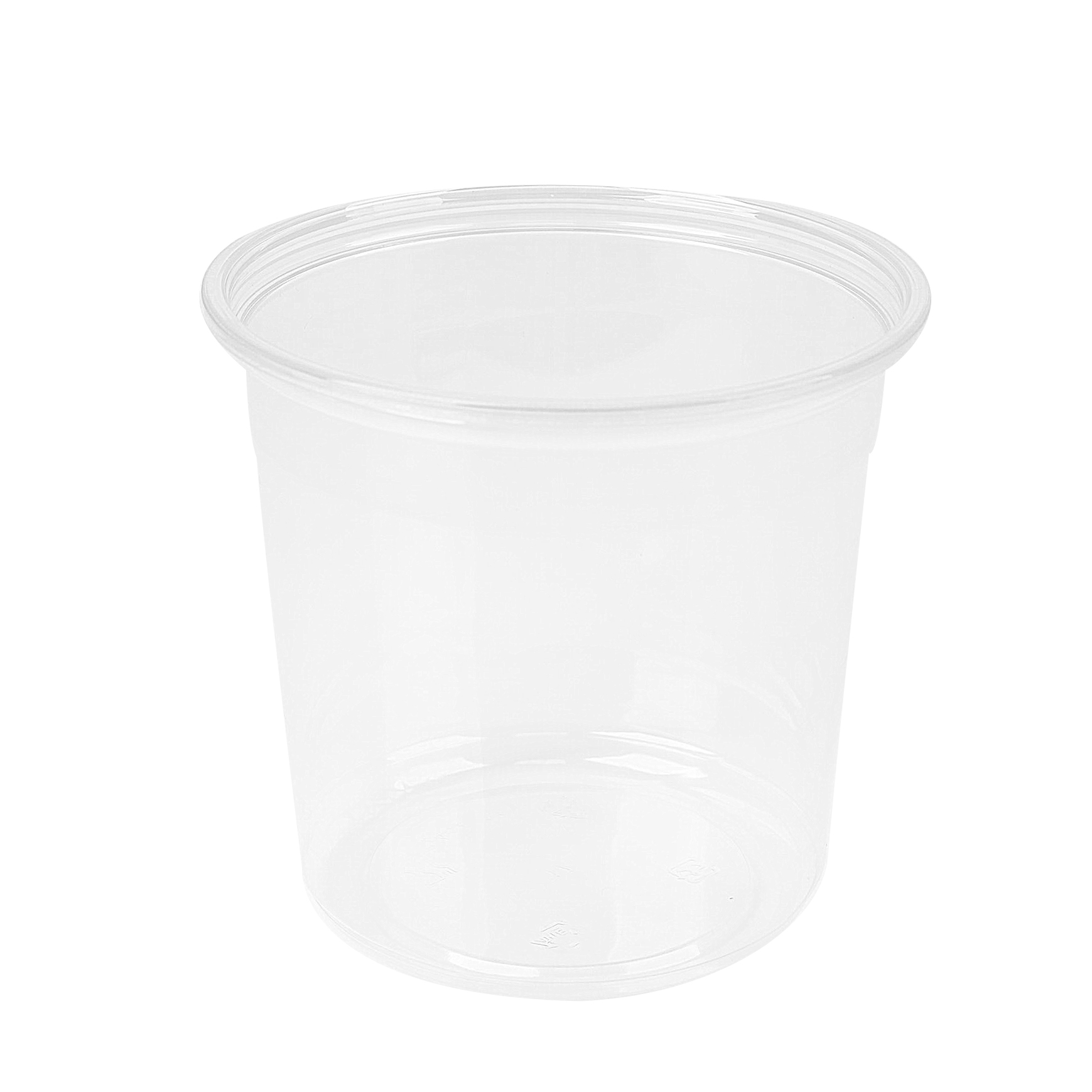
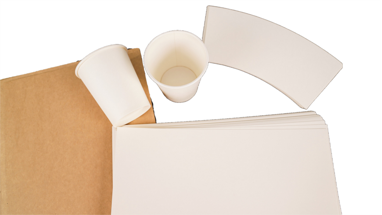
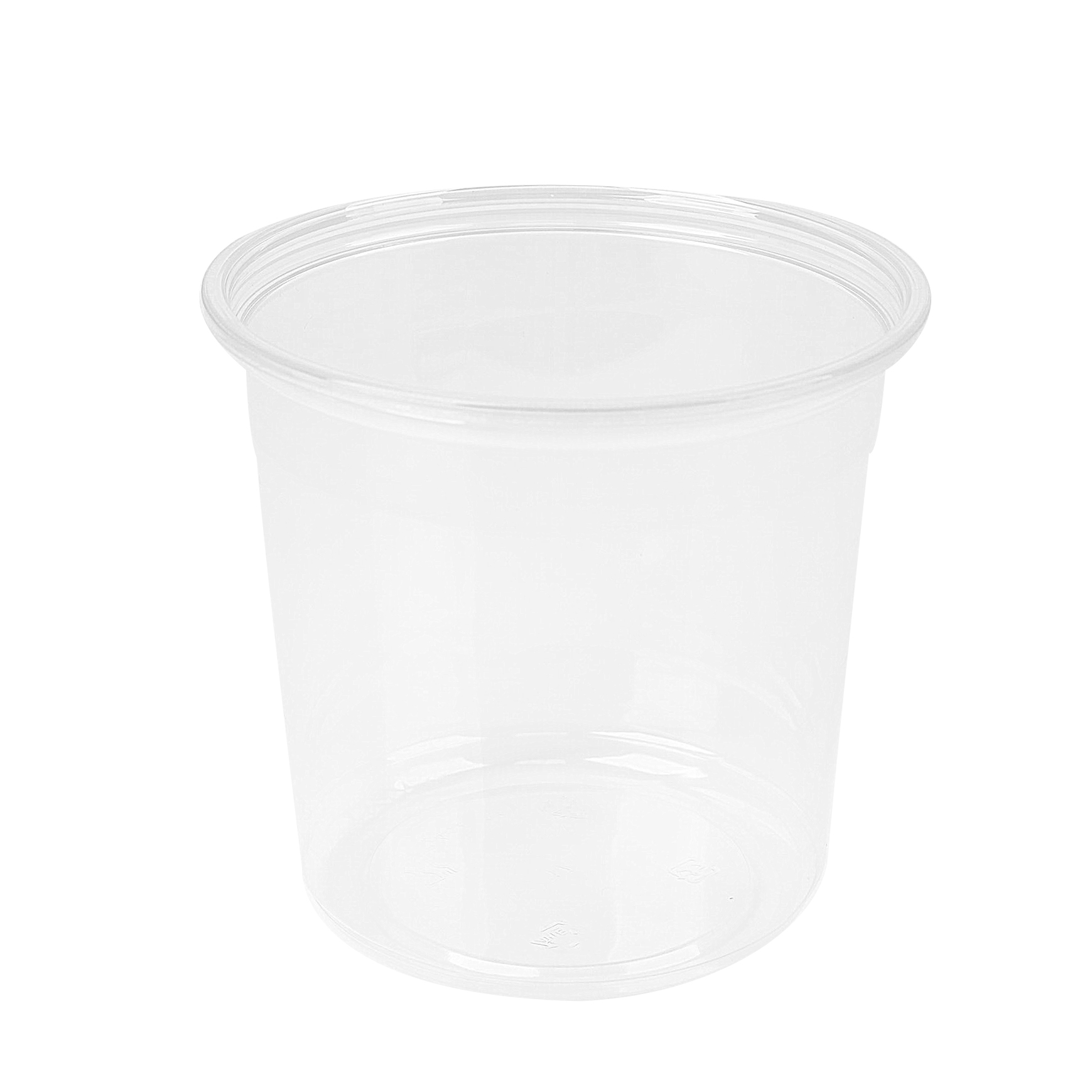
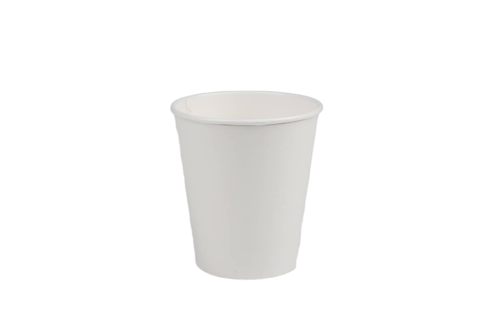
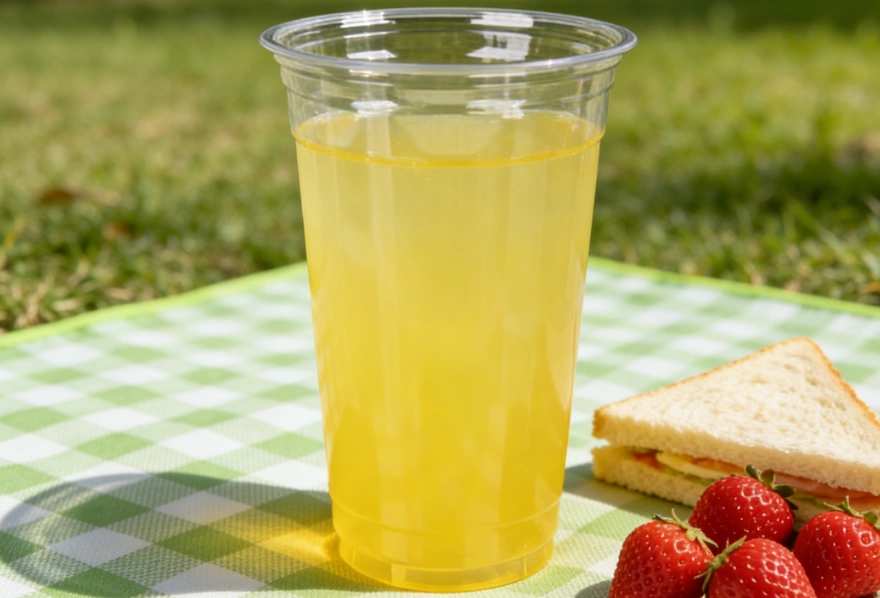
The choice between clear plastic cups and paper cups has become a central debate in both commercial foodservice and corporate sustainability strategies. While paper cups are often perceived as the environmentally responsible option, and clear plastic cups are frequently dismissed as harmful waste, the reality involves a complex web of production impacts, disposal pathways, recycling infrastructure, and lifecycle environmental costs that challenge simplistic assumptions. This article examines the sustainability trade-offs between clear plastic cups and paper cups across manufacturing processes, resource consumption, end-of-life scenarios, and practical business considerations to help decision-makers understand the nuanced environmental implications of each material choice.
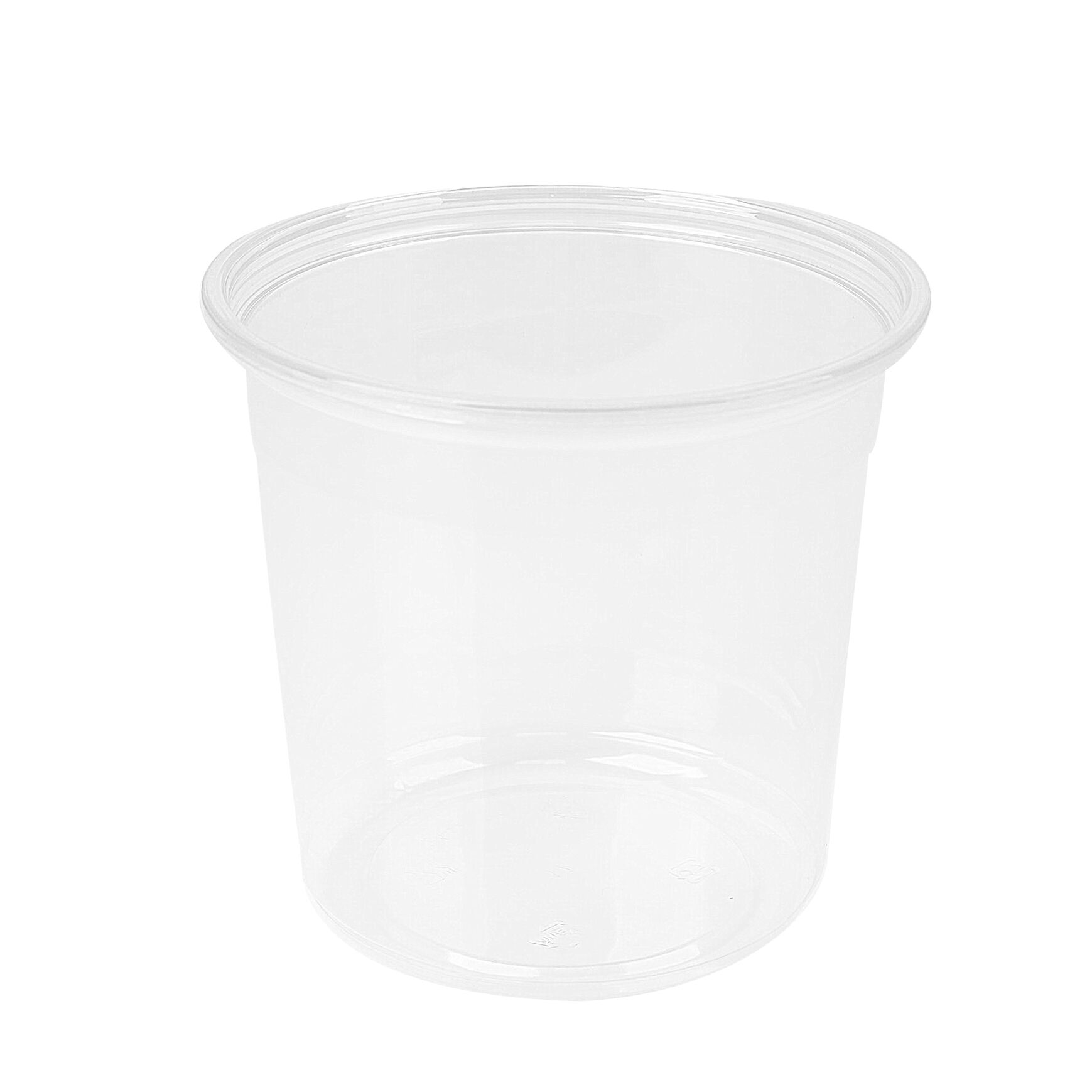
Understanding these trade-offs requires moving beyond surface-level judgments about material types and examining measurable environmental metrics including carbon footprint, water usage, energy consumption during production, transportation efficiency, contamination rates in recycling streams, and realistic disposal outcomes in different regional waste management systems. Neither clear plastic cups nor paper cups emerge as universally superior across all environmental dimensions, making context-specific evaluation essential for organizations seeking to minimize their ecological impact while maintaining operational functionality and cost effectiveness in beverage service applications.
Production Environmental Footprint Comparison
Raw Material Extraction and Processing
The environmental impact of clear plastic cups begins with petroleum extraction and polymerization processes that convert crude oil derivatives into polyethylene terephthalate or polypropylene resins. These petrochemical processes are energy-intensive and contribute to fossil fuel depletion, yet modern manufacturing facilities have achieved significant efficiency improvements through heat recovery systems and catalytic process optimization. The production of one kilogram of PET resin typically requires approximately 2 kilograms of crude oil and generates roughly 3 kilograms of carbon dioxide equivalent emissions during polymerization and processing stages.
Paper cup production relies on pulpwood harvesting from managed forests or virgin fiber sources, followed by chemical or mechanical pulping processes that separate cellulose fibers from lignin and other wood components. While paper is technically renewable, the pulping process consumes substantial water resources and energy, particularly in chemical pulping operations that use caustic solutions to break down wood structure. Additionally, most paper cups require polyethylene or bioplastic lining to achieve liquid impermeability, meaning they contain petroleum-derived components despite their paper-based construction, complicating direct environmental comparisons.
Manufacturing Energy and Water Consumption
The thermoforming or injection molding processes used to manufacture clear plastic cups generally consume less water than paper cup production, with most plastic cup manufacturing using water primarily for cooling systems in closed-loop configurations. Energy consumption in plastic cup production centers on melting and forming operations, with modern facilities achieving energy efficiency through optimized heating zones and rapid cycle times that minimize thermal waste. Lifecycle assessment studies consistently show that plastic cup manufacturing uses approximately 50 to 60 percent less water than equivalent paper cup production when accounting for pulping, forming, and coating operations.
Paper cup manufacturing involves multiple water-intensive stages including pulp washing, sheet formation on paper machines, and coating application processes that require substantial energy for drying operations. The energy profile of paper cup production is dominated by steam generation for pulp drying and the operation of large paper machines that form continuous sheets before die-cutting and forming operations. When comparing total manufacturing energy, paper cups typically require 15 to 25 percent more energy per unit than clear plastic cups of equivalent volume, though this difference varies significantly based on specific manufacturing technologies, facility efficiency, and whether recycled content is incorporated into production.
Transportation and Distribution Efficiency
The weight differential between clear plastic cups and paper cups creates meaningful transportation impact variations across supply chains. Clear plastic cups typically weigh 30 to 40 percent less than paper cups of comparable volume and wall strength, allowing higher unit quantities per pallet and reducing fuel consumption during distribution. This weight advantage translates directly into lower transportation emissions across the supply chain, from manufacturing facilities to distribution centers and final delivery to foodservice operations, representing a often-overlooked sustainability factor in material comparison.
Paper cups also exhibit greater volume per unit due to stacking limitations and structural requirements, further reducing transportation efficiency compared to the nested stacking capabilities of many clear plastic cups designs. The compactness of plastic cup packaging allows businesses to reduce shipping frequency, minimize warehousing space requirements, and lower overall logistics-related carbon emissions, creating a transportation efficiency advantage that partially offsets production-stage environmental impacts in comprehensive lifecycle assessments.
End-of-Life Disposal Pathways and Outcomes
Recycling Infrastructure and Contamination Challenges
The recycling potential of clear plastic cups depends heavily on material composition and regional recycling infrastructure availability. PET clear plastic cups enjoy relatively high recyclability in areas with established PET recycling streams, as the material can be mechanically recycled into new products including fiber fill, strapping, and even food-grade packaging when processed through advanced washing and decontamination systems. However, polypropylene and polystyrene clear plastic cups face more limited recycling access, as fewer municipal programs accept these resin types, and contamination from beverage residue significantly reduces actual recycling rates below theoretical recyclability percentages.
Paper cups present substantial recycling challenges despite widespread perception of paper as easily recyclable material. The polyethylene lining that provides liquid resistance in most paper cups prevents processing in standard paper recycling streams, requiring specialized recycling facilities equipped to separate coating materials from fiber content. As of current industry data, fewer than 5 percent of paper cups are actually recycled in most markets due to infrastructure limitations, contamination issues, and the economic unfeasibility of separating mixed materials, meaning the vast majority of paper cups end up in landfills or incineration facilities despite consumer intentions to recycle.
Landfill Decomposition and Environmental Persistence
The decomposition behavior of clear plastic cups in landfill environments has been extensively studied, revealing that conventional petroleum-based plastics remain essentially inert over timeframes spanning decades to centuries. While this persistence is frequently cited as an environmental disadvantage, the stability of plastic in anaerobic landfill conditions also means minimal leachate generation and negligible methane production, unlike organic materials that decompose and generate greenhouse gases. The environmental concern centers primarily on pre-landfill litter and marine pollution rather than managed landfill disposal, where plastic materials contribute minimal ongoing environmental impact beyond occupying space.
Paper cups in landfill environments exhibit complex decomposition patterns that challenge assumptions about biodegradability advantages. In anaerobic landfill conditions that characterize most modern waste facilities, paper cups decompose very slowly due to lack of oxygen, moisture limitations, and the presence of polyethylene coatings that inhibit microbial access to cellulose fibers. During the limited decomposition that does occur, paper cups generate methane, a greenhouse gas with approximately 28 times the global warming potential of carbon dioxide over a 100-year timeframe, creating a climate impact that offsets perceived advantages of biodegradable materials in landfill scenarios.
Littering Impact and Environmental Persistence
The visibility and persistence of clear plastic cups in litter contexts creates substantial environmental concern independent of managed disposal outcomes. Plastic cups that escape waste management systems through littering or inadequate collection infrastructure accumulate in terrestrial and aquatic environments, where sunlight exposure causes photodegradation into progressively smaller fragments that eventually form microplastics. These microplastic particles persist in ecosystems indefinitely, creating potential pathways for wildlife ingestion and food chain contamination that represent genuine environmental hazards distinct from landfill disposal considerations.
Paper cups in litter contexts decompose more rapidly than clear plastic cups, particularly in moist outdoor environments where microbial activity and physical weathering break down cellulose fibers over periods of weeks to months rather than years to decades. However, the polyethylene lining in paper cups persists after fiber degradation, leaving plastic film residue that contributes to microplastic pollution similarly to conventional plastic products. The faster initial breakdown of paper components provides aesthetic advantages by reducing visible litter persistence, but does not eliminate plastic pollution concerns entirely given the material composition of modern paper cups.
Carbon Footprint and Climate Impact Analysis
Cradle-to-Gate Greenhouse Gas Emissions
Comprehensive lifecycle assessments examining cradle-to-gate carbon emissions reveal nuanced differences between clear plastic cups and paper cups that depend on production methods, energy sources, and material specifications. Studies conducted by independent environmental research organizations typically show that clear plastic cups generate lower greenhouse gas emissions during production stages, with PET cups producing approximately 30 to 40 percent less carbon dioxide equivalent per unit than paper cups when accounting for resin production, cup forming, and coating application processes required for both materials.
The carbon advantage of clear plastic cups in production stems primarily from lower energy requirements in manufacturing and the absence of water-intensive pulping operations that characterize paper production. However, this production-stage advantage must be evaluated against end-of-life emissions scenarios, where decomposition of paper products in landfills generates methane emissions that can offset production benefits depending on landfill gas capture rates and timeframe considerations. Organizations prioritizing climate impact reduction should consider complete lifecycle emissions including production, transportation, and realistic disposal outcomes rather than focusing exclusively on material origin or biodegradability characteristics.
Renewable Content and Fossil Fuel Dependency
The renewable versus fossil-based origin of materials represents a fundamental difference between paper and plastic cups with long-term sustainability implications. Paper cups derive their primary structural material from forest biomass that regenerates through photosynthetic carbon sequestration, creating a theoretically renewable resource cycle when sourced from responsibly managed forests. This renewable basis reduces long-term fossil fuel depletion concerns, though short-term carbon accounting shows that forest harvesting and processing can release stored carbon and the petroleum-based lining still contributes fossil fuel dependency.
Clear plastic cups rely entirely on petroleum feedstocks that represent finite fossil resources, contributing to long-term resource depletion and maintaining dependency on extractive industries with associated environmental impacts. However, the recyclability of clear plastic cups creates potential for circular material flows that extend resource utility across multiple product lifecycles, partially offsetting virgin material consumption. The development of bio-based plastics derived from plant starches and cellulose offers potential pathways toward renewable plastic cup production, though current bio-plastic options face performance limitations, cost barriers, and end-of-life challenges that prevent widespread commercial adoption.
Energy Recovery Through Incineration
In regions with waste-to-energy infrastructure, the high calorific value of clear plastic cups enables efficient energy recovery through controlled incineration with pollution controls. Plastics contain roughly twice the energy content per kilogram compared to paper products, making them valuable fuel sources in modern waste-to-energy facilities that convert combustion heat into electricity or district heating. When incineration occurs in facilities with appropriate emissions controls and energy capture systems, clear plastic cups can offset fossil fuel consumption in power generation, creating a beneficial end-of-life scenario that recovers embodied energy while preventing landfill accumulation.
Paper cups also provide energy value through incineration, though their lower energy density and higher moisture content reduce efficiency compared to plastic materials. The polyethylene coating in paper cups contributes most of the energy value during combustion, while the cellulose content provides less concentrated fuel. In waste-to-energy contexts, the overall climate benefit calculation depends on comparing recovered energy against emissions from material production and the alternative fate of materials if not incinerated, making waste-to-energy an attractive option in jurisdictions lacking robust recycling infrastructure for either paper or plastic cups.
Practical Business Considerations and Regional Variations
Cost Analysis and Economic Sustainability
The unit cost differential between clear plastic cups and paper cups influences adoption decisions across foodservice operations, with clear plastic cups typically offering 15 to 30 percent lower per-unit costs depending on volume, specifications, and regional market conditions. This cost advantage stems from more efficient manufacturing processes, lower material costs, and reduced transportation expenses due to weight and volume efficiency. For businesses operating on thin profit margins, particularly in quick-service restaurant segments and high-volume beverage retail, the economic sustainability of material choices directly affects operational viability and competitive positioning.
However, evolving regulatory landscapes including plastic bag bans, single-use plastic restrictions, and extended producer responsibility schemes increasingly affect the total cost of ownership for clear plastic cups through compliance expenses, potential taxation, and disposal fee structures. Some jurisdictions have implemented differential waste fees that penalize plastic packaging or provide financial incentives for paper-based alternatives, shifting economic calculations toward paper cups despite higher base material costs. Businesses must evaluate material choices within their specific regulatory environment and anticipate potential policy changes that may alter cost structures over procurement contract timeframes.
Consumer Perception and Brand Positioning
Consumer perception of environmental responsibility increasingly influences material selection strategies, with survey data consistently showing that paper cups enjoy more positive environmental associations among consumers despite mixed lifecycle assessment results. This perception gap creates brand positioning challenges for businesses using clear plastic cups, particularly in market segments where environmental consciousness drives purchasing decisions and social media visibility amplifies sustainability messaging. Companies prioritizing brand reputation and customer alignment with environmental values may choose paper cups even when lifecycle data suggests plastic alternatives offer comparable or superior environmental performance.
The transparency of clear plastic cups provides functional advantages in beverage presentation that support premium product positioning and visual marketing strategies, creating a tension between sustainability perception and product differentiation objectives. Some businesses have addressed this tension by implementing robust recycling programs, using recycled-content clear plastic cups, or adopting bio-based plastic alternatives that maintain transparency while improving environmental messaging. The alignment between material choices and brand values requires careful consideration of target customer priorities, competitive positioning, and the credibility of sustainability claims supported by transparent lifecycle data rather than material stereotypes.
Regional Waste Management Infrastructure
The environmental outcome of material choices depends critically on regional waste management infrastructure, with dramatic performance variations between jurisdictions offering advanced recycling and composting systems versus those relying primarily on landfill disposal. In regions with established PET recycling infrastructure and high capture rates, clear plastic cups can achieve circular material flows that dramatically reduce environmental impact compared to virgin material production. Conversely, in areas lacking plastic recycling access, the environmental case for clear plastic cups weakens substantially, and alternative materials may provide better outcomes despite higher production impacts.
Paper cups similarly show performance variations based on regional composting infrastructure and specialized recycling facility availability. Markets with industrial composting systems accepting polyethylene-lined paper products provide viable end-of-life pathways that enable organic material recovery, though such infrastructure remains limited in most regions. Businesses operating across multiple geographic markets face complex material selection decisions, potentially requiring different cup specifications for different locations based on local waste management capabilities, regulatory requirements, and infrastructure availability that determines realistic environmental outcomes beyond theoretical material properties.
FAQ
Are clear plastic cups actually worse for the environment than paper cups?
Clear plastic cups are not universally worse for the environment than paper cups when evaluated across complete lifecycle metrics. While plastic cups rely on fossil fuel resources and persist in the environment if littered, they typically generate lower carbon emissions during production, consume less water and energy in manufacturing, and weigh less during transportation compared to paper cups. Paper cups, despite being made from renewable resources, require energy-intensive pulping processes, contain plastic linings that complicate recycling, and generate methane emissions during landfill decomposition. The environmental superiority of either option depends on specific factors including production methods, regional waste management infrastructure, actual recycling rates, and whether cups end up in managed disposal systems or as environmental litter.
Can clear plastic cups be effectively recycled in most communities?
The recyclability of clear plastic cups varies significantly based on material composition and local recycling infrastructure. PET clear plastic cups can be recycled through many municipal programs that accept PET bottles, though contamination from beverage residue and mixing with non-recyclable plastic types reduces actual recycling rates substantially below theoretical recyclability. Polypropylene and polystyrene clear plastic cups face more limited recycling access, as fewer communities accept these resin types in curbside programs. Even in areas with appropriate infrastructure, clear plastic cups must be clean, properly sorted, and collected through systems that maintain material quality for reprocessing, requirements that are not consistently met in real-world disposal scenarios across most regions.
What factors should businesses prioritize when choosing between clear plastic cups and paper cups?
Businesses should evaluate material choices based on a comprehensive assessment including lifecycle environmental impact data specific to their operational context, regional waste management infrastructure and recycling availability, regulatory requirements and anticipated policy changes, cost structures including material price and disposal fees, functional requirements for product presentation and performance, and alignment with brand values and customer expectations. Rather than defaulting to material stereotypes, decision-makers should examine credible lifecycle assessment data, understand realistic end-of-life outcomes in their specific markets, and consider hybrid approaches such as using recycled-content materials, implementing take-back programs, or selecting different materials for different applications based on disposal pathway availability and environmental priority ranking.
Do bio-based or compostable plastic cups solve the sustainability challenges of clear plastic cups?
Bio-based and compostable plastic cups address specific sustainability concerns related to fossil fuel dependency and end-of-life persistence, but they introduce new trade-offs rather than providing universal solutions. Bio-based plastics derived from plant materials reduce petroleum consumption but still require significant agricultural inputs, processing energy, and may compete with food production for agricultural resources. Compostable plastics offer improved end-of-life outcomes in facilities equipped to process them, but they require access to industrial composting infrastructure that remains limited in most regions, and they often perform poorly in conventional recycling streams, potentially contaminating PET recycling if mixed with standard clear plastic cups. These alternatives represent valuable options in specific contexts with appropriate infrastructure, but they do not eliminate the need for careful evaluation of production impacts, disposal realities, and total lifecycle environmental performance.
Table of Contents
- Production Environmental Footprint Comparison
- End-of-Life Disposal Pathways and Outcomes
- Carbon Footprint and Climate Impact Analysis
- Practical Business Considerations and Regional Variations
-
FAQ
- Are clear plastic cups actually worse for the environment than paper cups?
- Can clear plastic cups be effectively recycled in most communities?
- What factors should businesses prioritize when choosing between clear plastic cups and paper cups?
- Do bio-based or compostable plastic cups solve the sustainability challenges of clear plastic cups?