


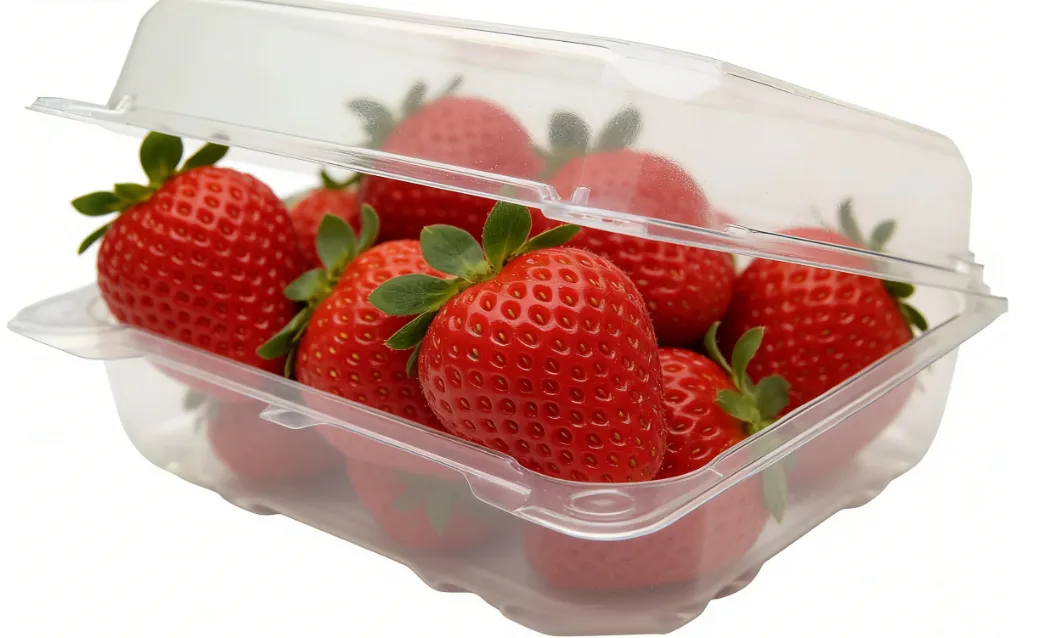
The takeout and delivery packaging industry stands at a critical juncture where operational efficiency, environmental responsibility, and consumer expectations converge. Clamshell containers have emerged as one of the most widely adopted solutions in this space, offering a unique combination of structural integrity, product visibility, and practical functionality. As food service operations navigate escalating demand for sustainable packaging alternatives while maintaining cost effectiveness and operational speed, understanding the trajectory of clamshell containers becomes essential for strategic planning. The evolution of these packaging solutions reflects broader industry transformations driven by regulatory pressures, material science innovations, and shifting consumer values that prioritize both convenience and environmental stewardship.
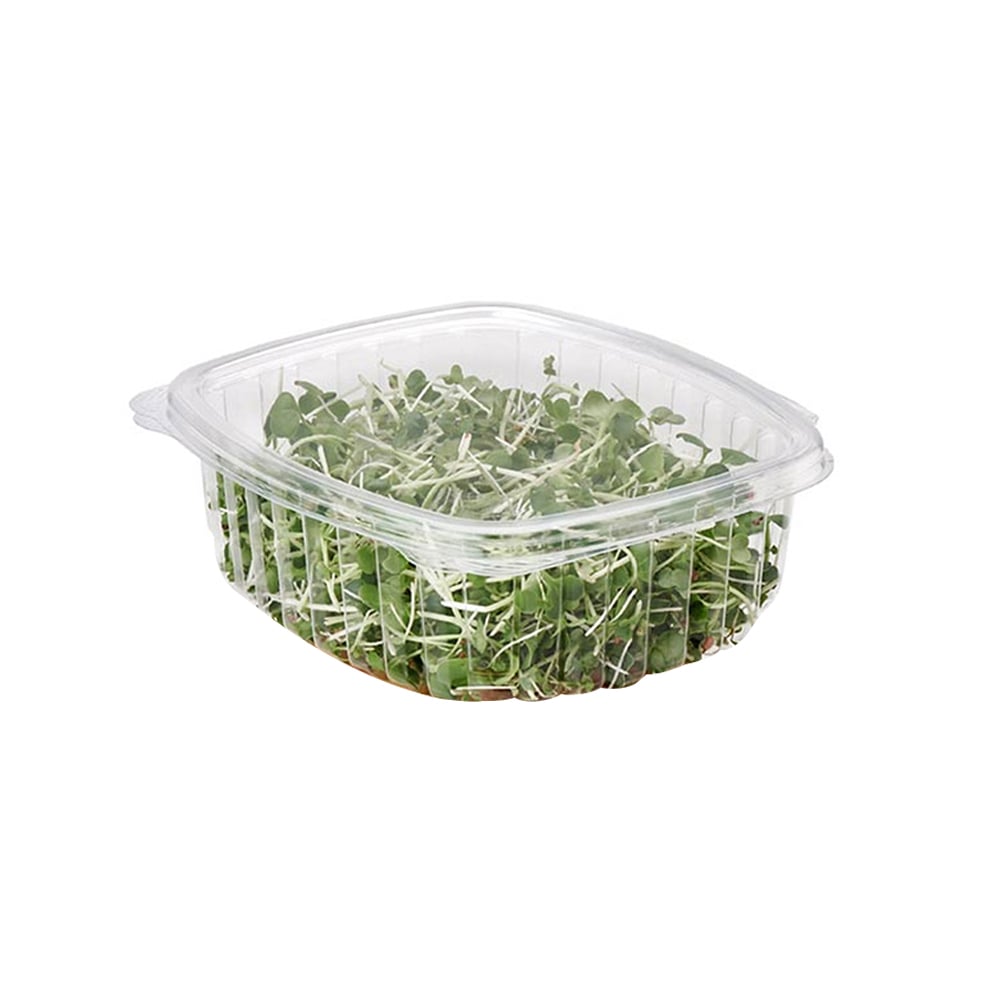
The future landscape for clamshell containers will be shaped by several interconnected forces that are already beginning to reshape packaging decisions across the food service sector. Material innovation continues to accelerate, with bio-based polymers and fiber-molded alternatives challenging traditional plastics while attempting to maintain the functional performance that has made clamshell containers indispensable. Simultaneously, circular economy principles are influencing design philosophies, pushing manufacturers toward solutions that integrate recyclability, compostability, and reusability into fundamental product architecture. These developments signal not merely incremental improvements but a fundamental reimagining of what takeout packaging can achieve in terms of environmental impact reduction, operational efficiency enhancement, and customer experience optimization.
Material Innovation Driving Next-Generation Design
Bio-Based Polymer Integration
The transition from petroleum-based plastics to bio-based alternatives represents one of the most significant material shifts affecting clamshell containers. Polylactic acid derived from corn starch and sugarcane-based polyethylene are gaining commercial traction as viable substitutes that maintain the clarity, durability, and moisture resistance required for food packaging applications. These materials offer reduced carbon footprints during production while providing end-of-life disposal options that align with composting infrastructure development. However, the performance characteristics of bio-based polymers continue to evolve, with ongoing research addressing temperature tolerance limitations and barrier property enhancements necessary for hot food applications. The economic viability of these materials is improving as production scales increase and agricultural feedstock supply chains mature, making them increasingly competitive with conventional plastic formulations.
Manufacturing processes for bio-based clamshell containers are adapting to accommodate the distinct processing requirements of these materials. Injection molding and thermoforming equipment modifications enable processors to handle the different melt temperatures and cooling rates associated with polylactic acid and other biopolymers. Quality control protocols have evolved to address the unique characteristics of these materials, including crystallinity management and dimensional stability optimization. The integration of bio-based materials into existing production infrastructure represents a significant capital consideration for manufacturers, yet the strategic positioning benefits and regulatory compliance advantages are driving widespread adoption across the industry. Forward-thinking operations are establishing dual-capability production lines that can process both conventional and bio-based materials, providing flexibility to respond to market demands and regulatory changes.
Fiber-Molded Alternative Development
Molded fiber technology is experiencing renewed attention as a viable alternative for clamshell containers, particularly for applications where rigidity and insulation properties outweigh the need for product visibility. These containers are manufactured from recycled paperboard, bamboo, bagasse, and other agricultural residues through high-pressure molding processes that create structurally robust packaging with inherent compostability. The material composition eliminates concerns about plastic contamination in composting streams while offering superior insulation performance for temperature-sensitive foods. Recent advances in surface treatments and coatings have addressed historical limitations related to moisture resistance and grease barriers, expanding the range of food products suitable for fiber-molded packaging. The aesthetic qualities of these containers appeal to environmentally conscious consumers and align with brand positioning strategies emphasizing sustainability credentials.
The production economics of fiber-molded clamshell containers are becoming increasingly favorable as manufacturing technology matures and raw material sourcing becomes more efficient. Automated molding systems capable of high-volume production have reduced labor costs and improved consistency, while innovations in drying technology have shortened production cycles. The availability of agricultural waste streams as feedstock provides cost stability and supports circular economy principles by valorizing materials that would otherwise require disposal. Supply chain considerations favor localized production due to the relatively lower shipping density compared to plastic alternatives, encouraging distributed manufacturing networks that reduce transportation emissions. As performance capabilities continue to improve and production costs decline, fiber-molded options are positioned to capture significant market share in segments where transparency is not a critical requirement.
Hybrid Material Systems
Emerging hybrid approaches combine multiple materials to optimize specific performance attributes while maintaining environmental benefits. Fiber-based structures with thin biopolymer linings represent one such innovation, delivering the insulation and structural properties of molded fiber while providing the moisture and grease resistance of plastic films. These composite designs enable material minimization strategies that reduce overall environmental impact while maintaining functional performance across diverse food applications. The engineering challenge involves ensuring material compatibility and adhesion while preserving end-of-life processing options through either composting or recycling channels. Advanced manufacturing techniques including in-mold coating and co-forming processes are making these hybrid systems commercially viable at scale.
The development of separable multi-material clamshell containers addresses recycling infrastructure limitations by enabling consumers to easily separate components for appropriate disposal streams. Mechanical interlocking designs and material selection strategies facilitate clean separation without requiring specialized tools or technical knowledge. This approach acknowledges the reality that current waste processing systems may not accommodate complex composite materials, providing a pragmatic solution that maximizes material recovery rates. Design optimization focuses on minimizing component count and standardizing material grades to streamline sorting and processing. These innovations demonstrate how thoughtful engineering can bridge the gap between ideal material properties and practical waste management constraints.
Regulatory Pressures Reshaping Industry Standards
Single-Use Plastic Legislation Impact
Governmental restrictions on single-use plastics are fundamentally altering the competitive landscape for clamshell containers, with jurisdictions worldwide implementing bans, taxes, and performance mandates that favor alternative materials. European Union directives targeting specific plastic items, state-level legislation in North America, and municipal ordinances in major metropolitan areas are creating a complex regulatory patchwork that food service operations must navigate. These regulations typically establish minimum recycled content requirements, mandate compostability certifications, or prohibit certain plastic types entirely, forcing rapid product reformulation and supply chain adjustments. The regulatory trend shows clear momentum toward increasingly stringent requirements, making proactive adaptation a strategic imperative rather than a reactive compliance exercise.
Compliance verification and certification requirements are becoming more sophisticated, with third-party testing standards ensuring that clamshell containers meet specified compostability, recyclability, or biodegradability criteria. Organizations including the Biodegradable Products Institute and various international standards bodies have established protocols that manufacturers must satisfy to make environmental claims and access certain markets. The certification process involves extensive testing of degradation rates, ecotoxicity, and disintegration characteristics under controlled conditions that simulate real-world composting environments. These requirements add cost and complexity to product development cycles but provide market differentiation opportunities for manufacturers who achieve certification. The evolving certification landscape requires continuous monitoring and adaptation as standards become more rigorous and testing methodologies advance.
Extended Producer Responsibility Programs
Extended producer responsibility frameworks are shifting financial accountability for end-of-life packaging management from municipalities to manufacturers and brand owners, creating economic incentives for designing more sustainable clamshell containers. These programs typically involve fees assessed on packaging based on material type, recyclability, and environmental impact, with differential pricing that rewards sustainable design choices. The financial implications are substantial, influencing material selection decisions, design optimization priorities, and supply chain partnerships. Manufacturers are responding by incorporating design-for-recycling principles, reducing material usage, and selecting materials with favorable fee structures. The long-term effect is a fundamental realignment of economic incentives that make environmental performance a core business consideration rather than a peripheral corporate responsibility initiative.
Producer responsibility organizations are establishing performance targets and reporting requirements that drive transparency and continuous improvement in packaging sustainability. Manufacturers of clamshell containers must track material flows, document recovery rates, and demonstrate progress toward waste reduction goals. These accountability mechanisms create competitive pressure to innovate and invest in more sustainable alternatives. The data generated through these systems provides valuable insights into actual packaging performance in waste management systems, informing future design improvements and policy refinements. As these programs mature and expand geographically, they are becoming a dominant force shaping packaging decisions across the food service industry.
Food Safety and Material Contact Regulations
The introduction of novel materials for clamshell containers must satisfy rigorous food safety standards governing chemical migration, material purity, and contaminant levels. Regulatory agencies including the FDA in North America and EFSA in Europe maintain comprehensive approval processes for food-contact materials that require extensive toxicological testing and migration studies. Bio-based and recycled-content materials face particular scrutiny regarding the presence of residual chemicals, processing aids, and potential contaminants from feedstock sources. These safety requirements can create barriers to market entry for innovative materials and extend development timelines considerably. Manufacturers must invest in comprehensive testing protocols and maintain detailed documentation demonstrating compliance with applicable regulations across multiple jurisdictions.
The regulatory landscape for food-contact materials is evolving to address emerging concerns about specific chemical substances, including per- and polyfluoroalkyl substances used in some grease-resistant coatings for clamshell containers. Restrictions on these chemicals are prompting reformulation efforts and the development of alternative surface treatments that provide necessary barrier properties without raising safety concerns. The dynamic nature of chemical regulation requires manufacturers to maintain flexible formulation strategies and invest in ongoing research to identify compliant alternatives. This regulatory evolution, while adding complexity, ultimately drives innovation toward safer and more environmentally benign solutions that benefit consumers and the environment.
Operational Efficiency and Supply Chain Optimization
Stackability and Space Efficiency Improvements
The dimensional design of clamshell containers significantly impacts logistics costs, storage efficiency, and operational workflow in food service environments. Future designs are increasingly incorporating nesting and stacking features that maximize transport density and minimize warehouse space requirements. Engineering optimization focuses on achieving high stack stability while maintaining easy separation for high-volume service operations. The balance between structural rigidity necessary for stacking and material minimization for cost and environmental benefits requires sophisticated design analysis and testing. Advanced computer-aided design tools and finite element analysis enable manufacturers to optimize wall thicknesses, rib patterns, and corner reinforcements to achieve maximum performance with minimum material usage.
Standardization initiatives aimed at establishing common footprint dimensions for clamshell containers can deliver significant supply chain efficiencies through improved palletization, reduced SKU complexity, and enhanced compatibility with automated handling systems. Industry consortia are working to develop voluntary standards that balance the need for product differentiation with the benefits of dimensional consistency. These efforts face challenges from the diversity of food products and portion sizes requiring accommodation, but incremental progress toward modular sizing systems is yielding measurable benefits. Food service operators increasingly favor suppliers who offer dimensionally compatible product ranges that simplify inventory management and streamline ordering processes.
Automated Dispensing and Handling Integration
The rise of automated food preparation and packaging systems in commercial kitchens and ghost kitchen facilities is influencing the mechanical design requirements for clamshell containers. These containers must interface reliably with robotic handling equipment, automated dispensing systems, and conveyor-based production lines without jamming or misfeeding. Design considerations include consistent dimensional tolerances, specified friction coefficients, and mechanical features that facilitate reliable orientation and gripping by automated systems. Manufacturers are collaborating with equipment providers to ensure compatibility and optimize performance in high-speed automated environments. This trend is particularly pronounced in high-volume quick-service operations where labor costs and speed requirements drive automation investment.
Smart packaging features including RFID tags, QR codes, and temperature indicators are beginning to integrate into clamshell containers to enable supply chain tracking, inventory management, and quality assurance capabilities. These technologies provide operational visibility that improves food safety, reduces waste from expired products, and enables more responsive supply chain management. The implementation challenges involve cost considerations, data infrastructure requirements, and standardization of communication protocols. As these technologies mature and costs decline, their integration into packaging will transition from premium applications to standard features across broader market segments. The data generated creates opportunities for continuous operational improvement and enhanced customer experience through features such as order tracking and freshness verification.
Regional Manufacturing and Supply Chain Resilience
Recent supply chain disruptions have highlighted vulnerabilities in globalized manufacturing networks and prompted strategic reassessment of sourcing approaches for clamshell containers. Food service operators are increasingly valuing supply chain resilience and are willing to pay modest premiums for reliable domestic or regional supply sources. This trend is driving investment in distributed manufacturing capacity and regional supply networks that reduce transportation distances and lead times while improving responsiveness to demand fluctuations. The shift toward regional manufacturing aligns with sustainability objectives by reducing transportation emissions and often enables better customization to local regulatory requirements and market preferences.
Material sourcing strategies are evolving to emphasize security of supply and price stability, with long-term supply agreements and vertical integration becoming more common. Manufacturers of clamshell containers are establishing direct relationships with resin suppliers, agricultural feedstock providers, and recycling operations to ensure reliable access to preferred materials. This supply chain deepening requires significant capital investment and operational expertise but provides competitive advantages through cost predictability and supply security. The strategic importance of supply chain resilience will continue growing as environmental regulations, geopolitical factors, and market volatility create ongoing uncertainty in global commodity markets.
Consumer Preferences and Market Differentiation
Transparency and Product Visibility Demands
Visual product presentation remains a critical factor in consumer purchasing decisions, particularly in retail deli and prepared food sections where clamshell containers enable customers to assess food quality, freshness, and portion size before purchase. The demand for transparency creates ongoing challenges for alternative materials that may not match the optical clarity of conventional plastics. Manufacturers are investing in material formulation research and processing technology improvements to enhance the clarity of bio-based polymers while maintaining other performance requirements. In applications where complete transparency is essential, the material options remain more limited, though incremental improvements continue narrowing the performance gap.
Design strategies that balance transparency with sustainability include windowed fiber-based containers featuring bio-plastic film inserts that provide product visibility while maximizing the use of compostable fiber materials. These hybrid approaches acknowledge that complete elimination of plastic materials may not be feasible in all applications while still achieving substantial environmental impact reduction. Consumer research indicates that shoppers appreciate transparency about material composition and end-of-life disposal options, suggesting that clear communication can help mitigate concerns about reduced visibility when alternative materials are employed. Packaging graphics and labeling strategies play important roles in conveying sustainability credentials and disposal instructions effectively.
Sustainability Messaging and Brand Alignment
Environmental credentials have become significant brand differentiators in the food service sector, with packaging choices serving as visible demonstrations of corporate sustainability commitments. Clamshell containers made from recycled content, bio-based materials, or compostable substrates enable restaurants and food retailers to communicate environmental values directly to consumers at the point of sale. The authenticity and verifiability of sustainability claims are increasingly important as consumers become more sophisticated and skeptical of greenwashing. Third-party certifications, transparent material disclosure, and clear disposal instructions help establish credibility and build consumer trust in environmental claims.
The premium pricing associated with sustainable clamshell containers poses challenges for price-sensitive market segments but is generally accepted in premium and fast-casual dining contexts where environmental values align with customer expectations. Market segmentation is emerging based on willingness to pay for sustainability attributes, with differentiated product offerings serving various price points and performance requirements. Manufacturers are developing tiered product portfolios that enable food service operators to select packaging solutions aligned with their brand positioning and customer demographics. This market stratification will likely persist and intensify as material options diversify and performance characteristics continue improving across all sustainability categories.
Customization and Brand Experience Enhancement
Advanced printing technologies and surface finishing techniques are expanding opportunities for brand customization of clamshell containers, transforming functional packaging into marketing assets that enhance brand recognition and customer experience. Digital printing capabilities enable economical short-run customization, making personalized packaging accessible to smaller operations and enabling seasonal or promotional variations without requiring large inventory commitments. Surface treatments including soft-touch coatings and textured finishes create tactile differentiation that contributes to premium brand perception. The integration of design elements such as embossed logos, custom colors, and distinctive structural features helps packaging function as a brand ambassador beyond its primary containment role.
The design latitude available with various material options influences creative possibilities for brand expression through clamshell containers. Fiber-molded materials naturally accommodate embossed design elements and three-dimensional surface features, while clear plastics showcase product visibility and enable layered graphics effects. The selection of material and decoration approach involves balancing aesthetic objectives with functional requirements and cost constraints. As consumers increasingly view packaging as an integral component of the overall dining experience, investment in distinctive packaging design delivers returns through enhanced brand perception and customer satisfaction.
Technological Advancements Enabling Performance Breakthroughs
Barrier Technology Enhancement
The functional performance of clamshell containers depends critically on barrier properties that prevent moisture migration, oxygen permeation, and grease penetration. Advanced coating technologies are enabling bio-based and fiber materials to achieve barrier performance previously possible only with conventional plastic materials. Water-based dispersion coatings, plasma treatments, and nanoparticle-enhanced barriers represent some of the approaches being commercialized to address historical performance limitations of sustainable materials. These technologies must satisfy food-contact safety requirements while maintaining compostability or recyclability characteristics, creating complex engineering challenges that require sophisticated materials science expertise.
The durability requirements for clamshell containers vary substantially depending on application-specific factors including food characteristics, service duration, and temperature profiles. Hot food applications demand materials capable of withstanding elevated temperatures without structural deformation or barrier property degradation. Cold applications require moisture management to prevent condensation accumulation and maintain structural integrity. Frozen food packaging must accommodate thermal cycling without material failure. Advanced material formulations are being tailored to specific application requirements, moving beyond one-size-fits-all approaches toward optimized solutions that deliver necessary performance with minimal material usage and environmental impact.
Manufacturing Process Innovation
Production efficiency improvements through advanced manufacturing technologies are reducing costs and enabling more complex designs for clamshell containers. High-speed thermoforming systems with rapid heating and cooling cycles increase throughput while maintaining tight dimensional tolerances. Multi-station tooling enables integrated forming, trimming, and stacking operations that reduce handling and labor requirements. Process control automation utilizing real-time monitoring and adaptive parameter adjustment improves consistency and reduces scrap rates. These manufacturing advances are particularly important for alternative materials that may have narrower processing windows and require more precise control than conventional plastics.
Additive manufacturing technologies are being explored for rapid prototyping and limited production applications, enabling faster design iteration and customized solutions for specialized needs. While not yet cost-competitive for high-volume production, three-dimensional printing provides valuable capabilities during product development and serves niche markets requiring unique configurations. The technology also facilitates distributed manufacturing approaches where design files can be transmitted electronically and production executed close to end users, minimizing transportation requirements. As additive manufacturing capabilities advance and materials suitable for food contact applications expand, these technologies may play larger roles in the future production ecosystem for clamshell containers.
Quality Control and Testing Protocols
Sophisticated quality assurance systems incorporating automated inspection, mechanical testing, and seal integrity verification ensure that clamshell containers meet performance specifications and food safety requirements. Vision systems detect dimensional deviations, surface defects, and contamination that could compromise functionality or safety. Automated compression testing validates closure force requirements and leak resistance under simulated transport and handling conditions. These quality control measures become increasingly important as material diversity expands and performance expectations rise. The data generated through continuous monitoring provides valuable feedback for process optimization and early detection of manufacturing issues.
The development of accelerated testing protocols that predict long-term performance characteristics enables more rapid material qualification and product development cycles. Testing methodologies that simulate extended storage conditions, temperature cycling, and mechanical stress provide confidence in product durability without requiring real-time aging studies. These capabilities are essential for introducing innovative materials and designs with acceptable risk profiles. Industry standardization of testing protocols facilitates comparability and reduces redundant testing requirements across different customers and regulatory jurisdictions.
FAQ
What environmental advantages do modern clamshell containers offer compared to traditional options?
Contemporary clamshell containers manufactured from bio-based polymers, molded fiber, or recycled content materials significantly reduce dependence on petroleum-based virgin plastics while offering end-of-life disposal pathways that include industrial composting or mechanical recycling. These materials typically generate lower greenhouse gas emissions during production and can integrate into circular economy systems that recover and reuse resources. The specific environmental benefits depend on material composition, manufacturing processes, and local waste management infrastructure availability, with life-cycle assessment providing comprehensive evaluation of overall environmental impact across all stages from raw material extraction through end-of-life processing.
How do regulatory changes in different regions affect material selection for clamshell containers?
Regional variations in single-use plastic legislation, extended producer responsibility programs, and compostability requirements create complex compliance landscapes that influence material choices for clamshell containers. Manufacturers and food service operators must navigate jurisdiction-specific restrictions on certain plastic types, mandated minimum recycled content levels, and certification requirements for compostability claims. This regulatory fragmentation often necessitates maintaining diverse product portfolios to satisfy different market requirements, though some companies are proactively adopting materials that satisfy the most stringent global standards to simplify supply chain management and future-proof against anticipated regulatory tightening.
What performance characteristics should food service operators prioritize when selecting clamshell containers?
Critical performance factors include temperature tolerance appropriate for the food application, moisture and grease barrier properties that maintain food quality and prevent leakage, structural integrity that withstands stacking and transport without deformation, secure closure mechanisms that prevent accidental opening, and dimensional consistency that ensures compatibility with automated equipment and storage systems. Additional considerations involve product visibility requirements, customization capabilities for brand differentiation, and end-of-life disposal alignment with local waste management infrastructure. The relative importance of these factors varies based on specific operational requirements, customer expectations, and brand positioning strategies.
How are automation trends in food service affecting clamshell container design requirements?
Increasing adoption of robotic food preparation systems, automated packaging lines, and conveyor-based production workflows in commercial kitchens requires clamshell containers engineered for reliable mechanical handling and consistent orientation. Design specifications must address dimensional tolerances that prevent jamming in automated dispensing systems, surface characteristics that enable secure gripping by robotic handlers, and structural features that facilitate high-speed filling operations without manual intervention. These automation-driven requirements are particularly influential in high-volume quick-service and ghost kitchen operations where labor efficiency and speed determine operational viability and profitability.
Table of Contents
- Material Innovation Driving Next-Generation Design
- Regulatory Pressures Reshaping Industry Standards
- Operational Efficiency and Supply Chain Optimization
- Consumer Preferences and Market Differentiation
- Technological Advancements Enabling Performance Breakthroughs
-
FAQ
- What environmental advantages do modern clamshell containers offer compared to traditional options?
- How do regulatory changes in different regions affect material selection for clamshell containers?
- What performance characteristics should food service operators prioritize when selecting clamshell containers?
- How are automation trends in food service affecting clamshell container design requirements?