



The packaging industry is undergoing a fundamental transformation as businesses confront mounting pressure to reduce environmental impact while maintaining product protection and operational efficiency. Among the most significant developments in this evolution is the emergence of lightweight clamshell containers that deliver structural integrity with substantially reduced material usage. These innovative packaging solutions represent a strategic convergence of sustainability imperatives, cost optimization, and consumer demand for responsible product presentation. As manufacturers across food service, retail, and industrial sectors seek to balance performance with environmental stewardship, the lightweight design philosophy is reshaping how clamshell containers are engineered, manufactured, and deployed throughout global supply chains.
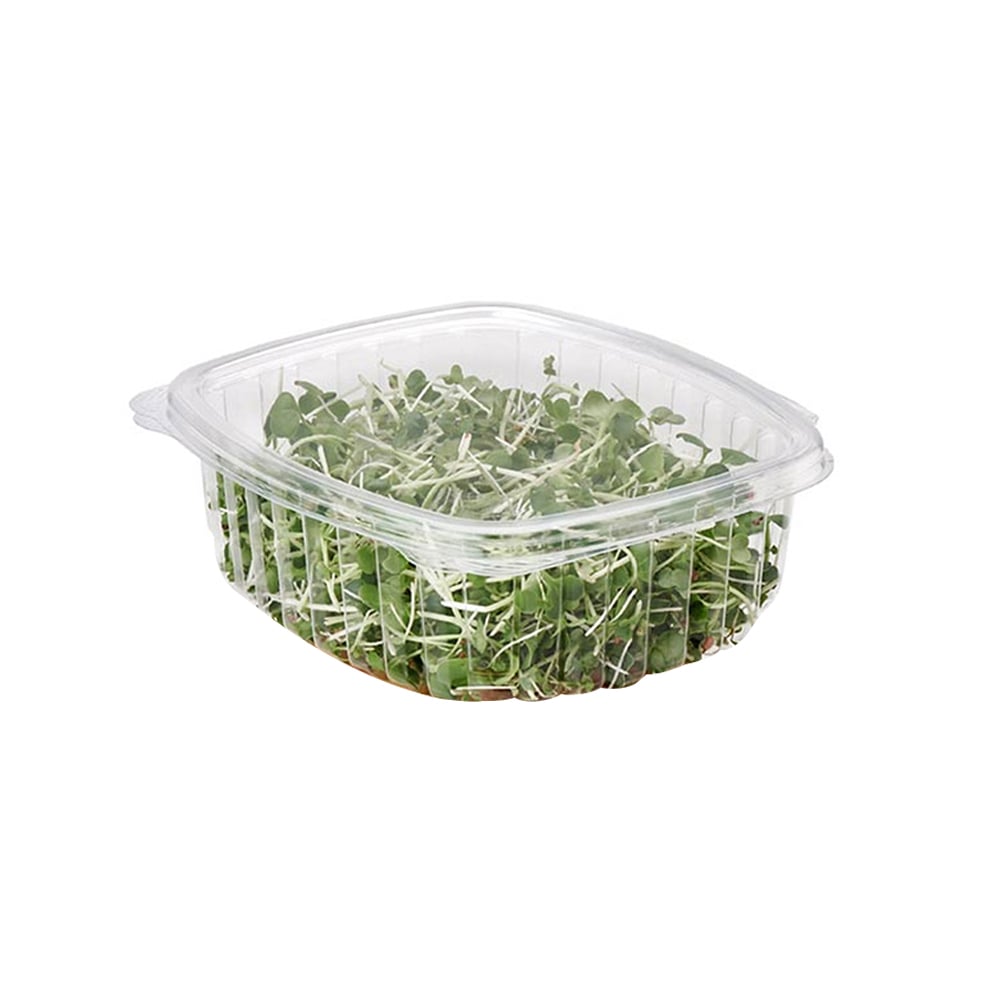
Material reduction trends in the clamshell container segment reflect broader shifts in packaging strategy driven by regulatory frameworks, corporate sustainability commitments, and supply chain economics. The transition toward lightweight designs is not merely about using less plastic or fiber material but involves sophisticated engineering approaches that optimize thickness distribution, enhance structural geometry, and leverage advanced material formulations. This comprehensive article explores the technical foundations of lightweight clamshell containers, examines the material reduction trends driving innovation in this space, and provides actionable insights for businesses evaluating packaging solutions that align with contemporary environmental and operational standards. Understanding these trends is essential for procurement professionals, sustainability managers, and operations leaders who must navigate the complex intersection of performance requirements and resource efficiency.
Engineering Principles Behind Lightweight Clamshell Container Design
Structural Optimization Through Advanced Geometry
The development of lightweight clamshell containers begins with fundamental engineering analysis of stress distribution and load-bearing requirements. Traditional container designs often employed uniform wall thickness as a conservative approach to ensure adequate strength, resulting in material usage that exceeded functional necessity. Modern lightweight designs utilize finite element analysis and computational modeling to identify precisely where material is structurally essential and where thickness can be reduced without compromising performance. This targeted approach allows manufacturers to create clamshell containers with variable wall thickness, reinforced corners, and optimized rib patterns that maintain protective capabilities while reducing overall material consumption by fifteen to thirty percent compared to conventional designs.
Geometric innovation plays a crucial role in achieving material reduction without sacrificing functionality. Contemporary clamshell containers incorporate design features such as strategically positioned embossments, radius transitions that distribute stress more effectively, and hinge mechanisms engineered to withstand repeated opening cycles with minimal material investment. These geometric enhancements transform the container from a simple enclosure into a structurally efficient system where every design element contributes to performance. The integration of computer-aided design tools enables rapid prototyping and testing of multiple geometric configurations, accelerating the development cycle for lightweight solutions that meet specific application requirements across diverse market segments.
Material Science Advancements Enabling Weight Reduction
The material reduction trend in clamshell containers is fundamentally enabled by innovations in polymer science and fiber technology that deliver enhanced mechanical properties at reduced basis weights. For plastic-based clamshell containers, the development of high-performance polyethylene terephthalate formulations with improved impact resistance and clarity allows manufacturers to specify thinner gauges without compromising visibility or durability. Similarly, advances in polypropylene copolymers provide enhanced flexibility and temperature resistance, making lightweight designs viable for applications involving hot-fill processes or refrigerated distribution. These material innovations are complemented by processing improvements such as precise temperature control and injection molding optimization that ensure consistent wall thickness and minimize material variability.
In the fiber-based segment, lightweight clamshell containers benefit from advances in molded pulp technology and sustainable fiber sourcing. Modern pulp formulations incorporate optimized fiber length distributions and natural binders that create containers with superior strength-to-weight ratios compared to earlier generations. The refinement of molding processes enables tighter control over density gradients within the container structure, concentrating material where strength is needed while reducing density in non-critical areas. These technical improvements allow fiber-based clamshell containers to compete effectively with plastic alternatives in weight reduction metrics while offering advantages in biodegradability and renewable material content that align with circular economy principles.
Manufacturing Process Innovation Supporting Lightweighting
The production of lightweight clamshell containers demands manufacturing capabilities that extend beyond conventional thermoforming and molding approaches. Precision tooling with micron-level tolerances ensures that reduced material thickness translates into consistent product dimensions and performance characteristics across production runs. Advanced process controls monitor temperature profiles, pressure dynamics, and cooling rates to optimize material distribution and minimize defects that could compromise the integrity of thinner-walled containers. Investment in these manufacturing technologies represents a significant commitment by producers but yields substantial benefits in material efficiency and product consistency that justify the capital expenditure.
Automation and real-time quality monitoring systems have become integral to lightweight clamshell container production, enabling manufacturers to detect and correct variations before they result in product failures. In-line inspection technologies assess wall thickness distribution, hinge functionality, and seal integrity at production speeds, ensuring that material reduction does not introduce quality risks. These process innovations create feedback loops that continuously refine manufacturing parameters, driving incremental improvements in how efficiently clamshell containers utilize input materials while maintaining the performance standards required by demanding applications in food packaging, electronics protection, and retail presentation.
Economic and Environmental Drivers of Material Reduction
Cost Optimization Through Reduced Material Input
The economic rationale for lightweight clamshell containers extends beyond simple material cost savings to encompass transportation efficiency, storage density, and lifecycle cost considerations. Reducing the weight of individual containers by even ten to fifteen percent translates into measurable impacts on freight costs when scaled across millions of units annually. For businesses shipping products in clamshell containers across regional or international distances, the cumulative transportation savings from lightweight designs can offset the slightly higher unit costs sometimes associated with advanced materials or precision manufacturing. This economic logic becomes particularly compelling as fuel costs fluctuate and logistics providers implement weight-based pricing structures that reward efficiency.
Material reduction in clamshell containers also improves warehouse and distribution efficiency by increasing the number of units that can be stored within fixed cubic volume constraints. Thinner wall sections and optimized stacking geometries allow more containers to occupy the same shelf space or pallet footprint, reducing warehousing costs and improving inventory turnover. These operational benefits create value throughout the supply chain, from packaging manufacturers to end users, establishing a clear business case for adoption of lightweight designs even in cost-sensitive market segments. The economic advantages become self-reinforcing as scale increases, with larger production volumes enabling further process optimization and material cost negotiation that enhance the competitive position of lightweight clamshell containers.
Regulatory Compliance and Extended Producer Responsibility
Regulatory frameworks increasingly mandate material reduction as a core principle of sustainable packaging, creating compliance drivers that accelerate the adoption of lightweight clamshell containers. Extended Producer Responsibility legislation in numerous jurisdictions imposes financial obligations on packaging producers based on the weight and recyclability of materials placed into commerce. These regulatory structures create direct financial incentives for material reduction, as lighter containers generate lower compliance fees and reduced end-of-life management costs. Businesses operating across multiple regulatory environments find that lightweight clamshell containers provide a unified solution that satisfies diverse regional requirements while simplifying compliance management.
Beyond formal regulations, voluntary industry standards and retailer requirements establish performance benchmarks that favor lightweight packaging solutions. Major retail chains increasingly specify maximum packaging-to-product ratios and minimum recycled content thresholds that drive innovation in clamshell container design. These private governance mechanisms complement governmental regulations, creating a comprehensive framework that makes material reduction not merely an optional enhancement but a competitive necessity. Companies that proactively adopt lightweight clamshell containers position themselves advantageously relative to these evolving standards, avoiding costly redesign cycles and maintaining preferred supplier status with environmentally conscious customers.
Carbon Footprint Reduction and Sustainability Goals
Corporate sustainability commitments have elevated material reduction from an operational consideration to a strategic priority, with lightweight clamshell containers serving as tangible evidence of environmental stewardship. The carbon footprint associated with packaging production is directly proportional to material mass, making weight reduction one of the most effective strategies for decreasing scope three emissions throughout the value chain. Lifecycle assessment studies consistently demonstrate that lightweight designs deliver meaningful reductions in energy consumption, greenhouse gas emissions, and resource depletion compared to conventional alternatives, providing quantifiable metrics that support sustainability reporting and stakeholder communication.
The environmental benefits of lightweight clamshell containers extend beyond manufacturing to encompass transportation emissions and end-of-life processing. Reduced packaging weight decreases fuel consumption across distribution networks, contributing to overall carbon footprint reduction in ways that compound the benefits achieved during production. Additionally, lighter containers reduce the material burden on recycling and waste management systems, improving the economics of material recovery and decreasing the environmental impact of disposal when recycling is not feasible. These multifaceted environmental advantages align with circular economy principles and support organizations pursuing science-based targets for emissions reduction and resource efficiency.
Technical Considerations for Lightweight Implementation
Performance Validation and Quality Assurance
Transitioning to lightweight clamshell containers requires rigorous testing protocols to ensure that material reduction does not compromise essential protective functions or user experience. Performance validation encompasses mechanical testing such as drop impact assessment, compression resistance evaluation, and hinge fatigue analysis that simulate real-world handling conditions throughout the distribution cycle. These tests establish performance thresholds that lightweight designs must meet or exceed, providing objective evidence that reduced material usage maintains product protection standards. Advanced testing methodologies incorporate statistical analysis and accelerated aging protocols that predict long-term performance based on controlled laboratory conditions, reducing the risk of field failures.
Quality assurance for lightweight clamshell containers also addresses functional attributes beyond structural strength, including seal integrity, transparency maintenance, and temperature resistance. Thinner materials may exhibit different thermal behavior or optical properties compared to conventional gauges, necessitating careful evaluation of how these characteristics affect product presentation and protection. Manufacturers of lightweight clamshell containers implement comprehensive quality management systems that track critical parameters across production batches, enabling early detection of variations that could affect performance. This proactive approach to quality ensures that material reduction delivers intended benefits without introducing unacceptable risks to product integrity or customer satisfaction.
Application-Specific Design Considerations
The optimal approach to material reduction in clamshell containers varies significantly based on application requirements, product characteristics, and distribution environments. Food service applications demand containers that maintain structural integrity when exposed to moisture, oils, and temperature variations while meeting food safety regulations and providing adequate protection during transportation. Lightweight designs for these applications must balance material efficiency with functional requirements such as leak resistance, stackability, and tamper evidence. Engineers developing clamshell containers for food applications conduct extensive testing with representative products under realistic conditions to validate that lightweighting strategies preserve essential performance attributes.
Retail and electronics applications present distinct challenges for lightweight clamshell container design, emphasizing product visibility, theft deterrence, and premium presentation alongside protective functions. Containers for high-value consumer electronics must provide impact protection and secure closure while maintaining optical clarity that showcases product features. Material reduction strategies for these applications often focus on strategic reinforcement of critical areas while minimizing thickness in visual display zones, creating containers that appear substantial while achieving significant weight savings. Understanding these application-specific nuances enables packaging engineers to develop lightweight clamshell containers that optimize material efficiency without compromising the particular performance attributes most relevant to each market segment.
Supply Chain Integration and Compatibility
Successful implementation of lightweight clamshell containers requires careful consideration of supply chain compatibility, including equipment modifications, handling protocol adjustments, and stakeholder communication. Existing packaging lines designed for conventional container gauges may require recalibration of feed mechanisms, sealing parameters, or quality inspection systems to accommodate thinner materials. Proactive collaboration between container suppliers and packaging operations ensures smooth transitions, identifying potential integration challenges early and developing mitigation strategies that minimize disruption. This collaborative approach often reveals opportunities for process optimization that extend beyond the immediate lightweighting initiative, creating additional value throughout the packaging operation.
Distribution partners and retail handlers must understand the capabilities and limitations of lightweight clamshell containers to ensure appropriate handling throughout the supply chain. While properly engineered lightweight designs maintain adequate performance for typical distribution stresses, they may be more sensitive to extreme handling conditions or improper stacking compared to heavier alternatives. Clear communication of stacking limits, handling guidelines, and environmental storage conditions helps prevent damage and ensures that material reduction benefits are realized without increased product loss. Education and training programs for supply chain personnel support successful adoption of lightweight clamshell containers by building confidence in their performance and establishing best practices for their use.
Industry Trends Shaping Future Development
Advanced Material Substitution and Bio-Based Alternatives
The future trajectory of lightweight clamshell containers is increasingly influenced by the development of bio-based and recycled content materials that combine material reduction with enhanced sustainability credentials. Polylactic acid and other bio-polymers derived from renewable feedstocks offer mechanical properties suitable for clamshell container applications while reducing dependence on fossil resources. As these materials mature and production scales increase, they enable lightweight designs that address both material efficiency and renewable content objectives. The integration of bio-based materials into clamshell container production represents a convergence of multiple sustainability trends, positioning these containers as comprehensive solutions rather than single-attribute improvements.
Recycled content integration presents both opportunities and technical challenges for lightweight clamshell container design. Post-consumer recycled materials typically exhibit greater property variability compared to virgin resins, potentially complicating efforts to reduce wall thickness while maintaining consistent performance. Advanced sorting technologies and chemical recycling processes are improving the quality and consistency of recycled feedstocks, gradually removing barriers to their use in demanding lightweight applications. As recycled material quality improves and regulatory frameworks increasingly favor circular material flows, the incorporation of recycled content into lightweight clamshell containers will transition from technical challenge to competitive advantage.
Digital Design Tools and Rapid Prototyping
Digital transformation in packaging development is accelerating innovation cycles for lightweight clamshell containers through virtual prototyping, simulation-based optimization, and additive manufacturing for tooling development. Sophisticated finite element analysis software enables packaging engineers to evaluate thousands of design variations virtually, identifying optimal material distribution patterns before committing to physical prototyping or production tooling. This computational approach dramatically reduces development timelines and costs while exploring design spaces that would be impractical to investigate through traditional trial-and-error methods. The democratization of these digital tools is expanding the capacity for innovation across the packaging industry, enabling smaller manufacturers to compete in lightweight container development.
Additive manufacturing technologies are revolutionizing the prototyping and tooling development process for lightweight clamshell containers, allowing rapid iteration of design concepts and accelerated validation of performance hypotheses. Three-dimensional printing of prototype containers enables physical testing of lightweighting strategies within days rather than weeks, compressing development cycles and reducing the risk associated with innovative designs. Additionally, additive manufacturing is beginning to influence production tooling through the creation of conformal cooling channels and optimized mold geometries that improve process control for lightweight materials. These digital manufacturing technologies represent fundamental enablers of the continued evolution toward more material-efficient clamshell container designs.
Consumer Preferences and Brand Differentiation
Consumer awareness of packaging sustainability is creating market demand for lightweight clamshell containers that extends beyond regulatory compliance to become a source of brand differentiation and competitive advantage. Research consistently demonstrates that consumers, particularly in developed markets, express preferences for products with reduced packaging waste and environmental footprint. Brands that prominently communicate their use of lightweight packaging solutions can strengthen customer loyalty and justify premium positioning based on sustainability credentials. This consumer-driven demand reinforces the business case for material reduction, transforming what might otherwise be viewed as a cost-driven operational initiative into a value-creating marketing opportunity.
The communication of lightweighting benefits requires careful messaging that educates consumers about the technical sophistication behind material reduction while avoiding perceptions of reduced quality or value. Effective brand communication emphasizes that lightweight clamshell containers represent advanced engineering rather than cost-cutting, highlighting the performance testing and material science innovations that enable reduced weight without compromising protection. Transparency about specific material reduction achievements, such as percentage decreases in plastic usage or quantified carbon footprint reductions, provides concrete evidence of environmental commitment that resonates with sustainability-conscious consumers and strengthens brand authenticity in increasingly skeptical markets.
Strategic Implementation Guidance for Businesses
Vendor Selection and Partnership Criteria
Identifying packaging suppliers with genuine capabilities in lightweight clamshell container design requires evaluation beyond basic product specifications to assess technical expertise, innovation capacity, and collaborative orientation. Prospective partners should demonstrate track records of successful lightweighting projects, including documented performance validation data and customer references from comparable applications. Technical capabilities such as in-house design engineering, prototyping facilities, and testing laboratories indicate suppliers positioned to develop customized lightweight solutions rather than simply offering catalog products with incremental modifications. The most valuable supplier relationships are characterized by true partnership orientation, with packaging manufacturers willing to invest engineering resources in understanding specific application requirements and co-developing optimized solutions.
Financial stability and supply chain resilience represent critical evaluation criteria for clamshell container suppliers, particularly when transitioning to lightweight designs that may require initial tooling investments or process adjustments. Suppliers with diversified manufacturing capabilities and multiple production locations offer reduced risk of supply disruption and greater flexibility to scale production as lightweight container adoption expands. Additionally, supplier commitment to sustainability beyond immediate product offerings, including transparent reporting of environmental metrics and participation in industry sustainability initiatives, indicates alignment with long-term material reduction objectives that extend beyond transactional relationships to strategic partnerships supporting mutual growth.
Pilot Testing and Phased Rollout Strategies
Prudent implementation of lightweight clamshell containers employs pilot testing programs that validate performance under actual operating conditions before committing to full-scale adoption. Pilot programs should encompass representative product samples, realistic distribution scenarios, and sufficient volume to generate statistically meaningful performance data. Structured feedback mechanisms capturing input from packaging operators, distribution personnel, and end customers provide comprehensive assessment of how lightweight designs perform across the entire value chain. This empirical approach identifies potential issues in controlled environments where corrective actions can be implemented efficiently, minimizing risks associated with broader deployment.
Phased rollout strategies allow organizations to build internal expertise and supply chain confidence gradually while managing financial commitments and operational risks. Initial deployment of lightweight clamshell containers in less critical applications or geographic regions establishes proof of concept and generates learning that informs subsequent expansion. This staged approach also provides opportunities to refine handling protocols, optimize packaging line parameters, and develop effective communication strategies before deploying lightweight containers across the entire product portfolio. The disciplined patience of phased implementation contrasts with rushed transitions that risk disruption, ultimately accelerating long-term success by building sustainable foundations for material reduction programs.
Performance Monitoring and Continuous Improvement
Ongoing performance monitoring systems provide essential feedback for optimizing lightweight clamshell container implementations and identifying opportunities for further material reduction. Key performance indicators should track both operational metrics such as packaging line efficiency and damage rates as well as strategic metrics including material consumption per unit, carbon footprint trends, and cost per package. Regular review of these metrics against established baselines quantifies the benefits of lightweight adoption and identifies areas where additional optimization may be warranted. Advanced organizations integrate packaging performance data into broader supply chain analytics platforms, enabling holistic assessment of how container characteristics influence overall system efficiency.
Continuous improvement methodologies applied to lightweight clamshell container programs leverage accumulated experience to drive incremental enhancements in design, materials, and processes. Formal mechanisms for capturing and analyzing field failures, customer feedback, and operational observations create organizational learning that informs subsequent design iterations. Collaboration with packaging suppliers to share performance data and jointly develop improvements strengthens partnerships and accelerates innovation cycles. This commitment to continuous improvement transforms lightweight container adoption from a one-time project into an ongoing capability that generates compounding benefits as expertise deepens and optimization opportunities are systematically pursued.
FAQ
What performance trade-offs should be expected when transitioning to lightweight clamshell containers?
Properly engineered lightweight clamshell containers maintain essential protective and functional performance through strategic design optimization rather than accepting trade-offs. Modern lightweighting approaches use advanced materials, geometric reinforcement, and precision manufacturing to reduce weight while preserving structural integrity, seal reliability, and user functionality. In some cases, lightweight designs may exhibit slightly different handling characteristics or require minor adjustments to packaging equipment settings, but these represent operational adaptations rather than fundamental performance compromises. Rigorous testing protocols ensure that any material reduction meets or exceeds performance thresholds for specific applications before commercial deployment.
How do lightweight clamshell containers affect recyclability and end-of-life processing?
Lightweight clamshell containers generally enhance recyclability by reducing the material burden on collection and processing systems while maintaining material purity and compatibility with existing recycling infrastructure. Reduced weight translates directly into improved economics for material recovery, as transportation and processing costs per container decrease proportionally with weight reduction. Design considerations for lightweight containers include ensuring that material substitutions or composite constructions do not introduce contamination or separation challenges that could compromise recyclability. Leading manufacturers of lightweight clamshell containers actively engage with recycling stakeholders to verify that their designs align with current processing capabilities and emerging circular economy infrastructure.
What cost implications should businesses anticipate when adopting lightweight clamshell container designs?
The total cost impact of lightweight clamshell containers reflects a balance between potentially higher unit costs for advanced materials or precision manufacturing and substantial savings in material consumption, transportation, and environmental compliance. While per-unit pricing may increase modestly for lightweight designs due to engineering investment and tighter manufacturing tolerances, the direct material cost reduction from lower polymer or fiber usage typically offsets this premium. Additional economic benefits emerge through reduced freight costs, improved storage density, and lower extended producer responsibility fees that collectively generate favorable total cost of ownership. Comprehensive financial analysis should evaluate costs across the complete supply chain rather than focusing narrowly on container purchase price to capture the full economic value of lightweight adoption.
How can businesses communicate the benefits of lightweight clamshell containers to sustainability-conscious consumers?
Effective communication of lightweight container benefits combines specific quantitative claims about material reduction with accessible explanations of the environmental impacts these reductions generate. Messaging should emphasize concrete achievements such as percentage decreases in plastic usage or equivalent carbon emissions avoided while explaining how advanced engineering enables weight reduction without compromising product protection. Visual comparisons showing the material savings of lightweight designs relative to conventional alternatives help consumers appreciate the significance of seemingly modest weight reductions when scaled across millions of units. Certification marks from recognized sustainability standards and transparent disclosure of lifecycle assessment results enhance credibility and differentiate genuine lightweighting achievements from superficial environmental claims.
Table of Contents
- Engineering Principles Behind Lightweight Clamshell Container Design
- Economic and Environmental Drivers of Material Reduction
- Technical Considerations for Lightweight Implementation
- Industry Trends Shaping Future Development
- Strategic Implementation Guidance for Businesses
-
FAQ
- What performance trade-offs should be expected when transitioning to lightweight clamshell containers?
- How do lightweight clamshell containers affect recyclability and end-of-life processing?
- What cost implications should businesses anticipate when adopting lightweight clamshell container designs?
- How can businesses communicate the benefits of lightweight clamshell containers to sustainability-conscious consumers?