



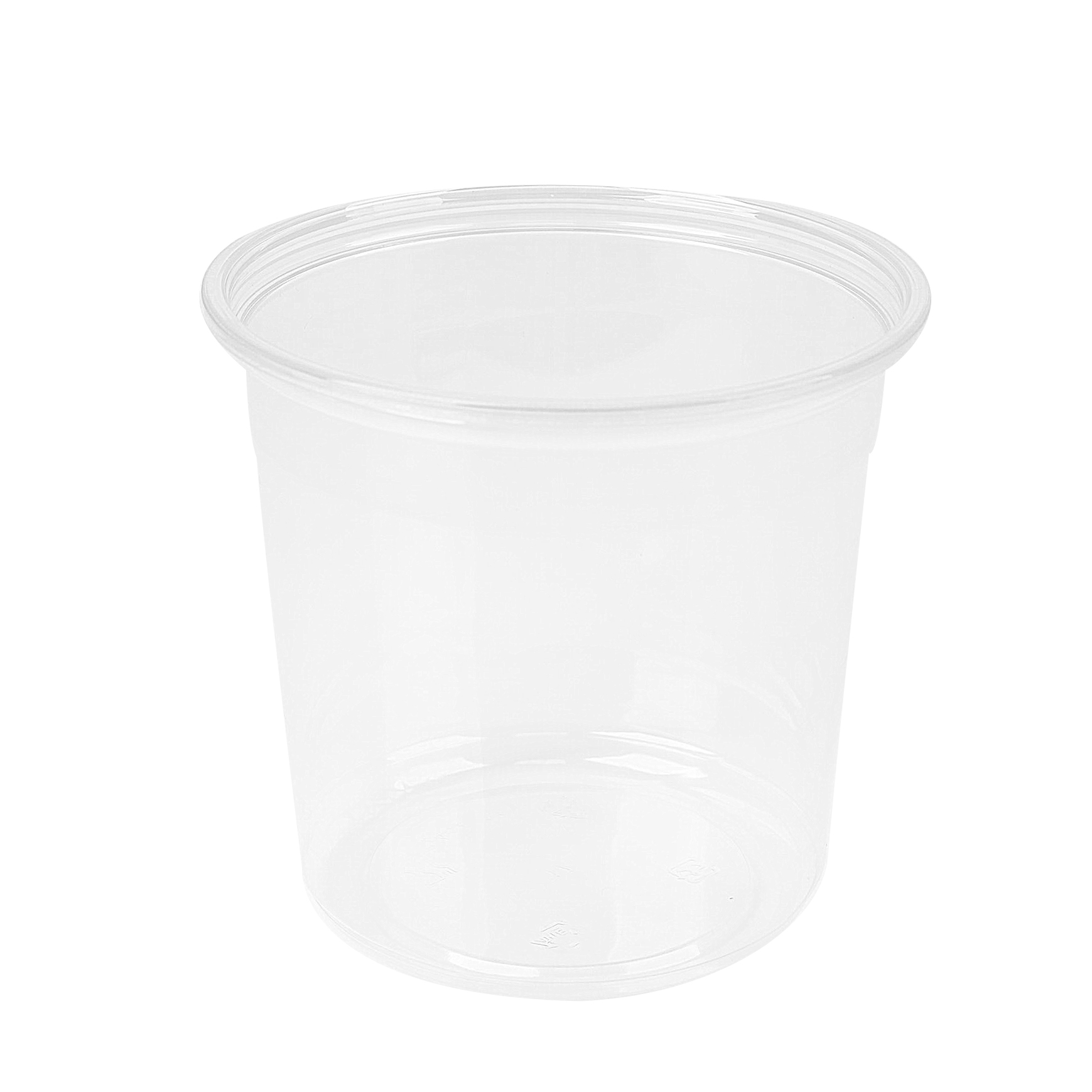

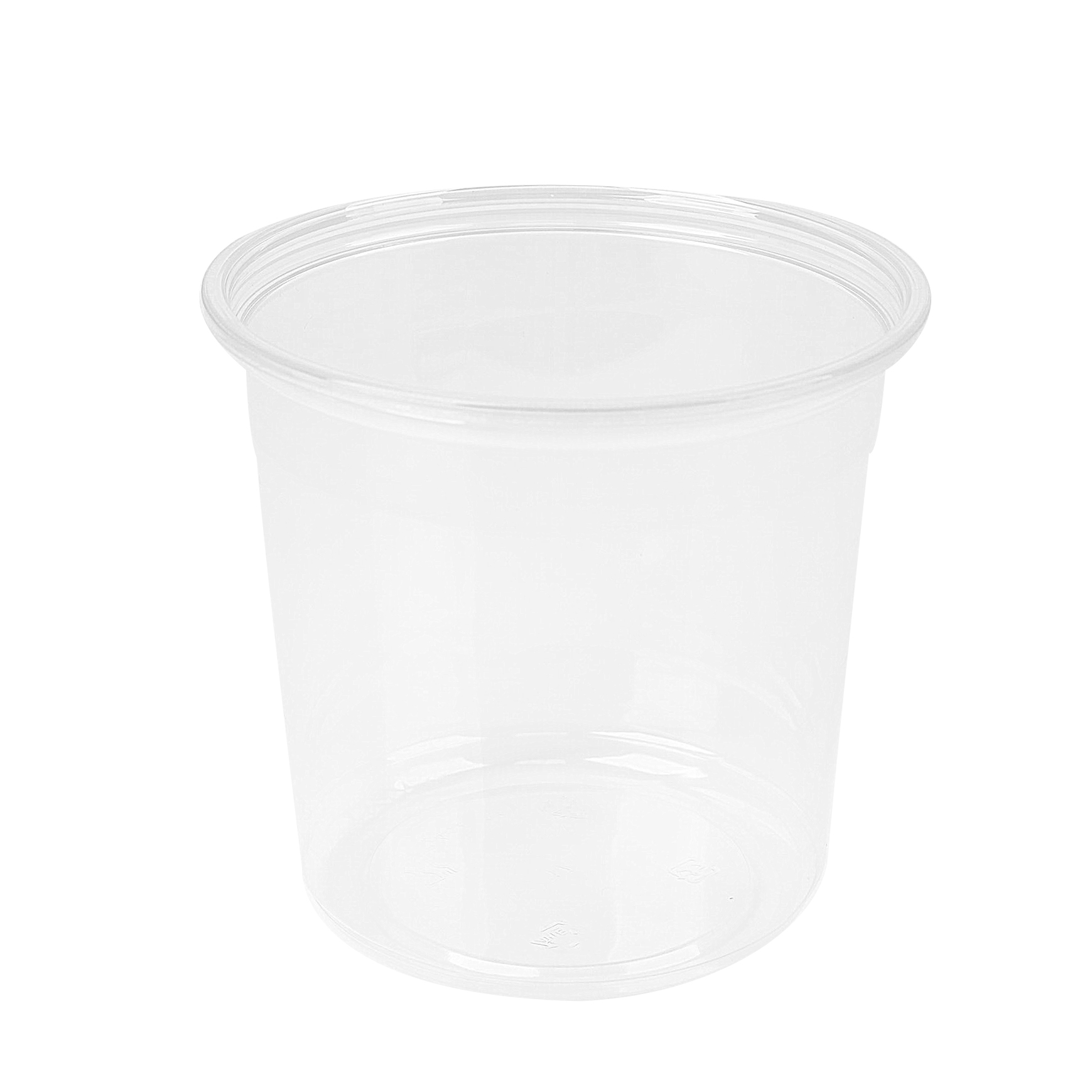




The cold beverage industry stands at a critical juncture where packaging innovation intersects with sustainability demands, consumer expectations, and operational efficiency. As businesses navigate this evolving landscape, clear plastic cups have emerged as a pivotal component in shaping how beverages are presented, protected, and consumed across diverse market segments. Understanding the trajectory of these essential containers requires examining technological advancements, material science breakthroughs, regulatory pressures, and shifting consumer behaviors that collectively define the future of cold beverage packaging. The decisions companies make today regarding clear plastic cups will determine their competitive positioning, environmental footprint, and ability to meet the sophisticated demands of tomorrow's marketplace.
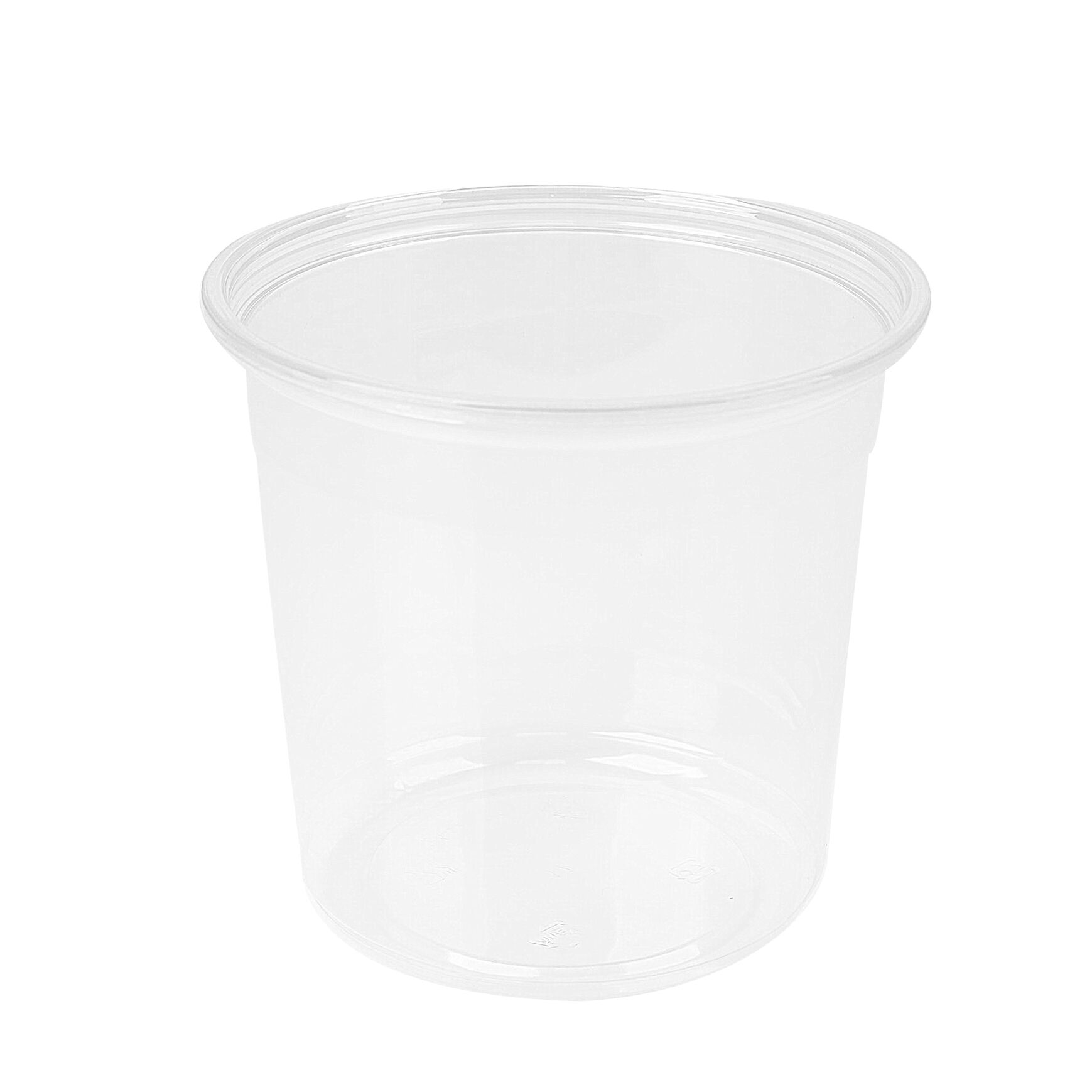
The evolution of clear plastic cups represents far more than incremental product development; it embodies a fundamental transformation in how the beverage industry approaches packaging challenges. From quick-service restaurants and coffee chains to convenience stores and entertainment venues, these transparent containers have become indispensable tools for brand differentiation and customer satisfaction. As we examine the future direction of this market, several converging forces—including advanced polymer technologies, circular economy principles, digital integration capabilities, and enhanced performance characteristics—are poised to redefine what clear plastic cups can achieve. This comprehensive exploration reveals the strategic considerations, technological innovations, and market dynamics that will shape the next generation of cold beverage packaging solutions.
Advanced Material Innovations Reshaping Clear Plastic Cups
Next-Generation Polymer Formulations
The future of clear plastic cups hinges significantly on breakthrough developments in polymer chemistry that address both performance requirements and environmental concerns. Manufacturers are investing heavily in bio-based PET alternatives derived from renewable feedstocks such as sugarcane, corn starch, and algae biomass. These innovative materials maintain the clarity, strength, and barrier properties that make traditional clear plastic cups effective while dramatically reducing carbon footprint during production. The transition toward bio-attributed polymers represents a strategic response to both regulatory mandates and consumer preferences for sustainable packaging options without compromising the functional advantages that have made plastic cups industry standards.
Advanced additive technologies are enhancing the performance envelope of clear plastic cups beyond conventional limitations. Oxygen scavengers embedded within polymer matrices extend beverage freshness for cold drinks requiring longer shelf stability. UV-blocking agents protect light-sensitive contents while maintaining optical clarity that consumers expect. Impact modifiers improve drop resistance and structural integrity, reducing breakage during handling and transportation. These molecular-level enhancements enable clear plastic cups to serve increasingly demanding applications across premium beverage segments, frozen drink categories, and extended distribution channels where performance reliability directly impacts brand reputation and operational efficiency.
Intelligent Material Design for Circular Economy
The shift toward circular economy principles is fundamentally altering how clear plastic cups are engineered from initial conception. Design for recyclability has evolved from an afterthought to a primary specification, with material scientists developing polymer blends specifically optimized for mechanical and chemical recycling processes. Mono-material construction eliminates the separation challenges that historically complicated recycling streams, while chemical markers enable automated sorting technologies to identify and route clear plastic cups into appropriate recovery pathways. This systematic approach to end-of-life management transforms these containers from single-use items into valuable feedstock for subsequent manufacturing cycles.
Emerging closed-loop systems are creating infrastructure where clear plastic cups move seamlessly from consumer use through collection networks into reprocessing facilities and back into new beverage containers. Advanced washing and decontamination protocols ensure recycled content meets stringent food-contact safety standards, enabling manufacturers to incorporate substantial percentages of post-consumer material without compromising quality or transparency. These circular material flows reduce reliance on virgin plastic production, lower environmental impact across the value chain, and align with corporate sustainability commitments that increasingly influence purchasing decisions across institutional and commercial beverage sectors.
Performance Enhancement Through Nanotechnology
Nanotechnology applications are opening unprecedented possibilities for functional enhancement in clear plastic cups without altering their fundamental appearance or manufacturing processes. Nano-scale clay particles dispersed throughout polymer structures create tortuous pathways that dramatically improve gas barrier properties, preserving carbonation and preventing flavor degradation in cold beverages. These microscopic reinforcements simultaneously enhance mechanical strength, allowing wall thickness reduction that conserves material usage while maintaining structural performance. The result is lighter-weight clear plastic cups with superior protection characteristics that reduce both material costs and transportation emissions across distribution networks.
Antimicrobial nanocoatings represent another frontier in clear plastic cups technology with significant implications for beverage safety and consumer confidence. Silver nanoparticles and copper oxide formulations embedded in surface layers inhibit bacterial growth on container surfaces, addressing hygiene concerns particularly relevant in high-volume service environments. These protective treatments remain effective throughout the cup's functional life without leaching into beverage contents or compromising recyclability. As foodservice operations navigate heightened sanitation expectations, these advanced surface technologies provide tangible differentiation for operators committed to demonstrating superior food safety protocols through every customer touchpoint including packaging selections.
Digital Integration and Smart Packaging Capabilities
Interactive Consumer Engagement Features
The convergence of packaging and digital technology is transforming clear plastic cups into interactive platforms that extend brand engagement beyond the simple container function. Near-field communication chips and QR codes integrated into cup designs enable direct consumer connections to promotional content, loyalty programs, and product information at the point of consumption. This digital layer transforms every beverage service occasion into a marketing opportunity where brands can deliver personalized messaging, gather consumer insights, and create memorable experiences that reinforce brand affinity. The transparency of clear plastic cups actually enhances these features by making integrated technology elements visible design components rather than hidden additions.
Augmented reality applications activated through smartphone interactions with clear plastic cups are creating immersive brand experiences that resonate particularly strongly with younger demographics. Scanning cup surfaces triggers animated content, games, or social media integration that transforms routine beverage consumption into shareable moments. These digital extensions provide measurable engagement metrics that traditional packaging could never capture, offering beverage companies unprecedented visibility into consumer behavior patterns and campaign effectiveness. As the Internet of Things ecosystem expands, clear plastic cups are evolving from passive containers into active participants in omnichannel marketing strategies.
Supply Chain Transparency Through Track and Trace
Blockchain integration and serialization technologies embedded in clear plastic cups are revolutionizing supply chain visibility and authentication capabilities across beverage distribution networks. Unique identifiers assigned to individual cups or production batches enable real-time tracking from manufacturing through distribution to final consumption points. This granular visibility helps operators optimize inventory management, reduce waste from expired stock, and verify authentic products in markets vulnerable to counterfeiting. For premium beverage brands, this traceability provides assurance that their carefully crafted drinks reach consumers in approved containers that meet brand standards.
Temperature-sensitive indicators and time-temperature integrators printed on clear plastic cups provide visual confirmation of proper cold chain maintenance throughout distribution. These smart labels change color when exposure to improper temperatures compromises beverage quality, protecting both consumer safety and brand reputation. The transparency inherent to clear plastic cups makes these indicators highly visible to both distributors and end consumers, creating accountability throughout the supply chain. As food safety regulations tighten globally, these monitoring capabilities transition from competitive advantages to operational necessities that influence packaging specification decisions across cold beverage categories.
Data-Driven Design Optimization
Advanced sensor technologies embedded during the production of clear plastic cups are generating unprecedented datasets about real-world performance characteristics under diverse usage conditions. Strain gauges, pressure sensors, and thermal monitors capture information about how cups perform across temperature ranges, fill volumes, and handling scenarios. This empirical data feeds machine learning algorithms that continuously refine design parameters, identifying opportunities to reduce material usage without compromising structural integrity or optimize shape factors that improve stacking efficiency and storage density.
Predictive analytics derived from usage data are enabling proactive quality management and preventive interventions before performance issues impact operations. When sensor data indicates unusual stress patterns or temperature exposures, supply chain systems can flag affected inventory for inspection or removal before reaching consumers. This intelligence transforms quality control from reactive batch testing to continuous real-time monitoring across entire production volumes. For large-scale beverage operations where consistency directly impacts customer satisfaction, these data-driven approaches to clear plastic cups management represent significant advances in operational reliability and risk mitigation.
Sustainability Imperatives Driving Design Evolution
Reduction Strategies and Lightweighting Advances
Material reduction represents the most direct approach to minimizing environmental impact from clear plastic cups, and ongoing engineering advances are pushing the boundaries of how little material can deliver adequate performance. Finite element analysis and computational modeling enable designers to identify precisely where material contributes to structural integrity versus where it simply adds unnecessary weight. This precision engineering has produced new generations of clear plastic cups that use twenty to thirty percent less plastic than equivalent products from just five years prior while maintaining comparable strength, clarity, and barrier properties essential for cold beverage applications.
Advanced manufacturing techniques including precision injection molding and stretch blow molding are enabling production of clear plastic cups with variable wall thickness optimized for stress distribution patterns. Thicker material appears only in high-stress zones like rim areas and base sections, while sidewalls taper to minimum practical thickness. These graduated profiles maximize material efficiency without creating weak points that compromise functionality. The cumulative impact across billions of units produced annually translates to substantial reductions in plastic consumption, transportation emissions, and disposal volumes while maintaining the performance characteristics that make clear plastic cups preferred choices across diverse beverage service applications.
Chemical Recycling and Depolymerization Technologies
Chemical recycling processes are overcoming limitations inherent to mechanical recycling that have historically constrained the proportion of recycled content feasible in food-contact clear plastic cups. These advanced technologies break down used plastic at the molecular level, removing contaminants and degradation products that compromise quality in conventional recycling streams. The resulting purified monomers become feedstock for producing virgin-quality polymers indistinguishable from petroleum-derived materials. This capability enables true bottle-to-bottle and cup-to-cup recycling where clear plastic cups manufactured entirely from recycled content meet identical performance specifications as products made from virgin materials.
Enzymatic depolymerization represents an emerging frontier in clear plastic cups recycling with potential to dramatically improve both efficiency and environmental performance of recovery processes. Specially engineered enzymes selectively cleave polymer chains under mild conditions requiring far less energy than thermal or chemical breakdown methods. These biological recycling pathways generate minimal byproducts and operate at lower temperatures, reducing the carbon footprint of the recycling process itself. As these technologies scale from laboratory demonstrations to commercial operations, they promise to transform the economics and environmental calculus of recycled content usage in clear plastic cups across the beverage industry.
Compostable and Biodegradable Material Pathways
Polylactic acid and other bio-based polymers certified for industrial composting are establishing alternative end-of-life pathways for clear plastic cups in settings where collection infrastructure supports organic waste processing. These materials derived from renewable feedstocks maintain the clarity and functionality expected from conventional clear plastic cups during use but break down into carbon dioxide, water, and biomass when exposed to composting conditions. For event venues, campuses, and facilities with established composting programs, these compostable options align packaging disposal with organic waste streams, diverting material from landfills while creating valuable soil amendments.
However, the practical implementation of compostable clear plastic cups requires careful consideration of infrastructure availability and consumer education to ensure materials reach appropriate processing facilities rather than contaminating conventional recycling streams. Distinct visual markers and clear disposal instructions help guide proper sorting, while collaboration with waste management providers ensures collection systems can accommodate these alternative materials. The future viability of compostable options depends less on material capabilities than on development of supporting infrastructure and consumer behavior patterns that enable these materials to fulfill their intended environmental benefits rather than creating confusion in existing waste management systems.
Market Dynamics and Application Evolution
Premium Beverage Segment Expansion
The premiumization trend sweeping beverage markets is elevating expectations for clear plastic cups beyond basic containment functions toward packaging that communicates quality, sophistication, and brand positioning. Specialty coffee drinks, craft beverages, and artisanal offerings increasingly demand presentation-grade containers where clarity showcases product appearance and design details reinforce premium brand identity. Advanced manufacturing techniques enable production of clear plastic cups with enhanced optical properties, minimal distortion, and refined aesthetic details including embossed textures, graduated tints, and precision-formed rim profiles that elevate perceived value.
Custom shape development is accelerating as beverage brands recognize distinctive container profiles as powerful differentiation tools in crowded markets. Clear plastic cups designed specifically for signature drinks create visual recognition and Instagram-worthy moments that amplify marketing impact beyond traditional advertising channels. The technical capabilities to produce complex geometries while maintaining structural performance and cost efficiency are expanding the creative possibilities available to beverage developers. This design freedom transforms packaging selection from commodity purchasing decisions into strategic brand-building opportunities where container design directly influences consumer perception and purchase behavior.
Expansion into Temperature-Resistant Applications
Material science advances are extending the operational temperature range of clear plastic cups into applications previously dominated by alternative materials. Heat-stabilized formulations and specialized polymer blends enable clear plastic cups to withstand hot-fill processes and maintain structural integrity with beverages at elevated temperatures. This capability opens new market opportunities in categories like hot coffee, tea, and soup where transparent packaging provides visual appeal and portion control visibility. The ability to serve both hot and cold applications with common container platforms simplifies inventory management and reduces operational complexity for multi-concept foodservice operations.
Thermal insulation technologies including double-wall construction and aerogel-infused materials are enhancing the thermal performance of clear plastic cups for both hot and cold applications. These advances reduce condensation formation on cold drinks that creates handling challenges and maintain comfortable exterior temperatures on hot beverages without requiring separate sleeves. The transparency characteristic remains preserved while thermal management improves, delivering functional benefits that enhance user experience. As consumers increasingly expect packaging to deliver convenience alongside containment, these performance enhancements position clear plastic cups as versatile solutions across expanding application portfolios.
Automation-Friendly Design Features
The accelerating adoption of automated beverage dispensing systems and robotic fulfillment operations is driving design evolution in clear plastic cups toward features that facilitate machine handling and processing. Precision rim geometries enable reliable lid application by automated equipment, reducing service delays and labor requirements. Standardized dimensional tolerances ensure consistent performance in high-speed filling lines where positional accuracy directly impacts throughput and spillage rates. These automation-compatible design considerations transform clear plastic cups from passive containers into active components of integrated beverage service systems optimized for operational efficiency.
Radio-frequency identification capabilities embedded in clear plastic cups enable automated inventory tracking, reducing manual counting labor and improving stock accuracy in high-volume operations. Machine-readable features facilitate automated sorting in recycling facilities, improving recovery rates and material quality in post-consumer processing streams. As labor costs rise and workforce availability tightens across foodservice sectors, these automation-enabling features become increasingly valuable attributes that influence purchasing decisions. The future competitive positioning of clear plastic cups depends partly on how effectively they integrate with the automated operational infrastructure that defines modern beverage service environments.
Regulatory Landscape and Compliance Considerations
Evolving Single-Use Plastics Legislation
Regulatory frameworks governing single-use plastics are rapidly evolving across global markets, creating complex compliance landscapes that significantly influence the future trajectory of clear plastic cups. European Union directives, state-level legislation in North America, and emerging regulations in Asian markets establish varying requirements for recycled content minimums, material restrictions, and producer responsibility obligations. Manufacturers and beverage operators must navigate these fragmented requirements while maintaining operational efficiency and cost competitiveness. The strategic response involves designing clear plastic cups that meet the most stringent anticipated regulations, creating products that remain compliant across diverse jurisdictions as requirements tighten.
Extended producer responsibility programs are shifting end-of-life management costs and obligations toward manufacturers and brand owners, fundamentally altering the economic calculus of packaging decisions. These regulatory frameworks incentivize design choices that improve recyclability, incorporate recycled content, and facilitate collection and processing. Clear plastic cups engineered for optimal recyclability and manufactured with substantial recycled content percentages align with these policy directions while potentially qualifying for reduced compliance fees under performance-based regulatory structures. Proactive adaptation to emerging regulatory trends positions companies favorably as requirements intensify rather than forcing reactive scrambles when new mandates take effect.
Food Safety and Contact Material Standards
Stringent food contact regulations governing materials, additives, and manufacturing processes for clear plastic cups continue evolving as scientific understanding of migration phenomena and health impacts advances. Compliance with FDA standards in North America, European Food Safety Authority requirements, and equivalent regulations across global markets demands rigorous testing protocols and documentation systems. The introduction of recycled content adds complexity to compliance demonstrations, requiring verification that decontamination processes adequately remove potential contaminants from post-consumer material streams. Manufacturers investing in robust quality systems and comprehensive testing capabilities establish competitive advantages in markets where food safety credentials influence purchasing decisions.
Emerging concerns about microplastics migration and endocrine-disrupting compounds are driving research into long-term safety implications of materials used in clear plastic cups. While current evidence supports the safety of properly manufactured products under normal use conditions, ongoing scrutiny motivates continuous improvement in material purity and manufacturing process controls. Transparency about material composition, testing protocols, and compliance certifications builds trust with institutional buyers and consumers increasingly attentive to packaging safety considerations. The future market position of clear plastic cups depends partly on the industry's ability to maintain strong safety records and proactively address emerging concerns through material innovation and manufacturing excellence.
Environmental Impact Disclosure Requirements
Mandatory environmental impact reporting and carbon footprint disclosure requirements are emerging across multiple jurisdictions, creating transparency that influences both purchasing decisions and corporate sustainability strategies. Life cycle assessment methodologies quantify the environmental burdens associated with clear plastic cups from raw material extraction through manufacturing, distribution, use, and end-of-life processing. These comprehensive analyses reveal optimization opportunities and enable meaningful comparisons between alternative packaging approaches. Companies producing clear plastic cups with demonstrably lower environmental footprints gain competitive advantages in procurement processes where sustainability criteria carry substantial weighting alongside traditional factors like cost and performance.
Third-party certifications and eco-labels provide independent verification of environmental claims, helping beverage operators navigate complex sustainability assertions and identify products genuinely delivering environmental benefits. Certifications addressing recycled content percentages, carbon footprints, and manufacturing process sustainability create credible differentiation in markets where greenwashing concerns complicate purchasing decisions. As corporate sustainability commitments increasingly translate into specific packaging requirements, clear plastic cups carrying credible third-party certifications align with procurement specifications and corporate responsibility reporting obligations that extend throughout supply chains.
FAQ
What makes clear plastic cups suitable for future cold beverage applications?
Clear plastic cups remain highly suitable for future cold beverage applications due to their unique combination of transparency that showcases product appearance, structural performance that ensures reliable containment, cost efficiency that supports diverse market segments, and evolving sustainability characteristics through recycled content incorporation and design for recyclability. Ongoing material innovations address environmental concerns while maintaining the functional advantages that have established these containers as industry standards. The adaptability of clear plastic cups to incorporate new technologies including digital integration, enhanced barrier properties, and circular economy compatibility ensures their continued relevance across evolving market requirements and regulatory frameworks.
How do sustainability improvements affect clear plastic cups performance?
Sustainability improvements in clear plastic cups have evolved beyond simple environmental gestures to deliver tangible performance enhancements alongside reduced environmental impact. Lightweighting strategies that reduce material usage simultaneously lower transportation costs and carbon emissions while advanced engineering maintains structural integrity. Recycled content incorporation has reached quality levels indistinguishable from virgin materials in properly processed streams. Bio-based alternatives offer equivalent functionality with reduced fossil fuel dependence. These developments demonstrate that sustainability and performance operate as complementary rather than competing objectives, with innovations frequently delivering improvements across both dimensions simultaneously.
What role does transparency play in clear plastic cups market positioning?
Transparency serves multiple strategic functions that extend well beyond aesthetic considerations in clear plastic cups applications. Visual product verification allows consumers to confirm beverage appearance, ingredient presence, and fill volume before purchase, building confidence in product quality. Brand presentation benefits from showcasing signature colors, layered compositions, and premium ingredients that justify pricing. Portion control visibility supports nutrition awareness and consumption management important to health-conscious consumers. Marketing amplification occurs through social media sharing of photogenic beverages where container clarity enhances visual appeal. These multifaceted benefits establish transparency as a core value proposition rather than incidental feature of clear plastic cups across diverse beverage categories.
How are digital technologies transforming clear plastic cups applications?
Digital technologies are fundamentally expanding the functional scope of clear plastic cups beyond passive containment into active marketing platforms, supply chain intelligence tools, and consumer engagement vehicles. Embedded sensors and smart labels provide real-time data about temperature exposure, handling conditions, and product authentication throughout distribution networks. QR codes and NFC chips enable direct connections between physical products and digital experiences including promotional content, loyalty programs, and augmented reality activations. These capabilities transform every beverage service occasion into a data collection opportunity and marketing touchpoint where brands can deliver personalized messaging while gathering insights about consumer behavior patterns. The integration of digital capabilities positions clear plastic cups as components of comprehensive omnichannel marketing strategies rather than simple disposable containers.
Table of Contents
- Advanced Material Innovations Reshaping Clear Plastic Cups
- Digital Integration and Smart Packaging Capabilities
- Sustainability Imperatives Driving Design Evolution
- Market Dynamics and Application Evolution
- Regulatory Landscape and Compliance Considerations
-
FAQ
- What makes clear plastic cups suitable for future cold beverage applications?
- How do sustainability improvements affect clear plastic cups performance?
- What role does transparency play in clear plastic cups market positioning?
- How are digital technologies transforming clear plastic cups applications?