
Functional Advantages of Clamshell Containers for On-the-Go Food Service
Leak Resistance and Thermal Retention for Hot, Cold, and Saucy Menus
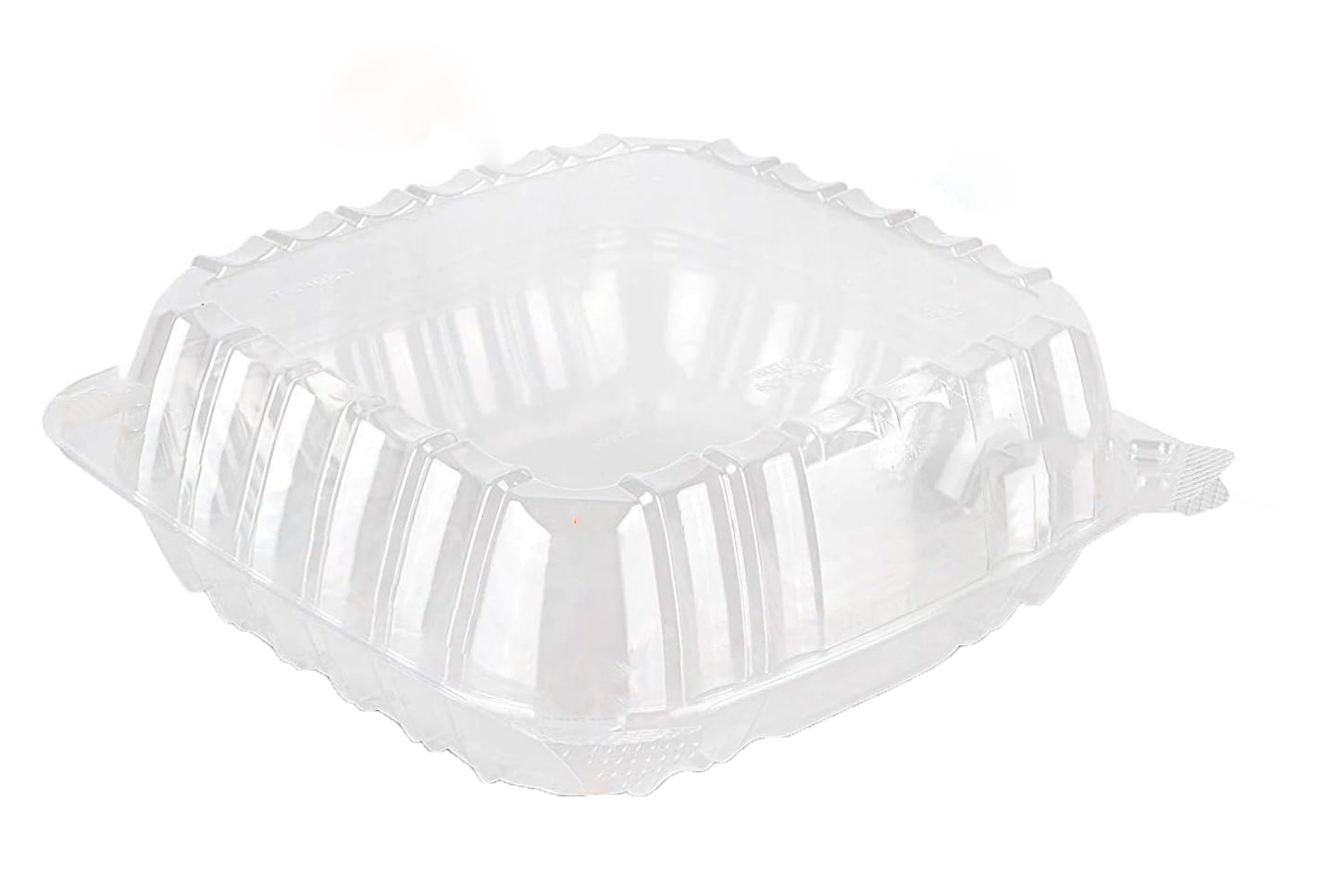
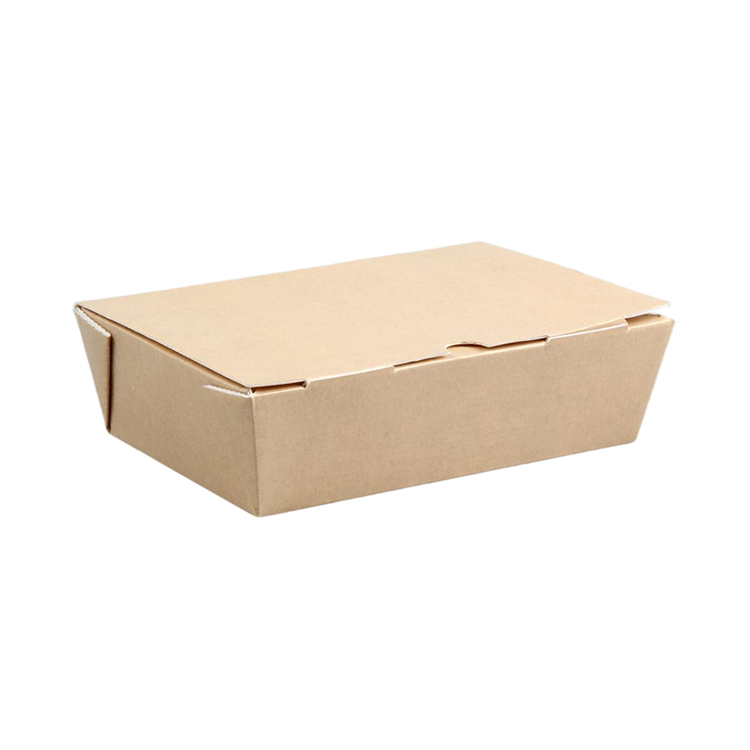
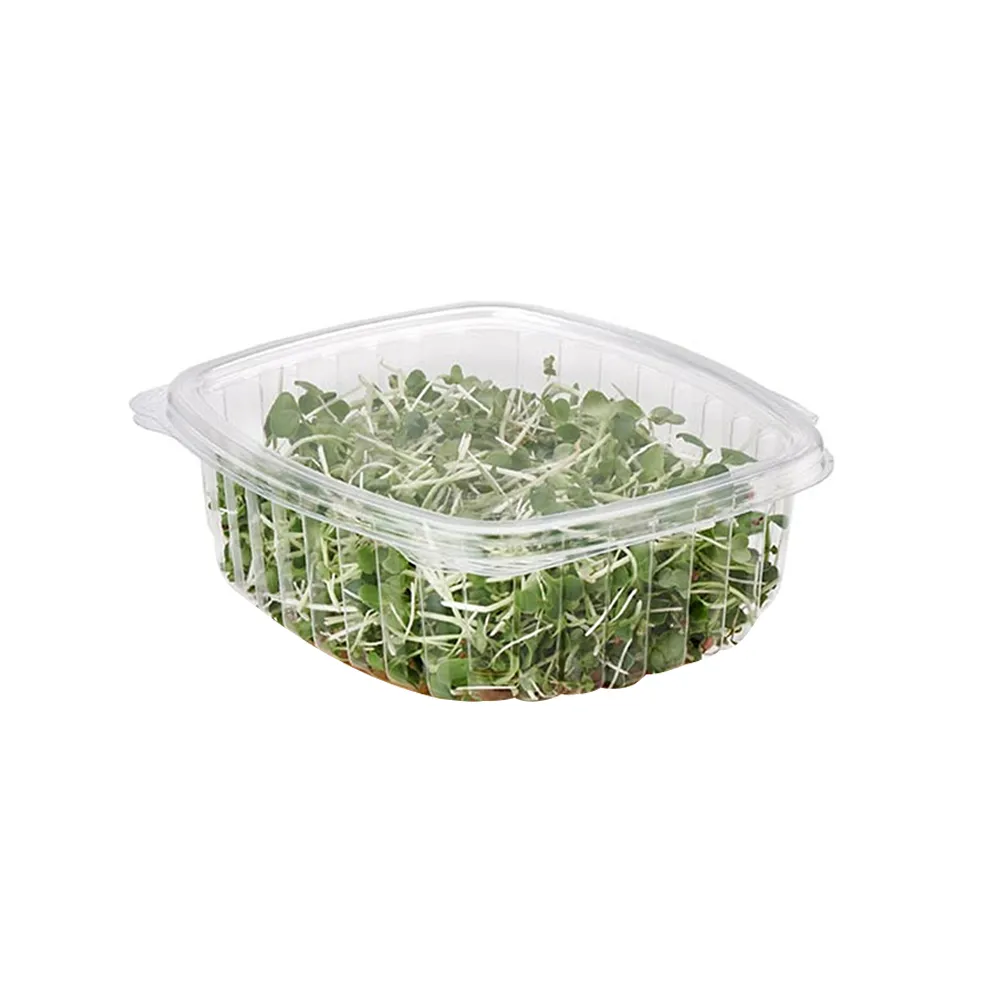
Clamshell containers are really good at holding liquids and keeping things at the right temperature, which matters a lot when restaurants offer all sorts of different meals. The hinge on these containers creates a tight seal that stops stuff from leaking out while they're being transported. This helps protect tricky items such as pasta dishes covered in sauce or bowls of soup with broth. Made from sturdy materials, clamshells keep hot foods warm like fried chicken and maintain the chill factor for cold salads too. Food stays fresher longer because there's less temperature change than what happens with regular cardboard boxes. When food isn't soggy anymore, customers tend to be happier with their orders. Plus, the containers work wonders for greasy items or those loaded with gravy since they stop messes from happening inside delivery bags.
Consumer-Centric Design: Clear Visibility, Intuitive Resealability, and Ergonomic Handling
When people can actually see what they're getting before they even open it, that builds real trust especially important for folks ordering food online. Containers with resealable tops let someone eat part of their meal then store the rest properly, which helps cut down on wasted food. Some stats from the industry suggest this could reduce waste by around 22%, though numbers vary depending on the product type. Looking at the physical design, manufacturers have added several thoughtful touches making these containers user friendly. There are curved edges that fit nicely in hand, wider bottoms so things don't tip over easily, and latches that snap shut without needing much force at all. Commuters grabbing lunch between meetings appreciate how straightforward everything is to handle while sitting at their desks. Plus, the way these containers stack neatly saves space during transport and storage, something delivery services and restaurants definitely care about when managing inventory.
Material Evolution: Sustainable Clamshell Containers for Eco-Conscious Brands
Comparing Plastic, PLA, Paperboard, Bagasse, and Cornstarch—Performance vs. Compostability
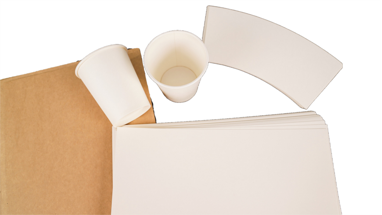
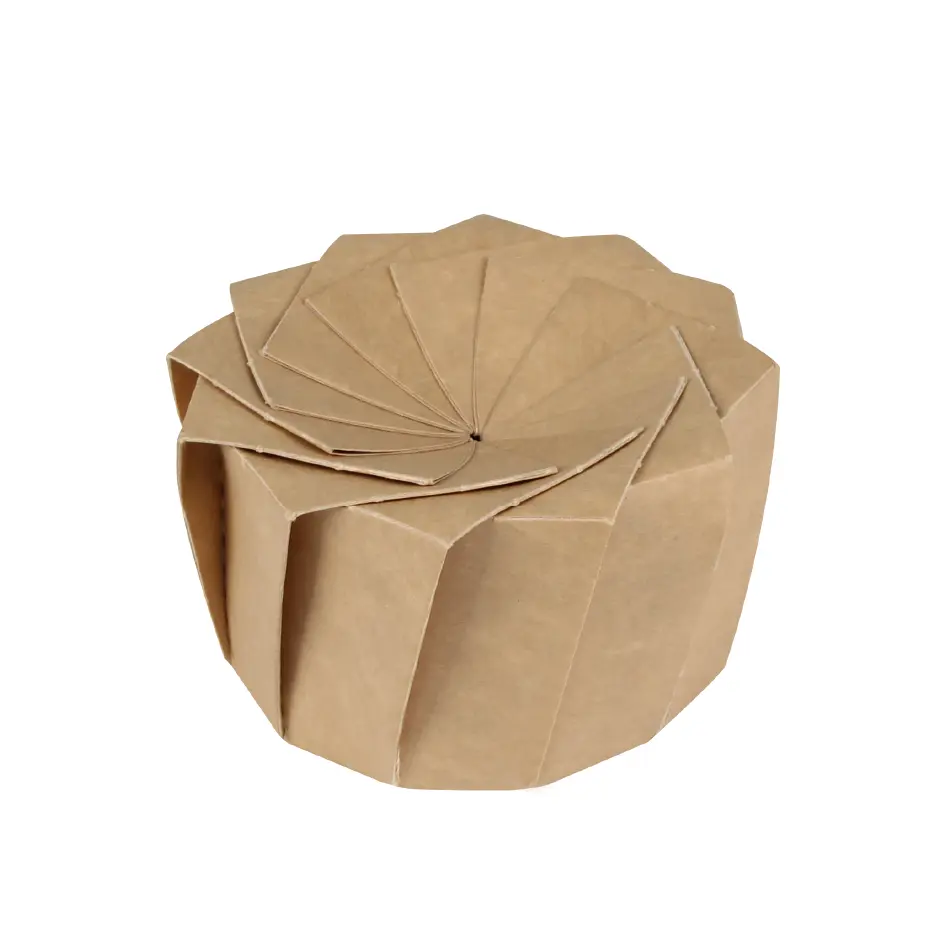
Restaurant chains and food service companies are stuck between what works well and what's good for the planet these days. Regular plastic is still king when it comes to keeping grease at bay, but we're talking about around 14 million tons of packaging trash each year according to the U.S. Environmental Protection Agency report from last year. Then there's stuff made from plants, like PLA which can handle heat up to about 110 degrees Celsius before melting down, though it needs special facilities to break down properly. Sugarcane based bagasse products seem pretty good since they resist moisture and will actually decompose in regular yards, not just industrial settings. Paperboard has its place too because it takes printing really well, although anyone who's tried to wrap something saucy knows how quickly it turns into a soggy mess. What makes sense depends on exactly what kind of operation someone runs.
- High-heat applications: PLA or recycled PET
- Compost priorities: Bagasse or cornstarch certified to ASTM D6400
- Cost-sensitive setups: Hybrid paperboard with bioplastic lining
Lifecycle Realities: Carbon Footprint, Recycling Infrastructure, and Greenwashing Risks
Looking at the entire life cycle is what real sustainability comes down to. Some so-called eco-friendly clamshell containers actually create about 20% more emissions when they're made compared to regular recycled PET plastic according to GreenBlue's findings from last year. But these same containers can still have a positive overall effect if people actually compost them properly. The problem? We're missing infrastructure for this to work well. Just look at the numbers: barely 12% of all US counties will take PLA materials for composting. And don't get me started on those misleadingly labeled "biodegradable" plastics that end up messing up our recycling systems. Companies need to check their stuff against proper certifications such as BPI standards and focus more on using actual recycled materials from previous products. People aren't buying it anymore either. A recent survey found that nearly 6 out of 10 consumers don't trust green claims unless there's independent verification behind them. This issue has been making waves in discussions around packaging circularity according to the latest report from SDECOPack.
Material Comparison Overview
| Material | Heat Tolerance | Compostability | Carbon Footprint |
|---|---|---|---|
| Plastic (PET) | High | Non-compostable | Medium |
| PLA | Medium | Industrial only | Low–Medium |
| Bagasse | Low–Medium | Home or industrial | Low |
| Cornstarch | Low | Industrial only | Very Low |
Clamshell Containers in the Age of Delivery: Scaling Sustainability Without Compromising Integrity
Food delivery has grown so fast lately that packaging companies are really feeling the squeeze. Packaging needs to hold up during all that transportation but also meet serious sustainability goals at the same time. With so many deliveries happening every day, waste problems just keep getting bigger. That's why we need those clamshell containers that actually compost or recycle properly. But here's the catch: they still have to stay intact when stacked high, handle temperature changes, and not let sauces leak through. Bagasse and molded fiber seem promising because they break down naturally yet can take a beating in those tight delivery bags full of other stuff. Still, before going all out with these materials, businesses should check what kind of composting options exist locally. If there aren't proper facilities nearby, calling something "eco-friendly" might just be marketing fluff rather than real change. What we really want is packaging that keeps food safe during transport and then disappears after use without leaving a mess behind, making our love for delivery food work better for everyone involved.
Strategic Business Benefits of Clamshell Containers Beyond Packaging
Operational Gains: Stackability, Space Efficiency, and Reduced In-Transit Damage
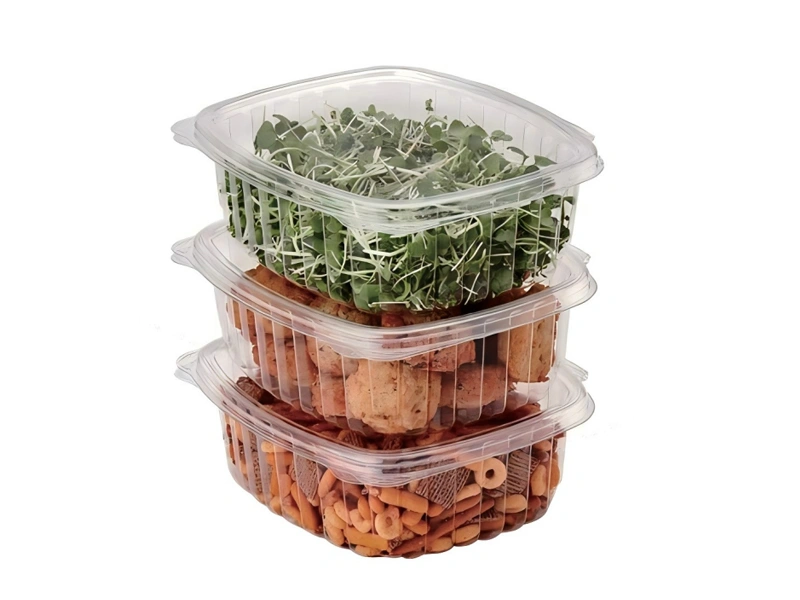
Clamshell containers really boost how operations run day to day. When it comes to stacking on pallets, these containers take up about 60 percent less space than all those odd shaped packages we see everywhere else. Plus, they have built in locks that stop things from moving around too much during transport which means fewer crushed goods. Food gets damaged a lot less with clamshells too. Studies show damage drops by roughly 22% when compared to regular plastic bags. That makes a big difference for expensive fresh stuff that restaurants and grocery stores sell at premium prices. The whole point is getting products to customers without any damage, especially important now with all this online ordering happening. Meal kit companies and folks selling fancy fruits and veggies know this well because looks matter a ton when people decide whether to buy again later.
Brand Amplification: Custom Printing, Tamper-Evident Features, and Unboxing Experience
Clamshell containers have this huge surface area that basically turns them into billboards for marketing messages. With high res printing these days, companies can slap on all sorts of stuff like green certifications, detailed ingredient maps, or even QR codes that link directly to where the food actually came from on farms somewhere. Brands love this because it lets them show they care about the environment without making their products look boring on store shelves. Those tamper evident seals matter a lot too since almost 8 out of 10 people worry most about food safety when grabbing something to go according to some research from Food Packaging Forum back in 2023. And let's face it, there's something pretty cool about opening up a container and seeing that perfect looking meal inside, which makes customers want to snap pictures and post them online. All these sensory experiences stick in peoples' minds way after they leave the restaurant or grocery store.
FAQ
What are the main materials used for clamshell containers and their compostability?
Clamshell containers are made from various materials including plastic (PET), PLA, paperboard, bagasse, and cornstarch. Out of these, bagasse is compostable at home and industrial settings, while cornstarch requires industrial composting facilities. PLA is also compostable but only in industrial facilities.
How do clamshell containers improve food delivery?
Clamshell containers improve food delivery by offering leak resistance, thermal retention, and protection against sogginess, making them ideal for transporting hot, cold, and saucy foods without compromising quality.
What are some consumer-friendly features of clamshell containers?
Clamshell containers often have resealable tops, clear visibility of contents, ergonomic handling, and stackability, all of which enhance the user experience and reduce food waste.
Are there sustainability concerns associated with clamshell containers?
Yes, some clamshell containers labeled as eco-friendly might have higher initial carbon emissions compared to recycled plastics. Moreover, the lack of infrastructure for effective composting of PLA and other materials poses a challenge to their sustainability claims.
How can businesses benefit operationally from using clamshell containers?
Businesses benefit from using clamshell containers due to their stackability, which saves space, and their sturdy design, which reduces in-transit damage, directly impacting the bottom line positively.
Table of Contents
- Functional Advantages of Clamshell Containers for On-the-Go Food Service
- Material Evolution: Sustainable Clamshell Containers for Eco-Conscious Brands
- Clamshell Containers in the Age of Delivery: Scaling Sustainability Without Compromising Integrity
- Strategic Business Benefits of Clamshell Containers Beyond Packaging
-
FAQ
- What are the main materials used for clamshell containers and their compostability?
- How do clamshell containers improve food delivery?
- What are some consumer-friendly features of clamshell containers?
- Are there sustainability concerns associated with clamshell containers?
- How can businesses benefit operationally from using clamshell containers?