
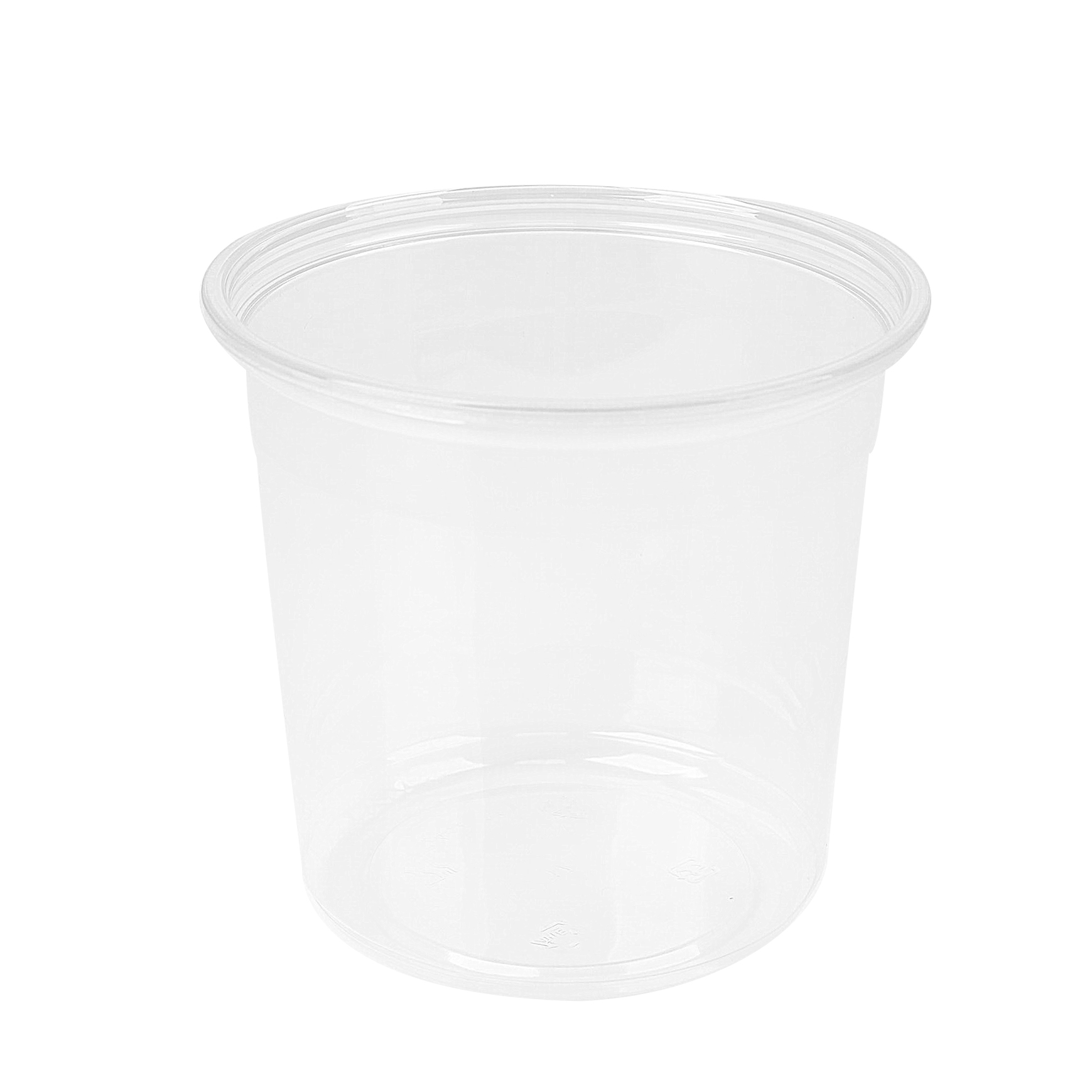
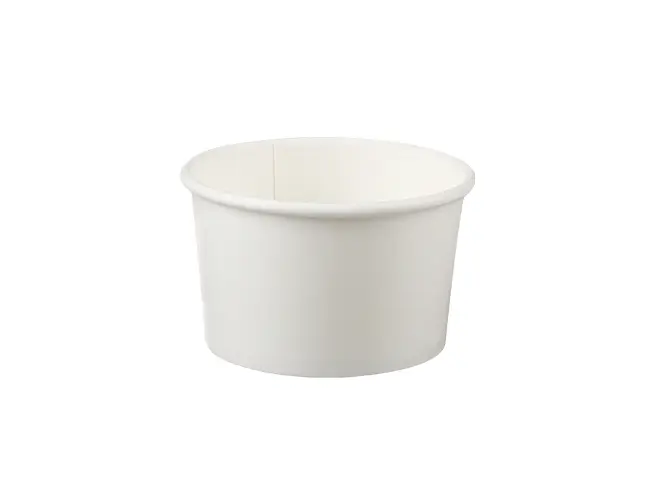
Core Performance Demands of Clamshell Containers in High-Volume Settings
Leak and grease resistance under real-world stacking, transit, and temperature stress
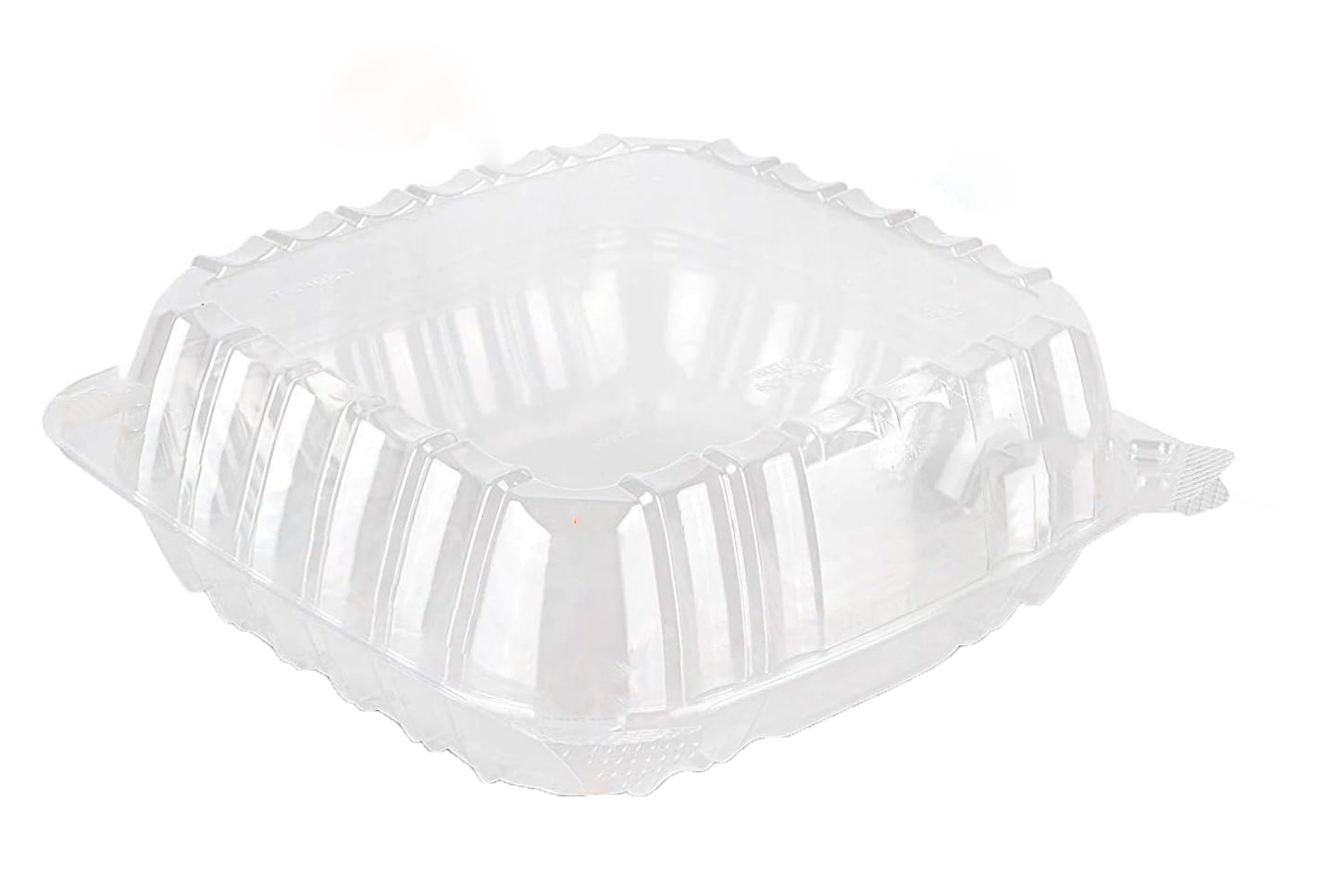
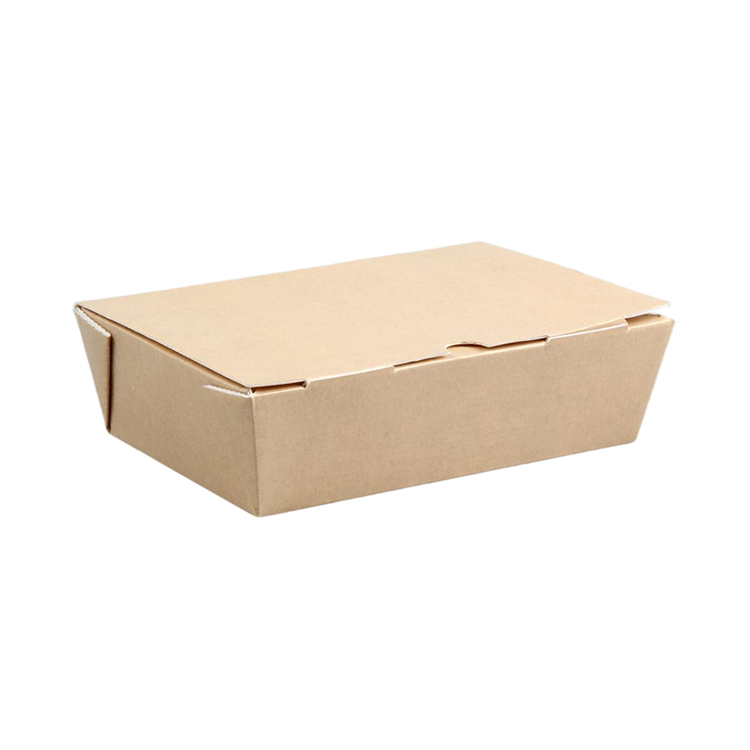
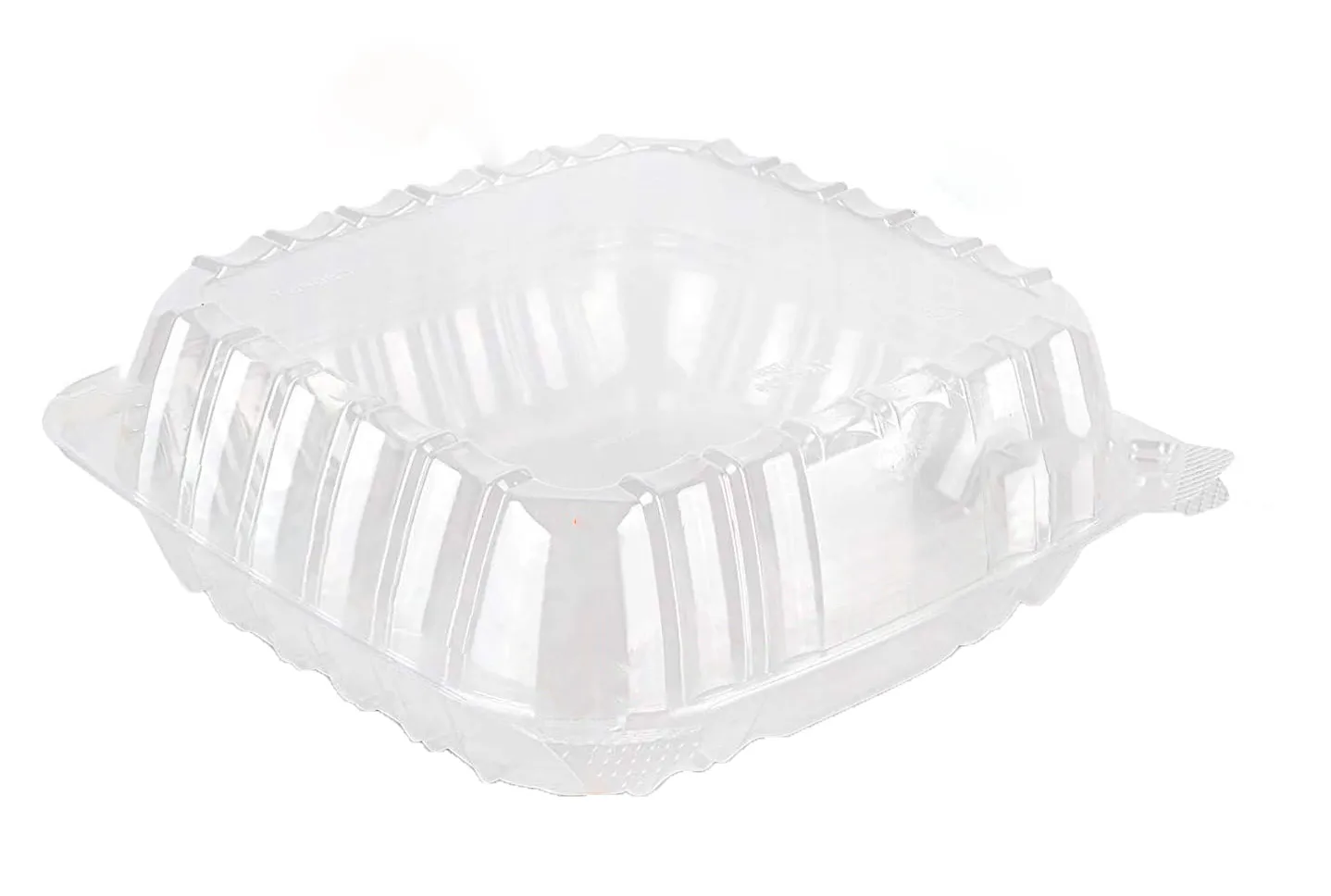
Clamshell containers used in busy food service operations face some serious challenges daily. They get stacked 8 to 10 layers high during peak times, bounce around during deliveries, and go through wild temperature swings from hot steam tables straight into cold refrigerated trucks. According to a recent Packaging Digest study from last year, about one out of every eight container failures in fast food places happens because the grease barrier breaks down after just 45 minutes of sitting on greasy food. That's why top container makers have started using what they call dual-seal tech these days. These containers combine regular heat seals with special water-resistant coatings inside to keep things together. The result? Containers can handle tilting at angles up to 30 degrees while being transported without leaking all over the place. Logistics companies running field tests saw spillage problems drop by nearly 17% with this new design, which means less mess for staff and fewer wasted containers overall.
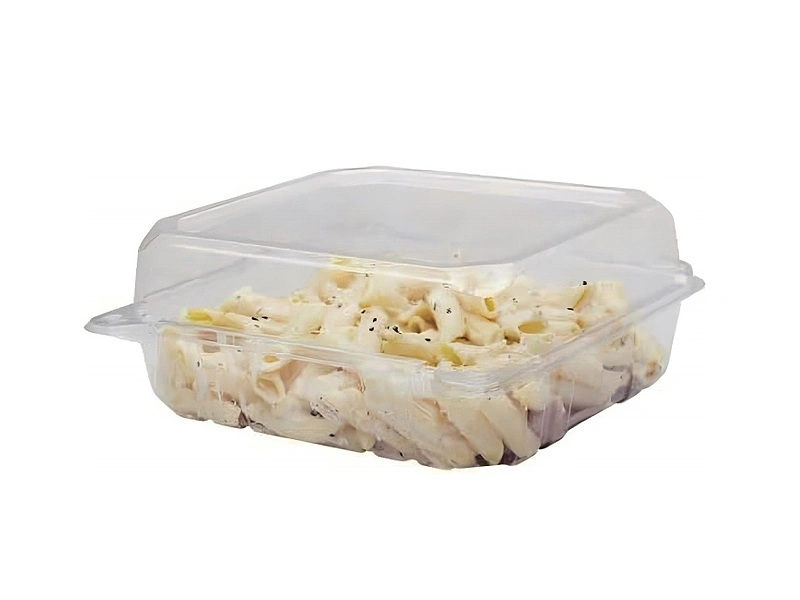
Microwave safety and thermal integrity across plastic, fiber, and PLA-based clamshell containers
What materials we choose really affects how well something reheats. Take polylactic acid or PLA bioplastics for instance. These can handle heat up to around 220 degrees Fahrenheit, but leave them in the microwave past about a minute and they start to warp. Then there's PET plastic which stands up better to heat, going as high as 250 degrees, though it might actually melt if there are any metal bits mixed in like foil decorations. Molded fiber is interesting because it soaks up moisture pretty well, which helps keep things from getting soggy in steamy dishes maybe cutting down on wetness by about a third. But watch out when it gets completely soaked since it tends to lose its shape and firmness then. Check out the table below for a quick look at these important heating characteristics.
| Material | Max Microwave Time | Condensation Resistance | Warp Risk at 200°F+ |
|---|---|---|---|
| PET Plastic | 3 minutes | High | Low |
| Molded Fiber | 2 minutes | Medium | High |
| PLA Bioplastic | 1.5 minutes | Low | Medium |
Menu alignment is essential: PET's grease resistance suits fried items; fiber's vapor management benefits grain bowls and roasted vegetables; PLA's clarity and compostability serve cold applications where infrastructure supports end-of-life processing.
Sustainable Material Selection for Scalable Clamshell Containers Deployment
Bagasse, molded fiber, and PLA: performance trade-offs in hot, moist, high-turnover food service
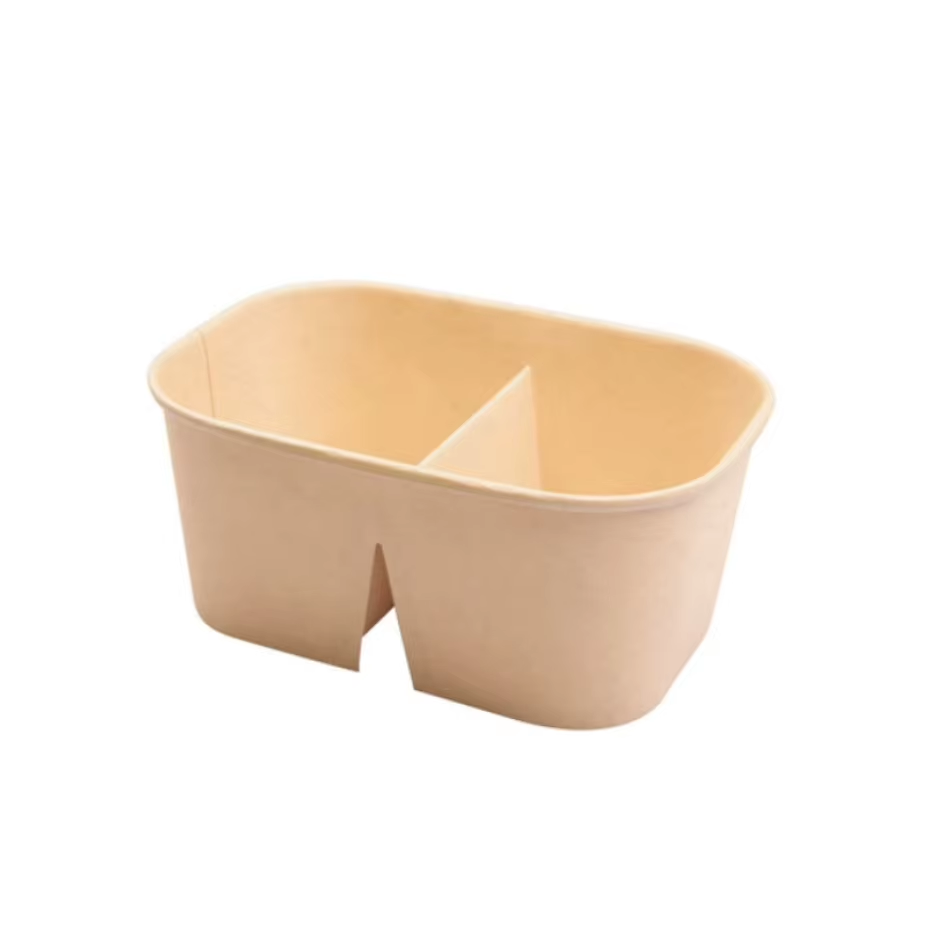
When looking at options for large scale food service operations, bagasse from sugarcane, molded pulp products, and PLA materials all bring different pros and cons to the table. Bagasse stands out because it resists grease really well and can handle microwaving up to around 220 degrees Fahrenheit. That makes it great for greasy fried foods like chicken nuggets or fries. However, if these containers sit in liquid for too long they tend to fall apart. Molded pulp is another option that works wonders for keeping things insulated against heat and soaking up oils naturally. The downside? Most require some kind of coating, either wax based or plant derived, when serving dishes with lots of sauce. Then there's PLA which looks clear like regular plastic without any petroleum content and actually breaks down in compost under the right conditions. But watch out when temperatures go over 110 degrees Fahrenheit as this material starts to soften and deform, not good for piping hot meals coming straight from the oven. For busy restaurants dealing with hundreds of orders daily, bagasse tends to stack better than others without collapsing. And while PLA has those eco credentials, operators need industrial composting access nearby for it to truly make sense environmentally. Smart kitchen managers match their packaging choices to what's on the menu: bagasse for greasy items, molded pulp for baked goods or roasted meats, and save PLA for cold items like salads or desserts where proper disposal isn't an issue.
Lifecycle realities: how PET, PS, and compostable clamshell containers compare in mass-distribution systems
| Material | Production Impact | End-of-Life Rate | Scalability Challenge |
|---|---|---|---|
| PET (plastic) | High carbon footprint | 29% recycled | Contamination in recycling streams |
| PS (polystyrene) | Non-renewable resources | <10% recycled | Fragmentation during transit |
| Compostables | Lower CO₂ emissions | 42% composted* | Limited industrial facilities |
| *Composting rate in municipalities with infrastructure (Biocycle 2023) |
When it comes to shipping durability and lightweight transport efficiency, PET still stands out as the best option around, cutting down on fuel consumption per item shipped. However, if these materials end up in landfills instead of getting recycled, they create serious waste problems. Polystyrene (PS) keeps providing good value for money even though regulations against it are becoming stricter all the time. For those looking at compostable options like PLA and bagasse, there's definitely a plus side since they help cut back on microplastic pollution and reduce our reliance on fossil fuels. But here's the catch: whether these alternatives work well enough really hinges on what kind of infrastructure exists locally. Big national chains need to think carefully about which materials make sense where they operate. Compostables tend to do better in cities where industrial composting facilities are already established. Meanwhile, PET products have an edge in areas where recycling systems actually function properly and can handle the sorting and processing needed.
Regulatory Compliance and Automation Readiness for Clamshell Container Integration
Navigating single-use plastic bans with compliant, high-performance clamshell container alternatives
More than 500 places around the world have now banned single use plastics, from California's SB 54 law to the EU's comprehensive directive on single use items. Food service operators need replacements that work under real conditions while meeting all those regulations. The compostable stuff out there—PLA, bagasse, molded fibers—has to actually perform when put to the test. Does it stop oil from leaking through during rush hour deliveries? Can it handle going from cold storage straight onto steam tables without falling apart? And will it pass safety tests for things like pizza sauce or greasy fries? Top manufacturers don't just talk about compliance. They get third party certifications like BPI or TUV OK Compost, run actual stress tests simulating 30 minute delivery windows, and check food contact safety properly. Some companies even developed automated systems for tracking compliance paperwork, which cuts down on mistakes by about 80% in busy commercial kitchens. This makes audits easier and keeps vendors qualified consistently across operations.
Denester compatibility and line integration: ensuring clamshell containers support speed and labor efficiency
Clamshell geometry directly influences automation success. Designs with consistent wall thickness (±0.1mm tolerance) and precisely engineered interlocking lids enable reliable denester feeding at speeds exceeding 60 units/minute—critical for peak-hour throughput. Three factors determine seamless integration:
- Stack stability: Minimum 50-container nesting depth without jamming or lid separation
- Conveyor compatibility: Non-slip bases for secure movement on inclined or high-speed belts
- Vision system recognition: High-contrast, uniform labeling surfaces for accurate optical detection
Operators adopting automation-optimized clamshells report 30% higher packing output and a 50% reduction in staff training time versus legacy or irregularly shaped containers—demonstrating how thoughtful design translates directly into labor efficiency and scalability.
FAQ
What are the key materials used for clamshell containers in food services?
Clamshell containers in food services are primarily made from PET plastic, molded fiber, and PLA bioplastics. Each material has specific benefits and drawbacks regarding heat resistance, moisture absorption, reheating safety, and environmental impact.
How do clamshell containers maintain leak and grease resistance?
Top manufacturers employ dual-seal technology, which incorporates regular heat seals and water-resistant coatings, allowing clamshell containers to manage real-world conditions, such as stacking and transport, without leaking.
Why is understanding the lifecycle and sustainability of clamshell materials important?
Understanding lifecycle and sustainability helps operators make informed decisions based on local infrastructure and waste management capabilities, facilitating more environmentally responsible operations.
What challenges do clamshell containers face with microwave safety?
Clamshells made from PLA bioplastics tend to warp if microwaved for more than a minute, while PET plastics handle microwave heat up to 250 degrees Fahrenheit but may encounter melting if contaminated with metals.