


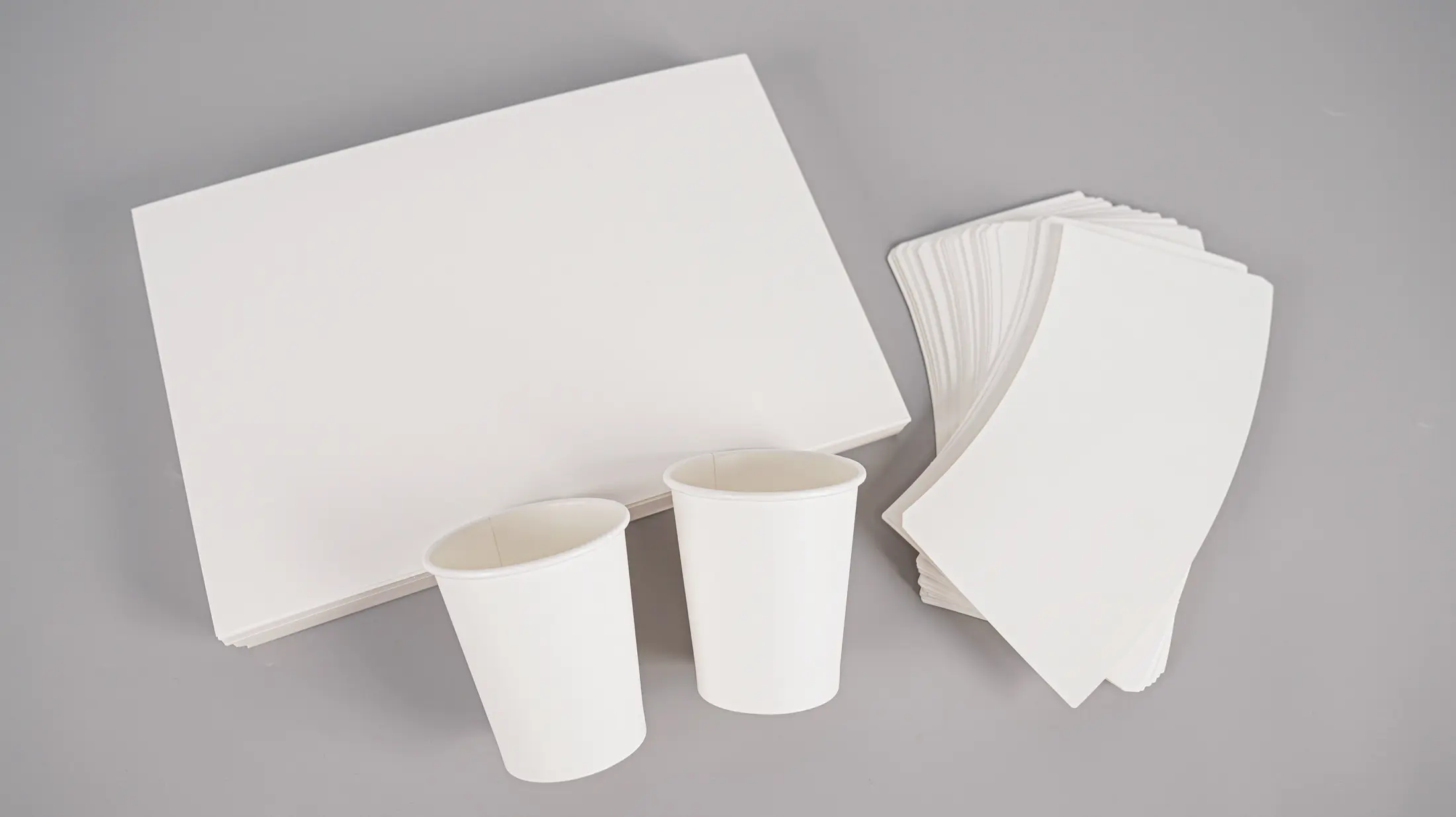
Custom paper cups have become essential packaging solutions for beverage businesses, food service operations, and hospitality venues worldwide. Understanding the paper materials used in custom paper cups is critical for making informed purchasing decisions that balance cost, performance, and brand presentation. The composition and quality of paper used in custom paper cups directly impact durability, liquid resistance, printability, and overall customer experience. This comprehensive guide explores the various paper materials, coating technologies, and specifications that define modern custom paper cups.
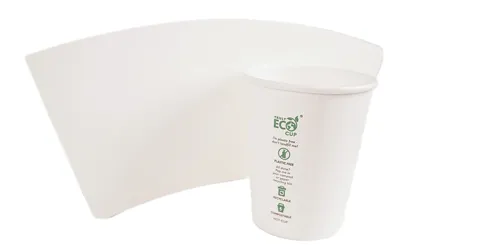
The manufacturing process for custom paper cups requires carefully selected base paper grades combined with specialized coatings and linings. Quality custom paper cups blend virgin and recycled fibers, coating systems, and barrier technologies to create reliable, food-safe containers. Manufacturers of custom paper cups must comply with global food contact standards while maintaining structural integrity under demanding conditions. Selecting appropriate materials for custom paper cups ensures your containers meet functional requirements and brand expectations.
Base Paper Composition in Custom Paper Cups
Virgin and Recycled Fiber Blends
The foundation of custom paper cups starts with the selection of base paper, typically composed of virgin kraft fibers, recycled fibers, or blended combinations. Virgin kraft pulp provides superior strength, brightness, and tear resistance essential for custom paper cups that withstand handling and transport. Recycled fiber content in custom paper cups can range from zero to fifty percent depending on performance requirements and sustainability objectives. Higher quality custom paper cups often utilize virgin fiber content of seventy to eighty percent to ensure optimal structural performance. The fiber blend determines the baseline strength characteristics that influence how custom paper cups perform during filling, storage, and consumption.
Basis Weight and Thickness Standards
Custom paper cups are manufactured from base paper ranging between two hundred and three hundred fifty grams per square meter. The basis weight directly affects rigidity, insulation properties, and material cost of custom paper cups. Lighter weights between two hundred and two hundred twenty grams per square meter suit cold beverage applications in custom paper cups. Medium weights between two hundred thirty and two hundred seventy grams per square meter work well for general-purpose custom paper cups serving both hot and cold beverages. Heavier custom paper cups utilizing three hundred grams or more of base paper deliver enhanced structural integrity for premium applications or large volumes. Manufacturers carefully select basis weight for custom paper cups to balance performance needs with cost efficiency and environmental impact.
Coating Technologies for Custom Paper Cups
Aqueous and Polyethylene Coatings
Custom paper cups require specialized coatings to provide liquid resistance and create effective barriers against moisture penetration. Aqueous coatings represent a water-based technology increasingly used in custom paper cups as a sustainable alternative to traditional solvent-based systems. Aqueous-coated custom paper cups offer excellent printability, reduced environmental impact, and compliance with modern food safety regulations. Polyethylene coating remains the industry standard for many custom paper cups, providing superior liquid barrier properties and heat resistance. Polyethylene-lined custom paper cups maintain performance across temperature ranges from freezing to boiling conditions. The choice between aqueous and polyethylene coating for custom paper cups depends on intended beverage type, storage conditions, and sustainability priorities.
Coating Thickness and Barrier Properties
Effective coating thickness in custom paper cups typically ranges between fifteen and thirty micrometers on interior surfaces. The barrier performance of custom paper cups depends on coating uniformity, adhesion quality, and material selection. Custom paper cups with inadequate coating thickness may experience moisture seepage that compromises product quality and shelf life. Professional manufacturers apply precision coating processes to custom paper cups ensuring consistent barrier protection across entire production runs. Dual-layer coating systems in premium custom paper cups provide redundant protection and enhanced performance characteristics. Testing protocols verify that custom paper cups meet specific grease resistance and moisture vapor transmission rate standards required for safe beverage packaging.
Advanced Paper Technologies for Custom Paper Cups
Barrier Coating Systems and Performance Standards
Advanced barrier coating technologies enhance the functionality and performance characteristics of custom paper cups beyond basic polyethylene solutions. Water-resistant barrier coatings in custom paper cups extend shelf life for concentrated juices, oils, and specialty beverages. Grease-resistant formulations in custom paper cups protect against food oils and fatty substances common in fast-food applications. Specialized custom paper cups featuring dual-barrier systems provide simultaneous protection against both water and grease penetration. These advanced custom paper cups undergo rigorous testing to verify compliance with FDA regulations and international food contact material standards. Performance-tested custom paper cups deliver consistent protection regardless of storage duration, temperature fluctuations, or transport conditions.
Sustainability and Food Safety Certifications
Modern custom paper cups increasingly incorporate environmentally responsible materials without compromising safety or performance standards. Certified custom paper cups meet stringent regulations including FDA Title 21 CFR Section 176.170 for indirect food contact and comparable European Union directives. Manufacturing processes for custom paper cups minimize chemical residues and ensure complete coating curing before product reaches end users. Sustainably sourced base materials in custom paper cups support responsible forestry practices and carbon reduction objectives. Custom paper cups featuring bleached kraft pulp achieve superior brightness for vibrant color printing while maintaining food safety compliance. Choosing custom paper cups from certified manufacturers guarantees adherence to international standards for chemical migration, microbiological safety, and material quality.
FAQ
What factors determine the thickness of custom paper cups?
The thickness of custom paper cups depends on intended beverage type, storage duration, transportation requirements, and cost considerations. Hot beverages typically require thicker custom paper cups for insulation and structural integrity compared to cold beverage applications. Premium custom paper cups often feature increased basis weight to deliver enhanced durability and perceived product quality. Manufacturers balance thickness requirements with environmental impact and material costs when designing custom paper cups for specific end-use applications.
Are custom paper cups environmentally sustainable?
Many custom paper cups now incorporate recycled fiber content and sustainable coating technologies that reduce environmental impact compared to traditional plastic alternatives. Biodegradable and compostable custom paper cups represent emerging solutions though current infrastructure limitations affect widespread adoption. Responsible manufacturers of custom paper cups source virgin fiber from certified sustainable forestry operations meeting FSC or PEFC standards. Selecting custom paper cups from environmentally conscious producers supports corporate sustainability goals while maintaining product performance and safety standards.
Can custom paper cups be recycled after use?
Recycling custom paper cups presents challenges due to polyethylene coating and contamination from beverage residue, though technology is advancing in this area. Specialized recycling facilities can process custom paper cups into insulation materials and composite products through dedicated collection programs. Growing availability of custom paper cups designed for specific recycling streams represents a developing market segment addressing end-of-life concerns. Consultation with local waste management providers helps determine recycling options for your custom paper cups.