


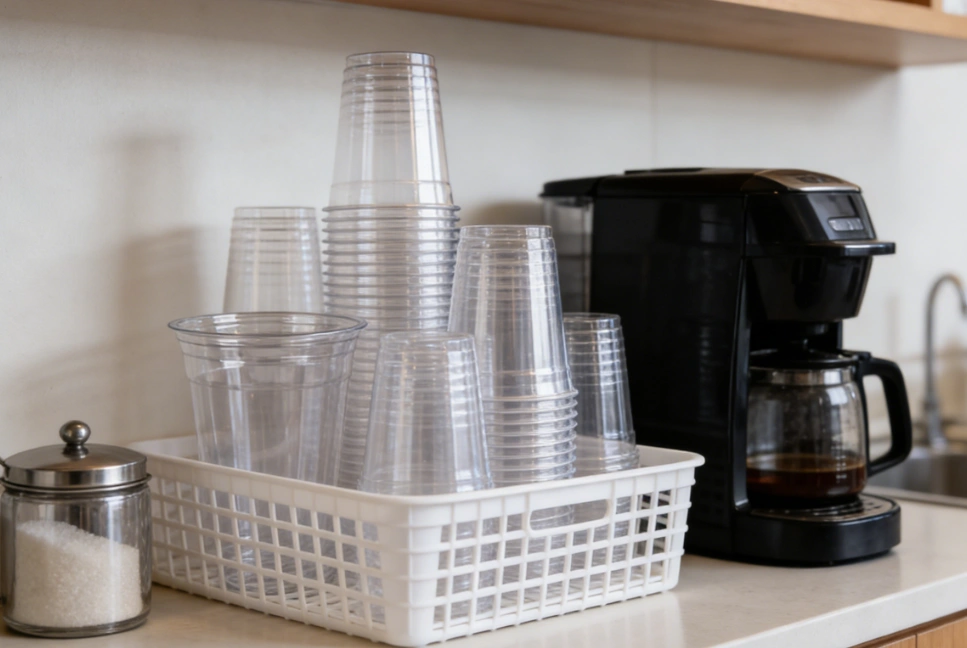
আপনার ব্যবসার জন্য ঢাকনাসহ স্বচ্ছ প্লাস্টিকের কাপ নির্বাচন করার সময়, আকার ও ধারণক্ষমতার সম্পূর্ণ স্পেকট্রাম বোঝা আপনার কার্যক্রমের প্রয়োজনীয়তা এবং গ্রাহকদের আশা-আকাঙ্ক্ষা উভয়ই পূরণ করতে অত্যাবশ্যক। আপনি যদি কোনও পানীয় সেবা, ক্যাটারিং ব্যবসা, ফুড ট্রাক বা খুচরা বিক্রয় প্রতিষ্ঠান পরিচালনা করেন, তবে সঠিক কাপের আকার সরাসরি অংশ নিয়ন্ত্রণ, খরচ দক্ষতা, ইনভেন্টরি ব্যবস্থাপনা এবং গ্রাহক সন্তুষ্টির উপর প্রভাব ফেলে। ঢাকনাসহ স্বচ্ছ প্লাস্টিকের কাপগুলি বিভিন্ন ধারণক্ষমতায় পাওয়া যায়, যা এসপ্রেসো শট ও রসের নমুনা থেকে শুরু করে বড় স্মুথি ও ফাউন্টেন ড্রিংকস পর্যন্ত সবকিছু ধারণ করার জন্য ডিজাইন করা হয়েছে; ফলে আকার নির্বাচন আপনার পানীয় প্রোগ্রামের কৌশলের একটি গুরুত্বপূর্ণ উপাদান হয়ে ওঠে।
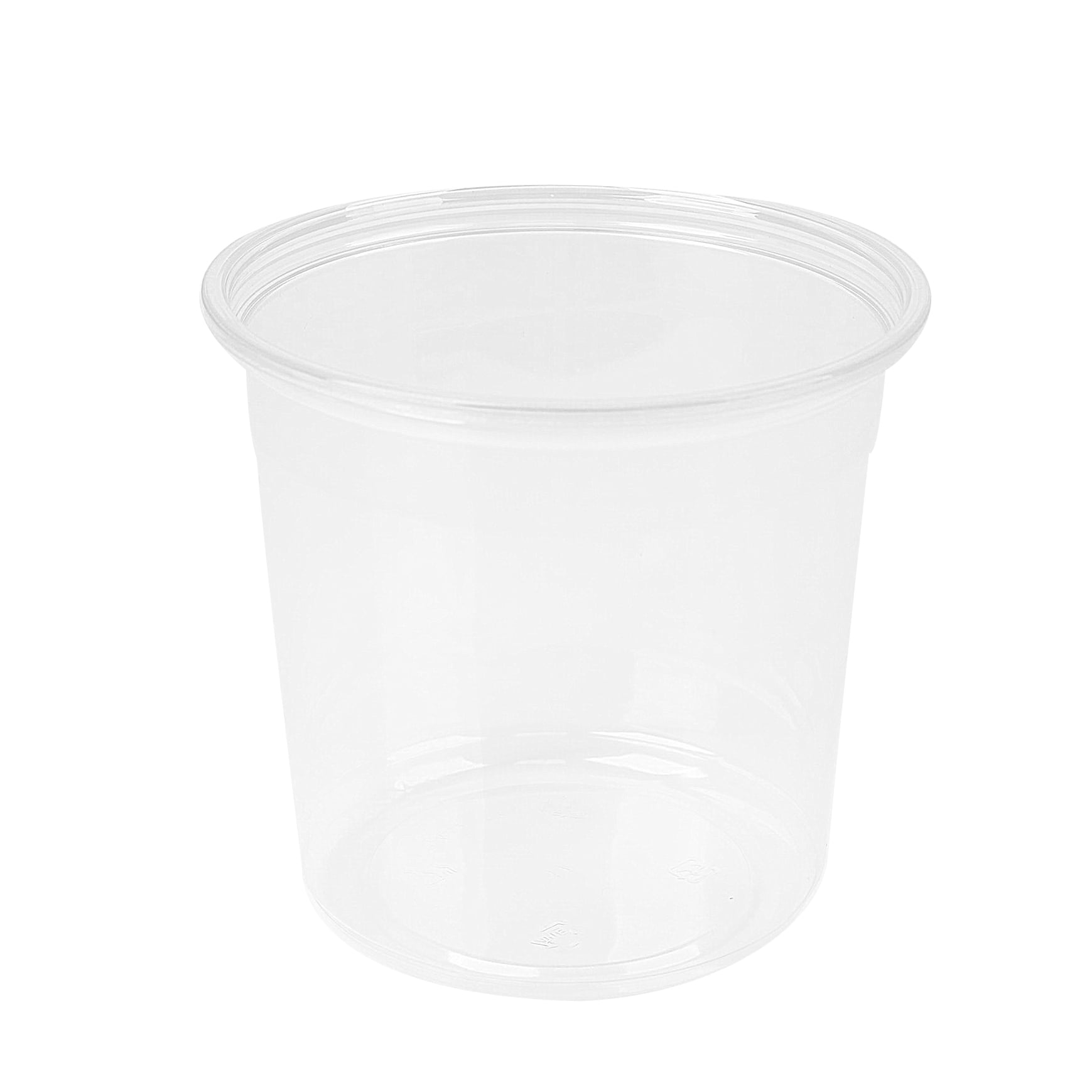
স্পষ্ট প্লাস্টিকের কাপগুলির ধারণক্ষমতা বিকল্পগুলি ছোট ২-আউন্সের স্বাদ পরীক্ষা করার কাপ থেকে শুরু করে ৩২-আউন্স এবং এমনকি আরও বড় ধারকগুলি পর্যন্ত বিস্তৃত, যেখানে প্রতিটি কাপ নির্দিষ্ট ব্যবহারের ক্ষেত্র এবং পানীয়ের ধরনের উপর ভিত্তি করে ডিজাইন করা হয়েছে। এই ব্যাপক গাইডটি আকারের সম্পূর্ণ পরিসর, এদের ব্যবহারিক অ্যাপ্লিকেশন, শিল্প মানদণ্ড এবং আপনার নির্দিষ্ট পরিচালন প্রয়োজনীয়তার সাথে ধারণক্ষমতা বিকল্পগুলি কীভাবে মেল করবেন—এই বিষয়গুলি নিয়ে আলোচনা করে। প্রতিটি আকার শ্রেণির সূক্ষ্ম বিষয়গুলি বুঝতে পারলে আপনি আপনার ক্রয় সিদ্ধান্ত অপ্টিমাইজ করতে পারবেন, বর্জ্য কমাতে পারবেন, গ্রাহকদের অভিজ্ঞতা উন্নত করতে পারবেন এবং আপনার মেনু অফারিং এবং সেবা মডেলের সাথে সামঞ্জস্যপূর্ণ কাপ নির্বাচনের মাধ্যমে আপনার মুনাফা বৃদ্ধি করতে পারবেন।
মানক আকারের শ্রেণিবিভাগ এবং তাদের প্রয়োগ
বিশেষ ও নমুনা পরিবেশনের জন্য ছোট ধারণক্ষমতা পরিসর
স্পষ্ট প্লাস্টিকের কাপ ও ঢাকনা সহ সবচেয়ে ছোট বিভাগটি সাধারণত ২ আউন্স থেকে ৫ আউন্স পর্যন্ত হয়, যা খাদ্য পরিবেশন ও খুচরা বিক্রয় পরিবেশে বিশেষায়িত কাজে ব্যবহৃত হয়। এই ছোট্ট ধারকগুলি সস কাপ, মশলা ধারক, ড্রেসিংয়ের অংশ, এবং ট্রেড শো বা গ্রোসারি স্টোরের প্রদর্শনীতে পানীয়ের নমুনা পরিবেশনের মতো অংশ-নিয়ন্ত্রিত পরিবেশনের জন্য আদর্শ। কফি শপগুলিতে প্রায়শই ৪ আউন্স স্পষ্ট প্লাস্টিকের কাপ ও ঢাকনা ম্যাকচিয়াটো ও কর্টাডো সহ এসপ্রেসো-ভিত্তিক পানীয়ের জন্য ব্যবহৃত হয়, যেখানে স্বচ্ছতা গ্রাহকদের দুধ ও এসপ্রেসোর স্তরযুক্ত উপস্থাপনা উপভোগ করতে সাহায্য করে। এই আকারের পরিসীমা চিকিৎসা প্রতিষ্ঠানে ঔষধ প্রশাসন, শিশু যত্ন কেন্দ্রে জুসের অংশ, এবং ক্যাটারিং অপারেশনে মৌস বা পুডিং কাপের মতো ব্যক্তিগত মিষ্টান্ন উপস্থাপনার জন্যও ব্যবহৃত হয়।
খরচের দৃষ্টিকোণ থেকে, ছোট ধারণক্ষমতাবিশিষ্ট স্পষ্ট প্লাস্টিকের কাপগুলি যার উপর ঢাকনা থাকে, অংশ নিয়ন্ত্রণের জন্য চমৎকার সুবিধা প্রদান করে যা সরাসরি লাভজনকতাকে প্রভাবিত করে। বিশেষ সস বা প্রিমিয়াম ড্রেসিং-এর মতো দামি উপাদান পরিবেশন করা একটি রেস্তোরাঁ ২ আউন্স কাপ ব্যবহার করে অংশগুলি মানকীকরণ করতে পারে, যার ফলে অপচয় কমে এবং সমস্ত পরিবেশনের জন্য খাদ্য খরচ সুস্থির থাকে। এই ধারকগুলির স্বচ্ছতা দৃশ্যমান আকর্ষণ প্রদান করে, আর নিরাপদ ঢাকনাগুলি পরিবহন বা ডেলিভারির সময় ছিটকে পড়া রোধ করে। অনেক প্রতিষ্ঠান লক্ষ্য করেছে যে, স্বাদ পরীক্ষা ও নমুনা পরিবেশনের জন্য ছোট স্পষ্ট প্লাস্টিকের কাপ ও ঢাকনা বিনিয়োগ করা হলে উল্লেখযোগ্য পণ্য ক্ষতি ছাড়াই পরীক্ষামূলক ক্রয় উৎসাহিত করে, যা শক্তিশালী রিটার্ন অন ইনভেস্টমেন্ট (ROI) তৈরি করে। এই কমপ্যাক্ট আকারটি দক্ষ সংরক্ষণেরও সুবিধা প্রদান করে, যেখানে সাধারণত প্রতিটি কার্টনে অধিক সংখ্যক একক থাকে এবং সংরক্ষণ এলাকায় তাদের আলমারির জায়গা অত্যন্ত সীমিত হয়।
মাঝারি ধারণক্ষমতার বিকল্পগুলি স্ট্যান্ডার্ড পানীয় পরিবেশনের জন্য
মাঝারি ধারণক্ষমতা বিশিষ্ট পরিসরটি ৮-আউন্স থেকে ১৬-আউন্স পর্যন্ত স্পষ্ট প্লাস্টিকের কাপ এবং তাদের ঢাকনা নিয়ে গঠিত, যা বিভিন্ন খাদ্য পরিবেশন কার্যক্রমে সবচেয়ে সাধারণভাবে ব্যবহৃত আকারগুলির প্রতিনিধিত্ব করে। ৮-আউন্স আকারটি দ্রুত পরিবেশন রেস্তোরাঁ, কফি শপ এবং সুবিধাভিত্তিক দোকানগুলিতে ছোট পানীয়ের মানক আকার হিসেবে কাজ করে, যা শিশুদের পানীয়, সংক্ষিপ্ত এসপ্রেসো পানীয় এবং জুসের পরিবেশনের জন্য উপযুক্ত। এই আকারটি কম দামের মেনু আইটেম অফার করতে চাওয়া ব্যবসায়গুলির জন্য একটি অর্থনৈতিক বিকল্প প্রদান করে, যখন স্বাস্থ্যকর লাভের মার্জিন বজায় রাখে। ১২-আউন্স ধারণক্ষমতা একটি বহুমুখী মধ্যবর্তী আকার প্রতিনিধিত্ব করে, যা মাঝারি কফি পানীয়, সাধারণ ফাউন্টেন পানীয় এবং স্মুথি পরিবেশনের জন্য আদর্শ; ফলে এটি অধিকাংশ পানীয় প্রোগ্রামে একটি অপরিহার্য উপাদান।
১৬-আউন্স আকারটি সম্ভবত সবচেয়ে জনপ্রিয় বিকল্প হিসেবে বিবেচিত হয় লিড সহ পরিষ্কার প্লাস্টিক গ্লাস ১৬ আউন্স, যা অনেক প্রতিষ্ঠানে ডিফল্ট বড় আকার হিসেবে ব্যবহৃত হয় এবং বিয়ার, আইসড টি, লেমনেড ও ব্লেন্ডেড কফি ড্রিংকসের জন্য প্রমিত পিন্ট পরিমাপ। এই ধারণক্ষমতা প্রচুর পরিমাণে পরিবেশন ও ব্যবহারের সুবিধার মধ্যে একটি আদর্শ ভারসাম্য বজায় রাখে; এর মাত্রা স্ট্যান্ডার্ড কাপ হোল্ডারে সহজে ফিট করা যায় এবং গ্রাহকরা এটিকে ভালো মানের মূল্য হিসেবে দেখেন। ফুড ট্রাক ও মোবাইল বিক্রেতারা বিশেষভাবে ১৬-আউন্স স্পষ্ট প্লাস্টিকের কাপ ও ঢাকনা পছন্দ করেন, কারণ এগুলো অধিকাংশ মেনু আইটেম ধারণ করতে পারে এবং একাধিক আকারের প্রয়োজন হয় না, যা ইনভেন্টরি ব্যবস্থাপনা সহজ করে এবং সীমিত সঞ্চয়স্থান বিশিষ্ট মোবাইল অপারেশনের জটিলতা কমায়।
প্রিমিয়াম ও বিশেষ পানীয়ের জন্য বৃহৎ ধারণক্ষমতা সমাধান
২০ আউন্স থেকে ২৪ আউন্স পর্যন্ত ধারণক্ষমতাবিশিষ্ট বড় আকারের স্পষ্ট প্লাস্টিকের কাপ এবং তাদের ঢাকনা গ্রাহকদের জন্য বড় পরিমাণে পানীয় পরিবেশনের চাহিদা পূরণ করে এবং ব্যবসায়গুলির জন্য উচ্চ-মূল্যের প্রস্তাব হিসেবে কাজ করে। ২০ আউন্স ধারণক্ষমতা সাধারণত কফি চেইন, বাবল টি দোকান এবং জুস বারগুলিতে অতিরিক্ত বড় আকারের বিকল্প হিসেবে ব্যবহৃত হয়, যা মিশ্রিত পানীয়, ফলের স্মুদি এবং বরফ ও স্বাদ যোগ করা আইসড কফি সহ প্রশস্ত পরিমাণের পানীয় ধারণ করতে পারে। এই আকারটি মূল্য-সচেতন গ্রাহকদের কাছে আকর্ষক হয় এবং যারা দীর্ঘ সময় ধরে—যেমন যাত্রাকালীন সময় বা কাজের শিফট চলাকালীন—পানীয় গ্রহণ করতে পরিকল্পনা করছেন, তাদের জন্যও উপযুক্ত। স্পষ্ট (ক্লিয়ার) নির্মাণ গ্রাহকদের প্রাপ্ত পূর্ণ পরিমাণটি দেখতে সক্ষম করে, যা মূল্য ধারণাকে শক্তিশালী করে এবং উচ্চ-মূল্যের মূল্য নির্ধারণ পদ্ধতিকে যৌক্তিক করে তোলে।
২৪ আউন্সের ফরম্যাটটি ফাউন্টেন ড্রিংক, বড় আকারের আইসড পানীয় এবং পরিবার-শৈলীর পরিবেশে ভাগ করে নেওয়ার জন্য একটি জাম্বো বিকল্প হিসেবে অবস্থান করে। সুবিধাজনক দোকান এবং গ্যাস স্টেশনগুলি প্রায়শই তাদের বড় বা এক্সট্রা-লার্জ ফাউন্টেন ড্রিংক বিকল্প হিসেবে ২৪ আউন্সের স্পষ্ট প্লাস্টিকের কাপ এবং ঢাকনা সহ স্টক করে, যা স্ব-সেবা পানীয় প্রোগ্রামের সাথে যুক্ত উচ্চ মুনাফার মার্জিনকে কাজে লাগিয়ে থাকে। মুভি থিয়েটার, বিনোদন কেন্দ্র এবং ক্রীড়া ইভেন্টের কনসেশন স্টলগুলি এই আকারের কাপ প্রিমিয়াম পানীয় বিক্রয়ের জন্য ব্যবহার করে, যেখানে গ্রাহকরা দীর্ঘস্থায়ী বিনোদন অভিজ্ঞতার জন্য বড় আকারের পানীয়ের পরিমাণ আশা করেন। এই বড় ধারণক্ষমতা নিশ্চিত করতে গেলে কাঠামোগত শক্তির প্রতি বিশেষ মনোযোগ দেওয়া প্রয়োজন; এই আকারের উচ্চমানের স্পষ্ট প্লাস্টিকের কাপ এবং ঢাকনা সাধারণত শক্তিশালী দেয়াল এবং নিরাপদ ঢাকনা আটকানোর ব্যবস্থা সহ তৈরি করা হয়, যাতে তরল ও বরফ দিয়ে পূর্ণ অবস্থায় কাপটি বাঁকা না হয়, টপকে না যায় বা ছড়িয়ে না পড়ে।
এক্সট্রা-লার্জ এবং বিশেষ ধারণক্ষমতা বিকল্প
এক্সট্রা-লার্জ বিভাগে স্পষ্ট প্লাস্টিকের কাপ অন্তর্ভুক্ত রয়েছে যার ঢাকনা সহ আকার ২৮ আউন্স থেকে ৩২ আউন্স এবং তার বেশি—এগুলো বিশেষায়িত অ্যাপ্লিকেশন ও নির্দিষ্ট বাজার খণ্ডের জন্য ব্যবহৃত হয়। এই অতিরিক্ত বড় ধারকগুলোর প্রধান ব্যবহার হলো সুবিধাভোগী দোকানগুলোর ফাউন্টেন প্রোগ্রাম, সুপারসাইজড বিকল্প প্রদানকারী ফাস্ট-ফুড চেইন এবং মূল্য-ভিত্তিক অবস্থানের উপর গুরুত্বারোপকারী বিশেষায়িত পানীয় বিক্রেতাদের কাছে। ৩২ আউন্স আকারটি বিশেষভাবে সুবিধাভোগী খুচরা বিক্রয় ক্ষেত্রে প্রভাবশালী, যেখানে লাভজনকতা উচ্চ-মার্জিন ফাউন্টেন পানীয় বিক্রয়ের উপর ব্যাপকভাবে নির্ভরশীল এবং প্রচারমূলক মূল্য গঠনের মাধ্যমে সর্বোচ্চ ক্রয় আকার উৎসাহিত করা হয়। এই বড় স্পষ্ট প্লাস্টিকের কাপগুলোর ঢাকনা সহ চমকপ্রদ দৃশ্যমান প্রভাব বাজারজাতকরণের উদ্দেশ্যে কাজে লাগে, ফলে এগুলো ব্র্যান্ডেড প্রচারমূলক প্রোগ্রাম এবং ট্রাফিক বৃদ্ধি ও লেনদেনের মূল্য বৃদ্ধির জন্য নির্মিত সীমিত সময়ের অফারগুলোতে জনপ্রিয় হয়ে ওঠে।
কিছু প্রস্তুতকারক ৩২ আউন্সের চেয়েও বড় বিশেষায়িত আকারের পণ্য তৈরি করেন, যার মধ্যে ৪০ আউন্স এবং ৪৪ আউন্সের স্পষ্ট প্লাস্টিকের কাপ—যার সঙ্গে ঢাকনা থাকে—অত্যধিক মূল্য প্রস্তাব এবং অদ্বিতীয় প্রয়োগের জন্য অন্তর্ভুক্ত। এই বিশাল আকারের কাপগুলি সাধারণত বিনোদন কেন্দ্র, থিম পার্ক এবং প্রচারমূলক প্রেক্ষাপটে দেখা যায়, যেখানে অতিবৃহৎ পরিবেশন গ্রাহকদের স্মরণীয় অভিজ্ঞতা তৈরি করে এবং সোশ্যাল মিডিয়ায় শেয়ার করার সুযোগ সৃষ্টি করে। তবে, ব্যবসায়িক প্রতিষ্ঠানগুলির অবশ্যই ব্যবহারের কষ্ট, বৃদ্ধি পাওয়া পণ্য খরচ এবং গ্রাহকরা যদি এত বড় পরিমাণ শেষ করতে না পারেন তবে সম্ভাব্য অপচয়—এই ব্যবহারিক সীমাবদ্ধতাগুলি সম্পর্কে সাবধানে বিবেচনা করতে হবে। ঢাকনাসহ অতি-বৃহৎ স্পষ্ট প্লাস্টিকের কাপগুলির গাঠনিক প্রকৌশলে উন্নত উৎপাদন প্রযুক্তির প্রয়োজন হয়, যাতে পার্শ্ব দেয়ালের শক্তি, ভিত্তির স্থিতিশীলতা এবং ঢাকনার নিরাপত্তা নিশ্চিত করা যায়, যাতে স্বাভাবিক ব্যবহার ও পরিবহনের সময় বিশাল তরল ওজন ধারণ করার সময় ব্যর্থতা ঘটে না।
প্রযুক্তিগত বিবরণ এবং পরিমাপের মানদণ্ড
ধারণক্ষমতা পরিমাপ এবং পূরণ রেখা বোঝা
স্পষ্ট প্লাস্টিকের কাপগুলির ঘোষিত ধারণক্ষমতা (যার উপর ঢাকনা থাকে) হল এর মোট অভ্যন্তরীণ আয়তন, যা সম্পূর্ণ প্রান্ত পর্যন্ত পরিমাপ করা হয়; কিন্তু ব্যবহারিক পূরণ ধারণক্ষমতা সাধারণত এই নমিনাল আকারের ৮০% থেকে ৯০% এর মধ্যে থাকে, যাতে ঢাকনা স্থাপন করা যায় এবং তরল ছড়িয়ে পড়া রোধ করা যায়। মার্কিন যুক্তরাষ্ট্রের বাজারের জন্য শিল্পমান অনুযায়ী কাপের ধারণক্ষমতা ফ্লুইড আউন্সে পরিমাপ করা হয়, আন্তর্জাতিক প্রয়োগের জন্য সংশ্লিষ্ট মিলিলিটার পরিমাপ ব্যবহার করা হয়। উদাহরণস্বরূপ, একটি ১৬-আউন্স কাপ সম্পূর্ণ ভর্তি অবস্থায় ৪৭৩ মিলিলিটার তরল ধারণ করে, কিন্তু ঢাকনার স্থান দখল এবং যথাযথ উপরিস্থান (হেডস্পেস) বিবেচনা করলে এর কার্যকরী পরিবেশন ধারণক্ষমতা প্রায় ১৪ থেকে ১৪.৫ আউন্স-এ নেমে আসে। মেনু দাম নির্ধারণ, উপাদান খরচ গণনা এবং বাধ্যতামূলক পরিবেশন আকার প্রকাশের বিধি মেনে চলার জন্য এই পার্থক্যটি বোঝা অত্যন্ত গুরুত্বপূর্ণ।
অনেকগুলি স্পষ্ট প্লাস্টিকের কাপ ঢাকনা সহ আসে, যার উপর উত্তোলিত বা মুদ্রিত ভরাট লাইন থাকে যা বিভিন্ন পানীয় প্রস্তুতির জন্য সুপারিশকৃত ভরাট স্তরগুলি নির্দেশ করে। এই চিহ্নগুলি কর্মীদের পরিবেশনের ক্ষেত্রে ধারাবাহিকতা বজায় রাখতে, অতিরিক্ত ভরাটের ফলে বর্জ্য কমাতে এবং ঢাকনা স্থাপনের জন্য পর্যাপ্ত স্থান নিশ্চিত করতে সাহায্য করে যাতে কোনও ছড়ানো না হয়। কিছু বিশেষ ডিজাইনে একটি একক কাপ ফরম্যাটের মধ্যে বিভিন্ন পানীয়ের আকারের সাথে সম্পর্কিত একাধিক ভরাট লাইন অন্তর্ভুক্ত থাকে, যা প্রতিষ্ঠানগুলিকে ভরাট স্তর পরিবর্তন করে একটি কাপের আকার ব্যবহার করে একাধিক মেনু দামের বিন্দুর জন্য পরিষেবা দেওয়ার সুযোগ দেয়। এই পদ্ধতি ইনভেন্টরির জটিলতা কমায়, কিন্তু নির্ভুলতা বজায় রাখতে এবং গ্রাহকদের বিভ্রান্তি রোধ করতে কর্মীদের যথাযথ প্রশিক্ষণ প্রয়োজন। গুণগত উৎপাদনকারীরা অভ্যন্তরীণ ব্যাস পরিমাপ, উচ্চতা মাত্রা এবং বিভিন্ন ভরাট স্তরে সঠিক ধারণক্ষমতা গণনা সহ বিস্তারিত প্রযুক্তিগত বিবরণী প্রদান করেন, যা ব্যবসায়গুলিকে সঠিক আয়তনিক প্রয়োজনীয়তা অনুযায়ী তথ্যপূর্ণ সিদ্ধান্ত গ্রহণে সক্ষম করে।
ঢাকনার সামঞ্জস্যতা এবং সিলিং সিস্টেম
কাপের আকার এবং ঢাকনা সামঞ্জস্যতার মধ্যে সম্পর্কটি পরিচালনামূলক ব্যবহারের জন্য স্পষ্ট প্লাস্টিকের কাপ ও ঢাকনা নির্বাচন করার সময় একটি গুরুত্বপূর্ণ প্রযুক্তিগত বিবেচনা প্রতিনিধিত্ব করে। অধিকাংশ উৎপাদনকারী প্রতিষ্ঠানই প্রতিটি ধারণক্ষমতা পরিসরের মধ্যে প্রমিত কিনারা ব্যাসের বিশেষকরণ অনুসরণ করে, যার ফলে বিভিন্ন উৎপাদন চক্র থেকে এবং কখনও কখনও বিভিন্ন সরবরাহকারী থেকে আসা কাপ ও ঢাকনাগুলির পারস্পরিক বিনিময়যোগ্যতা সম্ভব হয়। সাধারণ কিনারা ব্যাসের প্রমিত মাপগুলির মধ্যে ৮০ মিলিমিটার, ৯০ মিলিমিটার, ৯৫ মিলিমিটার এবং ৯৮ মিলিমিটার অন্তর্ভুক্ত; প্রতিটি মাপ নির্দিষ্ট ধারণক্ষমতা পরিসরের সাথে সম্পর্কিত। ৯০ মিলিমিটার কিনারা সাধারণত ১২ আউন্স থেকে ১৬ আউন্স পর্যন্ত স্পষ্ট প্লাস্টিকের কাপ ও ঢাকনার জন্য উপযুক্ত, অন্যদিকে ৯৮ মিলিমিটার কিনারা ২০ আউন্স থেকে ২৪ আউন্স পর্যন্ত আকারের কাপগুলির জন্য ব্যবহার করা হয়। এই প্রমিত মাপগুলি বুঝতে পারলে ভুল ক্রয় এড়ানো যায় এবং খরচ বা সরবরাহের উপলব্ধতা বিবেচনায় কাপ ও ঢাকনা আলাদাভাবে সংগ্রহ করা সম্ভব হয়।
স্পষ্ট প্লাস্টিকের কাপের জন্য ঢাকনা ডিজাইনগুলি বন্ধন পদ্ধতি, পান করার ছিদ্রের ধরন এবং সামগ্রিক কার্যকারিতার ক্ষেত্রে ব্যাপকভাবে ভিন্ন হয়। সমতল ঢাকনাগুলি সবচেয়ে অর্থনৈতিক বিকল্প প্রদান করে, যা সহজ চাপ-অন আটকানো পদ্ধতির মাধ্যমে সংযুক্ত করা যায় এবং শীতল পানীয় এবং যেসব প্রয়োগে নিরাপদ বন্ধন কম গুরুত্বপূর্ণ, সেগুলোর জন্য উপযুক্ত। গম্বুজাকৃতির ঢাকনাগুলি কাপের প্রান্তের উপরে উঠে আসা উপাদান যেমন হোয়াইপড ক্রিম, ফোম টপিং এবং ব্লেন্ডেড পানীয়গুলির জন্য উপযুক্ত, যা বিশেষায়িত কফি শপ এবং মিষ্টি পানীয় পরিচালনার জন্য অপরিহার্য। স্ট্র স্লট ঢাকনাগুলিতে ক্রস-কাট বা তারাকৃতির খোলা থাকে যা স্ট্র প্রবেশের জন্য ডিজাইন করা হয়েছে এবং একইসাথে যথেষ্ট ছিটকে যাওয়া রোধ করে। কিছু উচ্চ-মানের স্পষ্ট প্লাস্টিকের কাপের সাথে ঢাকনায় স্ন্যাপ-টাইট বা লক-ট্যাব বন্ধন ব্যবস্থা ব্যবহার করা হয়, যা ডেলিভারি প্রয়োগ এবং মোবাইল ভাবে পান করার পরিস্থিতিতে উৎকৃষ্ট লিক প্রতিরোধ প্রদান করে, যেখানে ছিটকে যাওয়া রোধ করা গ্রাহক সন্তুষ্টি এবং ব্র্যান্ডের সুনামের জন্য সর্বোচ্চ গুরুত্বপূর্ণ।
উপাদানের পুরুত্ব এবং গঠনগত বিবেচনা
স্পষ্ট প্লাস্টিকের কাপগুলির শারীরিক নির্মাণ এবং তাদের ঢাকনা নির্মাণে উপাদানের খরচ, গঠনমূলক স্থায়িত্ব এবং বিভিন্ন ধারণক্ষমতা অপশনের মধ্যে কার্যকরী কার্যক্ষমতা বজায় রাখার জন্য সাবধানতাপূর্ণ প্রকৌশল প্রয়োজন। ছোট আকারের কাপগুলিতে সাধারণত পার্শ্ব দেয়ালের পাতলা নির্মাণ ব্যবহার করা হয়, যার পুরুত্ব প্রায় ১০ থেকে ১৫ মিল পর্যন্ত হয়, যা সীমিত তরল পরিমাণের জন্য যথেষ্ট শক্তি প্রদান করে এবং উপাদান ব্যবহার ও খরচ কমিয়ে দেয়। যখন ধারণক্ষমতা বৃদ্ধি পায়, তখন পার্শ্ব দেয়ালের পুরুত্বও সাধারণত সমানুপাতিকভাবে বৃদ্ধি পায়, যাতে বৃহত্তর তরল ওজন সহ্য করা যায় এবং হ্যান্ডলিংয়ের সময় বাঁক হওয়া প্রতিরোধ করা যায়। বড় আকারের স্পষ্ট প্লাস্টিকের কাপ এবং তাদের ঢাকনা সাধারণত ১৮ থেকে ২৫ মিল পুরু পার্শ্ব দেয়াল বিশিষ্ট হয়, যেখানে কিছু উচ্চ-মানের বিকল্পে এই পরিসরের চেয়ে বেশি পুরুত্ব থাকে, যাতে টিকে থাকার ক্ষমতা এবং তাপীয় বিচ্ছেদ বৈশিষ্ট্য উন্নত করা যায় এবং কাপের বাইরের পৃষ্ঠে ঘনীভূত জলের সৃষ্টি কমানো যায়।
আকার শ্রেণীভুক্তি অনুযায়ী বেস ডিজাইন উল্লেখযোগ্যভাবে ভিন্ন হয়, যেখানে বড় ধারণক্ষমতার ক্লিয়ার প্লাস্টিকের কাপ ঢাকনাসহ পৃষ্ঠতলে রাখার সময় ওজন বন্টন করতে এবং ব্যর্থতা রোধ করতে শক্তিশালী তলদেশ নির্মাণ প্রয়োজন। উঁচু বা রিবড বেস প্যাটার্ন কাঠামোগত সমর্থন প্রদান করে যখন বায়ু ফাঁক তৈরি করে যা পৃষ্ঠতলের সরাসরি সংস্পর্শ কমায় এবং কাউন্টার ও টেবিলে ঘনীভবনের বলয় হ্রাস করে। কিছু ডিজাইনে অন্তর্ভুক্ত কোস্টার-সদৃশ বৈশিষ্ট্য বা টেক্সচারযুক্ত গ্রিপ পৃষ্ঠ রয়েছে যা মসৃণ পৃষ্ঠতলে স্থিতিশীলতা বৃদ্ধি করে এবং পরিবহনের সময় পিছলে যাওয়া কমায়। প্লাস্টিকের উপাদানের স্বচ্ছতা ও অপটিক্যাল গুণমানও ক্রয় সিদ্ধান্তে প্রভাব ফেলে, উচ্চমানের রেজিন বেশি স্বচ্ছ স্বচ্ছতা দেয় যা পানীয়ের রূপ প্রদর্শন করে কিন্তু সাধারণত অর্থনৈতিক মানের উপাদানের তুলনায় প্রিমিয়াম মূল্য নেয় যেগুলোতে সামান্য ধোঁয়াশা বা রঙ পরিবর্তন থাকে।
ব্যবসায়িক মডেল অনুযায়ী কৌশলগত নির্বাচন
ক্যুইক-সার্ভিস ও ফাস্ট-ক্যাজুয়াল রেস্টুরেন্ট প্রয়োগ
দ্রুত-সেবা রেস্টুরেন্টগুলির জন্য স্পষ্ট প্লাস্টিকের কাপ এবং ঢাকনা প্রয়োজন যা উচ্চ-খণ্ডের অপারেশন, দ্রুত সেবা প্রদান এবং একাধিক অবস্থানে মানকৃত অংশ নিয়ন্ত্রণকে সমর্থন করে। সাধারণত ব্যবহৃত আকারের মিশ্রণে ১৬ আউন্স কাপকে মাঝারি আকারের মানক হিসাবে বিবেচনা করা হয়, ২১ থেকে ২৪ আউন্স কাপ বড় পরিমাণের জন্য এবং কখনও কখনও প্রচারমূলক অতিরিক্ত বড় অফারের জন্য ৩২ আউন্স কাপ ব্যবহার করা হয়। এই তিন-স্তরবিশিষ্ট পদ্ধতিটি মেনু মূল্য গঠনকে সরলীকৃত করে, কর্মীদের প্রশিক্ষণের জটিলতা কমায় এবং স্পষ্ট মূল্য পার্থক্য তৈরি করে যা উচ্চতর মুনাফা হার সহ বড় আকারে আপসেলিং-এর প্রতি উৎসাহিত করে। স্পষ্ট প্লাস্টিকের কাপ ও ঢাকনার স্বচ্ছতা বিপণন উদ্দেশ্যে কাজে লাগে, যার ফলে পানীয়ের আকর্ষণীয়তা প্রদর্শন করা যায়—বিশেষ করে রঙিন ফাউন্টেন পানীয়, স্তরযুক্ত আইসড কফি প্রস্তুতি এবং ফল দ্বারা স্বাদযুক্ত জলের মতো পণ্যগুলির ক্ষেত্রে, যেগুলি দৃশ্যমান উপস্থাপনার সুবিধা পায়।
ফাস্ট-ক্যাজুয়াল প্রতিষ্ঠানগুলি প্রায়শই শিশুদের জন্য আহার এবং স্বাস্থ্যসচেতন গ্রাহকদের জন্য ছোট অংশ খাওয়ার প্রয়োজনে ১২-আউন্স বিকল্প সহ তাদের আকারের নির্বাচনী তালিকা বৃদ্ধি করে, যা গ্রাহকদের বিস্তৃত পছন্দকে সমর্থন করে এমন চার-আকারের একটি ব্যবস্থা তৈরি করে। একাধিক আকারের বিকল্পে বিনিয়োগের সিদ্ধান্ত অবশ্যই বৃদ্ধি পাওয়া ইনভেন্টরি জটিলতা, সংরক্ষণ স্থানের প্রয়োজনীয়তা এবং ধীরগতির আকারের জন্য অব্যবহৃত ইনভেন্টরি থেকে সম্ভাব্য অপচয়ের বিপরীতে মূল্যায়ন করতে হবে। অনেক সফল অপারেশন বিক্রয় ডেটা বিশ্লেষণ করে আদর্শ আকার বণ্টন চিহ্নিত করে, যেখানে প্রায়শই দেখা যায় যে পানীয়ের বিক্রয়ের ৭০% থেকে ৮০% এক বা দুটি মূল আকারে কেন্দ্রীভূত হয়, যা সর্বোত্তম বিক্রয়যোগ্য ধারণক্ষমতার উপর ফোকাস করে এমন লক্ষ্য নির্দিষ্ট ইনভেন্টরি কৌশলের প্রস্তাব দেয়, যদিও নির্দিষ্ট মেনু আইটেম বা গ্রাহকের অনুরোধের জন্য বিশেষ আকারের সীমিত স্টক বজায় রাখা হয়।
কফি শপ এবং বিশেষ পানীয় খুচরা বিক্রেতা
কফি শপ এবং বিশেষায়িত পানীয় বিক্রেতারা সাধারণত বিভিন্ন ধরনের পানীয় এবং গ্রাহকদের পছন্দ অনুযায়ী স্পষ্ট প্লাস্টিকের কাপ ও তাদের ঢাকনা-এর একটি আরও বৈচিত্র্যময় পরিসরের প্রয়োজন হয়। একটি বিস্তৃত আকারের নির্বাচনের মধ্যে ছোট গরম বা শীতল কফি পানীয়ের জন্য ৮-আউন্স কাপ, মাঝারি আকারের পানীয়ের জন্য ১২-আউন্স কাপ, বড় আকারের পানীয়ের জন্য ১৬-আউন্স কাপ এবং ব্লেন্ডেড আইস পানীয় বা জটিল স্বাদযুক্ত বিশেষ পানীয়ের মতো অতিরিক্ত বড় বিশেষ পানীয়ের জন্য ২০-আউন্স বা ২৪-আউন্স কাপ অন্তর্ভুক্ত থাকতে পারে। স্পষ্ট (ক্লিয়ার) নির্মাণের দৃশ্যমান আকর্ষণ বিশেষভাবে সেইসব প্রতিষ্ঠানের জন্য উপকারী যেখানে স্তরযুক্ত ম্যাকিয়াটো, রঙের গ্রেডিয়েন্ট রিফ্রেশার এবং শীর্ষে সজ্জিত বিশেষ পানীয়ের মতো দৃশ্যগতভাবে আকর্ষক পণ্য পরিবেশন করা হয়—যেখানে গ্রাহকদের সোশ্যাল মিডিয়ায় শেয়ার করার জন্য ফটোগ্রাফি ব্র্যান্ড সচেতনতা এবং মৌখিক বিপণনকে উৎসাহিত করে।
কফি শপগুলিতে মৌসুমি পানীয় প্রোগ্রামগুলি প্রায়শই স্বচ্ছ প্লাস্টিকের কাপ ও ঢাকনা সহ আকারের অপটিমাল বিন্যাসে অস্থায়ী পরিবর্তন ঘটায়; শীতকালে ছোট আকারের গরম পানীয়ের জন্য চাহিদা বাড়ে এবং উষ্ণ আবহাওয়ায় বড় আকারের বরফযুক্ত পানীয়ের ফরম্যাটে চাহিদা বৃদ্ধি পায়। কৌশলগতভাবে পরিচালিত প্রতিষ্ঠানগুলি নমনীয় ইনভেন্টরি ব্যবস্থা বজায় রাখে যা মৌসুমি প্যাটার্ন, প্রচারমূলক ক্যালেন্ডার এবং উদীয়মান পানীয় প্রবণতা অনুযায়ী আকারের মিশ্রণ অনুপাত দ্রুত সামঞ্জস্য করার অনুমতি দেয়। নতুন মেনু আইটেম চালু করা হলে বর্তমান কাপ আকারের প্রস্তাবগুলির মূল্যায়ন প্রয়োজন হতে পারে, কারণ কিছু বিশেষ পানীয় নির্দিষ্ট ধারণক্ষমতা পরিসরে ভালো কর্মক্ষমতা দেখায়—যা উপাদানের অনুপাত, উপস্থাপনার আকর্ষণীয়তা এবং ধারণাগত মূল্য উভয়কেই অপটিমাইজ করে। স্বচ্ছ প্লাস্টিকের কাপ ও ঢাকনায় কাস্টম প্রিন্টিং ব্র্যান্ডিংয়ের সুযোগ সৃষ্টি করে, কিন্তু মুদ্রিত পণ্যের জন্য ন্যূনতম অর্ডার পরিমাণ (MOQ) প্রায়শই আকারের পছন্দ পরিবর্তন বা মৌসুমি প্রচার শেষ হওয়ার ক্ষেত্রে অপ্রচলিত হওয়া এড়াতে সঠিক ভবিষ্যদ্বাণীর প্রয়োজন হয়।
সুবিধাজনক দোকান এবং ফাউন্টেন পানীয় প্রোগ্রাম
সুবিধাজনক দোকানগুলি স্ব-সেবা ফাউন্টেন পানীয় প্রোগ্রাম থেকে বিশাল লাভ অর্জন করে, যার ফলে ঢাকনাসহ স্পষ্ট প্লাস্টিকের কাপগুলির নির্বাচন আর্থিক কার্যকারিতা বৃদ্ধির একটি গুরুত্বপূর্ণ চালক হয়ে ওঠে। সাধারণত সুবিধাজনক দোকানের ফাউন্টেন প্রোগ্রামে ১৬-আউন্স, ২৪-আউন্স এবং ৩২-আউন্স আকারের ঢাকনাসহ স্পষ্ট প্লাস্টিকের কাপগুলিকে যথাক্রমে ছোট, মাঝারি এবং বড় বিকল্প হিসেবে ব্যবহার করা হয়; যেখানে প্রচারমূলকভাবে বড় আকারের কাপগুলিতে জোর দেওয়া হয়—যা প্রতিটি লেনদেনের আয় সর্বাধিক করে, যদিও এদের উৎপাদন খরচ সামান্য বেশি হয়। এই স্ব-সেবা পদ্ধতির প্রকৃতির কারণে কাপগুলির অত্যন্ত ভালো গাঠনিক শক্তি থাকা আবশ্যিক, যাতে গ্রাহকদের হাতে ধরা, বরফ ভরা এবং পানীয় প্রবাহিত করার সময় কাপগুলি চূর্ণ না হয়, কোনো রস না ফেলে এবং স্পষ্টতা বজায় রাখে। স্পষ্ট (পারদর্শী) গঠনের দৃশ্যমান দিকটি গ্রাহকদের পানীয় পূরণের পরিমাণ পর্যবেক্ষণ করতে সাহায্য করে এবং এই স্বচ্ছতা অংশের নির্ভুলতা ও মূল্য প্রদানের প্রতি বিশ্বাস গড়ে তোলে।
কিছু সুবিধাভোগী খুচরা বিক্রেতা শুধুমাত্র দুটি কাপ আকার নিয়ে সরলীকৃত ফাউন্টেন প্রোগ্রাম চালু করেন, যার মধ্যে সাধারণত সবচেয়ে ছোট আকারটি বাদ দেওয়া হয় যাতে মূল্য-ভিত্তিক অবস্থানকে জোরদার করা যায় এবং গ্রাহকদের বড় আকারের ক্রয়ের প্রতি উৎসাহিত করা যায়। এই পদ্ধতিটি কার্যক্রমের জটিলতা কমায়, মজুত প্রয়োজনীয়তা কমায় এবং ডিসপেন্সার স্টেশনে গ্রাহকদের সিদ্ধান্ত গ্রহণ প্রক্রিয়াকে সরলীকরণ করে। প্রচারমূলক কৌশলগুলি প্রায়শই ওভারসাইজড স্বচ্ছ প্লাস্টিকের কাপ এবং ঢাকনা ব্যবহার করে ক্ষতিতে বিক্রয় (লস লিডার) বা প্রচারমূলক অ্যাঙ্কর হিসেবে, যেখানে ৩২ আউন্স ফাউন্টেন পানীয়ের উগ্র মূল্য নির্ধারণ করা হয় যাতে দোকানে গ্রাহক আসার প্রবণতা বৃদ্ধি পায় এবং চেকআউটের সময় উচ্চ-মার্জিন পণ্যগুলির আকস্মিক ক্রয় সহজতর হয়। এই প্রোগ্রামগুলির সফলতা কাপের গুণগত মানের উপর অত্যন্ত নির্ভরশীল; নিম্নমানের পণ্যগুলি গ্রাহকদের হতাশা সৃষ্টি করে—যেমন লিকেজ, কাঠামোগত ব্যর্থতা বা ঢাকনার খারাপ ফিটিং—যা প্রচারমূলক মূল্য নির্ধারণের সুবিধাকে অতিক্রম করে নেগেটিভ অভিজ্ঞতা তৈরি করে।
ক্যাটারিং ও ইভেন্ট সেবা অপারেশন
ক্যাটারিং অপারেশন এবং ইভেন্ট সেবা প্রদানকারীরা উচ্চ-মাত্রার সেবা পরিস্থিতিতে উপস্থাপনের মান, ব্যবহারিক কার্যকারিতা এবং খরচ-দক্ষতা—এই তিনটি দিক সমন্বয় করে এমন স্পষ্ট প্লাস্টিকের কাপ এবং তাদের ঢাকনা প্রয়োজন করেন। পছন্দনীয় আকারগুলি সাধারণত ১২ আউন্স এবং ১৬ আউন্স স্পষ্ট প্লাস্টিকের কাপ ও ঢাকনা, যা ইভেন্ট, সভা এবং ক্যাটার করা ফাংশনে পরিবেশিত অধিকাংশ পানীয়ের জন্য বহুমুখী ও উপযুক্ত বিকল্প। এদের স্বচ্ছতা ব্যবসায়িক সভা, বিয়ে এবং উচ্চ-মানের ইভেন্টের মতো পেশাদার চেহারা প্রদান করে, যেখানে একবার ব্যবহারযোগ্য সার্ভিংওয়্যারকে শিল্পগত মানদণ্ড বজায় রাখতে হয়, সাথে কাঁচের পাত্রের তুলনায় নিরাপত্তা, ওজন হ্রাস এবং সহজ পরিষ্কারের মতো ব্যবহারিক সুবিধাও প্রদান করতে হয়। ক্যাটারিং পরিস্থিতিতে ঢাকনার নিরাপদ ফিট বিশেষভাবে গুরুত্বপূর্ণ হয়ে ওঠে, যখন পানীয়গুলি আগে থেকেই ঢালা হয়, স্যাটেলাইট সেবা স্থানে পরিবহন করা হয় অথবা বাতাস ও আবহাওয়ার বিবেচনা করে বাইরের পরিবেশে পরিবেশন করা হয়।
বৃহৎ-স্কেল ইভেন্টের আবেদনগুলি কখনও কখনও কাস্টম-আকারের বা বিশেষ ধরনের স্পষ্ট প্লাস্টিকের কাপ এবং ঢাকনা নির্মাণে বিনিয়োগের যোগ্যতা রাখে, যা বিশেষভাবে সাইনেচার ড্রিঙ্ক, ব্র্যান্ডেড পানীয় বা থিমযুক্ত উপস্থাপনার জন্য ডিজাইন করা হয়—যা ইভেন্টের অভিজ্ঞতা উন্নত করে এবং অতিথিদের স্মরণীয় মিথস্ক্রিয়া তৈরি করে। ফেস্টিভ্যালের বিক্রেতারা, ওপেন-এয়ার কনসার্ট সেবা প্রদানকারীরা এবং ক্রীড়া ইভেন্টের কনসেশনায়াররা প্রায়শই একটি বড় ধারণক্ষমতার একক কাপের উপর মানকীকরণ করেন, যা সাধারণত ২০ ঔজ্যান্স থেকে ২৪ ঔজ্যান্স পর্যন্ত স্পষ্ট প্লাস্টিকের কাপ এবং ঢাকনা নিয়ে গঠিত, যা অপারেশনগুলিকে সরলীকরণ করে এবং আকারের পরিবর্তন ছাড়াই অধিকাংশ পানীয়ের অনুরোধ পূরণ করে। ইভেন্ট সেবার জন্য টেকসইতার প্রয়োজনীয়তা সাধারণ রেস্তোরাঁ অ্যাপ্লিকেশনগুলির চেয়ে বেশি, কারণ কাপগুলি দীর্ঘ সময় ধরে ধরে রাখা, বাইরের তাপমাত্রার চরম পরিস্থিতি এবং ভিড়ে ভরা স্থানগুলিতে অতিথিদের দ্বারা আরও কঠোর পরিচালনা সহ্য করতে পারে। গুণগত মূল্যায়নে ড্রপ টেস্টিং, পার্শ্ব দেয়ালের সংকোচন প্রতিরোধ ক্ষমতা এবং বিভিন্ন চাপ পরিস্থিতিতে ঢাকনার ধরে রাখার ক্ষমতা অন্তর্ভুক্ত করা উচিত, যাতে উচ্চ-ভলিউম ইভেন্ট সেবা পরিবেশের চাহিদা পূরণের জন্য কার্যকারিতা নিশ্চিত করা যায়।
অর্থনৈতিক বিবেচনা এবং ক্রয় কৌশল
আকার শ্রেণি অনুযায়ী খরচ বিশ্লেষণ
ঢাকনাসহ পরিষ্কার প্লাস্টিকের কাপের প্রতি-একক খরচ আকার শ্রেণি অনুযায়ী উল্লেখযোগ্যভাবে পরিবর্তিত হয়, যেখানে মূল্য নির্ধারণে উপাদানের আয়তন, উৎপাদন জটিলতা এবং বাজারের চাহিদা প্যাটার্ন প্রভাব ফেলে। ২ আউন্স থেকে ৮ আউন্স পর্যন্ত ছোট ধারণক্ষমতার কাপগুলি সাধারণত পরম পরিমাণে প্রতি-একক খরচ কম হয়, কিন্তু উৎপাদন সেটআপ খরচ এবং তরল ধারণক্ষমতার তুলনায় ঢাকনার খরচ আনুপাতিকভাবে বেশি হওয়ায় প্রতি-আউন্স মূল্য উচ্চতর হতে পারে। ১২ আউন্স থেকে ১৬ আউন্স পর্যন্ত মাঝারি আকারের কাপগুলি প্রায়শই প্রতি-আউন্স ভিত্তিতে সবচেয়ে খরচ-দক্ষ বিকল্প হিসেবে বিবেচিত হয়, যা উচ্চ উৎপাদন পরিমাণ, মানকীকৃত উৎপাদন প্রক্রিয়া এবং খাদ্য পরিবেশন খাতে ব্যাপক চাহিদার কারণে প্রতিযোগিতামূলক বাজার মূল্যের সুবিধা পায়।
বড় ধারণক্ষমতাবিশিষ্ট স্পষ্ট প্লাস্টিকের কাপগুলি সাধারণত উচ্চ মূল্যের প্রতি-একক দাম নির্ধারণ করে, যা বৃহত্তর উপাদান প্রয়োজনীয়তা, বিশেষায়িত উৎপাদন বিবেচনা এবং বড় খোলাগুলিকে নিরাপদভাবে বন্ধ করার জন্য আরও ব্যয়বহুল ঢাকনা ব্যবস্থার প্রয়োজনীয়তাকে প্রতিফলিত করে। তবে, প্রতি-আউন্স খরচটি মাঝারি আকারের সাথে তুলনীয় থাকতে পারে, এবং বড় পানীয় পরিবেশনের জন্য প্রিমিয়াম মেনু মূল্য আদায় করার সক্ষমতা প্রায়শই কাপের উচ্চ খরচ সত্ত্বেও উত্তম লাভের মার্জিন তৈরি করে। কৌশলগত ক্রয় বিশ্লেষণে কাপ ও ঢাকনা—উভয় উপাদান সহ প্রতি পরিবেশনের মোট খরচ গণনা করা উচিত, কারণ ঢাকনার খরচ মোট প্যাকেজ খরচের একটি উল্লেখযোগ্য অংশ গঠন করে, যা কখনও কখনও কাপের খরচের সমান বা তার চেয়েও বেশি হয়, বিশেষ করে ছোট আকারের শ্রেণিতে যেখানে ঢাকনার মাত্রা কাপের মাত্রার কাছাকাছি হয়।
বৃহৎ পরিমাণে ক্রয় এবং সরবরাহকারীদের সাথে সম্পর্ক
স্পষ্ট প্লাস্টিকের কাপ এবং তাদের ঢাকনা ক্রয়ের জন্য কার্যকরী ক্রয় কৌশল প্রতিষ্ঠা করতে হলে বিভিন্ন আকারের বিকল্পগুলির মধ্যে ভলিউম ডিসকাউন্ট গঠন, কেস প্যাক কনফিগারেশন এবং ন্যূনতম অর্ডার প্রয়োজনীয়তা বোঝা আবশ্যক। সরবরাহকারীরা সাধারণত বড় পরিমাণে অর্ডার, পূর্ণ প্যালেট ক্রয় বা দীর্ঘমেয়াদী সময়কালে ক্রয় পরিমাণ নিশ্চিতকরণের জন্য বার্ষিক সরবরাহ চুক্তির মাধ্যমে স্তরযুক্ত মূল্য নির্ধারণ প্রদান করেন, যার ফলে উল্লেখযোগ্য ছাড় পাওয়া যায়। একক-অবস্থানে পরিচালিত প্রতিষ্ঠানগুলি গ্রুপ পারচেজিং সংস্থা বা সহযোগিতামূলক ক্রয় কর্মসূচিতে যোগদান করে একাধিক ব্যবসায়ের চাহিদা একত্রিত করতে পারে, যার ফলে বৃহৎ চেইন এবং প্রতিষ্ঠানিক ক্রেতাদের জন্য সংরক্ষিত ভলিউম-ভিত্তিক মূল্য অর্জন করা সম্ভব হয়।
কেস প্যাকের পরিমাণ নির্ভর করে নির্মাতা এবং আকার বিভাগের উপর, যেখানে ছোট কাপগুলি প্রায়শই প্রতি কেসে বেশি সংখ্যক ইউনিটে প্যাকেজ করা হয়, অন্যদিকে বড় স্পষ্ট প্লাস্টিকের কাপগুলি (যাদের ঢাকনা থাকে) কম সংখ্যায় প্যাকেজ করা হয়—এটি প্রতি ইউনিটের বৃহত্তর আয়তনকে প্রতিফলিত করে। এই কনফিগারেশনগুলি বুঝতে পারলে সঞ্চয়স্থানের জায়গা সর্বোত্তমভাবে ব্যবহার করা যায় এবং নিশ্চিত করা যায় যে অর্ডার করা পরিমাণগুলি প্রকৃত ব্যবহারের প্যাটার্নের সাথে সামঞ্জস্যপূর্ণ, যাতে অতিরিক্ত ইনভেন্টরি ধরে রাখার খরচ বা পণ্যের অপ্রাসঙ্গিকতা (ওবসোলেসেন্স) ঝুঁকি তৈরি না হয়। কৌশলগতভাবে চিন্তাশীল অপারেটররা প্রতিযোগিতামূলক মূল্য, সরবরাহ শৃঙ্খলে অভাব বা ডেলিভারি বাধার বিরুদ্ধে রিডান্ড্যান্সি প্রদান এবং প্রাথমিক সরবরাহকারীদের কাছে পাওয়া না যায় এমন বিশেষায়িত পণ্য বা কাস্টম বিকল্পগুলি অ্যাক্সেস করার জন্য একাধিক সরবরাহকারীর সাথে সম্পর্ক বজায় রাখেন। নিয়মিত বাজার গবেষণা এবং প্রতিযোগিতামূলক বিডিং প্রক্রিয়াগুলি বিশেষ করে উচ্চ-ভলিউমের আইটেমগুলির জন্য চলমান খরচ-প্রতিযোগিতামূলকতা নিশ্চিত করতে সাহায্য করে, যেখানে প্রতি ইউনিটে ক্ষুদ্র সঞ্চয়ও বছরে উল্লেখযোগ্য বার্ষিক খরচ হ্রাস ঘটায়।
মজুদ ব্যবস্থাপনা এবং সংরক্ষণ অপ্টিমাইজেশন
স্পষ্ট প্লাস্টিকের কাপ এবং তাদের ঢাকনা-এর কার্যকরী ইনভেন্টরি ব্যবস্থাপনা পর্যাপ্ত স্টক স্তর এবং সংরক্ষণ স্থানের সীমাবদ্ধতা, মূলধন বিনিয়োগের প্রয়োজনীয়তা এবং পণ্যের শেল্ফ লাইফ বিবেচনা—এই সমস্ত বিষয়ের মধ্যে ভারসাম্য বজায় রাখে। যদিও উপযুক্ত সংরক্ষণ অবস্থায় প্লাস্টিকের কাপগুলি অনির্দিষ্টকালের জন্য শেল্ফ স্থিতিশীলতা বজায় রাখে, তবুও দীর্ঘমেয়াদী গুদামজাতকরণ মূলধনকে আটকে রাখে এবং মূল্যবান স্থান দখল করে যা অন্যান্য উদ্দেশ্যে ব্যবহার করা যেতে পারে। জাস্ট-ইন-টাইম (জেআইটি) ইনভেন্টরি পদ্ধতি প্রয়োগ করলে বহন খরচ কমে যায়, কিন্তু এর জন্য বিশ্বস্ত সরবরাহকারী, সঠিক চাহিদা পূর্বানুমান এবং অপ্রত্যাশিত ব্যবহার বৃদ্ধি বা সরবরাহ বিঘ্নের মতো অবস্থার জন্য পরিকল্পিত বিকল্প ব্যবস্থা প্রয়োজন—যা স্টকআউট পরিস্থিতি সৃষ্টি করতে পারে এবং গ্রাহক সেবার উপর প্রভাব ফেলতে পারে।
সংরক্ষণ স্থানের দক্ষতা আকারের শ্রেণিগুলির মধ্যে উল্লেখযোগ্যভাবে পরিবর্তিত হয়, যেখানে ছোট স্পষ্ট প্লাস্টিকের কাপগুলি ঢাকনা সহ নেস্টেড স্ট্যাকিং-এর মাধ্যমে উচ্চতর স্থান ব্যবহার প্রদান করে, যা উল্লম্ব উচ্চতা কমিয়ে একক ঘনত্ব সর্বাধিক করে। বৃহত্তর ধারণক্ষমতার কাপগুলি সাধারণত কম দক্ষতার সাথে নেস্ট করে, ফলে প্রতি এককের জন্য অধিক সংরক্ষণ আয়তন প্রয়োজন হয় এবং পিছনের অংশে সীমিত স্থান বিশিষ্ট অপারেশনগুলিতে স্থান সংকট সৃষ্টি করে। কিছু প্রতিষ্ঠান এই চ্যালেঞ্জের সমাধান করে সংমিশ্রণ কৌশলের মাধ্যমে, যা সর্বাধিক বিক্রিত আকারগুলির গভীর ইনভেন্টরি বজায় রাখে এবং ধীরগতির বিক্রয়যোগ্য বিকল্পগুলির জন্য সীমিত স্টক স্তর পরিচালনা করে, বিশেষ আকারগুলির জন্য প্রতি একক খরচ সামান্য বৃদ্ধি গ্রহণ করে ইনভেন্টরি বিনিয়োগ ও সংরক্ষণ প্রয়োজনীয়তা কমানোর বিনিময়ে। স্বয়ংক্রিয় ইনভেন্টরি ট্র্যাকিং সিস্টেম এবং ডেটা-ভিত্তিক পুনঃঅর্ডারিং প্রোটোকলগুলি স্টক স্তর অপ্টিমাইজ করতে সাহায্য করে, যেখানে ব্যবহার প্যাটার্ন বিশ্লেষণ মৌসুমি ওঠানামা, প্রচারমূলক প্রভাব এবং প্রবণতামূলক পছন্দগুলি চিহ্নিত করে, যা আরও নির্ভুল ক্রয় সিদ্ধান্ত গ্রহণে সহায়তা করে এবং অতিরিক্ত অর্ডার করার ফলে বর্জ্য কমায়।
প্রায়শই জিজ্ঞাসিত প্রশ্নাবলী
খাদ্য পরিবেশন কার্যক্রমে ঢাকনা সহ স্পষ্ট প্লাস্টিকের কাপের জন্য সবচেয়ে জনপ্রিয় আকারটি কী?
১৬ আউন্স ধারণক্ষমতা বিভিন্ন খাদ্য পরিবেশন কার্যক্রমে ঢাকনাযুক্ত স্বচ্ছ প্লাস্টিকের কাপের জন্য সবচেয়ে সার্বজনীনভাবে জনপ্রিয় আকারকে নির্দেশ করে, যা দ্রুত পরিবেশন রেস্তোরাঁ, কফি শপ এবং অদ্ভুত খাদ্য পরিবেশন প্রতিষ্ঠানগুলিতে একটি মানক বড় পানীয় পরিবেশন হিসাবে কাজ করে। এই আকারটি প্রচুর পরিমাণের ধারণা এবং ব্যবহারের সুবিধার মধ্যে একটি আদর্শ ভারসাম্য বজায় রাখে, যা স্ট্যান্ডার্ড কাপ হোল্ডারে ফিট করে এবং গ্রাহকরা যা ভালো মানের মূল্য হিসাবে বিবেচনা করে এমন উল্লেখযোগ্য আয়তন প্রদান করে। ১৬ আউন্স ঢাকনাযুক্ত স্বচ্ছ প্লাস্টিকের কাপের ব্যাপক গ্রহণযোগ্যতা উৎপাদনে স্কেলের অর্থনৈতিক সুবিধা সৃষ্টি করে যা প্রায়শই প্রতিযোগিতামূলক মূল্য নির্ধারণের দিকে পরিচালিত করে, এবং মানকৃত প্রান্তের মাত্রা ঢাকনা সংগ্রহ ও সামঞ্জস্যতা সহজ করে তোলে। তবে, আকার নির্বাচনের আদর্শ পদ্ধতি চূড়ান্তভাবে নির্ভর করে নির্দিষ্ট কার্যক্রমের প্রয়োজন, মেনু অফারিং এবং লক্ষ্য গ্রাহকদের পছন্দের উপর, যেখানে কিছু ব্যবসা তাদের অনন্য পরিবেশন মডেল এবং বাজার অবস্থানের ভিত্তিতে ভিন্ন ধারণক্ষমতার উপর জোর দিয়ে বেশি সফলতা পায়।
আমার নির্দিষ্ট ব্যবসার জন্য কোন কাপের আকারগুলি স্টক করব তা কীভাবে নির্ধারণ করব?
আপনার ব্যবসার জন্য সর্বোত্তম স্পষ্ট প্লাস্টিকের কাপ এবং ঢাকনা নির্বাচন করতে হলে মেনুর গঠন, লক্ষ্য গ্রাহক জনসংখ্যা, পরিবেশন মডেল এবং প্রতিযোগিতামূলক অবস্থানসহ বেশ কয়েকটি ফ্যাক্টর বিশ্লেষণ করা আবশ্যক। প্রথমে আপনার পানীয় মেনু মূল্যায়ন করুন যাতে বিভিন্ন ধরনের পানীয়ের জন্য প্রাকৃতিক পরিমাণ নির্ধারণ করা যায়; এই বিষয়টি মনে রাখতে হবে যে গরম পানীয়গুলি সাধারণত ছোট আকারে বেশি বিক্রি হয়, অন্যদিকে শীতল পানীয়গুলি বড় আকারে বেশি জনপ্রিয়। যদি সম্পর্কিত অপারেশন বা পরীক্ষামূলক সময়কাল থেকে বিক্রয় ডেটা পাওয়া যায়, তবে গ্রাহকদের পছন্দ এবং ক্রয় প্যাটার্ন বোঝার জন্য সেগুলি পরীক্ষা করুন। আপনার মূল্য নির্ধারণের কৌশল এবং আপনি কি বড় পরিমাণের মাধ্যমে মূল্য জোর দিতে চান না কি সংযত পরিমাণের মাধ্যমে প্রিমিয়াম অবস্থান তৈরি করতে চান—এই বিষয়গুলি বিবেচনা করুন। সবচেয়ে সফল অপারেশনগুলি দেখেছে যে পানীয়ের বিক্রয়ের ৬০% থেকে ৮০% এক বা দুটি মূল আকারে কেন্দ্রীভূত হয়, যা এই জনপ্রিয় আকারগুলির উপর ফোকাস করে ইনভেন্টরি পরিচালনা করার পরামর্শ দেয়, যদিও নির্দিষ্ট প্রয়োগের জন্য বিশেষ আকারের সীমিত স্টক রাখা উচিত। গ্রাহকদের মতামত, আপনার বাজারে অনুরূপ প্রতিষ্ঠানগুলির প্রতিযোগিতামূলক বিশ্লেষণ এবং বিভিন্ন আকারের পরীক্ষা-নিরীক্ষা করে সময়ের সাথে সাথে আপনার নির্বাচনটি উন্নত করতে সাহায্য করে, যাতে গ্রাহক সন্তুষ্টি এবং কার্যকরী দক্ষতা—উভয়কেই অপ্টিমাইজ করা যায়।
আমি কি ইনভেন্টরি সহজতর করার জন্য বিভিন্ন কাপ সাইজের জন্য একই লিড ব্যবহার করতে পারি?
যদিও একাধিক কাপ আকারের জন্য ঢাকনা মানকীকরণ ইনভেন্টরি সরলীকরণের আকর্ষক সুবিধা প্রদান করে, এই পদ্ধতিটি সাধারণত শুধুমাত্র একই প্রান্ত ব্যাস বিশিষ্ট সীমিত ধারণক্ষমতা পরিসরের মধ্যেই কার্যকর। অনেক উৎপাদনকারী প্রতিষ্ঠান পার্শ্ববর্তী আকারের স্পষ্ট প্লাস্টিকের কাপ এবং সামঞ্জস্যপূর্ণ প্রান্ত বিশেষকরণ সহ ঢাকনা তৈরি করে, যেমন— ১২ আউন্স এবং ১৬ আউন্স কাপ উভয়েই ৯০ মিলিমিটার ঢাকনা ব্যবহার করে, অথবা ২০ আউন্স এবং ২৪ আউন্স কাপ ৯৮ মিলিমিটার ঢাকনার সামঞ্জস্য ভাগ করে নেয়। এই সীমিত মানকীকরণ ঢাকনার ফিট মান বা কার্যকারিতার কোনো হ্রাস ছাড়াই ইনভেন্টরি জটিলতা উল্লেখযোগ্যভাবে কমাতে পারে। তবে, ছোট কাপে অত্যধিক বড় ঢাকনা বা বড় কাপে অত্যধিক ছোট ঢাকনা ব্যবহার করার চেষ্টা করলে দুর্বল সিলিং, তরল ছড়ানোর ঝুঁকি এবং অপেশাদার চেহারা তৈরি হয়, যা গ্রাহক অভিজ্ঞতাকে নেতিবাচকভাবে প্রভাবিত করে। সর্বোত্তম পদ্ধতি হলো— যেখানে সম্ভব, ঢাকনা সামঞ্জস্য ভাগ করে নেওয়া কাপ আকারের পরিবারগুলি নির্বাচন করা, কিন্তু এটাও মেনে নেওয়া যে বিস্তৃত আকার পরিসরের জন্য সাধারণত একাধিক ধরনের ঢাকনা প্রয়োজন হয়, যাতে আপনার পানীয় প্রোগ্রামের সমস্ত ধারণক্ষমতা বিকল্পের জন্য সঠিক ফিট ও কার্যকারিতা নিশ্চিত করা যায়।
আবরণযুক্ত বড় স্পষ্ট প্লাস্টিকের কাপগুলির বিশেষ চিকিৎসা বা সংরক্ষণের বিবেচনা প্রয়োজন হয়?
বড় ধারণক্ষমতাবিশিষ্ট স্পষ্ট প্লাস্টিকের কাপগুলি ঢাকনা সহ ছোট আকারের তুলনায় হ্যান্ডলিং, সংরক্ষণ এবং অপারেশনাল পদ্ধতি সংক্রান্ত কিছু বিশেষ বিবেচনা প্রয়োজন করে। বড় কাপগুলির বৃদ্ধি পাওয়া উচ্চতা এবং বৃহত্তর তরল ধারণক্ষমতা সাধারণত আরও দৃঢ় নির্মাণ প্রয়োজন করে, যা সাধারণত ঘনীভূত পার্শ্ব দেয়াল এবং শক্তিশালীকৃত ভিত্তি ডিজাইনের দিকে নিয়ে যায়—যা স্ট্যাকিংয়ের বৈশিষ্ট্য এবং সংরক্ষণ ঘনত্বকে প্রভাবিত করে। ঢাকনা সহ বড় স্পষ্ট প্লাস্টিকের কাপগুলি সাধারণত ছোট আকারের তুলনায় কম দক্ষতার সাথে নেস্ট হয়, ফলে প্রতি এককের জন্য অধিক উল্লম্ব সংরক্ষণ স্থান প্রয়োজন হয় এবং সংকীর্ণ রান্নাঘর বা প্রস্তুতি এলাকায় স্থান সংকট সৃষ্টি করতে পারে। বড় আকারের কাপগুলির ক্ষেত্রে কর্মীদের প্রশিক্ষণ আরও গুরুত্বপূর্ণ হয়ে ওঠে, যাতে সঠিক পূরণ পদ্ধতি নিশ্চিত করা যায় যা অতিরিক্ত পূরণ রোধ করে, ঢাকনা নিরাপদভাবে স্থাপনের জন্য যথেষ্ট শীর্ষ স্থান (হেডস্পেস) বজায় রাখে এবং অতিরিক্ত তরল ওজনের কারণে কাপের গঠনগত চাপ এড়ায়। বড় কাপ নিয়ে পরিবহন ও ডেলিভারি অপারেশনগুলি বিশেষায়িত ক্যারিয়ার, কাপ হোল্ডার বা প্যাকেজিং সমাধানের সুবিধা পায় যা স্ট্যান্ডার্ড ব্যবস্থার তুলনায় কাপগুলির উল্টে যাওয়া রোধ করে এবং সম্ভাব্য লিকেজ বা ছিটকে পড়া রোধ করতে আরও কার্যকর। এই সমস্ত বিবেচনা সত্ত্বেও, উচ্চ মানের বড় আকারের স্পষ্ট প্লাস্টিকের কাপগুলি ঢাকনা সহ উপযুক্তভাবে হ্যান্ডল করলে বিশ্বস্তভাবে কাজ করে, এবং অনেক উচ্চ-খরচের অপারেশন সঠিক পরিকল্পনা ও কর্মী প্রশিক্ষণের মাধ্যমে এই আকারগুলিকে তাদের পানীয় প্রোগ্রামে সফলভাবে একীভূত করেছে।
বিষয়সূচি
- মানক আকারের শ্রেণিবিভাগ এবং তাদের প্রয়োগ
- প্রযুক্তিগত বিবরণ এবং পরিমাপের মানদণ্ড
- ব্যবসায়িক মডেল অনুযায়ী কৌশলগত নির্বাচন
- অর্থনৈতিক বিবেচনা এবং ক্রয় কৌশল
-
প্রায়শই জিজ্ঞাসিত প্রশ্নাবলী
- খাদ্য পরিবেশন কার্যক্রমে ঢাকনা সহ স্পষ্ট প্লাস্টিকের কাপের জন্য সবচেয়ে জনপ্রিয় আকারটি কী?
- আমার নির্দিষ্ট ব্যবসার জন্য কোন কাপের আকারগুলি স্টক করব তা কীভাবে নির্ধারণ করব?
- আমি কি ইনভেন্টরি সহজতর করার জন্য বিভিন্ন কাপ সাইজের জন্য একই লিড ব্যবহার করতে পারি?
- আবরণযুক্ত বড় স্পষ্ট প্লাস্টিকের কাপগুলির বিশেষ চিকিৎসা বা সংরক্ষণের বিবেচনা প্রয়োজন হয়?