HDPE Paper Guide: Durable, Water Resistant, Printable Sheets for Labels, Menus, Maps, and Industrial Use

hdpe paper

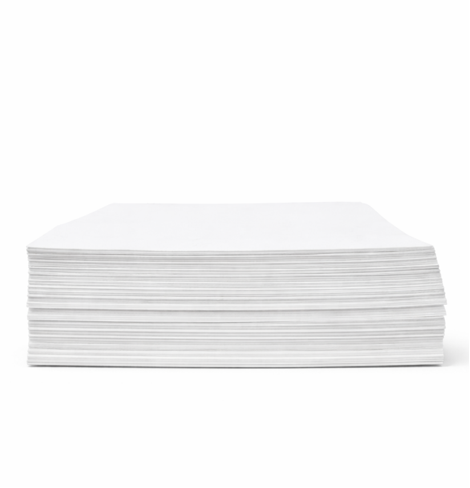
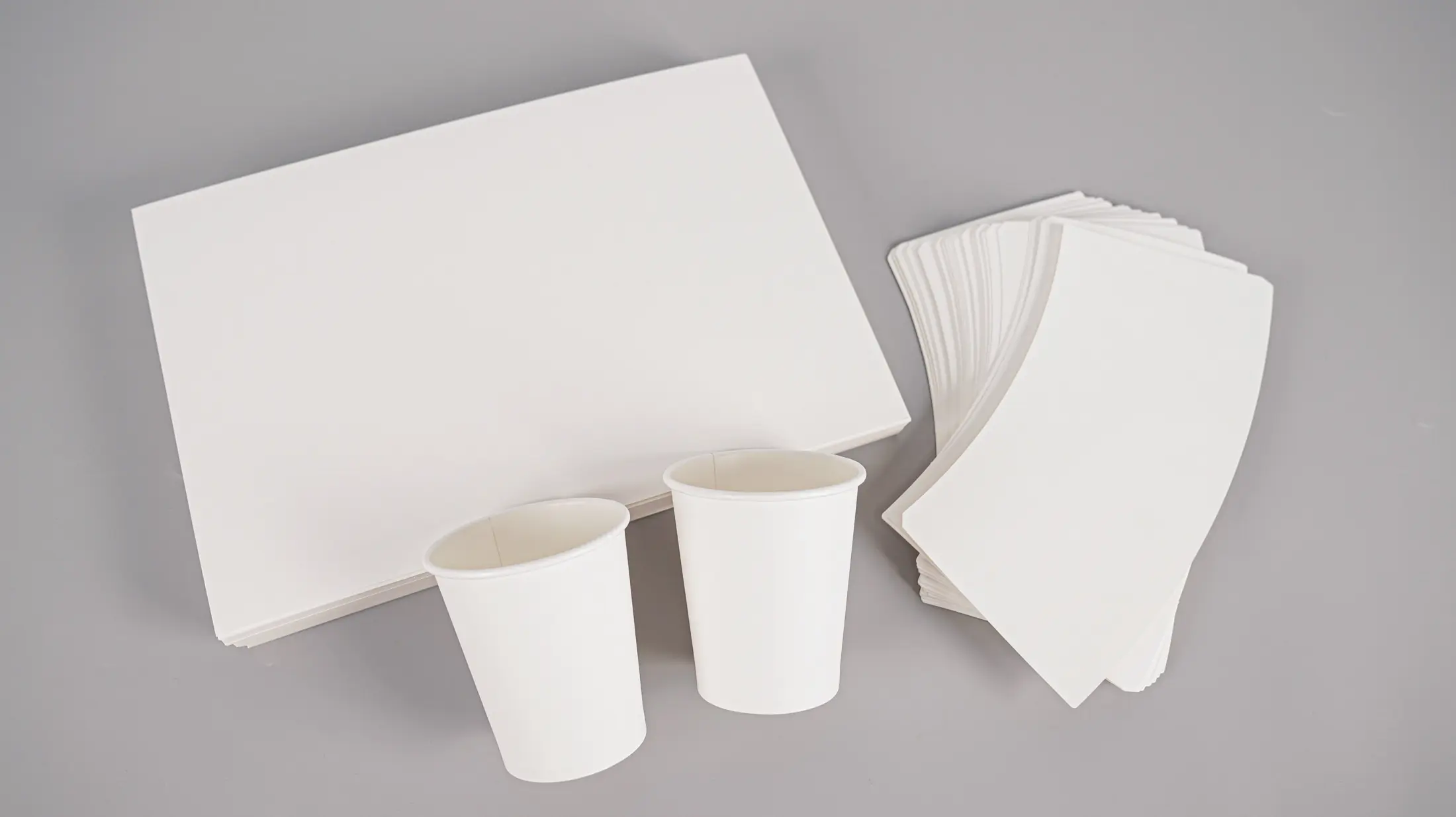
hdpe paper is a synthetic sheet material made from high density polyethylene fibers that are bonded into a strong, smooth, and printable structure. People often compare hdpe paper with ordinary wood pulp paper, but hdpe paper behaves very differently in daily use. It resists water, tearing, and rough handling, so it keeps information readable in places where normal paper fails fast. Businesses use hdpe paper when they need labels, manuals, maps, tags, menus, or forms to survive moisture, dirt, folding, and repeated touch. Because hdpe paper does not absorb water, ink sits on the surface in a controlled way when matched with suitable printing settings, which helps deliver crisp text and clear graphics. Another practical feature is weight efficiency. hdpe paper can feel light while still offering high strength, so shipping teams can reduce load weight without giving up durability. The surface of hdpe paper also supports color printing, barcodes, and variable data, which makes it useful for logistics and retail operations. In outdoor or industrial settings, hdpe paper keeps performance stable through temperature shifts better than many standard sheets. Users can wipe many hdpe paper products clean, helping keep instructions and signs legible over longer periods. From a technology point of view, hdpe paper combines engineered polymer structure, fiber orientation, and controlled bonding to create a flexible but tough sheet. From a customer point of view, the value is simple: hdpe paper helps printed content last longer, lowers replacement frequency, protects brand presentation, and cuts disruption caused by damaged documents. For organizations that need reliable print media in demanding conditions, hdpe paper gives a practical balance of durability, print quality, and day to day usability.


New Products

The biggest advantage of hdpe paper is that it solves real problems that teams face every day. Normal paper tears, wrinkles, and turns unreadable when it gets wet. hdpe paper keeps working in rain, spills, cold storage, and humid rooms. That means staff do not waste time reprinting the same instructions or replacing damaged tags. A restaurant can keep a menu presentable longer. A warehouse can keep pick lists readable through a full shift. A field crew can carry route sheets in a pocket without losing key details. hdpe paper protects useful information when the environment is not gentle. Another clear benefit of hdpe paper is long service life. When a document lasts longer, your total cost often drops even if the unit price is higher than basic stock. You buy fewer replacements, spend less labor on rework, and avoid errors caused by faded or torn pages. hdpe paper also helps reduce downtime. Teams can continue operations instead of stopping to print emergency backups. For customer facing materials, hdpe paper keeps branding clean and consistent because edges stay neat and printed colors remain visible for longer periods. hdpe paper also supports practical handling. Many products fold well, resist cracking, and recover from repeated movement. Drivers, technicians, nurses, and event staff can carry hdpe paper materials all day with less damage risk. In logistics, hdpe paper labels can hold up during transport, which supports scanning and traceability. In tourism, hdpe paper maps can survive being opened and closed many times. In manufacturing, hdpe paper instruction cards can tolerate oily fingers better than ordinary sheets. Another advantage is easier cleaning. Users can wipe many hdpe paper items with a damp cloth, so signs and quick reference cards stay readable and presentable. Sustainability discussions also matter to buyers. While needs vary by product and region, longer life can mean less frequent replacement, and that can lower total material turnover in many workflows. hdpe paper gives customers a practical path: improve reliability, protect printed information, reduce avoidable rework, and keep daily operations moving with fewer interruptions. The result is simple and measurable. Teams save time, reduce stress, and maintain better consistency in environments where conventional paper often fails.

Latest News

Clamshell Containers for High-Volume Takeaway Operations

15

Jan

Clamshell Containers for High-Volume Takeaway Operations

Core Performance Demands of Clamshell Containers in High-Volume Settings Leak and grease resistance under real-world stacking, transit, and temperature stress Clamshell containers used in busy food service operations face some serious challenges da...
View More
How Heat Resistance Affects the Performance of Custom Plastic Cups

01

Feb

How Heat Resistance Affects the Performance of Custom Plastic Cups

Key Thermal Performance Metrics for Custom Plastic Cups HDT, VST, and Service Temperature Explained: What They Mean for Cup Integrity When it comes to how well custom plastic cups handle heat, there are three main factors to consider: Heat Deflect...
View More
Reasons to Choose Disposable Cups for Hot Drinks

02

Mar

Reasons to Choose Disposable Cups for Hot Drinks

Unmatched Convenience and Portability for Modern Hot Drink Consumption Disposable cups deliver indispensable convenience for today's fast-paced lifestyles—eliminating cleaning time and enabling immediate beverage service. Their ultra-lightwei...
View More
Cake Box Guide: How to Choose the Best Packaging for Freshness, Transport, and Presentation

10

Mar

Cake Box Guide: How to Choose the Best Packaging for Freshness, Transport, and Presentation

Material Selection: Prioritizing Food Safety, Freshness Preservation, and Sustainability FDA-Compliant Liners and Grease-Resistant Coatings for Cake Box Safety When it comes to keeping baked goods safe, the real action happens where cake meets its ...
View More

Get a Free Quote

Our representative will contact you soon.
Email
Name
Mobile
Country/Region
Message
0/1000

hdpe paper

All Weather Durability That Protects Critical Information

All Weather Durability That Protects Critical Information

hdpe paper stands out because it keeps information intact when conditions turn difficult. Many businesses lose time and money when documents fail at the worst moment, such as during delivery, installation, inspection, or customer service. hdpe paper addresses that problem directly. Its structure resists water penetration, so rain or accidental splashes do not quickly destroy the sheet. When teams work outdoors or move between warm and cold spaces, hdpe paper helps maintain readability and physical integrity. This matters for route instructions, compliance checklists, inventory tags, and emergency procedures where every line must remain clear. hdpe paper also resists tearing far better than standard paper in many applications. Workers can fold, handle, and pass documents repeatedly without seeing corners shred after a short time. That durability improves confidence because staff do not need to treat each sheet like a fragile item. They can focus on the task rather than protecting the paper. hdpe paper adds value in customer environments too. Menus, event guides, visitor maps, and product cards stay neat longer, which supports a stronger visual impression of quality. A worn or damaged sheet can make a business look careless, even when service is excellent. hdpe paper helps avoid that mismatch by preserving appearance through frequent use. The financial value is practical and easy to understand. Fewer damaged items mean fewer reprints, fewer rush jobs, and less wasted labor. Teams spend less time fixing avoidable paper failures and more time completing productive work. hdpe paper therefore delivers more than material strength. It protects data, protects workflow continuity, and protects customer perception. For buyers comparing options, this feature has direct importance: reliable documents reduce operational friction and lower replacement pressure in real world conditions where ordinary paper often breaks down too quickly.
Reliable Print Performance for Labels, Instructions, and Brand Materials

Reliable Print Performance for Labels, Instructions, and Brand Materials

A second key selling point of hdpe paper is dependable print usability across many business formats. Strong material alone is not enough if text looks weak or barcodes fail to scan. hdpe paper supports clear output when print settings and inks are selected correctly, allowing companies to produce readable instructions, sharp graphics, and scannable codes that stay useful over time. In logistics operations, hdpe paper labels often travel through friction, humidity, and constant handling. When labels remain intact and legible, packages move faster and tracking accuracy improves. That reduces manual corrections and shipment confusion. In service businesses, hdpe paper helps maintain professional communication. Training cards, safety reminders, and reference sheets can stay in daily circulation without turning into faded, curled scraps. Staff can trust the document in their hands, and supervisors can trust that important directions remain visible. hdpe paper also gives marketing teams practical flexibility. Brand cards, shelf tags, and promotional inserts can look consistent in challenging spaces such as cold counters, outdoor kiosks, and high touch areas. Because hdpe paper can hold visual clarity longer, businesses preserve presentation standards with fewer refresh cycles. Another point of value is variable data readiness. Many companies print changing details such as batch numbers, dates, or personalized records. hdpe paper supports these workflows while adding durability that ordinary stock often lacks. This combination helps organizations avoid a common tradeoff between strength and communication quality. They can keep both. The customer benefit is straightforward. hdpe paper reduces the risk that printed content becomes unusable before its job is done. That means fewer replacement runs, fewer reading errors, and smoother daily execution. Across warehousing, healthcare support, travel services, education kits, and retail systems, hdpe paper delivers consistent, practical performance where reliability of printed information directly affects speed, accuracy, and trust.
Cost Control Through Longer Lifecycle and Lower Replacement Demand

Cost Control Through Longer Lifecycle and Lower Replacement Demand

The third major highlight of hdpe paper is its ability to improve cost control through lifecycle efficiency. Buyers often look first at purchase price per sheet, yet total operating cost depends on how long the material remains functional. hdpe paper usually lasts much longer in tough settings, and this changes the economics in a meaningful way. When documents survive moisture, friction, and repeated handling, teams replace them less often. That cuts direct spending on reprints and indirect spending on labor time. A warehouse does not need constant label swaps. A facility team does not need to remake room signs after every cleaning cycle. A tour operator does not need to reissue maps after one rainy day. hdpe paper keeps materials in service, which creates stable processes and fewer interruptions. hdpe paper also helps reduce hidden error costs. Torn instructions, blurred notes, and damaged tags can lead to mistakes, delays, and customer complaints. By keeping critical details readable, hdpe paper supports better execution quality. In many organizations, that quality effect can be as valuable as the material savings. Another lifecycle advantage is storage and handling confidence. Teams can stock hdpe paper based items for demanding workflows without worrying that routine movement will degrade them quickly. This reliability simplifies planning and reduces last minute emergency printing. For customer facing operations, the longer clean appearance of hdpe paper also protects brand image, which supports repeat business and stronger trust. In practical terms, hdpe paper turns fragile print assets into durable working tools. The value it brings is not abstract. It shows up in fewer replacements, steadier operations, improved readability, and less staff frustration. Decision makers who evaluate long term performance rather than only initial unit cost often find that hdpe paper delivers stronger return through reduced churn, better consistency, and more dependable day to day results in active, high contact environments.