Pet Coated Paper Guide: Functions, Technology, Benefits, and High Value Applications

pet coated paper

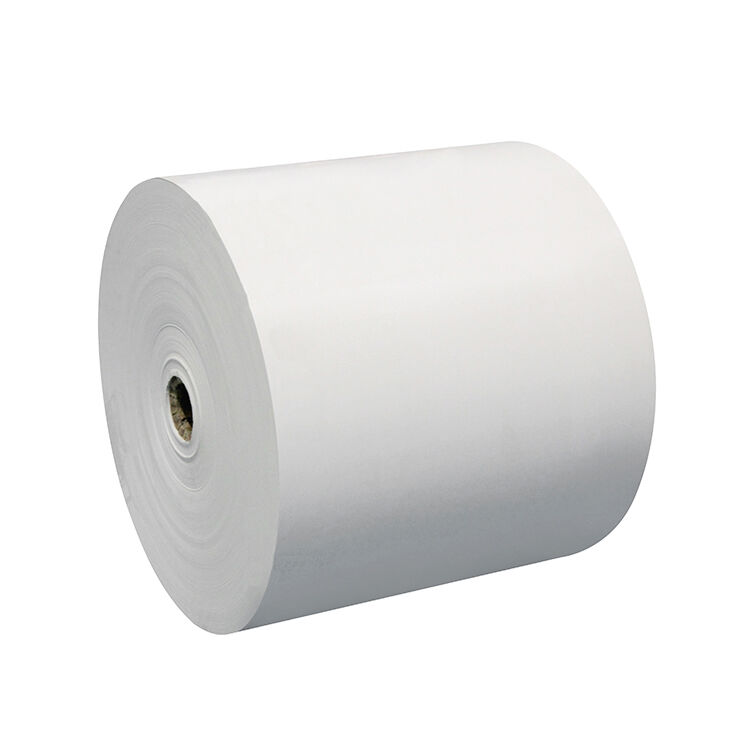
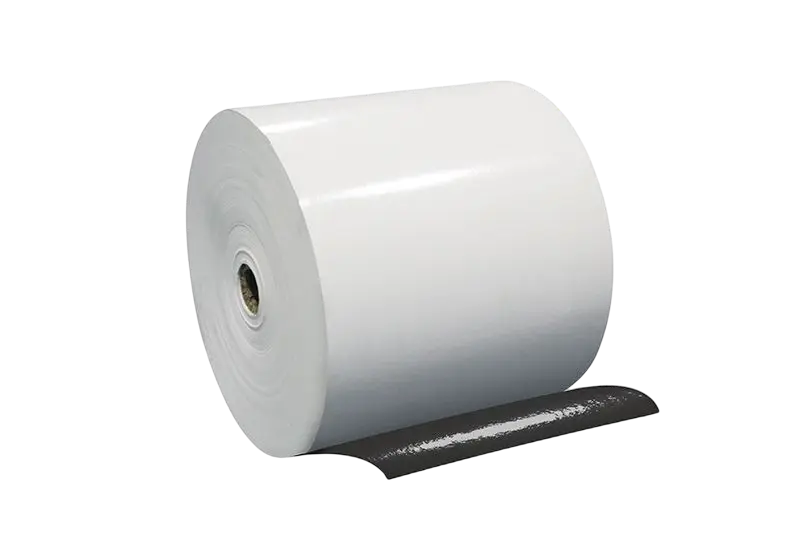
Pet coated paper is a practical material made by combining a paper base with a thin PET film layer. This structure gives pet coated paper a balanced mix of print quality, surface strength, and day to day durability. Many businesses choose pet coated paper when they need clear graphics, stable color, and better resistance to water, oil, and friction than standard paper can provide. In simple terms, pet coated paper keeps designs readable and attractive for longer periods, especially in active environments where labels, wraps, tags, or inserts face handling, humidity, or transport stress. The core function of pet coated paper is protection plus presentation. The paper side supports vivid printing and easy converting, while the PET side adds a smooth, shield-like surface that helps prevent smudging, tearing, and surface wear. This means pet coated paper can support sharp text, barcodes, logos, and product details that stay legible across storage, shipping, and shelf display. Another key function of pet coated paper is dimensional stability. It tends to stay flatter and more consistent when temperatures or moisture levels change, which helps reduce curling or warping in many practical uses. Technologically, pet coated paper often supports multiple printing methods, including offset, flexographic, and digital workflows, depending on grade and coating type. This flexibility lets brands use pet coated paper across short runs and large production jobs without rebuilding the full packaging process. In application terms, pet coated paper works well for product labels, retail tags, premium cartons, promotional sleeves, instructional inserts, cosmetic packaging, food related outer labeling, and logistics identification pieces that need better endurance. For customers, the value is simple. Pet coated paper helps products look professional, protects printed information, supports cleaner handling, and reduces replacement frequency. When a brand needs both visual quality and reliable performance, pet coated paper offers a straightforward solution that fits real business conditions.


New Product Releases

Pet coated paper delivers practical advantages that customers can measure in daily operations, not just in technical reports. First, pet coated paper improves readability over time. Product names, directions, barcodes, and compliance details remain clearer after repeated contact. Teams scan faster, consumers read faster, and fewer items need relabeling. This direct gain in legibility saves time and cuts avoidable waste. Second, pet coated paper gives stronger resistance to moisture and surface contamination. In busy retail spaces, warehouses, kitchens, and transit chains, ordinary paper can absorb dampness and lose its shape. Pet coated paper protects the printed face, so labels stay neat and edges remain more stable. Customers get a cleaner appearance from packing line to final sale. Third, pet coated paper supports better rub resistance. Packages often slide, stack, and collide during movement. Pet coated paper reduces scuffing and image fade, so brand colors and key text hold up under friction. This helps products keep a fresh, trustworthy look on shelf. Fourth, pet coated paper supports print consistency. With the right grade, printers can produce strong color density and finer lines with fewer defects. Better consistency means fewer rejected units, fewer stoppages, and smoother production planning. Fifth, pet coated paper can improve customer confidence. When packaging looks sharp and information stays intact, buyers perceive greater product care and quality control. This can influence repeat purchases in competitive categories where first impressions matter. Sixth, pet coated paper reduces hidden costs. A lower failure rate means less time spent replacing damaged labels, fewer returns tied to unreadable data, and less manual correction during shipping checks. Seventh, pet coated paper offers useful versatility. One material can support multiple product lines, from premium branding pieces to durable operational labels, helping teams simplify sourcing. Eighth, pet coated paper handles finishing well. It can support lamination choices, die cutting, and strong adhesion in many end uses, making design execution easier. Ninth, pet coated paper supports cleaner handling because the coated surface resists quick staining and is easier to wipe in many scenarios. Tenth, pet coated paper provides a dependable balance of look and function. Customers do not need to choose between attractive print and everyday toughness as often. In plain business terms, pet coated paper helps teams ship smarter, present better, and spend less effort fixing preventable packaging issues.

Tips And Tricks

How Heat Resistance Affects the Performance of Custom Plastic Cups

01

Feb

How Heat Resistance Affects the Performance of Custom Plastic Cups

Key Thermal Performance Metrics for Custom Plastic Cups HDT, VST, and Service Temperature Explained: What They Mean for Cup Integrity When it comes to how well custom plastic cups handle heat, there are three main factors to consider: Heat Deflect...
View More
How to Choose Small Paper Bowls for Soup, Snacks, and Takeout (Eco-Friendly Options)

03

Mar

How to Choose Small Paper Bowls for Soup, Snacks, and Takeout (Eco-Friendly Options)

Why Small Paper Bowls Are Ideal for Portion-Controlled Food Service For food service businesses, those little paper bowls are actually pretty amazing when it comes to managing portions just right. They help reduce waste, keep costs down, and genera...
View More
Cake Box Guide: How to Choose the Best Packaging for Freshness, Transport, and Presentation

10

Mar

Cake Box Guide: How to Choose the Best Packaging for Freshness, Transport, and Presentation

Material Selection: Prioritizing Food Safety, Freshness Preservation, and Sustainability FDA-Compliant Liners and Grease-Resistant Coatings for Cake Box Safety When it comes to keeping baked goods safe, the real action happens where cake meets its ...
View More
The Role of Paper Coffee Cup Lids in Complete Coffee Packaging Solutions

27

Apr

The Role of Paper Coffee Cup Lids in Complete Coffee Packaging Solutions

In the rapidly evolving coffee service industry, packaging components must work together as an integrated system to deliver consistent product quality, operational efficiency, and customer satisfaction. While paper cups often receive primary attentio...
View More

Get a Free Quote

Our representative will contact you soon.
Email
Name
Mobile
Country/Region
Message
0/1000

pet coated paper

Highlight 1: Long Lasting Visual Performance That Protects Brand Value

Highlight 1: Long Lasting Visual Performance That Protects Brand Value

Pet coated paper stands out because it protects visual quality from production to purchase. Many materials look good at the print stage but lose impact after handling, shelf contact, and transport movement. Pet coated paper solves this common problem by combining a print friendly paper foundation with a protective PET surface. This design helps pet coated paper maintain crisp graphics, stable contrast, and cleaner edges even when items move through demanding workflows. For potential customers, this matters because packaging is often the first physical touchpoint with buyers. If text blurs, colors fade, or surfaces scuff too quickly, trust drops. Pet coated paper helps prevent that decline. In practical terms, pet coated paper supports clearer logos, readable ingredient panels, stronger barcode performance, and better shelf appearance over time. Staff spend less time replacing damaged labels, and products keep a polished look in front facing displays. Pet coated paper also helps maintain consistency across batches. When appearance varies too much, customers notice and may question quality control. By supporting steadier print results and stronger surface protection, pet coated paper helps brands present a uniform message across locations and seasons. Another direct benefit of pet coated paper is reduced visual fatigue in operational settings. Warehouse teams, retail workers, and end users can read key data quickly because text and symbols stay sharper for longer periods. This can lower sorting errors and improve workflow speed in high volume environments. Pet coated paper also performs well when products encounter moderate moisture, finger oils, and routine abrasion. Instead of quickly absorbing contamination like plain paper, pet coated paper offers a more resilient face that keeps information usable. This extended readability brings clear value in logistics, healthcare support items, beauty packaging, and food related outer labels where legibility cannot fail. In short, pet coated paper preserves design effort and protects communication clarity. That means stronger branding, smoother operations, and fewer avoidable replacements, all from one material choice.
Highlight 2: Everyday Durability That Reduces Waste and Operating Friction

Highlight 2: Everyday Durability That Reduces Waste and Operating Friction

A major selling point of pet coated paper is its practical durability in real working conditions. Businesses rarely operate in perfect environments. Products pass through humid rooms, cold storage transitions, crowded trucks, and frequent hand contact. Pet coated paper is built to perform through these routine challenges without losing structure or readability as quickly as many standard papers. This durability creates direct cost and labor benefits for potential customers. When materials fail early, teams reprint labels, relabel cartons, and correct shipping errors. Pet coated paper helps reduce these repeated tasks by keeping surfaces intact and information visible for longer cycles. Less rework means lower labor pressure and fewer interruptions in packing lines. Pet coated paper also helps reduce physical damage at the surface level. Friction from stacking and movement can wear down ordinary prints fast. With pet coated paper, the protective layer absorbs more of that stress, so graphics and text stay in place. This improves traceability because codes remain scannable and key data stays complete. For operations teams, better traceability lowers confusion, speeds audits, and supports cleaner inventory control. Another important advantage is environmental stability in day to day use. Pet coated paper tends to resist sudden shape changes caused by moisture shifts, helping prevent curling and wrinkling that can interfere with application equipment. Stable sheets and labels feed more reliably, which can reduce machine stops and material waste. Pet coated paper also supports cleaner storage outcomes. Items stored for longer periods often suffer from edge wear and surface marking. Pet coated paper helps maintain presentation quality during storage and transit, which is valuable for seasonal stock and multi region distribution. Customers gain confidence when products arrive looking fresh rather than worn. Durability in pet coated paper is not only about surviving harsh tests. It is about reducing small failures that quietly consume budget every week. Fewer damaged units, fewer replacements, fewer delayed shipments, and fewer customer complaints all contribute to better margins. Pet coated paper delivers these gains in a straightforward way, making it a smart choice for companies that value reliability, speed, and cost control.
Highlight 3: Flexible Application Range That Simplifies Sourcing and Growth

Highlight 3: Flexible Application Range That Simplifies Sourcing and Growth

Pet coated paper offers broad application flexibility, and that flexibility creates strong business value. Many companies manage multiple product lines, each with different packaging needs, print styles, and durability demands. Instead of maintaining too many specialized substrates, teams can use pet coated paper across a wide set of uses and keep procurement simpler. Pet coated paper supports retail labels, premium sleeves, instruction cards, logistics tags, promotional packs, and brand story inserts with one consistent quality baseline. This multi use potential helps businesses scale faster because they spend less time qualifying new materials for every project. Pet coated paper also works with several printing approaches, depending on the selected grade. That compatibility helps printers and converters adapt output volume without changing the entire process. For potential customers, this means easier transitions between pilot launches, regional campaigns, and full production runs. Pet coated paper can serve both design heavy marketing pieces and information heavy operational labels, which reduces complexity between brand teams and operations teams. Another high value benefit is finish adaptability. Pet coated paper can support various visual effects and converting needs, such as clean die cuts and strong adhesion behavior in many workflows. This gives designers room to build distinctive packaging while keeping practical performance in place. Businesses do not need to sacrifice visual identity to gain durability. Pet coated paper supports both goals in one material platform. Flexibility in pet coated paper also supports market responsiveness. When product portfolios change quickly, packaging systems need materials that can move with demand. Pet coated paper helps teams adjust formats, update graphics, and deploy revised labels with less disruption. This agility is important for seasonal launches, limited editions, and regulatory updates where speed matters. Finally, pet coated paper strengthens supplier coordination. Using a more unified substrate approach can simplify inventory planning, quality checks, and forecasting. Fewer material categories often mean clearer stock control and smoother replenishment. For potential customers, the strategic benefit is clear. Pet coated paper is not just a single purpose sheet. It is a versatile, reliable base that helps brands grow, adapt, and operate with less friction while protecting the final customer experience.