Hot Cup Factory Solutions for Fast, Clean, Reliable Cup Production

hot cup factory

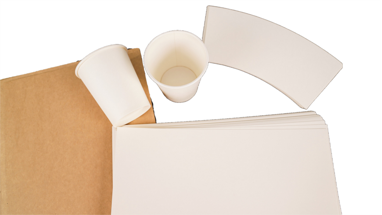
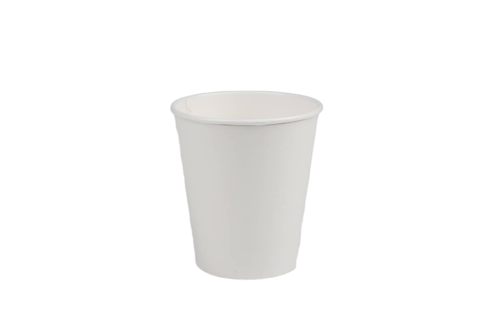
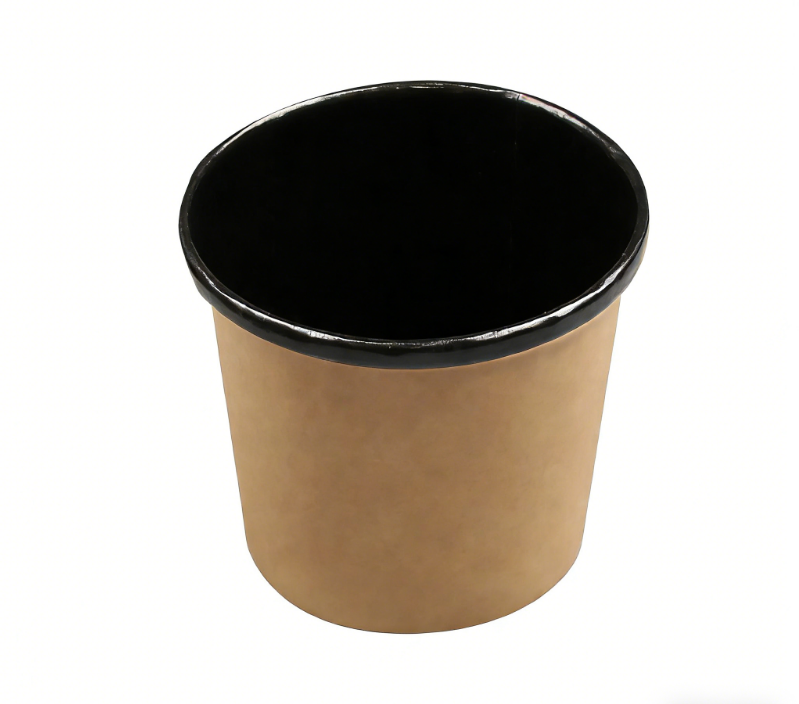
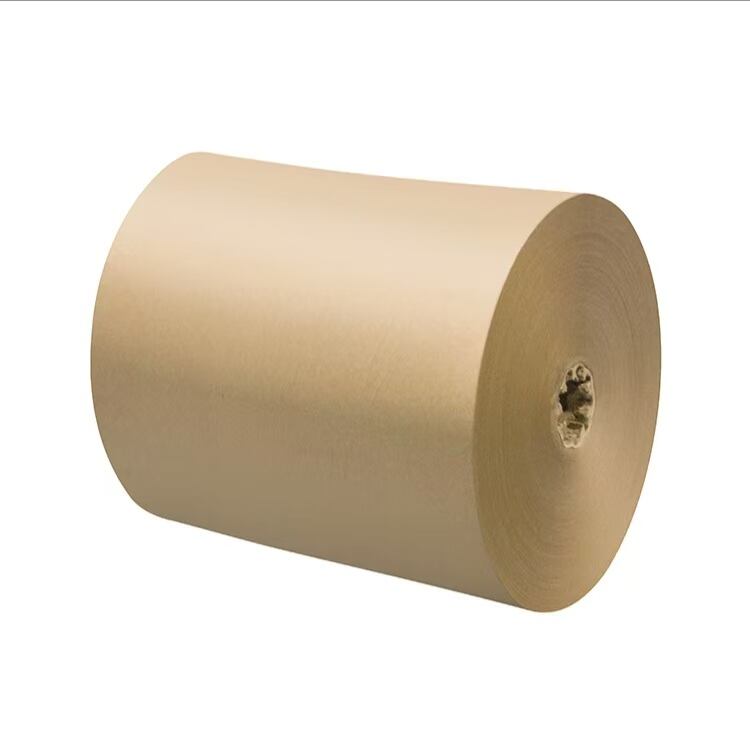
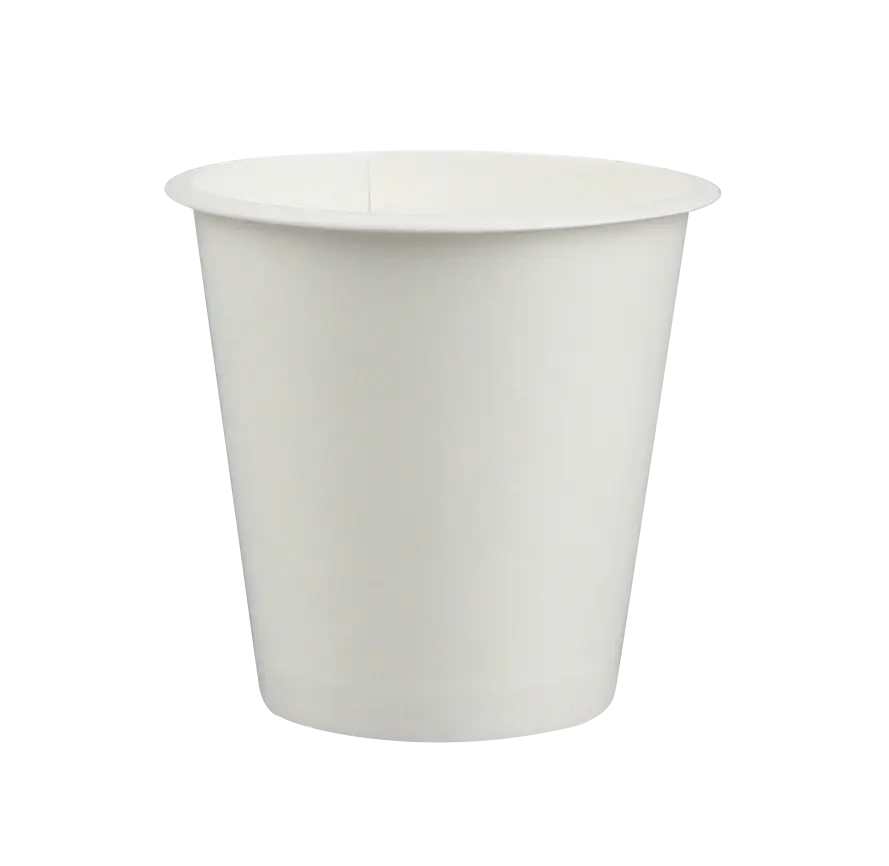
The hot cup factory is designed to turn coated paper rolls or blank sheets into finished cups for hot drinks. Its main functions include feeding the material, forming the cup body, sealing the side seam, rolling the rim, checking size, and sending the finished cups to packing. In a modern hot cup factory, these steps run in one organized flow, which helps the work stay smooth and the output stay steady. Many systems use automatic feeding, photo sensors, temperature control, and simple touch screens so operators can keep the process stable with less effort. Some lines also check for defects and remove poor cups before packing, which helps protect product quality and reduce waste. The hot cup factory also gives buyers a practical way to match cup size, production pace, and printing needs to different orders. That makes it useful for both standard cups and custom runs for brands that want a clear look on every cup. Because the hot cup factory keeps the forming steps tight and consistent, each cup can hold its shape and perform well in daily use. It works well for coffee, tea, hot chocolate, soup, and other warm drinks. The hot cup factory fits many applications, including coffee shops, chain restaurants, bakeries, hotels, offices, event suppliers, and packaging companies. It also helps businesses supply takeaway cups during busy service periods. For buyers, the hot cup factory offers a direct way to create useful products, keep quality steady, and support fast customer service.


Popular Products

A hot cup factory helps a business make cups in a steady and simple way. It saves time because one line can handle feeding, forming, sealing, and packing without constant manual work. That means a team can produce more cups in a shorter time and keep up when orders rise. The hot cup factory also cuts mistakes. When the machine follows the same steps each time, the cups come out with the same size and shape, which helps customers trust the product. Another clear advantage is lower labor pressure. Workers do not need to repeat every step by hand, so they can focus on checking supplies, watching quality, and packing finished goods. This makes the workplace easier to manage and helps new staff learn the process faster. A hot cup factory also supports better planning because the output stays more predictable. When a buyer needs a fixed number of cups for a cafe chain, a promotion, or a seasonal rush, the factory can keep delivery on schedule. The hot cup factory can also help control waste. Precise forming and sealing reduce broken cups and weak seams, so fewer items go to waste. This saves money and gives the business a cleaner production flow. In many cases, the machine settings can change to fit different cup sizes, so one line can serve more than one customer type. That flexibility matters to buyers who sell coffee cups in small shops, large food service networks, or wholesale markets. A hot cup factory also supports brand presentation. Clean cup walls, even rims, and stable shapes make the finished product look professional, which matters when customers hold the cup in their hand. If the cups carry printed designs, the same production line helps keep the image neat and clear. This gives a business a simple way to look more polished without adding extra steps. For companies that want steady supply, lower waste, easier training, and better control over output, the hot cup factory offers direct practical value. It helps them serve customers faster, keep product quality more even, and grow with less stress. A hot cup factory is also useful because it gives owners more control over daily work. They can check the line at a glance, spot problems early, and keep the process moving without complex steps. That matters to small businesses that need a dependable system and to larger buyers that need repeatable results. The hot cup factory helps both groups stay organized, reduce stress, and meet demand with less effort.

Latest News

Clamshell Containers for High-Volume Takeaway Operations

15

Jan

Clamshell Containers for High-Volume Takeaway Operations

Core Performance Demands of Clamshell Containers in High-Volume Settings Leak and grease resistance under real-world stacking, transit, and temperature stress Clamshell containers used in busy food service operations face some serious challenges da...
View More
How Heat Resistance Affects the Performance of Custom Plastic Cups

01

Feb

How Heat Resistance Affects the Performance of Custom Plastic Cups

Key Thermal Performance Metrics for Custom Plastic Cups HDT, VST, and Service Temperature Explained: What They Mean for Cup Integrity When it comes to how well custom plastic cups handle heat, there are three main factors to consider: Heat Deflect...
View More
Branding Strategies Using Custom Plastic Cups in Competitive Markets

13

Feb

Branding Strategies Using Custom Plastic Cups in Competitive Markets

Why Custom Plastic Cups Deliver High-Visibility, Low-Cost Brand Impact Mobile advertising: How branded cups extend reach beyond physical locations Plastic cups with custom designs transform regular drinking habits into walking advertisements. Peop...
View More
Paper Coffee Cup Lids vs Plastic Lids: Key Differences Explained

13

Apr

Paper Coffee Cup Lids vs Plastic Lids: Key Differences Explained

The choice between paper coffee cup lids and plastic lids represents a critical decision for cafes, restaurants, and beverage service providers navigating the evolving landscape of sustainable packaging. As environmental regulations tighten and consu...
View More

Get a Free Quote

Our representative will contact you soon.
Email
Name
Mobile
Country/Region
Message
0/1000

hot cup factory

High-Speed Output That Keeps Orders Moving

High-Speed Output That Keeps Orders Moving

One major reason buyers choose a hot cup factory is speed. A well set line can move from feed to form to seal to pack with very little pause, so the business can finish large orders without adding endless labor. This matters when a cafe chain needs cups before the morning rush, when a distributor fills a warehouse order, or when a seasonal campaign creates a sudden jump in demand. The hot cup factory keeps the work moving in a steady rhythm, which helps the team plan with more confidence. Speed alone is not enough, so the hot cup factory also protects consistency. Each cup passes through the same steps in the same order, which helps the final size and shape stay uniform. That uniformity saves time later because staff do not need to sort out many poor pieces. It also helps customers receive a product that looks and feels the same from one batch to the next. Another benefit is simple flow control. Operators can adjust the pace to match the order size, and the hot cup factory can keep running without forcing the business to slow down for every small change. That gives the buyer a practical tool for daily work. It also helps a company respond to new opportunities, because the line can support both routine production and larger runs when demand grows. The hot cup factory is valuable for wholesalers, food brands, and local shops because it turns time into a real business advantage. Faster output means less waiting, quicker packing, and faster shipment. It also helps reduce pressure during busy periods, which makes the whole operation calmer and easier to manage. For the customer, this means faster delivery, more predictable supply, and fewer delays. A hot cup factory does not just make cups. It helps a business answer orders on time, keep shelves stocked, and stay ready for busy service periods. In markets where speed affects sales, that support has clear value. It also gives buyers a better chance to keep contracts, satisfy repeat customers, and handle surprise demand without losing control. The hot cup factory turns production speed into dependable service, which is one of the most practical benefits a buyer can ask for.
Clean Forming and Reliable Quality Control

Clean Forming and Reliable Quality Control

A second strength of a hot cup factory is the way it supports clean, accurate production. Hot drink cups need to hold shape, resist leaks, and feel solid in the hand. The hot cup factory works toward those goals by using controlled heat and careful forming. That helps the seam bond properly and keeps the cup body even from top to bottom. When the machine holds the same setting throughout a run, the business gets fewer weak spots and fewer cups that need to be rejected. Quality control becomes easier because the process is visible and repeatable. A hot cup factory can use sensors, guides, and simple checks to spot issues early. When a problem appears, the operator can act before it affects a large batch. This protects time, materials, and customer trust. It also helps the company maintain a cleaner production area, since the cups move through a set path and do not need rough handling. For food service buyers, this kind of consistency has real value. A cafe owner wants cups that look neat on the counter and perform well in daily use. A wholesaler wants products that arrive in good condition and stay usable during storage and transport. A hot cup factory supports both needs by making the forming process steady and the final product more reliable. It can also support printed cups without hurting the clean look of the design, because the cup keeps its shape and surface quality. The practical result is simple. The hot cup factory helps reduce waste, improve product appearance, and lower the chance of leaks or weak seams. That gives the buyer fewer complaints, fewer returns, and more confidence in every shipment. It also creates a better experience for the end user, because a cup that feels sturdy and looks clean adds value to the drink service itself. For any business that sells hot drink packaging, clean forming and reliable quality are not extra features. They are basic needs, and the hot cup factory helps meet them in a direct way. It gives the buyer a stable way to protect product standards while keeping daily work efficient and easy to manage.
Flexible Setup for Different Cup Needs

Flexible Setup for Different Cup Needs

A third advantage of the hot cup factory is flexibility. Buyers rarely need only one cup type forever. A coffee shop may want one size for espresso drinks and another for takeaway lattes. A distributor may serve several customers with different preferences. A hot cup factory can support that range by allowing changes in size, cup shape, and production settings. That flexibility helps the business respond to demand without buying separate lines for every order. This matters because it lowers the barrier to growth. A small buyer can start with a practical setup, then expand output as sales rise. A larger buyer can use the same hot cup factory to handle repeat orders, special runs, or branded packaging with less disruption. In each case, the business keeps more control over planning and stock. The result is a production setup that fits the market instead of forcing the market to fit the machine. Ease of use is another practical benefit. Many modern lines use clear controls, simple adjustments, and straightforward maintenance steps. That means staff can learn the hot cup factory process faster and keep it running with less stress. When a machine is easy to understand, the team spends less time solving avoidable problems and more time keeping orders on track. The hot cup factory also supports better cost control. When one system can handle several cup styles, the buyer avoids unnecessary equipment purchases. When the setup runs with fewer mistakes, the business wastes less material. When the line is easy to maintain, it may also reduce downtime and support smoother daily work. These savings matter to companies that watch both quality and budget. The hot cup factory gives buyers a simple path to more choices without adding confusion. It allows a business to serve different customer groups, adjust to changing seasons, and build new products with less risk. For customers, the value is practical and direct. The hot cup factory helps a business offer more options, respond faster to changes, and present a better finished product. It gives owners a way to stay flexible without losing control. In a market where service, timing, and presentation all matter, that kind of flexibility makes the hot cup factory a strong long term choice. It is a practical tool for businesses that want room to grow while keeping daily production clear and manageable.