paper cup blank price
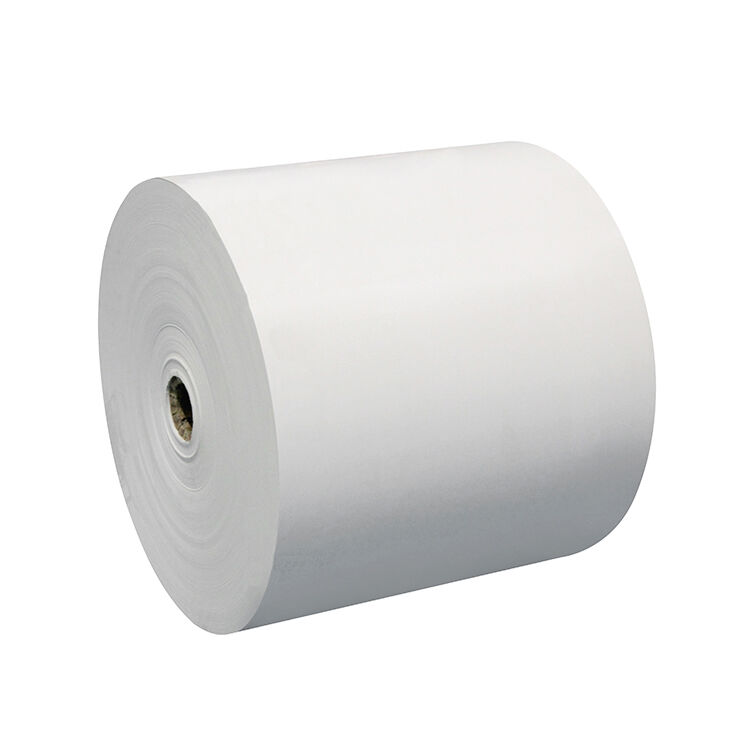
Understanding paper cup blank price is essential for businesses in the food service, beverage, and packaging industries seeking cost-effective solutions for their container needs. Paper cup blanks are pre-printed or unprinted flat sheets of paperboard that are die-cut and ready to be formed into finished paper cups through specialized machinery. The pricing of these blanks represents a critical factor in determining overall production costs and profit margins for manufacturers, distributors, and end-users alike. Paper cup blank price varies significantly based on multiple factors including material quality, size specifications, printing requirements, order volume, and supplier relationships. Premium food-grade paperboard with PE coating typically commands higher prices due to superior moisture resistance and durability, while basic uncoated blanks offer more economical options for non-liquid applications. The technological features embedded in modern paper cup blanks include advanced coating technologies that prevent leakage, heat-resistant materials for hot beverages, and eco-friendly biodegradable compositions that meet environmental regulations. Manufacturing precision ensures consistent dimensions and fold lines, enabling smooth automated cup forming processes that minimize waste and maximize production efficiency. Applications for paper cup blanks span across coffee shops, fast-food restaurants, corporate cafeterias, vending services, hospitals, schools, and special events where disposable drinkware is required. The paper cup blank price structure also reflects customization options such as full-color printing, logo placement, and branded designs that enhance marketing visibility. Bulk purchasing agreements can substantially reduce per-unit costs, making volume commitments an attractive strategy for high-consumption businesses. Market dynamics including raw material costs, shipping expenses, currency fluctuations, and seasonal demand patterns all influence the final paper cup blank price that buyers encounter. Understanding these pricing mechanisms empowers procurement professionals to negotiate better terms, optimize inventory management, and select suppliers that deliver the best value proposition for their specific operational requirements and quality standards.