Premium Paper Lunch Boxes - Eco-Friendly Food Packaging Solutions for Sustainable Dining

paper lunch boxes

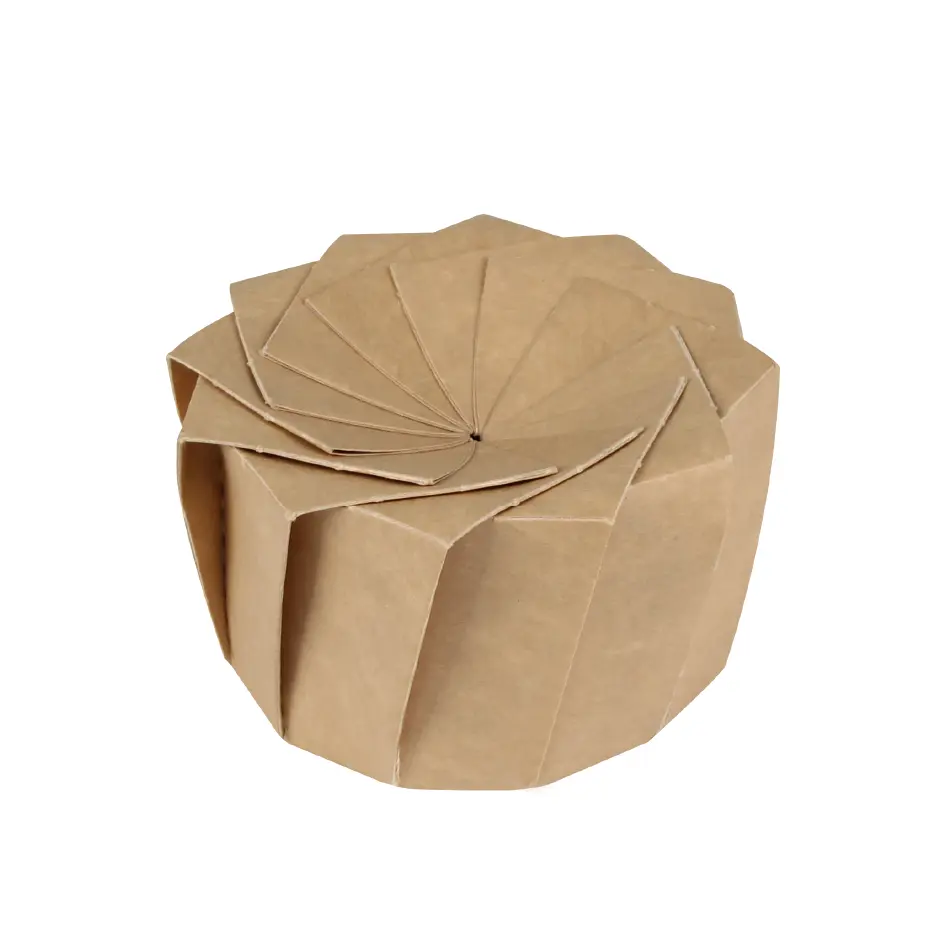
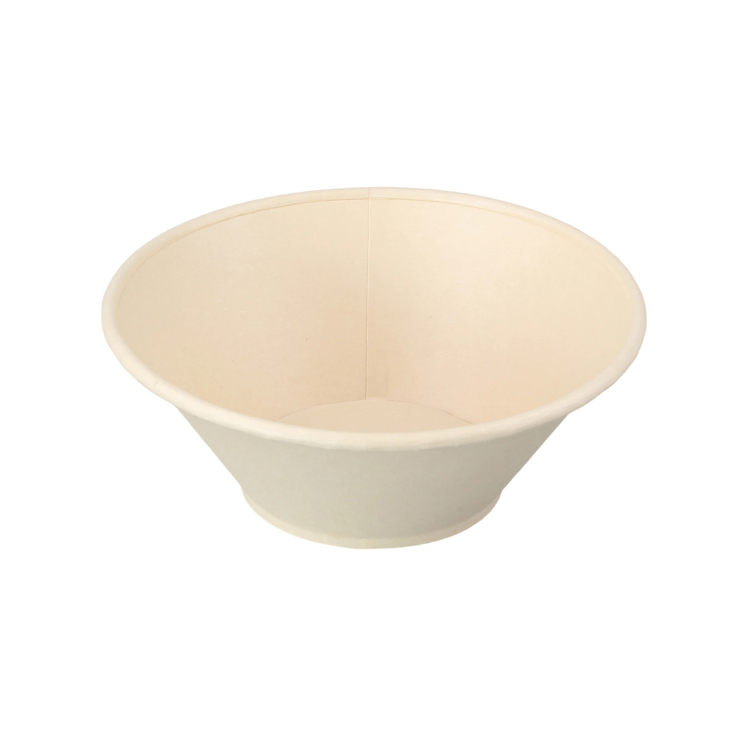
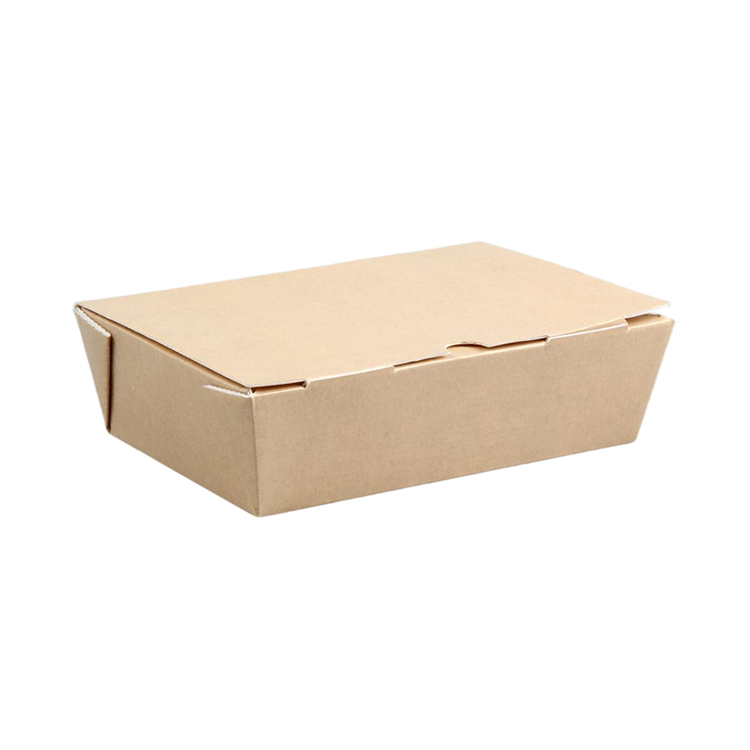
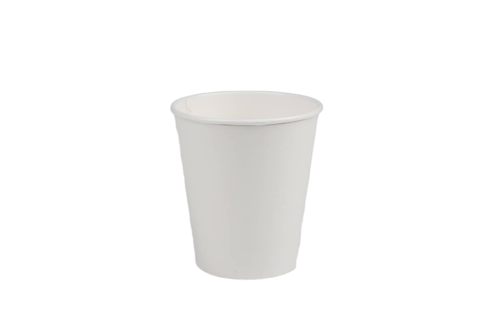
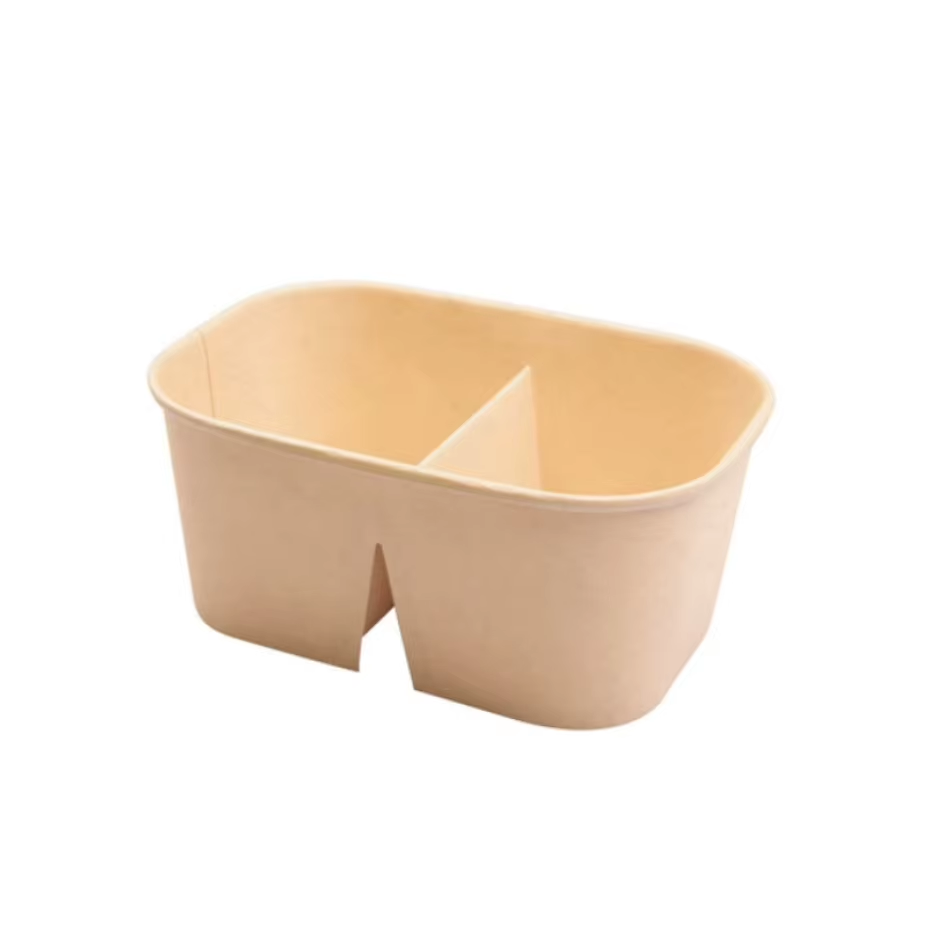
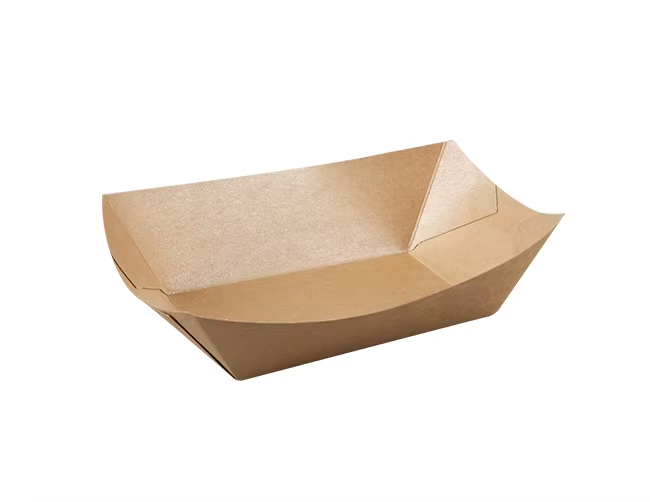
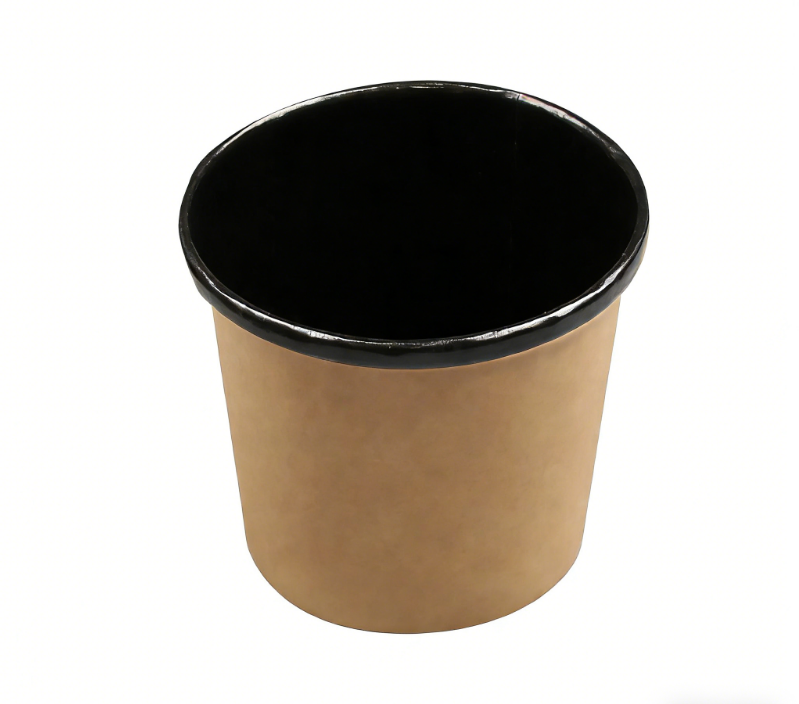
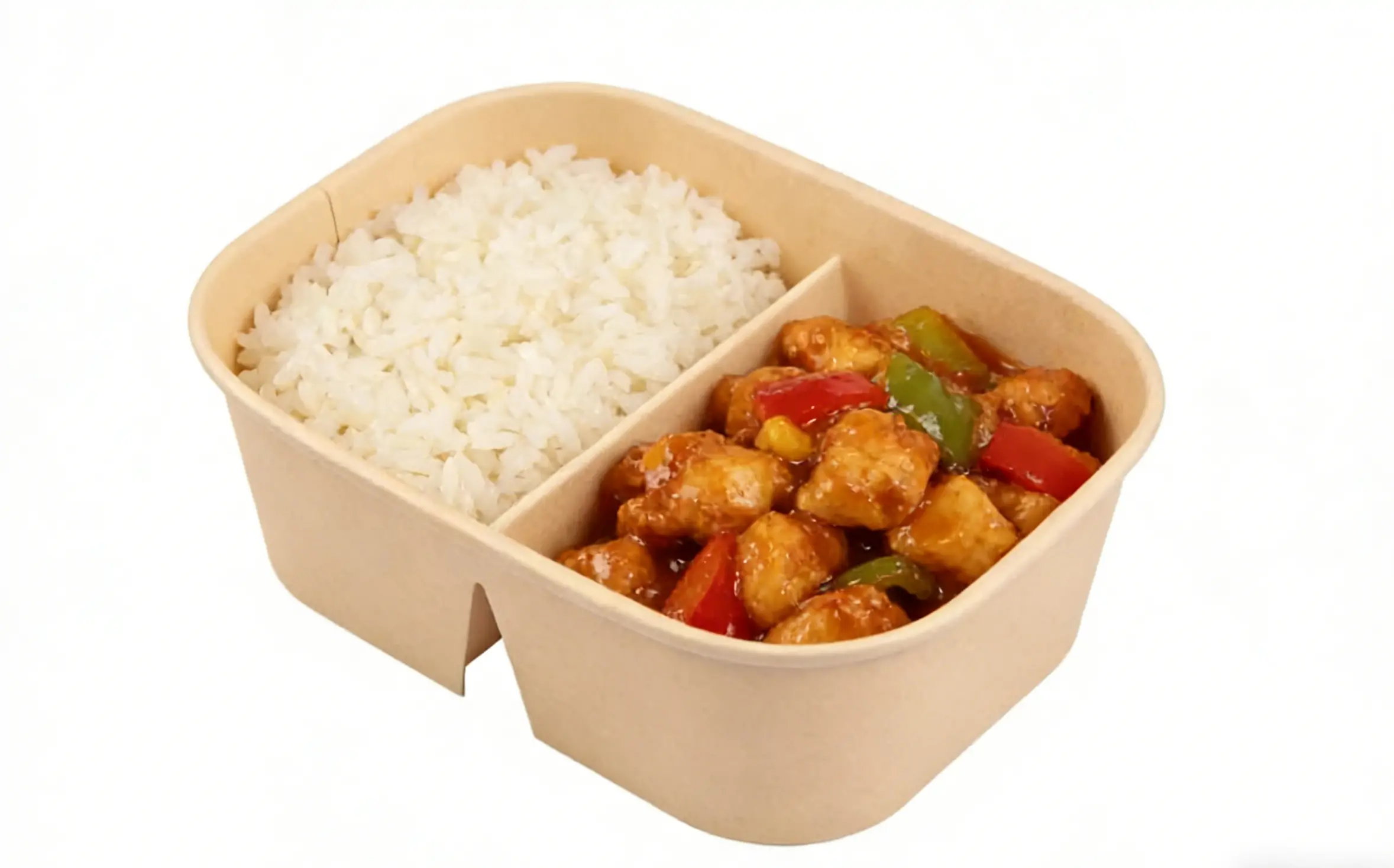
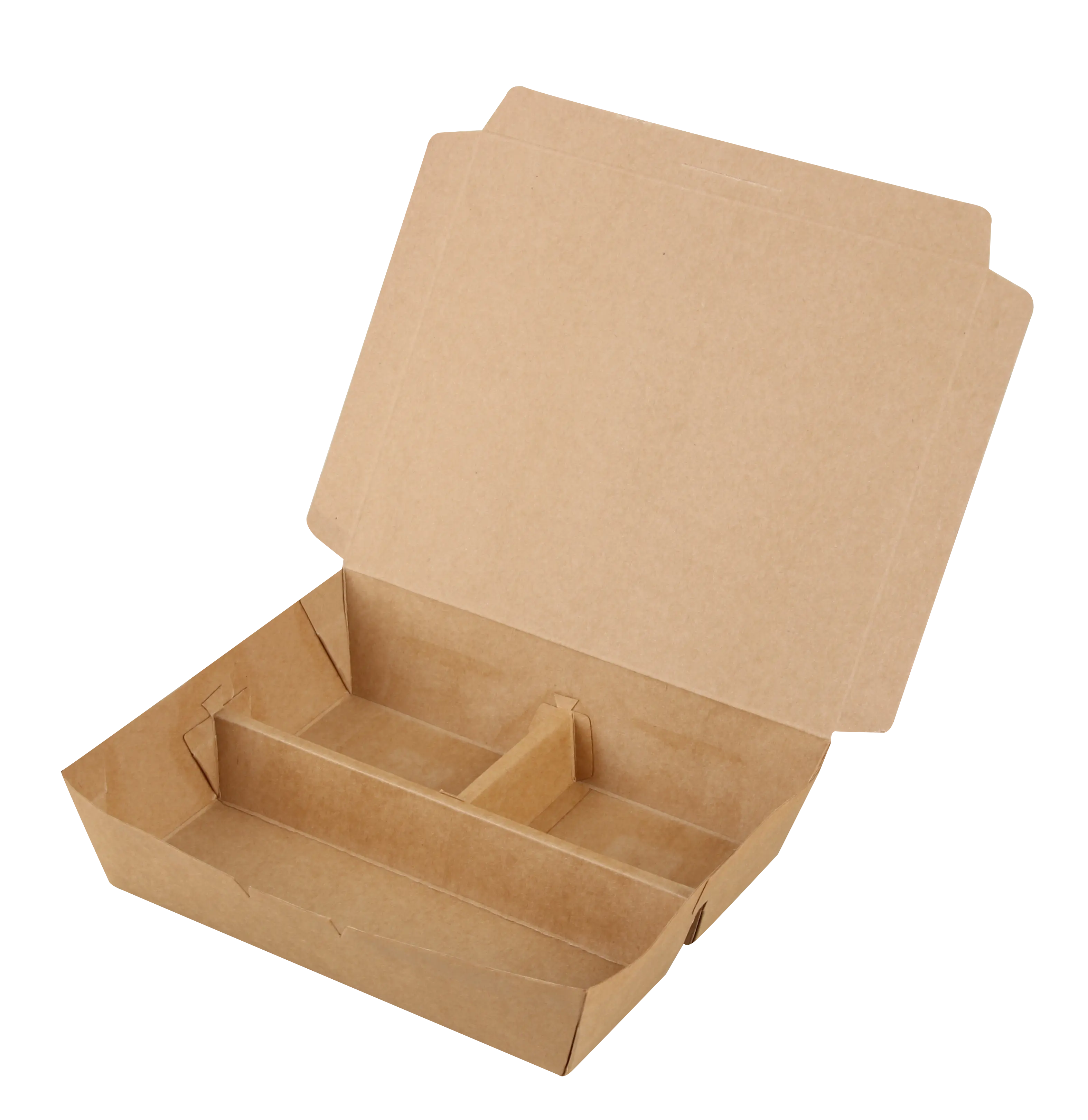
Paper lunch boxes have emerged as a revolutionary solution in the food packaging industry, combining environmental responsibility with practical functionality. These innovative containers are specifically designed to safely transport and store meals while addressing growing concerns about plastic pollution and sustainability. Manufactured from high-quality food-grade paperboard materials, paper lunch boxes offer a biodegradable alternative that decomposes naturally without leaving harmful residues in landfills or oceans. The construction typically involves multiple layers of specially treated paper that provide structural integrity and resistance to moisture and grease. Modern paper lunch boxes incorporate advanced manufacturing techniques that create leak-resistant seals and sturdy bases capable of supporting various food types, from hot entrees to cold salads. The technological features include heat-resistant coatings that allow these containers to hold warm foods without compromising their shape or releasing harmful chemicals. Many designs feature convenient compartments that keep different food items separated, preventing flavor mixing and maintaining presentation quality. The applications of paper lunch boxes span across numerous sectors including restaurants, catering services, food trucks, corporate cafeterias, schools, hospitals, and takeaway establishments. They serve perfectly for packed lunches, picnics, outdoor events, office meals, and home food storage. The versatility extends to accommodating diverse cuisines and meal types, making them suitable for sandwiches, pasta dishes, rice bowls, salads, and even desserts. Paper lunch boxes come in various sizes and configurations to meet different portion requirements and customer preferences. The manufacturing process ensures these boxes maintain food safety standards while providing adequate protection during transportation. As consumer awareness about environmental issues continues to grow, paper lunch boxes represent a forward-thinking choice that aligns business operations with ecological values while delivering reliable performance and customer satisfaction.
New Product Recommendations

Choosing paper lunch boxes delivers numerous practical benefits that make them an intelligent investment for both businesses and individual consumers. The environmental advantage stands at the forefront, as these containers break down naturally within weeks compared to plastic alternatives that persist for centuries. This biodegradability means restaurants and food service providers can significantly reduce their carbon footprint while demonstrating corporate social responsibility to increasingly eco-conscious customers. The cost-effectiveness of paper lunch boxes proves surprisingly competitive, especially when considering bulk purchasing options and the positive brand image they create. Customers actively seek out establishments that prioritize sustainability, and offering meals in paper packaging can become a powerful marketing differentiator that attracts environmentally aware clientele. The safety profile of paper lunch boxes surpasses many plastic alternatives since they contain no harmful chemicals like BPA or phthalates that can leach into food, particularly when heated. Parents feel confident packing children's lunches in these containers, knowing they pose no health risks. The lightweight nature of paper lunch boxes reduces shipping costs and makes them easier to carry for customers, while still providing adequate strength to protect meal contents. Storage efficiency represents another significant advantage, as these boxes typically arrive flat-packed and occupy minimal warehouse space until needed. Assembly proves quick and intuitive, requiring no special training or equipment. The breathability of paper materials helps prevent condensation buildup that can make food soggy, maintaining better texture quality compared to sealed plastic containers. Customization options abound, allowing businesses to print logos, branding messages, and designs directly onto paper lunch boxes, transforming each container into a mobile advertisement. This branding opportunity extends reach beyond the point of sale as customers carry meals through public spaces. The versatility in design accommodates various food presentation needs with options for windowed lids, multiple compartments, and different closure mechanisms. Disposal convenience cannot be overstated, as customers can simply recycle or compost these containers rather than feeling guilty about adding to plastic waste. Many municipalities accept paper lunch boxes in standard recycling programs, making proper disposal effortless. The professional appearance of well-designed paper lunch boxes elevates perceived meal value and demonstrates attention to quality that reflects positively on food providers. Temperature tolerance allows these containers to handle both hot and cold items effectively within reasonable ranges, making them suitable for diverse menu offerings throughout the year.

Latest News

Clamshell Containers for High-Volume Takeaway Operations

15

Jan

Clamshell Containers for High-Volume Takeaway Operations

Core Performance Demands of Clamshell Containers in High-Volume Settings Leak and grease resistance under real-world stacking, transit, and temperature stress Clamshell containers used in busy food service operations face some serious challenges da...
View More
How to Choose Small Paper Bowls for Soup, Snacks, and Takeout (Eco-Friendly Options)

03

Mar

How to Choose Small Paper Bowls for Soup, Snacks, and Takeout (Eco-Friendly Options)

Why Small Paper Bowls Are Ideal for Portion-Controlled Food Service For food service businesses, those little paper bowls are actually pretty amazing when it comes to managing portions just right. They help reduce waste, keep costs down, and genera...
View More
Disposable Tableware: How to Choose Eco‑Friendly, Durable, and Cost‑Effective Options for Modern Food Service

06

Mar

Disposable Tableware: How to Choose Eco‑Friendly, Durable, and Cost‑Effective Options for Modern Food Service

Eco-Friendly Disposable Tableware Materials: Performance, Certifications, and Innovation Comparative Performance of Leading Biobased Materials (Bagasse, PLA, CPLA, Molded Fiber) When it comes to food service applications, different biobased material...
View More
Custom Plastic Cups Ordering Process: From Design to Delivery

06

Apr

Custom Plastic Cups Ordering Process: From Design to Delivery

Ordering custom plastic cups for your business involves a structured process that transforms your brand vision into tangible drinkware products. Whether you're a restaurant chain, event organizer, beverage company, or corporate brand looking to enhan...
View More

Get a Free Quote

Our representative will contact you soon.
Email
Name
Mobile
Country/Region
Message
0/1000

paper lunch boxes

Superior Eco-Friendly Design and Sustainability

Superior Eco-Friendly Design and Sustainability

Paper lunch boxes represent a breakthrough in sustainable food packaging technology that addresses the urgent global need to reduce plastic waste and environmental pollution. The eco-friendly design begins with carefully sourced raw materials, primarily utilizing renewable forestry resources managed through responsible harvesting practices. Many manufacturers obtain paper from certified sustainable forests where trees are replanted to maintain ecological balance and ensure long-term resource availability. The production process itself generates significantly lower carbon emissions compared to plastic manufacturing, which relies heavily on petroleum-based materials and energy-intensive processing. The biodegradable nature of paper lunch boxes means they naturally decompose when exposed to environmental elements, typically breaking down within three to six months under proper composting conditions. This rapid decomposition cycle stands in stark contrast to conventional plastic containers that can persist in the environment for hundreds of years, fragmenting into microplastics that contaminate soil, waterways, and food chains. The compostability feature allows paper lunch boxes to return nutrients to the soil, completing a natural cycle that supports plant growth rather than accumulating as persistent waste. Many paper lunch boxes are manufactured using water-based inks and adhesives that contain no toxic components, ensuring the entire product remains environmentally benign throughout its lifecycle. The recycling infrastructure for paper products is well-established in most developed regions, meaning used paper lunch boxes can be collected through standard municipal programs and reprocessed into new paper products. This circular economy approach maximizes resource efficiency and minimizes waste generation. Businesses adopting paper lunch boxes can legitimately market themselves as environmentally responsible, appealing to the growing demographic of consumers who prioritize sustainability in their purchasing decisions. Studies show that customers are increasingly willing to pay premium prices for products and services that demonstrate genuine environmental commitment. The visual and tactile qualities of paper lunch boxes communicate natural authenticity and wholesomeness that aligns with organic, fresh, and health-conscious brand positioning.
Advanced Functional Performance and Food Safety

Advanced Functional Performance and Food Safety

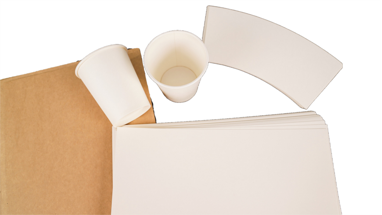
Modern paper lunch boxes incorporate sophisticated engineering and material science innovations that deliver exceptional functional performance while maintaining food safety standards. The multi-layer construction typically features an exterior layer of sturdy paperboard that provides structural strength and surface area for branding, combined with an interior layer treated with food-safe coatings that create barriers against moisture and grease penetration. These specialized coatings are formulated from plant-based materials or other non-toxic substances approved by food safety authorities, ensuring no harmful chemicals migrate into food contents even when containing hot or acidic items. The structural design employs strategic folding patterns and reinforcement techniques that create surprisingly robust containers capable of supporting substantial weight without collapsing or losing shape. Corner and edge reinforcements distribute stress evenly across the container, preventing weak points that might fail during handling or transportation. Leak-resistance technology has advanced dramatically, with many paper lunch boxes now featuring interlocking closure mechanisms and sealed seams that contain liquids and sauces effectively for reasonable transport durations. The thermal properties of paper provide natural insulation that helps maintain food temperature, keeping hot meals warm longer while preventing exterior surfaces from becoming uncomfortably hot to handle. Ventilation considerations are carefully engineered into designs, with some models incorporating strategic perforations or breathable areas that allow steam escape to prevent sogginess while maintaining overall container integrity. Compartmentalized designs enable proper food separation, preventing different flavors from mixing and maintaining the visual appeal of meals with multiple components. The food-contact surfaces meet stringent hygiene standards, with manufacturing processes that maintain cleanliness and prevent contamination throughout production. Quality control protocols ensure consistent performance across production batches, giving food service operators confidence in reliability. The compatibility with various serving temperatures makes paper lunch boxes suitable for diverse menu items, from chilled salads and sandwiches to hot soups and entrees, expanding their utility across different meal occasions and seasonal offerings.
Versatile Applications and Business Value

Versatile Applications and Business Value

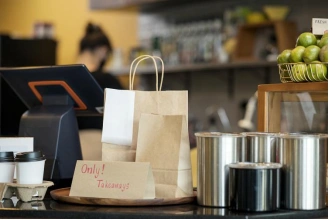
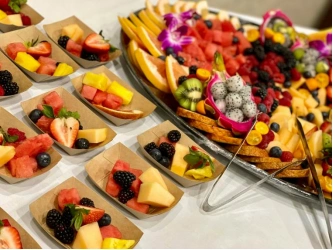
Paper lunch boxes deliver remarkable versatility that extends across numerous commercial applications and business contexts, creating substantial value for diverse stakeholders in the food service ecosystem. Restaurants can utilize these containers for takeout and delivery services, presenting meals in packaging that maintains brand consistency and quality standards while meeting customer expectations for environmental responsibility. The customization potential allows establishments to transform paper lunch boxes into powerful marketing tools by printing distinctive designs, color schemes, logos, and promotional messages that reinforce brand identity with every meal served. Food trucks and mobile vendors particularly benefit from the lightweight and compact storage characteristics, as space constraints make efficient packaging solutions essential for operational success. The stackability of paper lunch boxes when nested or stored flat maximizes limited storage areas in commercial kitchens and service vehicles. Catering operations appreciate the professional presentation these containers provide for corporate events, weddings, conferences, and other gatherings where visual appeal matters alongside convenience. Schools and educational institutions find paper lunch boxes ideal for student meal programs, combining safety, practicality, and environmental education opportunities that teach young people about sustainable choices. Healthcare facilities use these containers for patient meal delivery, valuing the hygienic single-use aspect that prevents cross-contamination while eliminating the labor and resource costs associated with washing reusable containers. Meal prep services and subscription box companies leverage paper lunch boxes to deliver fresh, portioned meals directly to consumers' homes, with the biodegradable packaging aligning perfectly with the health-conscious values of their target customers. Corporate cafeterias and office dining facilities can reduce waste management costs and demonstrate company commitment to sustainability by transitioning to paper lunch boxes for employee meals. The cost structure proves favorable when considering the total value proposition, including reduced environmental liability, enhanced brand perception, and customer satisfaction improvements that drive repeat business and positive word-of-mouth promotion. Seasonal fluctuations in demand are easily accommodated since paper lunch boxes can be ordered in variable quantities without requiring significant capital investment in permanent containers. The disposal simplicity eliminates customer frustration and environmental guilt, creating positive associations with the dining experience that extend beyond food quality alone.