PLA Paper Guide: Functions, Benefits, Features, and Real World Applications for Smarter Sustainable Packaging

pla paper

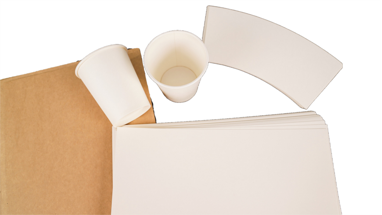
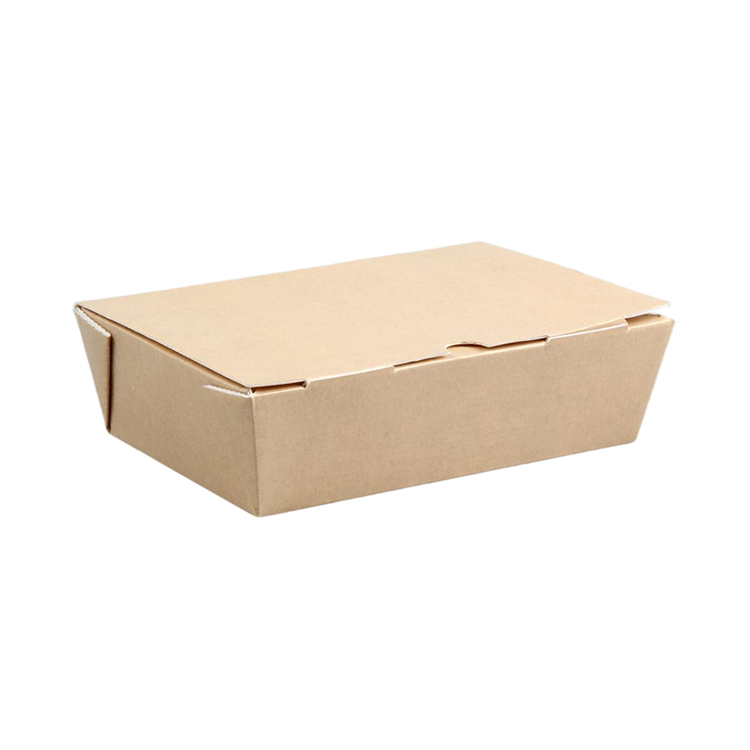
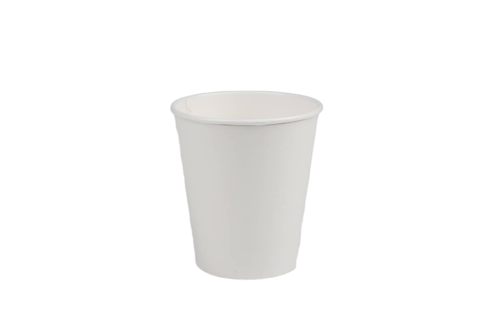
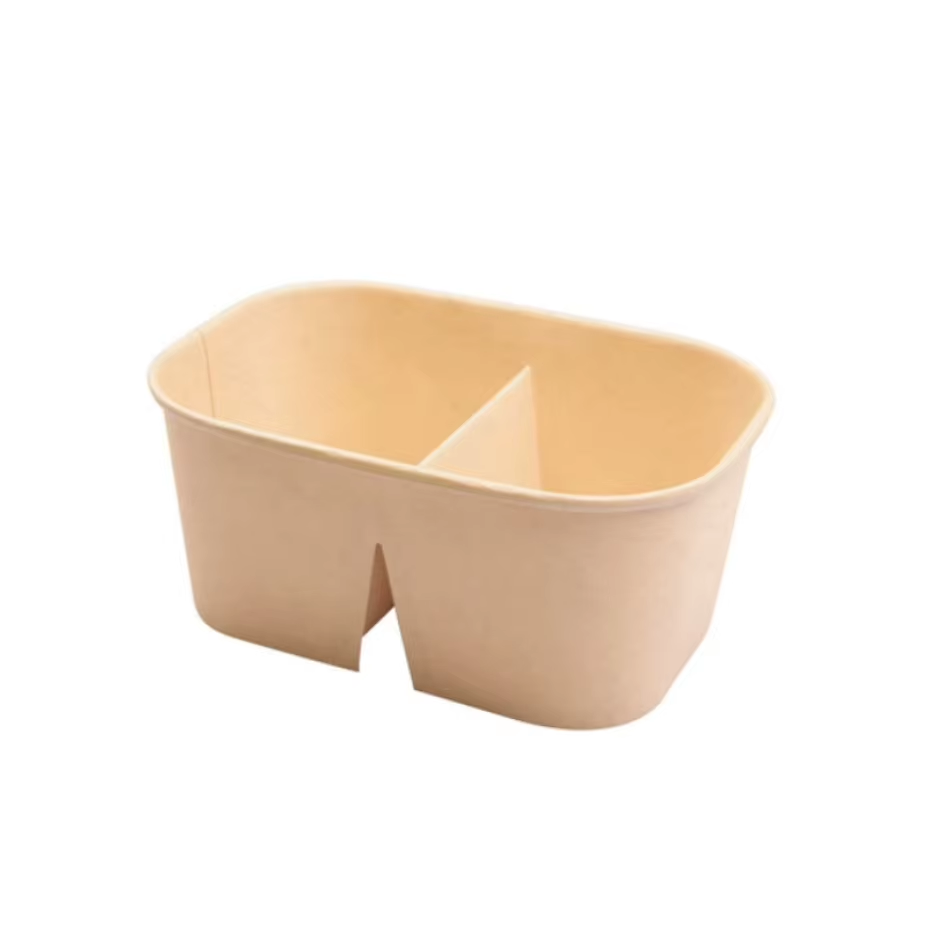
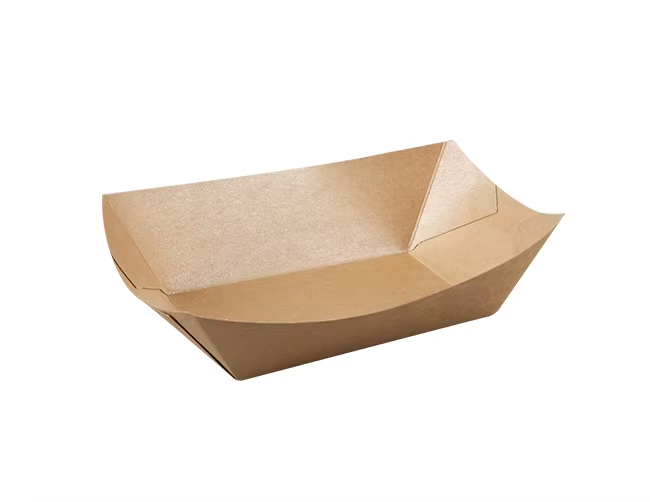
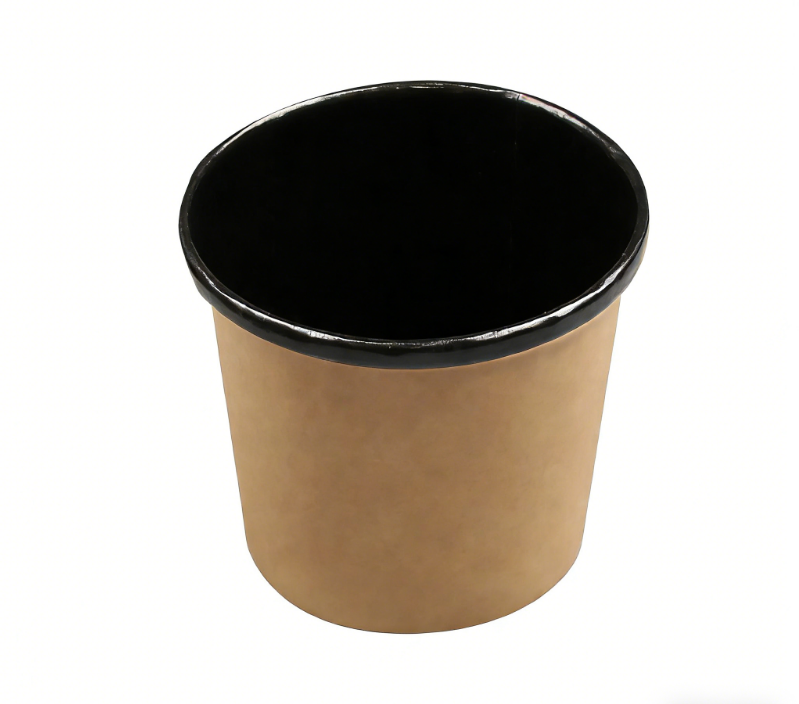
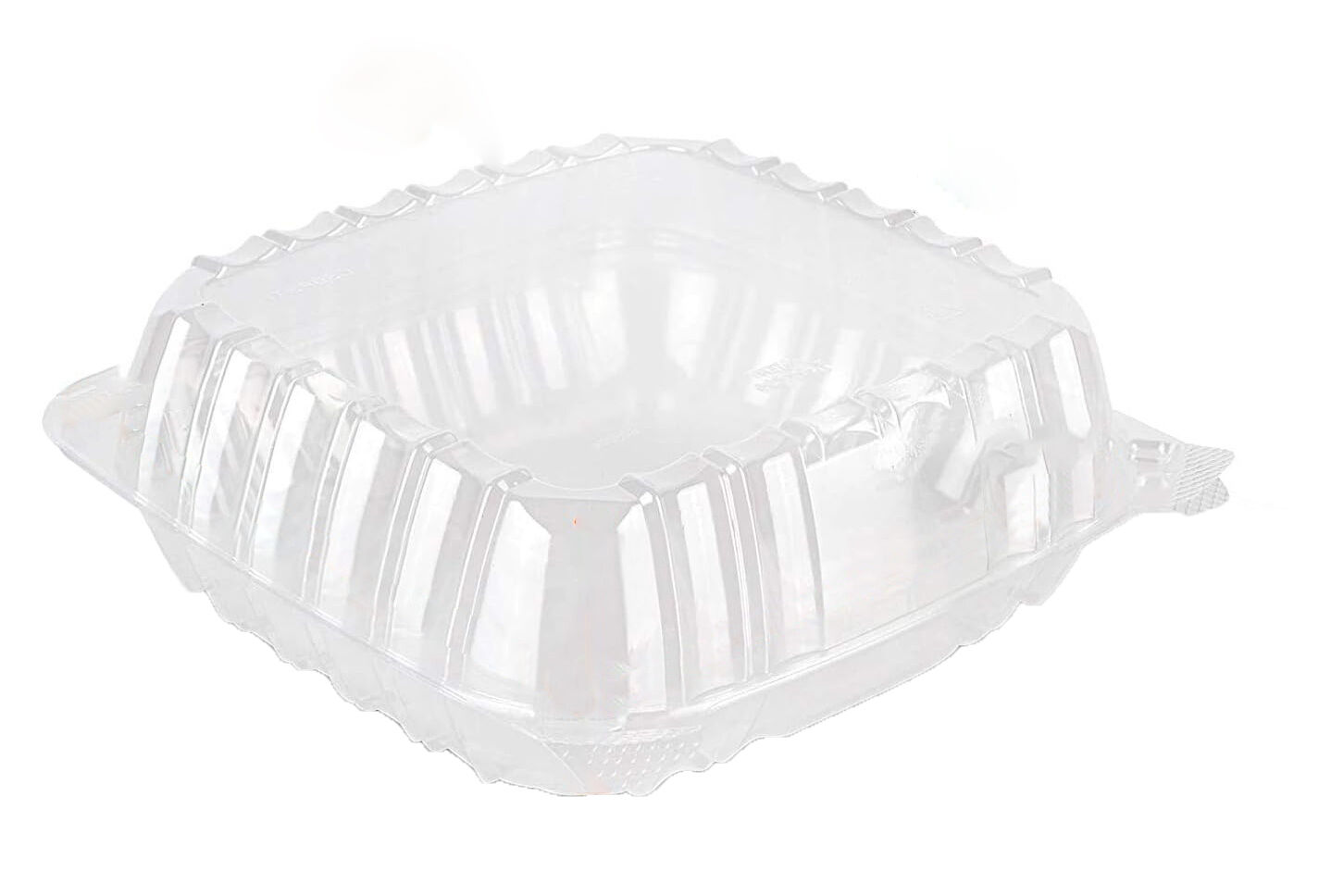
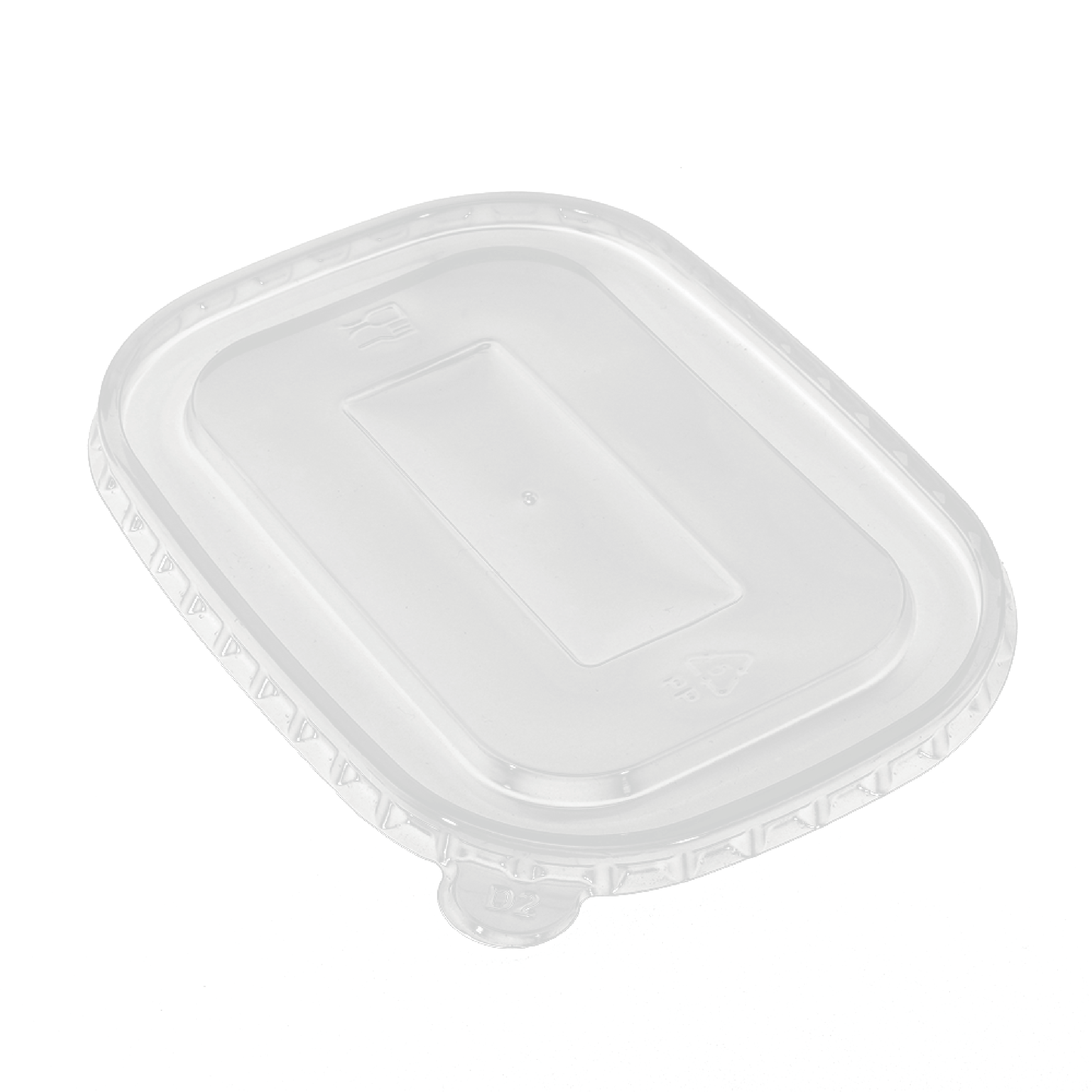
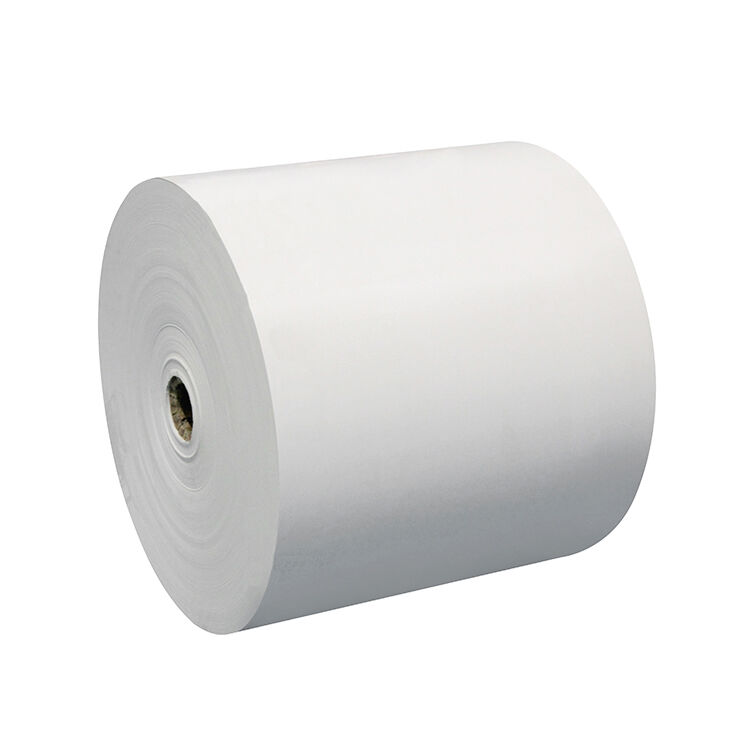
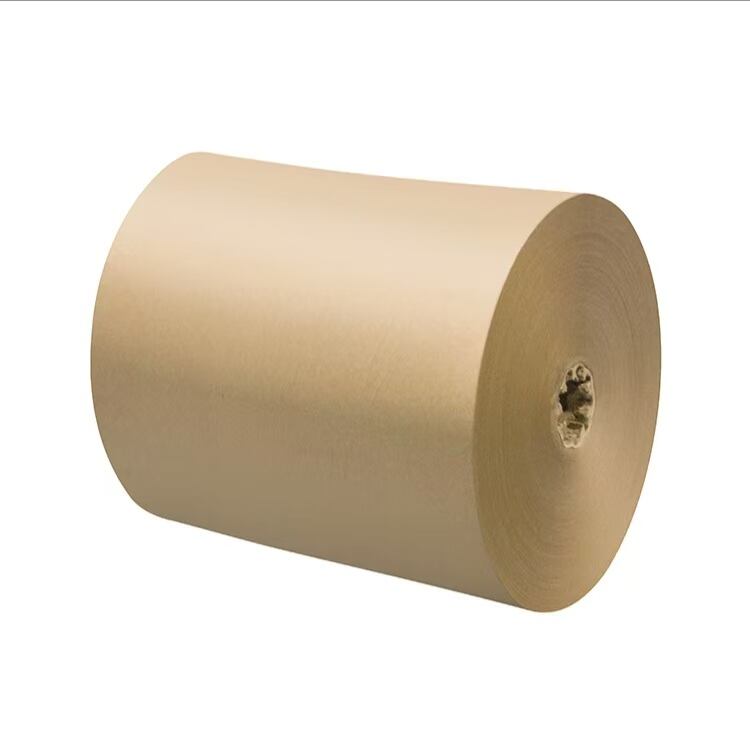
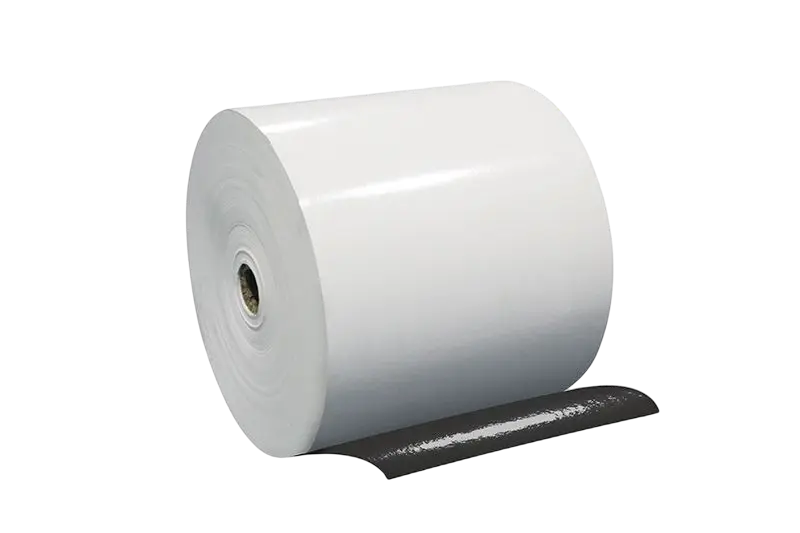
PLA paper is a bio based material that combines paper fibers with a thin layer of polylactic acid, a plant sourced polymer often made from corn starch or sugar feedstocks. In simple terms, PLA paper gives customers the familiar look and print quality of paper while adding moisture and grease resistance that plain paper usually cannot provide on its own. Many brands choose PLA paper when they want packaging that feels premium, protects products better, and supports a cleaner environmental story. Because PLA paper uses renewable raw inputs, it reduces dependence on fossil based plastics and helps companies present a more responsible packaging choice to shoppers. The main function of PLA paper is protection plus presentation. It shields food, cosmetics, and small retail goods from light splashes, oil marks, and surface contamination while still delivering strong shelf appeal. PLA paper also accepts clear labeling and high quality graphics, so companies can keep branding sharp without adding extra layers. A key technological feature is its heat seal capability in many grades, which allows efficient packing lines and reliable closure strength. Another important feature is controlled barrier performance. Manufacturers can tune thickness, coating weight, and stiffness to match use cases such as cups, wraps, sachets, pouches, trays, and carton linings. In practical applications, PLA paper works well in quick service food packaging, bakery wraps, takeaway containers, frozen snack packs, coffee and tea packaging, e commerce protective wraps, and gift or fashion accessory packaging where appearance matters. Some grades of PLA paper also support industrial composting systems, which can help waste programs route used packs away from landfill when local infrastructure exists. For potential buyers, PLA paper stands out because it balances user experience, product protection, and sustainability messaging in one material platform. Instead of forcing a choice between performance and values, PLA paper offers a path that supports both daily operations and long term brand trust.

New Product Recommendations

PLA paper delivers practical advantages that customers can see in daily operations, product quality, and brand perception. First, PLA paper improves package performance where normal paper falls short. The coating helps resist grease, moisture, and light handling damage, so food stays appetizing and outer packs keep a cleaner look during transport and display. When customers open a product wrapped in PLA paper, they notice less staining, fewer leaks, and better freshness cues. That direct experience protects repeat sales. Second, PLA paper supports faster and more consistent packing. Many converters provide PLA paper grades designed for stable sealing and smooth machine runs. That means fewer stoppages, less rework, and lower waste at the line. Teams spend less time fixing broken seals or replacing damaged packs. Over a large production cycle, this steady output can reduce unit cost pressure even before marketing gains are counted. Third, PLA paper strengthens brand communication at the point of purchase. Shoppers increasingly read packaging signals, and PLA paper gives brands a clearer sustainability narrative tied to renewable inputs. At the same time, PLA paper preserves print sharpness, color depth, and tactile quality, so packs still look premium. Instead of using plain material that weakens shelf impact, companies can keep strong design while moving toward better material choices. Fourth, PLA paper helps businesses adapt to changing market expectations and policy trends. Many retailers and food service groups now ask suppliers for lower fossil plastic exposure in packaging portfolios. By integrating PLA paper into selected SKUs, brands can respond quickly without redesigning every format from zero. This phased approach lowers transition risk and gives procurement teams practical flexibility. Fifth, PLA paper offers customer friendly end use benefits. Consumers can carry takeaway items with less fear of soft, soggy wraps. Bakery products keep shape better. Small retail goods arrive with reduced scuffing. These details matter because people judge product quality through packaging performance. Sixth, PLA paper can improve waste communication when paired with local disposal guidance. In regions with composting access, brands can explain how certain PLA paper formats fit organized collection streams. Even where composting is limited, customers still value the reduced reliance on petro plastic and the paper like feel that matches sustainability expectations. Finally, PLA paper creates room for innovation. Companies can test windows, textures, embossing, and custom structures while keeping the core benefits of barrier support and visual appeal. This versatility allows product teams to launch seasonal designs, premium lines, or new serving formats without abandoning material consistency. In short, PLA paper gives potential customers reliable function, stronger presentation, smoother operations, and a clear story they can share with modern buyers.

Practical Tips

Plastic Containers for Food in Takeaway and Delivery Packaging

26

Jan

Plastic Containers for Food in Takeaway and Delivery Packaging

Plastic Containers for Food for Takeaway: Materials, Standards, and Safety Limits FDA-Approved Plastics for Food Contact: HDPE, LDPE, and PP When it comes to plastics that touch food directly, the FDA has pretty strict rules in place, specifically ...
View More
How Heat Resistance Affects the Performance of Custom Plastic Cups

01

Feb

How Heat Resistance Affects the Performance of Custom Plastic Cups

Key Thermal Performance Metrics for Custom Plastic Cups HDT, VST, and Service Temperature Explained: What They Mean for Cup Integrity When it comes to how well custom plastic cups handle heat, there are three main factors to consider: Heat Deflect...
View More
Plastic Coffee Cups Buying Guide: How to Choose the Right Size for Your Business

26

Feb

Plastic Coffee Cups Buying Guide: How to Choose the Right Size for Your Business

Choosing the right plastic coffee cups is an essential decision for cafés, distributors, takeaway brands, and wholesalers. The correct plastic cup sizes influence customer satisfaction, cost control, packaging efficiency, and brand consistency...
View More
Paper Coffee Cup Lids vs Plastic Lids: Key Differences Explained

13

Apr

Paper Coffee Cup Lids vs Plastic Lids: Key Differences Explained

The choice between paper coffee cup lids and plastic lids represents a critical decision for cafes, restaurants, and beverage service providers navigating the evolving landscape of sustainable packaging. As environmental regulations tighten and consu...
View More

Get a Free Quote

Our representative will contact you soon.
Email
Name
Mobile
Country/Region
Message
0/1000

pla paper

Highlight 1: Reliable Product Protection with a Familiar Paper Experience

Highlight 1: Reliable Product Protection with a Familiar Paper Experience

One of the strongest selling points of PLA paper is its ability to protect products without losing the familiar feel people expect from paper packaging. Many customers like paper because it feels natural, easy to hold, and visually warm. At the same time, they worry that standard paper may absorb oil or moisture too quickly. PLA paper solves that tension by adding a plant based protective layer that helps block grease and light wetness while preserving a paper first experience. This feature matters most in real world handling moments. A sandwich wrap sits in a delivery bag, a pastry travels in a commuter backpack, or a snack pouch waits on a warm shelf. In each case, PLA paper helps prevent stains, soggy spots, and weak corners that can reduce trust in the brand. Better protection also means cleaner presentation. When packaging arrives with fewer marks and wrinkles, customers read that as better quality control, and that impression supports repeat purchasing. For business buyers, this protection creates measurable value across the chain. Warehouses see fewer damaged units. Retail staff spend less time replacing compromised items. Food service teams reduce complaints tied to leaking or messy wraps. Because PLA paper improves consistency, brands can maintain a stable look across stores and regions, which strengthens recognition. Another advantage is that PLA paper protection does not force a bulky design. Brands can keep lightweight formats that remain easy to fold, stack, and carry. That helps shipping efficiency and customer convenience at the same time. Importantly, PLA paper protection works alongside good print performance. A package can stay clean and still show vibrant branding, usage instructions, and safety details. This combination of barrier support plus visual clarity gives decision makers a practical upgrade over plain paper or harder to recycle mixed structures in some formats. In short, PLA paper delivers dependable day to day protection where users feel it directly. It reduces mess, supports freshness perception, and helps brands present products in the best possible condition from packing line to final use.
Highlight 2: Brand Value and Sustainability Story Customers Understand Quickly

Highlight 2: Brand Value and Sustainability Story Customers Understand Quickly

A second major unique selling point of PLA paper is its power to communicate environmental intent in a way shoppers understand at first glance. Packaging often acts as a silent salesperson, and PLA paper gives that salesperson a clearer message. Because PLA paper comes from renewable feedstock sources for the polymer layer, brands can explain that they are reducing reliance on fossil based plastics in selected formats. Customers do not need technical training to grasp this benefit. They see a paper based material, read concise guidance, and connect it to responsible choices. This instant comprehension matters in crowded retail spaces where buyers decide in seconds. Beyond the message itself, PLA paper supports brand integrity. Many companies set public sustainability goals, but customers can become skeptical when they do not see visible action. Switching key SKUs to PLA paper gives a concrete step that teams can show in stores, online product pages, and procurement reports. This visible progress builds trust with shoppers, retailers, and business partners. PLA paper also keeps creative freedom high, which makes sustainability communication stronger. Designers can use sharp graphics, natural textures, muted earth palettes, or premium finishes without sacrificing functionality. That means eco messaging does not have to look plain or low quality. Instead, PLA paper helps brands present responsibility and style together. For premium and lifestyle categories, this balance is especially valuable because buyers expect both ethics and aesthetics. From a commercial angle, PLA paper can support differentiation in competitive markets. When two products offer similar core performance, packaging cues often influence final choice. PLA paper can become that deciding cue by signaling thoughtful material selection and modern brand values. It also opens opportunities for storytelling across channels, including QR linked disposal guidance, sourcing stories, and campaign content focused on reduced fossil input. Internal teams benefit too. Sales staff gain a simple, credible talking point. Category managers can align portfolio decisions with retailer sustainability priorities. Compliance and marketing can collaborate around one shared narrative anchored by PLA paper implementation. In practical terms, this selling point brings value because it translates complex material decisions into customer friendly meaning. PLA paper helps brands say, and show, that they are improving packaging choices while still delivering convenience, quality, and visual appeal. That clarity drives stronger engagement and can improve long term loyalty.
Highlight 3: Operational Flexibility that Supports Growth and Product Innovation

Highlight 3: Operational Flexibility that Supports Growth and Product Innovation

The third unique selling point of PLA paper is operational flexibility. Many packaging upgrades fail because they disrupt production or lock teams into narrow formats. PLA paper stands out because suppliers offer multiple grades, thickness options, and converting configurations that fit a wide range of products and machinery. This adaptability lets companies adopt PLA paper in stages, starting with one line or one product family, then scaling as performance data confirms results. A phased rollout lowers risk and makes budgeting easier. In production settings, PLA paper can support efficient workflows when properly matched to equipment. Converters provide specifications for sealing windows, stiffness levels, and coating weights, so engineers can choose PLA paper that runs smoothly on existing lines. Stable run behavior reduces unplanned downtime and cuts waste from failed seals or torn wraps. Over time, these gains protect margins and free staff to focus on quality improvements instead of constant troubleshooting. PLA paper also supports portfolio expansion. Brands can use one material platform across different pack types, such as wraps, liners, pouches, sleeves, and cartons, while adjusting finish and barrier level for each use. This unified approach simplifies sourcing and inventory management. Procurement teams manage fewer disconnected material families, and quality teams can standardize more test methods. The result is faster launch cycles and clearer supplier collaboration. For customer facing innovation, PLA paper offers room to experiment with shape, texture, and graphics without giving up core protective benefits. Teams can test seasonal editions, limited collaborations, or premium gift formats while keeping consistent material messaging. This matters in markets where novelty drives attention and repeat purchasing. PLA paper helps brands move quickly from idea to shelf with lower transition friction. Flexibility also appears in channel strategy. The same PLA paper concept can serve retail display packs, food service formats, and e commerce ready protective wraps, each with targeted performance tuning. That cross channel usability helps growing businesses maintain brand consistency while adapting to different distribution demands. Finally, PLA paper flexibility supports future planning. As regulations, customer expectations, and waste systems evolve, companies need packaging options that can adjust without full system replacement. PLA paper provides that adaptable base. It combines practical protection, design freedom, and process compatibility in one approach, giving potential customers a material choice that supports current operations and future growth with fewer compromises.