Salad Bowl With Lid Guide: Freshness, Leak Protection, and Everyday Meal Prep Value

salad bowl with lid

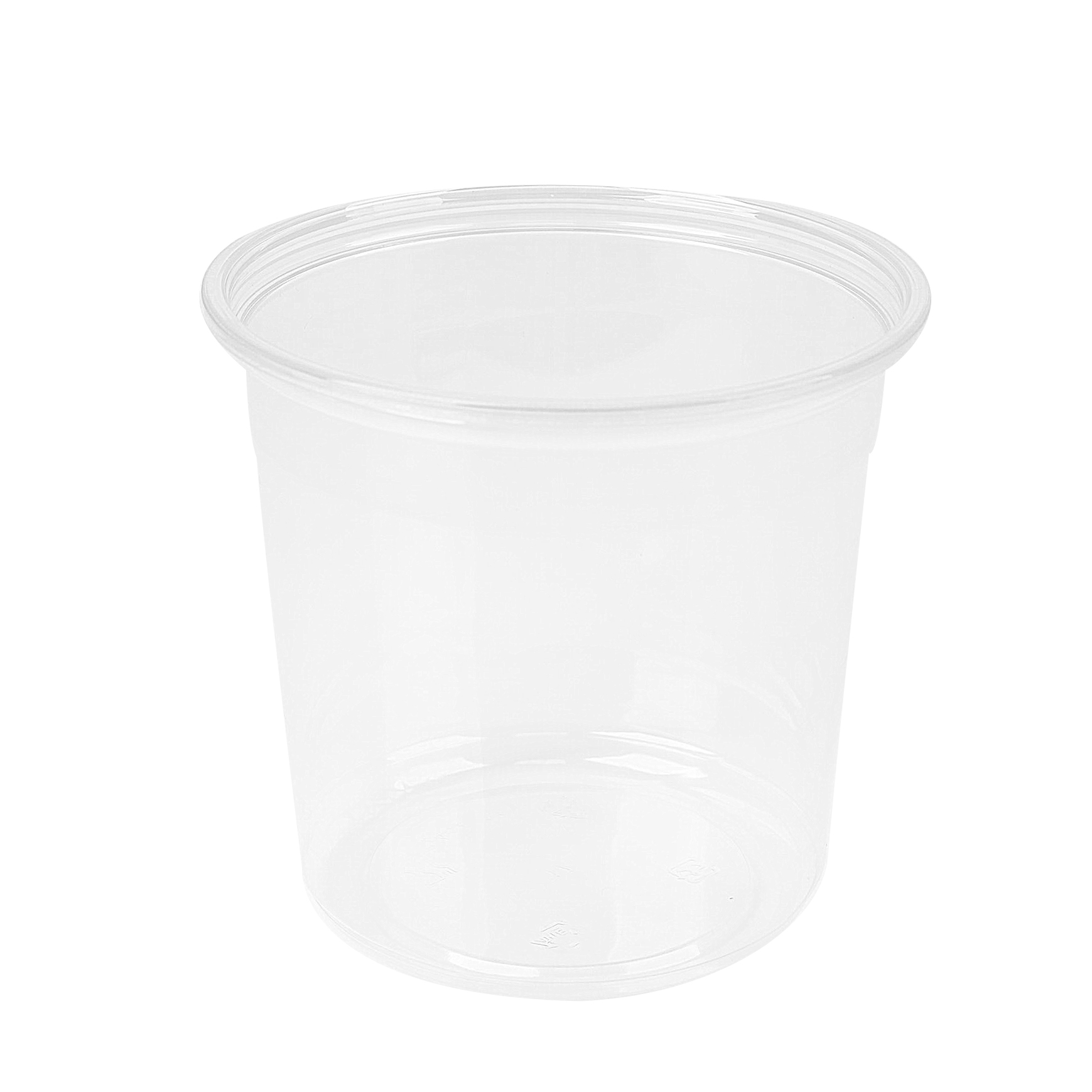
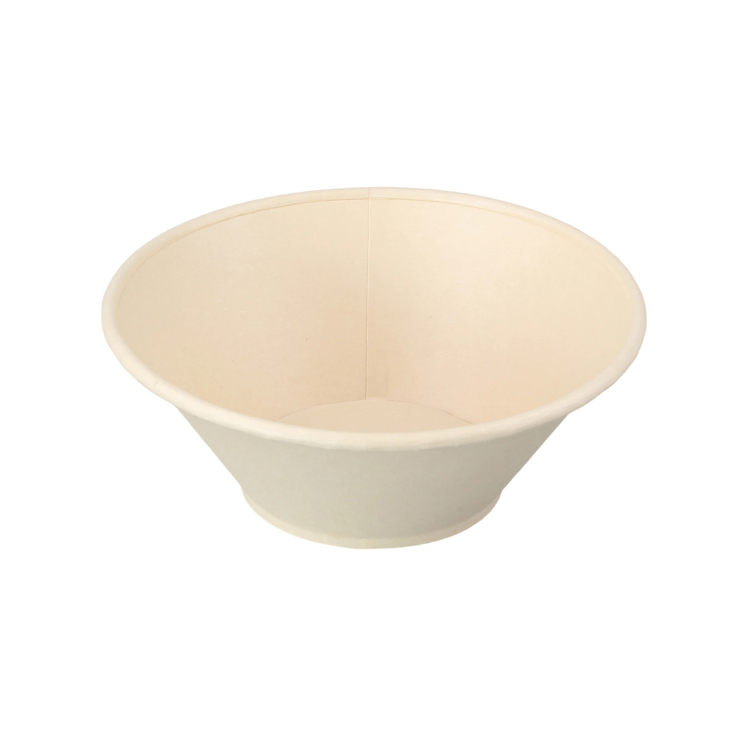
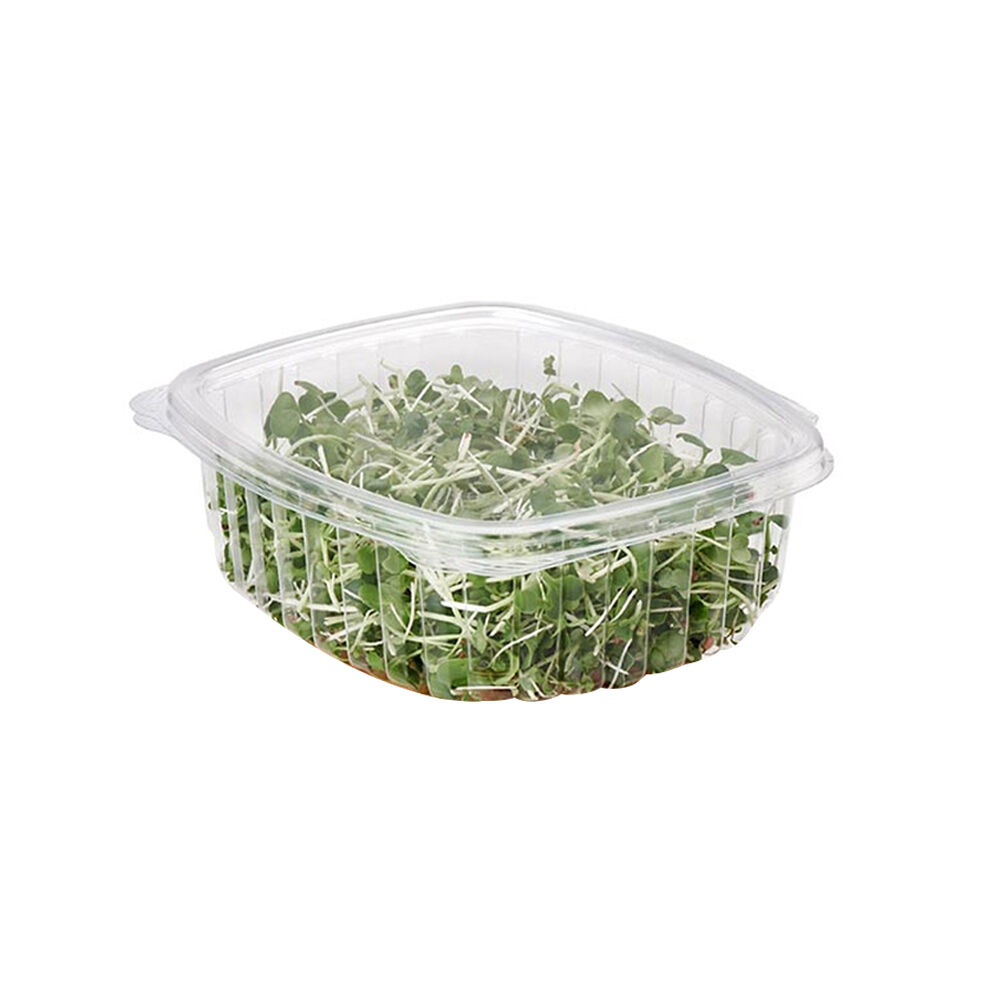
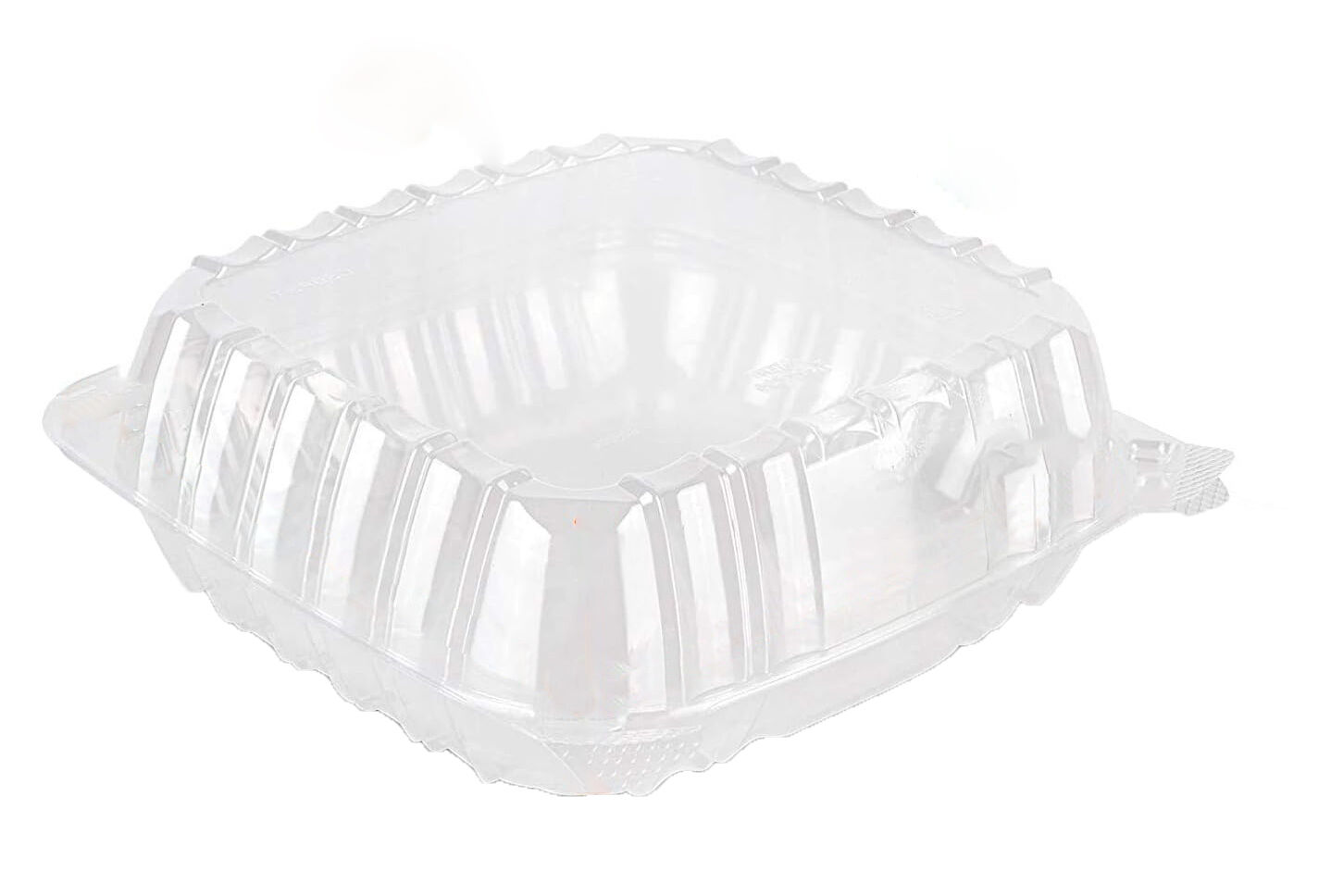
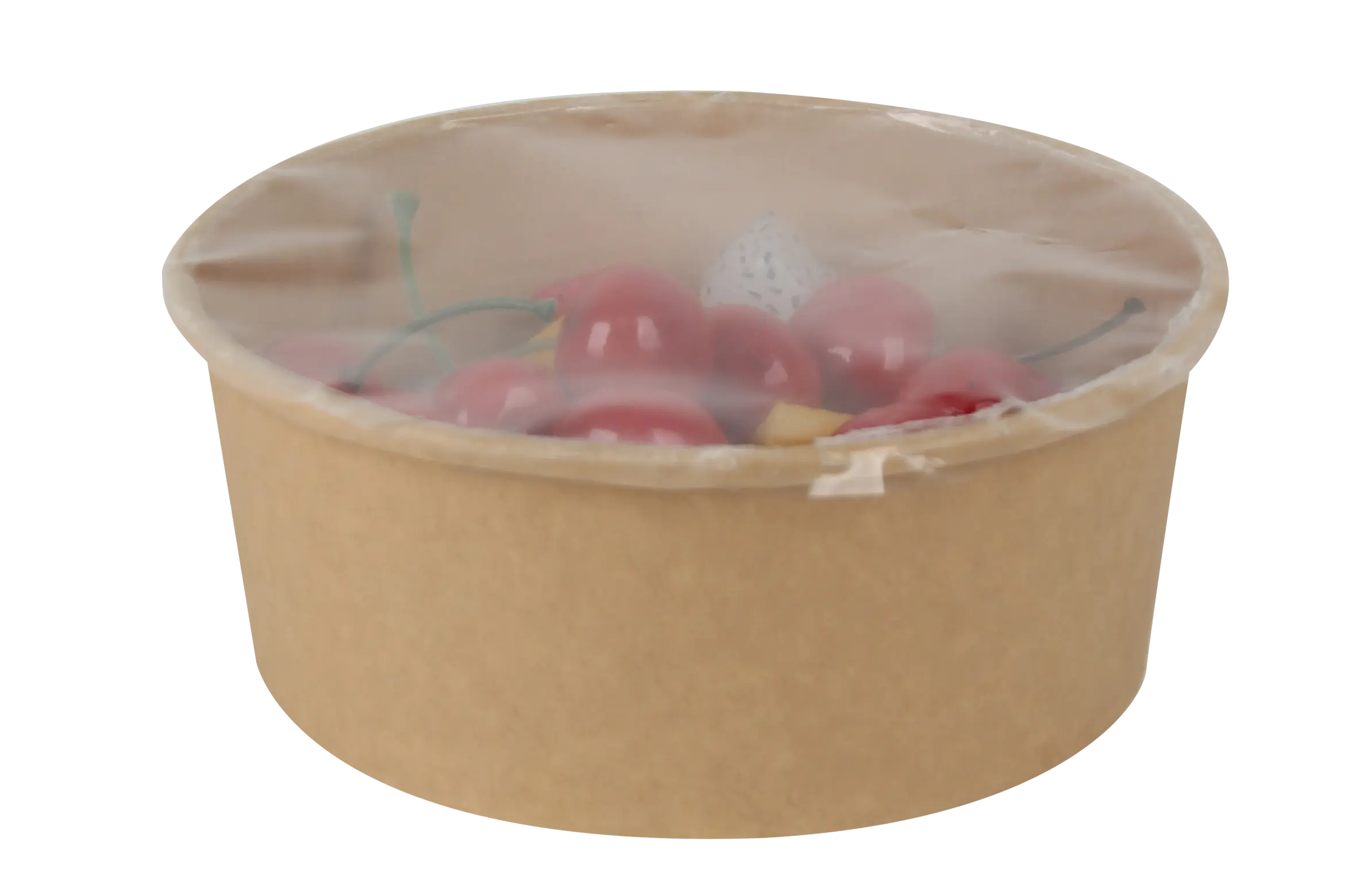
A salad bowl with lid is more than a simple container for greens. It works as a prep tool, a serving piece, a storage option, and a transport solution in one item. In daily life, people often cut vegetables in one bowl, toss dressing in another, then pack leftovers in a third box. A salad bowl with lid removes that extra work by letting users handle each step in a single place. You can wash produce, combine ingredients, mix without spills, close the top, and place the bowl in the fridge. The same salad bowl with lid can then go to the office, school, picnic table, or gym fridge with no need to repack food. Its main function is protection and freshness. The lid helps block outside air, slows moisture loss, and keeps strong smells from spreading in the refrigerator. A good salad bowl with lid also guards texture, so lettuce stays crisp longer and cut fruit does not dry out as quickly. Many designs include a snap-fit or twist-lock closure that gives users confidence during travel. Some models add a vent or a silicone ring to improve the seal while still opening easily. Material choice is another practical feature. A BPA-free plastic salad bowl with lid feels lightweight for commuting, while glass gives a premium look for home dining and supports easy cleaning. Stainless steel versions resist stains and support long-term use. Capacity options make applications broad. A compact salad bowl with lid fits meal prep for one person, while larger sizes suit family dinners, party buffets, and batch cooking. Restaurants, caterers, and health-focused cafes also use a salad bowl with lid for pre-portioned service and takeaway orders. Because one product supports prep, serving, storing, and carrying, a salad bowl with lid saves time, lowers dishwashing volume, and helps people keep healthier food habits with less effort.

New Product Recommendations

The biggest advantage of a salad bowl with lid is practical convenience. You prep and store in one place, so you spend less time moving food between containers. This simple change can cut cleanup fast, especially on busy weekdays. A salad bowl with lid also supports better routine planning. People who prepare lunches at night can portion ingredients, close the top, and grab the bowl in the morning. That makes healthy eating easier to maintain when time is tight. Another clear benefit is freshness control. A salad bowl with lid reduces direct air contact, which helps greens remain crisp and helps toppings keep their texture. When ingredients stay fresh longer, households waste less food and save money across the week. A salad bowl with lid also helps keep refrigerators organized. Stacked bowls create a cleaner layout than loose plates covered with plastic wrap. Since the top closes securely, a salad bowl with lid lowers the chance of leaks and protects food from absorbing odors from onions, fish, or sauces nearby. Portability is a major strength too. Commuters can carry a salad bowl with lid in a backpack or tote with more confidence than open containers. Parents can send a salad bowl with lid in lunch bags for school meals. Fitness users can pack protein bowls and post-workout meals without spills. The lid gives peace of mind during movement on buses, trains, or car rides. Cost value is another advantage. A reusable salad bowl with lid can replace disposable wraps and single-use boxes over time. That reduces ongoing purchase costs and cuts waste at the same time. Durability matters here. Many products resist stains, handle repeated washing, and maintain shape after regular use. A salad bowl with lid made with quality materials can serve daily for years. Serving flexibility also stands out. At home, a salad bowl with lid works on the dinner table and then returns leftovers straight to cold storage in seconds. At events, a salad bowl with lid keeps prepared food protected before guests arrive. For small businesses, a salad bowl with lid supports clean presentation and faster packing for pickup orders. Finally, user comfort is strong. Many designs include wide rims for easier grip, transparent bodies for quick content checks, and smooth interiors that rinse quickly. These details may seem small, but together they make daily food handling easier, safer, and less stressful. In simple terms, a salad bowl with lid saves time, protects food, travels well, and offers dependable value for almost any lifestyle.

Practical Tips

How Printing Methods Affect the Quality of Custom Plastic Cups

25

Feb

How Printing Methods Affect the Quality of Custom Plastic Cups

Visual Quality: Resolution, Color, and Adhesion on Custom Plastic Cups Resolution and Color Fidelity Across Pad, Screen, and Digital Printing Getting good visuals on those custom plastic cups really comes down to picking the right printing techniq...
View More
Clear vs Frosted Custom Plastic Cups: Which Works Better for Branding

01

Apr

Clear vs Frosted Custom Plastic Cups: Which Works Better for Branding

When selecting custom plastic cups for your brand's promotional campaigns, events, or retail offerings, the choice between clear and frosted finishes significantly impacts visual appeal, brand perception, and marketing effectiveness. Both clear and f...
View More
Paper Coffee Cup Lids vs Plastic Lids: Key Differences Explained

13

Apr

Paper Coffee Cup Lids vs Plastic Lids: Key Differences Explained

The choice between paper coffee cup lids and plastic lids represents a critical decision for cafes, restaurants, and beverage service providers navigating the evolving landscape of sustainable packaging. As environmental regulations tighten and consu...
View More
How Paper Coffee Cup Lids Are Used in Takeaway Coffee Packaging

20

Apr

How Paper Coffee Cup Lids Are Used in Takeaway Coffee Packaging

The global shift toward sustainable packaging has transformed how businesses approach takeaway coffee service, with paper coffee cup lids emerging as a critical component in environmentally responsible beverage delivery. Understanding the practical a...
View More

Get a Free Quote

Our representative will contact you soon.
Email
Name
Mobile
Country/Region
Message
0/1000

salad bowl with lid

All-in-One Meal Workflow That Reduces Daily Friction

All-in-One Meal Workflow That Reduces Daily Friction

A standout selling point of a salad bowl with lid is its all-in-one workflow. Instead of using separate tools for prep, mixing, serving, and storage, users can do everything in one bowl. This matters because most kitchen frustration comes from repeated small tasks, not one big task. With a salad bowl with lid, you can rinse vegetables, add grains or proteins, toss dressing, serve dinner, and store leftovers right away. The process stays smooth and direct. For working adults, this saves valuable minutes before and after meals. For families, it lowers sink clutter and makes cleanup less tiring. For students, it keeps food prep realistic in small kitchens or shared spaces. A salad bowl with lid also supports better portion control. Users can build a complete meal in one vessel and see the full serving size at a glance. That helps with balanced eating goals and reduces random snacking later. Because the same salad bowl with lid travels easily, the planned meal actually leaves the house with the user instead of being forgotten in the fridge. In real life, that consistency creates strong habit value. Design details reinforce this benefit. A wide opening allows fast ingredient loading, while a stable base helps safe mixing on countertops. A secure closure means the salad bowl with lid can move from kitchen to fridge to bag without extra wrapping. Some versions include internal markings, helping users measure components with less guesswork. Over weeks of use, this adds up to less decision fatigue and more control over food routine. The financial value is also clear. Since one salad bowl with lid replaces multiple containers and reduces disposable packaging use, users spend less on single-use products. It also lowers wear on other kitchen items because one durable product handles repeated tasks. Most important, the product fits modern life. People need tools that work quickly, cleanly, and reliably. A salad bowl with lid answers that need with direct function. It is not a novelty item. It is a daily-use system that removes friction from healthy eating and helps users stay organized without extra effort.
Freshness Protection and Leak Security You Can Trust

Freshness Protection and Leak Security You Can Trust

Freshness and leak control are core reasons customers choose a salad bowl with lid. Produce quality drops quickly when exposed to excess air, poor sealing, or moisture imbalance. A well-designed salad bowl with lid addresses these issues by creating a more controlled environment after prep. The lid sits tightly, helping slow oxidation and moisture loss, so leafy greens keep a better bite and chopped vegetables avoid early drying. This matters to anyone who meal preps for several days, because texture quality often decides whether people actually eat their prepared food. A salad bowl with lid improves those odds by preserving appeal, not just safety. Leak security delivers equal value. Dressings, marinades, and mixed ingredients can easily spill in transit if closure systems are weak. A reliable salad bowl with lid uses snap tabs, threaded tops, or gasket-assisted edges to reduce that risk. For commuters, this means fewer bag accidents and fewer ruined documents or electronics. For parents, it means cleaner lunch bags and less stress during busy mornings. For office workers, a salad bowl with lid makes desk lunches practical instead of messy. Odor control is another hidden advantage. Many refrigerators hold foods with strong aromas, and open dishes absorb those smells fast. A salad bowl with lid helps isolate contents, keeping salads tasting like salads instead of last night’s leftovers. This improves overall meal satisfaction and reduces waste caused by flavor transfer. The same protection supports event prep. Hosts can build dishes ahead of time, keep them covered, and serve when needed with confidence in freshness and presentation. In commercial settings, staff can pre-assemble ingredients in a salad bowl with lid for quicker service during peak hours. Customers receive cleaner, better-looking meals, and teams move faster with fewer errors. Over time, this reliability builds trust in the product. People return to a salad bowl with lid because it protects effort. Shopping, chopping, and seasoning all take time, and no one wants that effort lost to soggy texture or accidental spills. By combining strong sealing, storage confidence, and transport stability, a salad bowl with lid delivers practical protection that users notice every single day.

Versatile Design for Home, Work, Travel, and Small Business Use

Versatile Design for Home, Work, Travel, and Small Business Use

Versatility is a major unique selling point of a salad bowl with lid because it adapts to many environments without changing how people work. At home, one salad bowl with lid supports quick weeknight dinners, weekend batch prep, and leftover storage. In workplaces, the same salad bowl with lid serves as a dependable lunch container that looks neat in shared fridges and opens easily at desks or break rooms. During travel, it handles movement, temperature shifts, and tight packing conditions better than open serveware. This broad use range increases value per purchase and makes the product a practical staple rather than a single-purpose accessory. Material options expand versatility further. A lightweight plastic salad bowl with lid suits commuting and school use. A glass salad bowl with lid works well for table presentation and helps users see layered ingredients clearly. A steel salad bowl with lid adds durability for heavy rotation in demanding kitchens. Different sizes support different goals, from single-meal portions to family-scale mixing and service. Because users can choose format and capacity that match their routine, adoption becomes easy and long-lasting. Cleaning and maintenance also strengthen this feature set. Many products offer smooth inner walls that release food residue quickly, so a salad bowl with lid washes faster after oily dressings or grain mixes. Wide openings allow better hand access or dishwasher flow. Clear bodies or transparent tops help users identify contents without opening every container, saving time in crowded fridges. These seemingly small details reduce daily friction and make repeated use more likely. For small food businesses, versatility translates to operational efficiency. Teams can prep ingredients in advance, store them in a salad bowl with lid, and move them to service stations without repacking. For takeaway, a salad bowl with lid improves presentation while protecting product integrity during delivery. For pop-up vendors and caterers, it simplifies staging and transport while maintaining a cleaner appearance for customers. In every setting, the core value stays the same. A salad bowl with lid fits real routines, supports different meal styles, and performs consistently across prep, storage, and transport. That flexibility gives buyers confidence that one product will stay useful as schedules, diets, and household needs change over time.