
Eco-Friendly Disposable Tableware Materials: Performance, Certifications, and Innovation
Comparative Performance of Leading Biobased Materials (Bagasse, PLA, CPLA, Molded Fiber)
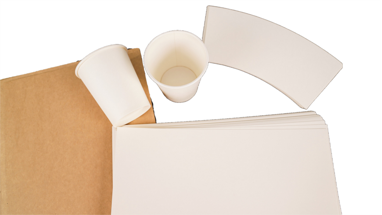
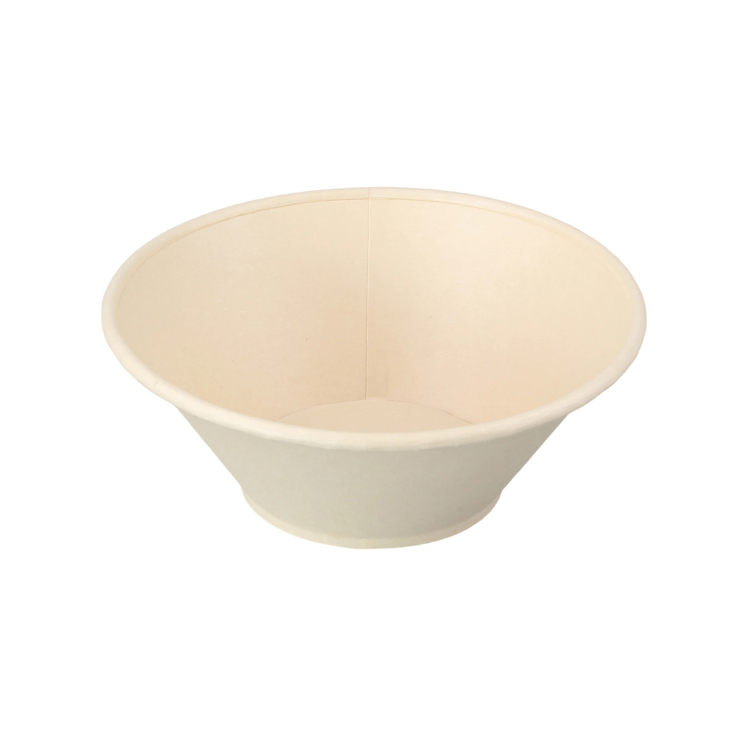
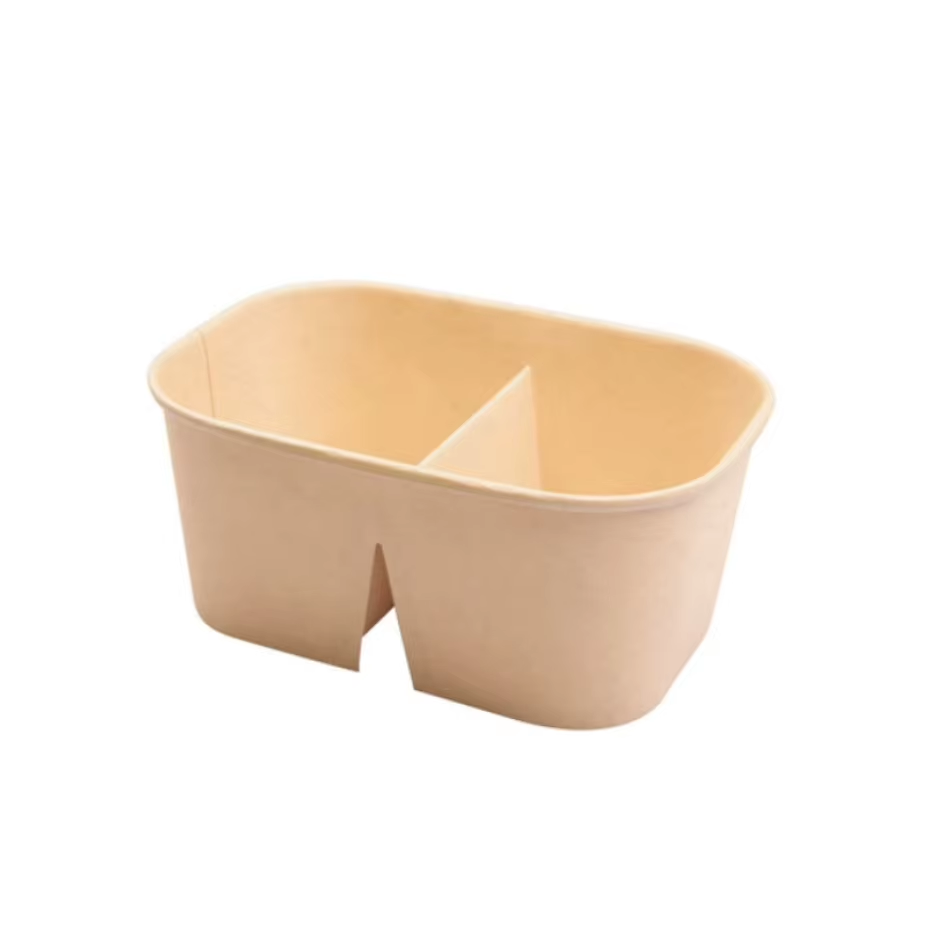
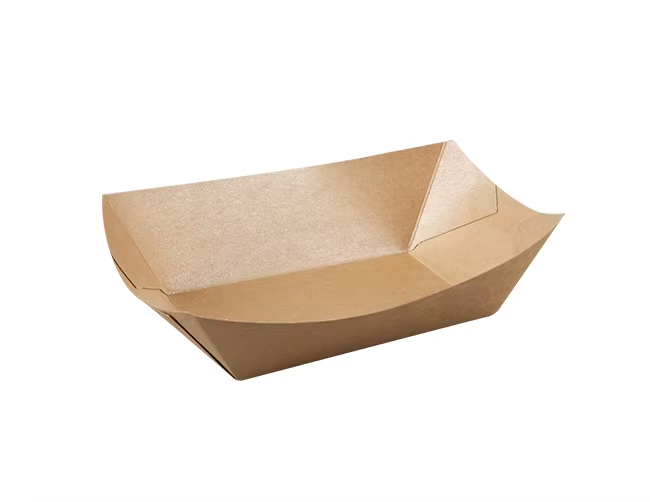
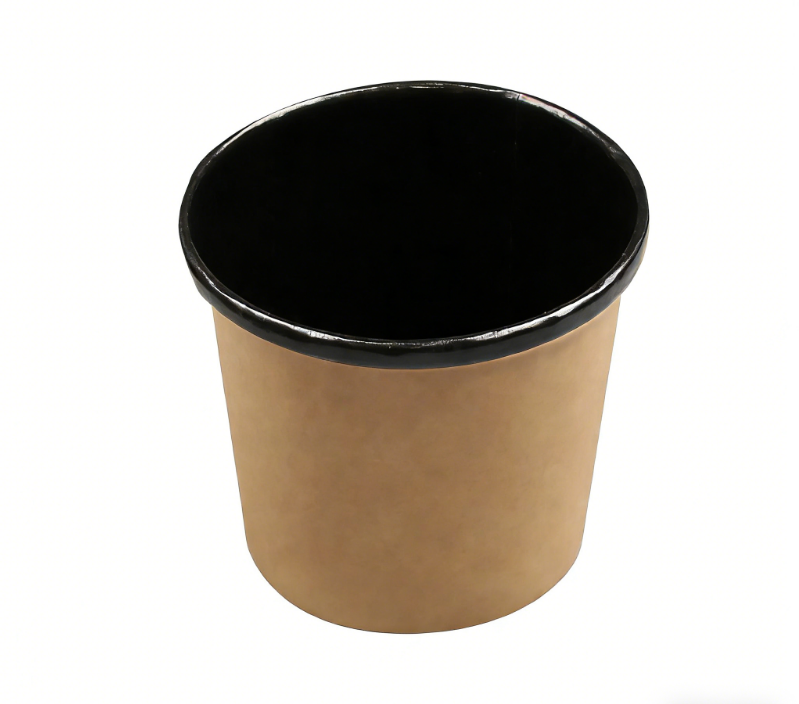
When it comes to food service applications, different biobased materials bring their own unique benefits to the table. Take bagasse for instance this material comes from sugarcane fibers and stands out because it resists grease really well, can go in microwaves safely, and will break down commercially within about two months. Then there's Crystallized Polylactic Acid or CPLA as it's known in the industry. This stuff can handle temperatures up to around 95 degrees Celsius, which makes it great for things like hot soup containers or items that need to be oven safe. The catch though? It needs special industrial composting facilities to decompose properly. Standard PLA has its place too but starts to warp when exposed to anything over 50 degrees Celsius and doesn't hold up so well against oils either, which restricts what kind of products manufacturers can make with it for cold storage or room temperature use. Molded fiber products are fantastic at absorbing shocks and providing insulation properties, although they typically require additional bio based grease barriers if they're going to work effectively with greasy or oily foods on a regular basis.
| Material | Heat Tolerance | Compost Time (Commercial) | Oil Resistance |
|---|---|---|---|
| Bagasse | 100°C | 60 days | Moderate |
| PLA | 50°C | 90 days | Low |
| CPLA | 95°C | 120 days | High |
| Molded Fiber | 80°C | 45 days | Variable* |
*Dependent on coating formulation; uncoated versions show inconsistent performance with dressings or fried foods.
EN 13432 Certification vs. Greenwashing: What ‘Compostable’ Really Means in Practice
The term "compostable" isn't just some buzzword companies throw around for marketing purposes. It actually has legal standing and needs proper certification. Products claiming to be compostable should have third party verification through standards like EN 13432 in Europe or ASTM D6400 across the United States. These certifications ensure several things happen properly. First, materials need to fully break down within about 12 weeks when placed in industrial composting facilities. Second, they shouldn't leave behind any toxic substances that could harm ecosystems. And finally, there can't be any microplastic leftovers after decomposition either. Many manufacturers try to get away with using vague labels such as "plant-based," "biodegradable," or even "eco-friendly." But these terms don't really mean anything specific. A study published last year in the Eco Packaging Journal revealed something concerning. They looked at dozens of products marked as biodegradable but weren't certified. Shockingly, seven out of ten of those items simply didn't break down at all during standard testing procedures. When shopping for genuinely compostable items, consumers should always check for official certification marks because meeting all three requirements makes a real difference in environmental impact.
- ¥90% organic carbon conversion to CO₂ within 180 days
- Fragmentation into pieces <2 mm after 12 weeks
- No adverse impact on plant germination or soil microbial activity
Third-party verification—such as BPI (Biodegradable Products Institute) or TÜV Austria’s OK Compost INDUSTRIAL mark—is essential to distinguish verified performance from greenwashing.
Next-Gen Alternatives: Palm Leaf, Wheat Straw, and Post-Consumer Recycled Paper
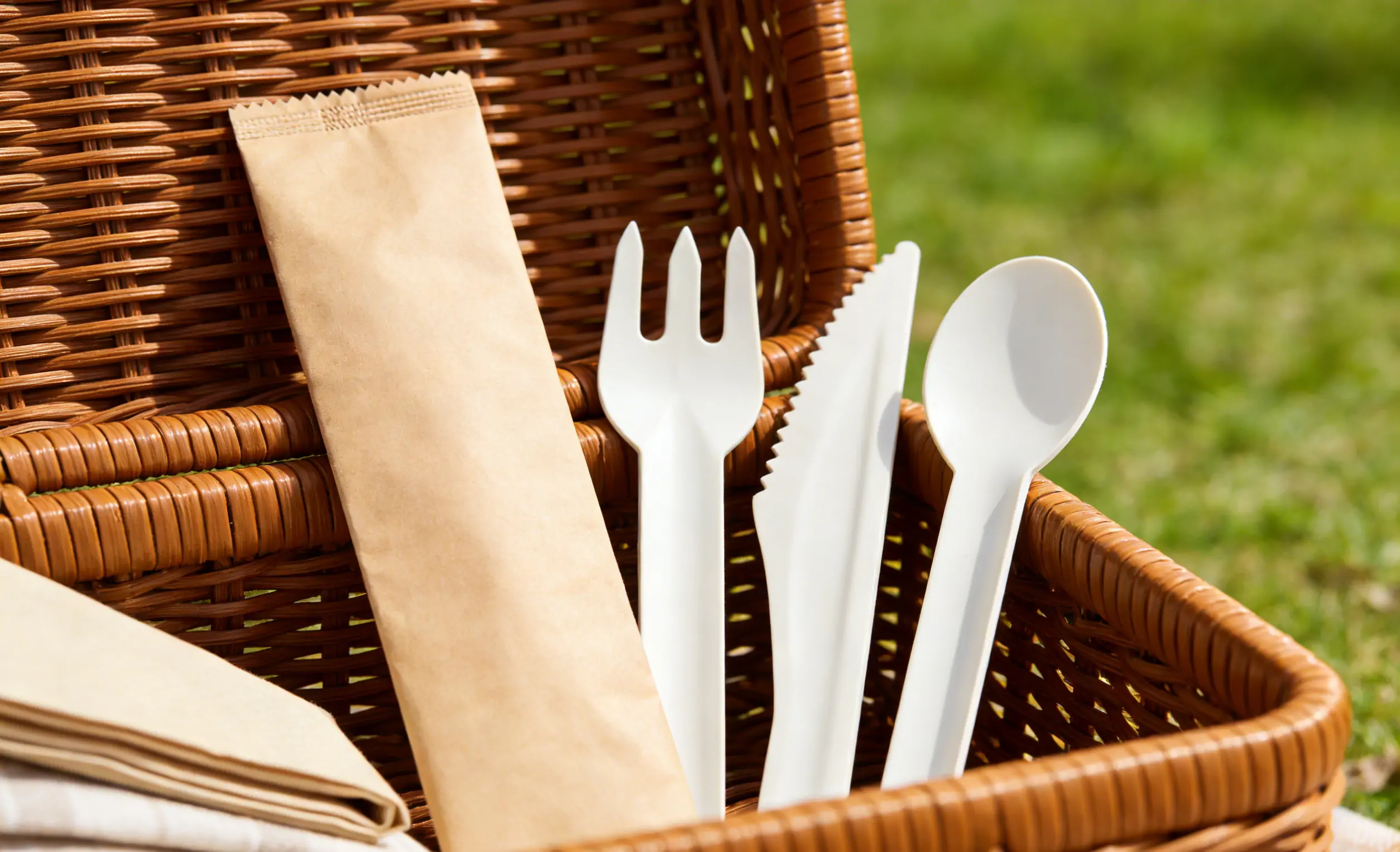
New innovations keep pushing what's possible with disposable items both functionally and environmentally. Take palm leaf tableware for instance. These plates come from leaves that fall naturally, so there's no need for glues or extra coatings. What makes them special? They're naturally water resistant without any chemicals, plus they have those cool grain patterns and stay sturdy when needed. Then there's wheat straw fiber stuff which mixes farm leftovers with plant fibers to get similar strength as bagasse products but uses about 80% less fossil fuel energy compared to making PLA. Plus, these can go in the microwave safely. For paper products made from post consumer recycled materials, companies are closing loops with FSC certified fibers now. Still working on better ways to resist grease though. Some new bio coatings like chitosan or candelilla wax help here without harmful PFAS chemicals and remain compostable. Looking at all these options together shows how the industry is moving towards circular design principles where we source from waste streams, cut down on energy during processing, and make sure things actually break down properly at the end of their life cycle.
Durability of Disposable Tableware Under Real Food Service Conditions
Heat, Moisture, and Grease Resistance: ASTM-D6400–Informed Insights for Hot/Cold Applications
What really matters in practice is how well these products hold up functionally, not just if they break down in a compost bin. When hot food hits containers at around 85 degrees Celsius for soup or 90C for coffee, some materials start to deform or leak. CPLA and dense bagasse stand up better to heat than regular PLA or uncoated molded fiber does. Containers need to resist moisture too, otherwise they'll soften when sitting in cold salads or exposed to condensation over time. Bagasse and plant fibers with coatings stay firm while ordinary paper turns into a soggy mess within minutes. Grease is actually the biggest problem most operators face daily. Fats tend to seep through porous materials unless there's a proper bio barrier in place. Just because something meets ASTM D6400 standards doesn't mean it works well in actual use. Restaurant managers and facility staff should ask for real testing results from third parties before making purchasing decisions based solely on compostability claims.
- 30+ minute hold time for liquids at 85°C without deformation or leakage
- 4+ hour condensation resistance in chilled environments (e.g., buffet lines)
- Barrier effectiveness against ISO-standard salad dressings and frying oils
Structural Integrity Testing: 95°C Liquids, 30-Minute Hold Times, and Stack Stability
Testing shows there's a real difference in how these containers perform when exposed to hot liquids. Fill them with something at around 95 degrees Celsius and watch what happens. The cheaper options start to bend out of shape or leak from the bottom after just ten minutes. But those premium CPLA containers and the ones made from reinforced bagasse stay intact for more than forty five minutes without any issues. Looking at stack stability tells another story about their strength during storage. Containers with dense construction and good ribbing can hold stacks of twenty five or more without getting squashed. On the flip side, lighter weight alternatives tend to buckle under pressure, which actually makes the overall pallet size bigger by as much as thirty percent. These kinds of structural differences matter a lot when considering long term storage solutions.
- Rim rigidity to prevent spillage during transport
- Base thickness (¥1.2 mm recommended for hot liquid applications)
- Uniform wall distribution to resist lateral stress
Foodservice efficiency studies show operators prioritizing these attributes reduce spill incidents by 60% and cut storage-related overhead by 22%.
Cost-Effectiveness of Disposable Tableware: Beyond Unit Price to Total Operational Impact
Total Cost of Ownership Analysis: Waste Hauling Savings, Storage Efficiency, and Labor Optimization
True cost-effectiveness requires evaluating total cost of ownership—not just per-unit price. Three operational levers drive measurable ROI:
- Waste hauling: Commercial compostable tableware diverts organics from landfills, reducing disposal fees. With U.S. food service venues generating 14.5 million tons of waste annually (U.S. EPA, 2023), switching to certified compostables can lower landfill surcharges by 15–25%, depending on local tipping fees and hauler contracts.
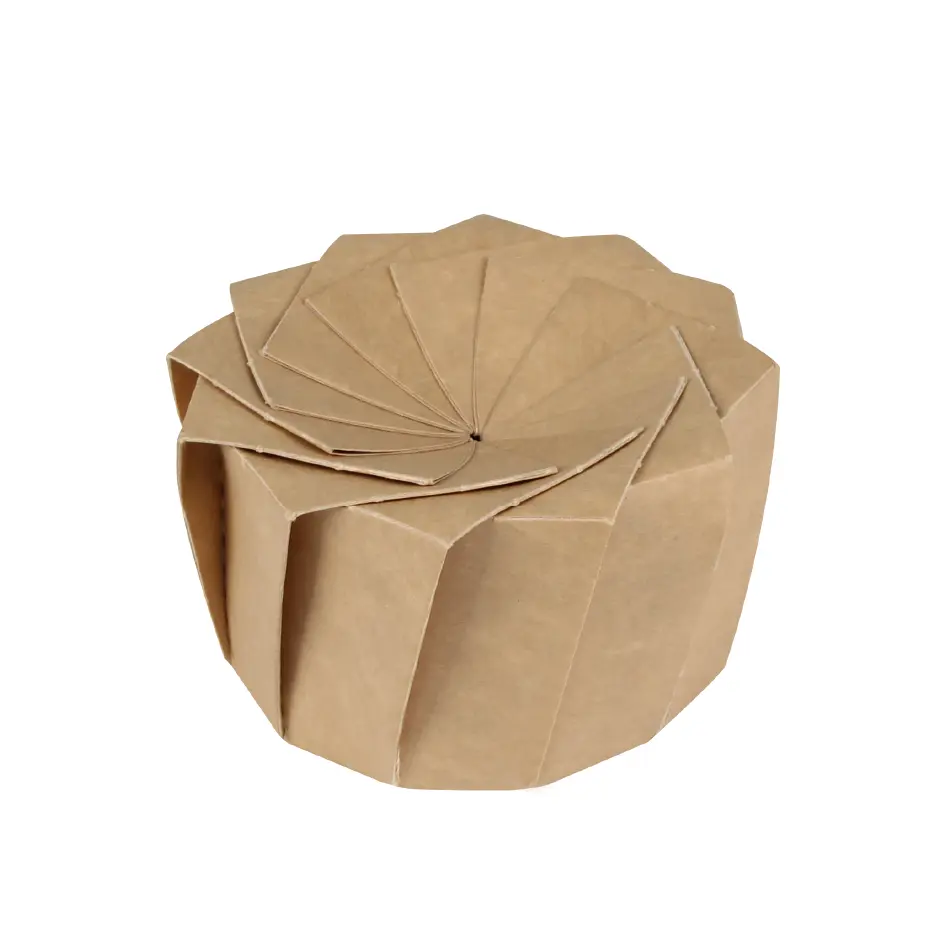
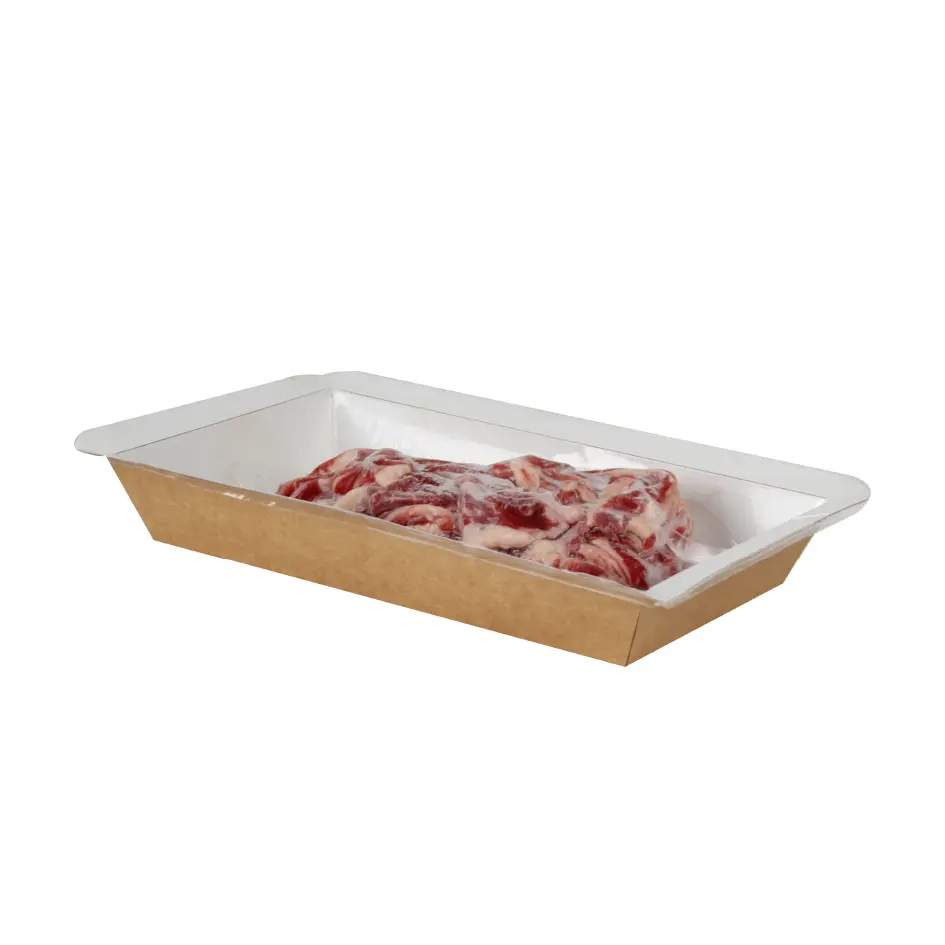
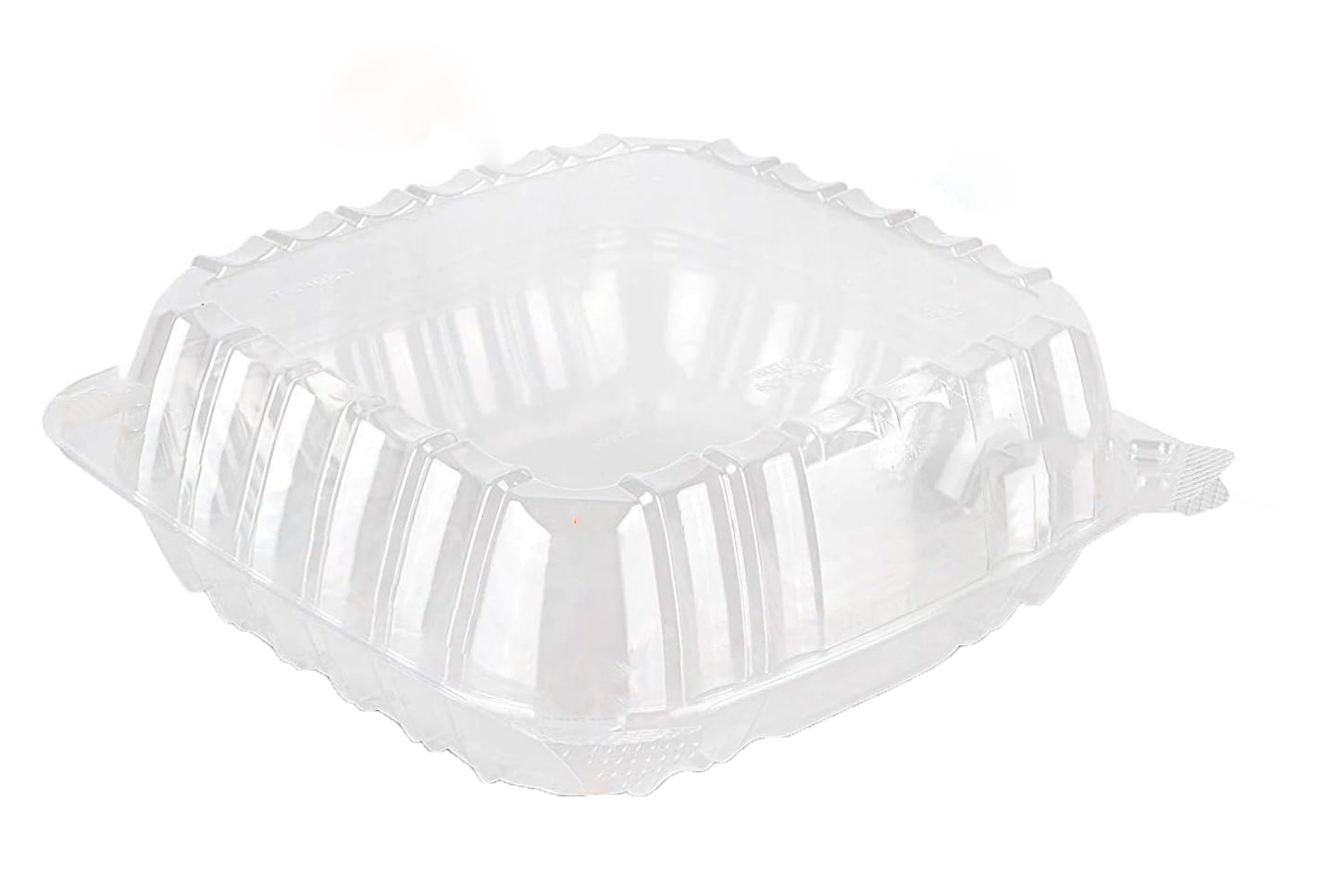
- Storage efficiency: Nestable, compact designs (e.g., CPLA clamshells or molded fiber trays) optimize pallet space—reducing warehouse footprint by up to 30% versus bulkier alternatives.
- Labor optimization: Eliminating dishwashing saves ~50 labor hours monthly per 100-seat venue, freeing staff for front-of-house engagement or prep tasks.
When modeled across a 5-year lifecycle, mid-sized operations realize cumulative savings exceeding $1.2M through reduced utility consumption, lower storage costs, optimized payroll allocation, and avoided capital investment in dishwashing infrastructure.
Matching Disposable Tableware to Your Service Model: Takeout, Events, and Zero-Waste Dine-In
Functional Trade-offs: Clarity vs. Strength, Microwave Safety vs. Compostability, Aesthetics vs. Density
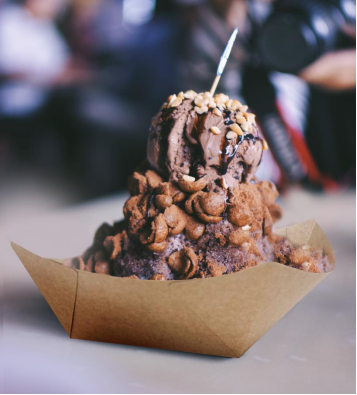
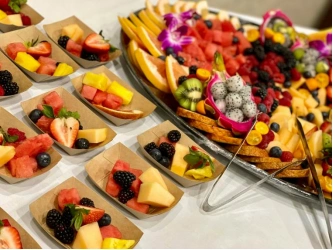
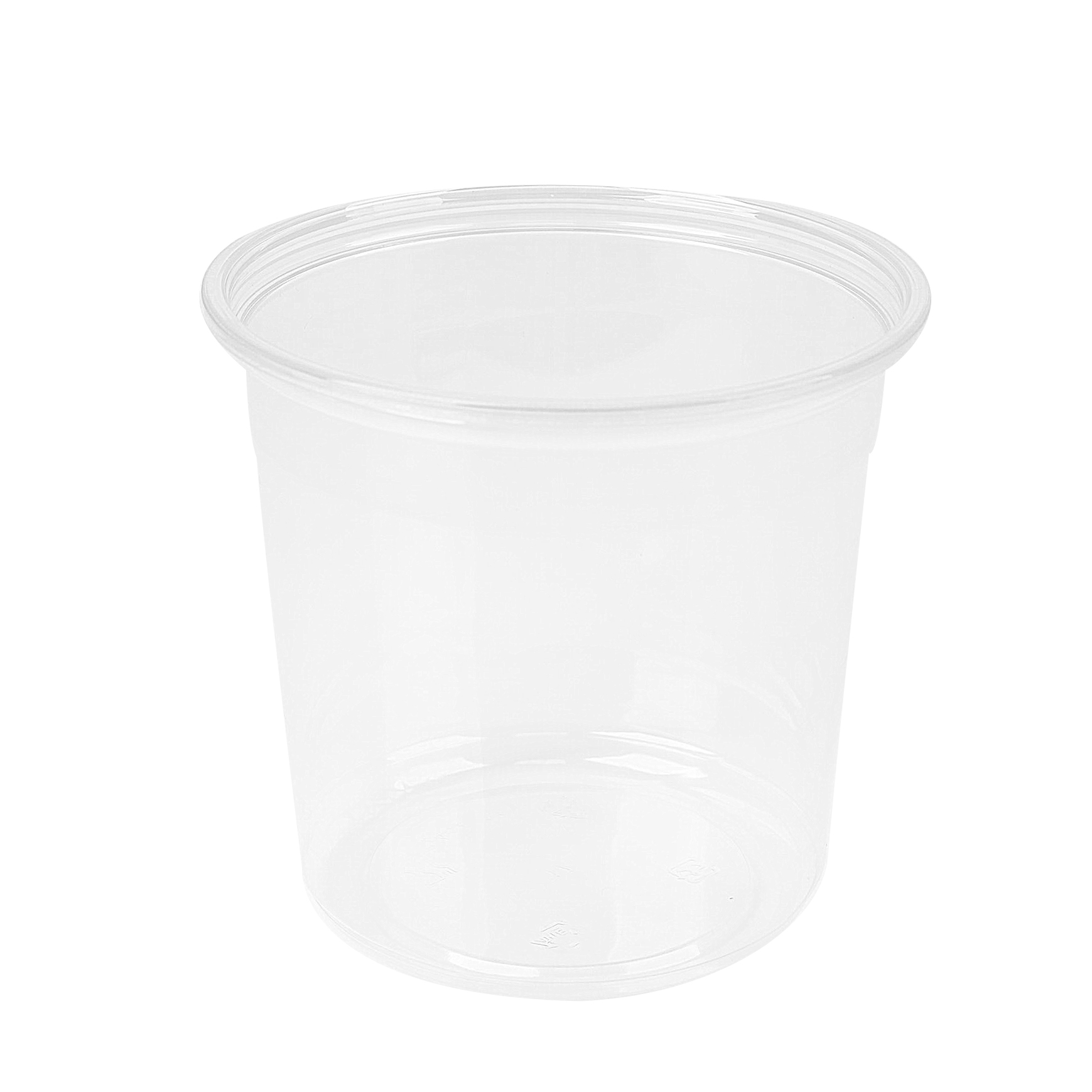
When picking materials, it really matters what they need to do for specific services rather than just going by general green marketing. Takeaway containers need to hold up against heat and oil, so things like dense molded fiber or CPLA work best for keeping those greasy meals intact while on the way home. For events where looks count, palm leaves and wheat straws bring that special texture and earthy charm, but they aren't great for microwaving because they don't pack quite as tightly. The toughest choices come with zero waste dining setups. Items certified under EN 13432 standards just don't look as clear as regular PET plastic does. And PCR paper sometimes shows those little bits of fiber floating around. Still there are good alternatives out there with BPI or TUV certifications that actually decompose properly at the end of their life cycle without making guests feel like something is missing from their meal.
| Trade-off Factor | Priority for Service Model | Recommended Material Type |
|---|---|---|
| Clarity vs. Strength | Beverage-heavy events | Thickened PLA with rib support |
| Microwave Safety vs. Compostability | Hospital/office meal programs | Bagasse (BPI-certified) |
| Aesthetics vs. Density | Wedding/formal catering | Palm leaf (lighter, ornate) |
Ultimately, matching material properties to operational reality—choosing CPLA for hot delivery, palm leaf for upscale events, or bagasse for healthcare settings—delivers both environmental accountability and functional reliability.
FAQ
What is the difference between PLA and CPLA?
PLA is a standard biobased plastic that can warp above 50°C, whereas CPLA is crystallized PLA, which can handle temperatures up to 95°C and is more suitable for hot food containers.
What does EN 13432 certification ensure?
EN 13432 certification ensures that a product will fully break down within about 12 weeks in industrial composting facilities and leaves no toxic residues or microplastics.
Are palm leaf plates really eco-friendly?
Yes, palm leaf plates are made from naturally fallen leaves, require no additional coatings, and offer natural water resistance, making them an eco-friendly option.
Why is third-party verification important for compostable products?
Third-party verification helps distinguish genuinely compostable products from those using misleading labels, ensuring they meet the necessary environmental impact reduction standards.
Table of Contents
-
Eco-Friendly Disposable Tableware Materials: Performance, Certifications, and Innovation
- Comparative Performance of Leading Biobased Materials (Bagasse, PLA, CPLA, Molded Fiber)
- EN 13432 Certification vs. Greenwashing: What ‘Compostable’ Really Means in Practice
- Next-Gen Alternatives: Palm Leaf, Wheat Straw, and Post-Consumer Recycled Paper
- Durability of Disposable Tableware Under Real Food Service Conditions
- Cost-Effectiveness of Disposable Tableware: Beyond Unit Price to Total Operational Impact
- Matching Disposable Tableware to Your Service Model: Takeout, Events, and Zero-Waste Dine-In
- FAQ