
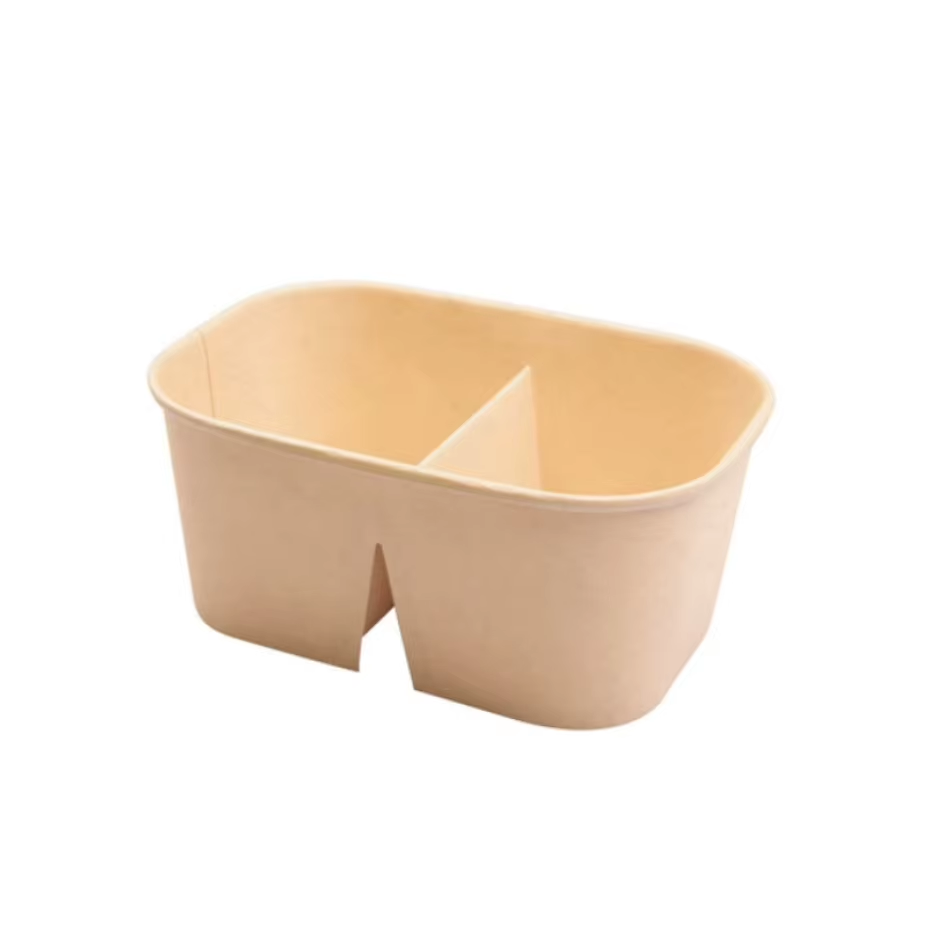
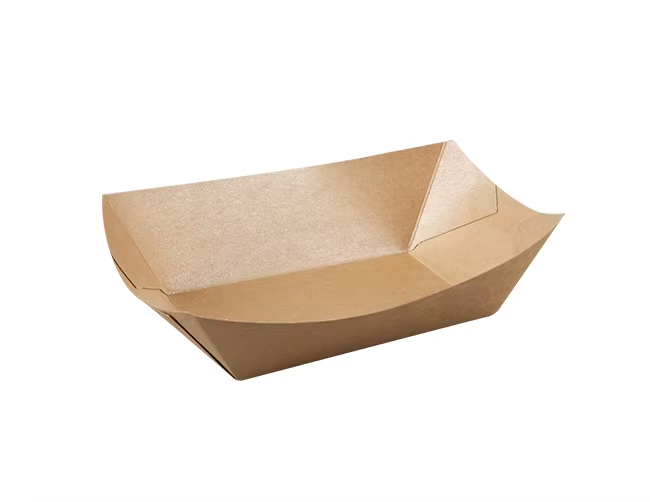
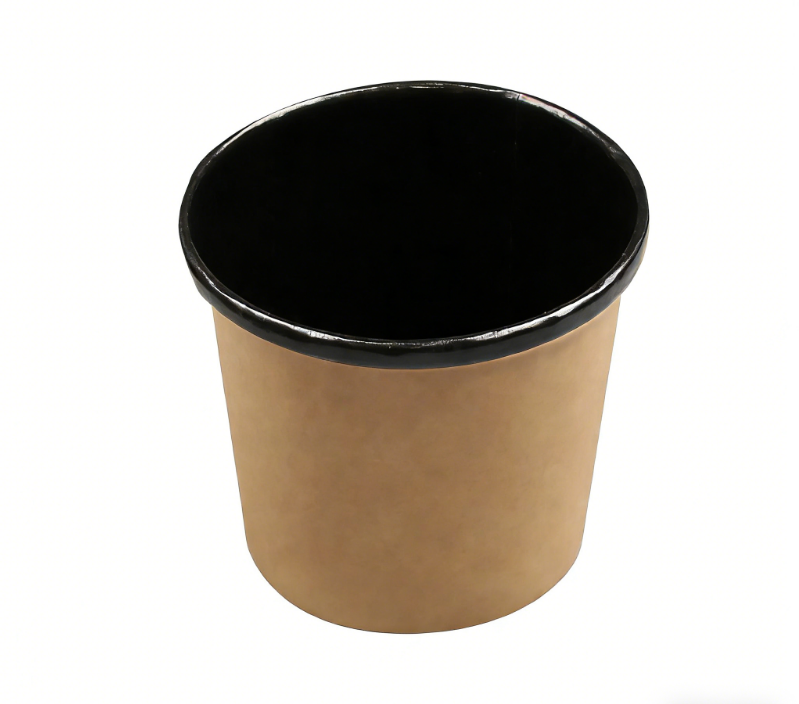
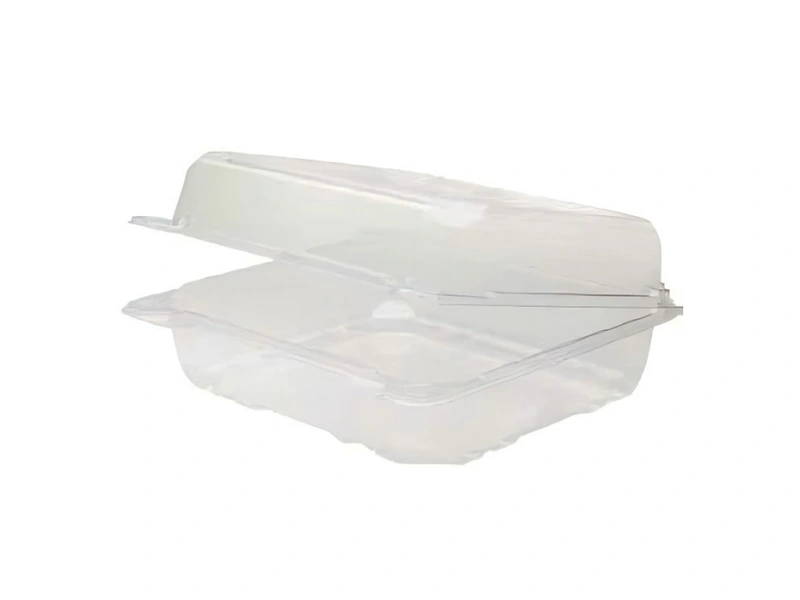
FDA-Approved plastic containers for food: Understanding Resin Codes #1–#7
How Resin Identification Codes Relate to Food-Contact Safety and Compliance
Resin ID codes (RICs) from 1 to 7 help figure out what kind of plastic something is made from, but these numbers don't mean the item is safe to touch food. Take PET (#1), it works great at keeping drinks fresh by blocking moisture and oxygen. HDPE (#2) stands up well against chemicals in milk jugs and similar containers. However, just seeing one of these codes tells us absolutely nothing about whether the plastic meets food safety standards. The Food and Drug Administration makes those calls after looking closely at everything that goes into making the plastic including all the additives, colors used, and how long and under what temperatures it will actually come into contact with food. Sometimes plastics carry these RIC labels yet remain dangerous for food contact when certain ingredients start moving into the contents during normal storage or when heated in home kitchens.
Regulatory Foundation: 21 CFR Parts 174–178 and FDA Clearance Pathways
The FDA regulates food-contact plastics under 21 CFR Parts 174–178, which set strict limits on substance migration to prevent health risks. Two primary clearance pathways exist:
- Food Contact Notifications (FCNs) require manufacturers to submit comprehensive migration data from simulated-use testing—such as exposure to acidic, fatty, or alcoholic foods at elevated temperatures.
- The Threshold of Regulation (TOR) exemption applies only to substances with estimated dietary exposure below 0.5 parts per billion, provided no toxicological concerns exist.
Compliance hinges on demonstrating chemical stability across realistic conditions—not just lab idealism. For instance, phthalates used as plasticizers in some flexible packaging must be rigorously assessed for leaching into high-fat foods like cheese or cooking oil, where migration risk is significantly amplified.
The #7 'Other' Category: Distinguishing Safe Alternatives from BPA-Containing Polycarbonate
The seventh category covers all sorts of plastics that don't have their own specific recycling codes these days, ranging from newer safer options to older materials we know aren't so great. Take PLA for instance, made from corn starch, which got the green light from the FDA for things like salads and deli containers but isn't meant for hot foods. Then there's Tritan copolyester, a clear plastic that doesn't break easily, commonly found in water bottles and containers that go in the microwave since it lacks those bisphenol chemicals and can handle being washed in dishwashers over and over again. On the flip side, old school polycarbonate (still listed under #7) used to contain BPA, something bad for our hormones and linked to problems during development and metabolism. While the FDA did ban BPA in baby bottles back in 2012, tiny amounts are still allowed in other food contact items. That means looking for independent "BPA Free" certifications becomes really important if someone wants to use #7 containers for heating food.
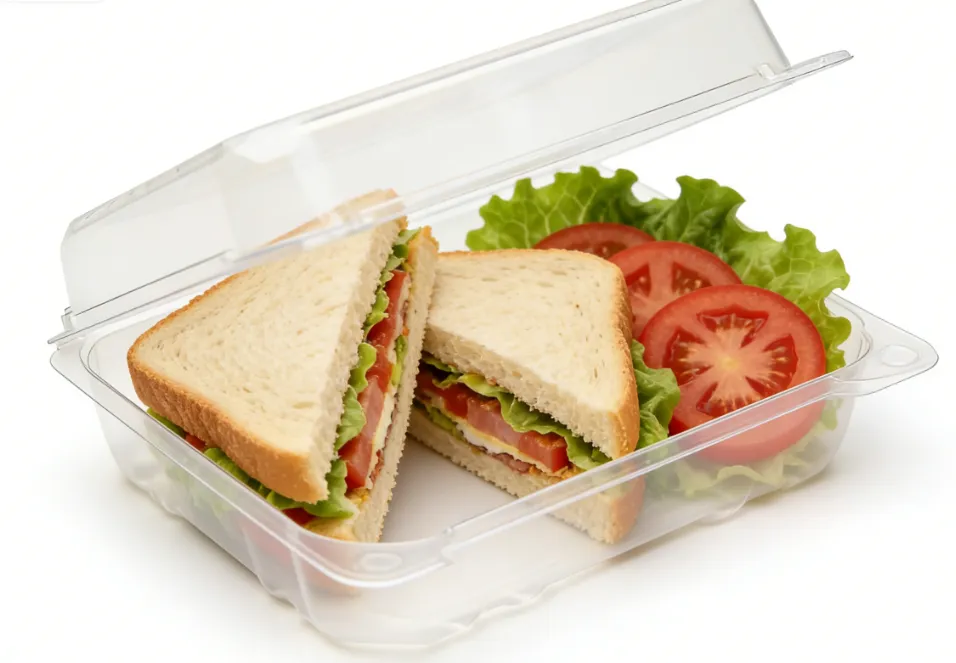
Top 4 Food-Grade Plastics: PET, HDPE, LDPE, and PP in Real-World Food Containers
PET (#1): Clarity and Rigidity for Beverages and Salad Kits — But Not for Reheating
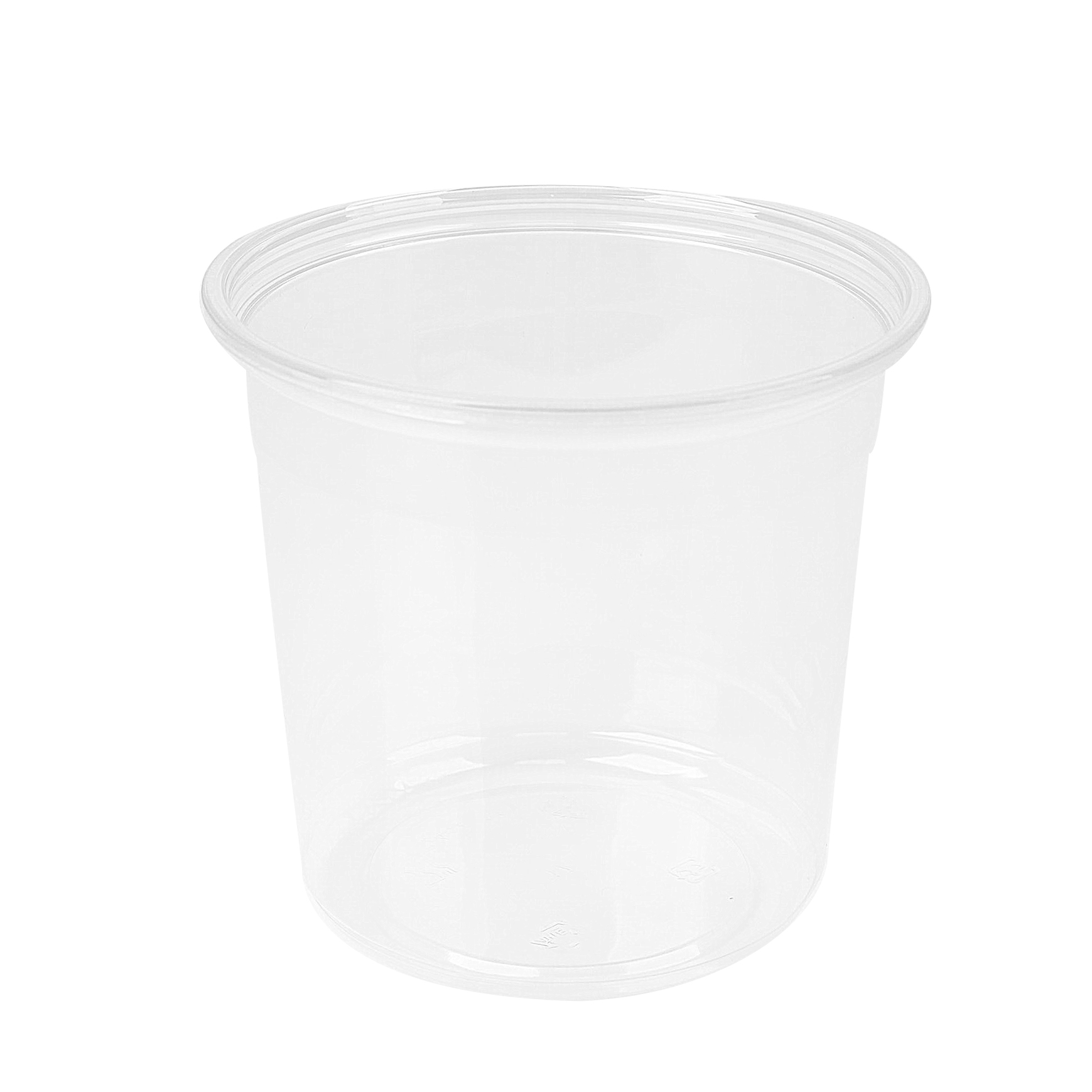
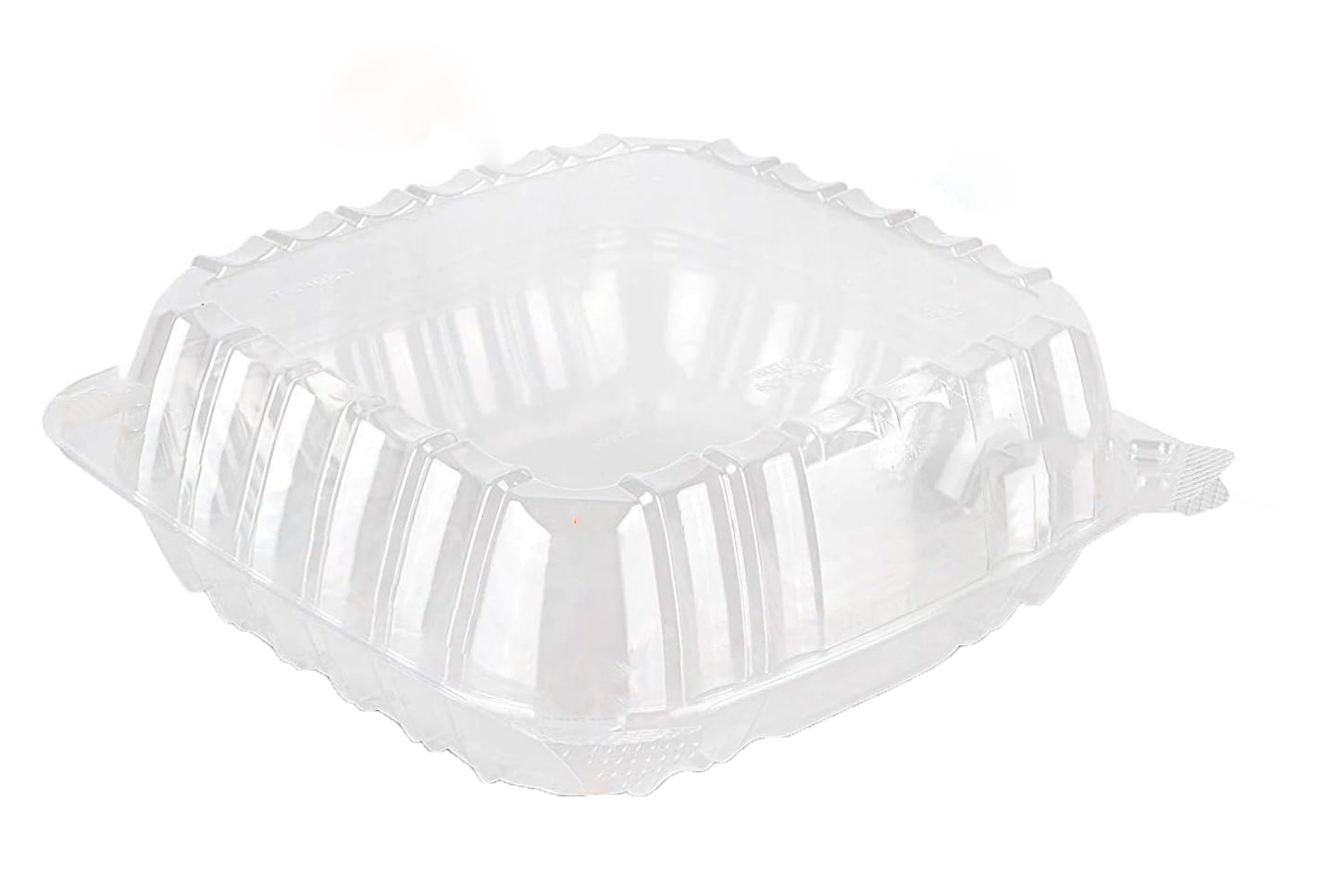
PET plastic offers good transparency, decent strength, and works well as a barrier against both moisture and oxygen, which makes it popular for things like drink bottles, pre-packaged salads, and those clear clamshell containers we see everywhere. The downside though? PET doesn't handle heat very well at all. Its maximum safe temperature is around 60 degrees Celsius or about 140 Fahrenheit. When people put these containers in the microwave or fill them with something hot, the material starts breaking down faster than normal. This breakdown can cause antimony trioxide, one of the chemicals used to make PET, to leach out into whatever's inside. That's why most regulations specifically state that PET shouldn't be used repeatedly or exposed to high temperatures when containing food items. A simple rule of thumb: if it came in a PET container, don't try to reheat whatever was inside in that same container.
HDPE (#2) and LDPE (#4): High Barrier Performance for Dairy, Sauces, and Flexible Produce Bags
HDPE is known for its excellent resistance to chemicals plus good rigidity, which is why most milk containers, juice bottles, and those yogurt cups are made from it. Then there's LDPE, which bends better and doesn't break so easily. That makes it great for things like ketchup bottles, plastic bags for bread, and wrapping around fruits and veggies at the store. These materials don't absorb flavors either, and they hold up pretty well when temperatures change. HDPE works fine even when heated to about 120 degrees Celsius (that's roughly 248 Fahrenheit). LDPE can handle colder stuff too, staying intact from minus 50 Celsius all the way up to 80 Celsius (around minus 58 to 176 Fahrenheit). The reason these plastics work so well with food is because their molecules pack together tightly, keeping them from reacting with acids or fats. This means food stays fresh longer without picking up weird tastes or getting contaminated somehow.
PP (#5): The Go-To Material for Microwave-Safe Meal Prep and Hot-Fill Containers
Polypropylene, or PP as it's often called, really shines when it comes to staying stable under heat compared to other plastics we commonly find in food packaging. This material keeps its shape pretty well across quite a temperature range, from about minus 20 degrees Celsius all the way up to 120 degrees Celsius. What makes this possible is something called a semi crystalline structure that gives PP good protection against things like grease, acidic foods, and even steam pressure. That's why we see so many microwave safe containers made from polypropylene these days, along with those little yogurt cups and soup packages that get filled while still hot around 93 degrees Celsius. Research published in scientific journals shows that PP doesn't release much in the way of harmful chemicals known as volatile organic compounds, even if someone puts leftovers in the same container several times. For people who need dependable plasticware for heating meals either commercially or at home, polypropylene remains one of the best bets available today.
Functional Requirements That Dictate Plastic Selection for Food Containers
Heat Resistance and Thermal Stability: Matching Material to Use Case (Chilling — Microwaving — Hot-Filling)
Selecting the right plastic for food containers demands precise alignment between material properties and thermal demands:
- Chilling/freezing (-20°C): PP and LDPE retain flexibility and impact resistance; PET and PS become brittle.
- Microwaving (95–100°C): Only PP is routinely FDA-cleared for repeated microwave use due to its consistent dimensional stability and low migration profile under steam pressure.
- Hot-filling (¥85°C): PET requires post-molding crystallization to withstand brief high-heat exposure, whereas PP tolerates sustained temperatures up to 120°C—making it preferred for retort-style packaging.
Manufacturers validate these capabilities using ASTM D794 (thermal deformation) and ASTM D4101 (impact resistance after thermal cycling) to ensure containers won’t warp, crack, or leach under operational stress.
Chemical Migration Risks: How Fat Content, Temperature, and Contact Time Influence Safety
Chemical migration is not static—it intensifies dramatically under three interrelated conditions:
- High-fat foods (e.g., oils, butter, cheese) dissolve plasticizers and stabilizers up to 50% faster than water-based foods.
- Elevated temperatures (30°C) exponentially increase molecular diffusion rates—doubling migration potential with every 10°C rise.
- Extended contact time (30 days) raises cumulative exposure, especially critical for shelf-stable products.
To address this, FDA and EU regulators mandate migration testing under worst-case but realistic scenarios—such as storing olive oil in PET at 40°C for 10 days—to verify compliance with safety thresholds for endocrine disruptors like phthalates and non-intentionally added substances (NIAS).
Why Some Plastics Are Avoided: PS (#6) and PVC (#3) Limitations in Food Container Applications
Both PVC (#3) and PS (#6) plastics are running into trouble in food packaging because people have been finding out about their health and environmental problems for years now. Take PVC for instance. We used to see it everywhere from cling wrap to those clear sauce bottles at the grocery store. But here's the thing - it often has these phthalate additives that just love to leach into fatty or acidic foods, especially if they're heated up. And guess what? Those chemicals mess with our hormones and might even cause cancer according to some studies. Then there's polystyrene, which shows up in those disposable coffee cups and foam containers for takeout. When hot or acidic stuff touches this material, it releases something called styrene monomer. The World Health Organization actually lists styrene as possibly carcinogenic to humans, though they stop short of saying it definitely causes cancer. Still, enough reason to think twice about what kind of plastic we're putting our food in.
Pediatricians from the American Academy have made it clear that parents should steer clear of storing food in #3 and #6 plastics, particularly when it comes to little ones eating from these containers. These materials tend to leach chemicals into what we eat and drink at higher rates than other plastics. When it comes to recycling, both types create headaches for waste management systems. Take PVC for instance—it spews out dangerous chlorine gas and dioxins when melted down, which is why many cities simply won't accept it in their recycling bins. Then there's polystyrene foam (PS), which takes up way too much space in landfills. Despite being produced in such small quantities compared to other plastics, PS makes up about 35% of all landfill weight in the United States. That's pretty shocking when you think about it. Smart companies are starting to swap out these problematic plastics for better options like polypropylene (#5) and polyethylene terephthalate (#1). These alternatives work just as well for most applications while keeping everyone safe and meeting all the necessary regulations.
FAQ
What are Resin Identification Codes (RICs)?
Resin Identification Codes (RICs) are numbers from 1 to 7 that indicate the type of plastic material used to make a product. They help in identifying the composition of the plastic but do not guarantee its safety for food contact.
What are the safety concerns with plastics labeled #7?
The #7 category encompasses a wide range of plastics. Some, like Tritan copolyester, are considered safe, while others, like older polycarbonate containing BPA, pose health risks. It's crucial to look for "BPA Free" certifications when choosing #7 plastics for food contact, especially if heating is involved.
Why are PVC (#3) and PS (#6) problematic for food packaging?
PVC and PS have been found to leach harmful chemicals like phthalates and styrene, which can pose health risks. Furthermore, these plastics are challenging to recycle and contribute significantly to environmental pollution. Safer alternatives such as PP (#5) and PET (#1) are recommended.
Which plastics are considered safe for plastic containers for food?
PET (#1), HDPE (#2), LDPE (#4), and PP (#5) are generally considered safe for food contact. However, compliance with safety standards is determined by the FDA based on various factors, such as additives, conditions of use, and potential for chemical migration.
Table of Contents
- FDA-Approved plastic containers for food: Understanding Resin Codes #1–#7
- Top 4 Food-Grade Plastics: PET, HDPE, LDPE, and PP in Real-World Food Containers
- Functional Requirements That Dictate Plastic Selection for Food Containers
- Why Some Plastics Are Avoided: PS (#6) and PVC (#3) Limitations in Food Container Applications
- FAQ