


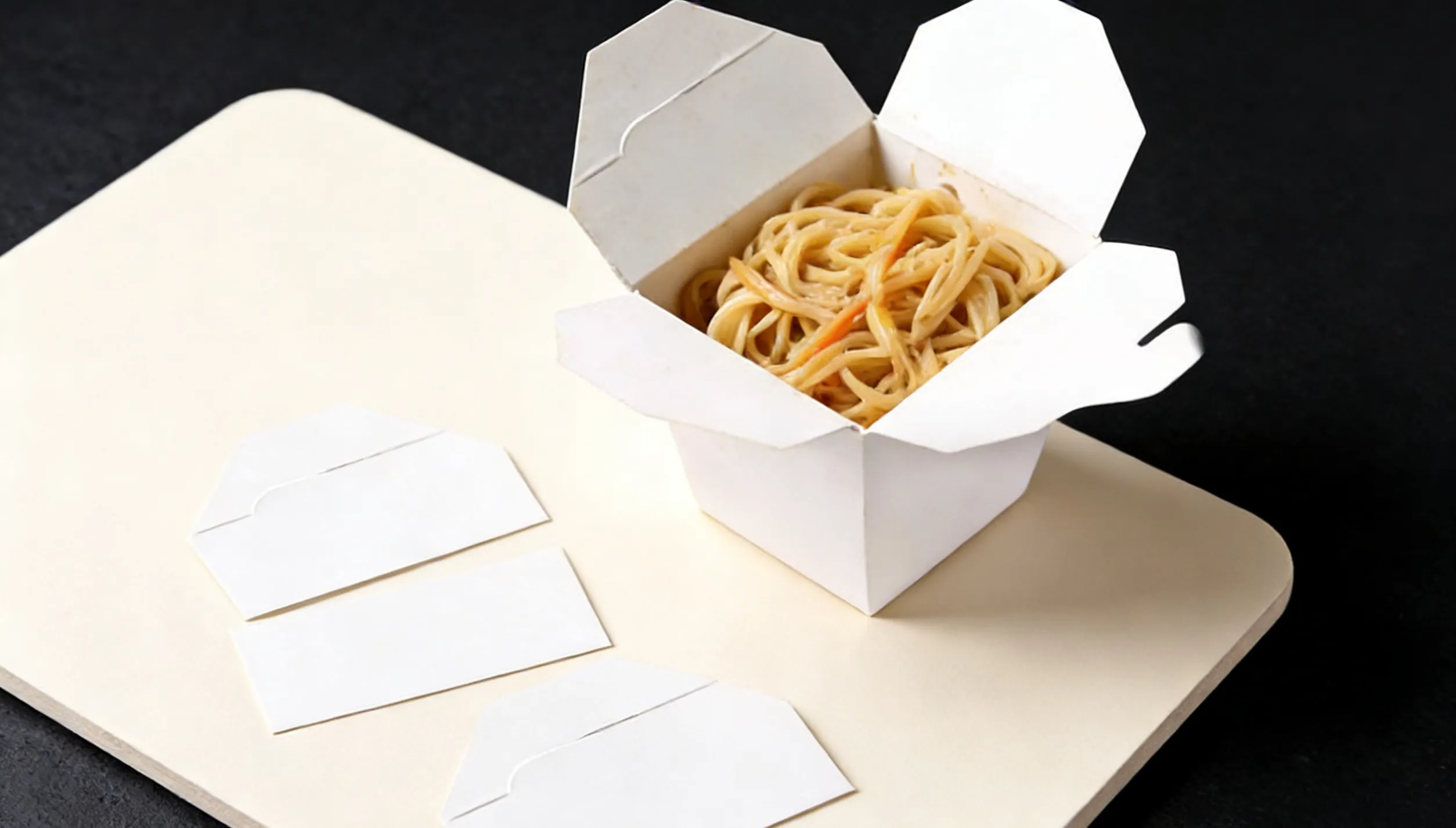
Why the Choice Between Kraft Paper and Ivory Board Shapes the Whole Package
Kraft paper and ivory board sit close together in most paper materials catalogues, and buyers often treat them as interchangeable grades separated only by colour. The difference runs deeper. One is built for strength and tolerance of rough handling, the other for surface quality and brand reproduction, and the choice of paper packaging material determines how a package performs long before anyone sees the print.
Paper materials used in packaging are described by pulp, coating and finish rather than by a single property, so a heavier grade is not automatically stronger and a whiter sheet is not automatically better for printing. A buyer who compares only grammage will usually end up with a package that is either overbuilt or under-protected.
This comparison uses the three questions that decide most packaging projects: how much strength the structure needs, how much print fidelity the brand needs, and which applications reward one over the other. It closes with the specification fields that keep a chosen grade consistent from one order to the next.
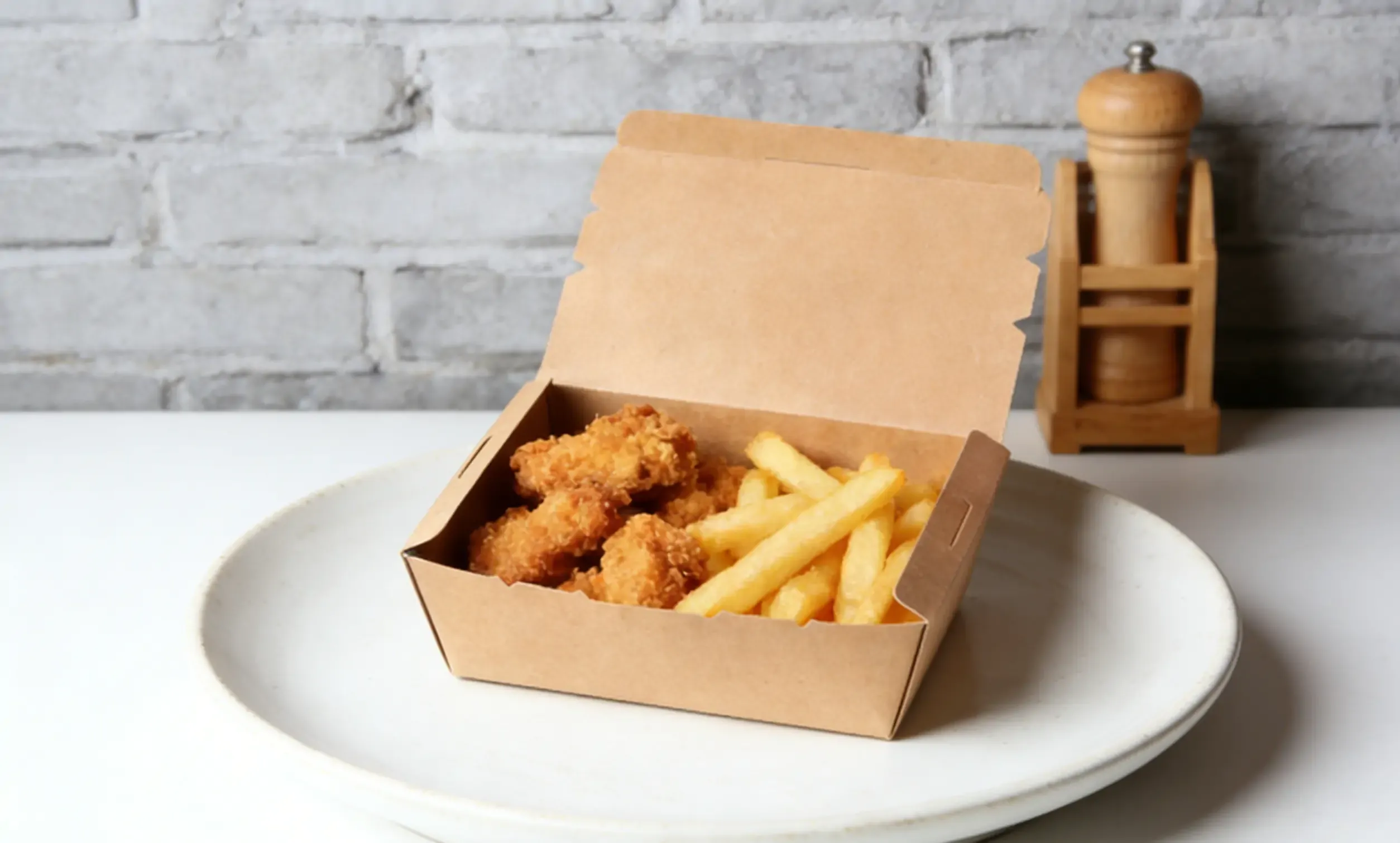
Strength Compared at the Fibre Level
Strength in paper materials is a balance of tear, burst and stiffness rather than a single number, and the two paper materials distribute those properties differently.
Tear, Burst and Stiffness in Practice
Kraft paper is produced from sulphate pulp, which leaves long fibres intact and gives the sheet high tear and burst resistance. That matters in bags, wraps and trays folded, twisted or carried by a handle, where a tear propagates quickly in short-fibre sheet. Ivory board, by contrast, is a coated boxboard built around stiffness and surface, so it holds a shape well and resists bending across a panel, but it tolerates edge damage less gracefully.
In practice, kraft paper often survives handling that would crack a comparable ivory board panel, while ivory board produces a firmer carton at the same thickness. Buyers weighing paper materials should specify the property the package is loaded in, not the thickest sheet available.
Where Moisture and Grease Change the Ranking
Neither grade resists water or fat on its own, and moisture reverses the usual ranking quickly. Paper strength falls as fibre absorbs water, and a kraft structure that is stronger when dry can lose that advantage in a chilled or humid environment. Ivory board suffers differently: its coated surface can blister or delaminate once water reaches the interface between coating and board.
Any food packaging paperboard therefore needs a barrier decision alongside the choice between these paper materials. Uncoated kraft suits dry goods and short-contact service; ivory board suits chilled retail cartons when the coating is continuous. Where grease is present, the barrier rather than the base sheet usually decides whether the package fails.
Print Quality and Brand Reproduction
Print is where the two grades separate most visibly, and where a cost saving on board can quietly become a cost increase on ink.
Whiteness, Smoothness and Ink Laydown
Ivory board is a coated white board with high brightness and a smooth surface, so ink sits on the coating rather than sinking into fibre. Halftones hold their detail, fine type stays legible, and brand colours reproduce close to the proof. For a retail carton carrying a small logo, this decides whether the pack looks shelf-ready or merely printed.
Kraft paper is unbleached and naturally brown, with a more open surface. Ink absorbs unevenly, dot gain rises, and colours shift toward the substrate, which is why kraft printing usually relies on a white primer or on a design that treats the brown as part of the palette.
When Kraft's Surface Becomes a Design Constraint
The constraint is real but manageable. A brand that wants photographic reproduction on kraft paper is fighting the material, while a brand that wants a natural, textured look finds kraft cheaper to print because it needs fewer passes. The design decision on either of these paper materials should be made with the board in hand rather than on a colour proof, since the same artwork reads very differently on a coated white surface and an uncoated brown one.
Buyers comparing paper materials for a relaunch should ask for printed samples on the actual grade. A proof approved on ivory board says nothing about how the same file behaves on kraft paper, and reprinting a run costs more than approving the right substrate early.
Matching Paper Materials to Packaging Applications
Application fit across paper materials follows from the property each grade protects, and the categories below account for most of the volume in both directions.
Bakery, Takeaway and Structural Formats
Kraft paper dominates formats where the package is folded, carried and often discarded within the hour: bakery bags, cup sleeves, wrap, takeaway boxes and trays. Its tear resistance and tolerance of creasing matter more than surface brightness in these settings, and the natural tone reads as appropriate for artisan and takeaway positioning.
These formats also tolerate a simpler print programme, which keeps cost aligned with a low unit value. A bakery bag printed in one colour on kraft paper often looks more deliberate than the same bag printed in four colours on a coated sheet.
Retail Cartons and Premium Presentation
Among paper materials, ivory board belongs where the package is displayed, handled before purchase and expected to carry a brand promise: dessert cartons, gift boxes, confectionery and premium food packaging paperboard where the outer surface is part of the product. Stiffness keeps the carton square on shelf, and the coated surface supports the finish a retail buyer expects.
The trade with these paper materials is cost and fragility. Ivory board costs more per tonne than standard kraft, and its coated surface shows scuffs and edge damage more readily in transit. Brands choosing it for presentation should budget for protective outer packaging rather than assume the carton arrives flawless.
Specification and Sourcing Discipline
Two suppliers can quote the same grade name and deliver sheets that behave differently, so any paper packaging material decision has to be written in measurable terms.
Fields That Separate Two Kraft Grades
Fix the pulp type, grammage with tolerance, burst and tear values, Cobb value if the sheet contacts moisture, and the colour target with an agreed tolerance, since natural kraft varies between batches by design. Add the coating or barrier specification and confirm whether it covers cut edges and seams.
For ivory board, fix brightness, coating weight per side, stiffness in the machine and cross directions, and the shade of white. These fields turn a grade name into a comparable offer, and they give a buyer a defensible position when a delivery arrives softer or darker than the approved sample.
Certification and Food-Contact Documentation
Food packaging paper materials require documentation, not assurances. Ask for the food-contact declaration, the fibre sourcing certificate where a chain-of-custody claim is being made, and confirmation that recycled content, if any, is not post-consumer fibre in direct food contact. Keep these documents attached to the purchase order.
Documentation also protects the brand's own claims. A package marketed as recyclable or responsibly sourced needs a paper trail behind the wording, and that trail starts with the mill certificate.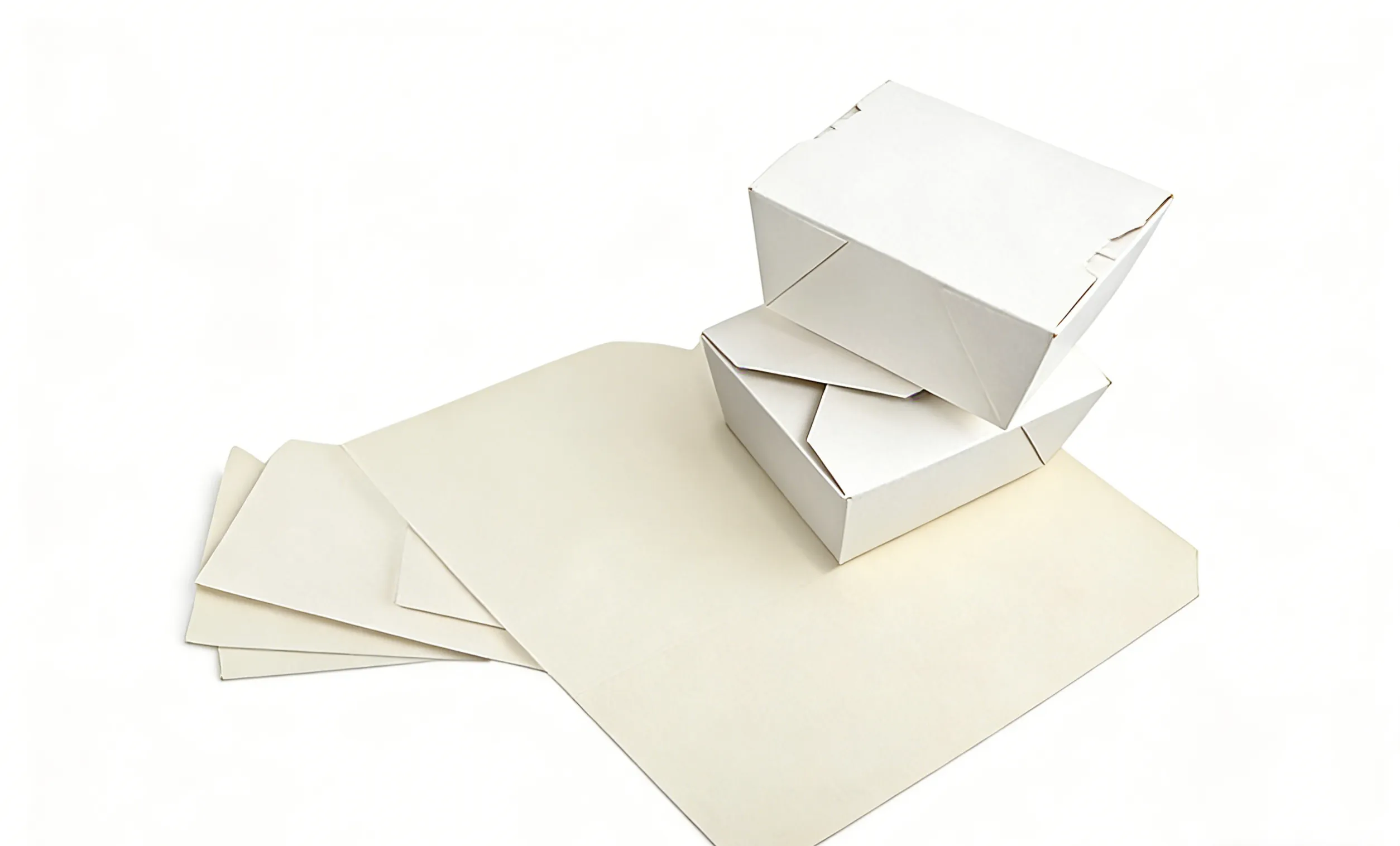
FAQ
Is kraft paper stronger than ivory board?
It depends which strength is being measured when paper materials are compared. Kraft paper generally wins on tear and burst resistance because its long fibres resist propagation of a tear, which is why it dominates bags, wraps and handled formats. Ivory board generally wins on stiffness across a panel, which is what keeps a carton square on a shelf. A buyer should specify the load case first and then compare values, rather than treating grammage as a proxy for strength.
Can ivory board be used for food packaging?
Yes, provided the food-contact layer is specified correctly. Ivory board is one of the paper materials widely used for chilled and ambient food cartons, but the coated surface is not a barrier by itself, and direct contact with moist or fatty food requires a suitable coating or an inner liner. The grade also needs a food-contact declaration covering the coating chemistry, not only the base board. Ask separately about the pigment system, since colourants sit on the food-contact side of a printed carton more often than buyers expect.
Which paper materials suit a brand that needs both print quality and strength?
The usual answer is a split specification rather than a single sheet: ivory board for the printed outer carton and kraft paper for the structural or handled elements. Where one sheet must do both jobs, a coated board with adequate stiffness is generally the safer compromise, and the brand should accept either higher cost or reduced print fidelity rather than assume both can be maximised at once. Splitting the specification usually costs less than over-specifying a single grade.