


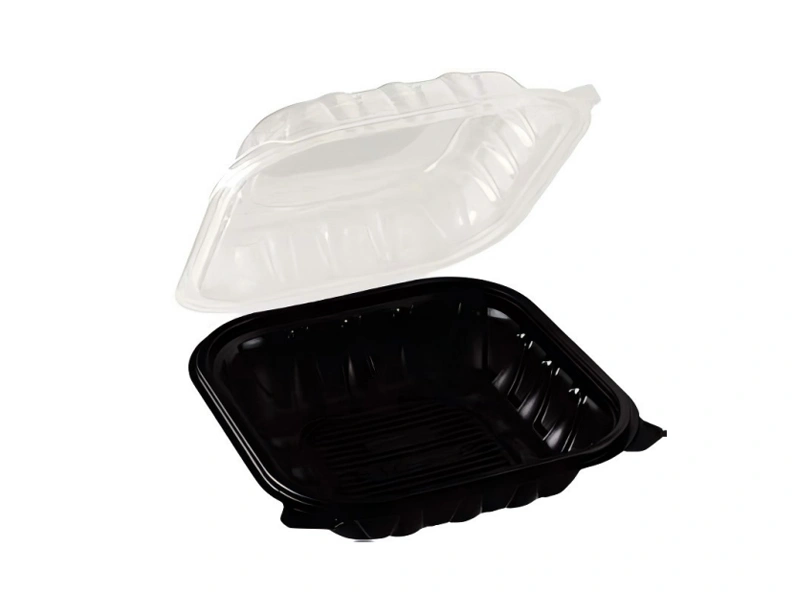
The packaging industry stands at a crossroads where environmental responsibility and practical functionality must be carefully balanced. Among the most debated choices facing food service operators, retailers, and manufacturers today is the selection between plastic and paper clamshell containers. This decision extends far beyond simple material preference, encompassing complex considerations around carbon footprints, recyclability, food safety, consumer perception, and total lifecycle environmental impact. Understanding these sustainability trade-offs requires examining not just the end-of-life disposal scenario, but the entire production chain, transportation logistics, performance characteristics, and real-world usage patterns that define how clamshell containers impact our environment.
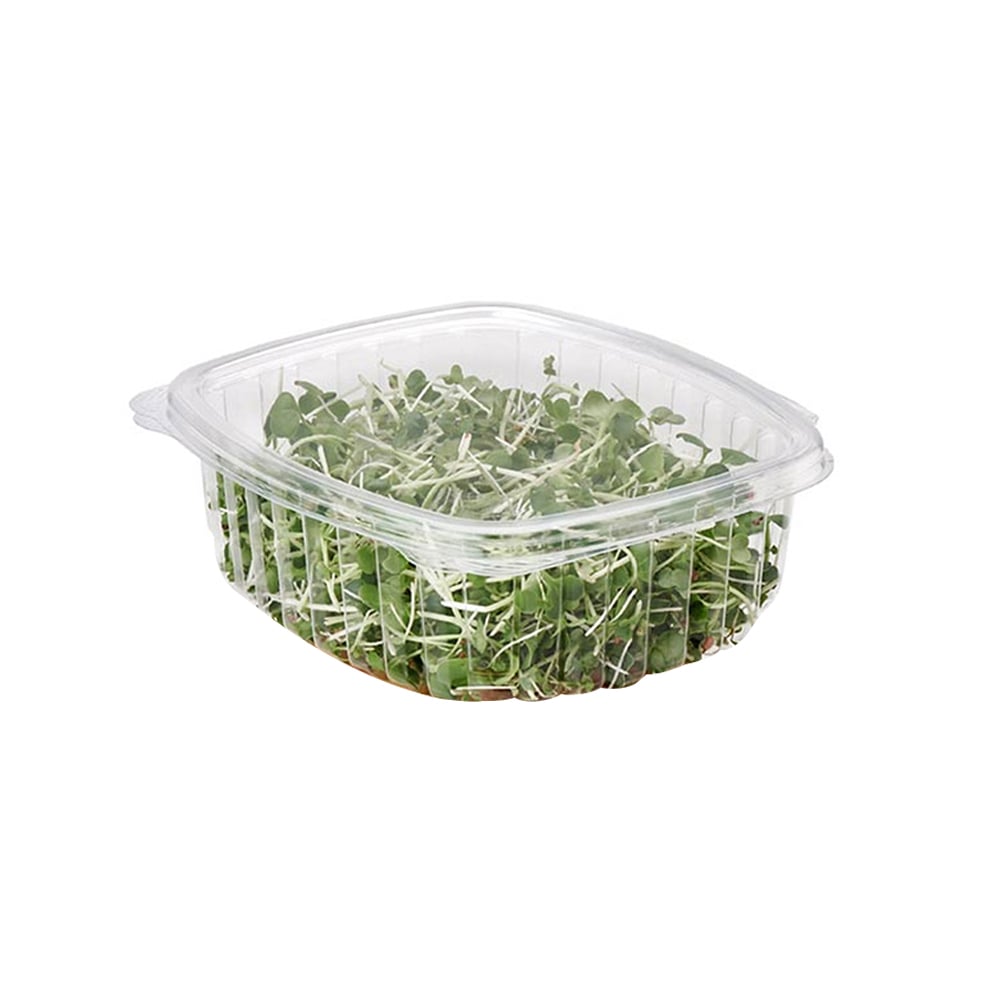
Both plastic and paper clamshell containers present distinct environmental profiles that challenge simplistic assumptions about which material is inherently superior. Plastic variants often derive from petroleum-based polymers, raising concerns about fossil fuel dependence and persistent environmental contamination. Paper alternatives, while appearing more natural, carry their own environmental burdens through forestry practices, water-intensive manufacturing processes, and chemical treatments required for moisture resistance. The sustainability equation becomes even more nuanced when factoring in regional recycling infrastructure, contamination rates in waste streams, transportation weight differentials, and the functional performance that determines whether food reaches consumers safely or becomes waste itself. This comprehensive analysis dissects these competing environmental considerations to provide decision-makers with the detailed understanding necessary for making informed choices aligned with genuine sustainability objectives.
Manufacturing Impact and Resource Extraction Realities
Raw Material Sourcing for Plastic Clamshell Containers
Plastic clamshell containers predominantly utilize polyethylene terephthalate, polypropylene, or polystyrene polymers derived from petroleum feedstocks. The extraction and refining of crude oil necessary for plastic production involves significant energy consumption and generates substantial greenhouse gas emissions during both drilling operations and petrochemical conversion processes. However, modern plastic manufacturing has achieved remarkable material efficiency, with contemporary clamshell containers requiring minimal raw material due to advanced forming technologies that create thin-walled yet structurally sound packaging. The petroleum industry's established global infrastructure means plastic precursors can be sourced and transported relatively efficiently, though this dependency on fossil fuels raises legitimate concerns about resource depletion and climate impact.
The chemical synthesis required to convert crude oil fractions into food-grade polymers suitable for clamshell containers involves multiple energy-intensive steps including cracking, polymerization, and purification. These processes occur in large-scale facilities where economies of scale can reduce per-unit environmental impact, yet the aggregate carbon footprint remains substantial. Importantly, plastic production technology continues advancing, with some manufacturers incorporating bio-based feedstocks or recycled content into their formulations, though these alternatives currently represent a minority of the market. The consistency and predictability of petroleum-derived plastics make them reliable for high-volume production of clamshell containers that must meet stringent food safety standards across diverse applications.
Forestry Practices Behind Paper Container Production
Paper-based clamshell containers source their primary material from wood pulp, which ties their environmental profile directly to forestry management practices. Responsible manufacturers increasingly rely on certified sustainable forests where harvest rates match or fall below regeneration rates, creating a theoretically renewable resource cycle. However, the reality of paper production involves more complexity than simple tree farming. Converting timber into pulp suitable for molded fiber clamshell containers requires mechanical grinding or chemical digestion processes that consume substantial energy and water while generating organic waste streams. The pulping process typically uses either kraft chemical methods or thermomechanical approaches, each carrying distinct environmental signatures in terms of chemical usage, energy demand, and effluent characteristics.
Beyond the immediate forestry operation, paper production for clamshell containers involves transportation of bulky, heavy timber from harvest sites to processing mills, adding transportation-related emissions to the environmental ledger. The infrastructure requirements for paper manufacturing include massive water treatment systems to handle process water, substantial energy inputs for drying operations, and chemical management for bleaching and strength additives. While paper advocates correctly note the renewable nature of well-managed forests, the manufacturing intensity required to transform wood into functional food packaging cannot be overlooked. Modern paper clamshell containers often incorporate coatings or treatments to achieve moisture resistance comparable to plastic alternatives, introducing additional chemical processes and potentially complicating end-of-life recycling scenarios.
Energy Intensity Across Manufacturing Stages
Comparing the energy demands of plastic versus paper clamshell containers reveals surprising nuances that challenge conventional assumptions. Plastic manufacturing generally requires less total energy per unit weight of finished product, particularly when considering the efficiency of modern injection molding or thermoforming processes. The relatively low temperatures needed to shape thermoplastic materials into clamshell containers, combined with rapid cycle times and minimal material waste, contribute to favorable energy profiles. However, this efficiency advantage must be weighed against the embodied energy in petroleum feedstocks themselves and the non-renewable nature of fossil energy sources commonly powering plastic production facilities.
Paper clamshell containers typically demand higher energy inputs per unit, primarily due to the water removal required during pulping, forming, and drying stages. The process of converting wet pulp slurry into solid molded fiber packaging requires substantial thermal energy, often supplied by burning biomass residues from the pulping process itself. This biomass energy source provides some renewable energy offset, though the net energy balance remains less favorable than optimized plastic production. Additionally, paper manufacturing generates significant process heat that can be recovered and utilized, improving overall energy efficiency in well-designed facilities. The geographic location of manufacturing facilities significantly impacts the sustainability profile, with access to renewable electricity, combined heat and power systems, and efficient logistics networks all influencing the ultimate environmental footprint of both plastic and paper clamshell containers.
Performance Characteristics and Food Waste Prevention
Moisture Barrier Properties and Product Integrity
The functional performance of clamshell containers directly impacts sustainability through their ability to prevent food waste, often the largest environmental burden in the food packaging system. Plastic clamshell containers excel at moisture barrier protection, maintaining food quality and extending shelf life through their inherent hydrophobic properties. This moisture resistance proves especially critical for fresh produce, prepared foods, and refrigerated items where humidity control prevents premature spoilage and maintains visual appeal. The superior barrier properties of plastic materials mean products packaged in these clamshell containers often experience lower spoilage rates during distribution and retail display, potentially offsetting the packaging material's environmental impact through avoided food waste.
Paper-based clamshell containers face inherent challenges with moisture management due to paper's naturally hygroscopic character. Manufacturers address this limitation through various coating technologies including wax applications, biopolymer films, or fluorochemical treatments, each introducing additional environmental considerations. These treatments can achieve adequate moisture resistance for many applications, though generally not matching the comprehensive barrier properties of plastic alternatives. The performance gap becomes particularly evident in high-humidity environments, extended storage periods, or applications involving moist or oily foods. When paper clamshell containers fail to adequately protect contents, resulting in increased food waste, the environmental cost of that spoilage typically exceeds any benefit from choosing a seemingly more sustainable packaging material.
Structural Strength and Transportation Efficiency
The mechanical strength of clamshell containers influences sustainability through packaging material requirements and transportation logistics. Plastic containers achieve remarkable strength-to-weight ratios, allowing thin-walled designs that minimize material consumption while providing adequate protection during handling and stacking. This lightweight characteristic translates to transportation efficiency, with more units fitting in shipping containers and reduced fuel consumption per delivered package. The flexibility of plastic materials also provides impact resistance, allowing clamshell containers to absorb handling stresses without cracking or breaking, which reduces packaging waste from damaged units and protects contents from compromise.
Paper clamshell containers generally require thicker walls and more material to achieve comparable structural integrity, resulting in heavier individual units despite paper's lower density compared to plastic. This weight differential impacts transportation emissions, though the magnitude depends on specific product designs and shipping distances. Molded fiber containers demonstrate good compressive strength when dry, making them suitable for stacking, but may lose structural integrity when exposed to moisture or condensation. The bulkier profile of paper clamshell containers can reduce packaging density in shipping configurations, potentially requiring more trips or larger vehicles for equivalent product quantities. These logistics considerations form part of the comprehensive sustainability assessment, as transportation emissions represent a significant component of total packaging lifecycle impact.
Temperature Performance and Application Suitability
Thermal performance characteristics determine appropriate applications for different clamshell containers, with sustainability implications flowing from material-application matching. Plastic containers demonstrate excellent performance across wide temperature ranges, from refrigerated storage through ambient retail display and into limited hot-holding applications for certain polymer formulations. Polypropylene clamshell containers particularly excel in hot food service, maintaining structural integrity and safety at temperatures that would compromise paper alternatives. This versatility allows plastic containers to serve diverse applications with a single material platform, potentially simplifying recycling streams and manufacturing operations.
Paper clamshell containers perform well in refrigerated and ambient temperature applications but face limitations in hot food service scenarios. Moisture from hot foods can compromise structural integrity, while coatings applied for moisture resistance may degrade or release compounds at elevated temperatures. These temperature limitations constrain paper container applications, sometimes necessitating alternative packaging solutions that fragment the overall packaging strategy. However, paper's insulating properties provide advantages in some applications, protecting consumers from heat transfer while maintaining food temperature better than thin plastic alternatives. Understanding these performance boundaries ensures clamshell containers are specified appropriately, avoiding failures that generate waste and undermine sustainability objectives regardless of material choice.
End-of-Life Scenarios and Recycling Infrastructure Realities
Plastic Container Recycling Systems and Contamination Challenges
The recyclability of plastic clamshell containers depends heavily on local infrastructure and material composition, with significant regional variation in collection and processing capabilities. PET and polypropylene clamshell containers theoretically enjoy good recyclability, with established reprocessing technologies and market demand for recycled content in certain applications. However, practical recycling rates remain disappointingly low due to contamination from food residues, collection system limitations, and consumer confusion about what items are genuinely recyclable. Many clamshell containers end up in landfills or incinerators despite being manufactured from recyclable materials, a disconnect between theoretical and realized recycling potential that significantly impacts sustainability assessments.
Food contamination presents a particularly stubborn challenge for plastic clamshell container recycling. Residual oils, sauces, and organic matter adhering to used containers can contaminate entire bales of recyclable material, forcing processors to reject loads or employ extensive washing operations that add cost and environmental burden. Consumer behavior plays a critical role, with rinsing requirements often ignored and contaminated containers placed in recycling streams where they undermine system efficiency. Advanced sorting technologies including optical scanners and artificial intelligence systems are improving contamination management at materials recovery facilities, but food-contact packaging remains problematic. The infrastructure investment required to achieve high recycling rates for plastic clamshell containers remains incomplete in many regions, leaving a gap between sustainability aspirations and operational reality.
Paper Container Composting and Recycling Pathways
Paper clamshell containers appear to offer clearer end-of-life pathways through composting or recycling, though practical implementation reveals complexities that temper this advantage. Uncoated molded fiber containers can theoretically enter composting systems where they biodegrade relatively quickly under proper conditions. However, most commercial composting facilities operate under specific protocols regarding acceptable materials, and many reject food-contaminated paper products due to processing challenges or regulatory restrictions. Home composting systems rarely achieve the temperatures and conditions necessary for efficient breakdown of dense molded fiber materials, meaning backyard disposal often results in incomplete degradation and nuisance issues.
The coatings and treatments applied to paper clamshell containers for moisture resistance complicate both composting and recycling pathways. Wax coatings can interfere with paper fiber recycling by contaminating pulp batches, while some biopolymer coatings require industrial composting conditions not universally available. Fluorochemical treatments raise concerns about persistent compound accumulation in compost products and potential environmental contamination. Recycling infrastructure for coated paper products remains less developed than for virgin fiber packaging, with many facilities unable or unwilling to process treated molded fiber containers. These practical limitations mean the theoretical composability advantage of paper clamshell containers may not materialize in real-world disposal scenarios, particularly in regions lacking comprehensive organic waste management systems.
Landfill Behavior and Long-Term Environmental Persistence
When clamshell containers reach landfills, as the majority currently do regardless of material, their long-term environmental behavior differs substantially between plastic and paper options. Plastic containers persist essentially unchanged for extended periods, occupying space but remaining relatively inert in properly managed landfills. The durability that makes plastic problematic in natural environments actually provides some benefit in engineered disposal systems where containment is the objective. However, plastics that escape proper waste management become persistent environmental contaminants, fragmenting into microplastics that accumulate in ecosystems and enter food chains with poorly understood but concerning implications.
Paper clamshell containers biodegrade in landfills more readily than plastic alternatives, though the anaerobic conditions typical of modern landfills significantly slow decomposition compared to aerobic composting environments. As paper products break down without oxygen, they generate methane, a potent greenhouse gas that contributes to climate change unless captured and utilized. Well-managed landfills increasingly employ methane recovery systems that convert this biogas to energy, partially offsetting the climate impact, but many facilities worldwide lack such infrastructure. The biodegradability advantage of paper containers becomes most meaningful in scenarios where products enter natural environments through litter or inadequate waste management, where decomposition removes visible contamination more quickly than persistent plastics, though microfibers and treatment chemicals may still present concerns.
Lifecycle Assessment and Total Environmental Footprint
Carbon Footprint Across Complete Product Lifecycles
Comprehensive lifecycle assessment reveals that neither plastic nor paper clamshell containers uniformly emerges as the clear environmental winner across all impact categories. Carbon footprint analysis must account for raw material extraction, manufacturing energy, transportation emissions, use-phase impacts, and end-of-life treatment to provide meaningful comparison. Studies generally show plastic containers generating lower manufacturing-phase emissions per unit due to energy efficiency advantages and lightweight characteristics that reduce transportation burdens. However, plastic's fossil fuel dependence and poor end-of-life performance in current systems add significant carbon debt that accumulates as materials persist in the environment rather than returning to biological or technical cycles.
Paper clamshell containers typically carry higher manufacturing and transportation carbon footprints due to energy-intensive production processes and greater material mass. However, when sourced from sustainably managed forests and processed using renewable energy, paper products can approach carbon neutrality for the material itself, with trees sequestering atmospheric carbon during growth that roughly balances emissions from decomposition or combustion. This renewable cycle provides a theoretical advantage, though actual carbon accounting depends heavily on specific forestry practices, energy sources, and end-of-life scenarios. The treatment chemicals and coatings applied to paper containers add fossil-derived components that diminish the renewable content advantage, making lifecycle carbon calculations highly dependent on product specifications and system boundaries chosen for analysis.
Water Consumption and Aquatic Ecosystem Impacts
Water usage represents a critical environmental consideration often overshadowed by climate discussions but essential for comprehensive sustainability assessment of clamshell containers. Plastic production consumes relatively modest quantities of water primarily for cooling operations during polymerization and forming processes. However, petroleum extraction activities associated with plastic feedstock production can impact aquatic environments through drilling operations, spills, and contamination risks. The persistence of plastic waste in marine environments represents perhaps the most visible environmental concern, with clamshell containers contributing to the accumulating burden of plastic debris that threatens aquatic ecosystems and wildlife.
Paper clamshell container production demands substantial water resources throughout the manufacturing process, from pulping operations through washing, forming, and coating applications. A typical paper mill consumes thousands of gallons of water per ton of finished product, though modern facilities increasingly employ closed-loop systems that treat and recycle process water. The effluent from paper manufacturing contains organic compounds, suspended solids, and chemical residues that require extensive treatment before discharge to prevent aquatic ecosystem damage. While water consumption figures appear disfavorable for paper products, the context matters significantly—facilities located in water-abundant regions using sustainable withdrawal practices present different environmental implications than operations stressing water-scarce ecosystems. The complete water footprint assessment for both plastic and paper clamshell containers must consider not just manufacturing use but also impacts throughout the supply chain and disposal phases.
Chemical Inputs and Environmental Contamination Concerns
The chemicals employed throughout production and treatment of clamshell containers contribute to environmental footprints in ways that extend beyond simple carbon accounting. Plastic manufacturing involves numerous chemical additives including plasticizers, colorants, UV stabilizers, and antioxidants that enhance performance characteristics but may raise concerns about environmental persistence and potential toxicity. While food-contact regulations strictly control additive migration into packaged products, the environmental fate of these compounds during production, use, and disposal warrants consideration. Additives leaching from plastic waste in natural environments can accumulate in organisms and potentially disrupt biological processes, though the significance of these effects at environmental concentrations remains actively debated.
Paper clamshell containers involve their own suite of chemical treatments including bleaching agents, wet-strength additives, sizing compounds, and moisture-barrier coatings. Chlorine-based bleaching processes historically raised concerns about dioxin formation, though modern elemental chlorine-free and totally chlorine-free processes have largely addressed this issue. The fluorochemical treatments sometimes applied to paper containers for grease resistance have drawn scrutiny due to environmental persistence and bioaccumulation potential of certain perfluorinated compounds. Alternative coating technologies using biopolymers or mineral treatments aim to address these concerns but may introduce different environmental considerations. A complete assessment of clamshell container sustainability must weigh the chemical burden of each material option, recognizing that both plastic and paper variants involve substantial chemical inputs with varying environmental implications.
Strategic Decision Framework for Material Selection
Application-Specific Performance Requirements
Selecting between plastic and paper clamshell containers begins with clearly defining performance requirements for the specific application, recognizing that no single material universally serves all needs optimally. Food products with high moisture content, extended shelf life requirements, or temperature extremes typically favor plastic containers where superior barrier properties prevent spoilage and maintain product integrity. Applications involving dry goods, short duration use, or ambient temperature conditions may accommodate paper alternatives without compromising functionality. The sustainability calculus shifts depending on these performance requirements—choosing a seemingly environmentally preferable material that allows product waste undermines sustainability objectives regardless of packaging material attributes.
Brand positioning and consumer perception considerations interact with functional requirements to influence material selection for clamshell containers. Companies targeting environmentally conscious consumers often gravitate toward paper options that communicate sustainability commitment through material choice alone, even when comprehensive lifecycle assessment might favor plastic alternatives for specific applications. This market reality reflects consumer preferences that sometimes diverge from technical environmental assessments, creating tensions between perceived and actual sustainability. Forward-thinking brands increasingly recognize the importance of transparent communication about packaging choices, explaining the reasoning behind material selection and acknowledging trade-offs rather than making simplistic green claims. The most sustainable choice balances functional performance, environmental impact, consumer expectations, and economic viability within the specific context of each application.
Regional Infrastructure and End-of-Life System Capabilities
The availability and effectiveness of waste management infrastructure in target markets dramatically influences the relative sustainability of plastic versus paper clamshell containers. Regions with robust plastic recycling systems, high participation rates, and clean material streams can realize much of plastic's recycling potential, improving the environmental profile relative to scenarios where packaging inevitably reaches landfills. Conversely, areas with comprehensive composting programs and appropriate collection systems may favor paper containers that can enter organic waste streams rather than contaminating recycling systems. The disconnect between material properties and available infrastructure explains why no universal recommendation applies—optimal choices depend on the specific end-of-life systems that will process used containers.
Packaging decisions increasingly must anticipate infrastructure development trajectories rather than simply reflecting current capabilities. Extended producer responsibility programs, plastic taxes, and composting mandates are reshaping waste management landscapes globally, potentially changing the relative advantages of different clamshell container materials over product lifecycles. Companies making long-term packaging commitments should evaluate both current and emerging infrastructure capabilities in key markets, recognizing that regulatory and system changes may alter the sustainability equation. Engaging with waste management stakeholders, supporting infrastructure development, and designing packaging compatible with improving systems allows brands to position clamshell container choices advantageously relative to evolving sustainability requirements and market expectations.
Emerging Alternatives and Future Material Technologies
The plastic versus paper debate for clamshell containers increasingly includes emerging material alternatives that aim to capture benefits of both conventional options while minimizing drawbacks. Bioplastics derived from renewable feedstocks like corn starch or sugarcane offer the performance characteristics of conventional plastic while potentially improving sustainability profiles through renewable carbon sources and enhanced biodegradability in some formulations. However, bioplastic production raises distinct concerns including agricultural land use, competition with food crops, and unclear environmental advantages when comprehensive lifecycle assessments account for farming inputs and processing energy. These materials remain more expensive than conventional options, limiting adoption, though costs continue declining as production scales increase.
Hybrid approaches combining paper substrates with minimal plastic coatings or developing mineral-based moisture barriers represent another avenue for improving clamshell container sustainability. These technologies attempt to achieve necessary moisture resistance and performance characteristics while maintaining recyclability or compostability advantages of paper-dominant products. Material innovation also focuses on improving recycled content utilization, with both plastic and paper industries advancing technologies for incorporating post-consumer material without compromising food safety or performance. The sustainability trajectory for clamshell containers likely involves continued material diversification, with multiple solutions serving different application niches based on specific performance requirements, regional infrastructure capabilities, and evolving environmental priorities rather than a single material emerging as universally optimal.
FAQ
Are plastic clamshell containers more environmentally friendly than paper alternatives in all situations?
No, neither plastic nor paper clamshell containers are universally more environmentally friendly across all situations. The relative sustainability depends on multiple factors including specific application requirements, regional waste management infrastructure, transportation distances, and product lifecycle context. Plastic containers typically offer advantages in manufacturing efficiency, transportation emissions, and food waste prevention through superior barrier properties. Paper alternatives may perform better when robust composting systems exist, for short-duration applications not requiring moisture barriers, and in contexts where consumer perception significantly influences brand value. Comprehensive lifecycle assessment for specific use cases provides more meaningful guidance than categorical material preferences based on oversimplified environmental assumptions.
Can paper clamshell containers be recycled in the same streams as cardboard and office paper?
Paper clamshell containers face complications in standard paper recycling streams due to their molded fiber construction, food contamination, and moisture-resistant coatings. Many recycling facilities reject food-contact paper products because contamination risks compromise fiber quality in recycled batches. The coatings applied to most paper containers for moisture resistance can interfere with pulping processes, making these items problematic for recyclers. Some advanced facilities can process coated paper products separately, but this capability varies significantly by region. Consumers should check local recycling guidelines rather than assuming paper clamshell containers automatically qualify for curbside paper recycling. Composting may offer a more viable end-of-life pathway where appropriate facilities exist, though coating types significantly influence compostability.
Do plastic clamshell containers contribute significantly to ocean plastic pollution?
Plastic clamshell containers can contribute to ocean plastic pollution when they escape proper waste management systems through littering, inadequate disposal infrastructure, or waste handling failures. However, food packaging from land-based sources represents just one component of marine plastic pollution, with fishing gear, shipping activities, and other sources also contributing substantially. The persistence of plastic in marine environments means even small leakage rates from waste systems accumulate over time, creating long-term contamination. Proper disposal into effective waste management systems prevents clamshell containers from reaching waterways, highlighting the importance of infrastructure and behavior rather than material choice alone. Reducing ocean plastic requires comprehensive approaches including improved waste collection, behavioral change, and design innovations that minimize environmental harm when products inevitably escape containment systems.
Which option costs less for businesses: plastic or paper clamshell containers?
Plastic clamshell containers typically cost less than paper alternatives on a per-unit basis due to mature manufacturing technology, efficient production processes, and established supply chains. Material costs for petroleum-derived plastics remain competitive despite price volatility in energy markets, while paper products command premium pricing reflecting higher manufacturing complexity and growing market demand for perceived sustainable options. However, total cost considerations extend beyond unit purchase price to include factors like product protection effectiveness, brand value implications, regulatory compliance costs, and potential waste management fees. Some jurisdictions impose taxes or restrictions on plastic packaging that narrow or reverse the cost advantage. Businesses should evaluate total cost of ownership including potential product loss from inadequate packaging performance, consumer preference impacts on sales, and evolving regulatory landscapes rather than focusing exclusively on purchase price when selecting clamshell containers.
Table of Contents
- Manufacturing Impact and Resource Extraction Realities
- Performance Characteristics and Food Waste Prevention
- End-of-Life Scenarios and Recycling Infrastructure Realities
- Lifecycle Assessment and Total Environmental Footprint
- Strategic Decision Framework for Material Selection
-
FAQ
- Are plastic clamshell containers more environmentally friendly than paper alternatives in all situations?
- Can paper clamshell containers be recycled in the same streams as cardboard and office paper?
- Do plastic clamshell containers contribute significantly to ocean plastic pollution?
- Which option costs less for businesses: plastic or paper clamshell containers?