



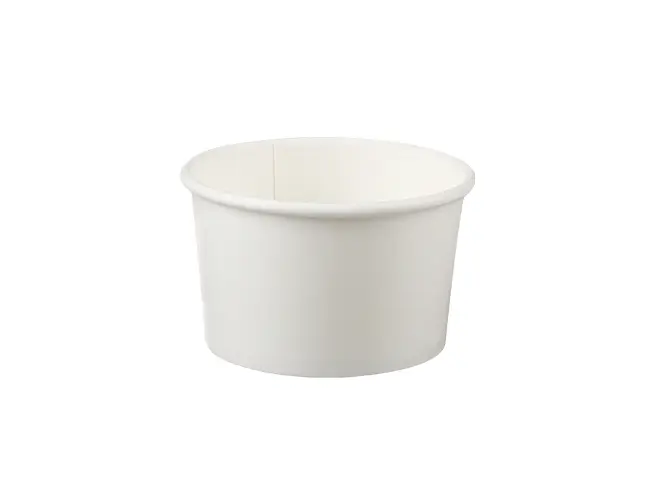
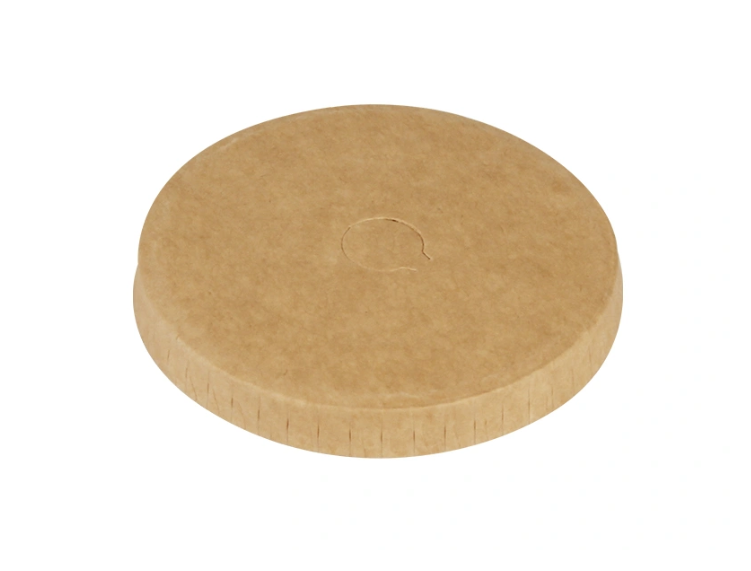
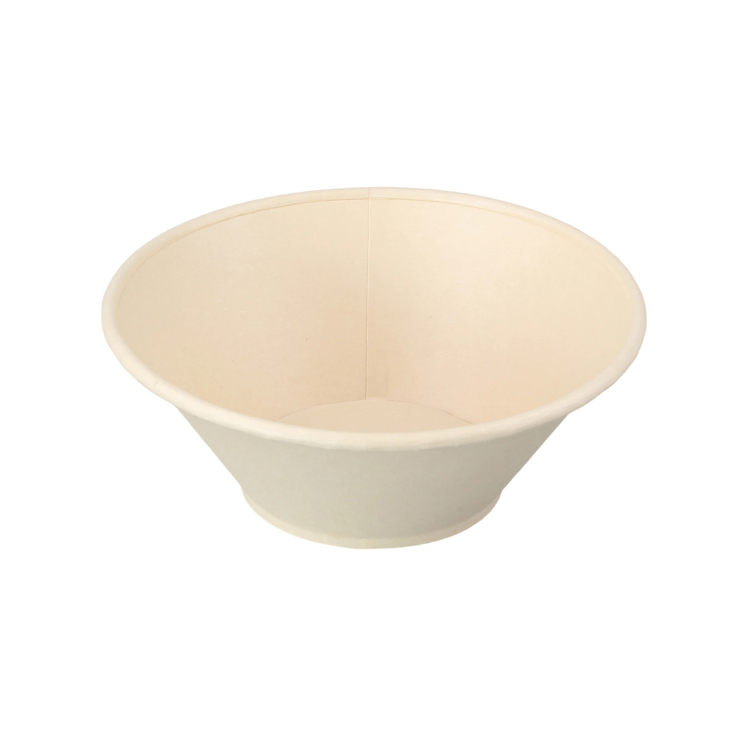
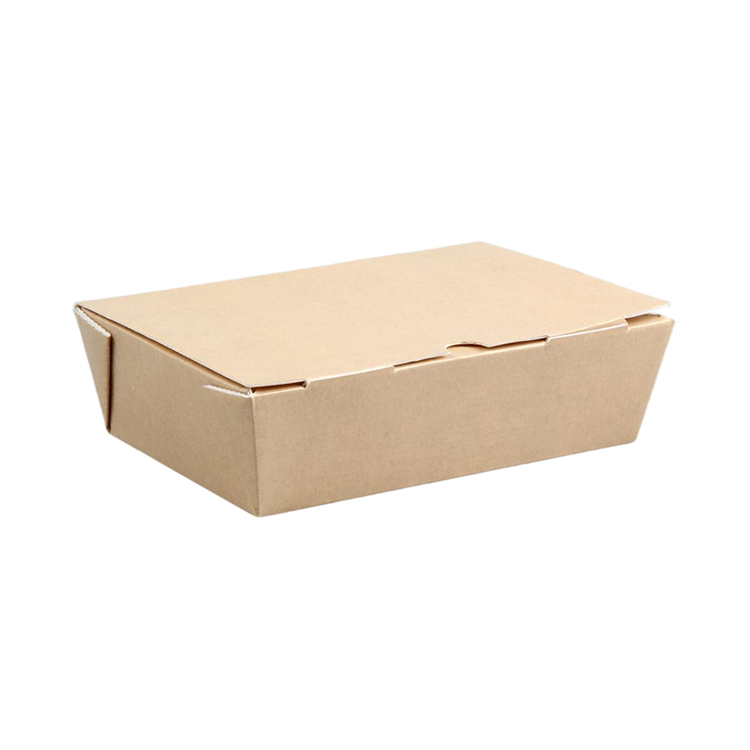
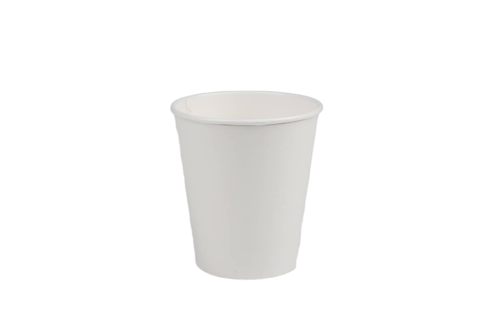
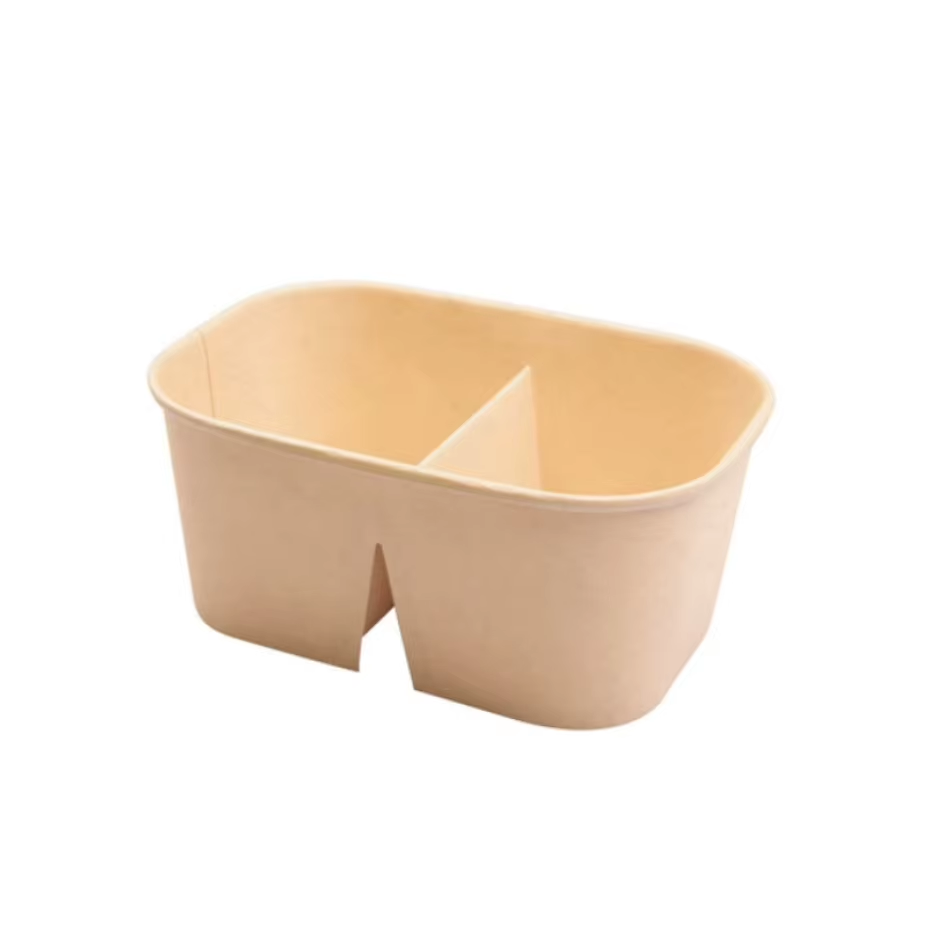
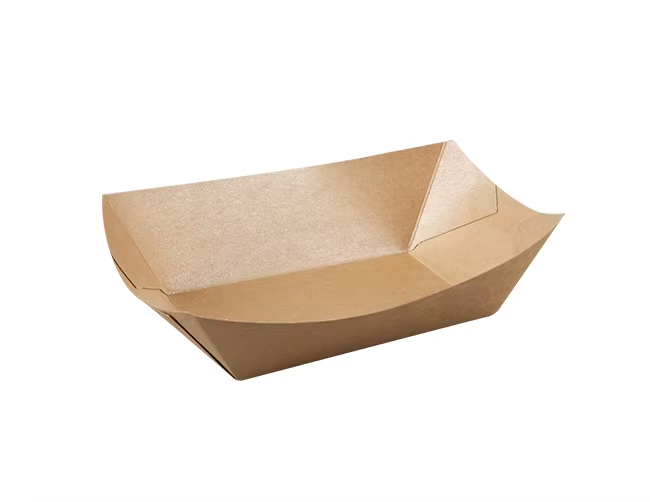
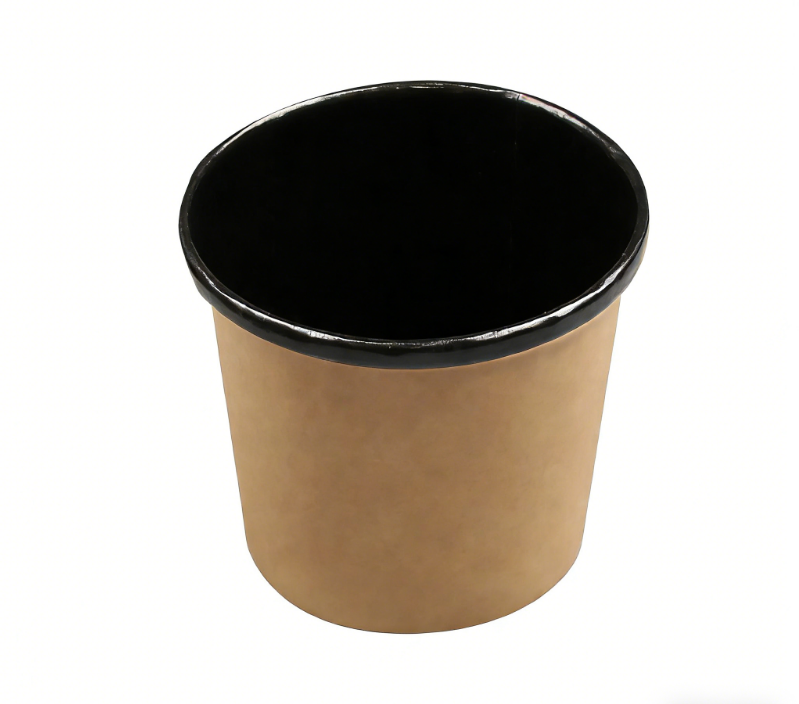
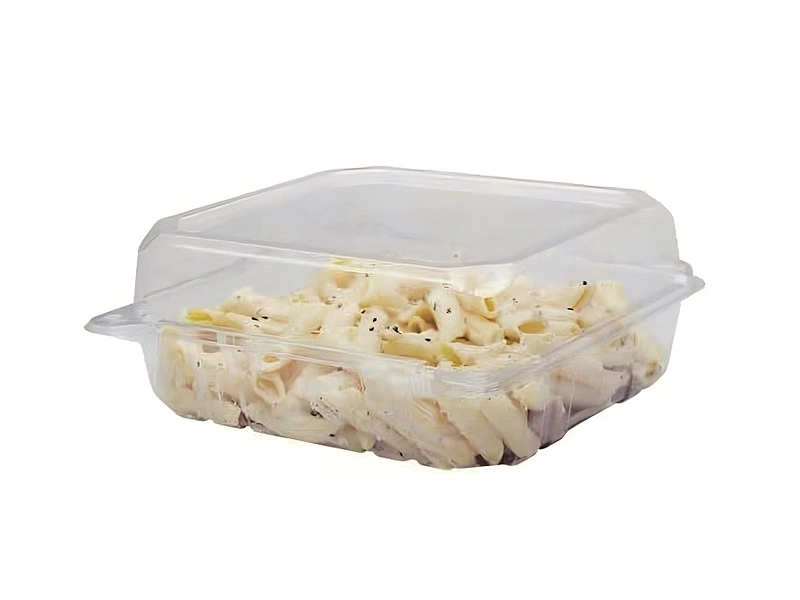
Environmental Impact Across the Lifecycle: Carbon, Energy, and Logistics About Clamshell Containers
Manufacturing Emissions: Plastic Clamshell Containers (PP/PS) vs Paper Clamshell Containers (Kraft + Coatings)
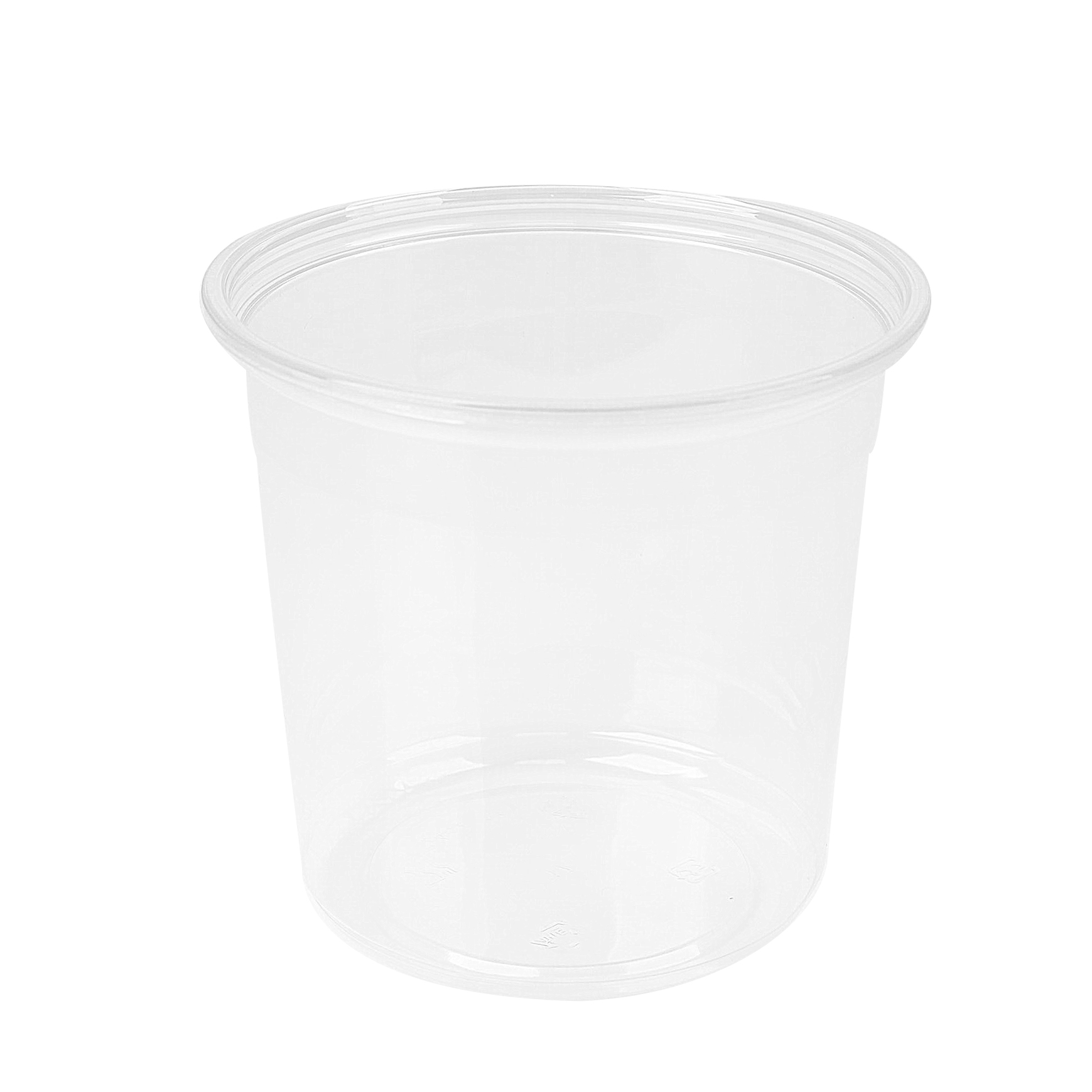
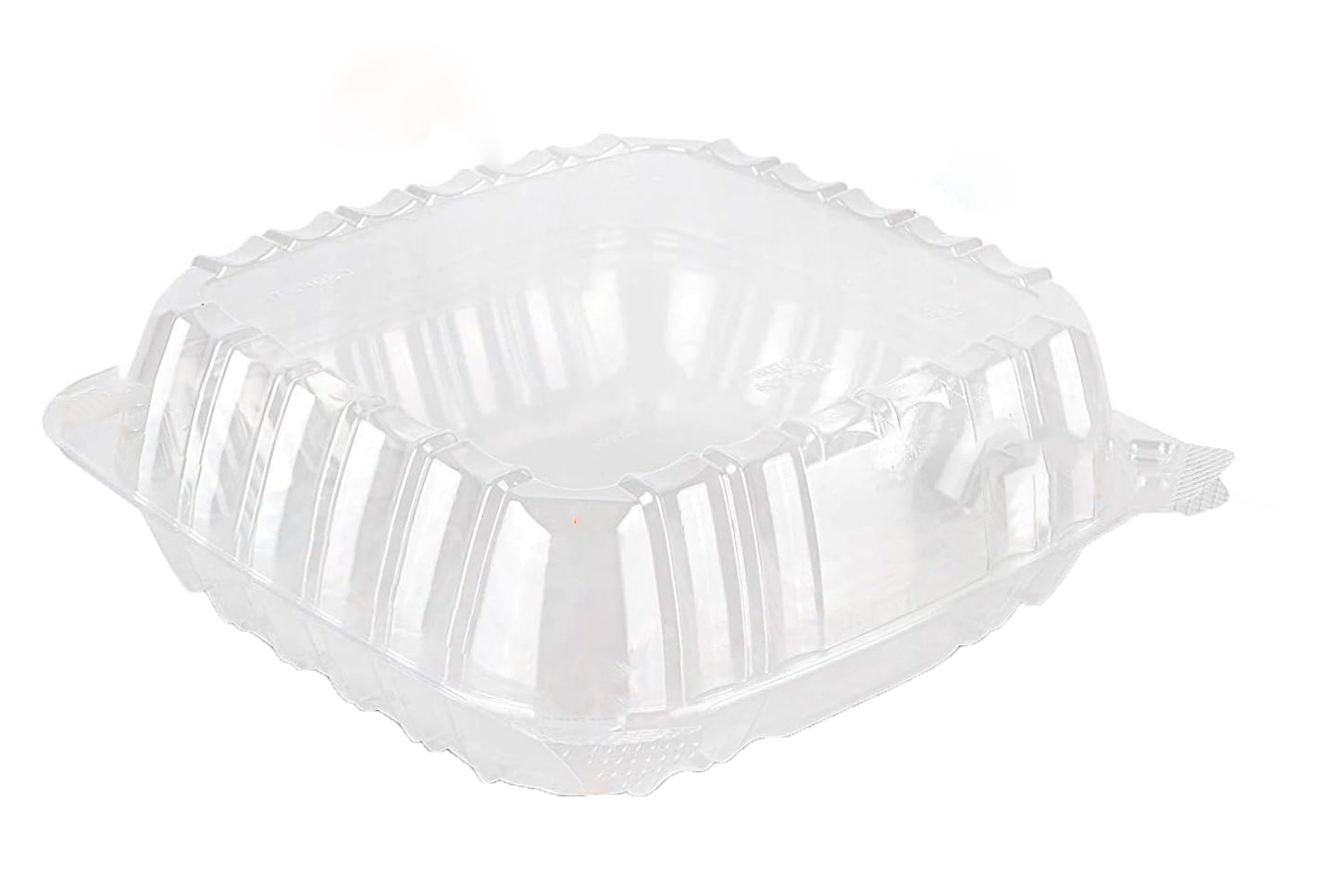
Most plastic clamshell containers come from polypropylene (PP) or polystyrene (PS), materials that start life as fossil fuels. Production creates between 1.7 to 3.5 kg of CO2 equivalent for every kilogram made. The paper versions are different though. They're made with kraft pulp and coated with water based stuff. The pulping process takes about 2 to 3 times more energy compared to making plastic products. But there's something else going on here too. Paper comes from renewable plant material after all. If manufacturers run their operations on green power sources, they actually cut down carbon emissions by around 15 to 30 percent compared to plastic makers. That said, plastic still has one trick up its sleeve when it comes to heat efficiency since it doesn't need such high temperatures during manufacturing.
Transportation Efficiency: How Weight, Stackability, and Pallet Yield Affect Embodied Carbon of Clamshell Containers
The weight of packaging materials and how they're designed really affects how much carbon gets released during transport. Take plastic clamshells for instance they typically weigh between 60 to 80 percent less than their paper counterparts. That means trucks can carry around 40 percent more items when using plastic instead. The way these plastic packages fit together also makes better use of space on pallets, so fewer trips are needed overall. Paper products tell a different story though. They take up more room relative to their weight, which actually leads to about 20 percent more emissions from shipping them around. When companies optimize how they stack things on pallets, they can cut down logistics emissions by roughly 25 percent with plastic packaging compared to just 15 percent improvement with paper. But interestingly enough, this advantage starts shrinking once shipments go over about 500 miles because paper has those lower emissions from production that somewhat balance out the transportation issue.
End-of-Life Performance: What Actually Happens to Clamshell Containers After Use
Compostability in practice: EN13432-certified paper clamshell containers vs PLA-lined plastic alternatives
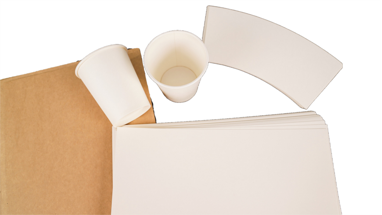
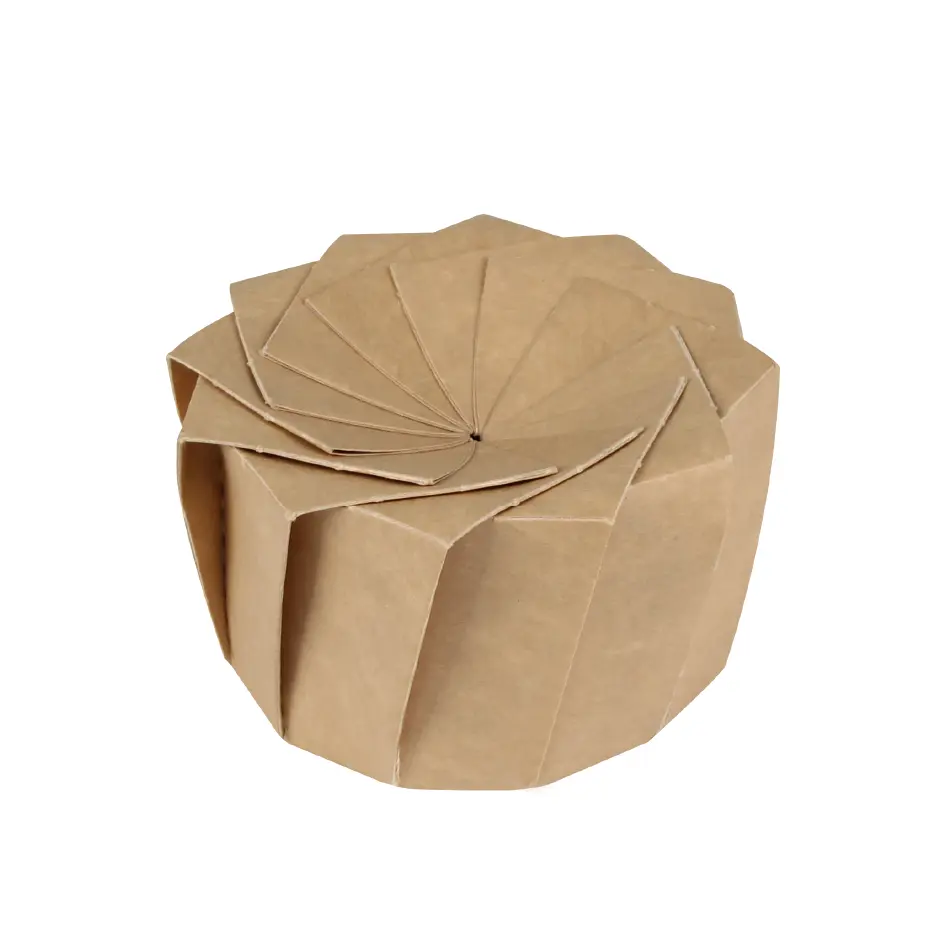
Paper clamshells certified under EN13432 standards break down completely within about 60 to 90 days when placed in industrial composting environments, and importantly leave behind no harmful substances. These products are mostly made from bagasse, which comes from sugarcane fibers, and this material grows back quickly compared to other options. When looking at alternatives like PLA lined plastics, there's a big difference. Those require very specific conditions including just right temperatures, proper humidity levels, and certain microbes present, but most city composting systems simply don't meet these requirements. According to research done in 2021, around 35 percent of all commercial composting sites actually refuse to take PLA materials because they take over 180 days to break down and can mess up the compost stream. Paper based solutions work much better since they become compostable without needing any petroleum based ingredients, making them particularly attractive for restaurants and cafes trying to get their zero waste certifications sorted out.
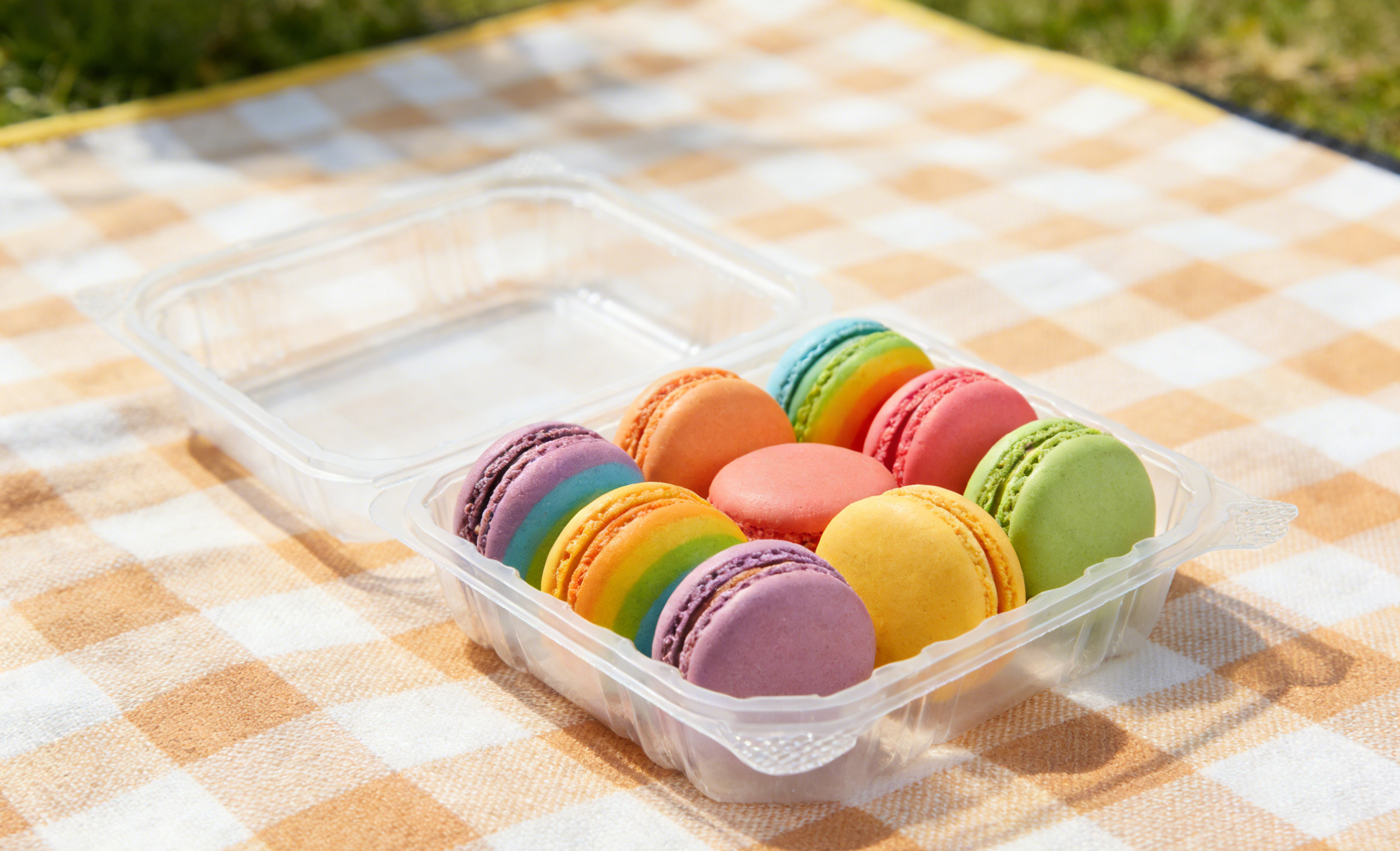
Recycling realities: Contamination, fiber degradation, and coating barriers limiting recovery of both clamshell container types
The recycling rate for those clamshell containers stays stubbornly low. According to WRAP's 2023 report, about two thirds of these paper and plastic containers can't actually be recycled because they're covered in food residue. The problem gets worse when we look at specifics. Paper containers often have polyethylene coatings that completely stop fiber recovery from happening. Meanwhile, those thin walled PP/PS clamshells tend to get stuck in mechanical sorters at recycling facilities all the time. Paper fibers themselves don't last long either, breaking down after only around four or five trips through the recycling process. And then there's this issue with PLA laminates contaminating PET recycling streams. In reality, less than one fifth of these containers ever make it into actual recycling programs. Most just wind up in landfills where paper starts producing methane as it breaks down without oxygen, while plastic waste sticks around for literally hundreds of years.
Functional Integrity and Material Trade-offs in Clamshell Containers
Moisture barrier performance: PE lamination vs water-based coatings impact on shelf life and compostability
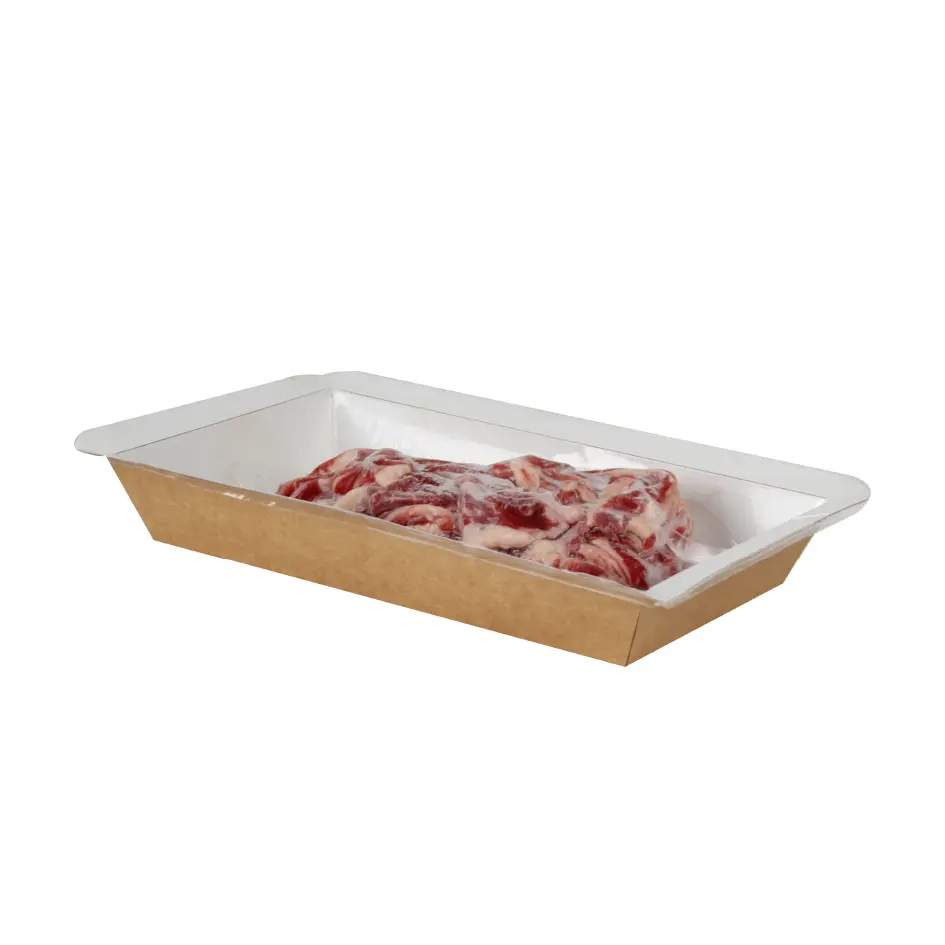
How well moisture barriers hold up makes all the difference for keeping food fresh and what happens to packaging at the end of its life. When we look at polyethylene (PE) laminations, they really stand out for resisting water and grease, which can extend how long products stay good on shelves maybe around 30% longer than stuff without any coating according to some research from Packaging Research back in 2022. But there's a problem here. PE doesn't actually break down properly in industrial composters. Instead it just breaks into tiny pieces, and this requires special sorting equipment that many places don't have access to. Water based coatings offer decent protection though not as strong as PE. They work fine for storing dry goods or items with low moisture content for shorter periods. Plus these coatings completely decompose within about 12 weeks if processed correctly in facilities certified under EN13432 standards. So basically, PE gives better shelf life but creates waste issues, whereas water based options let materials return to nature cleanly through proper composting systems.
Regulatory and Market Forces Driving Clamshell Container Selection
The clamshell game is changing fast thanks to new rules and what people want these days. The EPA and OSHA have gotten stricter about materials, so manufacturers need stuff that's either non-toxic, can be recycled, or will break down in compost. This has created a lot of changes in how both plastic and paper products get made. At the same time, folks really care about green packaging now. The numbers back this up too - sustainable packaging demand is going up around 12% each year, and nearly two thirds of restaurant goers would actually shell out extra cash for those eco takeout boxes according to that 2024 Foodservice Sustainability report. All this pressure from above and below is pushing companies to develop better coatings for containers. These new coatings need to keep food dry but still qualify as compostable. With plastic taxes popping up everywhere and those EPR laws spreading to over 20 states already, restaurant owners are starting to stock up on containers that meet EN13432 standards just to dodge those extra fees and keep their reputation intact. What works best right now? Products that check all the boxes at once: they pass the regulations, don't fall apart when things get tough in shipping, and show customers the business cares about sustainability.
FAQ
What are the major differences between plastic and paper clamshell containers in terms of environmental impact?
Plastic clamshells are generally more efficient in terms of transportation due to their lighter weight and better stackability, which may lead to fewer emissions during shipping. Paper clamshells, on the other hand, are made from renewable resources and can be composted under the right conditions, making them more environmentally friendly at the end-of-life stage.
How do compostability standards impact the choice of materials for clamshell containers?
Compostability standards like EN13432 ensure that materials break down in industrial composting environments without leaving harmful residues. Paper clamshells often meet these standards more easily than plastic alternatives, especially those lined with PLA, which require specific composting conditions.
Why is the recycling rate for clamshell containers low?
The low recycling rate is mainly due to contamination with food residues and the presence of coatings that hinder the recovery of fibers or materials. Plastic clamshells may also get caught in sorting systems, and paper fibers degrade after several recycling cycles, limiting their recovery.
Table of Contents
- Environmental Impact Across the Lifecycle: Carbon, Energy, and Logistics About Clamshell Containers
- End-of-Life Performance: What Actually Happens to Clamshell Containers After Use
- Functional Integrity and Material Trade-offs in Clamshell Containers
- Regulatory and Market Forces Driving Clamshell Container Selection
- FAQ