
Plastic Containers for Food for Takeaway: Materials, Standards, and Safety Limits
FDA-Approved Plastics for Food Contact: HDPE, LDPE, and PP
When it comes to plastics that touch food directly, the FDA has pretty strict rules in place, specifically outlined in 21 CFR 177.1520. They only approve certain plastics that stay chemically stable and don't let much stuff leach out over time. The main ones on the approved list are HDPE (number 2 plastic), LDPE (number 4), and PP (number 5). High density polyethylene stands up well against acids and fats, which makes it great for storing things like salad dressings and sauces. Low density polyethylene is what gives those flexible lids their grip and keeps wraps from tearing easily. Polypropylene handles heat really well, so it's commonly used for containers that hold hot food items. Before any of these plastics get stamped as safe for food contact, they go through extensive testing to check if anything bad might migrate into the food itself, even when stored for long periods or exposed to different temperatures.
Temperature Resistance and Thermal Stability in Hot/Cold Delivery Scenarios
Keeping containers intact when exposed to extreme temperatures matters a lot for food safety and preventing leaks. Polypropylene stays pretty much the same shape even at 120 degrees Celsius, which makes it great for things like steamed meals or reheating leftovers in the microwave. High density polyethylene works well between minus 50 and 110 degrees Celsius, so it's commonly used for frozen treats and also those hot soup containers we all know. Low density polyethylene tells a different story though. Once temps hit around 90 degrees Celsius, these containers start warping, which means spills are more likely and seals just don't hold up as they should. To get the best results from plastic containers, always check what kind of plastics were used and match them to their intended temperature ranges.
- Use PP containers for hot foods.
- Choose HDPE for acidic or oily items (e.g., tomato-based sauces, curries)
- Reserve LDPE for cold or ambient-temperature applications only
Chemical Leaching Risks Under Heat, Oil Exposure, and Mechanical Stress
The movement of chemicals tends to speed up when exposed to heat, fats, and mechanical stress. For instance, studies show that phthalates found in PVC plastic (number 3 recycling code) can leach out at least 18 times quicker when they come into contact with oily substances according to research published in the Journal of Food Science last year. Polystyrene plastics marked with number 6 release styrene, which is considered possibly carcinogenic to humans, especially when heated beyond 70 degrees Celsius. When these materials get repeatedly squeezed or stacked together over time, their polymer structures start breaking down, making them even more likely to release harmful substances. Looking at commonly approved materials for food contact applications, polypropylene (PP) and high density polyethylene (HDPE) stand out as having significantly lower migration rates compared to other plastics on the market today.
| Polymer | Oil Exposure Leaching Risk | Heat Threshold |
|---|---|---|
| PP (#5) | Low | 120 °C |
| HDPE (#2) | Moderate | 110 °C |
| PVC (#3) | High | 70 °C |
| Always verify microwave-safe labeling–and avoid reheating oily or acidic foods directly in plastic containers. |
Understanding Plastic Recycling Codes for Safe Food Container Selection
Resin Identification Codes (1–7) and Their Relevance to Takeaway Plastic Containers for Food
The Resin Identification Code system, those numbers from 1 to 7 within that triangle with arrows going around, serves as a guide to figure out what kind of plastic something is made from when it comes to recycling and checking if it's safe for food. When grabbing takeout containers or anything meant to hold food on the go, most people should stick with plastics labeled #1 (PET/PETE), #2 (HDPE), #4 (LDPE), or #5 (PP) since these have been approved by the FDA for regular food contact situations. The other codes like #3 (PVC), #6 (PS), and #7 (which often contains polycarbonate or mixes different resins together) pose known health concerns and generally aren't given the green light for food applications by regulators across the board.
| Code | Plastic Type | Food-Safe? | Common Takeaway Uses |
|---|---|---|---|
| 1 | PET/PETE | Limited* | Single-use drink bottles |
| 2 | HDPE (High-Density Polyethylene) | Yes | Sauce cups, sturdy clamshells |
| 3 | PVC | No | Avoid in food packaging |
| 4 | LDPE | Yes | Squeeze bottles, bag liners |
| 5 | PP (Polypropylene) | Yes | Microwaveable trays, soup containers |
| 6 | PS (Polystyrene) | No | Banned in multiple jurisdictions |
| 7 | Other (e.g., PC) | No** | Not food-safe |
| *PET is intended for single-use only; reuse promotes bacterial growth and microplastic shedding. | |||
| **#7 often contains bisphenol A (BPA) or analogues linked to endocrine disruption. |
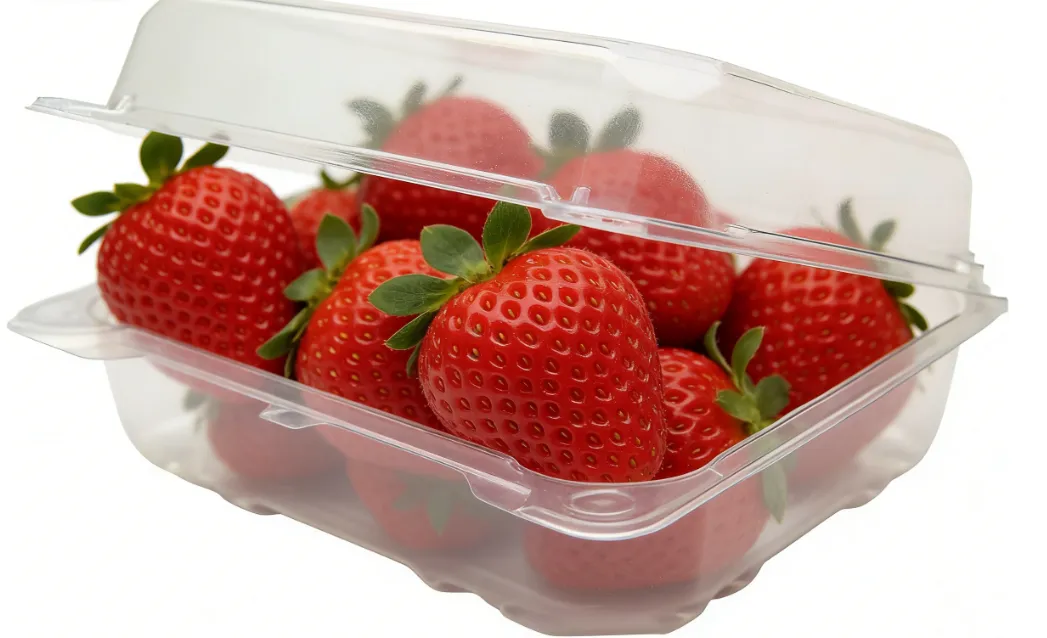
Top Recyclable & Performance-Optimized Options: #2 (HDPE) and #5 (PP) for Hot Food Transport
When it comes to functionality and recyclability, HDPE plastic (number 2) and polypropylene (number 5) stand out from the rest. Polypropylene has this great property where it doesn't melt easily even when exposed to pretty high temperatures around 160-170 degrees Celsius. That makes it ideal for things like hot fill applications or when someone wants to reheat food in the microwave without worrying about deformation. HDPE on the other hand handles chemicals much better, so it won't break down when storing acidic substances or greasy foods over time. What's interesting is that these materials actually maintain their structural integrity after being recycled multiple times, which is why most cities include them in their regular recycling collection programs. Recent research published in a packaging journal back in 2023 showed something fascinating too. When tested under conditions of 90 degrees Celsius for two whole hours, PP containers only released less than 0.01% of chemicals into whatever was inside them. Compare that to PET and LDPE plastics, and PP clearly performs much better when subjected to prolonged heat exposure.
High-Risk Plastics to Avoid in Food-Grade Takeaway Packaging
PVC (#3), Polystyrene (#6), and BPA-Containing Plastics: Health and Regulatory Concerns
PVC plastic number three contains phthalates which are known endocrine disruptors linked to problems during development and reproduction. These chemicals tend to seep into food products when they get warm or come into contact with oils. Then there's polystyrene, number six plastic, particularly the expanded foam kind we see everywhere from coffee cups to food containers. When hot or acidic foods sit in this material, it releases styrene. The International Agency for Research on Cancer actually lists styrene as possibly cancerous to humans. Many places around Europe, Canada, and various American cities have already started restricting or banning both types of plastic. What about those unlabeled plastics or the ones marked with a seven? They often include BPA or similar substances like BPS. Long term research shows these compounds can mess with our metabolism and hormone levels. Health authorities such as the FDA and EFSA suggest switching to safer options instead. The best bets currently seem to be high density polyethylene (number two) and polypropylene (number five).
Microwave Safety and Reheating Realities for Plastic Containers for Food
Beyond the Label: When 'Microwave-Safe' Falls Short in Real-World Takeout Use
The "microwave safe" label actually means the item meets FDA standards for staying physically stable during heating—not that it's completely chemically safe. Most testing looks at whether things warp or deform when heated briefly under controlled conditions, not what happens in actual microwaves where heat distribution is uneven, people often run multiple cycles, or containers get used over and over again. What matters most is how much fat is present and the temperature reached. A recent 2024 study from EuroPlas found that some plastic containers released endocrine disrupting chemicals about 28 percent faster when reheating greasy foods past 149 degrees Fahrenheit (around 65 Celsius). And damaged containers are even worse problems. Scratched surfaces or discolored areas weaken the container's defenses against chemicals escaping. PET plastic containers can start shedding microplastics detectable in food after only one microwave session according to laboratory tests.
For safer reheating:
- Transfer food to ceramic or glass before microwaving
- Discard any container showing cracks, cloudiness, or warping
- Never use PVC (#3), polystyrene (#6), or unlabeled #7 plastics
Because microwave wattages vary widely–and many takeout meals exceed 160 °F during reheating–chemical migration can surpass thresholds established in FDA lab testing (ChemicalSafetyFacts.org). Relying on certified alternatives like PP or glass remains the most evidence-informed practice.
FAQ
What types of plastics are FDA-approved for food contact?
HDPE, LDPE, and PP are the primary plastics approved by the FDA for food contact due to their chemical stability and low leaching rates.
Why is temperature resistance important in takeaway containers?
Temperature resistance is crucial for maintaining container integrity, preventing leaks, and ensuring food safety when exposed to extreme temperatures during delivery or storage.
Are "microwave-safe" labels completely reliable?
While "microwave-safe" labels indicate physical stability under controlled conditions, real-world use can still result in chemical leaching, especially when heating fatty foods.
What plastic containers for food should be avoided for food packaging?
PVC (#3), Polystyrene (#6), and plastics containing BPA or its analogues should be avoided due to their potential health risks and regulatory concerns.