


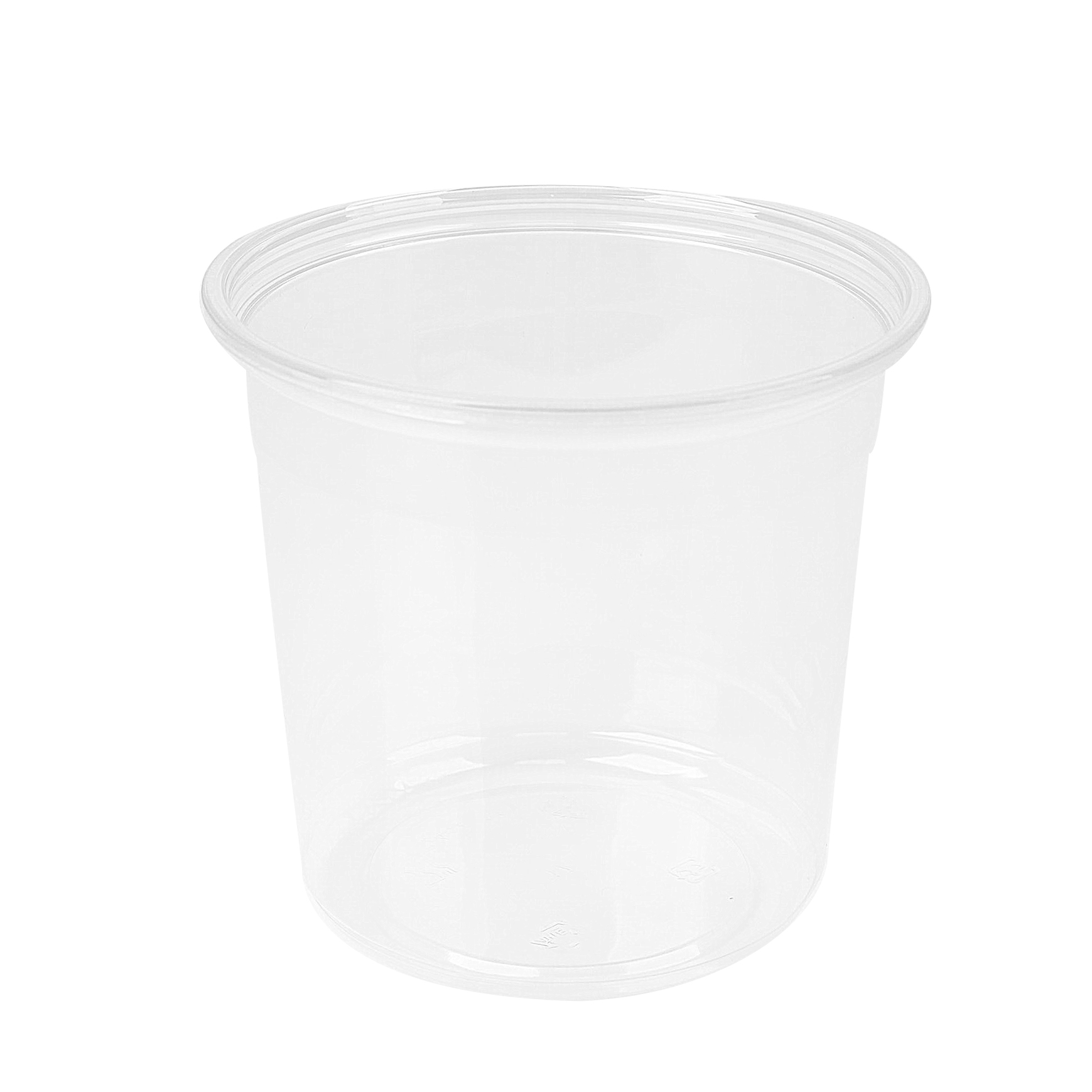
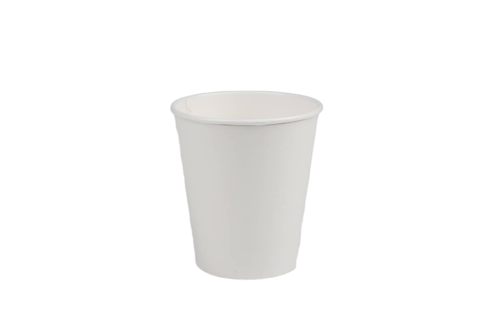
Choosing the right plastic coffee cups is an essential decision for cafés, distributors, takeaway brands, and wholesalers. The correct plastic cup sizes influence customer satisfaction, cost control, packaging efficiency, and brand consistency. Whether you are purchasing small plastic cups for espresso or 16 oz plastic cups for large takeaway beverages, understanding plastic cup sizes in oz helps you build a practical product range.
This guide explains how to choose plastic coffee cups, how different plastic cup sizes in oz work, and how to select the best plastic coffee cups for your business.
Why Plastic Coffee Cups Size Matters
For any beverage business, cup size is not just a packaging detail. Plastic coffee cups determine portion control, pricing strategy, and operational efficiency. Selecting proper plastic cup sizes ensures your menu stays consistent and your supply chain remains efficient.
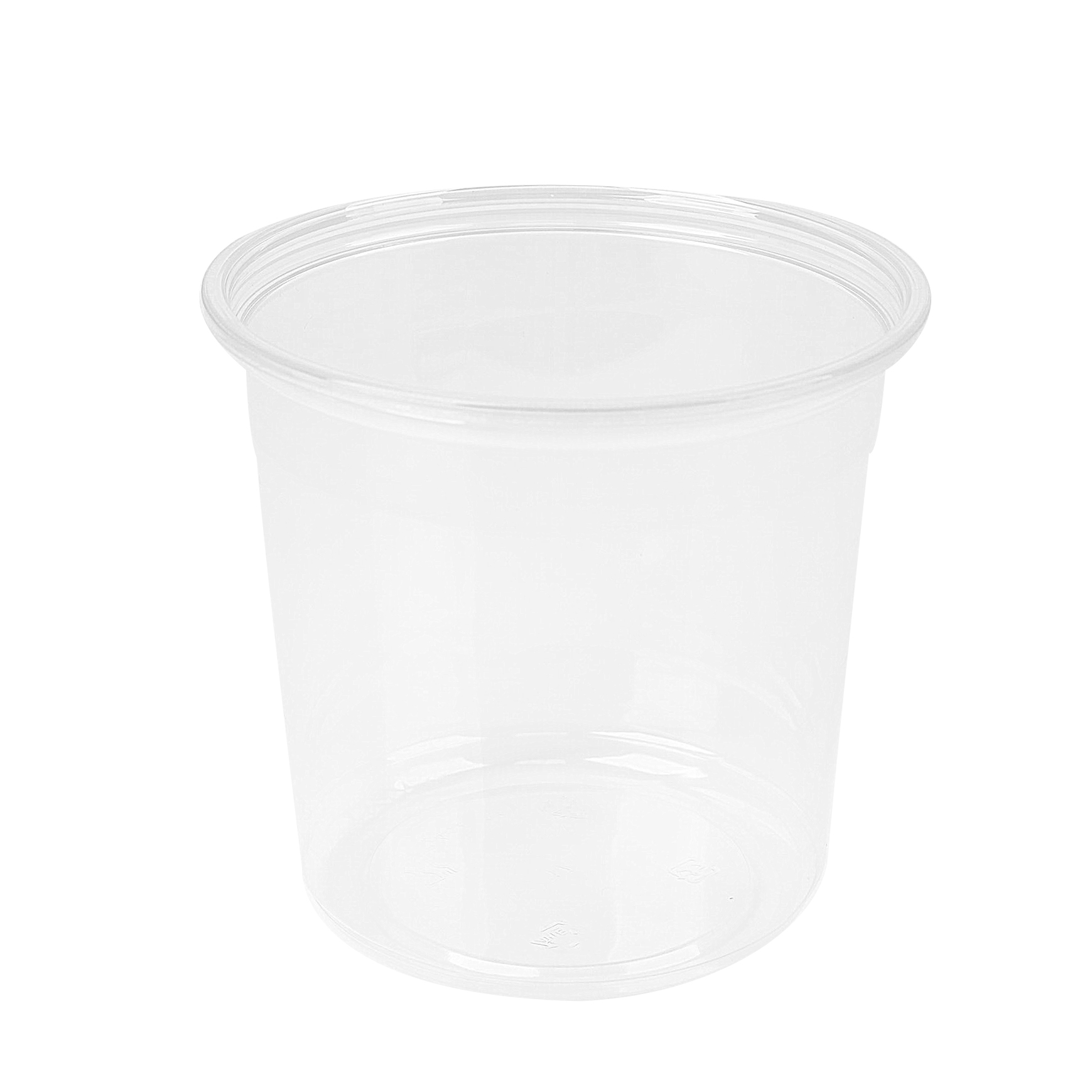
Many businesses choose a full range of plastic coffee cups to serve different drinks. For example, small plastic cups are ideal for espresso or tasting samples, while 16 oz plastic cups are perfect for iced coffee, milk tea, and specialty drinks. Understanding plastic cup sizes in oz allows buyers to avoid over-purchasing unnecessary sizes.
Another key factor is cost. Larger plastic coffee cups require more material, affecting margins. By analyzing plastic cup sizes, companies can optimize purchasing decisions and reduce waste.
Understanding Standard Plastic Cup Sizes in oz
When buying plastic coffee cups, most suppliers categorize products based on plastic cup sizes in oz. Standard sizes usually include:
4 oz and 6 oz — common small plastic cups for espresso and samples
8 oz and 10 oz — regular coffee servings
12 oz — standard takeaway size
16 oz plastic cups — popular for iced coffee and large beverages
20 oz and above — premium or specialty drinks
Using multiple plastic cup sizes helps businesses serve diverse menu items while maintaining brand consistency. Many chains rely heavily on 16 oz plastic cups because they balance perceived value and material cost.
For distributors, offering a full range of plastic coffee cups covering key plastic cup sizes in oz increases competitiveness.
Small Plastic Cups: When and Why Businesses Need Them
Small plastic cups are often underestimated, yet they play a crucial role. Many coffee brands use small plastic cups for:
Espresso shots
Sampling new drinks
Dessert portions
Promotional tastings
Including small plastic cups in your plastic coffee cups lineup improves flexibility. Buyers should still evaluate durability, lid compatibility, and stacking efficiency when selecting plastic cup sizes.
From a wholesale perspective, small plastic cups also help brands reduce waste because they support portion control.
Why 16 oz Plastic Cups Are the Industry Standard
Among all plastic cup sizes in oz, 16 oz plastic cups are one of the most demanded options. Beverage brands prefer 16 oz plastic cups because they suit:
Iced coffee
Milk tea
Smoothies
Specialty beverages
For many takeaway businesses, 16 oz plastic cups generate strong perceived value while keeping packaging costs manageable. This explains why suppliers prioritize plastic coffee cups in this size.
When building a product portfolio, ensuring consistent supply of 16 oz plastic cups is critical.
Key Factors When Choosing Plastic Coffee Cups
When evaluating plastic coffee cups, buyers should consider more than just plastic cup sizes.
1. Beverage Type
Hot vs cold drinks influence which plastic coffee cups you need. Cold beverages usually require clearer materials and strong lids, especially for 16 oz plastic cups.
2. Lid Compatibility
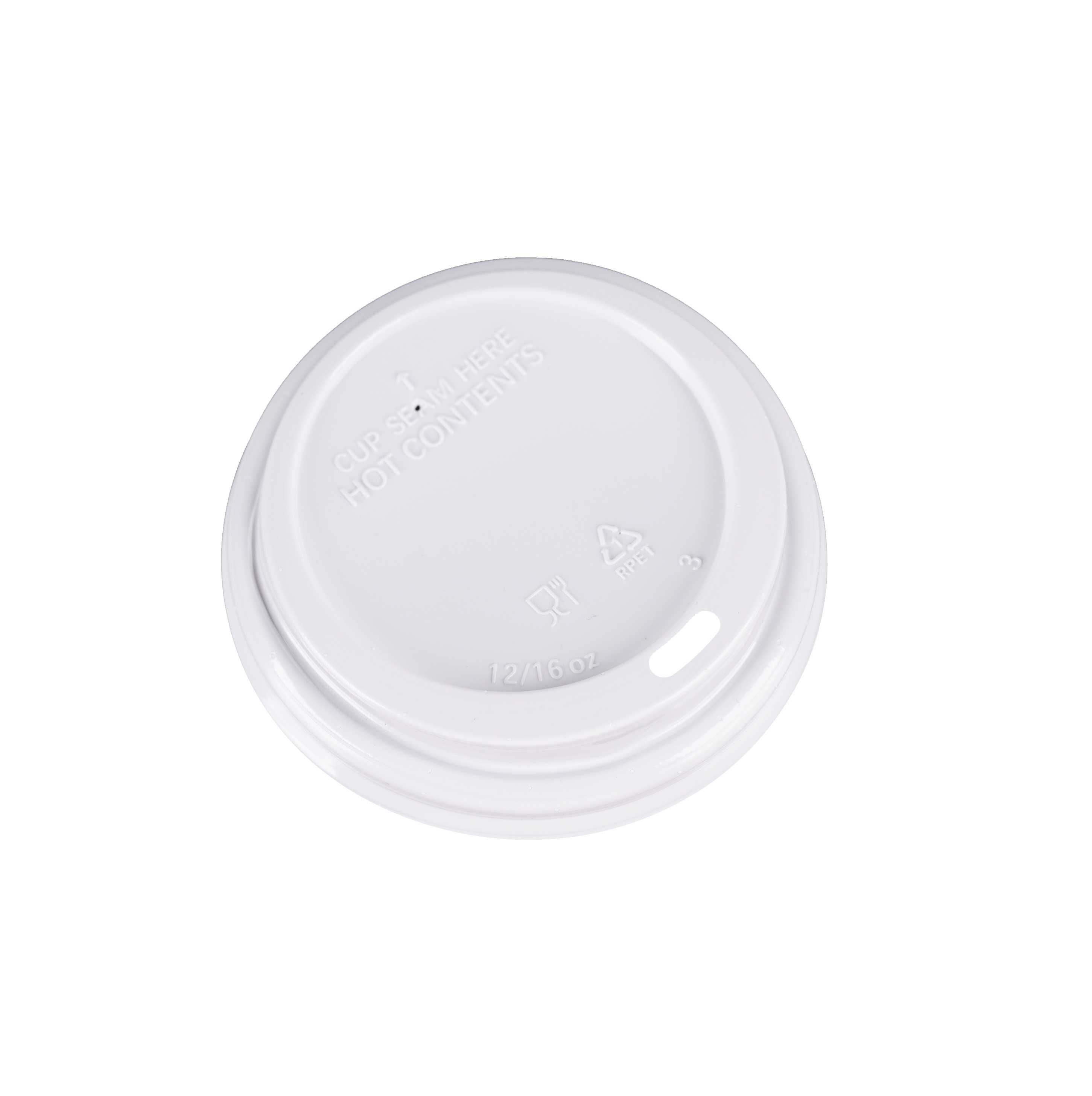
Different plastic cup sizes in oz require matching lids. Standardization across plastic coffee cups simplifies inventory management.
3. Material Strength
Durability matters. High-quality plastic coffee cups prevent leakage and deformation, particularly in larger plastic cup sizes.
4. Storage & Logistics
Stackability varies across plastic cup sizes in oz. Efficient stacking reduces warehouse space.
Building a Practical Plastic Coffee Cups Product Range
A smart strategy is offering a core lineup of plastic coffee cups:
Small plastic cups (4–6 oz)
Medium plastic cup sizes (8–12 oz)
Large 16 oz plastic cups
Optional premium sizes
This approach allows distributors to serve different clients while simplifying procurement. Businesses that standardize plastic coffee cups across key plastic cup sizes in oz achieve better cost control.
Cost Optimization Through Plastic Cup Size Strategy
Selecting the right plastic coffee cups directly impacts profit. Many companies mistakenly focus only on price per unit rather than total usage across plastic cup sizes.
For example, switching some drinks from 16 oz plastic cups to smaller sizes can reduce material costs without affecting customer satisfaction. Likewise, optimizing small plastic cups for samples prevents over-serving.
Long-term contracts with suppliers for core plastic coffee cups sizes often deliver better pricing.
Sustainability and Market Trends
Sustainability is shaping the future of plastic coffee cups. Buyers increasingly request:
Recyclable materials
Lightweight designs
Reduced plastic usage across plastic cup sizes
Optimizing plastic cup sizes in oz also supports sustainability by preventing over-portioning. Many brands now design menus around fewer plastic coffee cups sizes to minimize waste.
Final Thoughts
Choosing the right plastic coffee cups requires understanding menu strategy, cost structure, and customer expectations. By analyzing plastic cup sizes in oz, including small plastic cups and 16 oz plastic cups, businesses can build an efficient product lineup.
For B2B buyers, the best approach is to standardize core plastic coffee cups sizes, ensure lid compatibility, and work with reliable suppliers. A clear plastic cup sizes strategy improves operations, strengthens brand consistency, and supports long-term growth.
Table of Contents
- Why Plastic Coffee Cups Size Matters
- Understanding Standard Plastic Cup Sizes in oz
- Small Plastic Cups: When and Why Businesses Need Them
- Why 16 oz Plastic Cups Are the Industry Standard
- Key Factors When Choosing Plastic Coffee Cups
- Building a Practical Plastic Coffee Cups Product Range
- Cost Optimization Through Plastic Cup Size Strategy
- Sustainability and Market Trends
- Final Thoughts