


Catalogue
Let's stay in touch
Get 5% off your first order.
Latest Articles
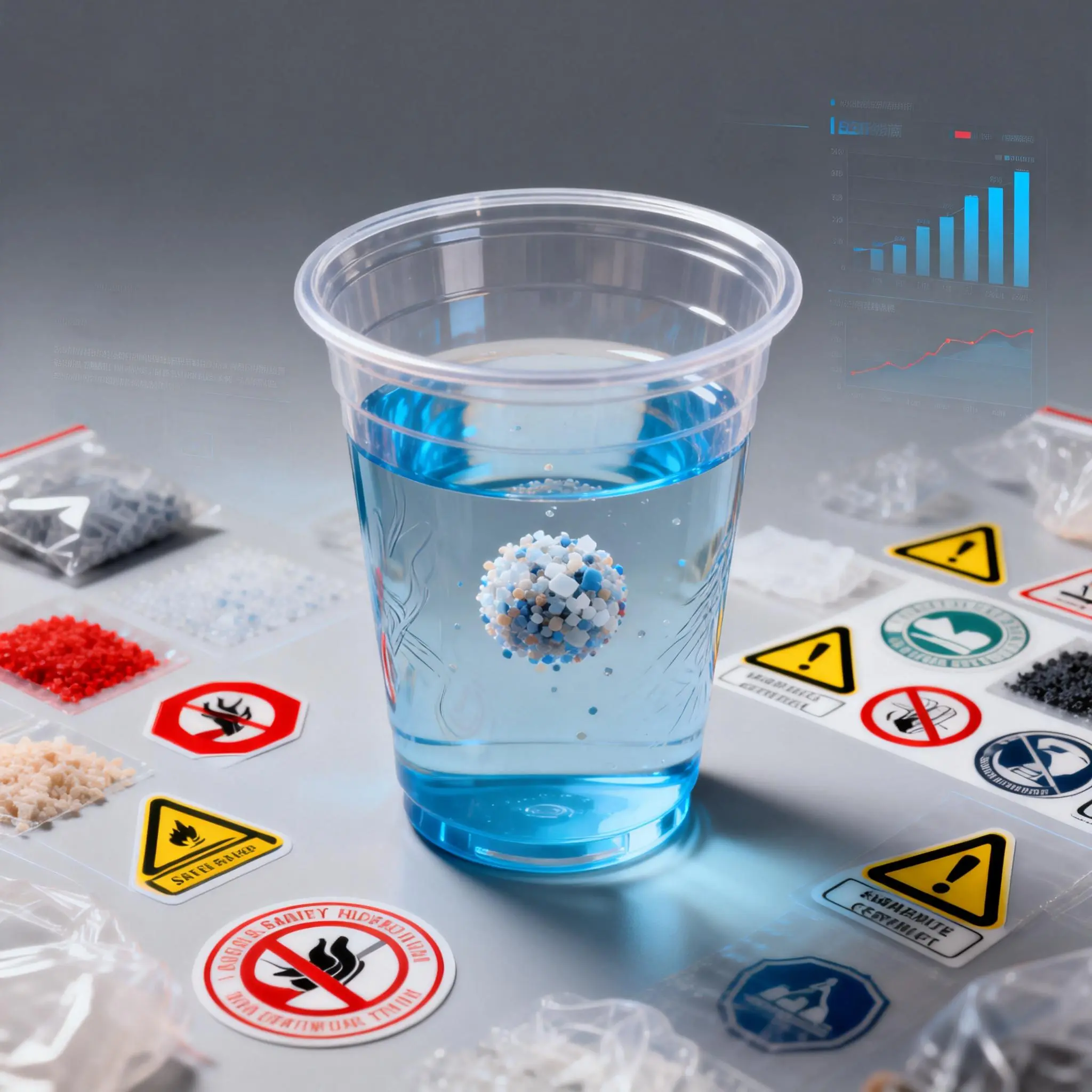
Plastic cup packaging remains a cornerstone of the global food service, beverage, and hospitality industries. From quick-service restaurants and cafés to stadium concessions, airlines, catering companies, and large-scale events, plastic cups offer unmatched convenience, scalability, and cost efficiency. For decades, they have been viewed primarily as a functional commodity. Today, however, plastic cups sit at the center of intense discussion around microplastics, food safety, regulatory compliance, and environmental sustainability.
For B2B buyers—including packaging distributors, food service brands, procurement managers, and manufacturers—understanding plastic cup materials and performance is no longer optional. Purchasing decisions now directly influence brand reputation, ESG commitments, regulatory exposure, and long-term operational risk. This guide provides a comprehensive, business-oriented analysis of plastic cup packaging, covering material types, microplastic concerns, health and safety implications, insulation performance, and future trends.
Do All Plastic Cups Release Microplastics?
Microplastics are defined as plastic particles smaller than 5 millimeters. They are typically categorized as either primary microplastics, which are intentionally manufactured at microscopic sizes, or secondary microplastics, which result from the breakdown of larger plastic products. Plastic cups fall into the second category.
All plastic cups have the potential to release microplastics over time. This does not mean that every cup immediately sheds particles in dangerous quantities, but it does mean that plastic is inherently degradable under real-world conditions. Degradation occurs through mechanical stress, thermal exposure, chemical interaction, ultraviolet radiation, and aging.
In food service environments, plastic cups are exposed to stacking pressure, transportation vibration, filling machinery, and consumer handling. These mechanical forces can create micro-abrasions on the cup surface. When hot liquids such as coffee or tea are introduced, polymer chains weaken further, increasing the likelihood of microscopic particle release into beverages.
How Plastic Cups Degrade and Release Particles
Most disposable plastic cups are designed with thin walls to minimize resin usage and cost. While this is economically efficient, thinner walls are more vulnerable to heat and stress. When cups are exposed to temperatures beyond their intended design range, polymer fatigue accelerates. Micro-fractures form at the surface level, and small plastic particles can detach.
Reusable plastic cups face a different risk profile. Repeated washing—especially in commercial dishwashers—introduces heat, detergents, and abrasion. Over dozens or hundreds of cycles, surface degradation increases, raising the potential for microplastic release. For B2B buyers operating high-volume beverage programs, this distinction between single-use and reusable plastics is critical.
What Cups Do Not Produce Microplastics
From a materials standpoint, only non-plastic cups can completely avoid plastic microplastics. These include stainless steel, glass, ceramic, and certain fiber-based paper cups that do not contain plastic linings. While these materials may release other particles, such as trace metal ions or mineral dust, they do not generate plastic polymers.
For plastic cups, the goal is not elimination of microplastics but risk reduction. This is achieved through appropriate material selection, temperature control, and usage guidelines.
Certifications to Look for When Sourcing Plastic Cups
Certifications play a vital role in B2B procurement, particularly for food-contact packaging. While certifications do not guarantee zero microplastic release, they significantly reduce chemical migration risks and ensure compliance with regulatory standards.
Key certifications include FDA food-contact compliance in the United States, EU Regulation (EC) No. 10/2011, LFGB certification in Germany, BPA-free declarations, and compliance with REACH and RoHS regulations for additives. These certifications indicate that a product meets established safety thresholds under defined conditions of use.
Is It Safe to Drink Out of Plastic Cups?
Current scientific research confirms that humans are exposed to microplastics through multiple pathways, including drinking water, packaged food, and airborne dust. Plastic cups represent one of many contributors rather than a dominant source. The primary concern is cumulative exposure rather than immediate toxicity.
Short-term use of plastic cups for cold beverages is generally considered low risk. Long-term or repeated use, particularly with hot liquids, introduces greater uncertainty. Additives such as plasticizers, stabilizers, and colorants may migrate at higher rates when exposed to heat.
For B2B operators, the key consideration is frequency and scale. A single plastic cup may pose negligible risk, but millions of servings per year amplify both exposure and reputational implications.
For B2B operators, the key consideration is frequency and scale. A single plastic cup may pose negligible risk, but millions of servings per year amplify both exposure and reputational implications.
Are There Plastics That Do Not Produce Microplastics?
No commercially viable plastic is entirely free from microplastic generation. Bioplastics, including polylactic acid (PLA), are often promoted as environmentally friendly alternatives. PLA is derived from renewable resources such as corn starch or sugarcane and is compostable under industrial conditions.
However, PLA still fragments into micro-sized particles when exposed to stress. It also has limited heat resistance, typically softening at temperatures above 50 to 60 degrees Celsius. For hot beverage applications, PLA is generally unsuitable without additional coatings or structural reinforcement.
From a performance perspective, bioplastics reduce reliance on fossil fuels but do not eliminate microplastic concerns. B2B buyers should view them as part of a broader sustainability strategy rather than a complete solution.
Should Businesses Stop Using Plastic Cups?
Plastic cups continue to dominate the food service industry because they offer low unit cost, lightweight logistics, hygienic single-use performance, and extensive customization options. Eliminating plastic cups entirely is not realistic for many operations.
Instead, leading brands focus on mitigation strategies. These include switching from polystyrene to polypropylene or PET, limiting plastic cup usage to cold beverages, introducing reusable cup systems for closed environments, and supporting recycling or take-back programs.
Balancing convenience, cost, and environmental impact requires a nuanced approach rather than absolute positions.
Balancing convenience, cost, and environmental impact requires a nuanced approach rather than absolute positions.
Do Ziploc Bags and Similar Plastics Release Microplastics
Flexible plastic products such as food storage bags are typically made from LDPE or LLDPE. These materials are more flexible and less brittle than rigid plastics, which reduces—but does not eliminate—microplastic generation. Heat exposure, freezing and thawing cycles, and repeated reuse all increase degradation.
From a risk standpoint, flexible plastics behave similarly to other food-grade polymers when exposed to stress. Proper usage guidelines remain essential.
Retail Availability: Plastic Cups at Discount Stores
Discount retailers such as Dollar General play a significant role in distributing low-cost plastic products. These stores typically carry disposable plastic cups, bowls, and small portion cups made from polystyrene or polypropylene. While affordability is a key advantage, sustainability considerations are often secondary.
Consumer criticism of discount retailers has grown in recent years, focusing on labor practices, environmental impact, and overreliance on disposable goods. For B2B buyers, this reflects broader consumer sensitivity to plastic-heavy supply chains.
What Plastic Is Used to Make Disposable Cups?
The most common plastics used in disposable cup manufacturing are polypropylene, polystyrene, and polyethylene terephthalate. Polypropylene offers high heat resistance and flexibility, making it suitable for hot beverages. Polystyrene is inexpensive and clear but brittle and poorly suited for heat. PET provides excellent clarity and recyclability but is best used for cold drinks.
Manufacturing typically involves resin melting, sheet extrusion, thermoforming, trimming, and stacking. Additives may be introduced to enhance clarity, impact resistance, or UV stability.
Recyclability varies by resin code. PET (#1) is widely recycled, polypropylene (#5) has moderate recycling infrastructure, and polystyrene (#6) remains difficult to recycle at scale.
Why Polypropylene Is Becoming the Preferred Choice
Food service trends increasingly favor polypropylene due to its balance of performance, safety, and recyclability. Compared to polystyrene, PP offers lower toxicity concerns and better heat tolerance. While it is not a perfect solution, it represents an incremental improvement aligned with regulatory and consumer expectations.
Why Type 3 Plastics Are Avoided
Type 3 plastics, primarily PVC, are not used for disposable cups due to chlorine content, additive toxicity, and disposal challenges. PVC can release harmful compounds when heated and is incompatible with most food service applications.
Industry Terminology for Plastic Cups
Common industry terms include PET tumblers, PP hot cups, PS shot cups, and brand-specific products from manufacturers such as Solo, Dart, and Hefty.
How to Insulate a Plastic Cup
Plastic has low thermal conductivity, but thin walls limit its insulating ability. Practical insulation methods include double-cupping to create an air gap, cardboard or paper sleeves, and foam or silicone jackets.
Aluminum foil reflects radiant heat but conducts temperature quickly, making it less effective than foam or air insulation. For cold beverages, double-cupping is often The Best Insulation Options
Vacuum insulation provides the highest performance, followed by foam, silicone, and cork. Single-wall plastic cups offer the least insulation.
Cup Lids and Microplastic Concerns
When discussing plastic cups and lids, especially those made of clear plastic, it is essential to consider the material composition. Lids for plastic cups, particularly clear plastic cup lids, are commonly used in food service and are integral to the overall package. These lids help protect contents and maintain beverage integrity. However, similar to plastic cups, the lids are not without concern when it comes to microplastic migration.
The growing trend of plastic cup lids wholesale purchases highlights the increasing demand for clear plastic lids across industries, including restaurants and cafes. Businesses looking for black plastic cups or custom designs often pair them with lids that are equally important for providing a complete solution.
An emerging trend in circular economy initiatives involves converting recycled plastic into building insulation and acoustic panels. Shredded PET and polypropylene fibers are increasingly used in construction materials, offering a secondary life for plastic waste.
Conclusion
Plastic cup packaging is evolving rather than disappearing. For B2B buyers, the future lies in informed material selection, responsible usage guidelines, and integration with broader sustainability strategies. No plastic cup is entirely free from microplastic risk, but thoughtful procurement decisions can significantly reduce environmental impact while maintaining operational efficiency.
As regulations tighten and consumer awareness grows, businesses that proactively adapt their packaging strategies will be best positioned for long-term success.